






Root Perm for Men: Finding the Flat Area
A men's root perm enquiry should locate the area that lacks height rather than treating the whole head as one problem. Front lift, the back crown and the parting may need different discussion. A men's crown perm request can involve local shape beyond the roots, so confirm the exact area and the intended dry outline.
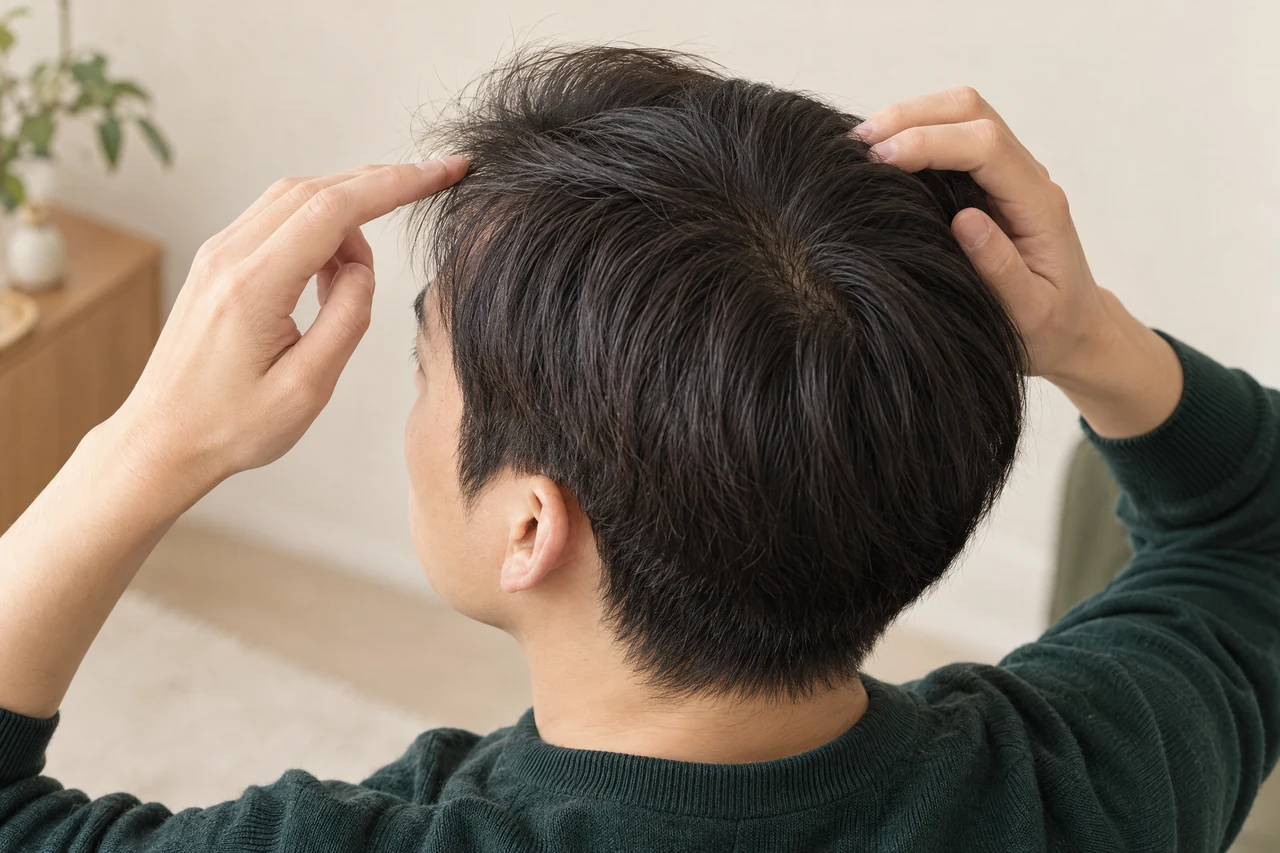
Look at your hair once it is dry and before adding your strongest styling product. At the front, decide whether you want the fringe to lift away from the forehead or simply avoid lying flat beside the parting. At the back crown, look from the side as well as above. The goal might be a softer transition into the back rather than a noticeably taller top.
A photograph of a lifted fringe does not necessarily show the crown shape you want. Choose a reference with a similar retained top length, then identify the part you like. Saying that you want a little space above the scalp while keeping straight-looking ends is more useful than requesting the whole hairstyle without discussing its cut or finishing.
Continue with root perm for men with flat hair for that specific comparison and the preparation questions it raises.
Defining the Area for a Root Perm for Men
Use your fingers to indicate the concern without pulling the hair into an artificial shape. Note where support is missing and where the hair already sits well. If your usual parting changes between workdays and weekends, explain both positions. Agreeing on what should remain untouched is as important as identifying where you want lift.
Root Support, Strand Movement and Side Control
A root volume perm for men describes the wish for more visible support near the roots. A root lift perm for men has the same height-focused aim. This differs from adding waves through the lengths or pressing projecting sides closer to the head; a flattering outline may need only one of these changes.
If the top already has enough height but the ends fall in a straight sheet, the missing feature may be movement through the strands. If the sides project outward, increasing crown height may leave the width concern unchanged. Compare these features separately before combining services. A balanced shape does not always require more chemical work across more areas.
The cut also deserves attention. A long, heavy top and very short sides create a different proportion from a shorter top with retained side coverage. Discuss a men's haircut when you want to adjust that balance before deciding whether local chemical support adds anything useful. Avoid removing so much top length that the reference shape no longer makes sense.
Continue with root perm vs down perm for that specific comparison and the preparation questions it raises.
Three Different Directions for the Hair
Describe each desired change in plain language: lifting away from the scalp, bending through the lengths, or sitting closer at the sides. You can ask for a quiet crown outline without asking for visible curls. Equally, a textured fringe can be the main goal while the crown stays relatively low. Use the comparison below to choose the priority, not to assume a particular product or technique.
Visual Volume Is Not Hair Growth
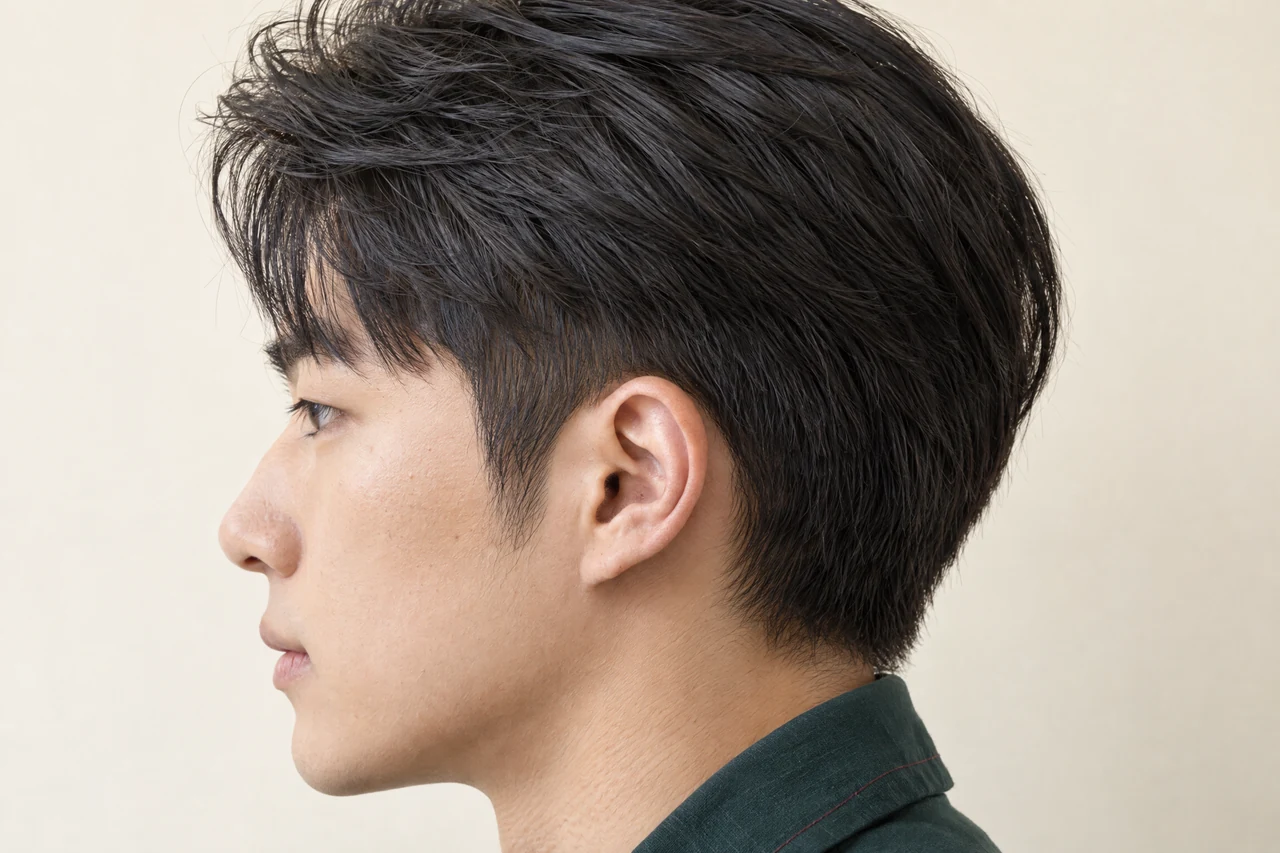
A volume perm for men may be discussed when the aim is a fuller-looking outline rather than stronger strand definition. Any apparent thickness comes from how existing hair sits. Root work does not add follicles or treat hair loss, and fine or heavily processed hair should not be assumed suitable for chemical treatment.
A fuller silhouette and less visible scalp are not interchangeable goals. Lifting or separating strands may change how a parting looks, so explain whether you want height, coverage or both. Fine strands can occur with plenty of hair, while lower density concerns the amount of hair present. Do not use a root service as a substitute for medical assessment if you are noticing new shedding or a changing hairline.
The American Academy of Dermatology's colouring and perming advice notes that appearance-enhancing treatments can leave hair dry and brittle, and recommends caution with perms. This supports discussing condition and processing history; it does not predict how much crown height a hairstyle will gain. If a proposed treatment overlaps bleached, straightened or previously permed sections, make that history clear before proceeding.
Continue with a cosmetic plan only when the intended benefit is clear enough to justify the processing. A smaller visual change may be preferable to a dramatic outline that needs stronger daily handling. If the assessment suggests waiting or changing the cut instead, that can still move you towards a more manageable shape.
Setting Cosmetic Expectations for Fine Hair
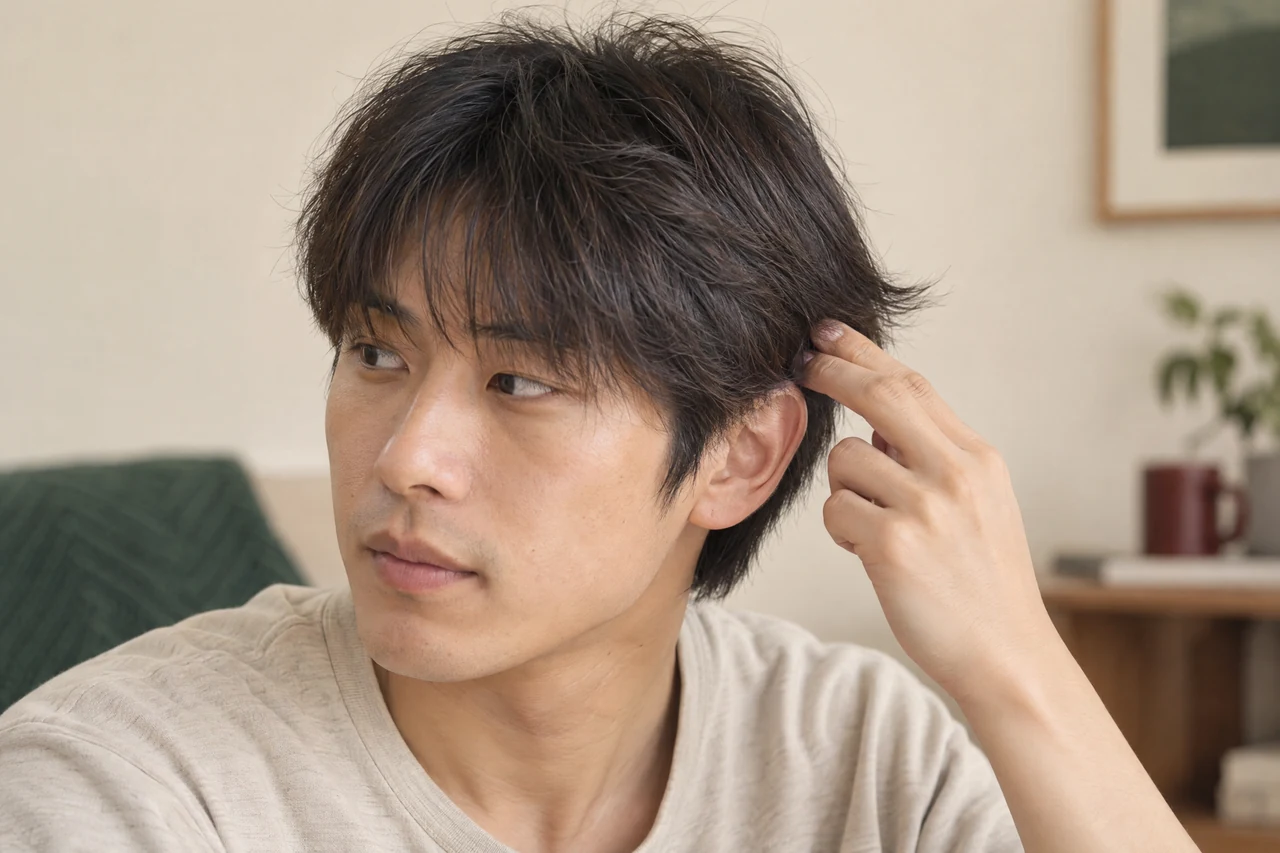
Bring an ordinary dry-hair photograph, not only a heavily styled reference. Explain whether your hair loses height immediately after drying or later after product, headwear or exercise. These observations help frame the styling discussion without diagnosing the cause. Mention scalp discomfort too; excessive stinging or burning during chemical processing should be reported immediately, not treated as a sign that the service is working.
Scope, Method and a Hong Kong Quote
For a root perm enquiry in Hong Kong, describe the flat area and send current photographs before visiting Sheung Wan. A separate root-only price is not listed in the published price table. Ask for the proposed scope, process and quote; neither the partial-perm price nor the Technical Perm name automatically defines a root service.
The published partial-perm price is HK$900. That is a listed category price, not a confirmed root-only quote. Ask which category applies to your proposed work and whether washing, cutting, finishing or any additional service is included. A small treatment area does not establish the final charge or appointment time on its own.
Method names are useful only when their practical meaning is explained. If you have seen Volume Magic or a Morgan-style root method online, use the image to describe your goal rather than assuming that named procedure is offered. Ask how close to the roots the proposed work would be, what happens to the remaining lengths, and what the expected dry shape would require at home.
When you are ready to book a hair appointment, send the concern, photographs and processing history together so the enquiry can address the relevant area and quote. Sharing your preferred visit time starts a discussion; it does not confirm availability, suitability or a booking.
Why a Root Treatment Needs Its Own Confirmation
Agree on the scope before considering a combined plan. Crown support with a trim is different from crown support plus side control and new waves. Ask for the proposed work to be described clearly, including any areas that will not be treated. If assessment changes the plan, confirm the revised price and timing before accepting the additional work.

Making Local Support Work in Your Morning Routine
Tell the stylist what you actually do after washing. Air-drying, directing the roots with a dryer and finishing with wax are different routines. A root-focused change should be considered alongside the routine you are willing to maintain, not a salon finish that you do not intend to recreate. Ask to see the proposed root direction and how the fringe connects to it.
Begin with the smallest useful styling adjustment. Ask where to place your fingers, which direction to dry and when to add product. Heavy application right beside the parting may not suit the light outline you are seeking. Rather than buying several products at once, identify the role of the one already in your routine and whether its placement needs changing.
The AAD's guidance on styling without damage recommends allowing hair to partially air-dry before styling and reducing blow-drying frequency to limit damage. It also warns that excessive heat can damage any hair type. Ask for a practical drying demonstration that respects these care considerations rather than repeatedly reheating a stubborn crown section.
Review volumising hair styling to check its service scope and the details to share before arranging the related work.
Keep the Finish Close to Your Everyday Goal
For an office-friendly outline, explain whether you prefer softly separated strands or a neater parting with modest lift. Ask how the hair looks with less finishing product as well as fully styled. If you need only occasional height for photographs or an event, non-chemical styling may answer that need without committing to a change in the treated hair.
Planning for Headwear, Washing and the Next Cut
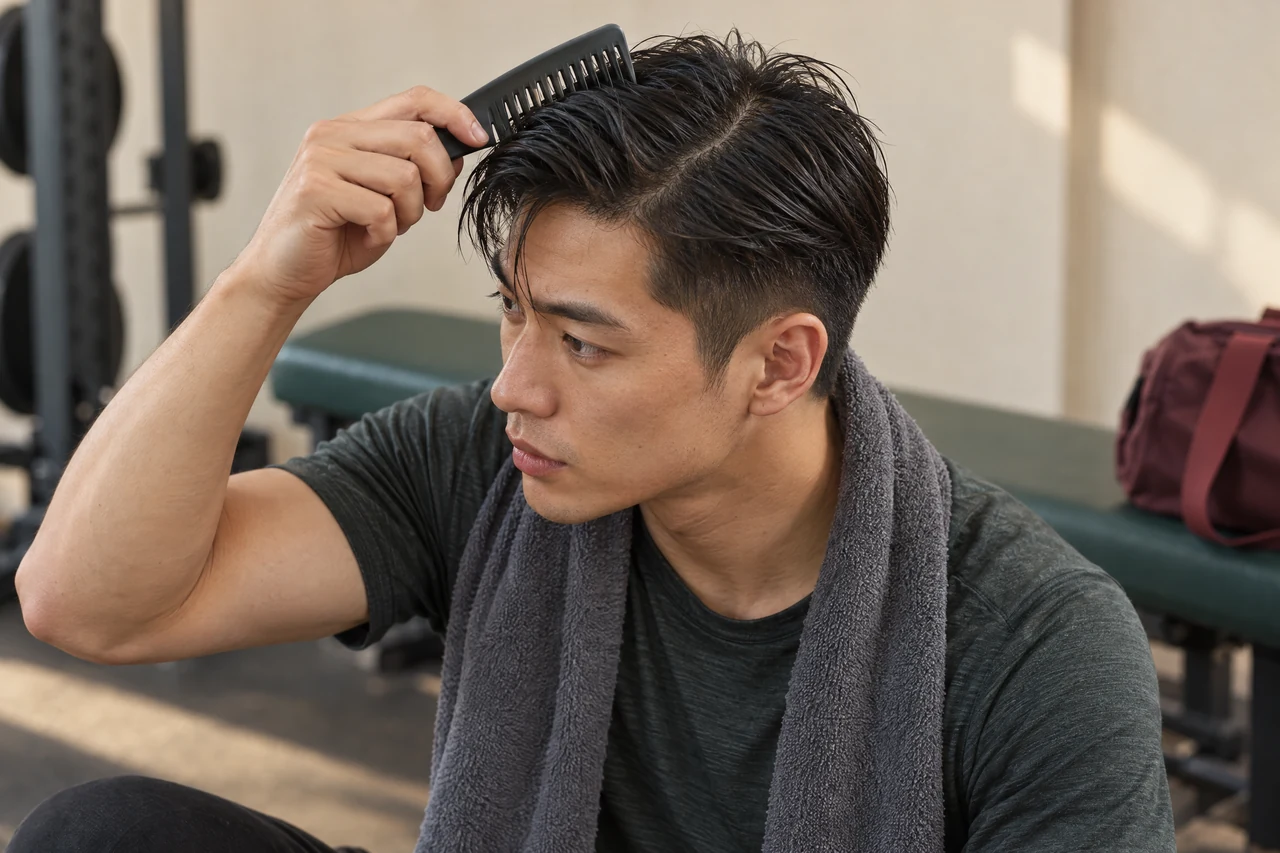
A root treatment should not be assumed to resist helmet pressure, cap marks or the way you sleep. Mention regular headwear and show where the hair is compressed afterwards. Keep protective equipment correctly fitted; change the hair plan rather than loosening safety equipment to preserve height. Ask what simple reset is realistic when you cannot wash and restyle immediately.
There is no single maintenance interval to promise from the service name. New growth, retained length and later cuts change the relationship between the treated area and the scalp. Before arranging a repeat, assess the current shape and disclose where previous processing remains. Follow the care instructions for the process actually used, including when to wash, instead of borrowing an aftercare rule from an unrelated online method.
Review the Shape Before Repeating the Treatment
Photograph the crown in comparable lighting after an ordinary wash and dry. Note whether the issue is reduced support, extra top weight or a different parting. Bring that information to the next consultation. A trim or revised drying direction may be worth discussing before more processing, particularly when only part of the outline has changed.

Choose the change you want before choosing a perm name
| Main concern | Direction to discuss | Important boundary |
|---|---|---|
| Flat front or back crown | Local support near the roots | Confirm the specific area and retained top length; do not assume waves are included. |
| Straight-looking lengths with little movement | Bends or texture through strands | A root-only enquiry may not address the lengths you want to change. |
| Sides projecting above the ears | A closer side outline | Side control is not the same goal as lifting the crown. |
| Height needed for an occasional styled finish | Non-chemical drying and product placement | Discuss how much of the finish you can reproduce at home. |
| New shedding or a changing hairline | Medical assessment alongside cosmetic preferences | Local styling support does not diagnose or treat hair loss. |
Your preparation checklist
- Identify the flat area on current dry-hair photographs and include a side or rear view of the crown.
- Choose a reference with a comparable top length and explain which part of its height or direction you want.
- List previous bleaching, colour, straightening and perms, including approximate dates and the areas treated.
- Describe your drying routine, styling products and regular headwear, including how the crown looks afterwards.
- Confirm the proposed area, method, inclusions, individual quote, timing and aftercare before agreeing to treatment.
Frequently asked questions
Is root support the same as Volume Magic?
No. A similar volume-related name does not establish the same purpose or procedure. Explain whether you want root height, smoother lengths or flatter sides, and ask what process is actually proposed.
Can the roots be assessed from photographs alone?
Photographs help locate the concern, but they cannot establish chemical suitability. Hair length, the condition of the relevant sections and previous processing still need individual assessment.
Will a root treatment replace daily styling?
Not necessarily. Root direction, drying and the weight of the cut still affect the outline. Discuss the amount of routine styling you are prepared to do before choosing a local treatment.
Discuss the Crown Shape You Want to Keep
Send Vit So current hair photographs, your processing history and a short description of the flat area. Explain your preferred everyday finish so the enquiry can focus on local support, alternatives and a scope-specific quote before a visit to Sheung Wan. An enquiry is not a confirmed booking.
Start your WhatsApp enquirySources & further reading
- Coloring and perming tips for healthier-looking hair
Perming caution, dry and brittle hair risks, and responding to excessive scalp stinging or burning during chemical processing.
- Hair styling without damage
Partial air-drying, limiting repeated blow-drying and avoiding excessive heat in everyday styling.



