







Growing out highlights: identify the changing area
Take a current photo showing the root boundary and the existing lighter lengths. Decide whether the concern is a strong new-growth line, a warmer tone or brightness in the wrong place. These may call for different discussions. Repeating lightening across all older strands is not an automatic answer to a visible root change.
Look at your usual parting before moving the hair around. Does the dark area bother you because it forms a clear boundary, or because a favourite bright strand has moved away from your face? Then look at the side and back. A front-only concern is not necessarily a reason to change the whole head. Describe the location rather than saying that everything looks grown out.
Compare dry hair in similar light, without a colour filter. A photograph taken under a warm lamp can make the lighter lengths look different from a daylight photograph. Keep your current photograph separate from the reference look: the first shows the starting point, while the second explains your preference. Neither photograph alone establishes which colour process is suitable.
Growing out highlights with new roots and older light strands
New hair at the scalp and previously lightened hair farther down have different treatment histories. Letting the roots grow does not return those older strands to their original colour. Mark the brightness you want to retain, including ends that still look attractive. If your aim is eventually to return to your natural colour, say whether you prefer a gradual transition or would consider a darker overall appearance. Those goals are different from maintaining the original highlight pattern.
Low maintenance balayage as a realistic goal
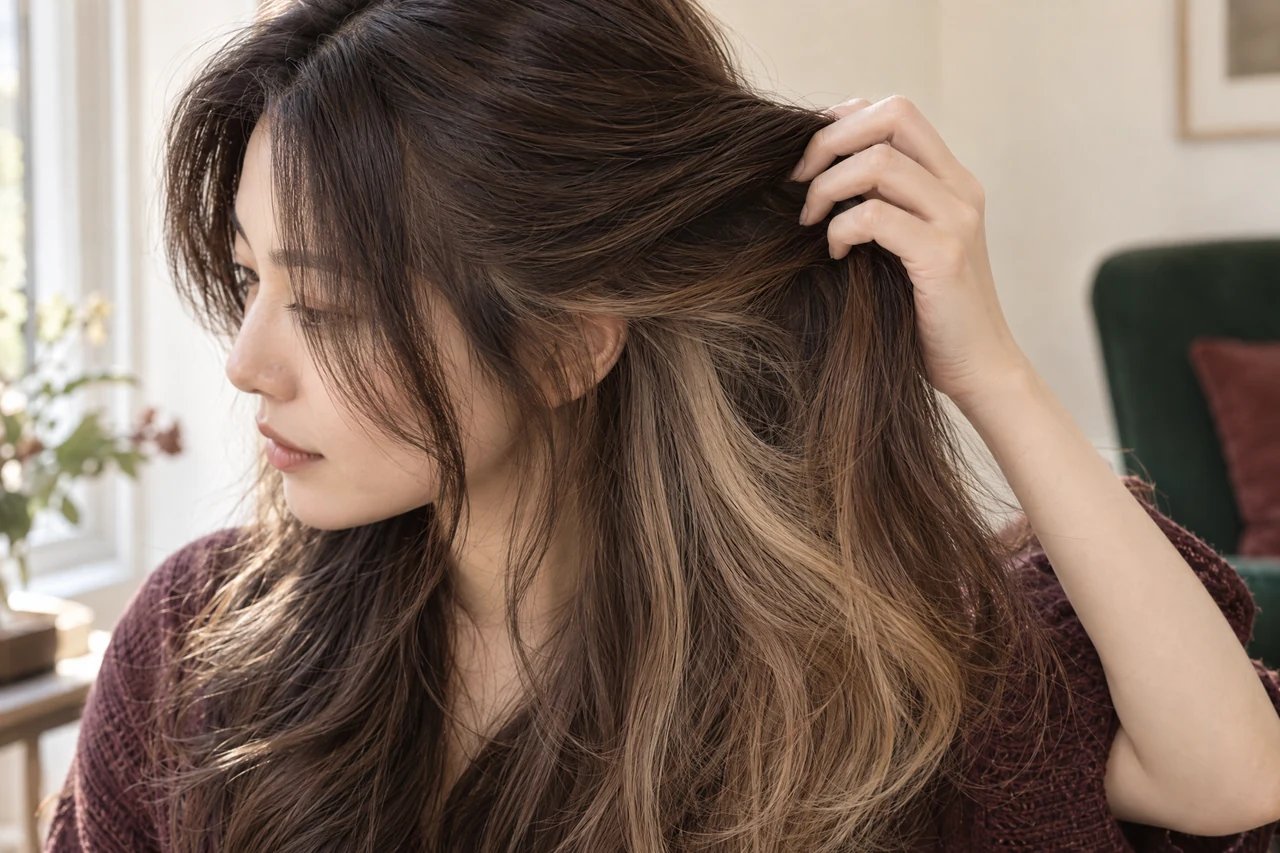
Lived in balayage describes a relaxed-looking transition with retained depth rather than one standard service or guaranteed lifespan. Think about the root contrast you are happy to see and how much tone change you accept. A plan can aim for less urgent-looking regrowth, but the same design will not have an identical maintenance burden on every base.
For practical planning, low maintenance should describe what you are willing to live with between reviews. You might welcome a deeper crown but still want light around the face. Alternatively, you may prefer subtle brightness throughout and accept a warmer finish as the colour changes. Explain these preferences separately. Asking for maximum brightness, an unchanged cool tone and almost invisible regrowth can create competing demands.
The Wella guide to balayage describes hand-painted highlighting often concentrated through the mid-lengths and ends. It also identifies placement near the roots and the chosen tone as maintenance factors. That makes placement a useful discussion point, but a technique name alone cannot tell you how your existing highlights will grow out.
Review balayage hair colour to check its service scope and the details to share before arranging the related work.
Low maintenance balayage still needs care and review
Judge the proposed look in the way you normally wear your hair. Loose curls in a reference photograph can present a transition differently from straight hair at your everyday parting. If you usually tie your hair back for work or exercise, show that view too. A comfortable grow-out should fit those ordinary moments, not only a carefully styled photograph. Retained depth can be part of the design rather than something that must always be covered.

When to review balayage rather than follow a calendar
There is no universal interval for repeating balayage. Review when the transition no longer suits your preferences, the tone has changed enough to bother you, or the hair needs a condition check. A tone adjustment and new light placement are different tasks, so ask what actually needs attention instead of automatically booking another full design.
A useful review trigger is a change you can describe. Perhaps the bright front section now sits lower than you want, while the back still looks balanced. Perhaps the position is right but the lighter strands appear too golden for your preference. In the latter situation, asking about toner or colour correction for brassy hair helps separate a tone question from a request for more lightening.
Wella's guide distinguishes the lightened pieces from the toner applied over them: the brightness remains while the chosen finish can need attention. This is why faded tone should not automatically be treated as lost highlights. Ask whether an adjustment would affect only the existing lighter areas, how it may alter their appearance, and what future changes to expect.
Continue with balayage aftercare for that specific comparison and the preparation questions it raises.
Separate root growth from fading and fragile lengths
Roughness, persistent tangling or visible breakage should be mentioned alongside colour preferences, not hidden by a smooth styling finish. The American Academy of Dermatology's colouring and perming advice notes that appearance-enhancing treatments can leave hair dry and brittle. It also warns that sun exposure can weaken and fade treated hair, recommending a wide-brimmed hat outdoors. A softer root transition does not protect the older lengths from these stresses. Request a condition assessment before assuming they can take further processing.
Highlight touch-ups and retaining the old pattern
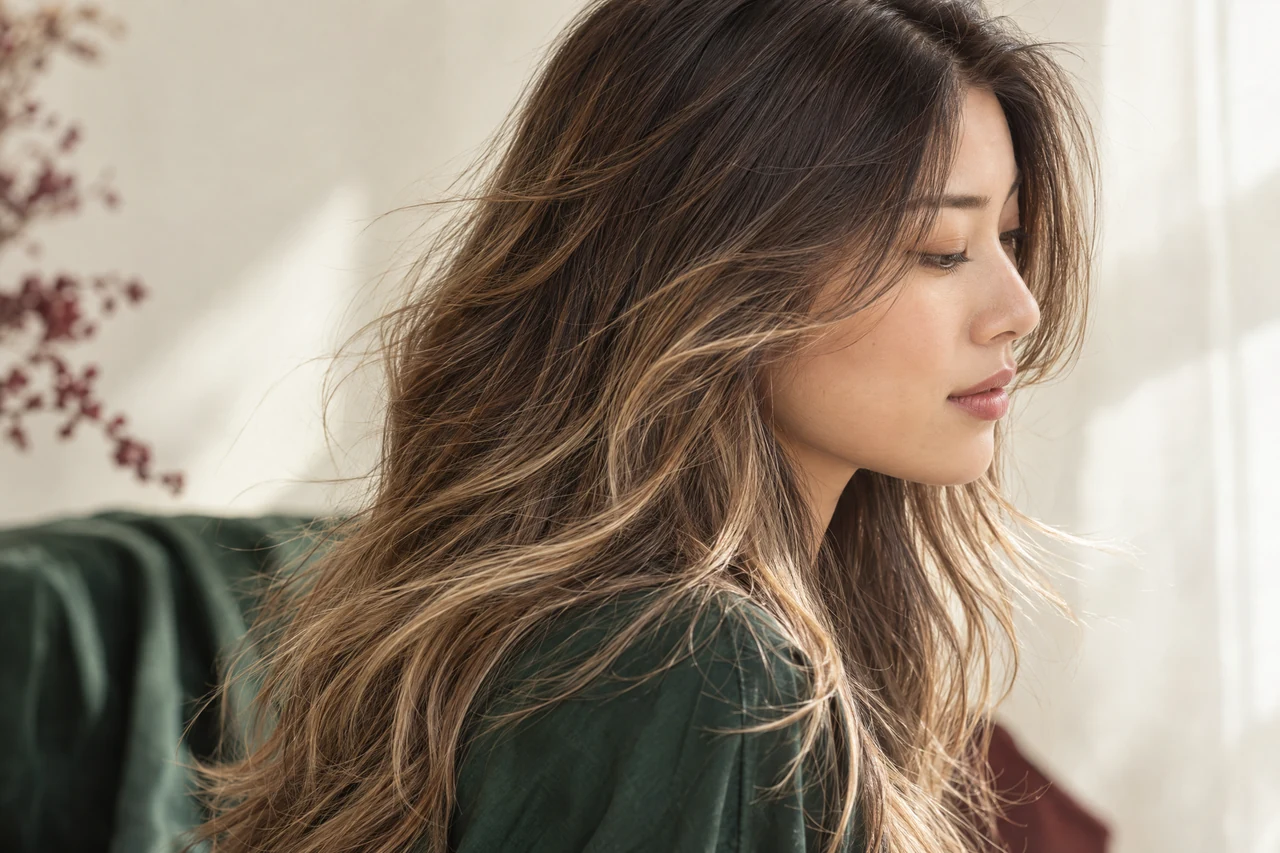
The right highlight review point depends on root contrast, line density and your tolerance for visible regrowth. If you still like the lightened lengths, explain that you want to preserve them. Ask whether the issue concerns selected new areas, tone or simply allowing the pattern to grow, without assuming a fixed touch-up cycle.
Choose the intention before choosing the label. Refreshing means you still want the familiar distribution of light. Softening means the boundary feels stronger than you prefer. Leaving the roots means you accept the developing depth and want to retain the lighter lengths. Each intention needs a different conversation about the areas to be treated; none automatically calls for another complete round of lightening.
Review hair highlights to check its service scope and the details to share before arranging the related work.
Decide whether to refresh, soften or leave the roots
Point out the parts that are already working before describing the problem. You could say, 'I like the colour through the ends and want to keep it; the boundary beside my parting is what bothers me.' If the proposed approach involves adding depth, ask whether you would lose brightness you still value. If it involves new lightening, ask how the previously treated strands will be accounted for. Root blending and selected highlights are possibilities to assess, not interchangeable solutions or confirmed services within every appointment.
Compare the smallest useful change
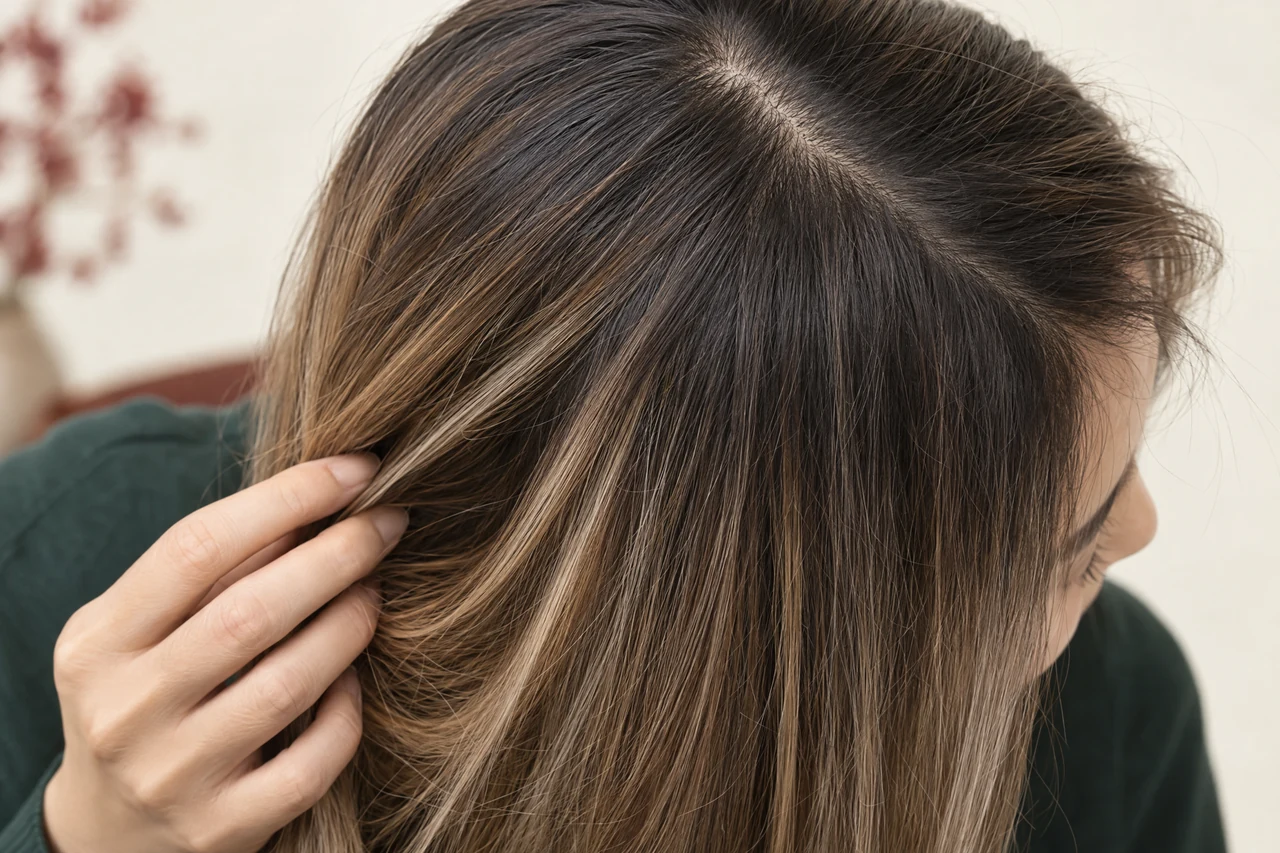
The comparison below starts with your observation rather than a service package. More coverage is not automatically more useful. If only the face-framing area has become less visible, discuss partial vs full highlights in relation to the crown, sides and underneath. Ask what will remain untouched as clearly as you ask what will change.
When discussing cost, describe the scope first. A tone adjustment, selected new highlights and a broader redesign should not be assumed to share the same inclusions. Ask whether the proposal includes any lightening, tone work, a cut or conditioning, and request confirmation of the charge before agreeing. Avoid treating 'maintenance' as a package description: it explains your intention, but not the work involved.
Keep a comfortable transition if it still suits you
Doing no further colour work can be a considered choice. Check the pattern again after wearing it through your usual routine rather than judging it only on a special occasion. If your aim is to grow away from highlights altogether, discuss the amount of lightened length you want to retain when considering a haircut. Removing more ends may change the proportion of brightness, so agree on length separately from colour.
Prepare a clear grow-out enquiry
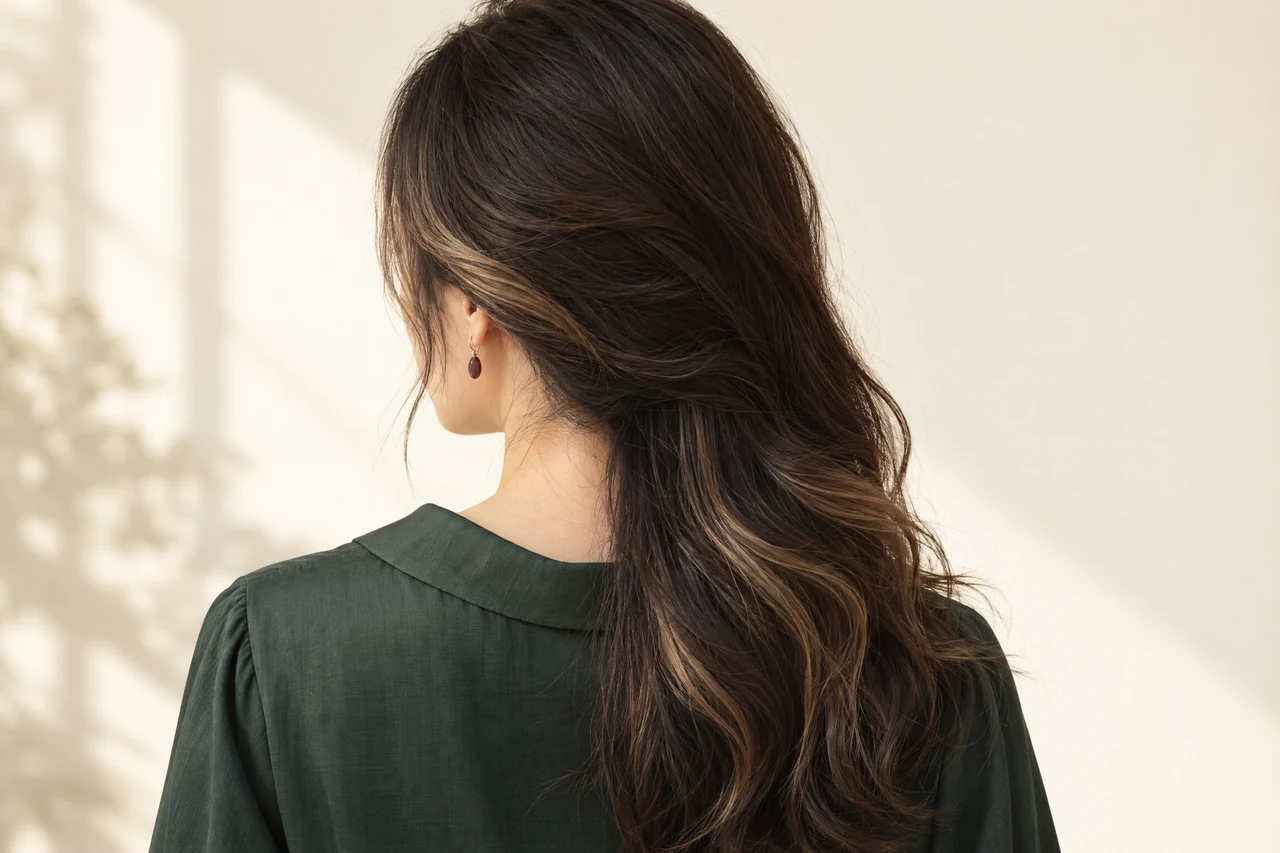
Use this 6-point checklist to prepare a grow-out enquiry. It is a practical set of decisions, not a timetable for repeating colour. A current dry-hair photograph, a concise history and a clear statement of what you want to preserve are more useful than requesting the same appointment name by habit.
Include previous salon colour and any home colour, lightening, henna, straightening or perming that may still affect the lengths. If you cannot remember a product, say so rather than guessing. Explain any past reaction to colouring products separately from your style preferences, and ask what product-specific checks are needed before a new application.
Explain what lower maintenance means in your daily life
For an enquiry in Sheung Wan, describe your actual routine: an exposed office parting, hair tied back during exercise, or a trip that makes follow-up visits inconvenient. Tell the stylist whether you are more comfortable with visible depth or changing warmth. If an event is approaching, distinguish the appearance you want for that day from the longer-term grow-out goal. Ask for an assessment of feasible options and appointment scope; sending photographs starts the discussion rather than confirming a booking.

Grow-out observations and the questions that can clarify your next step
| What you notice | What you may want to keep | Useful question before changing colour |
|---|---|---|
| A visible boundary at the parting | The existing lighter lengths | Can the transition be assessed without re-lightening strands I still like? |
| Warmer-looking highlights in the same positions | The present brightness and placement | Is this mainly a tone question rather than a need for new highlights? |
| Less brightness around the face | Depth through the crown and back | Would selected placement address the front without changing the whole pattern? |
| Rough or fragile ends | As much comfortable length as possible | Should condition be assessed before further processing is considered? |
| Deeper roots that you find attractive | The developing contrast and lighter ends | Can I leave the colour alone and review only if my preference changes? |
Your preparation checklist
- Photograph dry hair at your usual parting in clear, similar light; include the side or back if those areas also concern you.
- Identify whether the unwanted change is the root boundary, the tone, the location of brightness or the feel of the lengths.
- State what you want to preserve, such as lighter ends, a deep crown or a favourite face-framing strand.
- Share the treatment history still present in your hair, including home products, and separately mention previous colouring reactions.
- Explain the grow-out you can accept in daily life, including how you wear your hair and any travel or event plans.
- Ask which areas would be treated or left alone, then confirm the proposed work, preparation and quote before arranging an appointment.
Frequently asked questions
How often should I get balayage?
Base the review on visible regrowth, tone changes and hair condition, not one universal number of weeks. Ask whether you need tone work, new placement or no further colour at that stage.
How often should I touch up highlights?
It depends on the root contrast and the pattern you want to keep. Share a current photo and ask which areas, if any, need attention rather than repeating the original full service.
Can I leave the lighter ends while the roots grow?
That can be a preference to discuss. Check whether you like the transition and keep following suitable care advice; new lightening is not mandatory simply because roots have appeared.
Keep the highlights you enjoy and clarify what needs attention
Send Vit So a current photograph and explain whether you want to retain brightness, accept deeper roots or discuss a softer transition. Include your colour history and the areas that concern you. An enquiry can help clarify feasible next steps for a Sheung Wan visit; the treatment scope, price and appointment still need confirmation.
Start your WhatsApp enquirySources & further reading
- Coloring and perming tips for healthier-looking hair
Dryness and brittleness after appearance-enhancing treatments, plus sun-related weakness and fading in dyed or bleached hair.
- What is Balayage? Your Complete Guide
Hand-painted highlight placement, root proximity as a maintenance factor, and the distinction between existing lightened strands and their toner.



