







Head spa for colour-treated hair starts with the history
Give the date of your most recent colour service and distinguish a root touch-up from a whole-head application or bleaching. Include any home colour and the aftercare instructions you received. This record is more useful than the colour name alone, because the discussion concerns the actual treated areas and proposed products, not a generic spa label.
Describe your hair in areas: the new growth, the coloured mid-lengths and the ends. A dark-looking hairstyle may still contain older bleached sections underneath a later colour application. Mention those sections even if the last appointment only covered the roots. If you do not know which colour products were used, say so rather than guessing from the finished shade.
Bring the aftercare message from your colourist and photographs of the products you currently use. Include toning shampoo, colour-depositing conditioner and any prescribed scalp preparation. The aim is not to create a perfect technical record; it is to give the person discussing the service enough information to identify questions that need checking with your colourist or product instructions.
Review hair colour to check its service scope and the details to share before arranging the related work.
Planning a head spa for colour-treated hair enquiry
Start with the change you want: cleaner-feeling roots, help understanding product residue, or more comfortable handling of rough lengths. Then state the date and type of colour work. An enquiry such as 'My roots feel coated after using dry shampoo, but my highlighted ends feel dry' gives a clearer starting point than asking for the deepest treatment available.

Product compatibility and the cleaning aim
Explain whether your concern is root oiliness, a coated feeling or the condition of the lengths. Ask about the products proposed for each area and whether they fit the aftercare advice for your colour. There is no blanket promise that an intensive cleaning product, scrub or extra wash will be compatible with every coloured hairstyle.
Ask for the product names and their intended use, not just descriptions such as gentle, natural or premium. Clarify whether the plan includes ordinary shampooing, a separate scalp product or a colour-depositing step. A cleanser and a toning product have different jobs; an additional toner should not appear in the appointment simply because you mentioned concern about fading.
The American Academy of Dermatology's healthy-hair guidance advises applying shampoo to the scalp rather than the entire hair length, and using conditioner after washing. That supports separating the cleaning area from the conditioning area. It does not establish that a particular salon product suits your colour, so ask how the proposed application will account for your treated lengths.
Review scalp treatment to check its service scope and the details to share before arranging the related work.
Ask why the extra step is being considered
An extra wash should have a clear purpose. Explain when the coated feeling appears and whether it follows a styling product, exercise or conditioning. Ask what would be done differently from your usual wash, and whether a simpler option would address the concern. More steps are not automatically a better match for recently coloured hair.
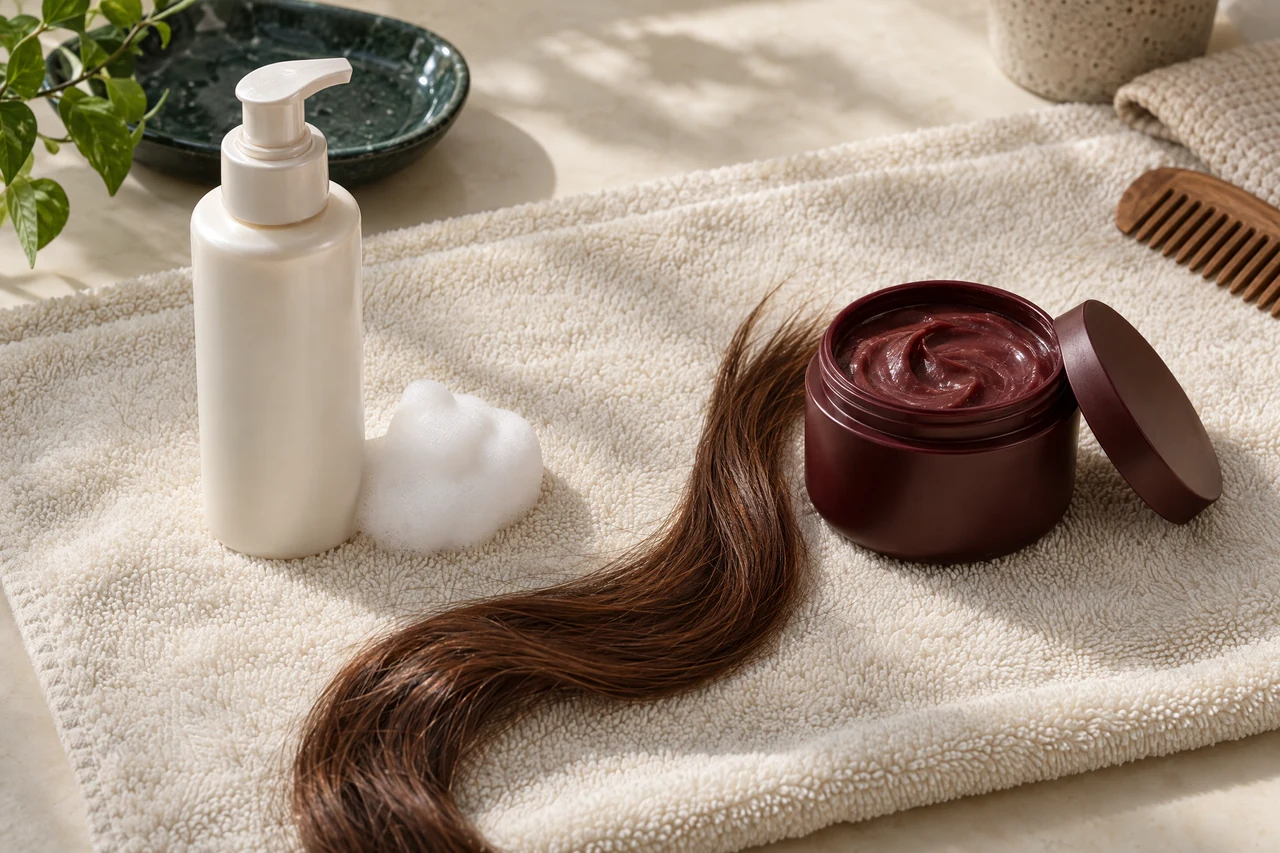
Timing needs an individual answer
Ask for advice relevant to the colour service and cosmetic scalp-care option being discussed. A fixed waiting period copied from another service description does not establish suitability. If your scalp feels sore, itchy or irritated, raise that concern before any further cosmetic step; persistent symptoms need healthcare assessment rather than a spa appointment.
Separate your first-wash instructions from the question of adding a salon scalp-care procedure. Advice about when to shampoo at home does not necessarily cover a scrub, repeated cleansing or another product applied to the skin. If the proposed service differs from the aftercare you received, clarify that difference before agreeing to an appointment.
The NHS information on hair dye reactions lists burning, an itchy rash, tightness, soreness and blisters among possible symptoms, and notes that symptoms can take up to 72 hours to appear. This is a symptom-awareness point, not a waiting period that clears you for a spa service. Worsening symptoms need medical advice; breathing difficulty or sudden mouth or throat swelling needs emergency help.
Do not treat discomfort as evidence that the scalp needs stronger cleaning. If you suspect a reaction, seek appropriate healthcare advice rather than waiting for a cosmetic appointment to assess it. Keeping colour looking fresh is secondary to responding to a possible skin reaction.
Do not copy a universal waiting period
Give your preferred visit date as well as the colour date, then ask whether the specific service can be considered on that schedule. If a future colour appointment is already booked, mention it too. The practical choice may be to clarify products first, simplify the visit or postpone the extra cosmetic step rather than squeeze incompatible instructions into a busy week.
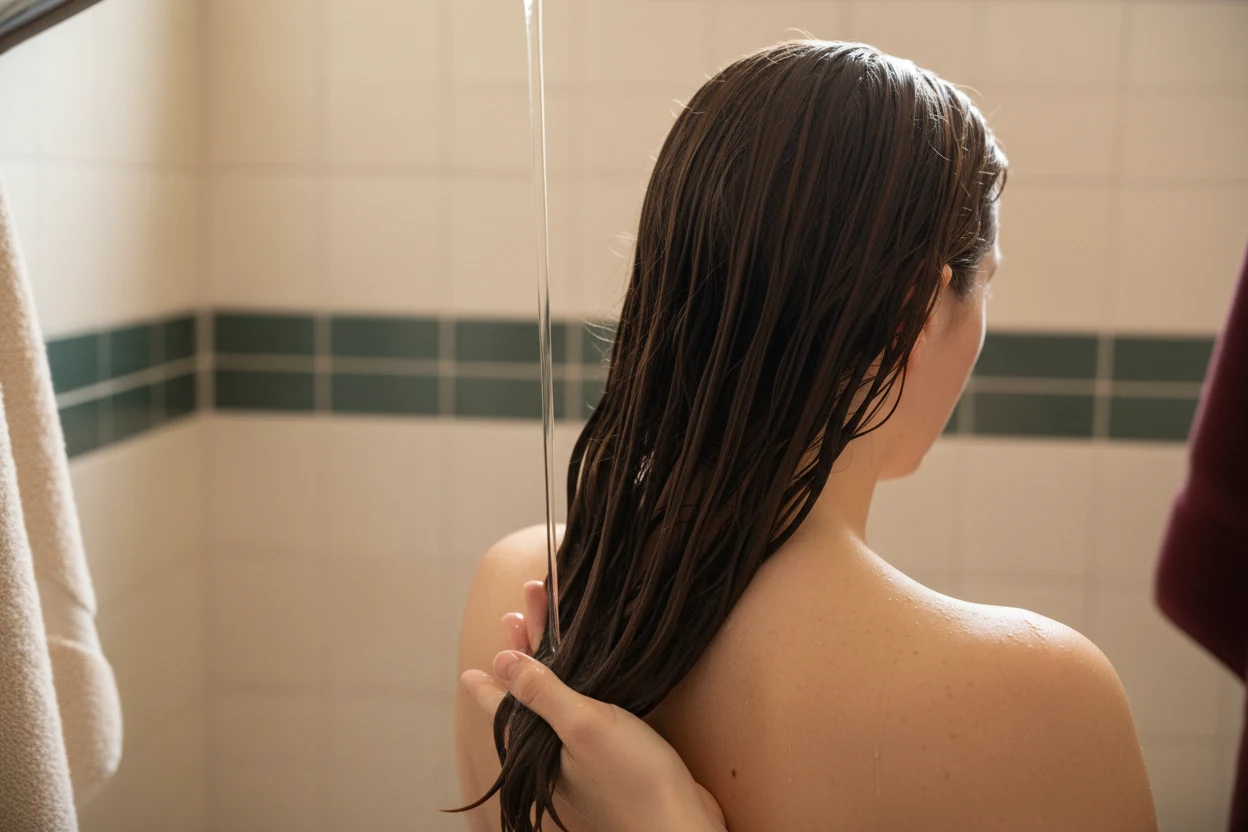
Care for the lengths is a separate question
If the lengths feel rough after colouring but the scalp is comfortable, describe that distinction clearly. Hair conditioning and scalp cleansing have different aims, and one should not be added as a substitute for the other. Check the intended application areas and the final drying arrangement so the visit addresses the concern you actually have.
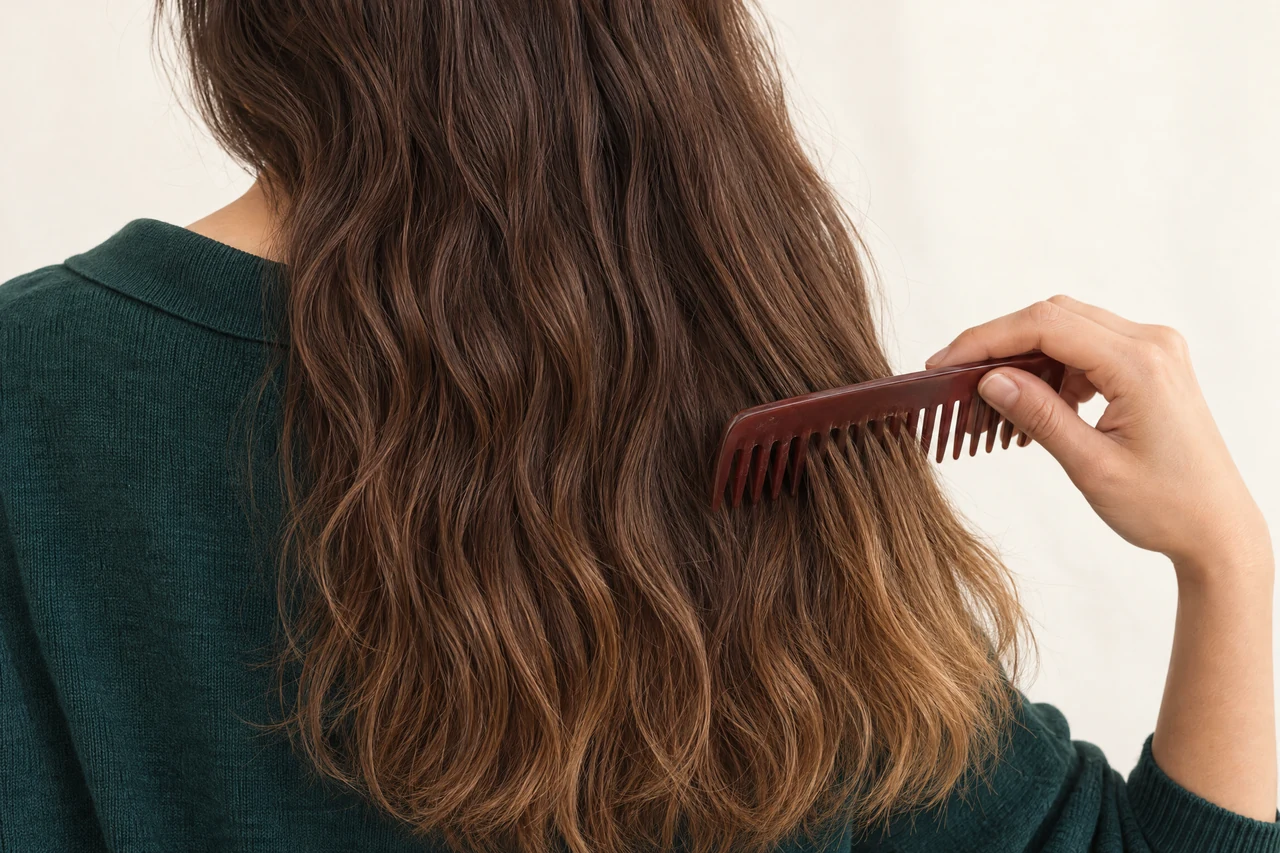
Explain whether the ends catch during combing, feel rough only when wet or look different after styling. These observations help frame a conditioning discussion without diagnosing damage from appearance alone. If older highlights run through the lengths, identify where they start and whether the front pieces behave differently from the rest of the hair.
For everyday handling, the AAD's healthy-hair guidance recommends gentle moisture absorption rather than rough towel rubbing, and detangling from the ends before moving higher. It also advises limiting excessive heat. Ask how detangling and drying will be approached during the visit, particularly where coloured lengths already resist combing. A polished finish should not require forcing a brush through persistent resistance.
Review hair treatment to check its service scope and the details to share before arranging the related work.
Dry ends do not automatically call for deeper scalp cleaning
If your main aim is easier detangling, keep that at the centre of the discussion. Agree whether care is aimed at the ends or a larger part of the lengths, and what you should continue at home. The separate guide to hair care for colour-treated hair helps you consider daily handling and softness without turning every dry-end concern into a scalp-cleaning appointment.
Agree on the visit contents and finish
Before committing, ask for a plain-language outline of the proposed visit. Confirm what will touch the scalp, what will be used on the coloured lengths and whether any optional steps can be left out. If massage, heat or a separate exfoliating step is mentioned, ask why it is included and how your current comfort and colour history affect that recommendation.
Professional scalp care is listed at HK$980. That named service price should not be interpreted as a universal head-spa package price or proof of colour compatibility. Confirm the recommended service, its included work and any separate conditioning or finishing charges before proceeding. A price comparison is only useful when you are comparing the same contents.
If you are visiting Sheung Wan between work and dinner, explain the finish you need and ask how much time to allow for consultation and drying. Do not assume that scalp care includes a particular blow-dry style. A simple finish may be enough if your priority is understanding the cleaning plan rather than creating a styled look for an event.
Make the appointment questions specific
Use what to ask before a scalp treatment to organise the practical details, then add your colour-specific questions. Ask whether you should arrive with your normal products in place or change anything beforehand. Follow the response for the proposed visit rather than adding a stronger home cleanser to prepare yourself.
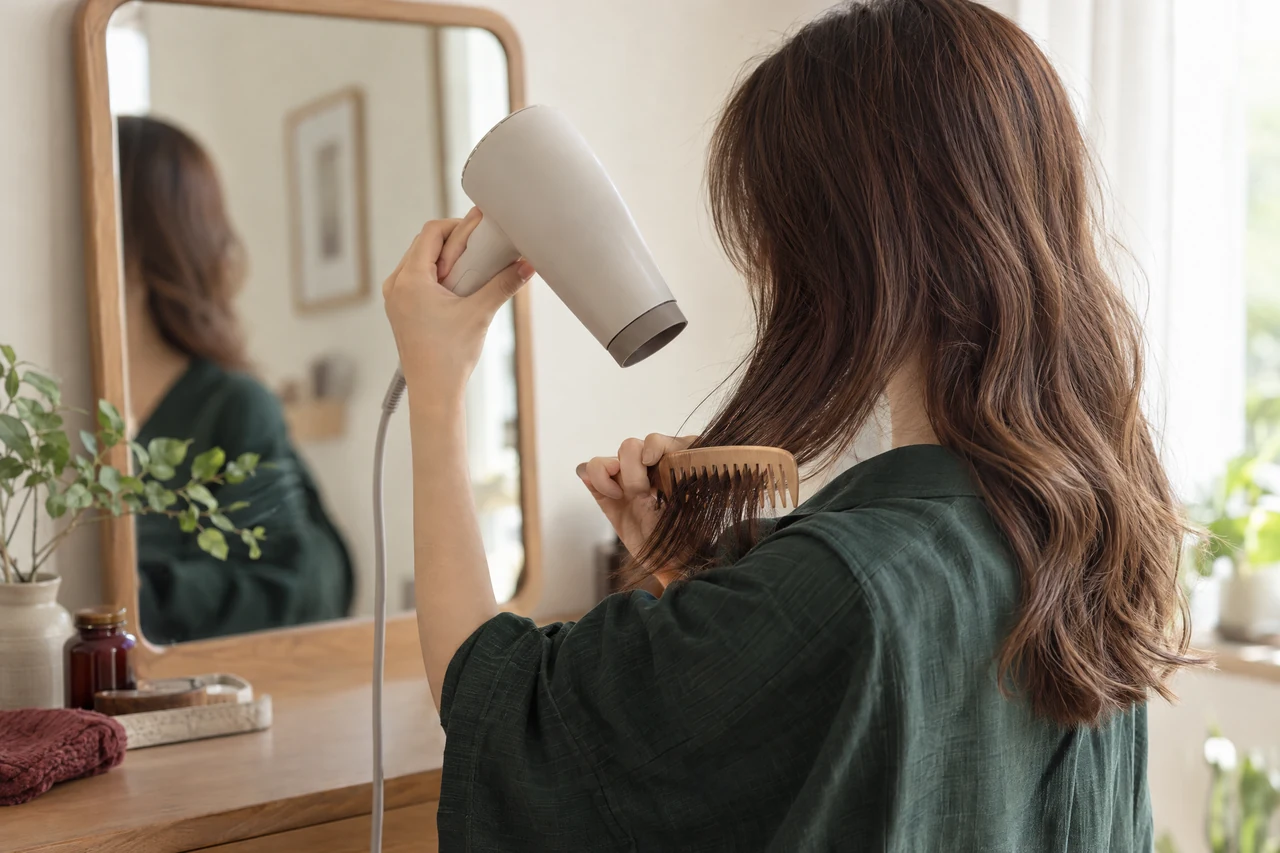
Observe colour and comfort without adding unnecessary steps
If you are concerned about colour change, take a simple photograph before the visit in lighting you can reproduce later. Keep the parting and hair position similar, and note whether the hair is freshly dried or coated with styling product. This gives the colourist a more useful comparison than photographs taken under unrelated bathroom and restaurant lighting. It is a record, not a test of treatment effectiveness.
Keep colour appearance separate from scalp comfort in your notes. Record which product was used and where any unusual sensation appeared. If the ends look warmer but the roots feel comfortable, discuss the colour observation with your colourist instead of choosing a stronger cleanser to correct it. Do not assume that cleaning will restore a previous tone.
Your routine beyond the appointment also matters. The AAD's colouring and perming advice explains that sun exposure can leave hair rough, dry and faded, especially after dyeing, bleaching or perming, and recommends a wide-brimmed hat outdoors. This is general care advice rather than a promise of colour retention from any scalp service.
Keep the next decision tied to what you notice
After the visit, follow the agreed product instructions rather than immediately introducing more cleansing or toning products. If something feels uncomfortable or the colour looks unexpectedly different, share the product details and your observations promptly. The next useful step is a focused follow-up, not automatically another spa session or an unplanned colour correction.

Match the enquiry to the concern in coloured hair
| What you notice | Useful information to share | What to clarify before adding care |
|---|---|---|
| Oily or coated roots with comfortable skin | Last wash, recent styling products and colour date | The cleansing aim, actual products and application areas |
| Rough ends with a comfortable scalp | Older bleach placement and where combing catches | Conditioning and gentle handling rather than stronger scalp cleaning |
| Recent colour with unclear aftercare | Colourist's instructions and desired visit date | Whether the proposed steps fit that specific colour service |
| Burning, soreness or an itchy rash | When symptoms began and products recently used | Healthcare advice rather than using a spa to assess or treat symptoms |
| A warmer-looking tone but no discomfort | Comparable photographs and current toning products | Colourist follow-up rather than assuming cleaning will restore the shade |
Your preparation checklist
- Record your recent colour date and distinguish roots, whole-head colour, highlights and older bleach.
- Bring the aftercare instructions and product names, including toning or prescribed scalp products.
- Describe scalp comfort separately from the texture and appearance of the coloured lengths.
- Ask which products and optional steps are proposed, and where each will be applied.
- Confirm whether the plan fits your colour aftercare before agreeing to an extra cleaning step.
- Check the named service, total charge, drying finish and appointment timing before travelling.
Frequently asked questions
Can I arrange scalp care immediately after colouring?
Do not assume immediate suitability. Share your colour history, current comfort and the proposed service contents, then check advice for that combination rather than following a universal waiting period.
Will a spa appointment preserve my colour?
Colour retention cannot be guaranteed by the spa label. Ask about the actual products and their compatibility with your colour aftercare instructions.
Should dry coloured ends receive stronger scalp cleaning?
Not automatically. Rough lengths and surface residue at the roots are different concerns. Discuss hair conditioning for the lengths separately from any cosmetic scalp-cleaning need.
Is head spa for color-treated hair a different service?
Color-treated is the American spelling of colour-treated, not a separate procedure. The relevant checks remain your colour history, scalp comfort, proposed products and aftercare instructions. Ask about the actual service contents rather than choosing by spelling or the spa label.
Plan scalp care around your colour and your real concern
Send Vit So your colour date, any older bleach history, current products and the concern you want to address before a visit in Sheung Wan. Ask about the suitable cosmetic-care option, its contents, finish and charge. An enquiry starts the discussion; your service and appointment remain subject to confirmation.
Start your WhatsApp enquirySources & further reading
- Tips for healthy hair
Scalp-focused shampoo application, conditioning, gentle moisture absorption, detangling and limiting excessive heat.
- Hair dye reactions
Possible reaction symptoms, delayed symptom onset and the distinction between cosmetic care and medical or emergency assessment.
- Coloring and perming tips for healthier-looking hair
Sun exposure can affect the condition and colour appearance of dyed, bleached or permed hair; outdoor hat advice.



