






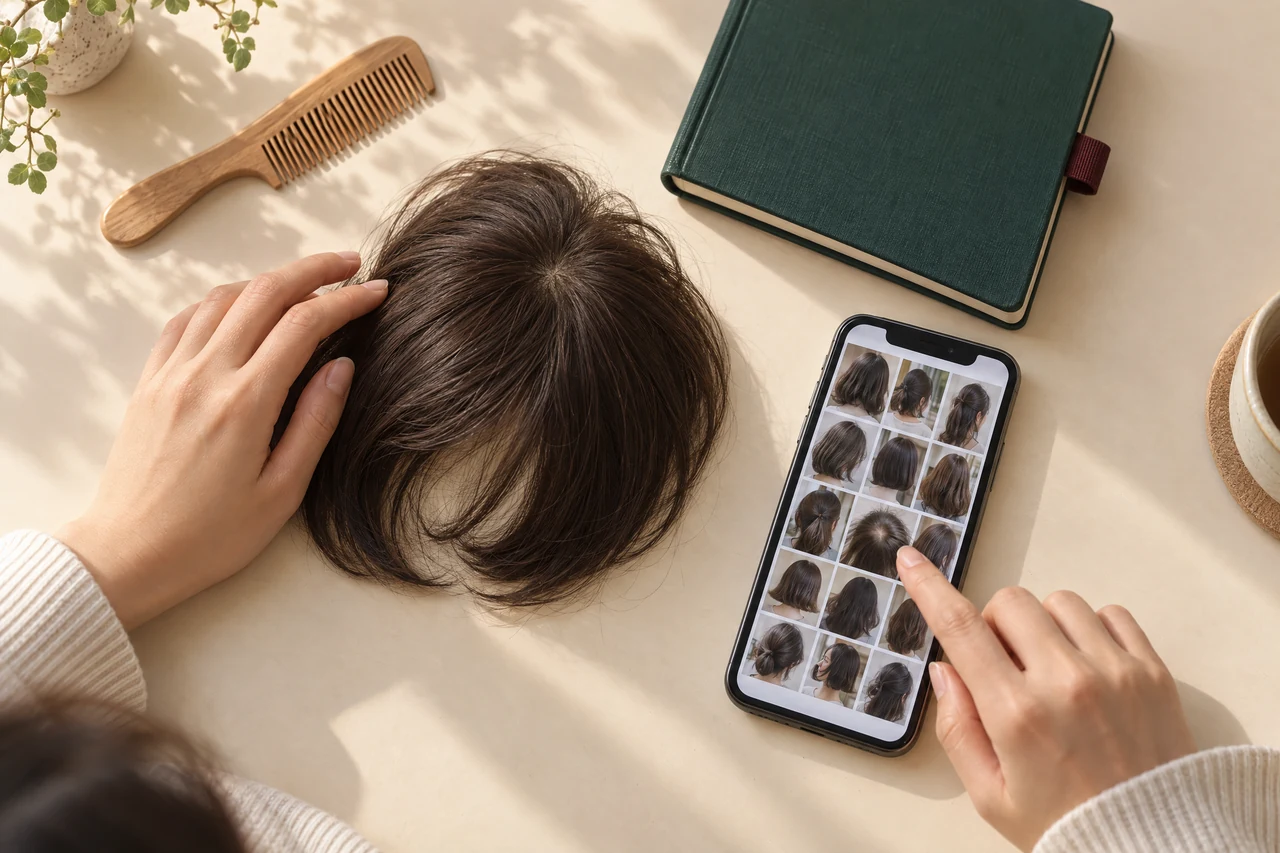
Brand relationship disclosure: OWNSTRAND and Vit So share the same owner. This guide offers selection preparation, not an independent review. Confirm styles, supply and visit arrangements with OWNSTRAND, and ask about its information-handling practices before sharing personal files.
Private wig enquiry preparation: choose four useful details
Use four information categories to prepare: desired appearance, coverage and fit, everyday wearing routine, and questions still to confirm. For a design enquiry, describe the length, fringe, parting and broad colour family you prefer. OWNSTRAND's custom wig consultation Hong Kong page describes these topics alongside samples and measurements, while noting that arrangements need confirmation. That gives you a useful starting point without explaining your personal reason for wanting a wig.
Separate an essential from a preference. You might need the front kept away from your glasses, while a softer wave would simply be welcome. Describe the area you want covered rather than diagnosing it: the parting, crown or whole head. A design discussion cannot decide the cause of a change in your hair. Vit So's guide to custom made wigs can help you frame fit and design priorities before asking which approach can be considered.
The minimum information for a wig consultation can include a brief routine description: you wear glasses, want a removable option and prefer little morning styling. There is no need to attach a work timetable or identify your employer to explain that. Your unanswered questions might concern measurements, colour comparison or cleaning instructions. Keep them attached to the relevant preference, so the response can distinguish what is possible to discuss now from what requires a fitting or an exact product specification.
What is the minimum information for a wig consultation?
There is no universal mandatory photo pack for a first cosmetic enquiry. Start with enough information to identify the question, then ask what additional detail would change the answer. Hong Kong's privacy regulator says personal data collected should be necessary and adequate but not excessive for its purpose. It also explains that people should be told whether providing it is obligatory or voluntary and how it will be used. [1] Treat that as a reason to ask, not proof that a particular supplier has been audited.

Ask about privacy before agreeing to a visit
Before travelling, ask whether the discussion or try-on can happen away from other visitors, whether a companion can attend and whether photographs will be taken. OWNSTRAND's wig shop Hong Kong page confirms one physical shop at Unit 2103, 50 Hoi Yuen Road, Kwun Tong, Hong Kong. It asks customers to confirm visit arrangements. A listed address or description of a private setting does not establish an exclusive room, an appointment or a particular photo policy.
Cancer Research UK advises people who would feel more comfortable to ask whether a private room is available when trying on wigs. [2] The useful point is to make that request explicitly, not to assume the facility exists. Explain the arrangement you need in ordinary language, such as a discussion without unrelated visitors present. Ask the supplier to confirm whether it can accommodate that request, and choose another arrangement if the answer does not meet your needs.
Keep an enquiry separate from a booked visit. Confirm the date, purpose, people attending and whether relevant samples can be viewed before making the journey. Ask about any consultation or fitting charge rather than assuming a free try-on. Vit So's what to expect at a first hair appointment is useful for organising visit questions, but OWNSTRAND must confirm its own arrangements. Its Kwun Tong shop is not Vit So's Sheung Wan salon.
Use a product shortlist instead of a personal dossier
A catalogue enquiry can start with the style name, listed brand, preferred colour option and the feature you want checked. OWNSTRAND's wigs Hong Kong page offers browsing by shape, fibre and construction, with quotation and availability to confirm. Save the item name alongside your question rather than sending a large album about yourself. A listing or illustrated style is a reference for the enquiry, not evidence that the item or matching sample is currently in stock.
Compare a small number of possibilities for a reason. For example, one bob might interest you for its length, while another has a parting you prefer. Say which feature belongs to which reference, and whether you are asking about a catalogue item or a custom design. Do not combine them into an expectation that every feature can be supplied together. Confirm the exact fibre, cap construction, colour, size, current supply and quoted terms for the option being discussed.
Avoid adding personal facts that do not help answer the product question. A broad budget range may help narrow options; an income statement will not explain a preferred fringe. A glasses-clearance concern can be stated without an identity photograph. Later booking or purchase arrangements may legitimately require different details, but ask what is needed at that stage and why. Sending more information does not make a quotation more accurate when the actual style or specification remains unclear.
Make each hairstyle reference answer one question
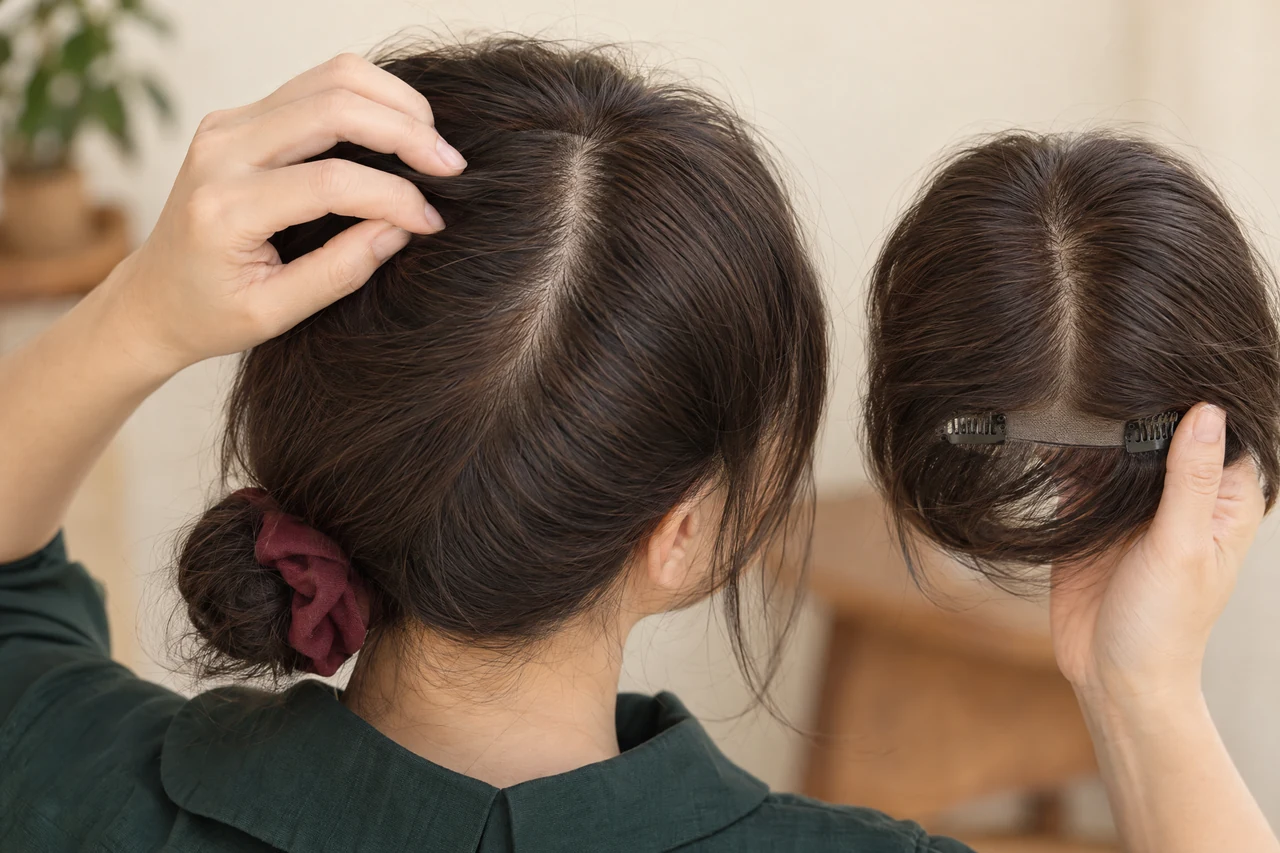
Choose a reference because it shows something useful: the preferred fringe length, a familiar side profile or the amount of coverage you want to discuss. Cancer Research UK notes that photographs can show a wig fitter how someone's hair looked before treatment. [2] That supports using a photograph as an appearance aid, not sending treatment documents with it. If you want a familiar look, an older hairstyle photograph may explain the outline better than a new full-face portrait.
Make a separate copy before editing a reference. Crop out unrelated people, address labels, workplace badges and unnecessary background details, while leaving the hair feature visible. Review the actual file you plan to send, not only its small preview. If location information concerns you, check your device's photo-sharing settings and remove it where supported. These precautions reduce unnecessary disclosure; they do not make a photograph anonymous or guarantee what happens after it is received.
Keep the evidence honest as well as limited. Avoid a smoothing filter that changes the hairline or an edit that obscures the area you want assessed. Label an inspiration image as inspiration and your own photograph as your own reference. Explain that a colour shown on a screen is approximate. If the question concerns only a nape shape, start with that angle. If face-framing proportions matter, ask whether an in-person discussion could replace sending an identifiable front view.
Check the channel, recipients and retention
Before attaching personal images, ask which contact channel the supplier wants you to use, who can access the files and how long enquiry images are kept. Ask whether they will be used only for your enquiry or whether another use is proposed. The privacy regulator describes retention no longer than necessary and openness about personal-data policies. [1] Do not assume a promised deletion removes every backup immediately. A cropped photo may still identify you, and your messaging account may reveal information separately.
Keep fit questions separate from health records
For an initial fit discussion, describe the practical issue: the ear area feels crowded with glasses, you want to discuss a different coverage area, or you need to understand how measurements are taken. Ask which measurements are relevant and whether the supplier should take or check them in person. If you already have figures, label them as self-measured and unconfirmed. Sending a number does not establish fit, and measurements alone do not settle comfort during everyday movement.
A cosmetic enquiry does not need to become a medical history. Keep test results, appointment letters and medication lists with the healthcare team unless a separate, clearly explained process genuinely requires information from them. If you have scalp symptoms or treatment-related wearing needs, ask a qualified care professional what restrictions matter before choosing attachment or wearing arrangements. Share relevant practical restrictions with the fitter when appropriate; privacy-conscious preparation should not mean hiding a safety concern or expecting the supplier to interpret clinical documents.
You can state a care professional's relevant instruction without attaching the whole record, if that is sufficient for the fitting question. Ask the supplier about the exact product's materials, contact points, removal method and care information. Do not infer suitability from a soft-looking image or a general construction label. If the product cannot be assessed against your restriction, pause the selection. Neither a private consultation nor a custom design provides a medical guarantee, and this guide does not recommend a treatment.
Send a staged enquiry and review the reply
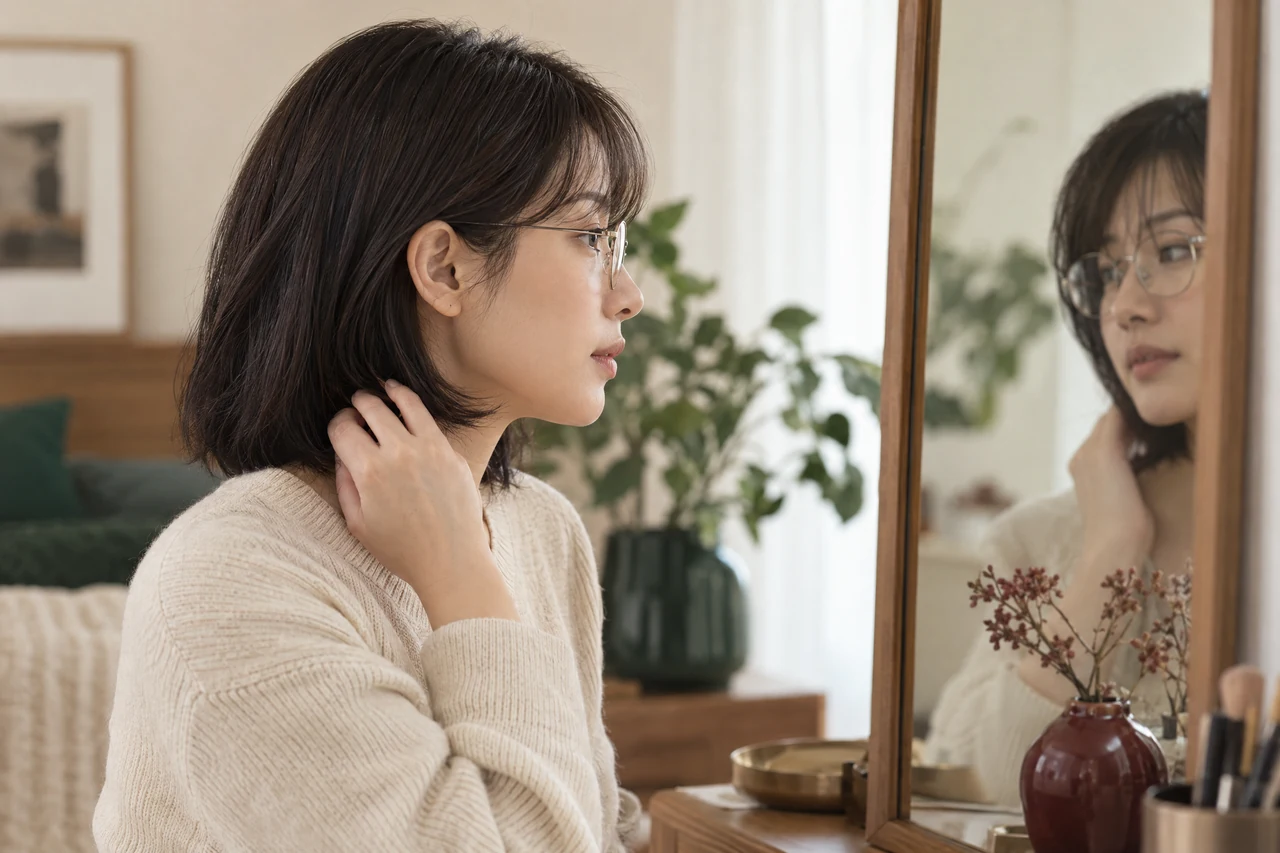
Begin with a message such as: I would like to discuss a chin-length dark bob with a side part. I wear glasses and would like to ask about coverage and measurement arrangements. Could you tell me what information you need initially, whether relevant samples can be viewed and what privacy arrangements are possible? This is a starting example, not a supplier form. Adapt it to the actual question, and leave photographs unattached until you know whether they would help.
For clear communication, state your preferred language and ask whether someone can discuss your enquiry in it. Vit So's english-speaking hair salon guide explains why language arrangements need confirmation; it does not establish language availability at another brand. Ask for plain explanations of unfamiliar cap or fitting terms. A useful reply should identify the next information needed and what remains uncertain, rather than treating an initial message as your agreement to proceed.
Review the answer before sharing more. If another photograph is requested, ask what it will clarify and whether a narrower view or an in-person check could work. If a visit is proposed, confirm the arrangements discussed earlier. If a product is suggested, request its actual specifications and quotation. OWNSTRAND and Vit So share the same owner, so the brand links here are related-brand information, not independent recommendations. This commissioned guide reports no product testing or personal consultation experience.
What to share at an initial cosmetic enquiry, and what to hold back
| Question to answer | Useful starting information | Keep separate or confirm first |
|---|---|---|
| What look do you want? | Length, outline, parting and colour family; label the feature in a reference. | A full personal photo album or an expectation of an exact image match. |
| What coverage or fit needs discussion? | The relevant area, glasses clearance and unconfirmed prior measurements if requested. | Any assumed universal sizing rule or promised fit before assessment. |
| What practical restriction matters? | Relevant wearing or removal limits; seek care advice for health-related needs. | Clinical records and unrelated health details in a cosmetic message. |
| What visit would feel comfortable? | Your requested privacy arrangement, companion preference and purpose of the visit. | Assumed private-room access, sample availability or a free try-on. |
Your preparation checklist
- Describe the desired shape and identify one essential rather than sending every preference.
- Name the coverage area and practical fit question without diagnosing a hair change.
- Use an exact catalogue style name or label the feature shown in an inspiration image.
- Review the attachment for unrelated people, identifying background details and sharing settings.
- Ask about image purpose, access and retention before sending personal photographs.
- Keep health records separate; discuss symptoms and treatment-related wearing needs with a care professional.
- Confirm appointment, privacy, samples and any charges before travelling.
Frequently asked questions
Can I begin without sending a photograph of myself?
Yes. Begin with a written style description or a named catalogue option and ask what the supplier can answer from that. A photo may help with some appearance questions, but ask which feature is needed and whether a limited view or in-person discussion would be enough. A text-only enquiry cannot settle final fit or colour matching.
What if the supplier asks why I want a wig?
For a cosmetic enquiry, you can redirect the conversation to the appearance and fit questions you want answered. If information is said to be necessary, ask its purpose and whether providing it is optional. Keep medical questions with your care professional, while communicating practical safety restrictions relevant to the eventual fitting.
Does cropping out my face make the image anonymous?
Not necessarily. Hair, clothing, surroundings or details in the file may still identify you, and your contact account can reveal information separately. Cropping is a way to remove irrelevant content, not a guarantee of anonymity. Ask about access and use, and do not send an image you would be uncomfortable sharing under the stated arrangements.
If a private appointment is confirmed, is the product available too?
No. Privacy arrangements, a booked appointment and product supply are separate confirmations. Ask whether the exact style, colour and size can be supplied and whether a relevant sample will be available to view. OWNSTRAND's enquiry process is not automatic ordering, and a confirmed visit does not commit you to purchase.
Prepare a focused style conversation
Invite Vit So to discuss hairstyle proportions and how your preferred outline could blend with your styling goals. For OWNSTRAND product specifications, quotations or visit arrangements, use the related-brand guides already linked above. Begin with the appearance question, ask what additional information is needed, and share more only when its purpose is clear.
Start your WhatsApp enquirySources & further reading
- Office of the Privacy Commissioner for Personal Data, Hong Kong — The Ordinance at a Glance
DPP1 supports necessary and non-excessive collection and explaining the purpose and voluntary or obligatory nature of supplying data. DPP2 and DPP5 support questions about retention and policies. This is general guidance, not a supplier compliance assessment.
- Cancer Research UK — Wigs, hats and scarves
Photographs can explain a previous hairstyle, and readers may ask whether a private room is available for a wig try-on. UK treatment services, costs and timelines are not applied to OWNSTRAND.



