







What a haircut for a busy lifestyle needs to do
Describe a normal weekday rather than your best styling day. Say how much drying time you have, whether you leave home with damp hair and which areas need attention. For a low-maintenance cut in Hong Kong, include your commute and exposure to humid weather; those details help turn a broad preference into a practical consultation.
Identify where your routine becomes frustrating: a damp back section, a fringe that needs resetting, or ends that turn outward on the commute. Naming the troublesome area helps you ask whether length, weight or direction should change, rather than requesting a different haircut without a clear goal.
Continue with haircut or treatment for frizz in humid weather for that specific comparison and the preparation questions it raises.
Set priorities for a haircut for a busy lifestyle
Choose the task you most want to reduce: drying the whole head, shaping the front, or arranging loose sections throughout the day. Then identify what must stay, such as enough length behind the ears or a ponytail for exercise. If fewer salon visits matter more than a sharp outline, say so before choosing the perimeter. The right compromise depends on which inconvenience you are prepared to keep.
Work with the texture you already have
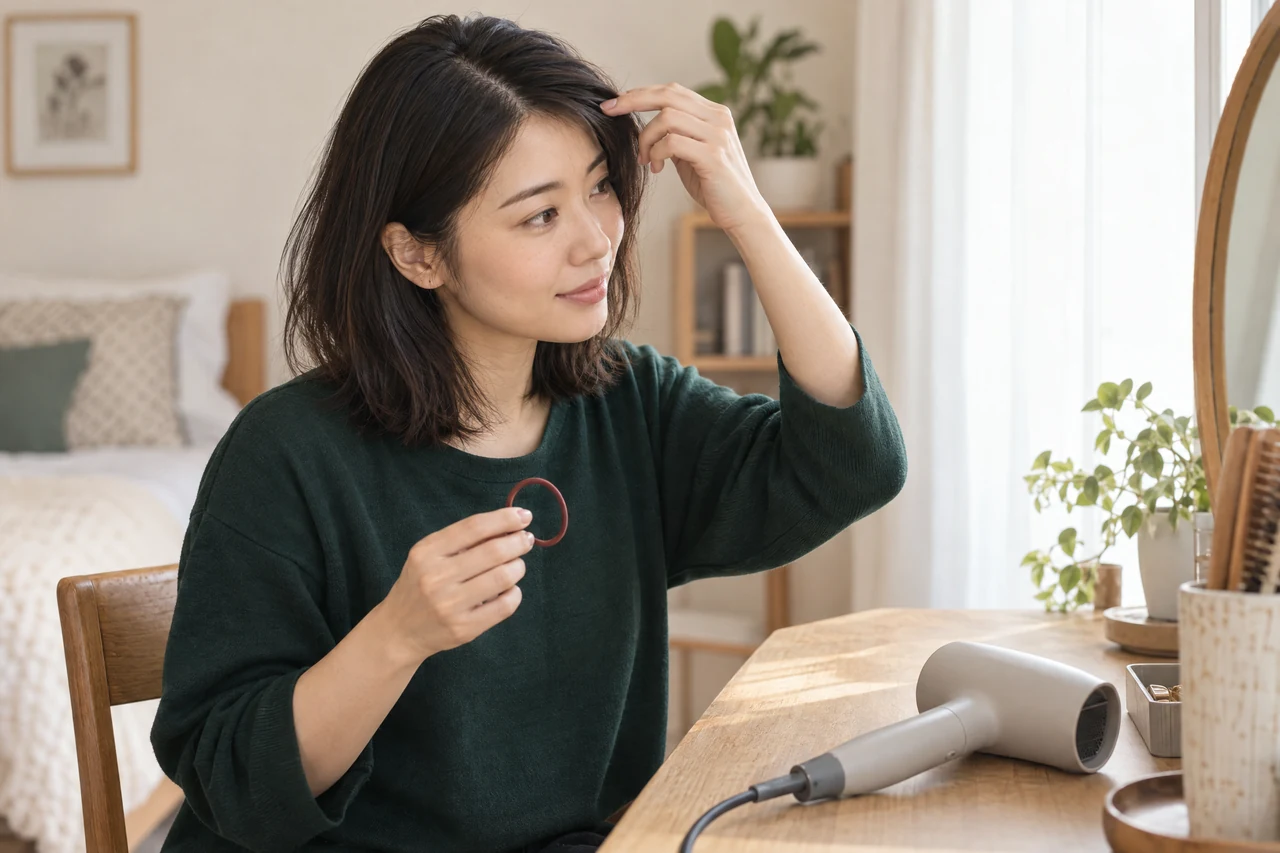
If you prefer to air-dry and rarely use styling products, bring a photo of your hair in that state. Explain that you want the cut to work with its natural movement without daily straightening. A wash-and-go approach still needs a discussion of shape, drying and occasional adjustments; no haircut makes every texture maintenance-free.
A haircut that works with natural hair texture starts with observing its dry pattern. Notice where waves gather, where the crown separates and whether the front falls differently from the back. A straightened reference can hide these details. Use haircut reference photos to separate the outline you like from the heat-styled finish you may not want to reproduce.
For curly or coily hair, the American Academy of Dermatology's curly hair care advice recommends wetting the hair and using leave-in conditioner before detangling with fingers or a suitable wide-toothed comb. It also advises against brushing dry curls to help prevent breakage and frizz. This makes gentle detangling part of the routine to discuss, rather than assuming a shorter cut replaces care.
Show your hair without a straightener
Bring current front, side and back photographs after your usual drying method. Note the tools used in each picture. For a low maintenance haircut without a hair straightener, identify the natural bends you accept and those you find distracting, so the discussion starts with your actual hair.
Explain what wash-and-go means to you
A wash and go haircut consultation is more useful when you describe the steps behind that phrase. Do you gently detangle and let the hair dry loose, or use a dryer with your fingers? Would you adjust the parting, but refuse daily brush work? Someone who rarely uses styling products needs a design discussion that does not quietly depend on mousse, gel or repeated curl refreshing.
Match the published entry to the assessed work
Choosing straight or curly hair for easier upkeep depends on the steps you can realistically manage. Curls may need definition and careful drying, while a straighter finish may still need brush work, conditioning and attention to new growth. A smoothing procedure should be compared with its care requirements, possible changes in movement and full quote. It is not a promise of a maintenance-free routine.

Compare morning effort with trim frequency
A shorter cut may leave less hair to dry, yet a precise outline can need more frequent trims and attention to direction. Discuss both the time spent drying and the time spent shaping it afterwards. Choose length and layers against your own routine rather than assuming a short style will always require less work.
Does shorter hair need more maintenance? Ask which growing area would prompt your next visit: hair around the ears, a fringe falling into the eyes, or a changing perimeter. Consider whether you could accept a softer outline instead.
Review blow dry to check its service scope and the details to share before arranging the related work.
Shorter does not always mean simpler
Consider the fallback arrangement as well as the freshly cut shape. Hair that can tuck behind the ears or tie loosely back gives you another option on a rushed day. Short face-framing pieces may need separate attention even when the back is secured. Before removing length, demonstrate how you normally gather your hair and ask what would no longer reach the tie.
Separate drying from styling
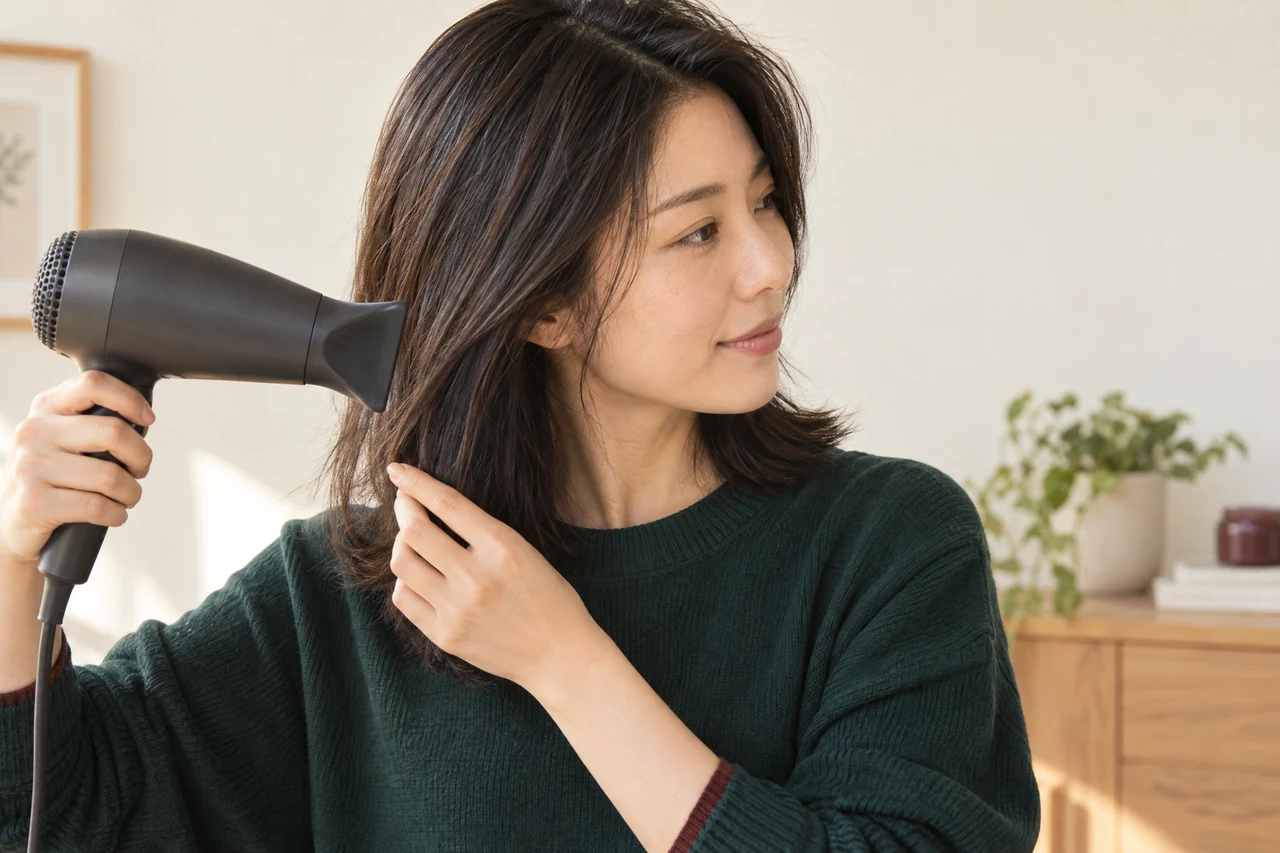
Removing moisture and creating a smooth, curved finish are different tasks. Less retained length may reduce the amount of hair to dry, but it does not establish how long your own routine will take. The American Academy of Dermatology's hair damage guidance recommends air-drying when possible and the lowest heat setting when using heated tools. Discuss a manageable drying method rather than relying on higher heat to hurry the process.
Retained length and the effort a haircut needs
Low maintenance haircuts for women depend on natural fall, retained length and the styling routine you can sustain. Compare the effort needed for a fringe, an even perimeter or shorter layers, including the return visits each shape may need. Keeping hair long enough to tie back may be more practical than going shorter; low maintenance does not mean no arranging or a guaranteed saving in time.
White strands, contrast and the usual cut shape
Low-maintenance colour for grey hair starts with how much visible new growth you can accept. Grey blending to reduce root maintenance can be a goal to discuss, not a guaranteed reduction in visits. A mixed finish may soften some boundaries, while tone, old dye and lighter pieces can still need attention. Explain the time and upkeep you can realistically manage before agreeing a colour direction.
Consider a cut before adding a chemical change
If your goal is an easier morning, compare a change of cut with adding curl through a perm. A perm changes the texture but does not remove drying, product or styling needs. Ask how the proposed shape behaves between appointments and whether its upkeep fits your available time before deciding on a chemical service.
Make the comparison specific: do you want ends that bend, movement through the middle, or a different front direction? Ask whether adjusting the cut can address the issue first. If you are considering smoothing instead, clarify how much natural movement you want to keep. A low maintenance smoothing treatment should be assessed by its proposed procedure and aftercare, not simply by a reassuring service name.
Review hair perm to check its service scope and the details to share before arranging the related work.
Compare a haircut with a perm
A haircut changes length and weight distribution; a perm introduces a chemical texture change. Discuss a cut for an inconvenient outline and a perm for movement your hair does not naturally provide. Share previous bleaching, colouring, straightening and perming before assessing suitability and the required home routine.
Ask about the routine between appointments
Ask for a description of an ordinary wash day rather than only the salon finish. Which steps shape the curl, which products are involved, and what happens when you skip the styling step? Also discuss how new growth and existing treated lengths would be handled later. Choosing a haircut or perm for an easier morning routine means understanding the ongoing tasks before committing to the change.
Softer perm movement still needs a daily routine
Is a Korean perm low maintenance? Softer movement may suit a manageable routine, but it does not mean no styling. Compare the drying direction, conditioning and amount of product your hair needs with the time you will actually spend. A simpler cut or temporary styling may be more appropriate than a chemical change if that routine does not fit.
Check the routine after washing at home
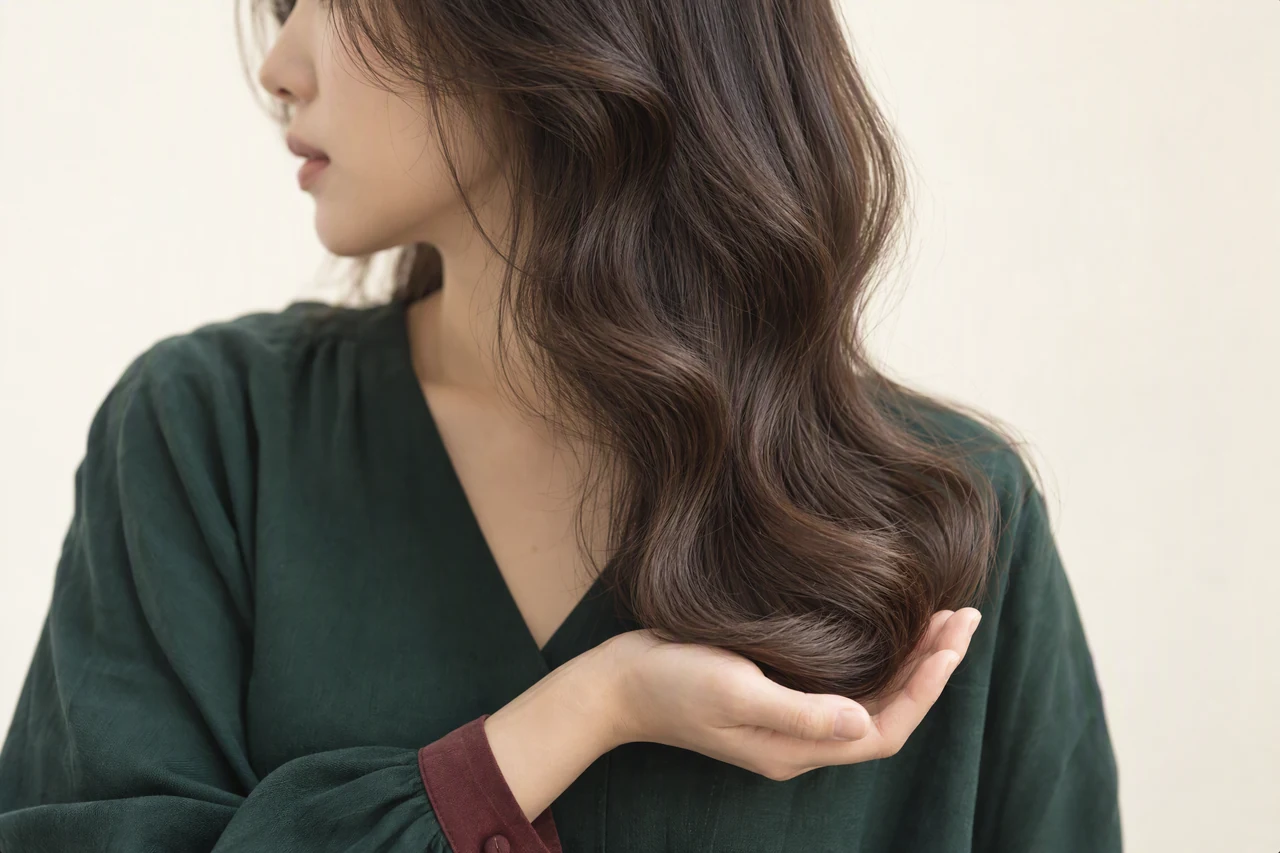
After a haircut, use your agreed routine before deciding that more work is needed. Note whether the difficulty starts during drying, after sleeping or when you tie the hair back. If the salon finish depended on brush shaping you do not normally do, the difference may reflect the method rather than a need for a chemical change.
Understanding why does my haircut look different after washing at home can help you describe that difference clearly when asking for advice. Photograph the area in ordinary light and record the tools and products used, so the discussion is based on something visible.
Keep a comfortable fallback arrangement
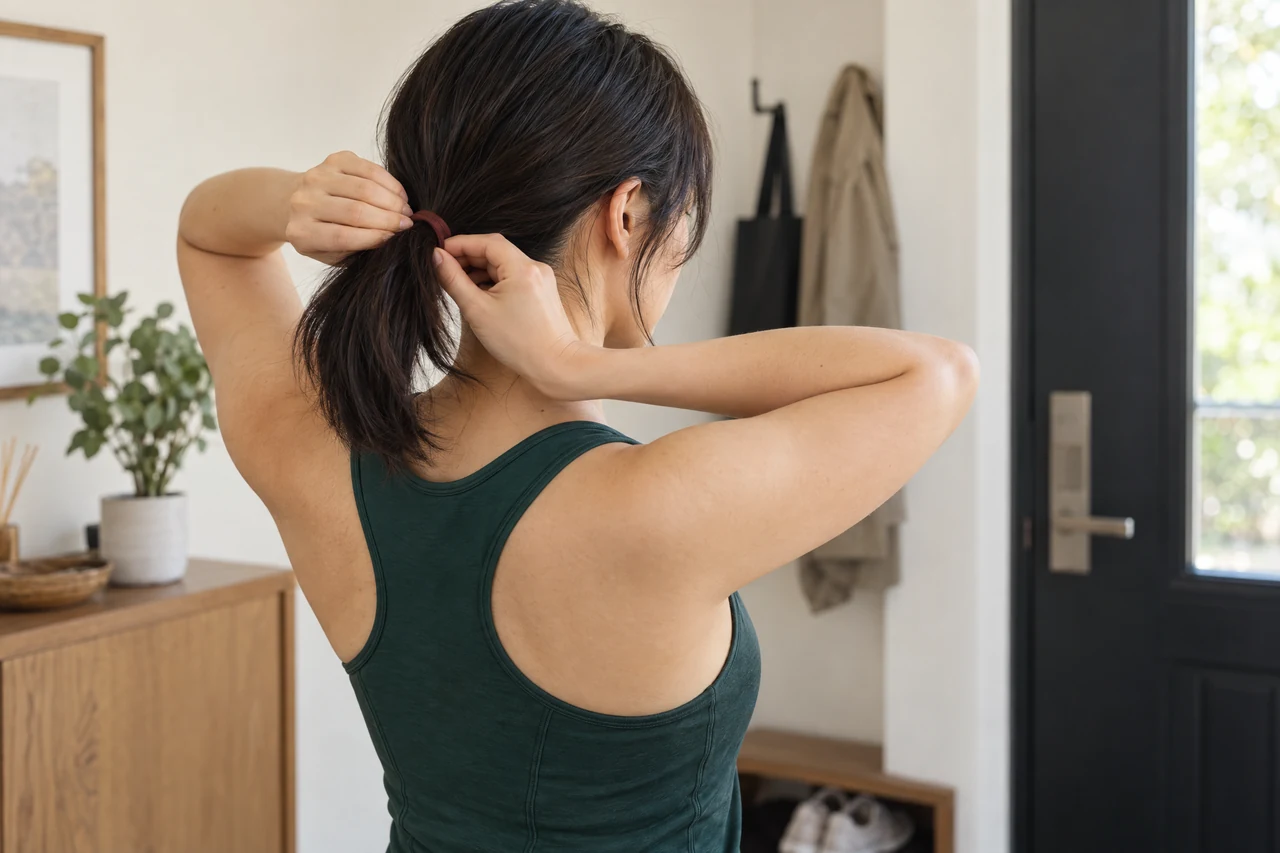
If tying back is your rushed-day option, check the front without pulling it tightly. The AAD's hair damage guidance recommends loosely secured hair rather than tight ponytails or buns. Preserve a comfortable fallback when comparing lengths, rather than judging only the loose, styled finish.
Bring a practical brief to the appointment
Use the six preparation steps below to organise a low maintenance hairstyle consultation. Your brief should make the main goal clear while leaving room to discuss alternatives. Bring your realistic return schedule too: a style needing frequent outline adjustments may be a poor fit if you travel often or struggle to arrange visits.
The published men's wash, cut and blow dry price is HK$380; the women's price is HK$480.
These listed entries are not combined quotes for perming, colouring or smoothing. Confirm the proposed work and applicable charges before agreeing the appointment, alongside the daily tasks the design requires.
Agree which changes you can accept as hair grows
Explain what would make you seek a trim: a fringe reaching your eyes, more width at the sides, or ends that no longer sit where you prefer. Then ask what can remain flexible. This turns the question of what haircut suits your daily routine into a practical boundary, helping you choose a shape you can continue wearing between visits.

Compare haircut and texture choices against the tasks you are willing to repeat
| Direction to discuss | Daily routine to check | Upkeep trade-off |
|---|---|---|
| Keep tie-back length with a revised outline | Can the front and sides reach your usual loose tie? | Retained length still needs drying and detangling, but offers a fallback arrangement. |
| Cut shorter with a defined perimeter | Can you reset the direction without tools you dislike? | Less retained hair does not remove outline upkeep or fringe adjustments. |
| Work with natural waves or curls | How will you detangle, dry and arrange the natural pattern? | Accepting movement may avoid daily straightening, but conditioning remains relevant. |
| Add movement through a perm | Are the suggested products and curl-shaping steps realistic? | A different texture brings aftercare and future treatment decisions. |
| Consider smoothing for a specific concern | What movement stays, and what home care is required? | Compare the complete procedure and quote rather than assuming simpler hair care. |
Your preparation checklist
- Identify the area that takes most attention on an ordinary morning, and describe what you currently do to it.
- Bring current photographs after your normal drying method, with a note of any tools or styling products used.
- Demonstrate the length you need for tying back, tucking behind the ears or keeping hair away from your face.
- State which styling steps you will repeat and which tools or products you do not want the haircut to depend on.
- Share your chemical service history and compare a cut with any proposed texture change before committing.
- Explain your return schedule and ask which growing area is likely to need attention first.
Frequently asked questions
Can I have a haircut that needs no daily styling?
Some shapes may work more easily with your natural texture, but drying method, growth and weather still matter. Describe what you mean by no styling so the proposed cut can be assessed against that routine.
Should I bring the products I normally use?
Product names or photographs are useful. Also mention what you do not want to use, such as a straightener or daily styling cream, so the design does not depend on an unrealistic routine.
Is low maintenance mainly about fewer salon visits?
It can mean less daily effort, longer intervals between trims or both. State which matters more to you, because a tidy short outline and a flexible longer shape can have different upkeep needs.
Discuss a haircut that fits your real mornings
Enquire with Vit So at 252 Hollywood Road, Sheung Wan, with current hair photographs, your usual drying method and the length you want to preserve. Mention whether you are considering a cut alone or a texture change, and confirm the available consultation language. An enquiry starts the discussion; the service scope, timing and booking still need confirmation.
Start your WhatsApp enquirySources & further reading
- 6 curly hair care tips from dermatologists
Gentle detangling of curly or coily hair and avoiding dry brushing when discussing a realistic natural-texture routine.
- 10 hair care habits that can damage your hair
Air-drying where possible, choosing the lowest heat setting and keeping tie-back arrangements loose rather than tight.



