






A Hair Stylist Who Starts with Your Priorities
A useful design discussion connects length, shape and colour with everyday habits. Describe the time you spend drying your hair, whether you tie it back and which areas feel difficult to manage. These details help frame a practical enquiry; they do not promise a particular result or a style that never needs attention.
You do not need to arrive with a hairstyle name. Begin with an observation you can point to: the fringe falls across your glasses, the sides feel wide, or the ends no longer sit where you like them. Then identify something worth preserving. That might be enough length for a comfortable ponytail, coverage around the ears or a familiar parting. A clear boundary makes a change easier to discuss than simply asking for something different.
Consider how much change you actually want. Refreshing an existing outline, growing out a short cut and changing the overall silhouette are different starting points. If you are uncertain, describe what feels wrong before deciding how much to remove. You can also state what would feel too drastic, such as exposing the nape or losing the length you usually tuck behind your ears. These are useful design preferences, not obstacles to creativity.
Discuss Your Daily Routine with a Hair Stylist
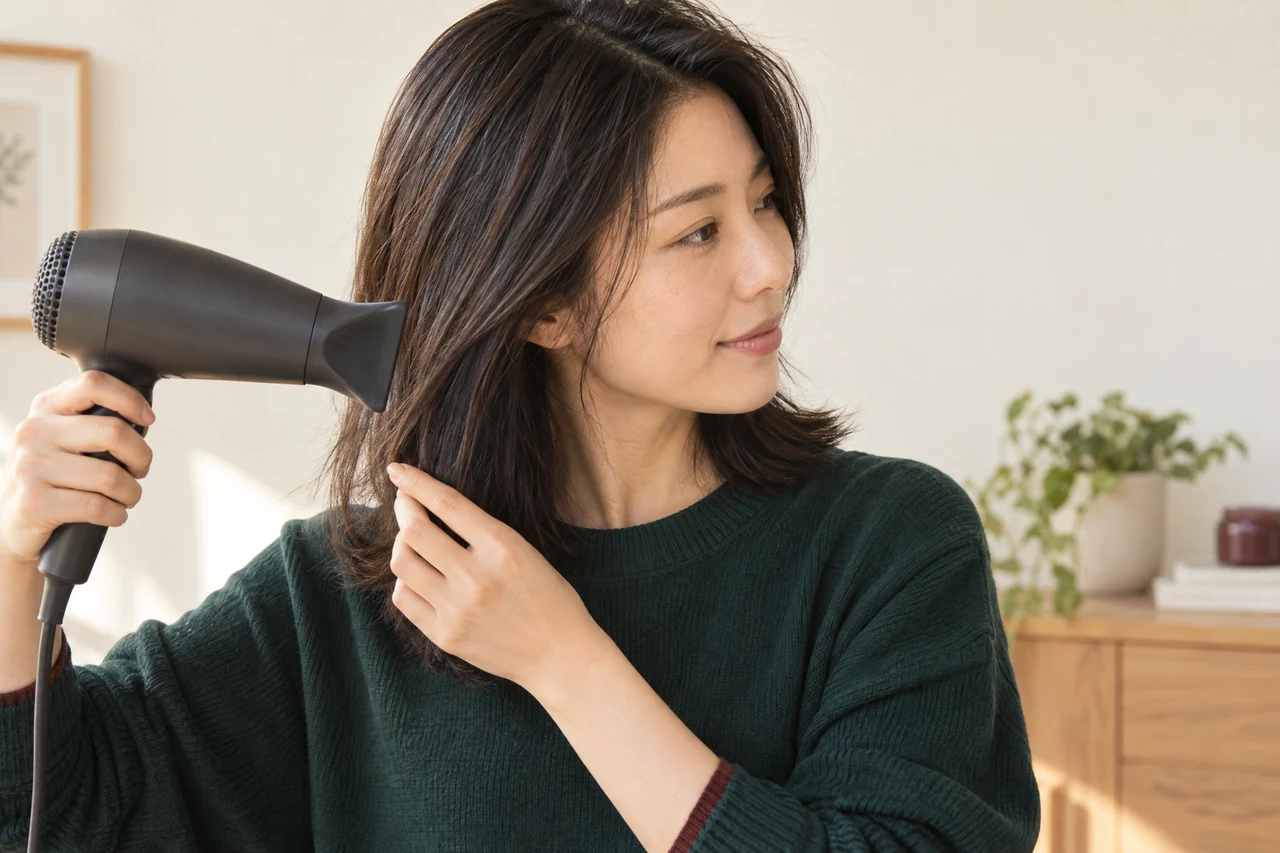
Explain your ordinary morning rather than the routine you might adopt for a special occasion. Do you leave your hair to dry naturally, use a dryer with your fingers, or shape it with a brush? Say whether you are willing to reset the fringe after sleeping and whether you normally use styling product. For someone who ties their hair back at work, loose face-framing pieces and a secure tied shape need separate consideration. Wear your usual glasses or bring relevant accessories so you can explain where the hair meets them.
Plan the enquiry around the single Sheung Wan address
Vit So is a hair stylist in Hong Kong, receiving clients at 252 Hollywood Road, Sheung Wan, on Hong Kong Island. When choosing someone to cut or design your hair, describe the shape, length and everyday routine you want to work with. The appointment location is one address; searches for a hairdresser or stylist do not imply multiple branches or beard services.
A Hairdresser with a Documented Design Background
Vit So entered the hair industry in 1996 and travelled to Tokyo in 2000 to study Japanese precision cutting. The professional background includes precision cutting and commercial hair design. Read that history alongside your own needs: a career record gives context, but it is not a guarantee that a photographed style can be reproduced on every head of hair.
The Canvas Academy instructor profile records this career starting point and Tokyo study, and identifies Japanese precision cutting and commercial hair design among Vit So's areas of professional background. For a prospective client, that information is a useful starting point for asking about shape and proportion. It does not replace a discussion of your present length, natural movement or preferred finish.
Read About Vit So for documented haircutting and education background.
Read the Hairdresser Background in Context
Connect the background to a visible design question. If you like a clean outline, ask which edge length you would retain and how the sides should connect to the back. If you prefer layers, separate the shorter face-framing pieces from the fullness you want at the ends. Those questions translate an interest in cutting technique into decisions you can recognise. A professional title or training history is most useful when paired with a service scope and a clear explanation of your own preferences.

Choose a Starting Point for Your Hair
If the outline needs changing, begin with the haircut information. If the concern is tone or regrowth, start with the colour pages. For movement, straightening or conditioning, review the relevant service scope. You can describe more than one goal in an enquiry without assuming that every process should be combined in the same appointment.
Explore hair salon services to compare the wider scope before choosing a service enquiry.
Choose the goal that would matter most if you changed nothing else. A lighter-looking outline is not necessarily a request for lighter colour; softer-feeling ends are not necessarily a request for straighter hair. Say whether you mean appearance, touch or movement. This keeps the enquiry focused and helps avoid selecting a treatment name before establishing what you want it to do.
Use the hair salon price list to distinguish individual services from packages before discussing your budget. Ask which listed item applies to the proposed work and what is included. If you are considering several changes, state the spending boundary early and ask which priority could be addressed first. A smaller, clearly defined plan may be more useful than combining processes simply because they appear together in a reference photograph.
Separate Shape, Colour and Texture Goals
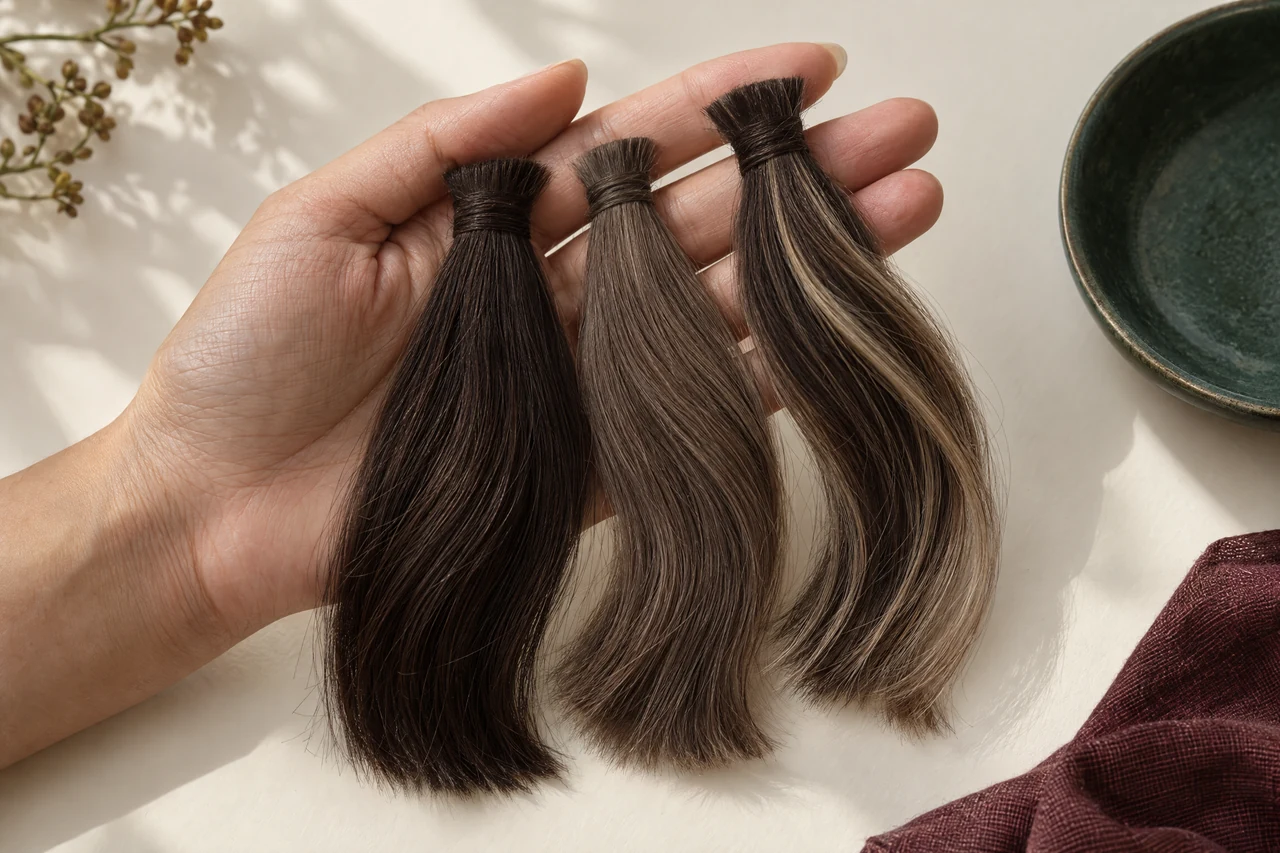
For a cut, identify the desired endpoint and the areas that should stay longer. For colour, describe depth, warmth and where you want the lighter or darker areas to show. For texture, distinguish wanting waves from wanting the sides to sit closer or wanting less daily straightening. Share previous colour, bleach, perm and straightening history when a chemical process is under consideration, including home applications. An incomplete history can leave important questions unanswered even when the present hair looks evenly coloured.
Plan Your Sheung Wan Enquiry
The service location is 252 Hollywood Road, Sheung Wan, Hong Kong. Send an enquiry through WhatsApp on +85253057561 with your preferred date and the change you are considering. Ask about the consultation language if that matters to you. An enquiry is not a confirmed appointment; wait for agreement on the service and visit arrangements.
To book a hair appointment, prepare a short message that connects your preferred date with your present hair and main goal. Recent front, side and back photographs can help show the starting point. Explain whether they show your natural drying pattern or a styled finish. If you have a fixed commitment afterwards, mention it so the proposed visit can be discussed without assuming an appointment duration.
Use the sheung wan salon information to check the Hollywood Road address when planning your journey. Confirm where to arrive and any access details that matter to you. Travelling from Central or Sai Ying Pun does not change the service address, and a preferred date in your message does not establish availability. Keep the agreed arrangements accessible so you can check them before setting off.
Confirm the Visit before You Travel
Before finalising your plans, make sure the reply addresses the proposed service, date and arrival time. Ask about the consultation language directly rather than treating this English page as confirmation of spoken-English availability. If your goal changes after the original enquiry, update the message before visiting; adding colour or a texture process may alter the scope of the discussion. Clear preparation leaves more attention for the design choices themselves.

Use Reference Images to Explain Your Preferences
A reference image is most useful when you can name the detail you like. You might like the exposed ear but not the short fringe, or the colour placement but not the curled finish. Label those preferences instead of asking for the whole photograph. Bring a contrasting reference if it helps show a boundary, such as an outline you find too round or ends you find too light.
Compare starting conditions as well as the final look. A short men's style with visible natural movement raises different questions from a smooth, brushed finish. A longer layered style should also be considered with the hair tied back if that is how you wear it regularly. The concept illustrations on this page help explain those discussions; they are not a portfolio of Vit So client results.
Continue with how to choose a hairdresser for that specific comparison and the preparation questions it raises.
Describe the Feature, Not Just the Photograph
Keep a photograph of your own hair separate from the inspiration image. Point out the parting, fringe endpoint or colour area you want to discuss, then explain how you would wear it without special styling. This gives the image a practical role while leaving room to assess which elements suit your starting hair.

Keep the Design Connected to Life between Visits
A design decision also includes what happens after the first wash. Ask which elements depend on drying direction, a brush or product, and which parts you would simply leave to settle. The American Academy of Dermatology's healthy hair tips advise limiting heat styling, using low or medium heat settings and a heat-protection product because excessive heat can damage hair. That care guidance is a reason to discuss your routine, not a measure of how attractive a haircut will look.
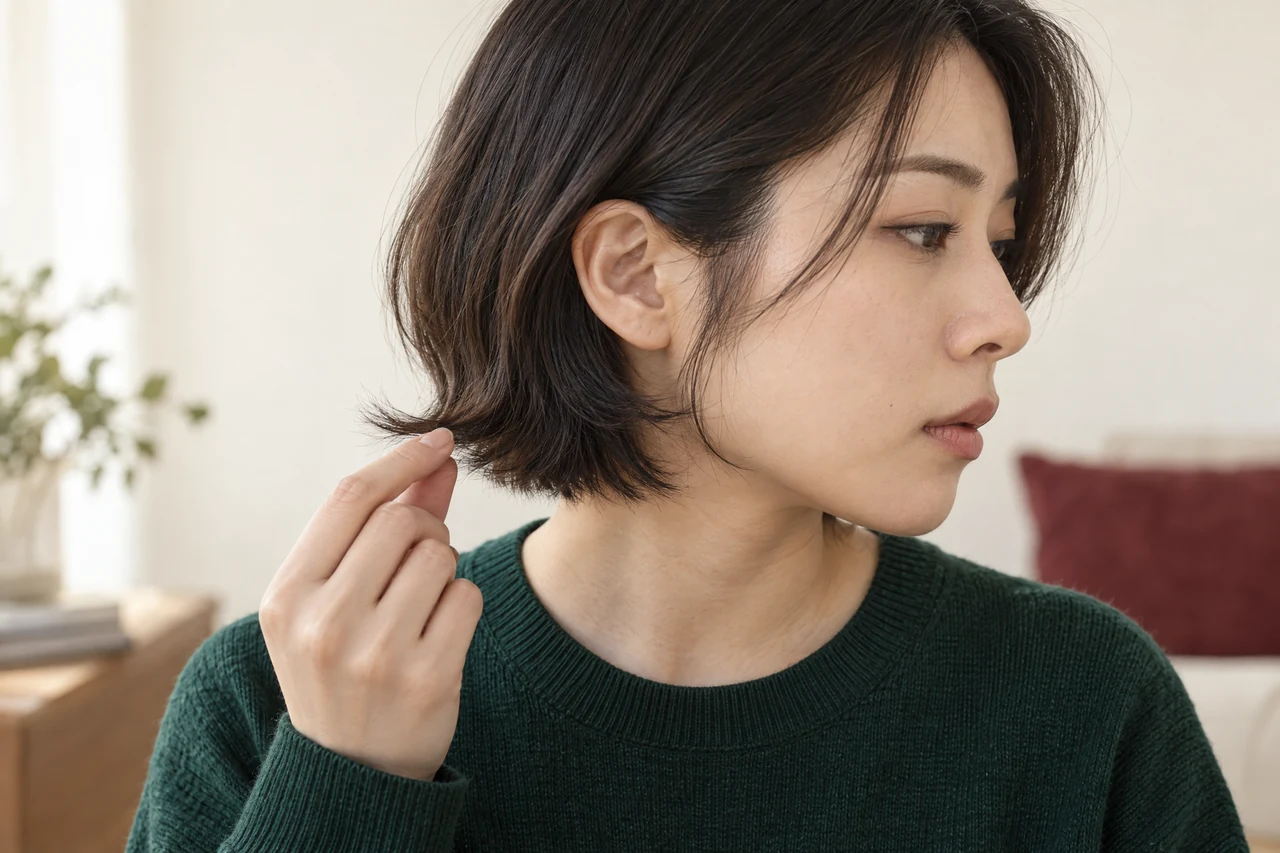
After a change, observe the specific areas that affect your day: whether the fringe stays out of your eyes, whether the sides need repeated resetting, and whether the retained length still works when tied. If something feels difficult, describe when it happens and how you dried the hair. A clear observation is more useful for a follow-up enquiry than deciding that the entire style needs replacing.
Ask What You Will Need to Do at Home
Ask for an explanation of the intended everyday finish and identify any unfamiliar step before adopting it. If you prefer fewer tools or products, say so during the design discussion. The aim is to agree on a manageable routine rather than choosing a photograph that depends on styling you do not want to repeat.
Turn your main hair concern into a focused starting enquiry
| Your priority | Useful starting information | Trade-off to discuss |
|---|---|---|
| Refresh the outline | Current front, side and back shape; preferred endpoint | Visible change versus the length and coverage you want to keep |
| Keep hair easy to tie | Your usual ponytail position and loose pieces | Shorter face-framing detail versus secure tied coverage |
| Change colour | Current base, processing history and preferred tone | Brightness and placement versus upkeep and service scope |
| Change movement or straightness | Natural dry pattern and daily styling steps | Desired texture versus hair history and home routine |
| Keep the current style for an occasion | Present length, outfit and intended finish | Temporary styling versus a lasting haircut change |
Your preparation checklist
- Name the main change you want, then identify the length, coverage or colour feature you want to preserve.
- Describe your usual drying method, products, tied styles and any glasses or headwear that affect the hair.
- Prepare recent photographs of your own hair and label the specific features you like in reference images.
- Share previous chemical services and home colour applications when considering colour, perming or straightening.
- Check the relevant service information and ask which scope and price apply to your intended work.
- Confirm the service, consultation language, date, arrival time and Hollywood Road location before travelling.
Frequently asked questions
How can I decide whether a stylist suits my needs?
Compare work with similar starting hair, read the service scope and ask specific questions about your priorities. A title or an attractive finished photograph alone cannot establish suitability.
Where is the service location?
The location is 252 Hollywood Road, Sheung Wan, Hong Kong. Central and Sai Ying Pun are neighbouring areas, not additional branches.
Does the English website confirm an English consultation?
No. English website information does not establish spoken-English consultation availability. Ask about the language for your proposed visit before confirming arrangements.
Turn Your Hair Priorities into a Clear Enquiry
Tell Vit So what you want to keep, what you want to change and your preferred date. Include your current hair and routine so the proposed service can be discussed. An enquiry is not a confirmed booking; wait for agreement on the visit arrangements.
Start your WhatsApp enquirySources & further reading
- Canvas Academy Instructor Team — Vit So Profile
The documented 1996 career starting point, Tokyo precision-cutting study in 2000 and background in Japanese precision cutting and commercial hair design.
- Tips for healthy hair — American Academy of Dermatology
Limiting heat styling, choosing low or medium heat settings and using a heat-protection product as practical considerations for an everyday routine.



