







Vit So and DT HUB have the same owner. The DT HUB links are related-brand promotional destinations, not independent medical recommendations or evidence of effectiveness. DT HUB's Kwun Tong service and Vit So's Sheung Wan service are distinct; one is not presented as a branch of the other.
TCM hair consultation safety questions start with medical assessment
Traditional Chinese medicine, or TCM, covers different approaches rather than one standard service. An appointment might discuss acupuncture, oral herbal products, topical preparations or cosmetic scalp care. Ask which of these is actually proposed and whether the first visit is a discussion only. Consent to a consultation should not be treated as consent to every component of a package.
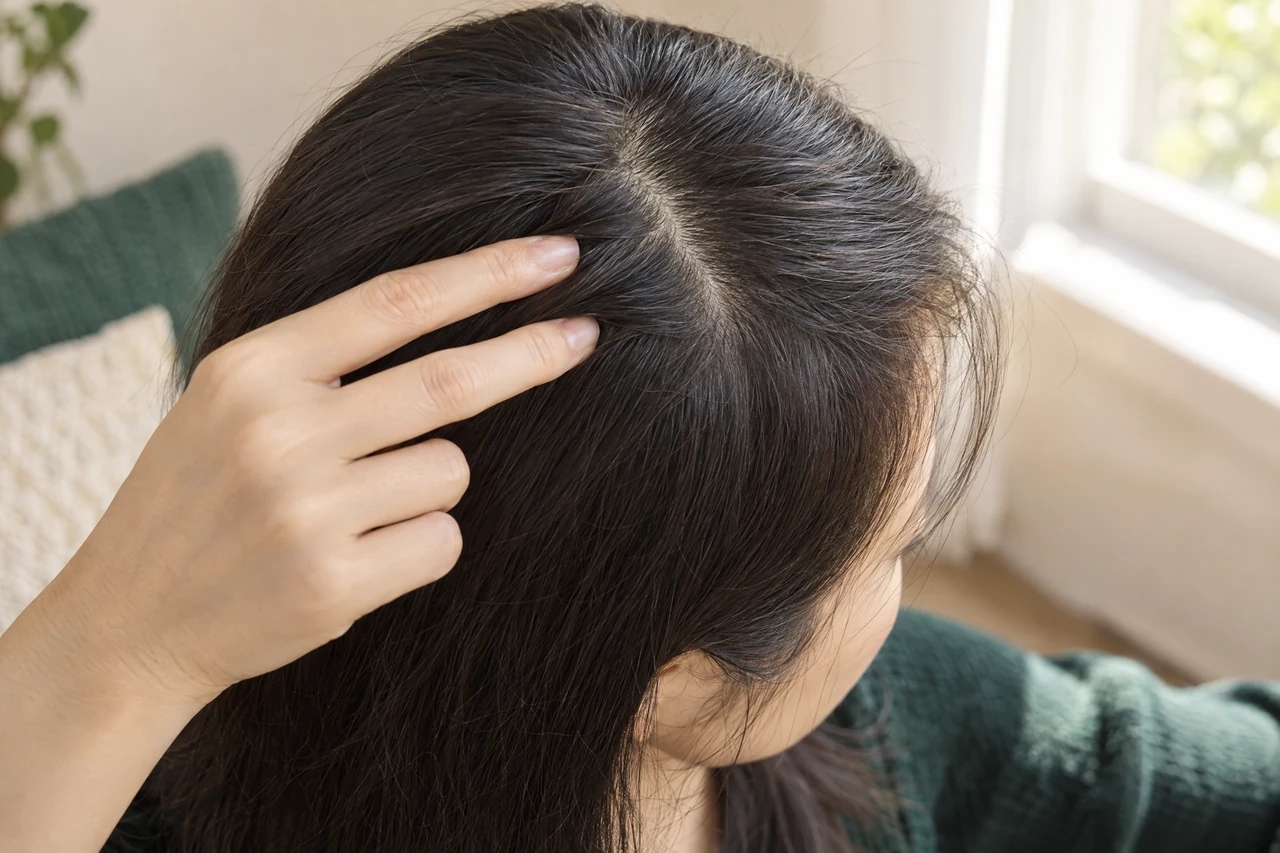
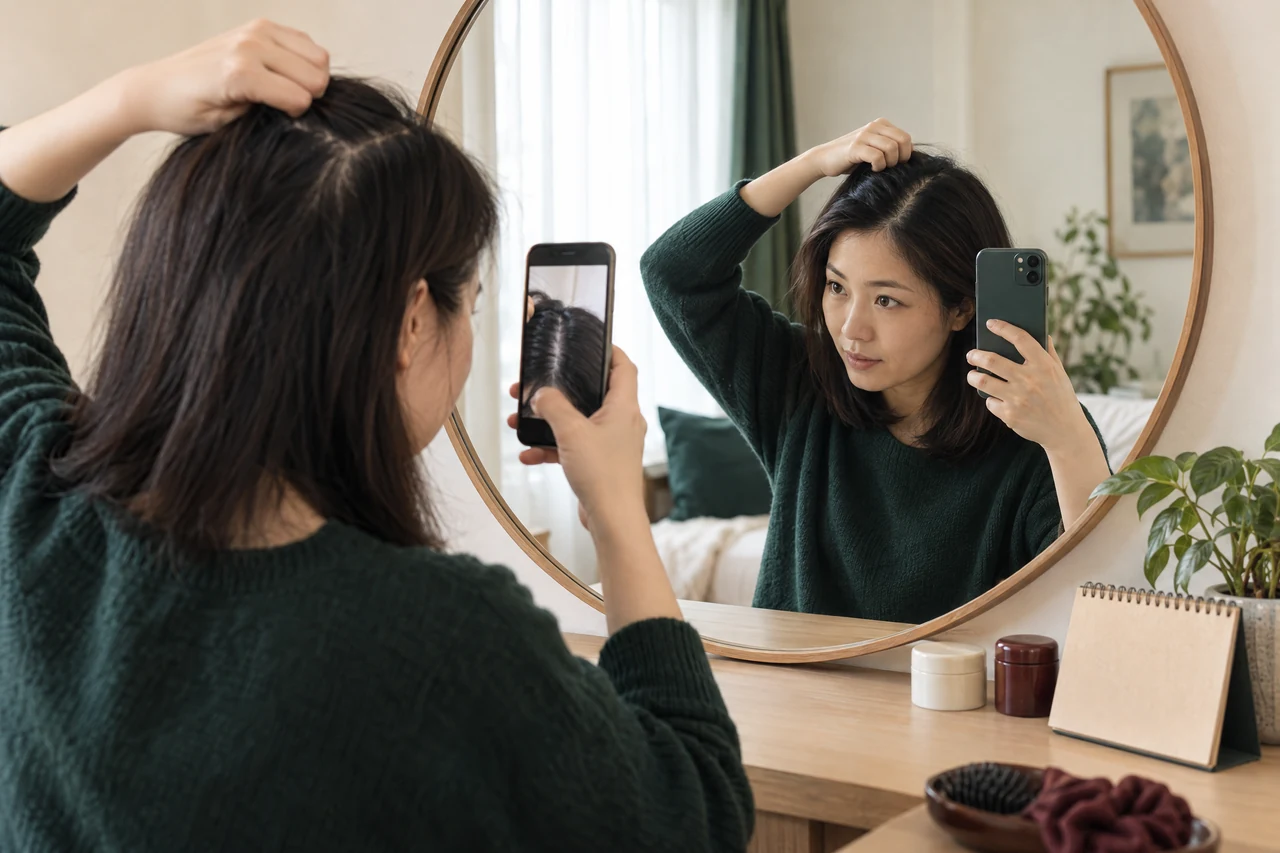
Describe what you have noticed without assigning yourself a diagnosis: when the change began, whether it is continuing and whether the scalp feels sore or looks inflamed. A photograph of your usual part may help explain a concern, but it cannot establish its cause. Persistent, sudden or patchy loss, especially with scalp symptoms, belongs with a doctor or appropriate medical clinician before elective complementary or cosmetic services. NCCIH specifically advises against using TCM to replace or delay conventional care. [1]
If you are also considering a cosmetic appointment, the guide to what to ask before a scalp treatment helps separate questions about products and scalp contact from questions that require medical assessment. Use it to clarify the salon appointment, not to decide whether a medical symptom is harmless. You do not need to settle every appearance concern at the same visit.
Name the decision before discussing a package
Say whether you want information, an assessment or help with appearance while medical care continues. Ask what the provider would do if the concern falls outside their scope. An explanation of when they would defer a service is more useful than an assurance that their programme suits everyone.
Check the individual practitioner, not just the clinic description
Ask for the full name of the person who will assess you, their registration details and who would perform any proposed acupuncture. For a Hong Kong appointment, check the relevant current official Chinese Medicine Council records rather than relying on a clinic's wording. This article has not verified any named DT HUB practitioner's registration. A clinic address, professional-looking room or team biography is not a substitute for that check.
DT HUB's page on tcm acupuncture kwun tong discusses clinic selection and a combined TCM-and-hairstyling model. Treat that description as a starting point for questions about the actual appointment: who takes the history, who makes the clinical decisions and who is available if a concern arises? Its promotional comparison does not independently establish superiority or verify the person you will see.
Ask about training and experience relevant to the proposed procedure, as NCCIH recommends when considering a TCM practitioner. [1] Also ask how clinical work is separated from hairstyling. A stylist may explain cosmetic products or hair presentation, but that role does not establish authority to diagnose hair loss, assess medicine interactions or perform a medical procedure. If responsibilities remain vague, request clarification before proceeding.
Separate acupuncture hygiene from evidence about hair loss
A careful herbal and acupuncture risk discussion needs both safety questions and evidence questions. NCCIH reports complications from nonsterile needles and improper delivery, including potentially serious injury. [2] Ask whether needles are sterile and single-use, how hand hygiene and the treatment area are managed, and how used needles are disposed of. These are questions for the practitioner, not instructions for performing acupuncture yourself.
The DT HUB destination labelled acupuncture for hair growth states that disposable sterile needles are used. That is the provider's statement, not a hygiene audit carried out for this article. Ask how the practice is followed at your appointment and what happens if you feel unwell. A safe discussion should allow you to decline or defer a procedure without pressure to complete a package.
Evidence needs a separate answer. NCCIH's acupuncture review discusses pain and other specified health conditions; its findings for back pain or knee pain cannot establish effectiveness for hair loss. [2] If a provider cites research, ask whether it studied the same hair-loss concern, the same intervention and a relevant outcome. A proposed biological mechanism is not the same as a demonstrated clinical benefit.
Ask what a photograph or study can actually show
Ask whether a claimed change means less reported shedding, a different-looking photograph or a measured outcome in a controlled study. Lighting, parting and styling can alter appearance, while a combined programme makes attribution difficult. Request the original study or a plain explanation of its limitations. If uncertainty cannot be explained, do not convert a testimonial into an expectation for yourself.
Make herbal-product sources and interaction review explicit
The word natural does not answer questions about ingredients, contamination or suitability. NCCIH reports that some Chinese herbal products have contained contaminants or incorrect herbs, sometimes with serious consequences. It also describes mixed research results and poor-quality studies across a range of conditions. [1] These findings justify careful questions; they do not mean every product is contaminated or prove that a particular product is effective.
When enquiring about chinese herbal medicine for hair, ask for the identity of the proposed preparation, whether it is oral or topical, its ingredient information and its supplier or dispensing source. The page describes personalised formulas and quality checks, but a general statement does not verify the batch offered to you. Ask what traceability and testing information can be provided, and how a product problem would be reported.
Bring a complete list of prescribed medicines, nonprescription medicines, supplements and topical products, with packaging or label photographs where practical. Ask who will review possible interactions and whether your doctor or pharmacist can receive the proposed product details before you decide. Do not change a prescribed medicine to make room for a complementary product on the basis of a website or this article.
Pregnancy, breastfeeding and use for children require particular discussion with the relevant healthcare provider, as NCCIH advises. [1] A general reassurance on a service page is not individual clearance. During chemotherapy, ask the oncology team to confirm any restrictions on herbal products, needles and scalp contact before booking; do not let an elective appointment interrupt conventional care.
Unpack a regrowth programme before accepting its label
A bundle can make it difficult to see what you are being offered. Ask for an itemised explanation of consultations, products, scalp-care steps and any equipment-based procedure. For each component, ask who performs it, what it is intended to address, what evidence is claimed and what restrictions apply. The name of the package does not establish that its components are effective together or suitable for your circumstances.
DT HUB's hair regrowth treatment page describes scalp care alongside TCM support. Read that as an advertised service scope, not proof of regrowth. Ask whether the assessment and each subsequent component can be considered separately, what is optional and how concerns are reviewed. A decision about cosmetic cleansing should not silently become consent to herbal products or a device-based service.
For the cosmetic side of the decision, Vit So's scalp treatment page provides a relevant place to begin scope questions. Keep the distinction clear: discussing a salon service does not establish a diagnosis or demonstrate that scalp care will restore hair. If a clinician has advised restrictions, clarify those before arranging products, massage or other scalp contact.
Request a written quote stating what is included, what is extra and the cancellation or unused-session terms. Ask how the provider responds to an adverse reaction or a change in your medical circumstances. Being able to pause a purchase decision matters when suitability and evidence remain uncertain; a discount does not resolve either question.
Agree how complementary care will coordinate with your usual clinician
A provider saying that it combines approaches does not prove it communicates with your doctor. NCCIH advises telling all healthcare providers about complementary care so that they have a full picture. [1] Ask what information the TCM practitioner can share with your consent, who answers medical questions and what the plan is if symptoms change. Do not assume a shared building or service package creates a shared clinical record.
When comparing the scope described on DT HUB's hair growth center hong kong page, ask specifically how an outside conventional-care clinician would be involved. Can you take away product details and a consultation summary for review? Who should be contacted about a suspected reaction? The centre's combination of TCM and hairstyling roles is not evidence that these arrangements already exist for your case.
Appearance support can remain a separate choice. If you want to discuss coverage while medical assessment continues, the information on full head wigs can help you frame a cosmetic conversation about fit and daily use. It does not treat the cause of hair loss. Where the scalp is painful, inflamed or subject to oncology restrictions, obtain clinician guidance about contact and fitting first.
Leave the consultation knowing the responsible contact, what information you can take away and whether anything remains unresolved. It is reasonable to defer a procedure while your usual clinician reviews the proposal. If loss becomes sudden or patchy, persists, or is accompanied by pain or inflammation, return to medical assessment rather than waiting for a programme to demonstrate an effect.

Compare the quality of the consultation answer, not promises of regrowth.
| Question area | A specific answer to request | Reason to defer a decision |
|---|---|---|
| Practitioner responsibility | Named practitioner, checkable registration details and clear clinical roles | A team description without identifying who assesses or performs the procedure |
| Needle hygiene | Explanation of sterile single-use needles, hygiene and incident handling | Only a broad reassurance that acupuncture is natural or harmless |
| Herbal products | Identifiable preparation, ingredient information, source and interaction-review contact | An unlabelled product or assurance without individual healthcare review |
| Evidence | Research relevant to the proposed intervention and concern, with limitations explained | Pain research, testimonials or photographs presented as proof of hair regrowth |
| Coordination | A consent-based information-sharing route and clear medical escalation contact | Pressure to replace, postpone or work around conventional care |
Your preparation checklist
- Arrange medical assessment first for persistent, sudden or patchy loss, or a painful or inflamed scalp.
- Ask who will assess you and perform any procedure; check the individual's registration details.
- List current medicines, supplements and topical products for an interaction discussion.
- Request identifiable herbal-product details and ask what sourcing or batch information is available.
- Ask about sterile single-use needles, hygiene and how concerns are handled.
- Request relevant evidence and an itemised scope before committing to a bundle.
- Confirm clinician guidance for pregnancy, breastfeeding, children or chemotherapy, and agree a coordination contact.
Frequently asked questions
Does evidence about acupuncture for pain support a hair-regrowth claim?
No. Findings for pain involve a different condition and outcome. They cannot establish effectiveness for hair loss. Ask for evidence relevant to the actual proposal and have its limitations discussed; this article makes no hair-regrowth recommendation. [2]
Is a registered practitioner enough to establish that a herbal product is suitable?
Registration is an important check, but it does not by itself identify a product's ingredients, verify a batch or establish compatibility with your medicines. Request the proposed product details and arrange appropriate healthcare review before deciding.
Can I ask questions without starting treatment or buying a package?
Ask in advance whether the visit can be consultation-only and what that includes. You can seek information and defer a decision. Obtain a clear explanation of consent, charges and optional components rather than assuming that an assessment includes a procedure.
Should pregnancy or breastfeeding reassurance on a website settle the decision?
No. A website cannot assess your individual circumstances or the proposed product. NCCIH advises particular consultation with the relevant healthcare provider during pregnancy or nursing and when considering TCM for a child. Bring the actual proposal for review. [1]
Ask for a clear scope before choosing the next appointment
Use the checklist to request a consultation-only discussion, product details and a coordination plan. For appearance questions, keep the cosmetic conversation separate from medical assessment. If safety information, evidence or practitioner responsibilities remain unclear, defer the elective service and ask an appropriate healthcare professional to review the proposal.
Start your WhatsApp enquirySources & further reading
- Traditional Chinese Medicine: What You Need To Know — NCCIH
Chinese herbal research has mixed results and many studies have poor quality; product contamination and incorrect ingredients are reported safety concerns. Ask for traceable product information and healthcare review rather than assuming natural means safe. Discuss complementary approaches with all healthcare providers; do not replace or delay conventional care. Pregnancy, breastfeeding and use for children require particular healthcare consultation.
- Acupuncture: Effectiveness and Safety — NCCIH
Discuss sterile single-use needles, practitioner training, hygiene and escalation procedures. The source reviews pain and other specified conditions; its pain evidence does not establish hair-regrowth effectiveness. Do not postpone healthcare assessment to try acupuncture. The FDA needle requirement is a U.S. standard and is not presented as a Hong Kong legal rule.



