







Damaged hair care starts with the processing history
For how to care for overprocessed hair, start by recording previous colour, bleach, perming and straightening on each area. Include home colour and repeated high-heat styling. Note whether the problem is roughness, tangling or actual snapping. This gives a more useful starting point than a general claim that all the hair is damaged.
Make the record about areas, not just appointments. Separate the fringe and hairline from the crown, sides and underneath. Then distinguish newer roots, mid-lengths and ends. A darker colour applied later does not remove the importance of earlier lightening. If you cannot remember whether an application reached the ends, mark that detail as uncertain rather than filling in the gap.
List approximate dates, product names if known, and where each service was applied. Photographs of packaging or previous colour can help explain the sequence, but an attractive finished photograph cannot establish strand strength. Include everyday styling: repeated straightener passes on the front sections may be relevant even if the last salon colour was some time ago.
Bring a section-by-section history for damaged hair care
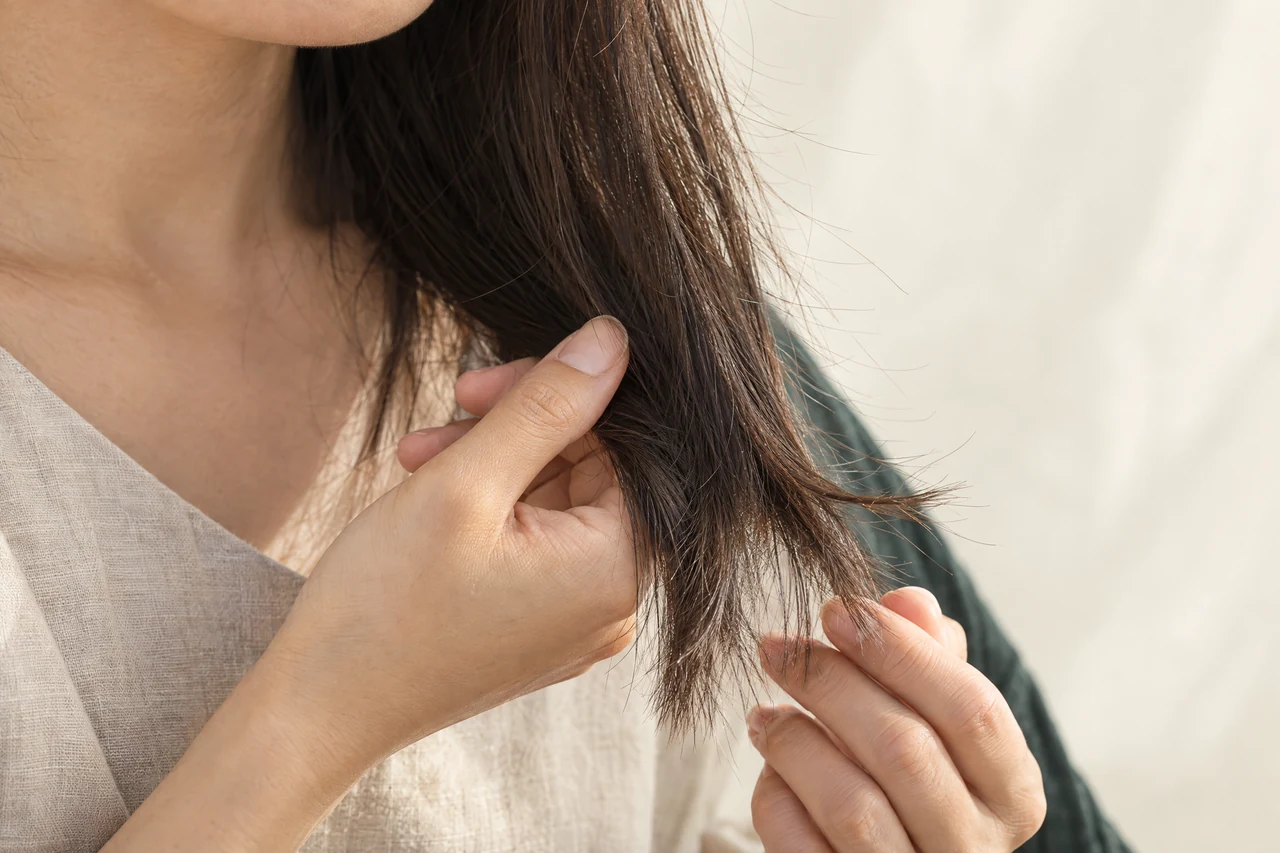
Describe the problem in observable language. 'The underneath catches when I loosen my ponytail' is more informative than 'my hair needs repair'. Note short pieces encountered during normal handling, where knots return, and whether the change followed a service or a new routine. Do not create breakage to collect evidence. Keep your account separate from conclusions about the cause; a consultation can discuss cosmetic options without turning your notes into a diagnosis.
Hair breakage treatment and the limits of repair
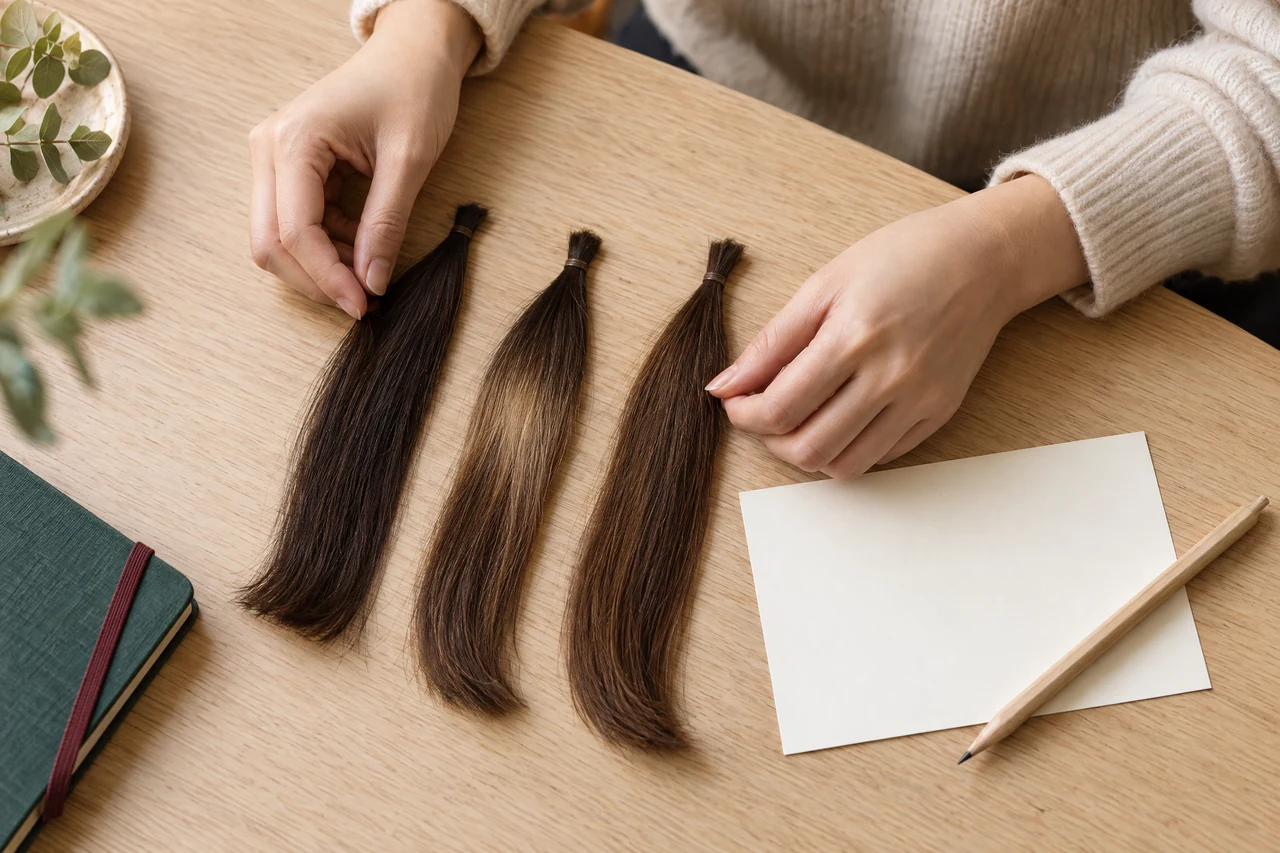
Can damaged hair be repaired? Cosmetic care may improve feel and manageability, but it should not be described as guaranteed permanent restoration. Already broken strands cannot be reattached by conditioning. Discuss preserving manageable lengths, gentle handling and whether fragile ends need trimming rather than expecting one care step to reverse every effect of previous processing.
A useful care goal might be that the comb encounters less resistance, or that the ends feel easier to arrange without repeated brushing. These are practical improvements, not proof that every affected strand can tolerate further processing. Judge the care against the difficulty you actually have. A glossier finish may be welcome, but it does not answer why pieces are snapping at the mid-lengths.
Review hair treatment to check its service scope and the details to share before arranging the related work.
Continue with trim or treatment for split ends for that specific comparison and the preparation questions it raises.
Set realistic expectations for hair breakage treatment
Agree on the length you most want to retain, while allowing a discussion about sections that are difficult to maintain. Keeping every centimetre can mean continuing to manage fragile, uneven ends; a cut changes the length rather than restoring the remaining fibre. Ask what the proposed care is intended to improve, whether it includes heat or shape-changing work, and what should remain unchanged. The word 'repair' alone does not tell you the procedure or establish its suitability.
Pause further bleaching when strands are breaking
Can I bleach hair that is breaking? Do not treat a smoother feel or a fixed waiting period as permission. Pause further chemical work and arrange an in-person discussion of the fragile sections and full processing history. Additional protection or a repair-labelled product cannot guarantee that another bleach will be appropriate or prevent further breakage.
The Canadian Dermatology Association's hair care guidance explains that colouring, perming and relaxing chemicals weaken hair and make it more prone to breakage, and advises avoiding them on already damaged hair. This supports a cautious pause when strands are snapping, not a home formula for deciding which chemical service to try next.
If the immediate wish is a colour change, discuss whether a smaller change is worth considering through no bleach hair colour, while recognising that avoiding bleach does not automatically make colour suitable for fragile lengths. Postponing colour altogether remains an option. A deeper shade, a toner or a different service name should not be treated as an automatic workaround.
A treatment appointment is not clearance for another chemical service
Keep the care decision separate from the next colour decision. Tell the stylist if breakage is continuing, if sections catch during gentle handling, or if an appointment elsewhere is already planned. Ask whether the proposed visit can focus on care, a manageable shape or consultation alone. An upcoming event can explain your priorities, but it does not change the condition of the affected lengths. Do not keep a second chemical appointment simply because it has already been booked.

Reduce daily stress and recognise other concerns
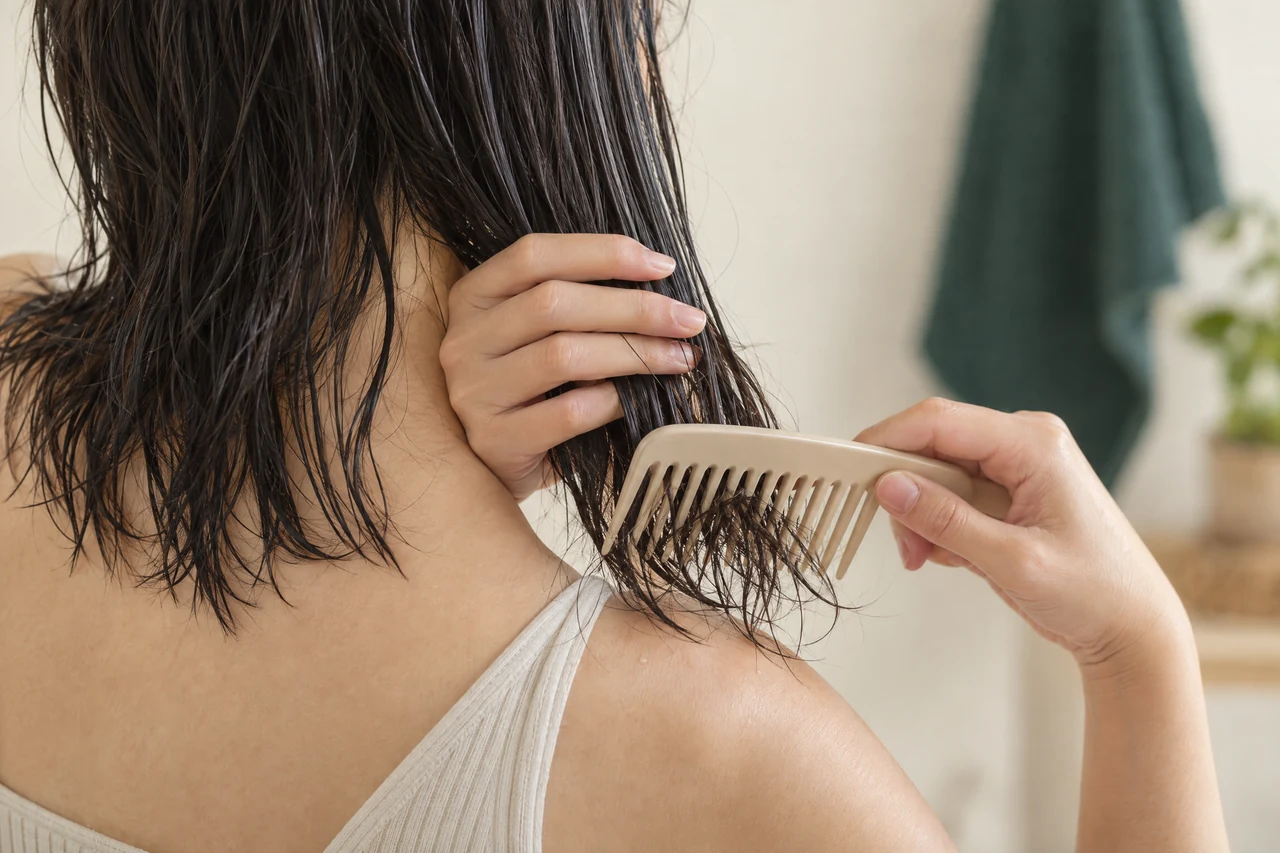
Brittle hair treatment should be considered alongside gentler detangling, less friction and fewer unnecessary heat passes. Do not force through mats or repeatedly stretch strands to test them. If you notice scalp pain, persistent irritation or unexplained shedding from the roots, seek qualified medical advice; those concerns are outside cosmetic hair-shaft care.
The American Academy of Dermatology's advice on preventing hair damage recommends conditioner after each shampoo and gentle scalp washing rather than rubbing shampoo into the lengths. It also advises avoiding towel rubbing and tugging. At home, simplify the actions that repeatedly catch the same sections: vigorous drying, brushing through resistance, tight tying and restyling an already finished area.
Continue with how to detangle damaged hair for that specific comparison and the preparation questions it raises.
For the styling habits that keep affecting your fringe or outer lengths, read how to protect hair from heat styling before adding more tool passes to chase a smoother surface. AAD recommends lower heat and less frequent heat-tool use. Heat protection is not a reason to continue styling hair that is catching or snapping.
Brittle lengths are not the same as medical hair loss
Adapt handling to texture instead of following a blanket rule about wet hair. AAD advises letting straight hair dry a little before gentle wide-tooth combing, while textured hair and tight curls are combed damp. Work patiently and stop at resistance. Scalp soreness or unexpected thinning calls for a different conversation from rough ends. Do not assume that every short hair is broken or that every shed strand is a medical problem; describe the changes and let a qualified clinician assess concerns about hair loss.
Review changes without testing fragile strands
After a care change, observe ordinary handling rather than adding a daily strength test. Notice whether the same area still catches, whether tying the hair is comfortable, and how the ends behave after your usual wash. If you change several products and styling habits at once, it becomes harder to explain which part of the routine feels different. Keep the notes simple enough to use at a follow-up.
Compare similar conditions where practical. Hair immediately after a salon finish is not the same observation as hair after a home wash and a humid commute. Hong Kong weather may alter the surface appearance, but a frizzier outline alone cannot establish that new breakage has occurred. Record actual snapping separately from gloss, softness and flyaways.
Use normal handling as the observation point
Avoid pulling a wet strand, stretching a lock or repeatedly combing an area to see what happens. A useful note says when the difficulty occurred, what you were doing and which section was involved. If pieces continue to break during gentle care, pause the stressful action and arrange a review. Do not respond by increasing the heat, leaving a product on beyond its instructions or layering every repair-labelled item available. More steps are not automatically more appropriate care.

Prepare an enquiry around the lengths you want to keep
Use the 6-point preparation checklist below to organise your enquiry. It is an editorial checklist, not a test that certifies hair as ready for bleaching. For a visit to Vit So in Sheung Wan, explain whether your priority is less catching, a neater outline or retaining a particular length. Include the fragile sections and your processing record before asking which service to arrange.
Ask for the scope and charge of any proposed work before committing. Care, cutting and chemical shape changes do different jobs; a service called a treatment should still be explained in terms of what happens to the hair. If several services are suggested, ask which are necessary now and which can wait. A focused appointment that respects the fragile areas may be more useful than a larger transformation.
Make the pause and length boundaries clear
State the shortest length you are comfortable discussing and whether you need to tie the hair back for work. Ask to agree on any cutting before it begins, rather than expecting conditioning to make trimming irrelevant. Also explain your practical limits: a routine built around lengthy detangling and daily heat may not fit your mornings. The consultation should leave you with a clear care goal, a manageable routine and an understanding of what has been deferred, not an implied promise of permanent repair.
Choose the next step by the difficulty you observe, not the word repair
| Observation | Useful cosmetic priority | What it does not establish |
|---|---|---|
| Rough lengths that catch during ordinary combing | Review conditioning and gentle handling, using the section history | That softness proves the fibre is fully restored |
| Short pieces snapping in a processed area | Pause further chemical work and discuss the affected section in person | That a fixed waiting period makes more bleach appropriate |
| Fragile ends with an uneven outline | Agree on length priorities and whether cutting belongs in the plan | That a cut repairs damage in the lengths left behind |
| A shiny salon finish but difficult handling after washing | Compare manageability during the normal home routine | That gloss measures strand strength |
| Scalp pain, persistent irritation or unexplained root shedding | Seek qualified medical advice rather than relying on cosmetic care | A diagnosis of the cause or a salon treatment for medical hair loss |
Your preparation checklist
- Record colour, bleach, perming and straightening by section, including home applications and any uncertain dates.
- Describe where roughness, catching or snapping happens during normal gentle handling; do not pull strands to test them.
- Note repeated heat-tool use, tight tying and other actions that affect the same fragile area.
- Identify your length boundary and whether the remaining hair needs to tie back for work or daily activities.
- Pause further chemical work when strands are breaking, and share any already planned appointments at the consultation.
- Confirm the proposed procedure, care goal, charge and home routine; seek medical advice for scalp symptoms or unexplained shedding.
Frequently asked questions
Does a shiny finish prove that damage is repaired?
No. Styling, lighting and products can affect gloss. Observe handling after your normal wash and keep expectations separate from permanent restoration claims.
Should I pull a wet strand to check its strength?
Avoid repeatedly stretching or pulling fragile hair. Describe what happens during ordinary gentle handling and seek an in-person assessment instead of creating more stress.
Is breakage the same as hair loss?
No. Snapping along the hair shaft and shedding from the roots are different concerns. Cosmetic care does not diagnose or treat medical hair loss or scalp disease.
Plan care around your fragile sections and length priorities
Send Vit So your processing history, the areas that are catching or snapping, and the length you hope to keep. Enquire about a consultation in Sheung Wan to discuss an appropriate cosmetic care direction and what should wait. Confirm the service scope, quote and availability before visiting; an enquiry is not a confirmed booking.
Start your WhatsApp enquirySources & further reading
- How to stop damaging your hair
American Academy of Dermatology guidance on conditioner, gentle washing and drying, texture-appropriate combing, reducing heat and seeking medical assessment for hair-loss concerns.
- Hair Care
Canadian Dermatology Association guidance on chemical weakening of hair, avoiding processing already damaged strands and using gentle conditioned detangling.



