






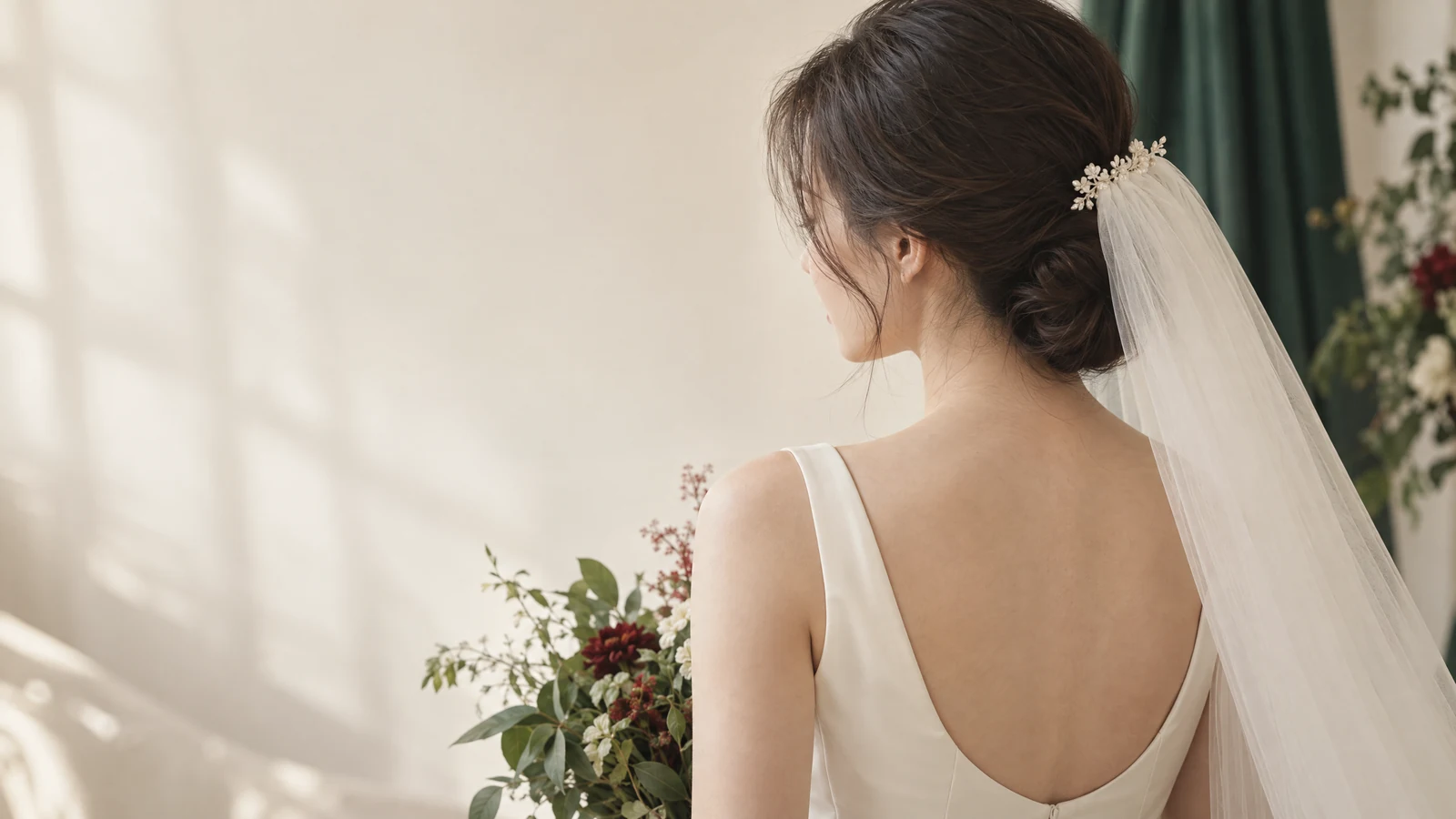
A bridal hair trial checklist begins with real materials
Prepare photographs of your dress neckline, current hair and preferred front, side and back outlines. Include your jewellery and the actual veil or hair ornament if the appointment arrangements allow it. Add notes on extensions, recent treatments and products you commonly use. Confirm what the stylist wants you to bring rather than assuming all accessories will be supplied.
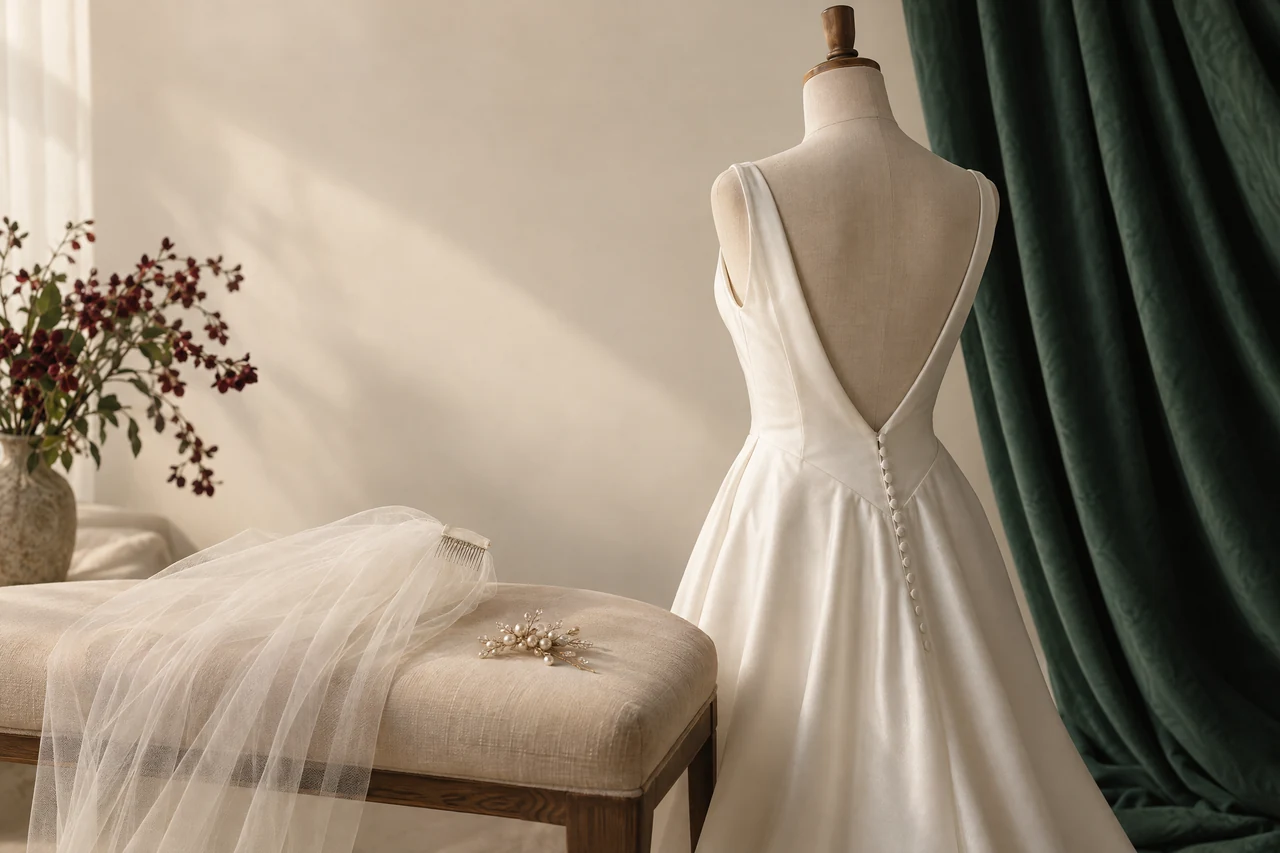
Separate what is confirmed from what is still an idea. A photograph of a purchased dress is different from a dress you may order; the same applies to a borrowed comb or a veil that has not arrived. Show the front neckline, shoulder detail and back fastening rather than only a distant full-length picture. If wearing a similar neckline is practical, it can help you see where loose hair falls without transporting the gown.
Hair accessory designer Debbie Carlisle's wedding hair trial preparation guide recommends bringing accessories, jewellery, a veil and a dress photograph. These materials help make the discussion specific. If an item is unavailable, share clear pictures of its fastening and dimensions, and flag that the actual piece has not been tested. Keep delicate or borrowed accessories protected in their own packaging.
Use the bridal hair trial checklist to organise your bag
For anyone wondering what to bring to a wedding hair trial, organise a small folder alongside the accessory bag. Include recent unfiltered hair photographs showing the dry length, shortest layers and usual parting. Write down colour, bleaching, perming or straightening history as accurately as possible. Mention clip-in pieces and whether they are already owned. Ask for washing and drying instructions before the visit; do not assume that deliberately unwashed hair or extra styling product will help.
A wedding hair trial should answer specific questions
Choose a few practical questions: does the gathering point suit the neckline, do shorter layers stay where intended, and does the accessory feel comfortable? Note the details you want to change rather than seeking a perfect photograph alone. An agreed trial, where available, should have a clear scope so you know what is being assessed.
Choose a leading idea and explain why it appeals. Perhaps you want your earrings visible but dislike a completely exposed forehead, or want the dress back visible while retaining softness near your cheeks. These are workable priorities. A large collection of unrelated looks can hide them. Ask whether the available appointment allows a small variation within one shape or a broader comparison; do not expect unlimited restyling.
Continue with haircut reference photos for that specific comparison and the preparation questions it raises.
If your main uncertainty is whether to gather the hair at all, compare updo or hair down for wedding before narrowing the trial questions. Then decide which feature matters most when choices conflict. Showing an open back, retaining shoulder-length waves and displaying a large accessory may require compromise rather than a single photograph that delivers everything.
Decide what to compare during a wedding hair trial
Compare one visible detail at a time where the agreed scope permits. Check the parting before deciding on the amount of face-framing hair; assess the gathering height before judging the ornament position. Say 'keep this side away from my eyes' or 'show more of the neckline' instead of only 'make it softer'. Distinguish the hairstyle from the reference photograph's lighting, colour and camera angle, which may make texture appear quite different.
Enquire around decisions that may change the style
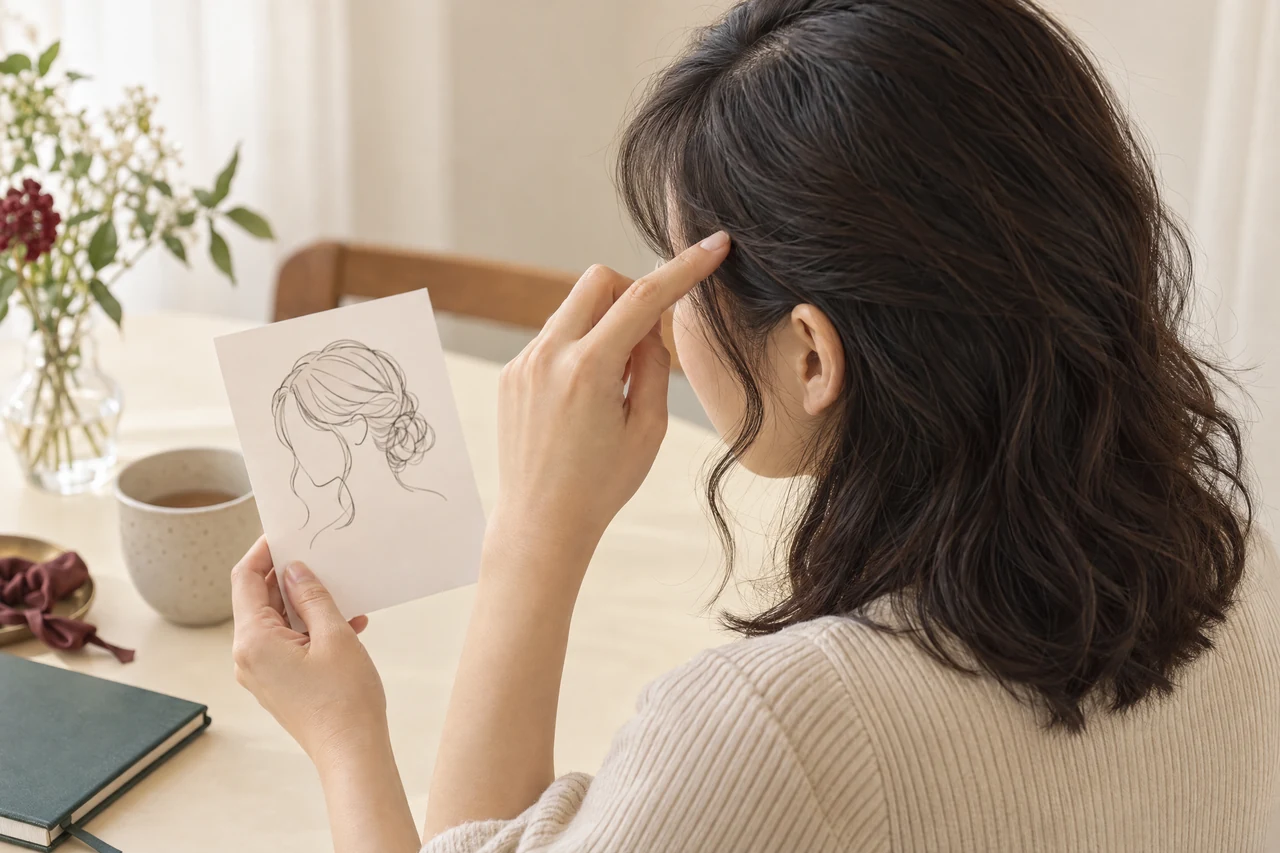
There is no universal booking interval for every trial. Enquire once you have enough information about the wedding date, dress and preferred outline, and explain any planned cut, colour or accessory change. Ask about the appointment options and leave room to reassess important details rather than applying another salon's timing rule to your arrangements.
Planning the sequence matters more than copying a calendar rule. If you intend to shorten the fringe, add layers or change extensions, explain that before assessing a shape based on today's hair. A trial before those changes may answer a general outline question but leave the final face-framing or fastening details unresolved. Avoid arranging a major hair change merely to imitate the reference picture without discussing what the wedding style needs.
Share the wedding-day route as well as the date. Getting dressed, travelling between venues and spending time outdoors can all introduce practical questions absent from a seated photograph. Note the ceremony, portrait session, outfit changes and the point when any headpiece will come off. For a Sheung Wan enquiry, say whether you are asking about a salon visit or another arrangement rather than assuming travel or on-site coverage.
Before you book a hair appointment, share your wedding date, current hair photographs and the decisions still open, and ask which appointment option can address them. An enquiry helps clarify availability and the proposed scope; it does not reserve the wedding date.
Coordinate the dress, hair length and wedding date
Mark outstanding decisions in your notes: dress alteration, final accessory delivery, planned haircut and whether extensions are being considered. Ask which must be settled before an appointment would be useful. If a dress fitting and a hair discussion happen close together, make travel and changing practical rather than overloading the day. Inform the stylist when a confirmed item changes afterwards, especially if its neckline or attachment differs from the version discussed.
Record practical observations after the discussion
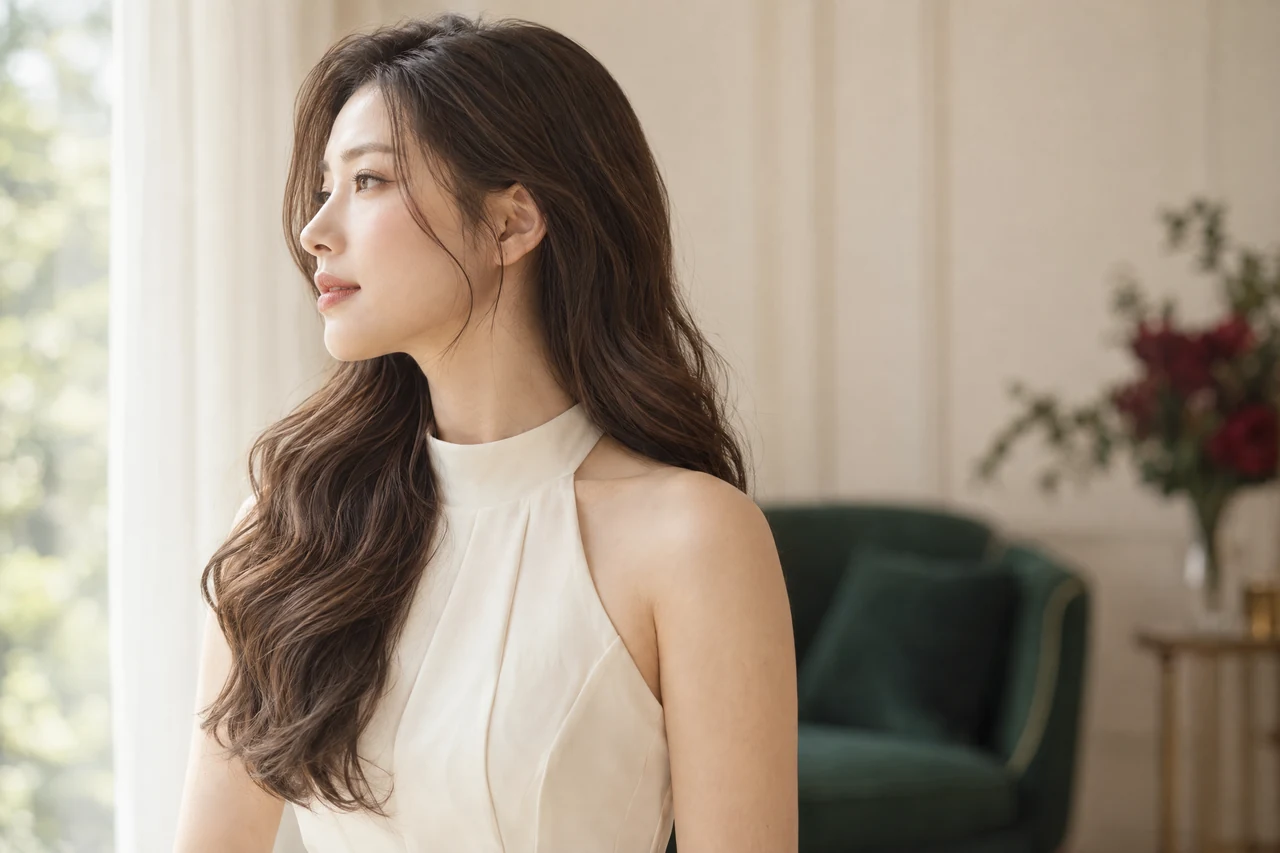
If a trial takes place, record the front, side and back outline with permission and note where the hair feels tight or where a detail changes during normal movement. Keep the agreed adjustments with your accessory and schedule notes. A trial offers information for planning; it does not guarantee that weather or the wedding-day routine will have no effect.
Photograph the finished outline before making any further adjustments, then label which version you preferred. Ordinary movements can reveal useful details: look down, turn your head and sit against a chair back if the stylist agrees. Observe whether face-framing hair enters your line of sight or whether the gathered hair meets the collar. Do not pull at pins or tug an accessory to test it yourself.
Comfort is not a detail to save for later. The American Academy of Dermatology's advice on hairstyles that pull states that a painful hairstyle is too tight and advises changing a style when tightly pulled hair causes pain or the scalp stings. Tell the stylist immediately so the tension can be addressed. A neat outline is not a reason to tolerate pain.
Keep shape, comfort and changes separate
Use separate notes for appearance, sensation and movement. 'I like the lower bun' describes shape; 'pressure behind the right ear' identifies discomfort; 'the front strand crossed my eye when I turned' records a change. These observations suggest different adjustments. If permitted to leave with the style, record when you notice a change and what you were doing, without deliberately exposing it to rain or sleeping in it as a durability test.
Choose between discussion and physical testing
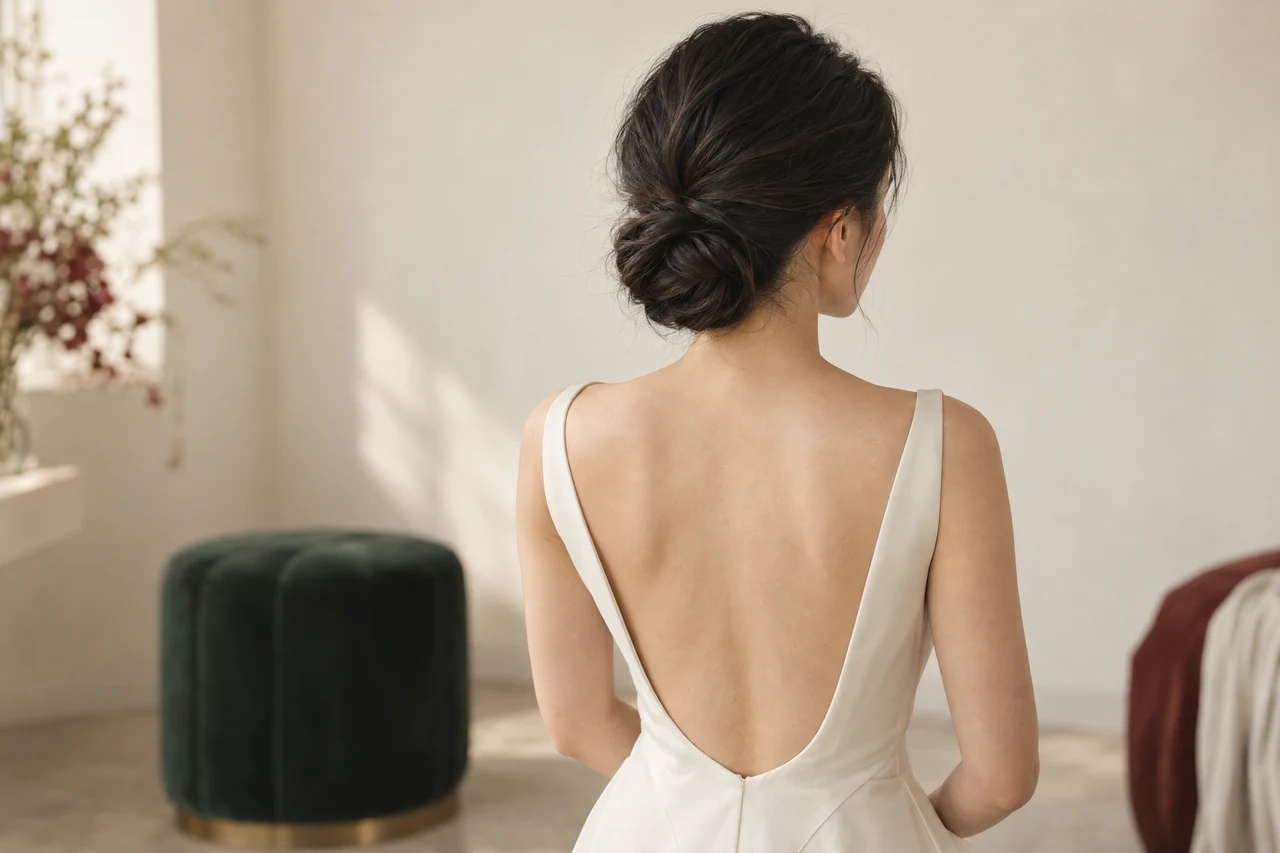
A consultation can help identify realistic directions when you are still choosing a dress or deciding how much hair to gather. Physical testing becomes more useful when there is a specific uncertainty that photographs cannot settle, such as how an unfamiliar shape feels or how shorter layers behave. The comparison below helps you decide what to ask for, rather than treating a trial as an automatic wedding requirement.
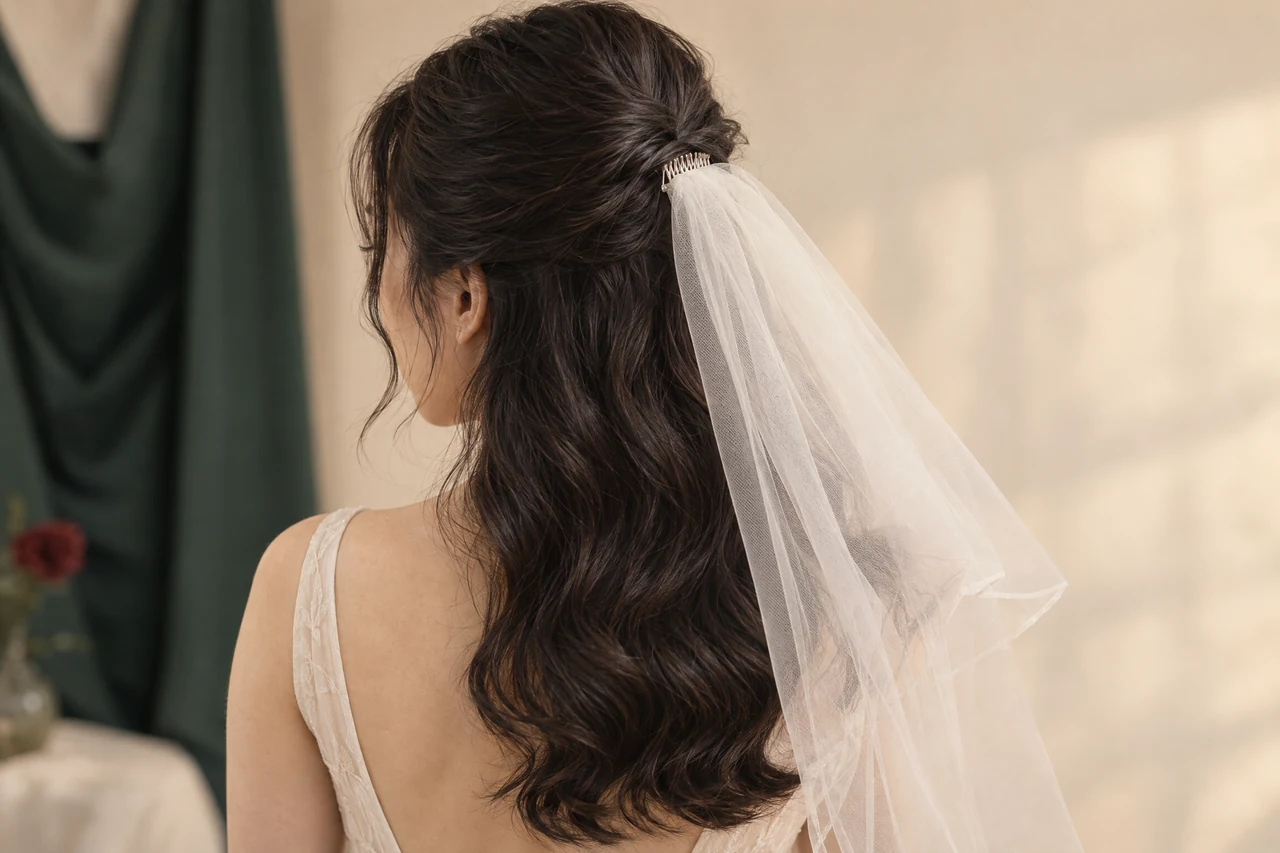
An accessory introduces its own question, but this preparation guide is not a fastening tutorial. Bring the actual item where permitted and explain whether it must stay on for the ceremony only or through later photographs. If the veil's placement or removal is the main unresolved issue, make that clear when enquiring so its assessment is not left as an assumed extra.
Continue with wedding hair with veil for that specific comparison and the preparation questions it raises.
Check what the proposed appointment covers
Ask whether the appointment is a discussion, a partial assessment or a styled trial, and whether your own accessories can be used. Clarify any proposed styling variations, hair preparation, extension work and the separate charge. If a wedding-day service is also discussed, confirm its scope separately, including location and any later adjustments. A price for ordinary styling does not establish a bridal trial price or inclusion.
Turn the trial notes into a clear next enquiry
Finish with a short decision record rather than another inspiration board. Keep the preferred photographs together with the parting, gathering height and details to retain. Add changes that still need agreement and list any materials that were missing. This makes a follow-up easier to understand and helps distinguish a settled choice from something that still needs discussion.
Review bridal hair to check its service scope and the details to share before arranging the related work.
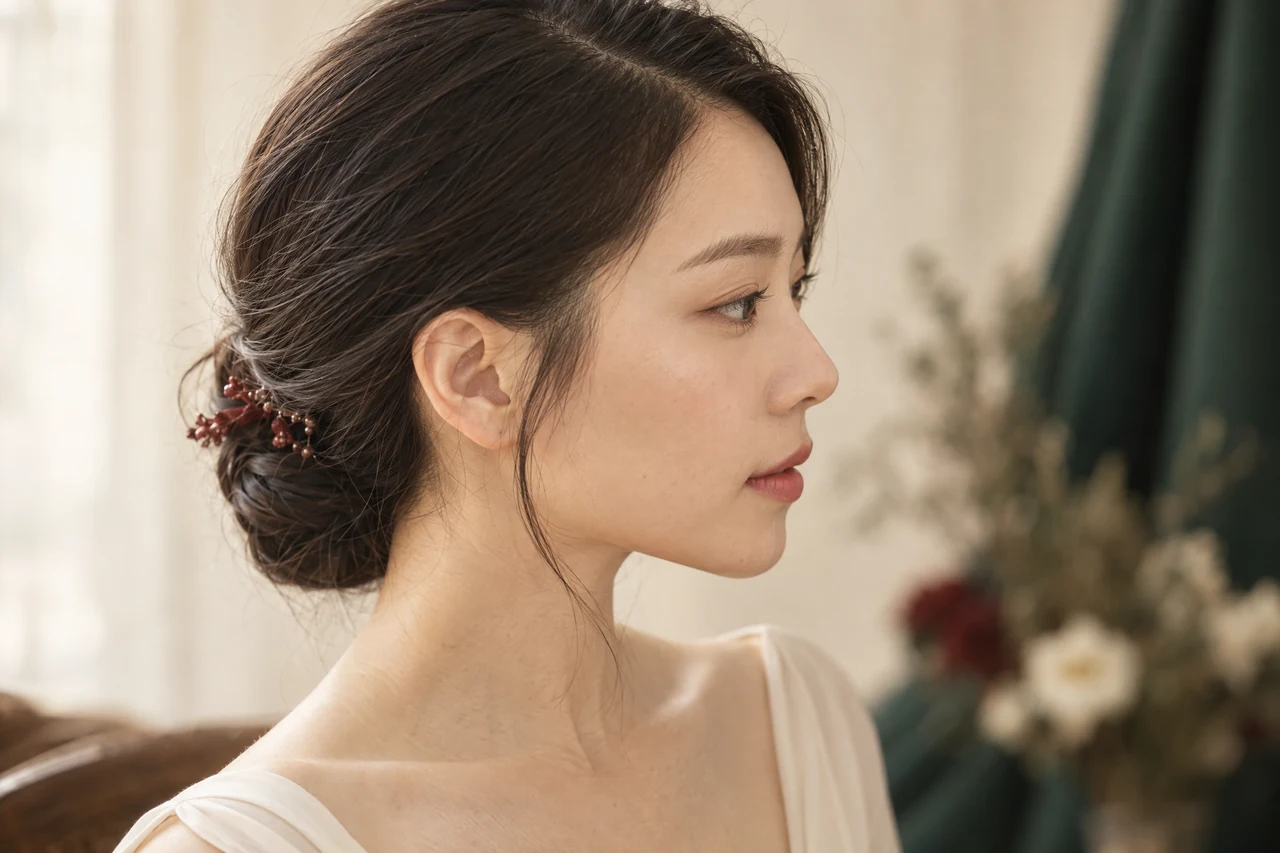
The preparation checklist below has 8 steps. Use it before an enquiry and again after any trial to see what remains unresolved. You do not need a completely fixed hairstyle before asking questions, but knowing which decision you need help with makes the conversation more useful.
Keep the preferred version easy to identify
Send one concise update if important details change: identify the preferred version, explain what has changed and attach the relevant new photograph. Confirm any revised scope or cost before agreeing to more work. For Vit So enquiries, mention that you are planning wedding hair and whether you are asking about a possible trial or the wedding appointment itself, so the two requests remain clear.
Which kind of wedding hair assessment answers your current question?
| Planning situation | What a discussion can clarify | What physical testing may add |
|---|---|---|
| Dress or hairstyle direction still open | Priorities for neckline, parting and visible accessories | An outline comparison, with details still provisional |
| Unfamiliar gathered hairstyle | Preferred height and amount of face-framing hair | How the proposed shape feels during ordinary movement |
| Actual veil or ornament chosen | When it will be worn and which details must remain visible | Compatibility with the proposed shape, if accessory assessment is agreed |
| Cut or extensions may change | Which lengths and materials the style depends on | An assessment of the agreed hair setup rather than today's temporary version |
Your preparation checklist
- Confirm whether a trial can be arranged, its scope and separate charge before committing.
- Prepare recent hair photographs and identify the shortest layers, usual parting and treatment history.
- Save dress views showing the neckline, shoulders and back, noting any alterations still planned.
- Pack permitted accessories securely, or mark which actual items have not yet arrived.
- Select a leading hairstyle reference and explain the particular details you want to compare.
- Share the wedding route, outfit changes and planned accessory-wearing sequence.
- If a trial takes place, record the preferred outline and report discomfort immediately.
- Keep agreed adjustments and unresolved questions together, and confirm any later changes directly.
Frequently asked questions
Do I need a bridal hair trial?
It may be useful when the structure, accessories or comfort need testing. Ask whether a trial is available and compare that option with a detailed consultation; it is not automatically required or included.
When should I book a wedding hair trial?
Enquire with your wedding date and the main dress and hair decisions. Confirm availability and a suitable sequence directly; there is no published universal lead time here.
Is the trial fee part of a bridal booking?
Do not assume so. Confirm whether a trial can be arranged, what it covers and its charge separately from the wedding hair appointment.
Make your wedding hair questions easier to answer
Share your wedding date, current hair photographs, dress details and the decision you want to test with Vit So. Ask whether a trial can be arranged and confirm its scope and charge separately from any wedding appointment. Your enquiry starts a discussion; it is not a confirmed booking.
Start your WhatsApp enquirySources & further reading
- How to Prepare for Your Wedding Hair Trial
Practical preparation with dress photographs, actual accessories and clear explanations of preferred reference details.
- Hairstyles that pull can lead to hair loss
Pain and scalp stinging as reasons to address a tightly pulled hairstyle promptly, not as measures of bridal aesthetics.



