







A fringe cut is more than a style name
A bangs haircut enquiry can be discussed as a fringe design within the overall cut. In bangs vs fringe, the wording differs but the front-hair area is the same. Show the width and shortest point you want, and clarify which side pieces should remain long; changing the term does not establish a different service or a separate price.
Start by pointing to the part of a reference you actually want changed. Is it the hair across the centre of the forehead, the curved pieces beside the eyes, or both? A picture labelled curtain bangs may also show a layered cut and a carefully shaped blow-dry. Separating those features helps you keep the length you like elsewhere instead of agreeing to an entire look when only the front interests you.
Describe the finished length with familiar landmarks: above the brows, near the brow line, or swept clear of the eyes. Clarify whether you mean naturally dry hair or a styled curve.
Women's wash, cut and blow-dry is listed at HK$480. This is an overall service price, not a standalone fringe price. If your request is limited to the front, confirm the available appointment scope and charge rather than dividing the full-cut price yourself.
Review women's haircut to check its service scope and the details to share before arranging the related work.
Set the width of your fringe cut
Width describes how far the short front extends towards the temples; it is not the same as thickness. A narrow central area can leave more hair beside the face, while a wider fringe changes more of the front outline. Ask to see the proposed section before cutting, especially if you want side pieces to tuck away. Identify which existing strands must stay long rather than using 'not too wide' as your only boundary.
Curtain bangs and fuller coverage
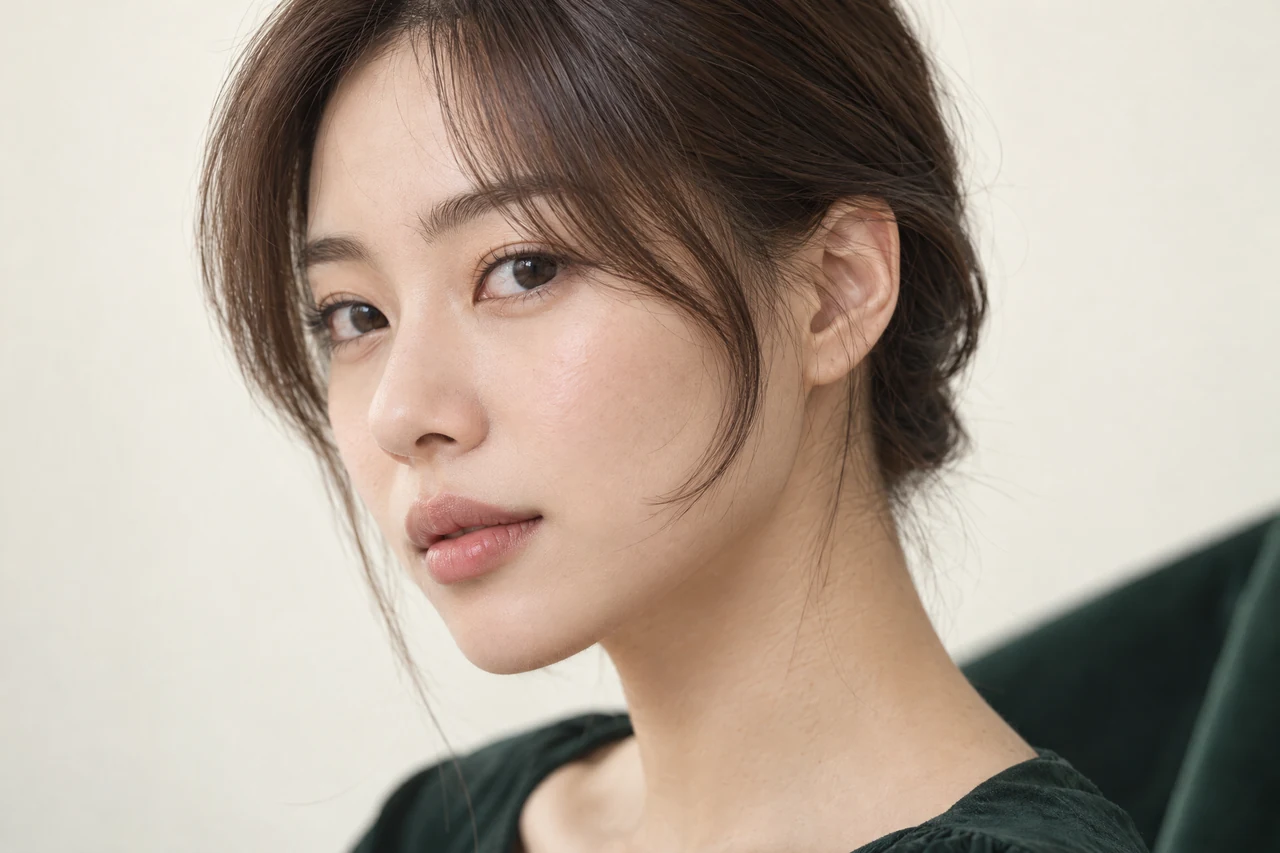
Curtain bangs vs full bangs compares an open centre with fuller forehead coverage. A curtain fringe generally leaves longer side pieces; a full fringe carries more continuous hair across the front. Wispy curtain bangs use a lighter-looking arrangement, but the chosen width and available hair still matter. A photograph cannot establish how readily your roots will hold the same opening.
With an open centre, decide how much forehead you enjoy seeing and how far the opening should extend. A small separation above the brows looks different from a broad opening with the shortest pieces already beside the eyes. The longer sides also need a destination: close to the cheekbone, lower along the cheek, or merging into the surrounding length. These choices make curtain shapes noticeably different even under the same label.
For a fuller front, compare a clear continuous edge with a softer, separated edge. Fuller coverage need not mean a rigid straight line, and a textured edge need not mean very little hair. Look at the centre and corners independently. You may prefer a more covered centre with longer side pieces rather than a uniformly short line across the entire forehead.
Consider comfort as well as appearance. In Vogue's guide to curtain bangs, hairstylists recommend checking whether hair touching the face fits your lifestyle. If you routinely sweep everything back while working or exercising, explain that habit before choosing short pieces that cannot join the rest of your hair.
Curtain bangs through the centre and sides
Compare references with the hair both loose and tied back. When the back is gathered, the curtain sides become a more visible part of the outline. Ask whether the intended curve requires a round brush or whether you are choosing a looser natural fall. If your parting sits off-centre, discuss that openly; the opening does not need to be forced into perfect symmetry simply because the reference uses a central part.

Lighter pieces or a sideward fall
A wispy fringe aims for lighter-looking forehead coverage, while side swept bangs describe a sideways fall. A side swept fringe still needs enough length and a compatible parting to move in that direction. Discuss the natural root pattern and how you dry the front before assuming that a lighter section or an angled edge will stay in place without attention.
For a lighter look, decide whether you want small gaps across the whole front or mostly an opening in the centre. Those are different requests. A few fine-looking strands may show the forehead beautifully in a still photograph but sit in larger groups once you have moved around. Tell the stylist whether that separation is appealing or whether you would rather keep a more consistent area of coverage.
For a sideward shape, show the direction you normally choose and the point where hair starts to bother your eyes. A longer diagonal section offers room to sweep sideways, but it can also fall forward when you look down. If you change your parting frequently, ask to see how the proposed outline behaves on either side instead of judging it only in its best arranged position.
A natural bend at the front deserves its own length discussion. Check how the shortest pieces sit when dry and in your usual parting; do not choose them solely from a stretched or freshly brushed view.
Continue with bangs for curly hair for that specific comparison and the preparation questions it raises.
Density and direction are separate choices
Lighter coverage is not a reliable way to change the direction in which the roots emerge. Before asking for more hair to be removed, check whether the unwanted gap comes from the section itself or from hair moving back towards its usual parting. Bring a naturally dried front-view photograph if your hair behaves differently after a salon finish. It gives the conversation a practical reference without promising that every root pattern can be redirected by cutting.

Connect the fringe to the rest of the cut
A bob with curtain bangs needs a considered connection between the short central area, the longer fringe sides and the bob's perimeter. Compare those corners in both front and side views. Explain whether you tuck behind the ears or leave the front loose, because a disconnected outline and a blended front create different practical choices.
A blended connection creates a visible progression from the front into longer hair beside the face. A more separate fringe can sit as its own feature against a stronger bob edge. Neither arrangement is automatically better. Decide whether you like the front to merge into the haircut or to remain distinct, then check what that means for the length you are keeping near the ears.
With long hair, be clear about where the fringe ends and other face-framing pieces begin. Vogue's guide distinguishes curtain bangs from longer face-framing layers. You can want a short central change without wanting shorter lengths all the way down the sides. Conversely, if you want a continuous connection, the discussion should include those surrounding strands rather than treating the fringe as an isolated strip.
If you are also reconsidering the overall perimeter, compare the front connection alongside the length choices in the bob haircut guide. Keep the two decisions separate enough to say which change matters most.
The corners between forehead and sides
Wear your glasses and demonstrate your normal ear tuck before deciding on the corners. Hair that looks neatly blended when loose may be too short to tuck with the rest, leaving a separate piece in front of the ear. If you enjoy that loose detail, retain it deliberately. If you want the sides fully cleared away, make that a length requirement rather than assuming every longer-looking curtain side will reach.

Use facial proportions as a preference, not a rule
A fringe for a long face can be discussed through the amount of forehead coverage and where the sides land. There is no obligatory shape or guaranteed balancing effect. Compare an open centre, a fuller front and a sideward fall alongside your hair direction, glasses and preferred styling; personal comfort matters more than a fixed face-shape prescription.
Say what you would like to see more or less of: visible brows, a partly covered forehead, or side pieces above the jaw. These are design preferences, not features that need correcting.
Check your usual glasses rather than an imaginary clear face. A fuller fringe can create another strong line above a frame, while an opening reveals more of the brow area. The choice is partly visual and partly practical: do strands catch on the frame, brush the lenses or need pushing aside? There is no universal clearance that can replace looking at your own frame and dry hair together.
For a broader comparison of coverage and side length, use how to choose a haircut for your face shape to turn a face-shape label into specific preferences.
Forehead coverage and the length you enjoy
Use your reference to identify a preferred opening and a shortest acceptable point, then let the stylist assess how those choices fit your available hair. If you feel uncertain, discuss retaining more initial length rather than copying a very short front immediately. Extra length offers a different look, not a guarantee of no maintenance, but it can preserve options for sweeping the front aside while you learn what coverage feels comfortable.

Match the finished shape to your morning routine
Describe what you will actually do after washing: let the front air-dry, guide it with your fingers, or use a brush to create a curve. Ask for a demonstration that matches that routine. A polished outward sweep and a softly separated natural front are different finishes, even when the underlying cut is similar. Choose the everyday version you would still enjoy without recreating the reference perfectly.
For heat-based styling, the American Academy of Dermatology's hair styling advice recommends allowing partial air-drying before styling and reducing blow-drying frequency to help limit damage. It also advises using flat irons only on dry hair with low or medium heat. These are hair-care considerations, not a test of which fringe looks best. If the desired outline depends on repeated heat touch-ups, discuss a less structured finish you would be comfortable wearing.
Once you choose the shape, keep maintenance and grow-out as a separate decision rather than shortening the fringe now simply to delay the next visit.
Continue with how often should i trim my fringe for that specific comparison and the preparation questions it raises.
Leave with a clear styling priority
Ask which part matters most for your finish: arranging the opening, clearing the eyes, or guiding the sides. Check the front after moving your head and putting your glasses back on.

Compare fringe shapes by coverage, direction and the daily choice they require
| Shape | Front outline | Decision to clarify |
|---|---|---|
| Curtain shape | Open centre with longer side pieces | How wide should the opening be, and where should the sides land? |
| Fuller front | More continuous forehead coverage | Do you want a defined edge or softer separation, and how much brow should show? |
| Wispy front | Lighter-looking coverage with visible gaps | Are the gaps part of the desired look when the hair moves? |
| Sideward shape | A diagonal or sideways fall | Which parting will you wear, and must the hair stay clear when you look down? |
Your preparation checklist
- Mark the shortest acceptable dry point on your reference and distinguish it from the styled curve.
- Identify the width you want changed and which temple or ear-side pieces must stay long.
- Bring a naturally dried front photograph and explain your usual parting or front-root lift.
- Wear your everyday glasses and demonstrate your normal ear tuck or tied-back style.
- State the styling steps you are willing to repeat and ask to see a matching finish.
- Confirm whether the enquiry is for an overall cut or front-only work, including availability and charge.
Frequently asked questions
Are bangs and fringe different services?
The words usually refer to the same front-hair area. Describe the shape you want and ask about the appointment scope rather than assuming different service categories.
Can I book a separate fringe-only visit?
A standalone fringe appointment and price are not confirmed here. Ask about availability, scope and charge before planning the visit.
Will curtain bangs naturally stay open?
Not for everyone. Root direction, parting, density and drying habits affect the centre opening. Discuss the finish you can maintain rather than expecting the photo to reproduce itself.
Choose a front outline you can enjoy every day
Send Vit So a clear reference and a photograph of your current front hair before enquiring about a cut in Sheung Wan. Explain the coverage you want, the sides you need to keep and your usual styling routine. Ask about the suitable appointment scope and charge; an enquiry becomes a booking only after the details and availability are confirmed.
Start your WhatsApp enquirySources & further reading
- Hair styling without damage
Hair-care advice on partial air-drying, reducing blow-drying frequency and using flat irons on dry hair with low or medium heat.
- A Definitive Guide to Curtain Bangs for All Face Shapes and Hair Textures
Lifestyle and comfort considerations before choosing curtain bangs, differences from longer face-framing layers, and styling needs that depend on texture and finish.



