







Haircuts for fine hair volume and the perimeter
A stronger-looking edge and more movement through the top are different goals. Removing weight may change movement, but excessive removal can leave some ends looking less substantial. Ask how the proposed structure balances the perimeter with the crown rather than assuming that adding more layers always creates a fuller appearance.
The perimeter is the outer edge formed by the ends when your hair falls naturally. Look at it from the back as well as from the front: does it form a continuous line, or does it separate into narrow points? A softer edge can be attractive, but it is a different choice from a substantial-looking baseline. If fullness at the ends is your priority, discuss which lengths must continue reaching that baseline and where any shorter pieces would finish.
CK Studio's fine-hair haircut guide distinguishes strand diameter from density and favours preserving the perimeter. Treat that as a salon design perspective, not proof that every fine-haired person needs a blunt bob. Your natural wave, existing layers and preferred length still matter. A reference showing curled ends may also appear fuller because of the finish rather than the cutting line alone.
Before agreeing to remove weight, compare layering vs thinning out hair so you can ask whether the proposal changes the length pattern, reduces bulk within it, or does both. Saying that you want movement but not a wispy bottom gives a clearer brief than asking for texture everywhere.
How to discuss haircuts for fine hair volume
Point to the exact area you want to look fuller. Height above the crown, width beside the face and a stronger bottom edge are not interchangeable. Ask the stylist to show the intended end line with your hair resting naturally, then explain how the top connects to it. If the suggested change would make the bottom lighter, decide whether that trade-off serves your main goal before scissors are used.
Strand size and density are different observations
Haircuts for fine hair should begin by separating fine strands from low density. Fine describes strand size; thin may describe how much hair is present. Those conditions can overlap, but they are not identical. This guide focuses on the cosmetic outline and retained end weight, helping you compare length and layers without suggesting that a haircut creates new hair or treats hair loss.
Where layers sit in a bob
A layered bob for fine hair needs a discussion of where shorter lengths would sit and how much weight remains at the bottom. A layered bob for thick hair may involve a different aim, such as redistributing bulk. Neither label proves that more layers are the right choice; compare the crown, sides and perimeter as separate areas.

Layers, length and what you need to retain
Explain whether you need to tie the hair back, keep a particular length or avoid extensive daily styling. These requirements affect the available shape. A shorter cut is not automatically the answer, and retaining all the existing length may limit some changes. Discuss the trade-off openly before any hair is removed.
Short haircuts for fine hair can concentrate the outline over a smaller area, but shorter does not automatically mean simpler. A cut that stops above the shoulders may no longer reach your usual hair tie. A closely shaped nape can need attention as it grows, while a short crown section may require deliberate drying to sit as intended. Compare the ordinary morning version of the cut, not only its freshly styled silhouette.
Keeping more length can preserve a ponytail and familiar styling options. If the lowest ends look sparse, discuss moving the end line to where it appears more continuous rather than layering the whole head. If movement is the priority, ask where the first layer would start and how it would connect to the sides. Face-framing pieces deserve their own length boundary, especially when you tuck behind your ears or wear glasses.
Review women's haircut to check its service scope and the details to share before arranging the related work.
Do not trade away essential daily function
Show your actual tie-back position during the consultation, including whether you wear a low ponytail or need the sides secured for exercise. Ask which proposed layers would fall out of that arrangement. A cut can keep its overall length yet lose useful tie-back coverage at the front. Consider a smaller change first if you are uncertain: keeping a length boundary clear is more useful than discovering the compromise after the cut.


Haircut vs blow dry for volume
In a haircut vs blow dry for volume comparison, a haircut changes the structure that remains after washing; a blow dry temporarily arranges that structure. If the shape already works with your normal routine, a different finish may be enough. If weight distribution restricts the outline, discuss a cut rather than expecting every wash to reproduce an elaborate salon finish.
Start by describing your normal wash-day result. If the ends form the outline you like but the top lies flat along a habitual part, a temporary change in drying direction is worth discussing before removing crown length. If the bottom remains visibly disconnected after ordinary drying, lifting the roots will not rebuild that missing end line. These observations help separate a finishing request from a cutting request without demanding that you diagnose the hair yourself.
Ask which part of the finished look depends on a brush, product or heat tool. Be honest if you normally let your hair dry with minimal attention. The American Academy of Dermatology's advice on preventing hair damage recommends air drying when possible and using the lowest heat setting. That care advice supports limiting avoidable heat exposure; it does not establish which haircut creates the best visual volume.
Review volumising hair styling to check its service scope and the details to share before arranging the related work.
Continue with how to make fine hair look fuller for that specific comparison and the preparation questions it raises.
A structural change and a temporary finish do different work
A salon blow-dry can show how the cut responds to a particular finish, but you should also understand its less styled outline. Ask for a manageable home routine and an explanation of what will look different without it. For budgeting, the listed women's wash, cut and blow-dry price is HK$480, while wash and blow-dry is HK$240. These are different service scopes; confirm the work you want and any applicable long-hair surcharge before arranging the visit.
Make the consultation specific
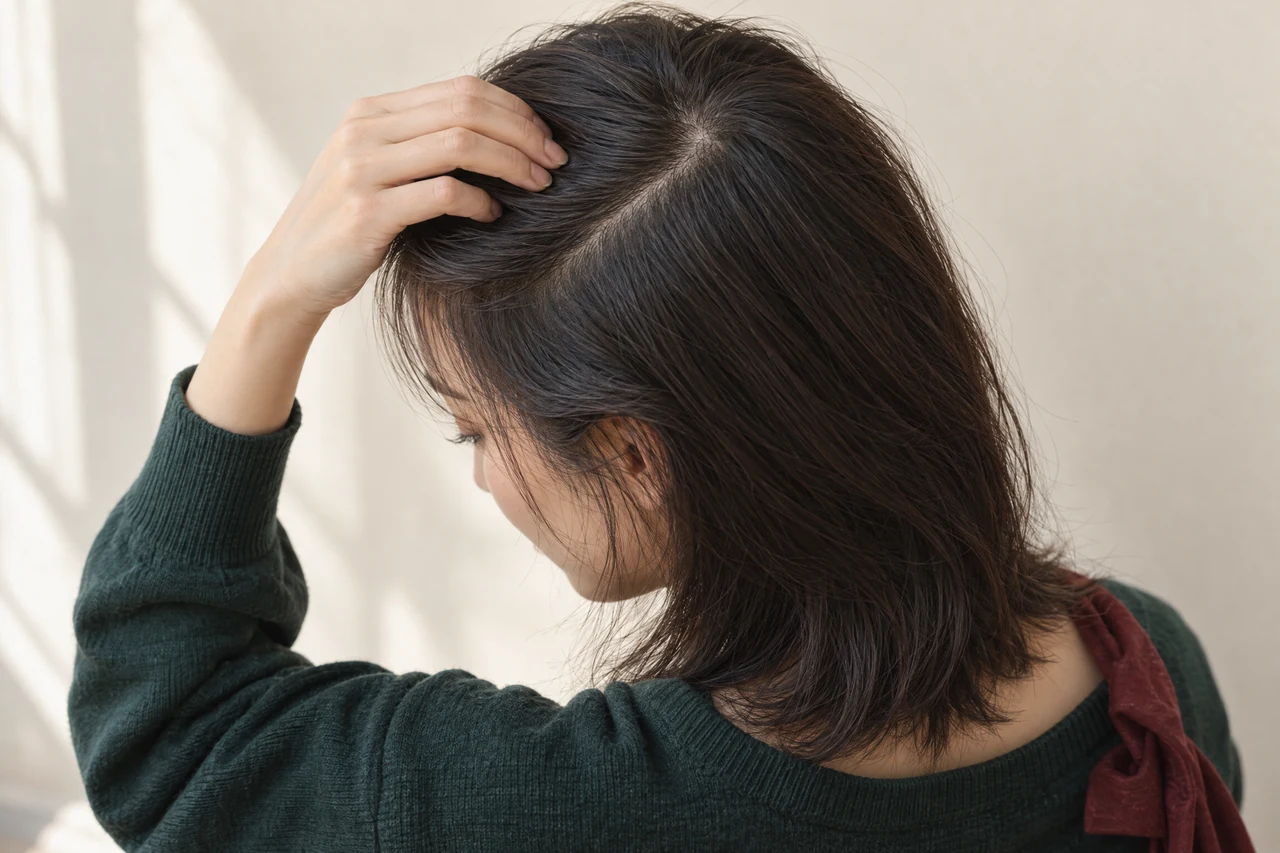
A fine hair haircut consultation is more useful with ordinary-light views of the crown, perimeter and sides, plus a note about normal drying. Explain what you like in a reference image without assuming you have the same density or growth direction. The discussion can then focus on a feasible outline, daily effort and the length you want to retain.
Bring a current view of your own hair in its usual part, without using a camera angle that hides the area you want to discuss. A rear view can show an uneven or transparent bottom that a front selfie misses. Include the shape you dislike as well as the one you like, and explain the difference in plain terms: fuller ends, less width at the sides, or movement that stays below the cheekbones.
Use haircut reference photos to prepare a visual brief that separates cutting length from styling. Rather than asking for an exact copy, identify what attracts you in the reference and ask which elements are realistic with your current hair. Before cutting, repeat the agreed shortest layer, retained end line and tie-back requirement so the important boundaries are clear.
Bring both normal hair and a preferred outline
For a Sheung Wan consultation, mention your normal commute, workday and exercise routine only where they affect the hair. Needing to secure the sides during a workout is a useful design constraint; wanting occasional evening lift is a separate finishing goal. Ask the stylist to observe your crown's natural fall before proposing shorter top layers. A growth direction visible in ordinary dry hair can be harder to judge from a polished reference alone.

Keep the end line useful between cuts
How to keep fine hair ends looking fuller involves both the retained cut and how you handle it. The American Academy of Dermatology's healthy-hair tips recommend conditioner after washing and applying it to the ends for fine or straight hair. They also advise gentle detangling and heat protection. These steps support care for the lengths you keep rather than promising a thicker-looking cut.
When looking at haircuts for thin hair, do not treat a suddenly wider part or new shedding as merely a request for more layers. The AAD's damage-prevention guidance also recommends a dermatologist when you are concerned about thinning or hair loss. You can discuss a cosmetic outline alongside that assessment, but shortening the hair does not address its cause.
Review the shape after your usual wash
Notice whether the end line stays continuous, whether shorter pieces settle comfortably and whether your normal tie-back still works. If the result looks different at home, describe what changed and how you dried it before requesting more removal. A finishing adjustment may be enough. Agree on maintenance according to the shape's actual changes and your length goal, rather than assuming every fine-hair cut needs the same trimming interval.

Fine-hair structure choices: what changes and what must stay useful
| Choice to discuss | Potential visual benefit | Trade-off to check |
|---|---|---|
| Keep a continuous perimeter | A more substantial-looking bottom edge | Less separation through the ends; assess the natural fall |
| Add selective layers | Movement in chosen areas | Where shorter lengths stop and how much end weight remains |
| Move the end line higher | A more concentrated outline where ends look sparse | Loss of length and whether your usual tie-back still reaches |
| Retain length with a modest reshape | Keeps familiar coverage and styling options | May leave some limits on changing crown-to-end balance |
| Change the blow-dry finish first | Temporary lift or a different direction without cutting | Time, tools and repetition needed after washing |
Your preparation checklist
- Identify whether you want crown height, side movement or a more continuous bottom edge.
- Show the shortest overall length you would accept with your hair resting naturally.
- Demonstrate your usual tie-back and check which proposed layers would escape it.
- Bring current crown, side and rear views alongside a clearly explained reference.
- State your real drying routine and ask which finishing steps the new shape requires.
- Confirm the retained end line, shortest layer, service scope and price before cutting.
Frequently asked questions
How should I choose a haircut or styling for fine hair?
For haircut or styling for fine hair, first identify whether the issue persists after normal washing or appears mainly with the finishing routine. Compare a structural change with a temporary adjustment before removing length.
Are more layers always better for a fuller outline?
No. Layers can add movement, but removing too much weight can make the ends appear less substantial. The balance depends on the existing hair and the outline you want.
Will a shorter cut restore thinning hair?
No. A haircut changes shape, not actual density. A new change in thinning or shedding needs healthcare assessment, even if a different outline is also being considered.
Can I keep my ponytail and still change the shape?
Possibly. The overall length is only part of the decision: shorter front or crown layers may no longer reach the tie. Demonstrate your usual ponytail and ask which pieces would remain secured before agreeing to the cut.
Discuss a fuller-looking outline without losing the length you need
Enquire with Vit So in Sheung Wan about your current end line, preferred shape and daily drying routine. Share ordinary views of your hair and explain any essential tie-back length so the discussion can focus on realistic cutting and finishing choices. Confirm suitability, service scope, price and availability before visiting; an enquiry is not a confirmed booking.
Start your WhatsApp enquirySources & further reading
- Tips for healthy hair
Conditioner placement for fine or straight hair, gentle detangling and heat protection for retained lengths.
- How to stop damaging your hair
Lower-heat drying, reducing avoidable styling damage and seeking dermatological assessment for thinning or hair loss concerns.
- The Best Haircuts & Hairstyles for Fine, Thin Hair (What to Ask For — and Avoid)
A salon perspective distinguishing strand diameter from density and favouring perimeter preservation; not a universal haircut rule or clinical measurement.



