






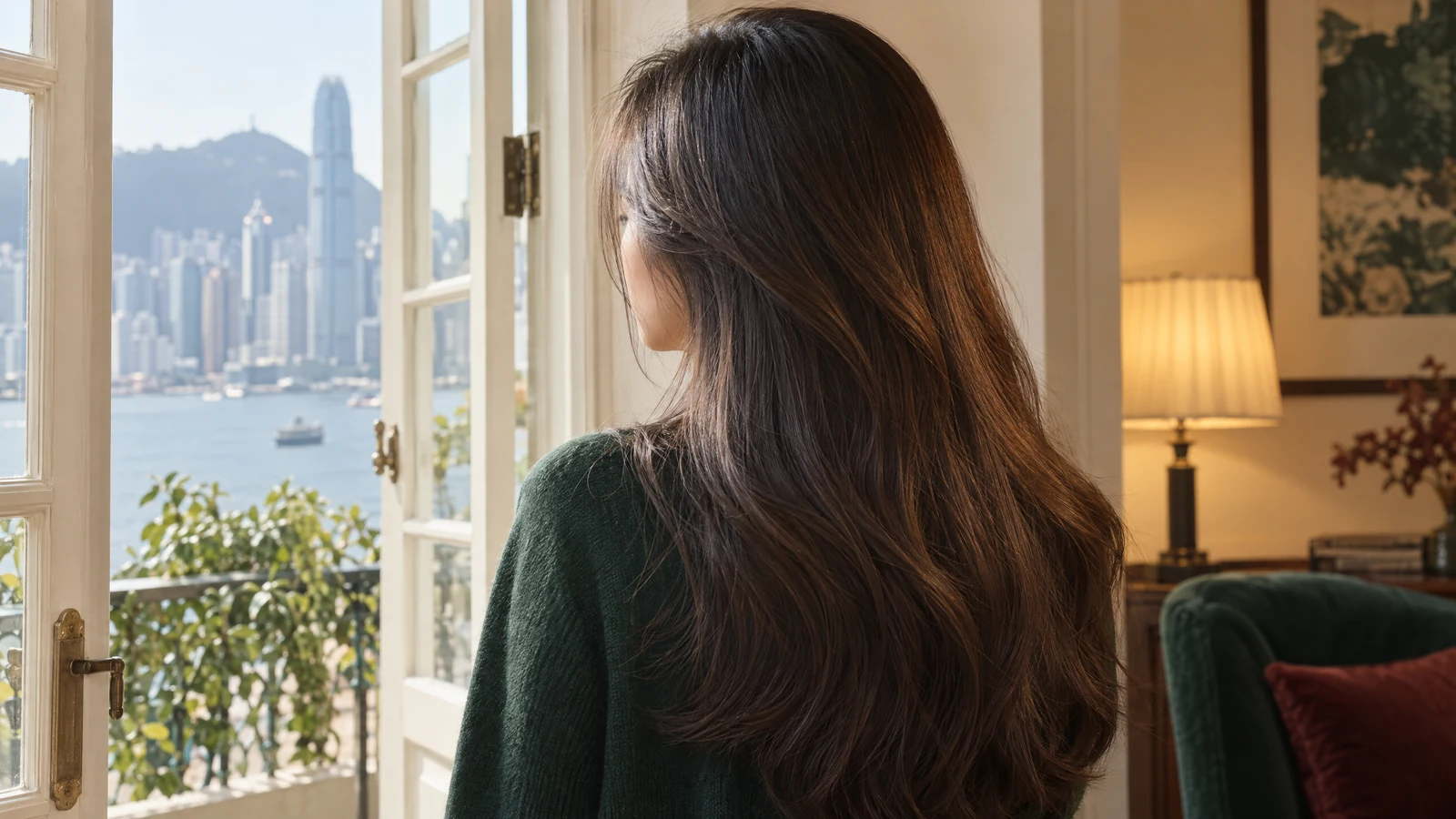
What are hot roots when you compare the hair in daylight?
Orange roots after colouring can be a concern about warmth, while a lighter root area may be mainly a difference in depth. Some hair shows both. Compare the roots, mid-lengths and ends together in neutral light without filters. The visible difference helps describe the question but cannot establish the cause on its own.
Look at the root area beside the hair immediately below it, not just against your skin or a pale wall. Does it look more coppery, more golden, or simply less dark? Wella's explanation of hot roots describes roots that appear redder or more orange than the rest of the hair. That is a useful description of contrast; it does not tell you which explanation applies to your own colour history.
Choose a place with indirect daylight and keep the same parting while you compare. Strong sunlight can make a shiny patch stand out, while a warm bathroom lamp can make brown hair appear more orange. Move the hair gently so you can see whether a bright strip follows the light or remains visible across the root area. Avoid judging a crown in shadow against ends held directly in front of a window.
If you like the brown depth but dislike its reddish reflection, the guide to warm vs cool brown hair colour can help you explain the tonal preference without automatically asking for a lighter overall shade.
What are hot roots: separate warmth from brightness
Brightness asks how light the roots look compared with the lengths. Warmth asks whether the visible colour leans towards gold, orange or red. A root can be warm without being much lighter, or pale without looking especially orange. Use a sentence such as 'I want to keep the darker lengths, but the top looks too coppery' when that describes your goal. It is clearer than asking for everything to become ashy.

Lighter roots do not explain the full processing history
Why are my roots lighter than the rest of my hair? The new growth and older coloured lengths may have different starting points and histories. Record what was applied, where and when, including previous home dye. A photograph of lighter roots is useful for discussion, but it does not identify one certain cause or a universal remedy.
Describe where the contrast begins and ends. Is the brighter area beside the scalp, at the boundary below new growth, or around the front hairline only? A separate band further down the hair needs to be included in the discussion rather than labelled as a root problem. Likewise, warmth through the entire head is a different request from changing only the top while retaining the existing lengths.
Prepare a short timeline with application dates, product names where known, and the areas treated. Include full-head colour, root-only applications, highlights and any colour-depositing masks or shampoos. If you used a box dye, keep a photograph of the packaging and shade label. If an older product is unknown, say so; a guessed shade name can be less useful than an honest gap in the record.
Continue with root touch up vs full head colour for that specific comparison and the preparation questions it raises.
Record the new-growth boundary and previously coloured areas
Do not assume every strand beside the scalp is untreated new growth. Mark the areas you know were coloured and keep uncertainty visible in your notes. Mention whether colour was pulled through the lengths during a previous root appointment. The practical question is which areas may need attention now, not whether a service name from the last visit automatically fits the current contrast.
Bleached roots need their own condition and tone assessment
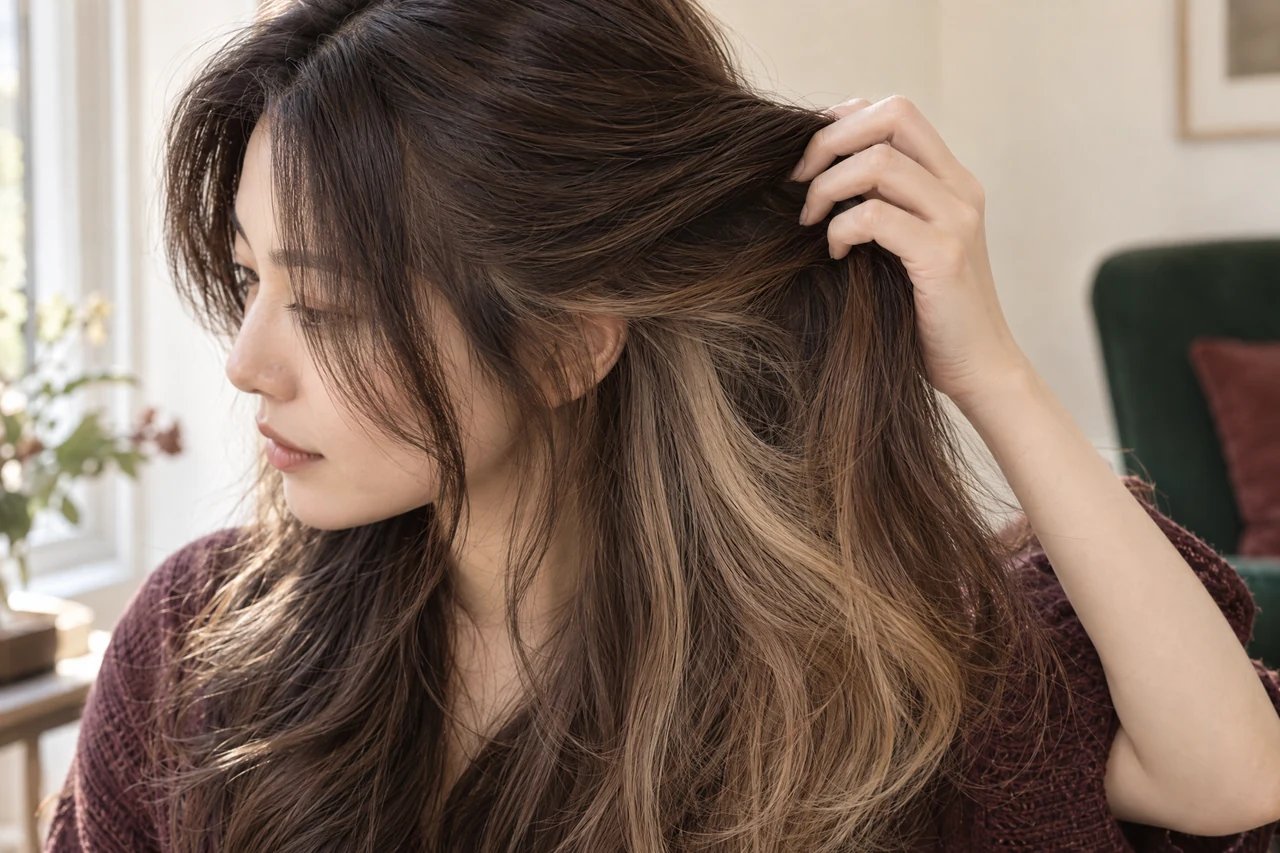
Brassy roots after bleaching should be shown alongside the lengths and the bleach history. A root toner enquiry concerns a possible tonal adjustment, but the desired depth and current condition still matter. Do not assume a toner will fix every bright root or that another bleach application is appropriate without an assessment.
Bring photographs showing the lightened area next to the colour you want to retain. If the lengths are already very pale, say whether you want the roots to approach that lightness or would accept a deeper transition. If you prefer keeping darker lengths, making the roots lighter would not necessarily serve that goal. Agreeing on the direction of change comes before naming a product.
Colour appearance and hair condition deserve separate notes. Describe any new roughness, tangling or breakage and when you first noticed it. The American Academy of Dermatology's colouring and perming guidance notes that cosmetic treatments can leave hair dry and brittle. A pleasing tone in a photograph therefore cannot establish that another chemical step is suitable for the hair.
Continue with toner or colour correction for brassy hair for that specific comparison and the preparation questions it raises.
Do not assume more lightening is the next step
Ask what an assessment would need to establish before further work: the existing depth, the warm areas, the previously bleached boundary and the condition of the lengths. Discuss whether your preferred change concerns tone alone or also the transition between areas. An online colour-wheel diagram is not enough information to choose a home formula, developer strength or processing time for your particular starting point.
A salon enquiry should establish the feasible change first
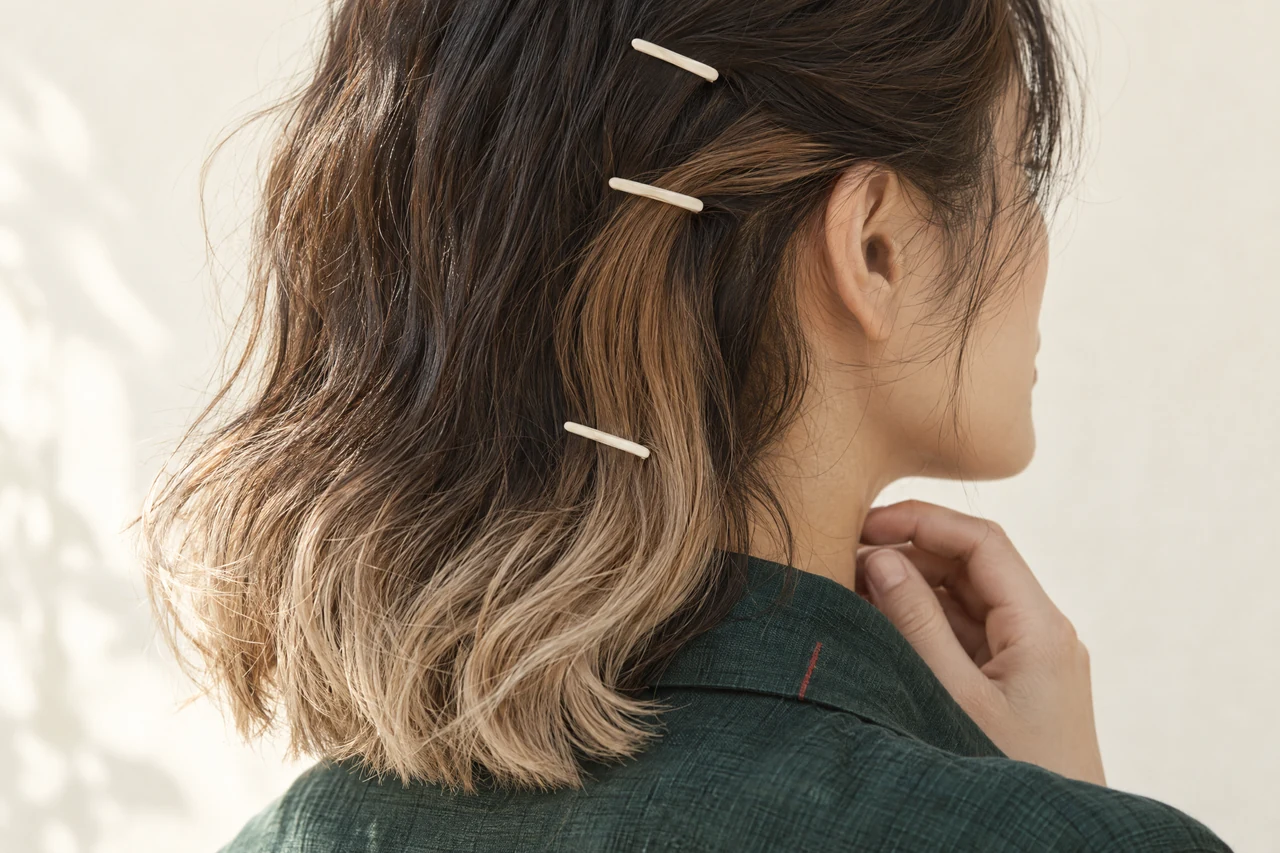
Can a salon fix hot roots? An assessment can explore whether the concern is tone, depth or an uneven transition, but a specific outcome cannot be promised in advance. Ask about the areas that could be considered, any limits and an acceptable interim colour. Avoid applying a home correction formula while the starting point is unclear.
Start with what matters most. You may want the root area to draw less attention while keeping the lighter lengths, or you may prefer a more consistent darker appearance overall. Explain whether retaining length is more important than reaching a very light target immediately. These preferences help frame a useful conversation about what could be considered and what you would rather postpone.
Be precise about cost as well as colour. The listed toner price is HK$900. That service price is not a quotation for every hot-roots concern or a promise that toning is the appropriate choice. Ask which areas the proposed work covers, what is included, and whether any applicable length surcharge or additional work needs separate confirmation. There is no reason to commit to a full-head service just because the root area stands out.
Continue with colour correction for that specific comparison and the preparation questions it raises.
Discuss retaining depth, adjusting tone or revising the goal
Bring a preferred reference and explain the feature you want from it, such as a quieter root transition rather than its entire blonde shade. Mention work, social plans or travel that affect when you can return. A plan should make sense beyond a single polished photograph: ask what contrast might remain, how the colour could change between visits and what follow-up would be recommended for the proposed scope.
Make your photographs useful for a root-colour conversation
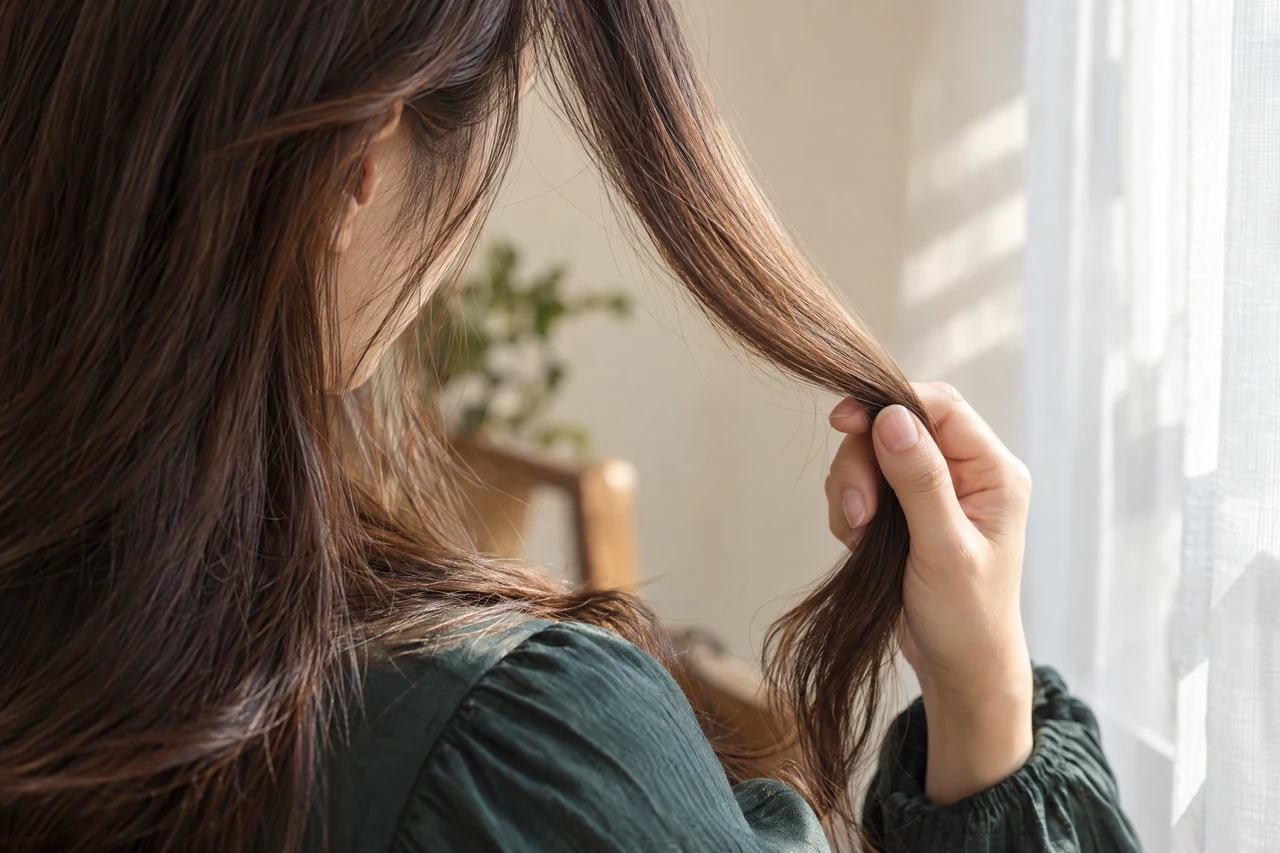
Keep current-condition images separate from inspiration images. For your current hair, include a wider view showing roots and lengths together, then a closer view of the boundary that bothers you. Show the usual parting and the front hairline if that is where the contrast appears. A tightly cropped orange patch without the surrounding hair gives much less information about the balance you want to change.
Record whether each photograph was taken before or after the most recent application and whether the hair was dry. Keep the original image rather than editing its colour or adding a beauty filter. If the contrast changes with lighting, send clearly labelled views instead of selecting only the most dramatic one. You do not need to capture a perfect shade; you need to show the area and explain what you see in everyday use.
Use this six-point preparation checklist before making a hot-roots enquiry. Its purpose is to organise your observations and preferences, not to score hair condition or determine a treatment.
Describe the change in an ordinary sentence
A useful enquiry can say that the roots look lighter and more orange in daylight, that you like the brown lengths, and that you want to know whether a less noticeable transition is feasible. Add the date of the latest colour and any products used since then. This gives the salon a clear starting question without assuming a diagnosis or requesting a specific correction formula.

Keep care and colour changes separate while you seek advice
Continue the care instructions supplied for your recent service rather than adding a succession of colour-changing products. Record anything you have already tried, including its name and where you applied it. A product marketed for blonde brassiness is not automatically suitable for a darker, reddish root area. Ask about compatibility before choosing a tinted shampoo or mask, especially when the roots and ends differ noticeably.
For the daily routine around already lightened lengths, hair care after bleaching helps keep the care discussion separate from the question of root colour. The American Academy of Dermatology also recommends sun protection for dyed, bleached or permed hair, including a wide-brimmed hat outdoors. That is general care advice, not a method of correcting the visible boundary.
Finally, 'hot roots' refers to the colour appearance, not a scalp that feels hot or burns. Report irritation separately from an aesthetic concern. The Academy advises following the manufacturer's testing instructions for store-bought colour and not dyeing if a reaction develops; consult a dermatologist for further advice. A colour consultation should not replace care for an adverse reaction.
Choose a manageable interim appearance
If an important event is approaching, say so before agreeing to further colour work. Wearing the hair in a different comfortable parting may change how visible the area feels, but it does not correct its colour. Discuss an interim appearance you can live with and the next assessment step. Avoid adding an unassessed dye merely to meet a deadline.

Describe the visible root contrast before choosing the scope of an enquiry
| What you notice | What to compare | Useful question to ask |
|---|---|---|
| Roots look more orange or red | Warmth beside the lengths at similar apparent depth | Can we discuss the tonal difference while retaining the depth I like? |
| Roots look lighter but not especially warm | Root depth against the immediately adjoining hair | Does the enquiry need to address depth rather than warmth alone? |
| Roots look both lighter and warmer | Brightness and tone separately in consistent light | Which change is feasible, and what contrast might remain? |
| A separate stripe sits below new growth | The stripe's position and the older processed areas | Should this be assessed as a transition or banding concern? |
| Warmth appears through the whole head | Roots, mid-lengths and ends together | Is my goal an overall tonal change rather than root-only work? |
Your preparation checklist
- Photograph the usual parting and the root-to-length boundary together in consistent indirect daylight, without colour filters.
- Write whether the concern is orange or red warmth, lighter depth, or both, and identify the exact areas involved.
- List colour and bleach dates with application areas; include home dyes and colour-depositing products, marking unknown details honestly.
- Note changes in roughness, tangling or breakage, and report any scalp discomfort separately from the colour appearance.
- Choose what you want to retain, what you want changed and an acceptable interim look; explain the relevant feature in your reference image.
- Ask about assessment requirements, feasible scope, quote inclusions and timing before confirming any further service.
Frequently asked questions
Are all warm roots a mistake?
No. Warmth may be intentional, and lighting changes its appearance. Compare the roots with the agreed colour goal and the lengths in similar light before deciding what needs attention.
Will a toner always solve a bright root area?
No. A concern about brightness or uneven depth is not the same as unwanted warmth. A toner is one type of tonal enquiry, not a universal correction for every root contrast.
Should I repeat the colour at home?
Do not assume another application will balance the hair. Bring the application dates and areas, photographs and the desired change to an assessment rather than adding an unassessed formula.
Explain the root contrast and the colour you want to keep
Send Vit So clear photographs of your roots and lengths, your recent colour history and the change you hope to discuss before visiting in Sheung Wan. Ask what assessment and service scope could be considered, with the quote and timing confirmed separately. An enquiry is not a confirmed booking.
Start your WhatsApp enquirySources & further reading
- Red Alert: How to Fix Hot Roots Fast
Wella's description of redder or more orange root colour and its distinction between colour depth and tonal direction.
- Coloring and perming tips for healthier-looking hair
General guidance on dryness and brittleness after cosmetic treatments, sun protection, manufacturer testing instructions and seeking dermatological advice for a reaction.



