






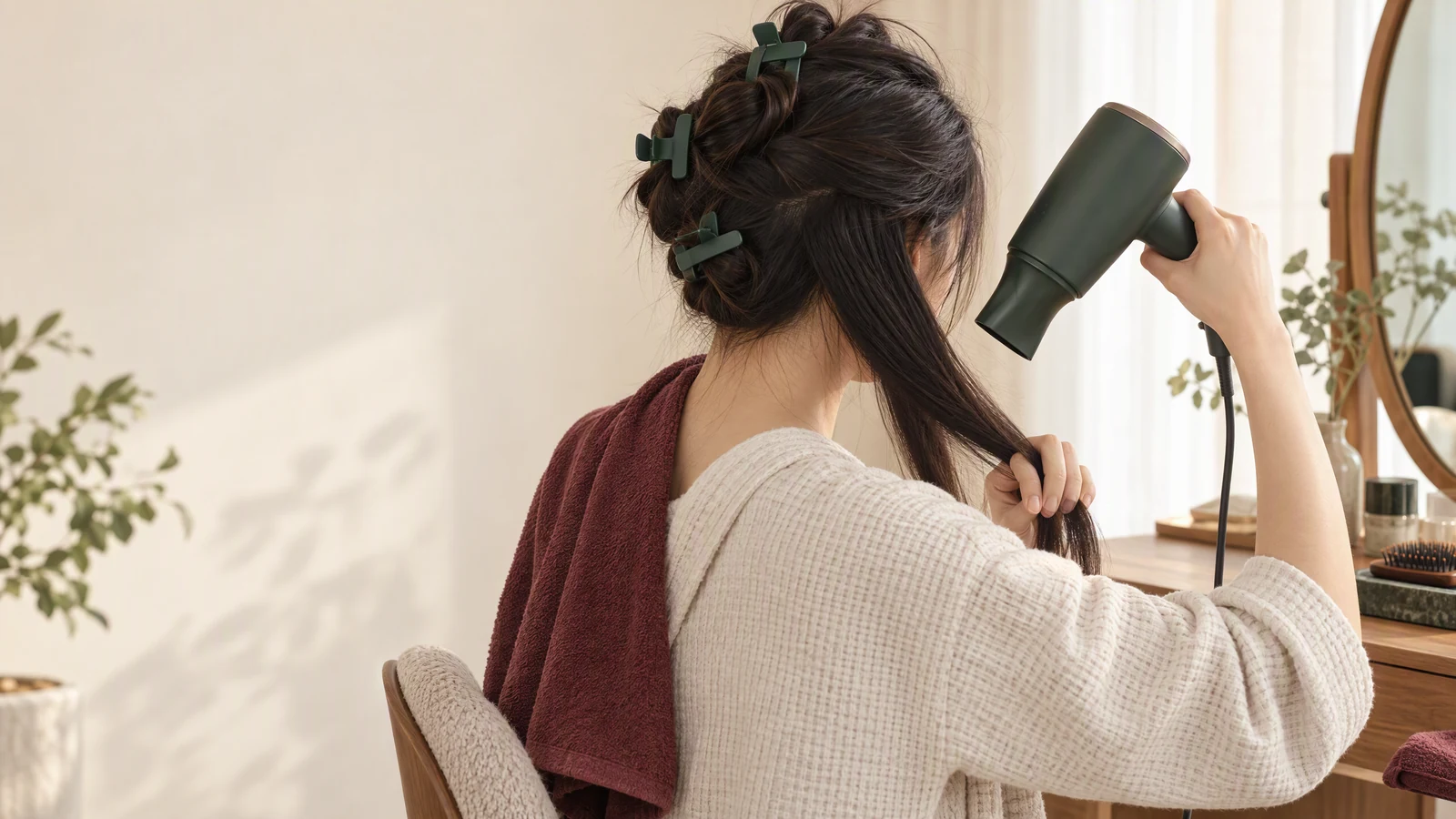
How to protect hair from heat styling before switching on
Read the tool's instructions for suitable hair condition and use, and follow any product's application and drying directions. Do not assume one tool's wet-or-dry guidance applies to another. Check whether the lengths are already rough or breaking before styling, and choose less manipulation when the condition of fragile areas makes repeated heat an unhelpful trade-off.
Start with an outcome you can describe: drying the roots, directing the fringe or smoothing the outer layer. These are different tasks, and none automatically requires heating every strand. Put the relevant instructions within reach before starting. Check whether your device is a dryer, a conventional heated iron or a tool specifically designed for drying and styling together. Similar-looking attachments do not establish identical directions.
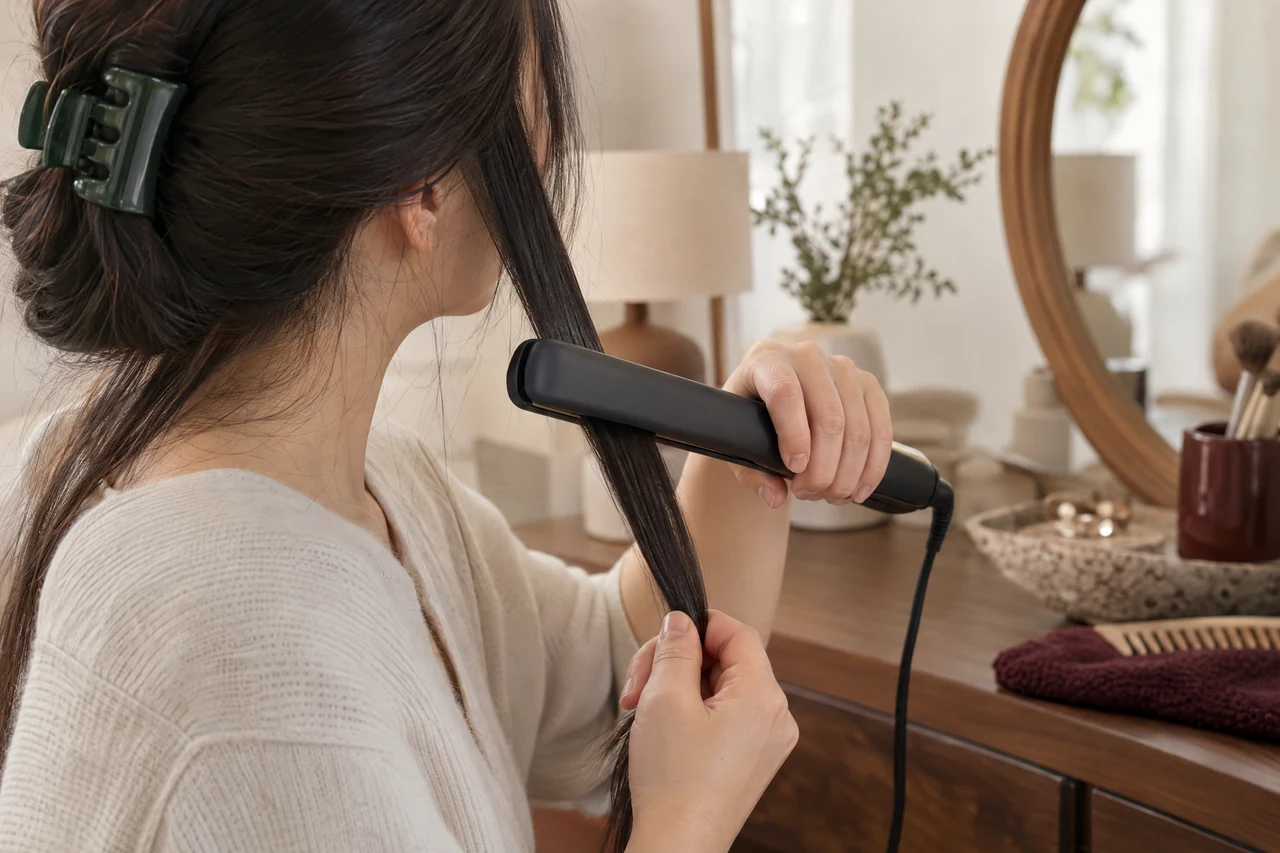
The American Academy of Dermatology's hair-styling advice recommends using flat irons on dry hair at a low or medium setting. Treat that as general care advice alongside your device's instructions, not as a numerical guarantee of safety. Conventional plates are not a shortcut for drying a damp section. If a product leaves the hair wet, follow its drying directions before moving to a dry-hair tool.
Use how to protect hair from heat styling as a preparation check
Before washing, notice where the hair catches during ordinary handling. After washing, absorb excess water without vigorous rubbing and handle tangles gently. Section the hair so you can reach the underneath areas without repeatedly heating the top. A neat section is useful only if the clip and your hands are not pulling it tight. If the ends already snap, change today's plan rather than testing how much heat they can tolerate. For a morning commute in Sheung Wan, leaving a natural bend may be a better practical choice than rushing through damp lengths.
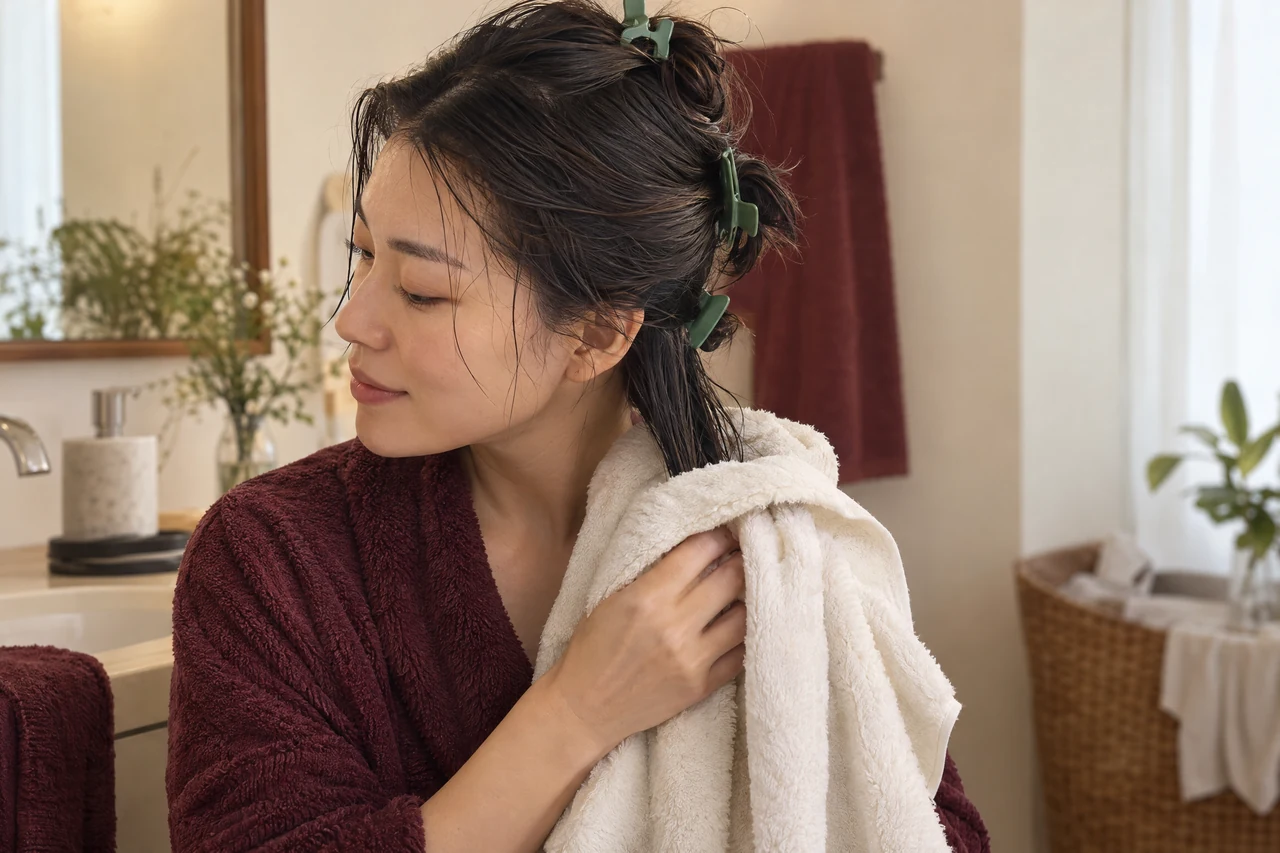
Reduce repeated passes and pulling
Consider whether you are repeatedly passing over the same ends to chase a smoother finish. Avoid unnecessary repetition and pulling, and follow the tool's guidance rather than a universal temperature suggested online. If the desired outline requires persistent high heat every day, discuss a more manageable cut or styling approach without assuming a chemical alternative is automatically suitable.
Plan the sequence before heating a section. Keep finished sections separate from those you have not styled, so you do not repeatedly pass through them by mistake. If an iron catches or a brush meets resistance, stop and release the hair instead of pulling harder. Do not hold a heated tool still over an awkward bend while deciding what to do next; release it and reassess.
A lower setting is not a reason to keep going over the same hair indefinitely. If the result needs repeated correction, reconsider section size, preparation and the finish you are asking for. There is no universal pass count that makes fragile hair safe. You may get a more manageable daily outline by accepting softer ends or concentrating on the visible front rather than making the whole head uniformly straight.
Review hair styling to check its service scope and the details to share before arranging the related work.
A lower-stress routine can mean doing less
Track the moments when you add heat again: after the first drying session, before leaving home or after arriving at work. Those touch-ups belong to the same routine even when they feel brief. Choose a stopping point based on the overall shape, not the last flyaway. A fringe adjustment does not have to become another full-length straightening session. If you regularly force a brush through tangles before styling, review how to detangle damaged hair so the preparation itself does not become another source of avoidable pulling.
Understand the limit of heat protectants
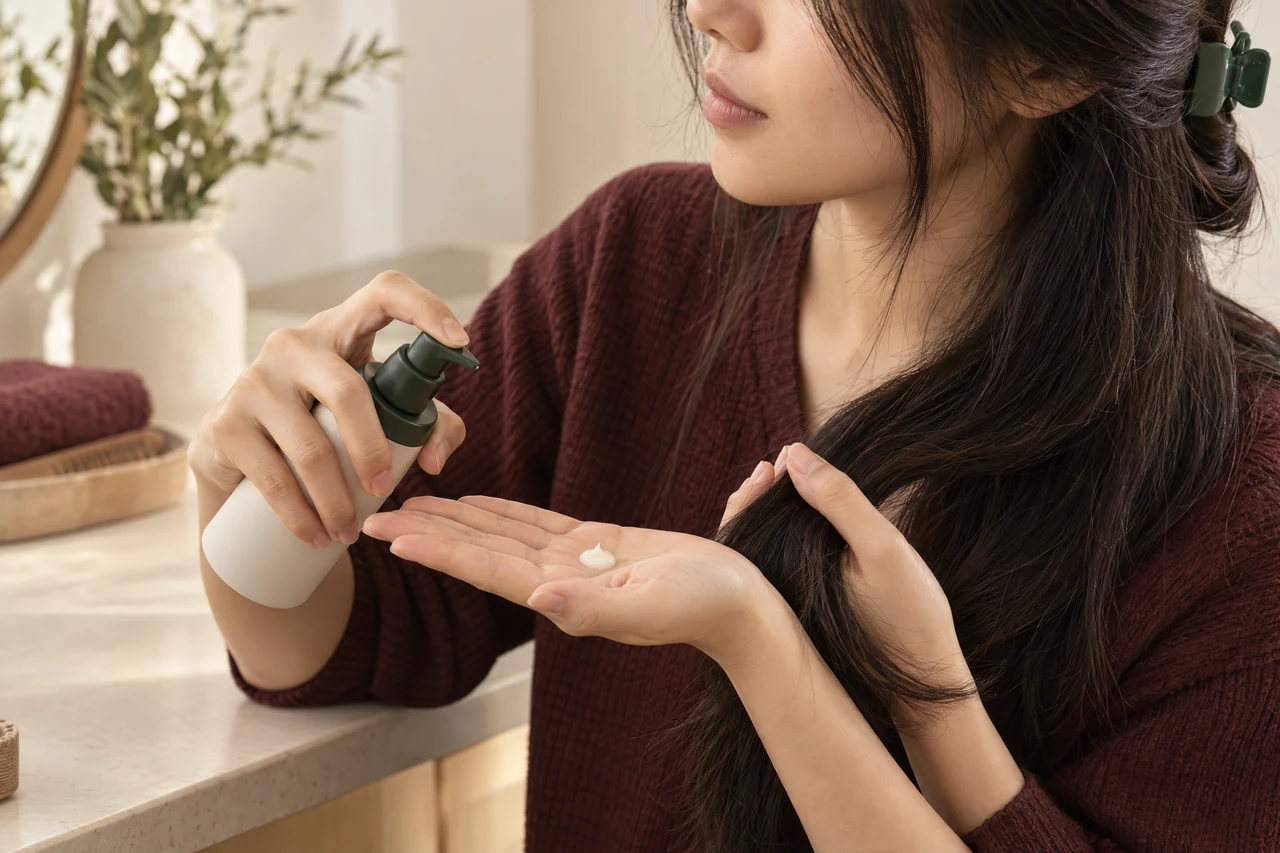
Use a heat-protection product only as directed for the relevant tool and hair condition. Its presence does not cancel every effect of heat, friction or previous chemical processing. A glossy finish after styling is not evidence that the lengths are undamaged. Review changes in roughness, tangling and snapping under ordinary handling between styling sessions.
Read the application directions rather than choosing by the largest temperature claim on the bottle. Check whether the product is intended for damp or dry hair, which areas to cover, how much to apply and whether drying is required. A finishing oil, conditioner or hold spray should not automatically be treated as a heat protectant. If the label is unclear about your intended tool, ask the manufacturer before relying on it for that use.
More product is not automatically a better routine. Follow the stated quantity and distribution method rather than saturating one patch and leaving the underneath lengths untouched. Avoid adding several new products together, because it becomes harder to identify which step leaves the hair sticky or uncomfortable to handle. Never respond to a coated feel by increasing heat until the finish looks smoother.
Continue with why is my hair dry after conditioning for that specific comparison and the preparation questions it raises.
Protection is not complete immunity
Keep product claims separate from permission to add heat. A product's stated protection temperature does not establish the right setting for your particular lengths or account for repeated exposure. Judge your routine between styling sessions as well as immediately afterwards. If you are considering a hair treatment, explain whether the problem is difficult combing, rough ends or dependence on repeated ironing. Cosmetic care and reduced heat exposure have different roles; improving feel should not become a reason to return to unlimited touch-ups.
Pause when fragile hair gets harder to manage
If the lengths are snapping or becoming increasingly difficult to comb, reduce avoidable heat and arrange a hair-condition discussion before further chemical work. Bring your tool routine, product details and processing history. Cosmetic care may improve feel, but should not promise to undo all thermal damage or make repeated heat risk-free.
Look for a change from your usual handling experience rather than diagnosing damage from one photograph. Note where tangles recur, whether short pieces appear during gentle combing and whether the same ends feel progressively rougher. Do not repeatedly stretch or snap strands as a home test. These observations help describe a concern, but they cannot prove that heat is the only cause.
Bring the tool model, usual setting, styling frequency and product labels to a discussion. Include bleaching, colour, perming and straightening history, even if the work happened elsewhere. Explain which lengths have had overlapping processes and whether the problem is local or widespread. A useful plan may involve less manipulation, a change in daily shape or discussing a trim, rather than adding another chemical procedure immediately.
Continue with damaged hair care for that specific comparison and the preparation questions it raises.
Persistent breakage needs a different discussion
Separate a salon conversation about lengths from a medical concern about the scalp or hair loss. The AAD's guidance on stopping hair damage recommends considering a dermatologist when care changes do not help, especially with thinning or hair loss. If a tool burns the skin or causes pain, stop using it rather than continuing to finish the style, and seek appropriate medical advice. Do not assume that a conditioning service can resolve a scalp symptom or establish why hair is shedding.
Keep drying and finishing as separate decisions
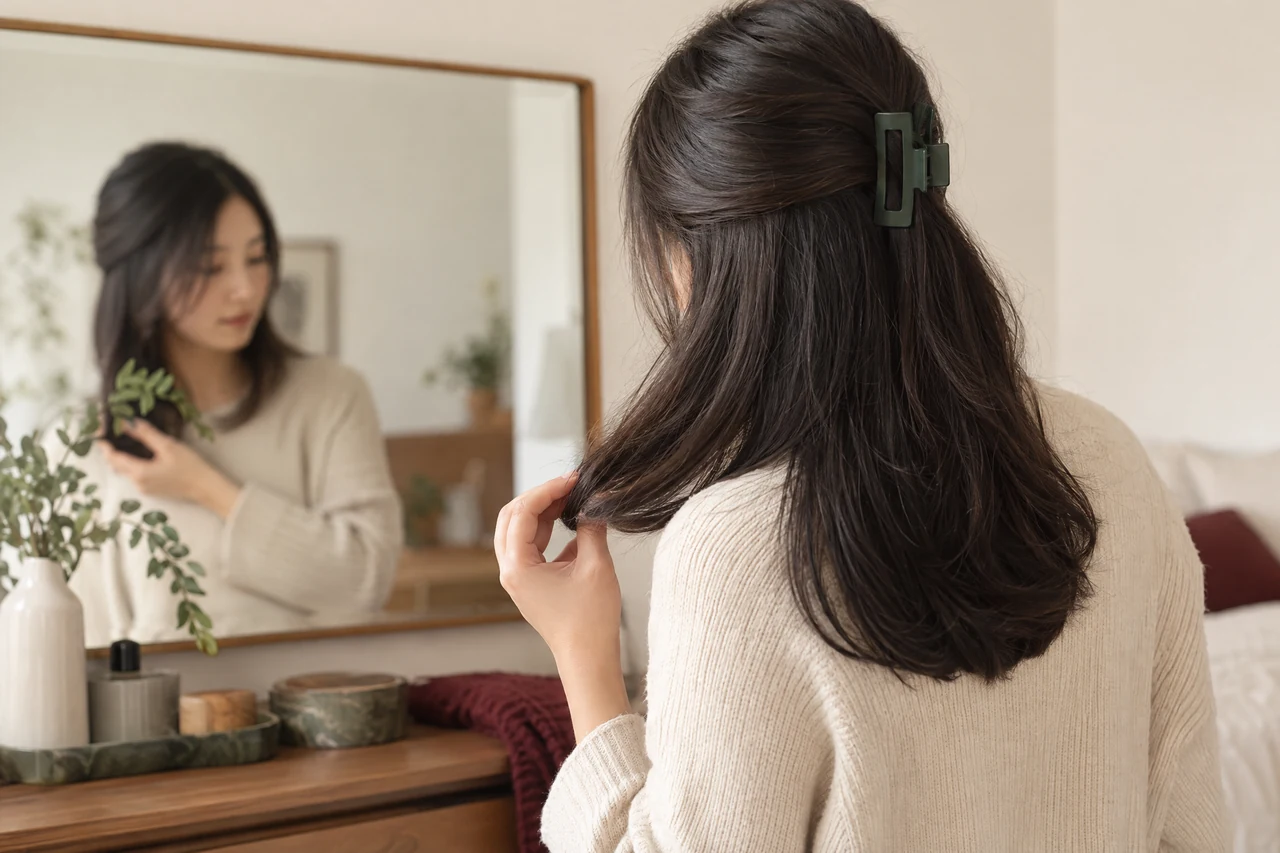
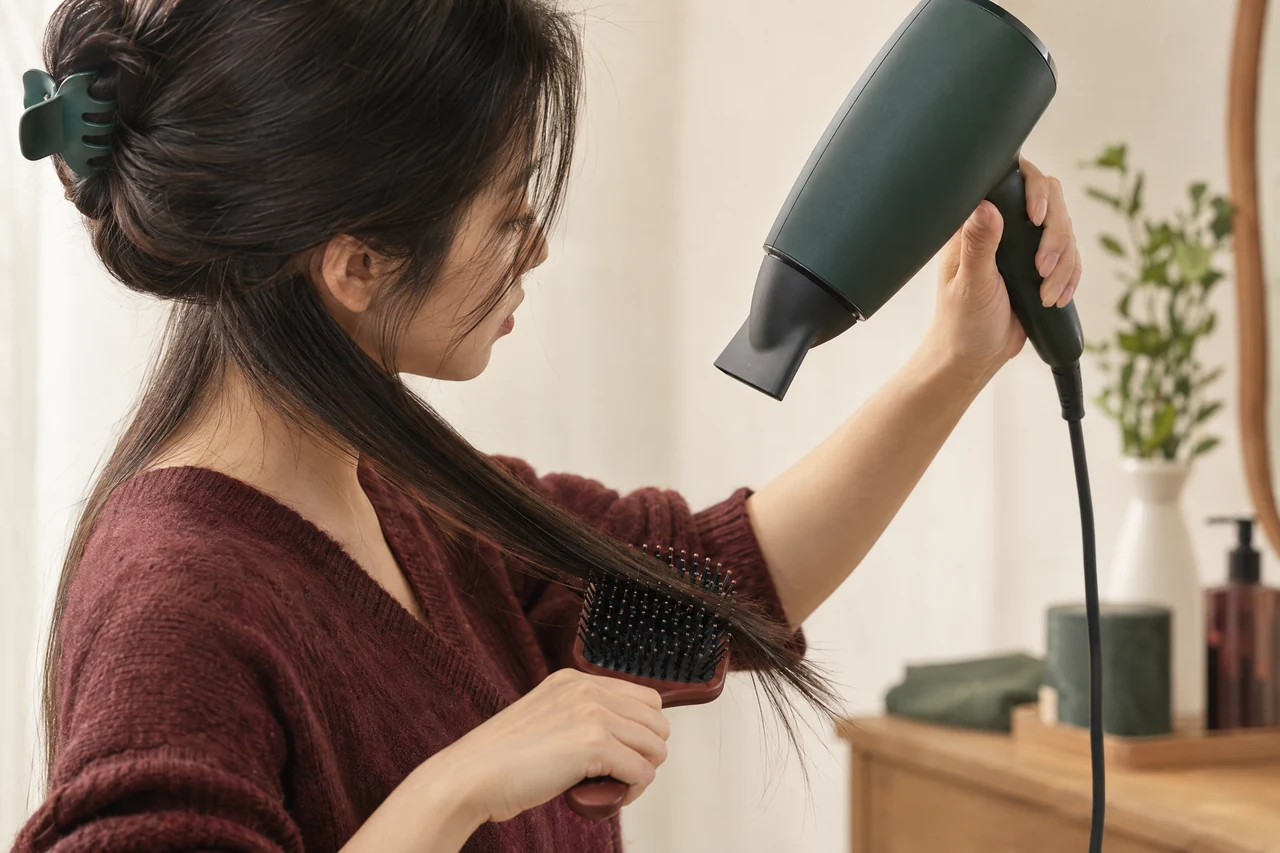
Drying the hair does not obligate you to use an iron afterwards. Once the hair is dry, pause and look at its natural outline before adding another tool. Follow the dryer's directions for attachments and use, keep airflow moving rather than concentrating it on a single spot, and avoid pressing a nozzle against the hair or scalp. Leave enough time to reach the underneath sections instead of compensating for a rushed start with more heat.
A 2011 laboratory study of hair-dryer damage found that surface damage tended to increase at higher drying temperatures under its tested conditions. It examined chemically untreated hair tresses with specified drying distances and durations. Those conditions do not establish a safe setting for every dryer, processed head of hair or hot iron. The practical lesson is to consider exposure and technique together, not to copy an experimental temperature as a universal rule.
Check the inner sections before using dry-hair tools
The surface may look ready while an underneath section remains damp. Check the areas you intend to style rather than judging only by the outer layer. If they are not in the condition required by the tool, wait or complete drying according to its instructions. Skip the finishing step if your available time does not allow proper preparation.
Make a daily outline that does not need constant reheating
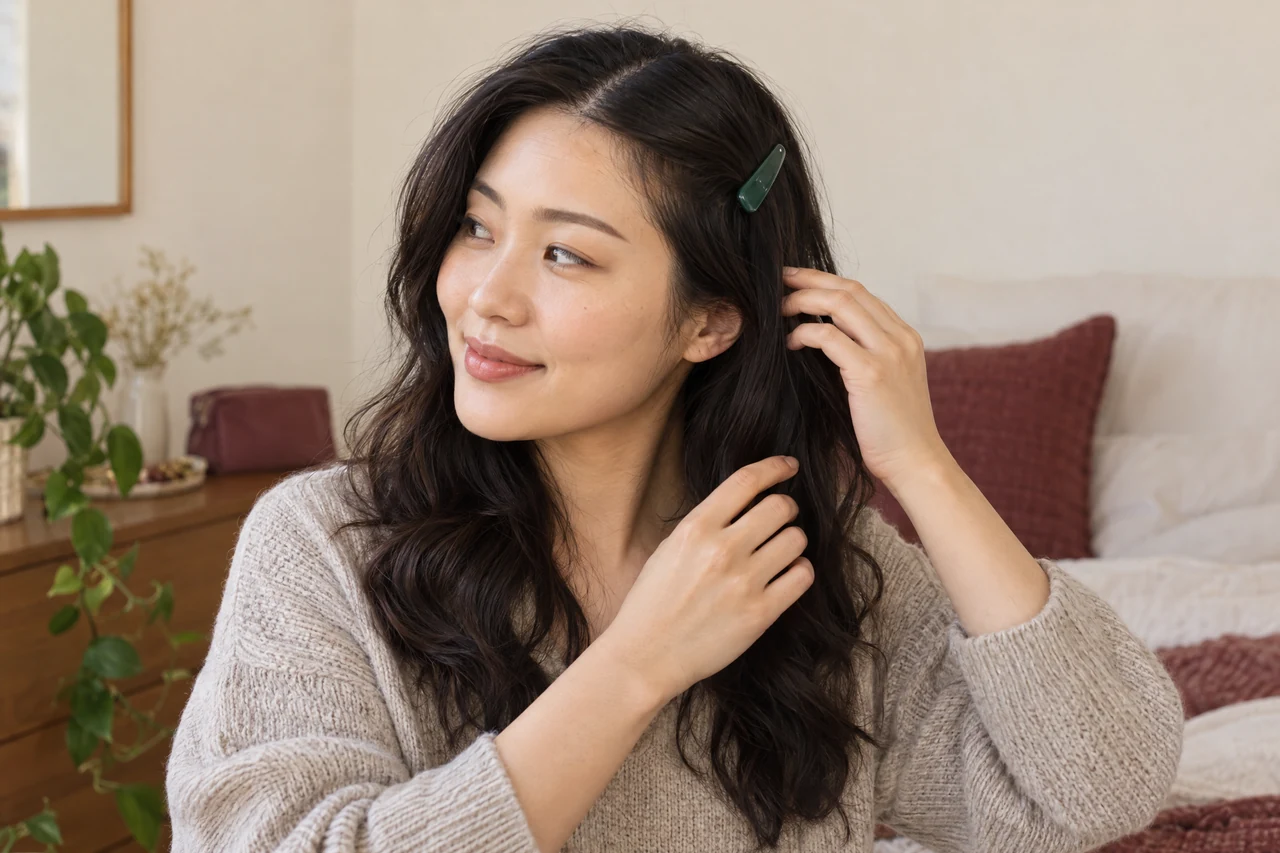
For Hong Kong workdays, decide which details actually matter once you are away from the mirror. You might want the fringe clear of your eyes and the sides tidy while allowing the lengths to keep their natural movement. A side part, a comfortable clip or a loosely secured style can offer an alternative to reheating every section. Heat-free does not mean tension-free: avoid tight fastening that pulls on fragile hair.
Discuss a reference image alongside the version you can maintain at home. Explain how long you have for preparation and whether you want to preserve natural waves. A cut may change where the ends sit or how the outline falls, but it should not be sold as a guarantee of effortless styling. The preparation checklist below contains 6 checks for deciding whether and how to use heat today.
Agree on an everyday stopping point
Choose the details you can leave alone once the hair is dry. Reserve extra finishing for a deliberate occasion rather than making it an automatic reaction to every bend. If a lower-heat routine still requires endless pulling or the hair becomes harder to manage, bring that information to your next discussion instead of simply buying a stronger tool.
Match today's heat-styling decision to the hair's condition and the task
| Situation | Preparation or alternative | Avoidable extra stress |
|---|---|---|
| Damp lengths before conventional flat ironing | Complete drying as directed, or skip the iron | Using heated plates to dry an unready section |
| Dry hair with a local bend at the front | Assess whether only the front needs adjustment | Reheating the whole head for a small detail |
| Product applied before a dry-hair tool | Check its application and drying instructions | Assuming every leave-in product is heat protection |
| Ends catch during ordinary combing | Release resistance and review gentle handling | Combining repeated pulling with repeated heat |
| Increasing snapping or roughness | Pause avoidable heat and discuss the hair history | Treating a glossy finish as proof of undamaged hair |
| Natural waves suit the day's plans | Use a comfortable part or loose clip | Straightening by habit rather than for a useful outcome |
Your preparation checklist
- Define today's essential result before switching on: drying, fringe direction or selected smoothing, rather than every possible correction.
- Check the lengths for worsening snapping or resistance during gentle handling; choose less manipulation if their condition has changed.
- Read the device instructions for the required wet or dry hair condition and the relevant attachment and setting guidance.
- Check the product's intended use, quantity, placement and drying requirements; do not substitute a finishing product without suitable directions.
- Separate manageable sections without tight pulling, keep completed areas distinct and stop to release any catching or resistance.
- Set a stopping point and a heat-free fallback; note changes between sessions and bring persistent concerns to an appropriate professional.
Frequently asked questions
Is there one safe temperature for everyone?
No single setting can be recommended for all tools and hair conditions. Follow the tool's guidance and consider the condition and history of your lengths.
Can heat protectant prevent every kind of damage?
No. It should be used as directed, but does not eliminate all stress from heat, pulling or chemical processing. Reducing unnecessary exposure still matters.
Can a treatment undo repeated heat use?
Cosmetic conditioning may improve handling or feel, but should not promise complete reversal of thermal damage. Review the heat routine as well as care choices.
Plan a finish that needs less daily correction
Enquire with Vit So in Sheung Wan about your everyday outline and the lengths you want to keep. Share your tool routine, product details and processing history so the discussion can focus on manageable choices. An enquiry is not a confirmed booking; suitability, service scope and appointment availability need confirmation.
Start your WhatsApp enquirySources & further reading
- Hair styling without damage
General dermatology advice on dry-hair flat ironing, lower heat settings and reducing styling-related stress.
- How to stop damaging your hair
Gentle water absorption and handling, reduced hot-tool use, and when persistent concerns or hair loss warrant a dermatologist.
- Hair Shaft Damage from Heat and Drying Time of Hair Dryer
A 2011 laboratory study of untreated hair tresses, showing temperature-related surface damage under specified drying conditions rather than a universal safe setting.



