






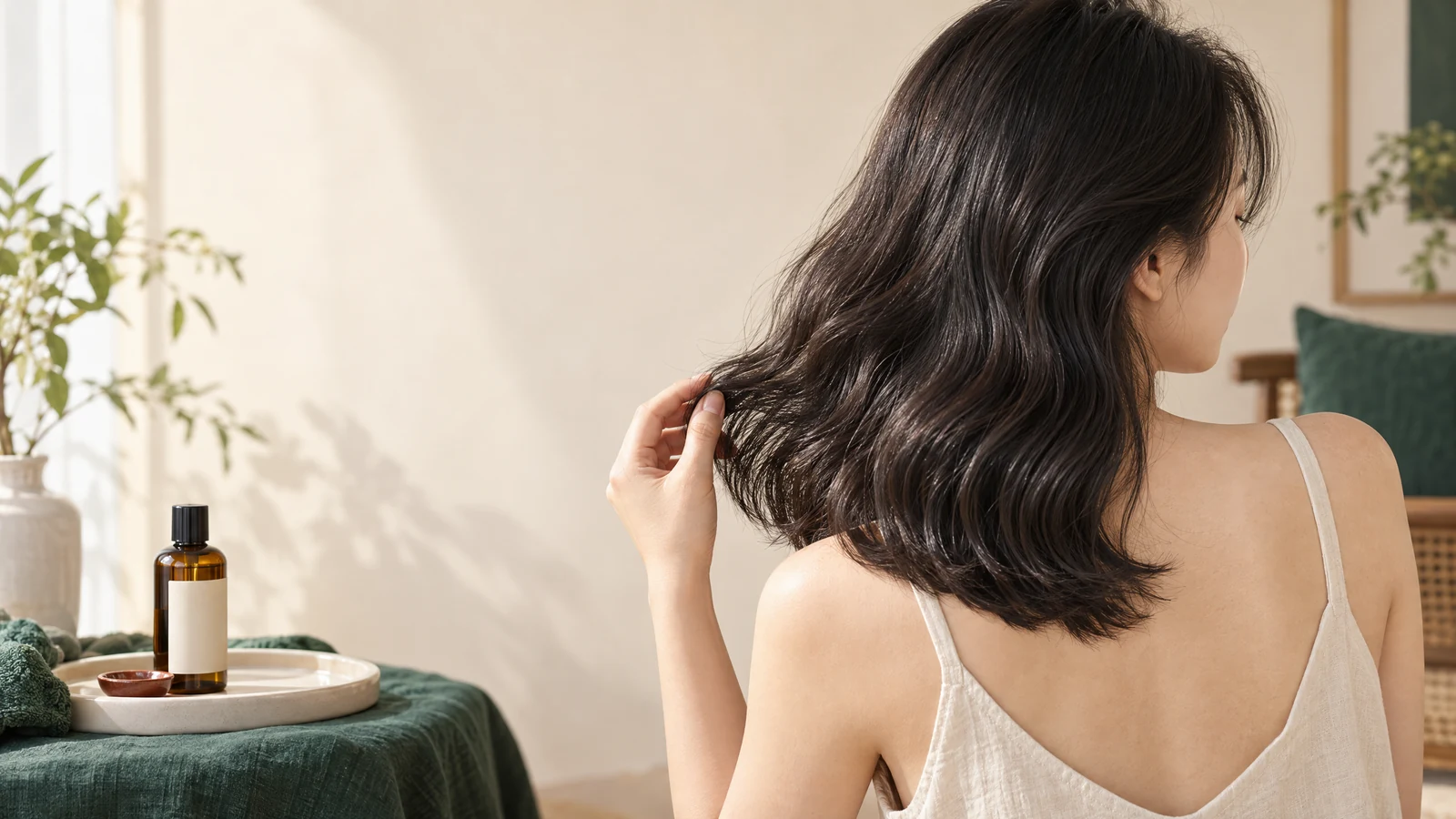
Hair straightening aftercare starts with clear instructions
Ask for clear instructions about the first wash, drying and any early restrictions. The name of a service does not establish one waiting period for every formula. Keep the procedure and product details with your record so later questions can be answered in context, rather than borrowing a timetable from a different salon or programme.
A useful aftercare note should identify the service date, the procedure or formula name, and which parts of the hair were treated. If only your fringe was straightened, ask how to care for that area alongside the untreated lengths. If your ends were previously lightened, mention whether they need different handling. Record the instructions in language you can comfortably follow at home.
Review hair straightening to check its service scope and the details to share before arranging the related work.
Confirm hair straightening aftercare for your exact procedure
Before leaving, explain what happens next in your day: a walk through humid Sheung Wan, a shower after work, or an exercise class. Ask which activities conflict with the instructions and how to arrange them. Read the main points back to the stylist so that 'keep it dry' or 'avoid pressure' becomes a practical plan rather than an uncertain phrase. The 6-point checklist below helps you organise these questions.
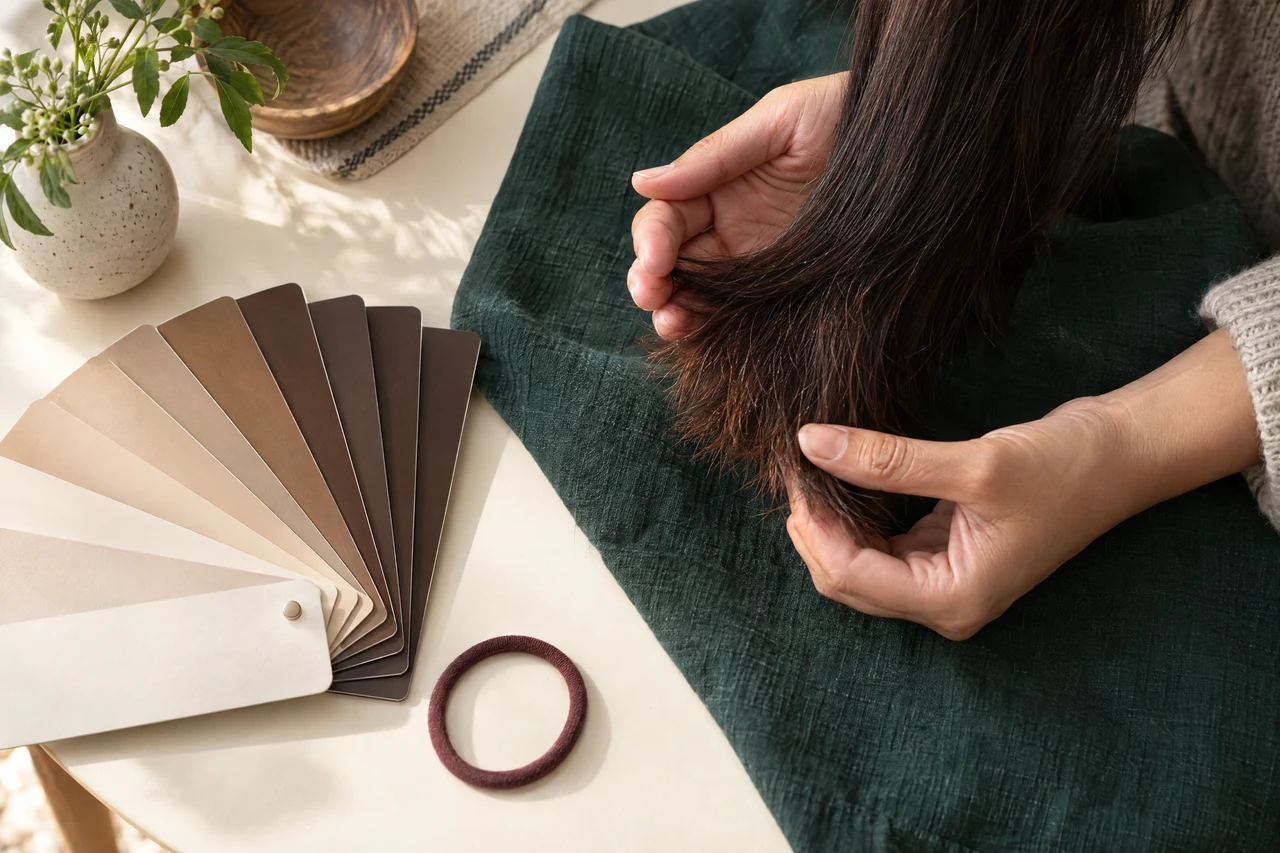
First washing after straightening or smoothing
For both straightening and keratin smoothing, the first-wash timing must come from the actual procedure's instructions. Confirm what to do if the hair gets wet unexpectedly and which cleansing and conditioning products are appropriate. Do not assume every programme requires the same delay, or that a product mentioned in another salon's guide is stocked here.
There are genuine product-specific differences. For example, the manufacturer's Cezanne treatment FAQ says that its smoothing treatments allow immediate washing and ponytails or clips. That is an example of why a generic waiting rule is unreliable, not an instruction for your own procedure or a claim that Vit So offers Cezanne. Use the directions supplied for the service you actually received.
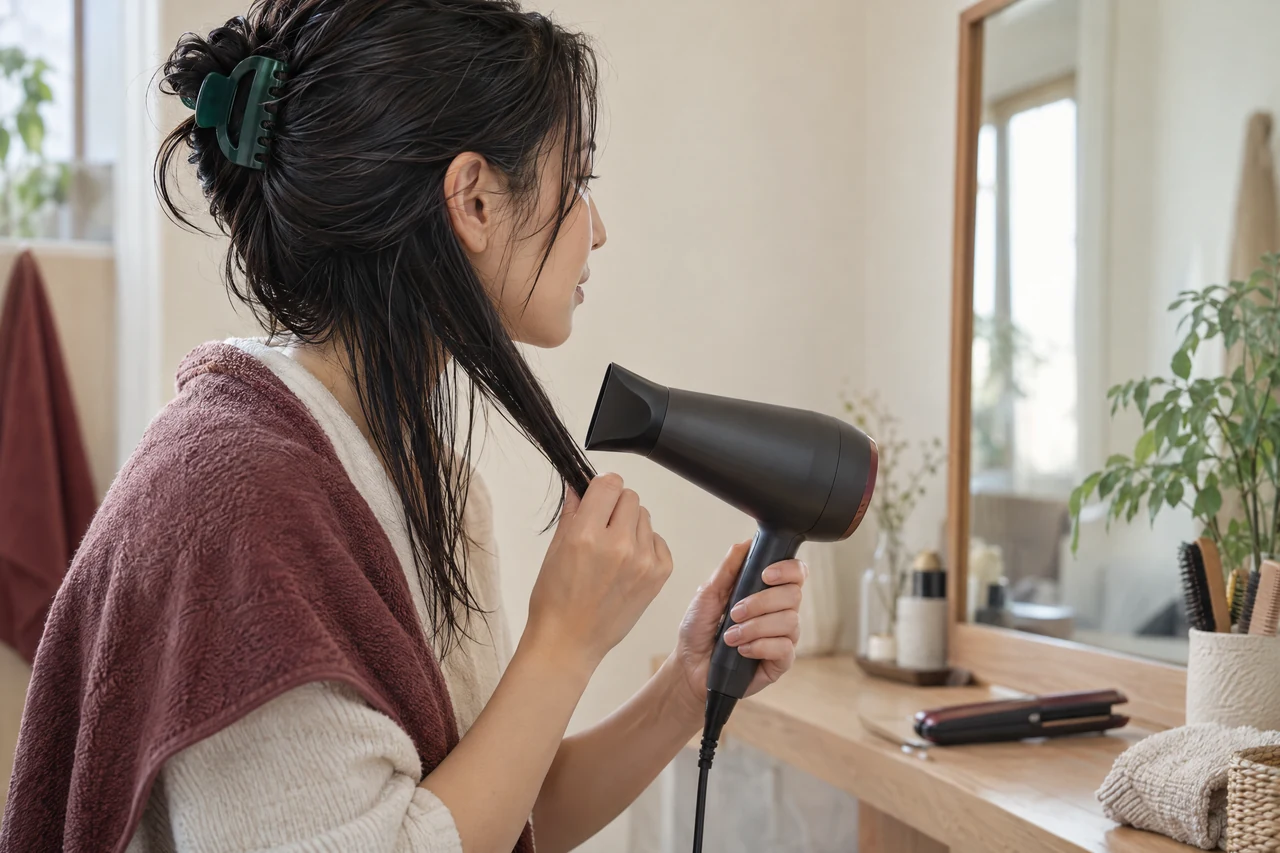
Once washing is allowed, the American Academy of Dermatology's hair-damage prevention advice supports gentle shampooing at the scalp rather than rubbing shampoo vigorously through the lengths, conditioning after shampooing, and avoiding towel rubbing. These everyday handling principles do not set your first-wash time. Ask where to apply your conditioner and how to detangle the treated hair without dragging a comb through resistance.
Different products may have different requirements
Take a photograph of the shampoo and conditioner labels you already use before buying replacements. Ask about suitability for the actual programme, including any medicated shampoo you need. If rain, sweat or a shower wets the hair earlier than instructed, note when it happened and whether the roots or lengths were affected. Contact the provider for the appropriate response instead of copying an online suggestion to re-iron the hair or add another treatment.
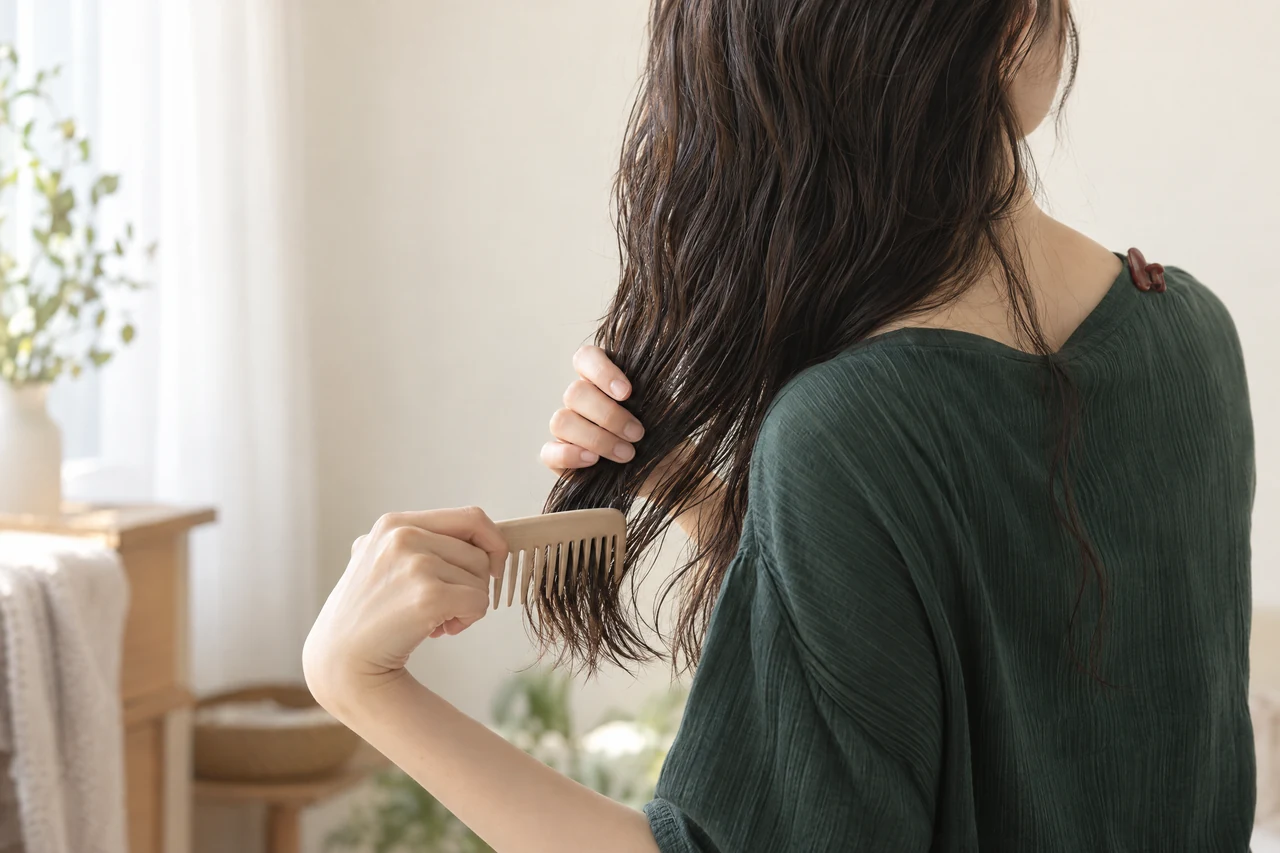
Ties, clips and pressure on freshly treated hair
Ask when your particular procedure allows ties, clips, tight accessories and other pressure on the lengths. If work, exercise or daily habits require tying your hair, discuss that before proceeding. There is no universal waiting time here; ask how to handle those needs rather than assuming a loose or tight tie is always acceptable immediately afterwards.
Show the accessory you normally use, or describe it clearly: a claw clip, an elastic ponytail, a headband or a cap. Explain where it sits and whether it holds the fringe away from your face. A rule about avoiding pressure is easier to understand when you can relate it to a real object. Mention compulsory work headwear or protective helmets; do not compromise safety equipment to protect a hairstyle.
Clarify restrictions that affect your normal routine
Separate any early procedure restrictions from the longer-term habit of avoiding excessive tension. The American Academy of Dermatology advises against tightly pulled hairstyles as part of general damage prevention. Once your procedure permits tying, ask about a comfortable style that does not pull. If you notice a bend after removing headwear or sleeping, photograph the position before changing it; a visible mark is a useful observation, not a reason to apply strong heat automatically.
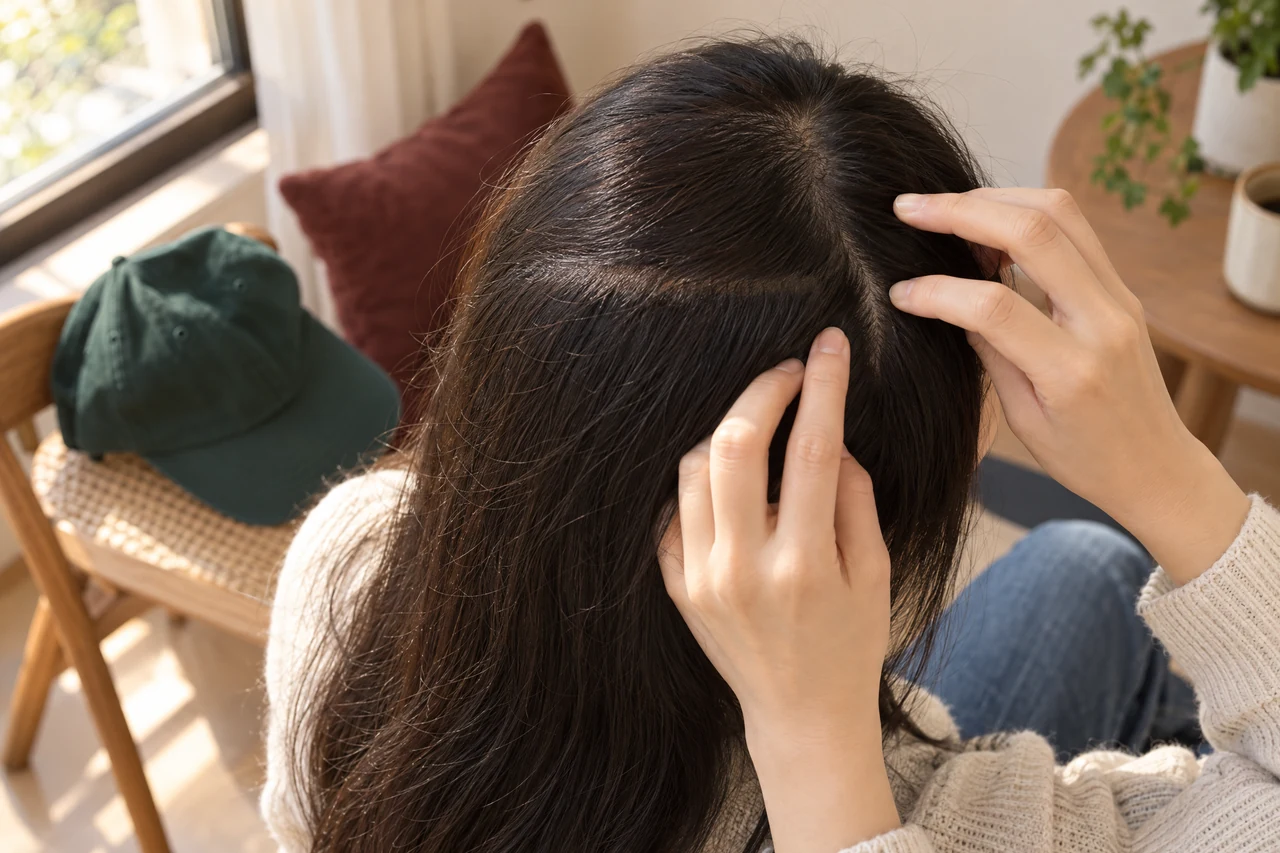
Temporary curls are different from another perm
A temporary curl made with a tool and a new chemical perm are different decisions. Ask when tools can be used and whether the hair's current condition can tolerate them. Heat protection does not remove every risk. If you want a lasting curl after straightening, the treated lengths and earlier processing need a new suitability discussion.
For a dinner or wedding, specify whether you want a slight bend at the ends, loose waves or a pinned style. Share the event date alongside the straightening date. The stylist can then discuss whether a temporary finish is appropriate and what preparation it needs. A chemical perm is not simply a stronger version of that event styling; it involves another processing decision on hair that already has a treatment history.
Review hair styling to check its service scope and the details to share before arranging the related work.
Heat styling still depends on hair condition
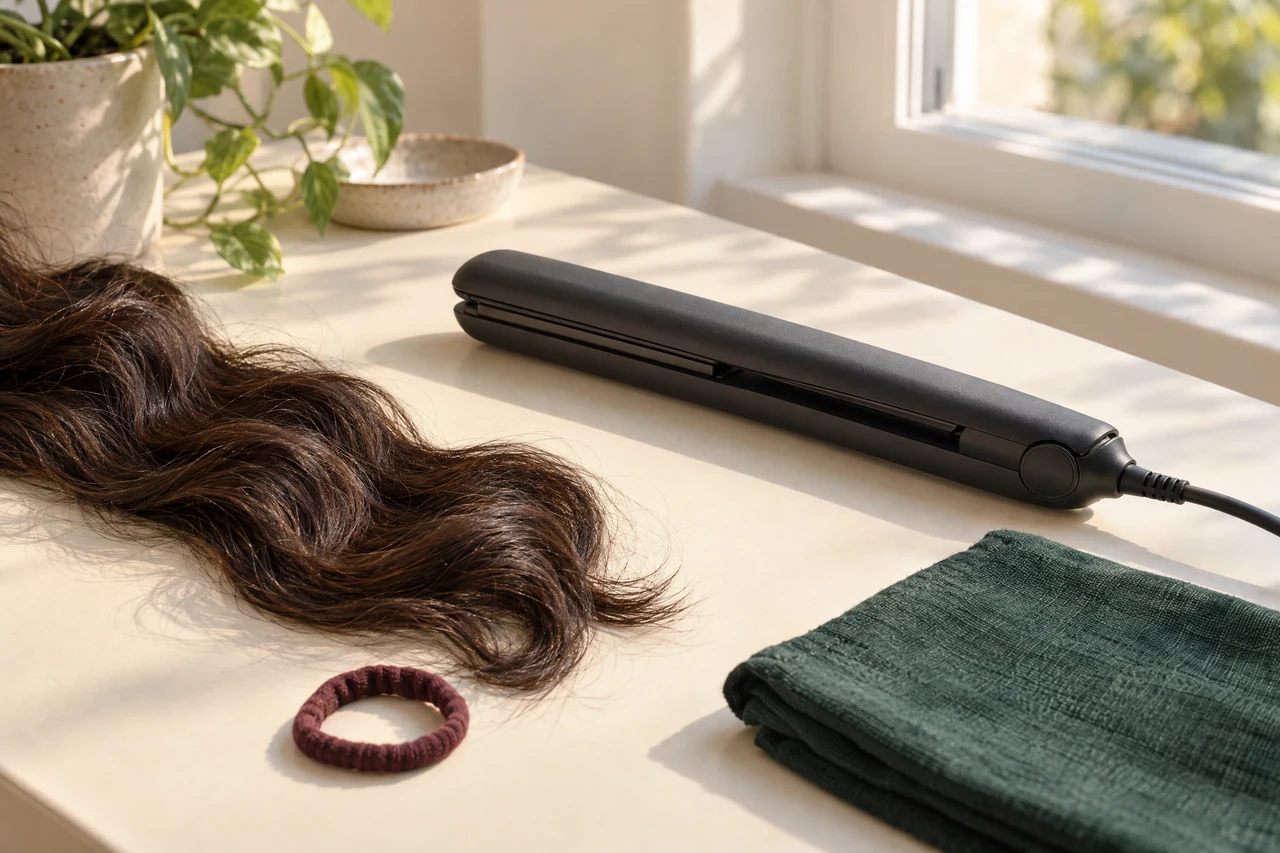
The American Academy of Dermatology recommends using the lowest heat setting and limiting contact time and frequency when using hot tools. Apply that general restraint only after your own procedure allows the tool. Rather than repeatedly heating a stubborn section, ask how to protect hair from heat styling and whether the desired shape can be achieved with less heat. For a more detailed daily routine, explore how to protect hair from heat styling.
Plan future colour by product and condition
Tell the stylist if you plan to colour after straightening, including whether you mean tinting, lightening or toning. These processes are not interchangeable. Confirm the actual formulas and current condition before deciding the sequence or interval. The same product-specific discussion applies to keratin smoothing and hair colour timing; this guide does not promise that both can be done together.
Make the goal specific. Covering visible grey roots, darkening the whole head, adding lighter face-framing pieces and adjusting an existing blonde tone involve different areas and products. Say which sections have already been straightened, coloured or bleached, including work done elsewhere. A future colour enquiry should include that history even if the hair currently looks smooth; appearance alone does not provide a complete processing record.
Review hair colour to check its service scope and the details to share before arranging the related work.
Tint, lightening and toner do not share one timetable
Ask whether the desired shade requires lightening, what parts of the hair would be processed, and whether condition checks or a strand test are needed before agreeing on the plan. If preserving your length matters more than reaching a much lighter shade, say so. Discuss a less ambitious colour goal or postponement where appropriate. The right sequence comes from the actual formulas and assessment, not from counting days until every type of colour becomes acceptable.
Keep smoothing care specific to the programme
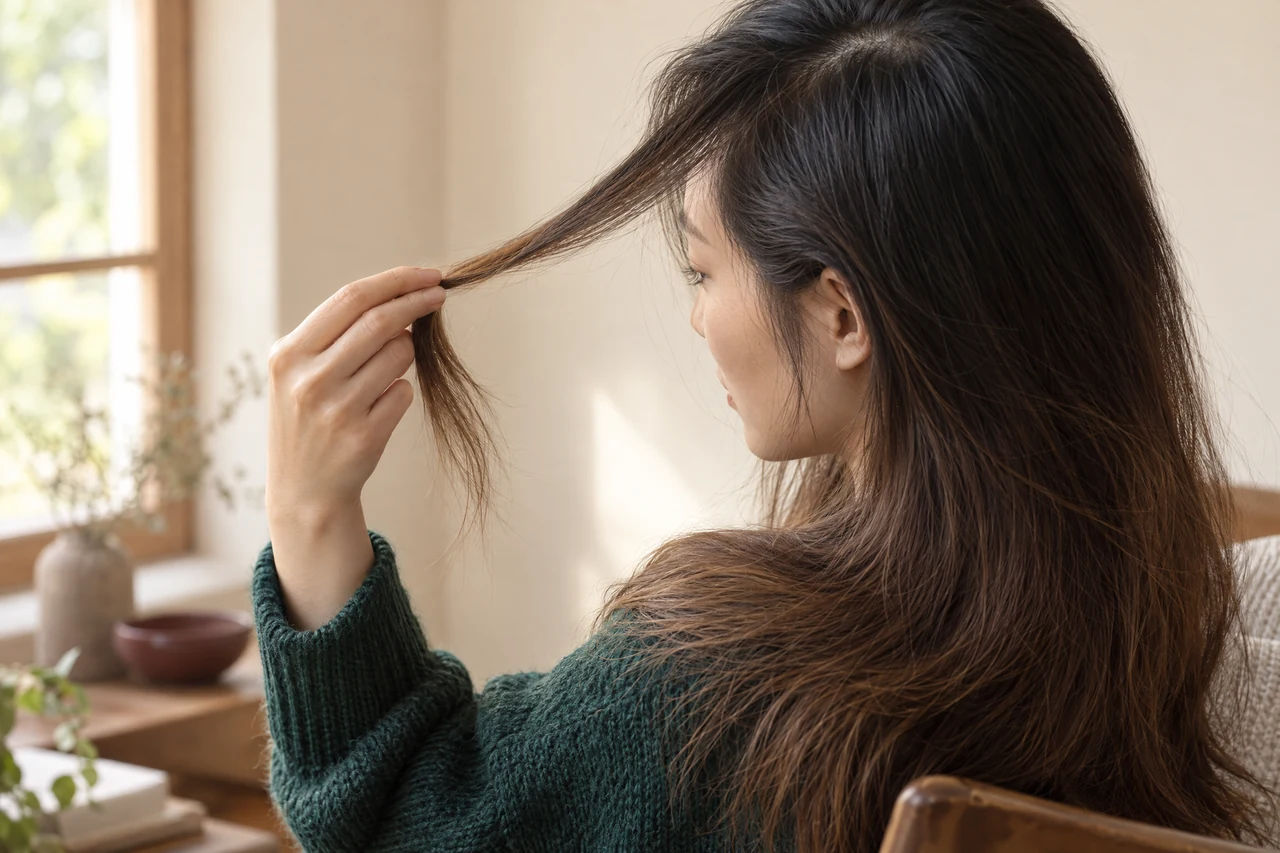
Keratin smoothing aftercare should reflect the actual programme, its washing instructions and your hair's needs. Ask whether normal drying or brushing is still expected to achieve your preferred finish. Changes in movement after washing do not by themselves identify a problem; record how you washed, dried and styled the hair before asking for advice.
Before the appointment ends, distinguish the finish you see after salon drying from what you can expect after your usual home routine. Ask for an achievable drying method with the brush and dryer you own. If you normally leave the hair to dry without styling, say that rather than agreeing to a routine you will not use. A smoother feel and a completely straight outline are not identical goals.
For ongoing cleansing and conditioning, choose products by the instructions and your scalp and length needs, not by the word 'keratin' alone. More layers of oil, masks or leave-in products are not automatically a better routine. Ask what each product is meant to do and where to apply it, especially if your roots flatten easily while your ends feel dry.
Manage expectations after ordinary washing
If the finish differs from what you expected, note your cleanser, conditioner, drying method and any heat used. Photograph the hair in similar light, showing the relevant roots, middle sections or ends. For hair still frizzy after smoothing treatment, use those observations to prepare a focused follow-up rather than trying to redo the service yourself. New scalp pain, sores or significant hair loss needs medical advice rather than an attempt to solve it with styling products.
Different aftercare decisions need different information, not one shared countdown
| Decision | What to confirm | Practical distinction |
|---|---|---|
| First shampoo | Exact procedure's washing instructions and response to early wetting | Permission to wash is separate from the gentle method used when washing. |
| Ties and clips | Any initial pressure restriction and the accessory you normally wear | A loose style is not automatically permitted before a programme's restrictions end. |
| Temporary curls | When tools are allowed and whether the lengths tolerate the proposed styling | An occasion finish does not establish suitability for another chemical perm. |
| Tint or toner | Formula, application area, colour goal and treatment history | Do not assume all colour products involve the same processing or interval. |
| Lightening | Existing bleach, treated sections, condition and realistic shade options | A smooth appearance is not proof that the lengths can tolerate lightening. |
| Home drying | Expected movement after washing and a realistic brush or dryer routine | Compare your home finish with the agreed daily goal, not only salon styling. |
Your preparation checklist
- Save the procedure name, service date and treated areas with the aftercare instructions.
- Confirm the first shampoo and what to do if rain, sweat or a shower wets the hair unexpectedly.
- Show your normal ties, clips or headwear and clarify any early pressure restrictions.
- Check your existing cleanser and conditioner labels, including any medicated products you need.
- Discuss when heat tools may be used and ask for a manageable home drying method.
- Declare future tinting, lightening, toner or perm plans before choosing the sequence of services.
Frequently asked questions
When can I wash hair after straightening?
Follow the instructions for the procedure you received. Confirm the first-wash time and what to do if it gets wet earlier; there is no universal waiting period for all methods.
When can I wash hair after keratin smoothing?
Ask for the exact product's instructions. A waiting period quoted for another keratin programme does not establish the requirement for your treatment.
Can I tie hair after straightening?
Confirm any restrictions on ties, clips and pressure with the provider of your procedure. Explain your daily needs before the appointment rather than assuming one time limit fits every method.
Can I curl hair after straightening?
Temporary heat styling and a chemical perm are separate questions. Confirm timing and suitability for the treated lengths; a straight finish does not mean the hair can tolerate any later process.
Can I colour hair after straightening?
Discuss whether you mean tinting, lightening or toner, and share the straightening procedure and current condition. Confirm the sequence and interval individually rather than assuming one fixed waiting period.
Make your aftercare fit the week ahead
Enquire with Vit So in Sheung Wan about your straightening plan, daily washing and styling needs, and any future colour appointment. Share your hair history and the activities that may affect early aftercare. If you have already received a procedure, include its date and the instructions supplied. An enquiry starts a discussion; the service, suitability and appointment still need confirmation.
Start your WhatsApp enquirySources & further reading
- How to stop damaging your hair
General guidance on gentle shampooing, conditioning, towel handling, combing, heat restraint and avoiding tight hairstyles; not a product-specific first-wash timetable.
- FAQ
Manufacturer's example of a smoothing programme with immediate washing and no ponytail or clip waiting period, demonstrating why instructions must be procedure-specific.



