







How to choose a hair treatment salon by the discussion
A useful conversation separates dry-feeling ends, breakage, scalp concerns and a wish for straighter hair. Share your processing history and ask what the proposed care aims to improve. A salon should not need to promise permanent restoration to explain a cosmetic service. Judge the clarity of the proposal rather than the confidence of a slogan.
Describe a problem you can recognise at home: the ends catch during combing, the lengths feel rough after washing, or the roots feel heavy while the tips remain dry. Explain when it happens and what you have already tried. These observations are more useful than asking for the strongest treatment. Also state what you want to keep, such as natural waves, light movement at the crown or enough length to tie your hair back.
Bring a simple processing history, including salon and home colour, bleaching, perms and straightening. Identify which parts still carry those earlier services rather than only naming your most recent appointment. Tell the provider about previous product reactions and any discomfort today. Compare whether the proposal responds to this information: a recommendation made before discussing the lengths and their history leaves important questions unanswered.
Review hair treatment to check its service scope and the details to share before arranging the related work.
How to choose a hair treatment salon that explains the scope
Ask the provider to describe the intended benefit in ordinary language. Is the aim easier detangling, a softer feel or a change in the hair's outline? The American Academy of Dermatology's healthy hair tips explain that conditioner moisturizes and detangles hair, making it easier to manage. That supports discussing manageable hair as a meaningful goal; it does not establish permanent repair from a salon visit. A clear explanation should connect the proposed care to your concern without treating every problem as the same problem.
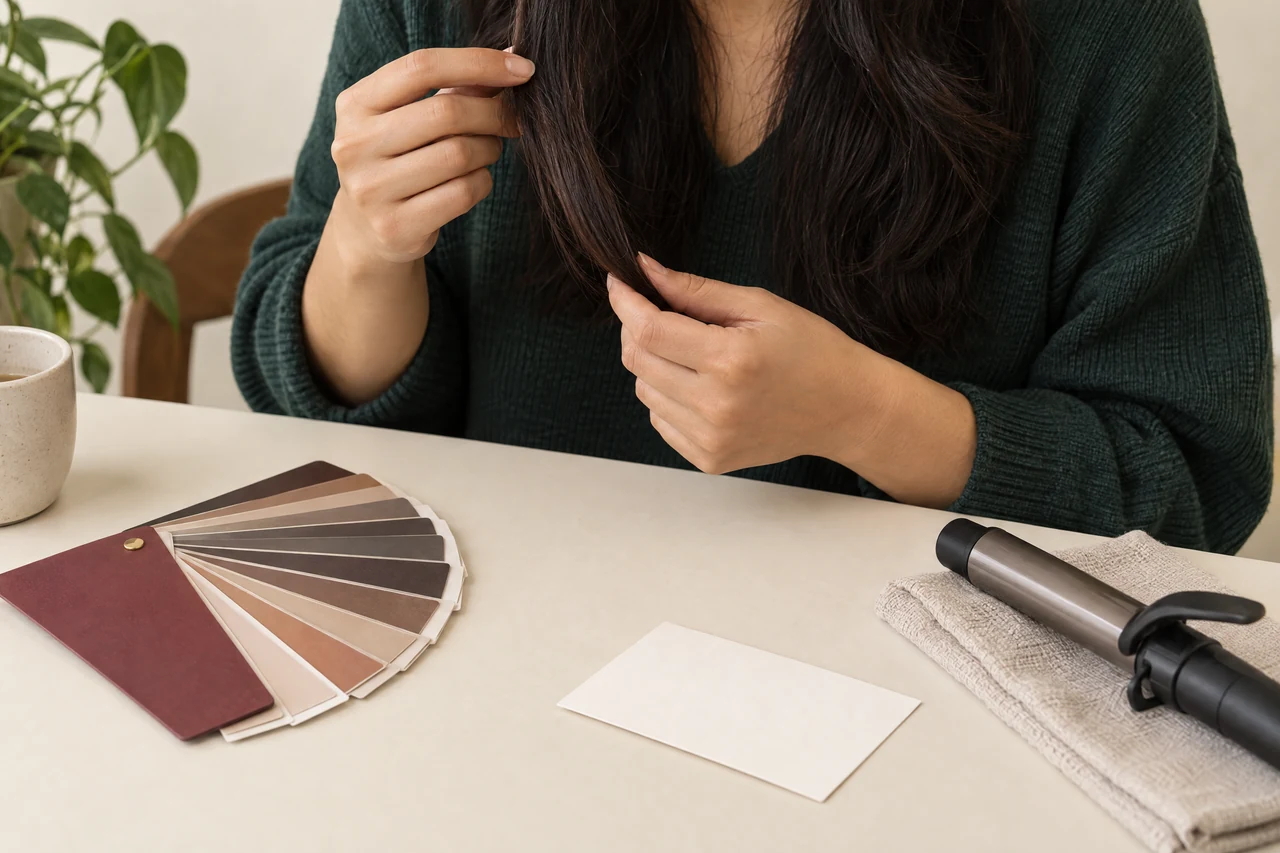
Look past hair spa labels
Hair spa is a broad market label, not a standard set of steps. When comparing a hair spa in Hong Kong, ask whether the proposal concerns the lengths, the scalp or both, and whether equipment or extra services are involved. A relaxing description does not establish hair-growth benefits or confirm that any particular salon offers the procedure.
Ask for the actual sequence rather than assuming what a spa name includes. Does it involve a product on the lengths, scalp cleansing, massage or a finishing service? Which steps are proposed for you, and which are optional? If steam or another device is mentioned, ask why it is being included and how it will be used. These are questions to put to the provider, not a description of a standard Vit So procedure.
Be especially clear when the words keratin, smoothing or repair appear. A rinse-out mask and a heat-sealed smoothing process should not be treated as interchangeable simply because both are called treatments. For a focused comparison of those labels, keratin treatment vs deep conditioning sets out the questions to resolve before selecting a service.
The FDA's guidance on heated hair smoothing products explains that some products release formaldehyde when heated and advises asking salon professionals about the ingredients. If your proposal involves this type of smoothing, ask for the product name and relevant safety information. This concern relates to the actual formulation and procedure, not to every conditioning mask or spa-labelled visit.
Review scalp treatment to check its service scope and the details to share before arranging the related work.
Hair shaft care and scalp care are different needs
Dry-feeling lengths and an uncomfortable scalp need separate explanations even when they occur together. Ask where products will be applied and whether the proposed visit addresses both areas. The AAD advises conditioner on the ends for fine or straight hair, and along the length for dry or curly hair. Application can therefore matter as much as the product name. Persistent scalp discomfort or unexpected shedding deserves healthcare advice rather than a cosmetic growth promise. Choose a provider who can keep those boundaries clear.
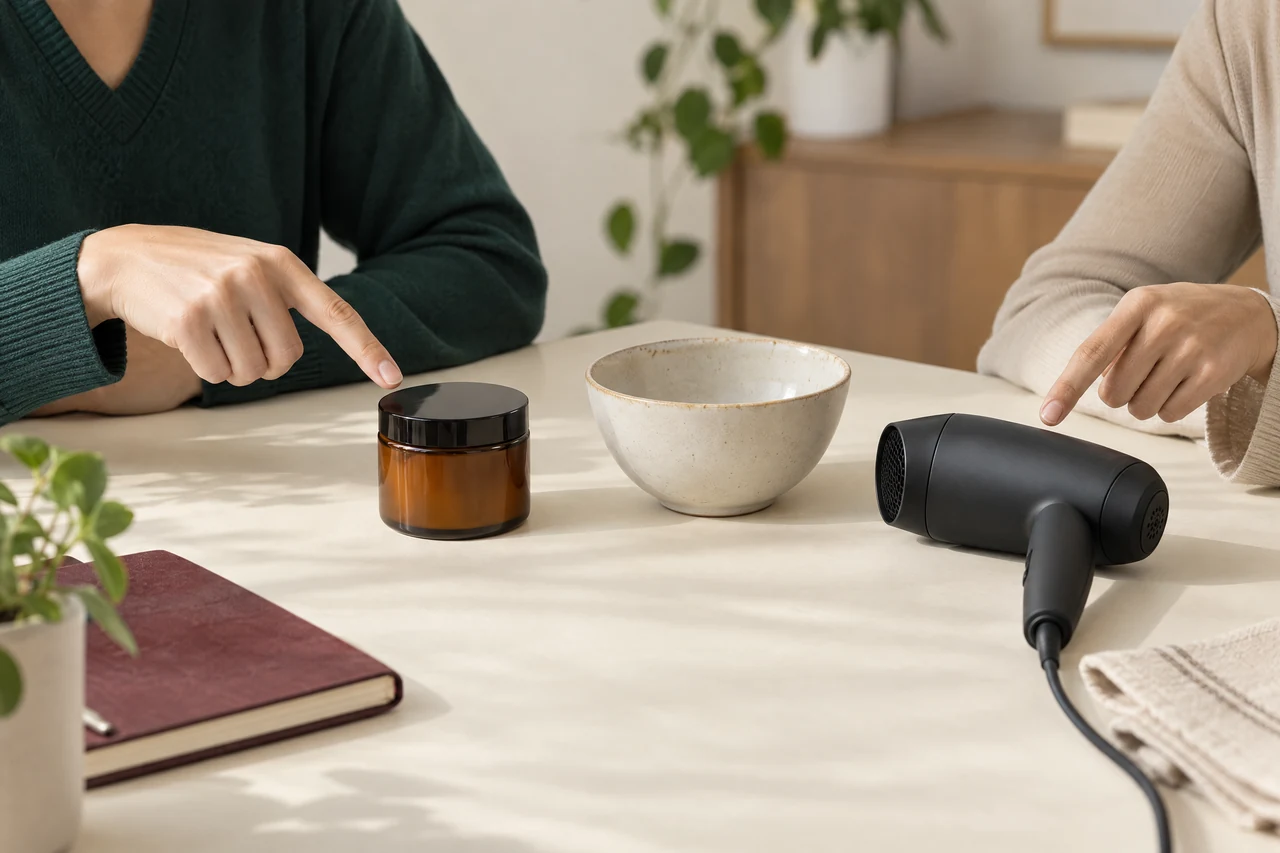
Check what the quote includes
What is included in a salon hair treatment depends on the actual menu and agreed visit. Check whether shampooing, blow-drying and finishing are included or separate, and whether the treatment is an add-on or can be booked alone. Compare complete quotes for the same scope rather than assuming a lower headline price buys the same visit.
Request a written outline that names the care, the areas being treated and the finishing arrangement. Ask whether a cut, scalp service or take-home product is optional. If the salon proposes a different service after seeing your hair, ask for the revised scope and total before it begins. A useful comparison is between agreed visits, not between similar-sounding product names on separate menus.
Vit So's confirmed menu lists moisture treatment at HK$1,500. That is a named menu entry, not a market average or a quote for every service called hair spa. The published notes also identify a possible long-hair supplement whose applicability must be confirmed. Ask which entry matches your proposal and what the complete visit costs; do not assume a standalone entry includes a cut or every finishing step.
Check the hair salon price list for published entries, then confirm the amount for your agreed scope.
Separate care, washing and finishing charges
When a treatment is offered with colour or a haircut, ask whether it is included in the package or charged additionally. Clarify whether the quoted finish is basic drying or a styled blow-dry, especially if you have plans afterwards. If a prepaid series is offered, request its validity, appointment rules and cancellation terms in writing before paying. Compare the value of the visit you need now before considering repeat purchases. A lower per-visit figure is not useful if the service or conditions do not suit you.
Read results and photographs cautiously
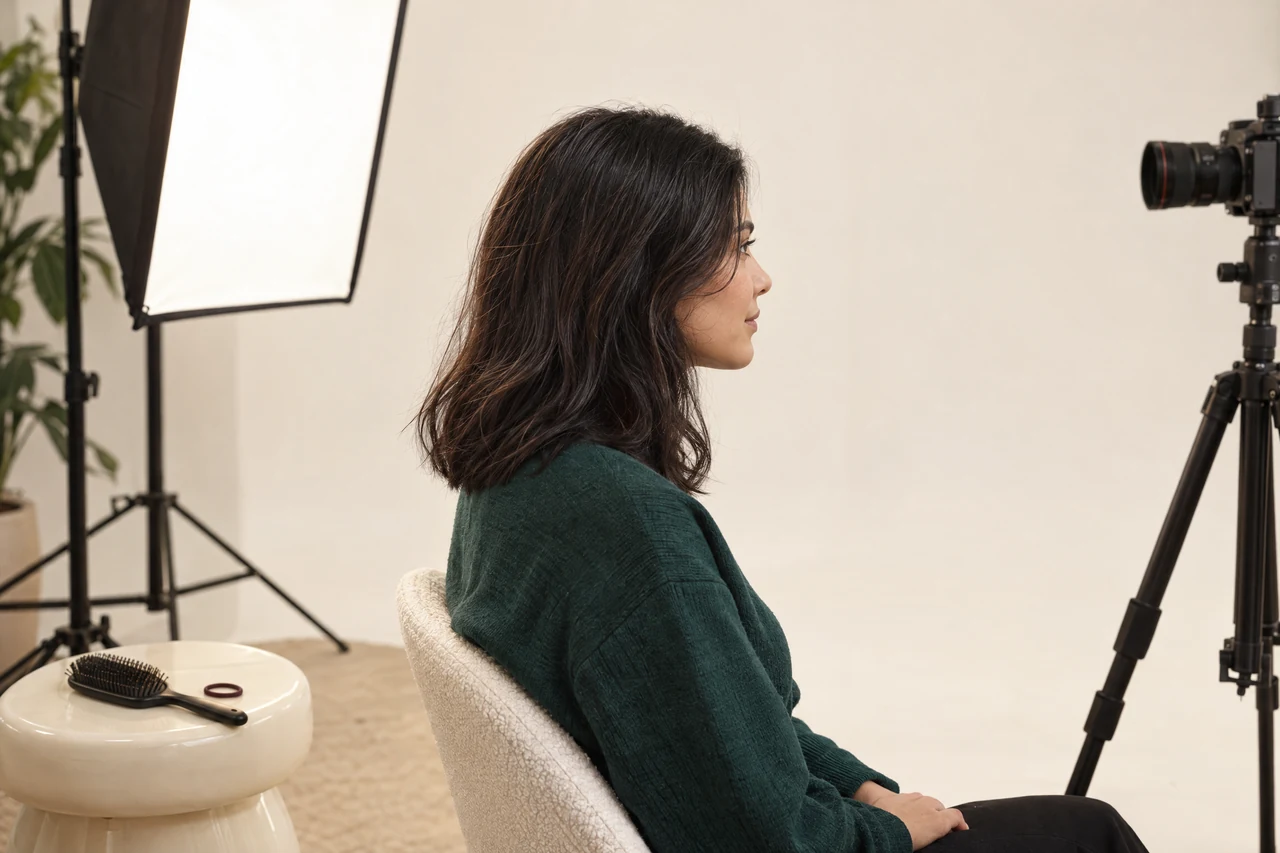
Lighting, brush tension, styling products and the direction of the hair can all change how shiny a photograph looks. Ask which benefit concerns touch or combing and which concerns the finished style. Keep your expectations tied to daily manageability and the limitations of the hair, not to a promise of identical results from a reference image.
Look for information accompanying a photograph: the starting condition, whether the hair was coloured or cut, and how it was finished. A straight, polished after-image is difficult to compare with an unstyled before-image if those differences are unexplained. Use the image to identify what appeals to you, such as less visible flyaway hair, then ask how much of that appearance relies on styling.
The distinction between hair treatment results vs blow dry finish helps you ask about the benefit you hope to notice after your own wash. If you normally let waves dry naturally, say so. If you use a dryer before work, explain the time and tools you have. Ask whether the provider's suggested outcome fits that routine instead of requiring a finish you will rarely reproduce.
A finished style is not evidence of permanent repair
Agree on practical observations rather than a photographic promise. You might look for less catching during gentle combing or a softer feel without a heavy coating. Ask what may change with washing and which aftercare instructions belong to the actual product used. A proposed duration should come with its conditions, not an unconditional guarantee. For your own notes, compare hair at a similar wash-and-dry stage; comparing wet lengths with a professionally styled finish will not help you decide whether the care suited you.
Confirm the visit before committing
A detailed treatment proposal still needs a workable appointment arrangement. Ask how much time to allow for consultation, care and finishing, rather than assuming the product's processing time is the whole visit. Explain if you need to leave for work or another commitment. If there is not enough time for the agreed scope, discuss a different slot instead of expecting steps to be compressed.
Before travelling to Sheung Wan, confirm the location and whether the requested service is available for your proposed visit. If you need to discuss your hair in spoken English, ask how that conversation will be handled. An English menu can help you prepare written questions, but it does not confirm the language of an in-person consultation. Also ask whether you should arrive with your usual styling products or follow another preparation instruction.
Make the agreement easy to check
Keep the agreed service description and quote together with the appointment details. Confirm any deposit and the rules for changing, cancelling or arriving late. These questions are particularly useful if you are comparing a standalone visit with a package. If a recommendation changes at the consultation, pause to understand the new proposal. You should be able to distinguish an enquiry, an appointment confirmation and your agreement to the actual work rather than treating an initial message as all three.

Choose care you can maintain at home
Compare the aftercare explanation as part of choosing the provider. Ask which instructions are specific to the proposed product and which are general handling advice. A useful plan should tell you how to care for the lengths without automatically requiring a large collection of new products. Explain your washing habits, regular swimming and preferred natural texture so that the advice can be practical.
The AAD's healthy hair guidance recommends gentle detangling and limiting excessive heat, with low or medium styling settings. Ask how the salon's advice fits those everyday habits. If the discussion only focuses on adding another treatment while overlooking forceful brushing or frequent high-heat styling, important parts of your routine remain unaddressed. Care selection and daily handling should support the same goal.
Review suitability before arranging repeat visits
Ask what to observe after washing and how to contact the provider if the finish feels unsuitable. Note whether the ends are easier to comb and whether the roots feel heavier than you wanted. Report discomfort rather than accepting it as evidence that a product is working. A useful follow-up conversation distinguishes your everyday result from the appointment-day style. It should help you reconsider the next step, not assume that every concern calls for a stronger product or another prepaid session.
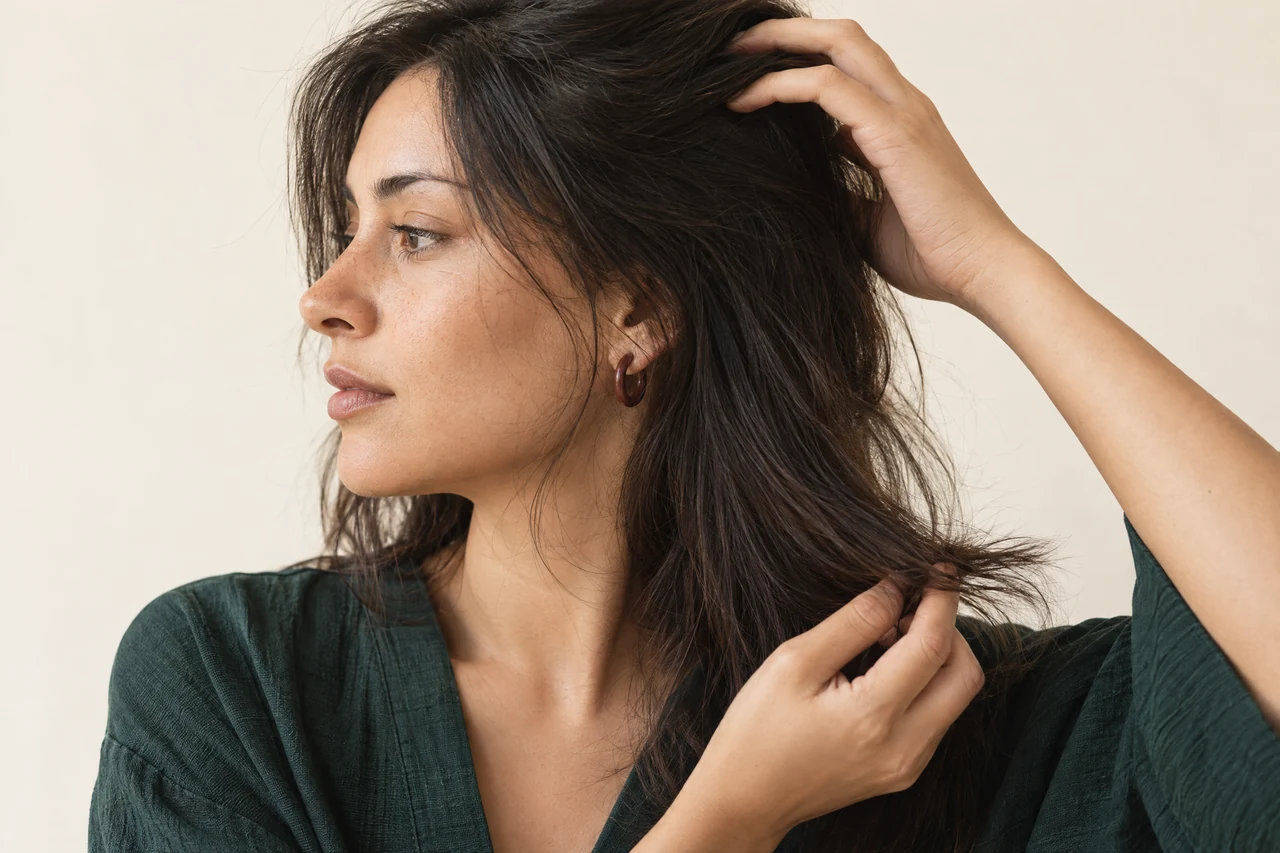
Compare treatment proposals by what you will receive, not by the spa name
| Comparison point | Useful information to request | Why it changes the choice |
|---|---|---|
| Main concern | Lengths, scalp or a change to natural texture | Different goals need different service explanations. |
| Actual procedure | Product name, application areas and any heat step | A conditioning mask is not automatically a smoothing process. |
| Complete quote | Care, washing, finishing and optional additions | Similar headline prices may describe different visits. |
| Expected result | Combing and touch versus a styled appearance | A glossy photograph cannot show your home routine. |
| Repeat purchase | Aftercare, review arrangements and package terms | Ongoing commitments should fit your needs and schedule. |
Your preparation checklist
- Write down where the concern occurs and when you notice it, including what you want to preserve about your hair.
- Prepare your colour, bleach, perm and straightening history; mention previous reactions and current discomfort.
- Ask for the actual product and steps, including application areas and whether natural texture is expected to change.
- Confirm the complete quote, washing and finishing arrangements, possible additions and whether the visit can be booked alone.
- Check the appointment duration, communication arrangement, preparation instructions and terms for changing the visit.
- Request practical aftercare and agree on what to observe at home before deciding on repeat treatment.
Frequently asked questions
Does a higher price guarantee better care?
No. Compare the proposed products, scope, included steps and suitability for your hair. Price alone does not show that one treatment will be a better match.
Should I choose by before-and-after photographs?
Photographs can support a discussion, but cannot establish permanent repair or your likely outcome. Consider lighting, finishing and the hair's starting condition before drawing conclusions.
Does an English website mean the consultation is in English?
No. If you need a spoken English consultation, check the communication arrangement before booking. An English information page is not confirmation of language support.
Make your treatment enquiry specific to your hair
Contact Vit So with your hair history, the areas that concern you and the finish you want to keep. Ask which available care fits that brief, what the visit includes and how the quote is arranged. An enquiry is not a confirmed booking.
Start your WhatsApp enquirySources & further reading
- Tips for healthy hair
Conditioner's role in manageability, application for different hair types, gentle detangling and limiting excessive styling heat.
- Hair Smoothing Products That Release Formaldehyde When Heated
Product and ingredient questions when a proposed treatment is a heat-sealed smoothing procedure that may release formaldehyde.



