






How long does a salon blowout last for your routine?
The useful question is how the finish fits your plans, not which universal day count applies. Tell the stylist about your hair texture, washing routine and the event or meeting you are preparing for. A very defined outline may show small changes sooner than a relaxed finish, so agree on what you want to preserve most.
Define what you mean by lasting. Hair can still look presentable after the crown has settled or a round-brush bend has softened. That is different from matching the exact shape seen in the salon mirror. For a portrait, you might prioritise an open fringe and a clear parting. For an ordinary workday, comfortable movement may matter more than maintaining maximum lift at the roots.
Explain how your hair behaves before styling, not just how you would like it to look afterwards. Mention whether your roots become oily while the ends remain dry, whether your natural wave returns around the temples, and whether the ends rest against your shoulders. These observations help the stylist discuss which details may change first without turning a hair-type label into a promise.
Review blow dry to check its service scope and the details to share before arranging the related work.
How long does a salon blowout last? Start with daily conditions
Look at the route from the salon to the moment that matters. An indoor meeting reached by a sheltered journey creates different demands from a walk followed by an energetic evening. Include exercise, showering and any need to tie your hair back. Choose a finish you will still like when it relaxes, especially if you cannot comfortably avoid those activities. The aim is a useful shape within your actual routine, not a routine organised entirely around the hairstyle.
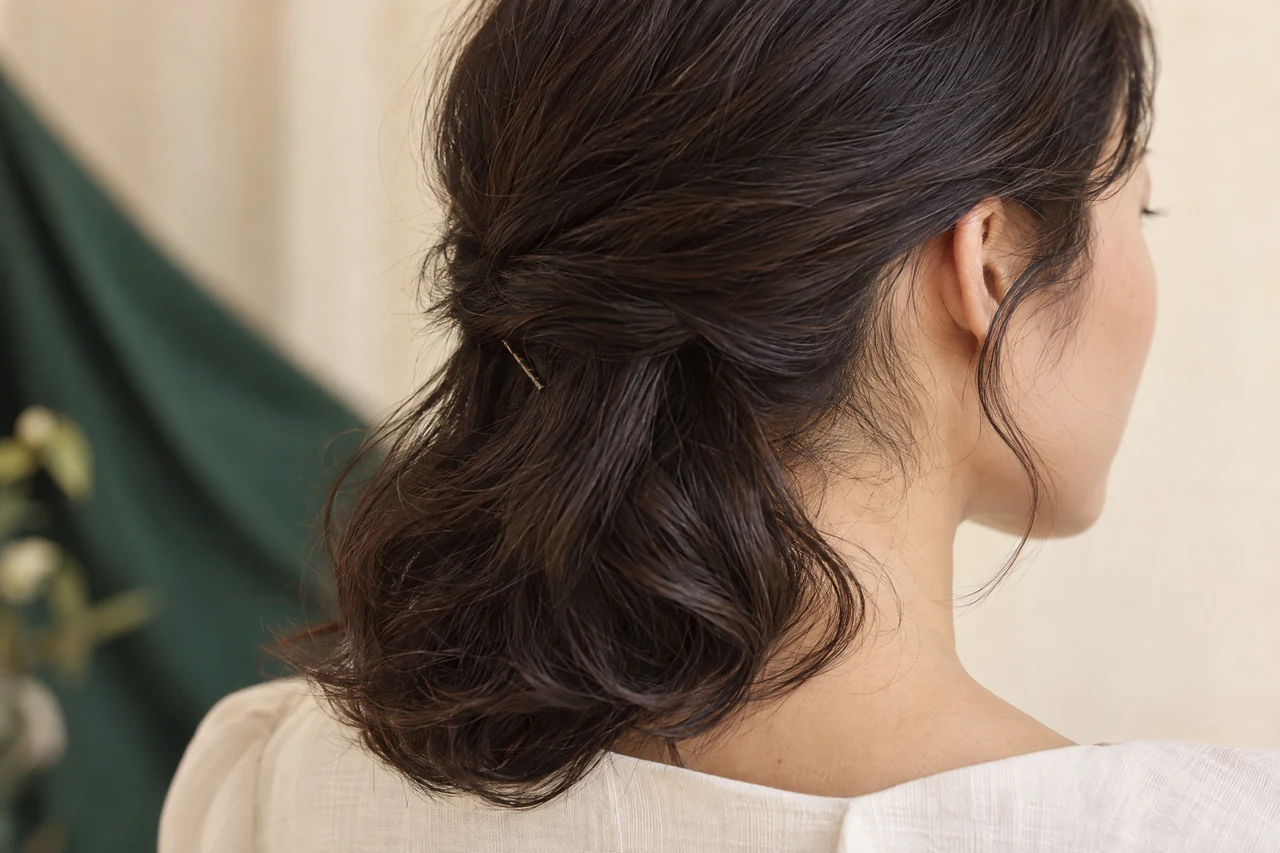
Washing and moisture can change a temporary finish
A blowout creates a temporary shape rather than a permanent change to texture. Washing, rain and sweat can affect that shape, and your hair may return towards its usual behaviour. Ask for care advice suited to your hair and routine; do not postpone necessary hygiene solely to meet an advertised duration or assume a styling finish is chemical straightening.
There is a physical reason for that change. Michelle Wong's Lab Muffin explanation of water and hydrogen bonds describes how water and heat affect the bonds involved in temporary hair shape. Drying and cooling can hold a new arrangement, but moisture can alter it again. Humidity changes can therefore affect the outline even when your hair has not been soaked by rain.
For a journey from Sheung Wan to your destination, think about exposed walking as well as the appointment itself. An umbrella can reduce direct wetting, but it does not make the surrounding air dry. Avoid trapping the lengths against wet clothing where practical. If the finish starts to soften, check whether the parting still sits well before deciding that the entire blowout needs redoing.
The American Academy of Dermatology's healthy hair tips recommend washing according to how often hair becomes dirty or oily. Use that care principle rather than a styling deadline. After a sweaty workout, decide whether your scalp needs cleansing; a fresh shape can be recreated later.
Separate styling from a lasting texture service
If your goal is to change how your hair behaves after every wash, that is a different consultation from preparing a temporary finish for an occasion. Our guide to straightening treatment vs blow dry helps distinguish those goals. A smooth blowout alone does not establish what a chemical service could achieve or whether it suits your hair history. Describe the recurring concern separately from the look you want today.
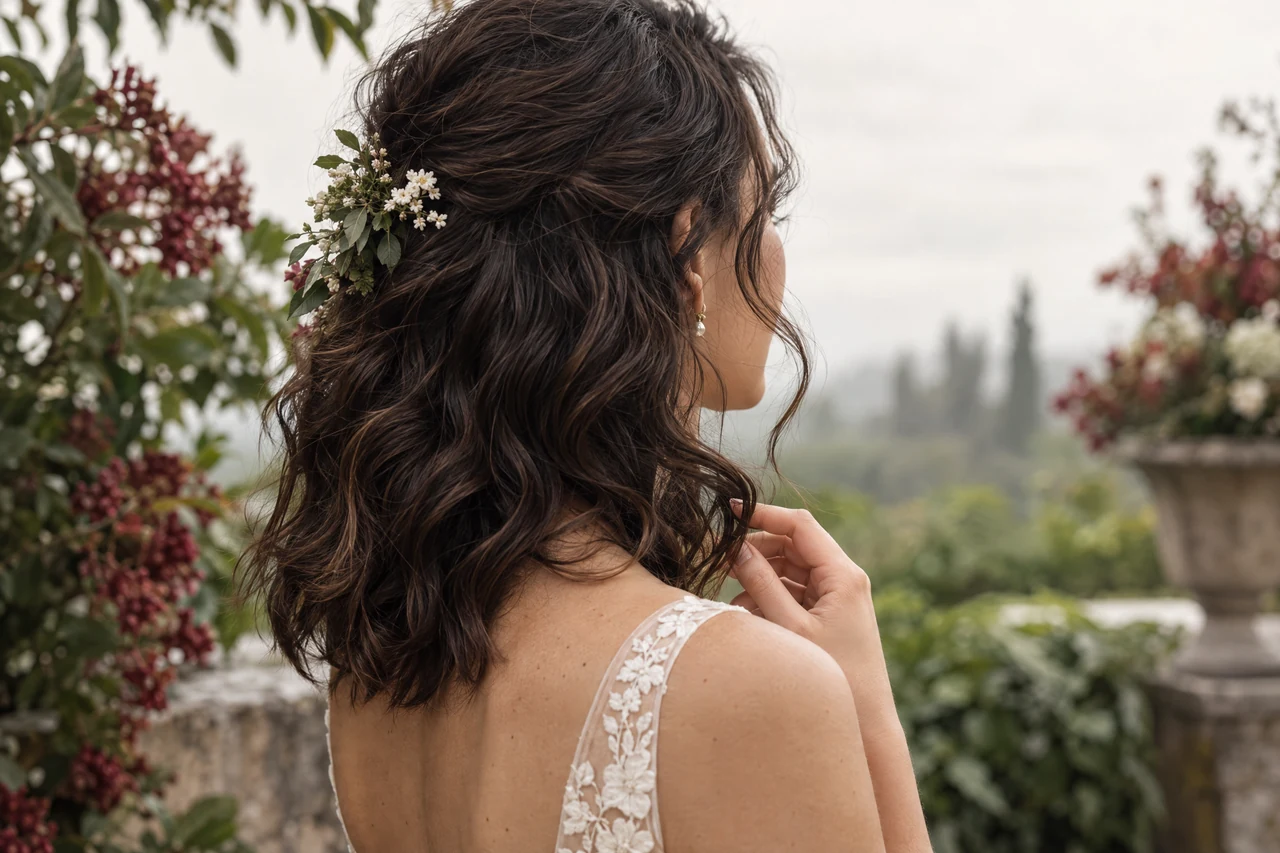
Sleep, hats and handling alter the visible outline
Pressure from sleep or headwear and repeatedly moving the same sections can change the parting, crown and ends differently. Notice where your hair usually flattens or bends and explain that during the appointment. Request practical care advice for the agreed finish instead of adding unfamiliar products or heat routines on the assumption they will extend it.
An overnight appointment plan should include how you normally sleep. Ask whether leaving the hair loose or gathering it gently would better suit the chosen finish. A tight tie placed across a smooth section can leave a bend, while gathering loose waves changes how they sit together. A familiar, comfortable arrangement is more practical than trying a complicated wrapping method for the first time before an important morning.
Headwear creates its own trade-off. A cap may protect you from sun while pressing down the crown. A helmet must still be worn correctly for safety; preserving root volume is not a reason to loosen it. Tell the stylist about unavoidable headwear so you can prioritise visible details below its edge, or accept that the roots may need a later adjustment.
Review hair styling to check its service scope and the details to share before arranging the related work.
Notice which details change first
Check the hairline, parting and ends separately after sleep or travel. A flattened crown, a clip mark and softened waves are different changes. Avoid repeatedly combing the whole head just because a small front section has moved; that can also loosen details you still like. If you need help, describe the area and what happened before it changed. A clear observation gives the stylist something more useful than saying the blowout did not last.
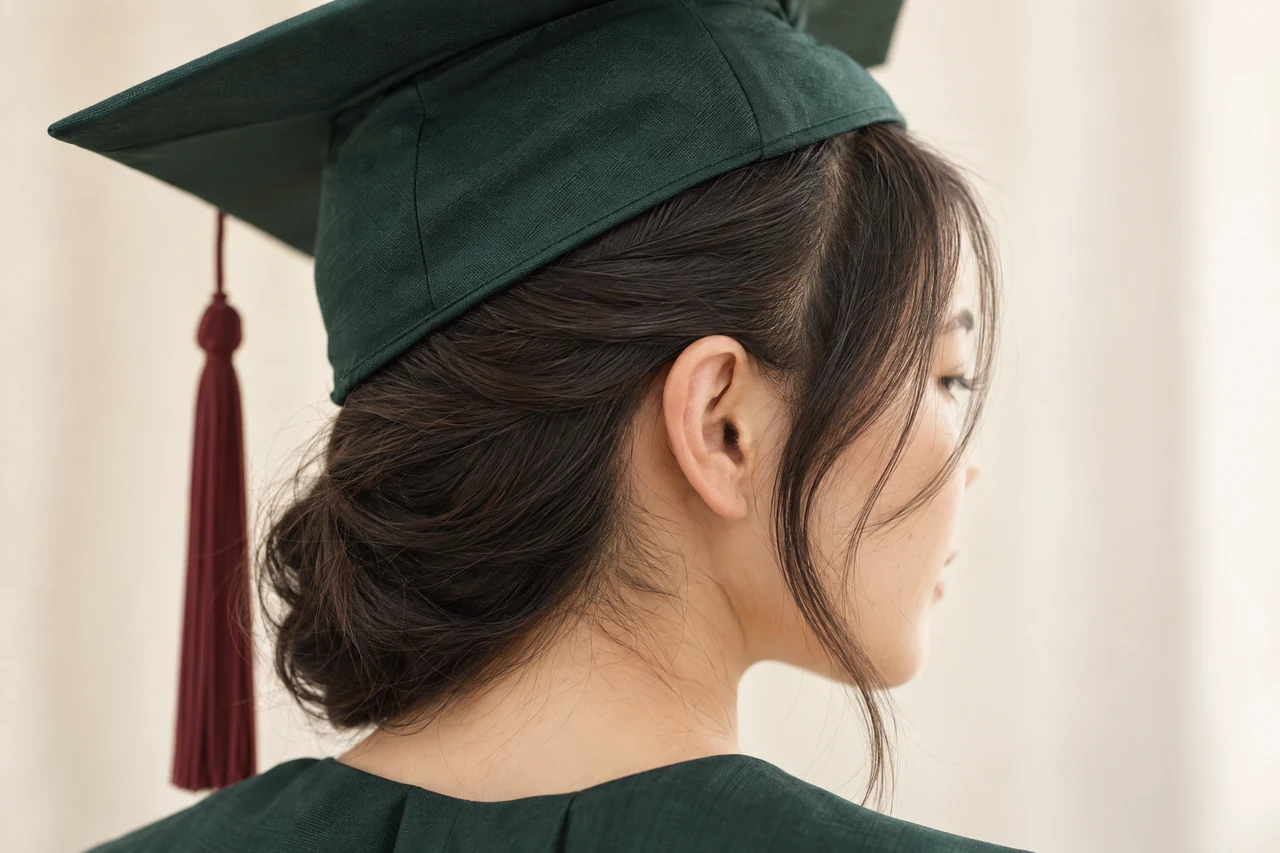
Time the appointment around your main priority
Tell the stylist when your main photographs or occasion will happen and allow for travel after the salon visit. Discuss a suitable appointment plan without assuming a same-day opening. If the finish changes later, assess whether an ordinary adjustment or another appointment is appropriate; repeat services and later touch-ups need their own availability and quote.
Working backwards from your departure is more helpful than asking for the latest possible appointment. Explain when you must leave, whether you will change clothes afterwards, and how you will travel. A narrow-necked top pulled over freshly styled hair may disturb the front or ends. Where practical, plan clothing changes so they do not require dragging fabric across the finished outline.
The listed wash and blow dry price is HK$240. This is a service price, not a promise of wear time or a package of later refreshes. Confirm the requested work and whether any long-hair supplement applies when enquiring. If you want a more structured finish rather than an ordinary blowout, describe it clearly so the service scope and quote can be agreed.
Use book a hair appointment to send the intended work and possible dates; wait for confirmation before travelling.
Leave room for travel and realistic changes
Decide which moment deserves the freshest outline if your plans extend from daytime into evening. You may prefer a defined finish for the main photographs and accept softer movement later. Alternatively, ask whether a simple gathering method could keep the hair comfortable without recreating the original shape. Confirm what you can manage yourself and what would require another appointment, rather than relying on an unplanned return to the salon.
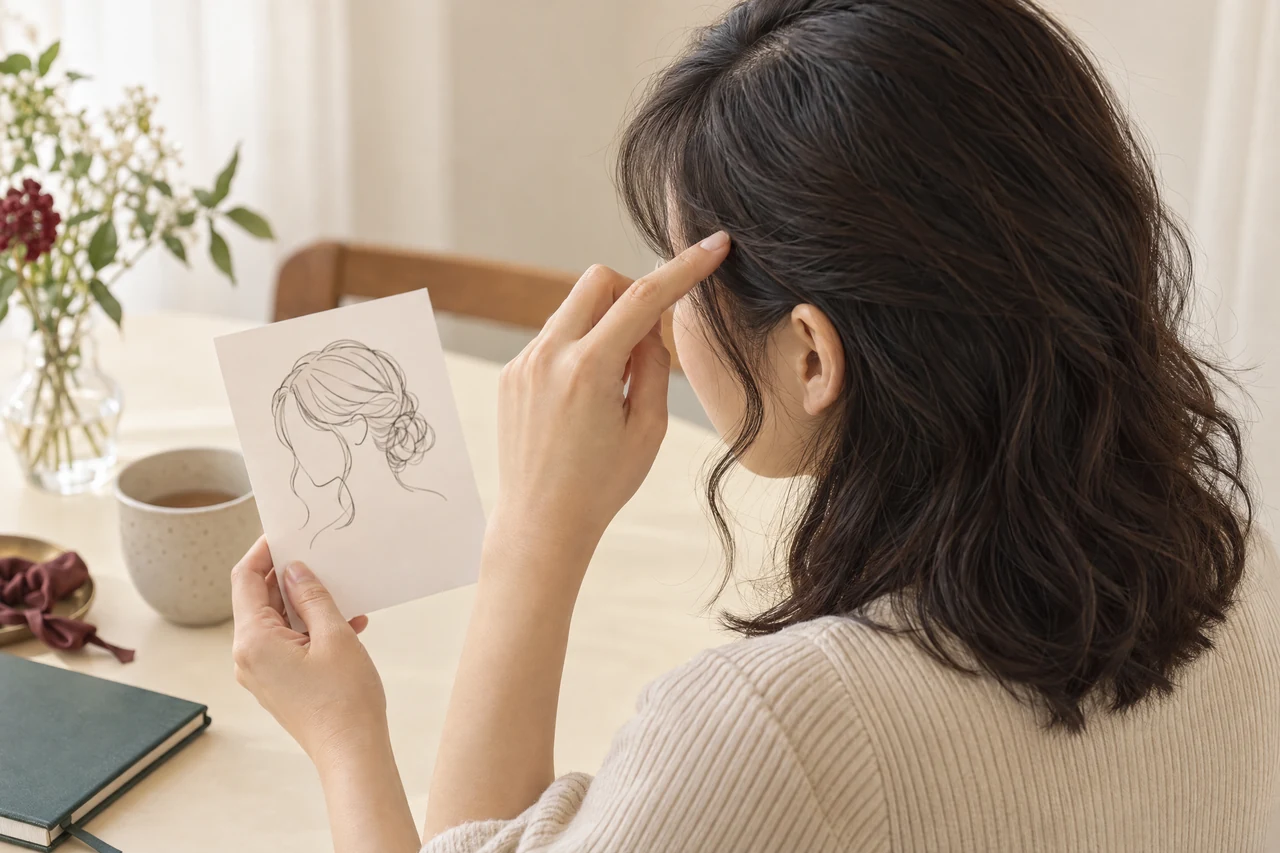
Use dry shampoo for oiliness, not as a wash replacement
Oiliness at the roots is not the same problem as losing a wave at the ends. In its dry shampoo advice, the American Academy of Dermatology explains that dry shampoo absorbs oil but does not clean the hair. It can help the appearance between washes, but it cannot restore every bend or make a damp blowout unchanged again.
The AAD recommends washing with regular shampoo and water after one or two uses of dry shampoo. That is published cleansing advice, not a prediction of how long your style will remain defined. If you use dry shampoo, choose a product suited to your colour and hair type, follow its directions, and start with a small amount only where needed. More product can leave visible particles or a stiff, gritty feel.
Keep the scalp comfortable while assessing the finish
Do not coat dry lengths simply because the roots look oily. Check how the hair and scalp feel as well as their appearance, and stop a product if it causes irritation. If cleansing is needed, treat washing as the end of that temporary finish rather than a failure. Ask for advice on drying your hair afterwards if you want an achievable everyday outline instead of extending the salon shape at all costs.
Choose a small refresh before restarting the whole style
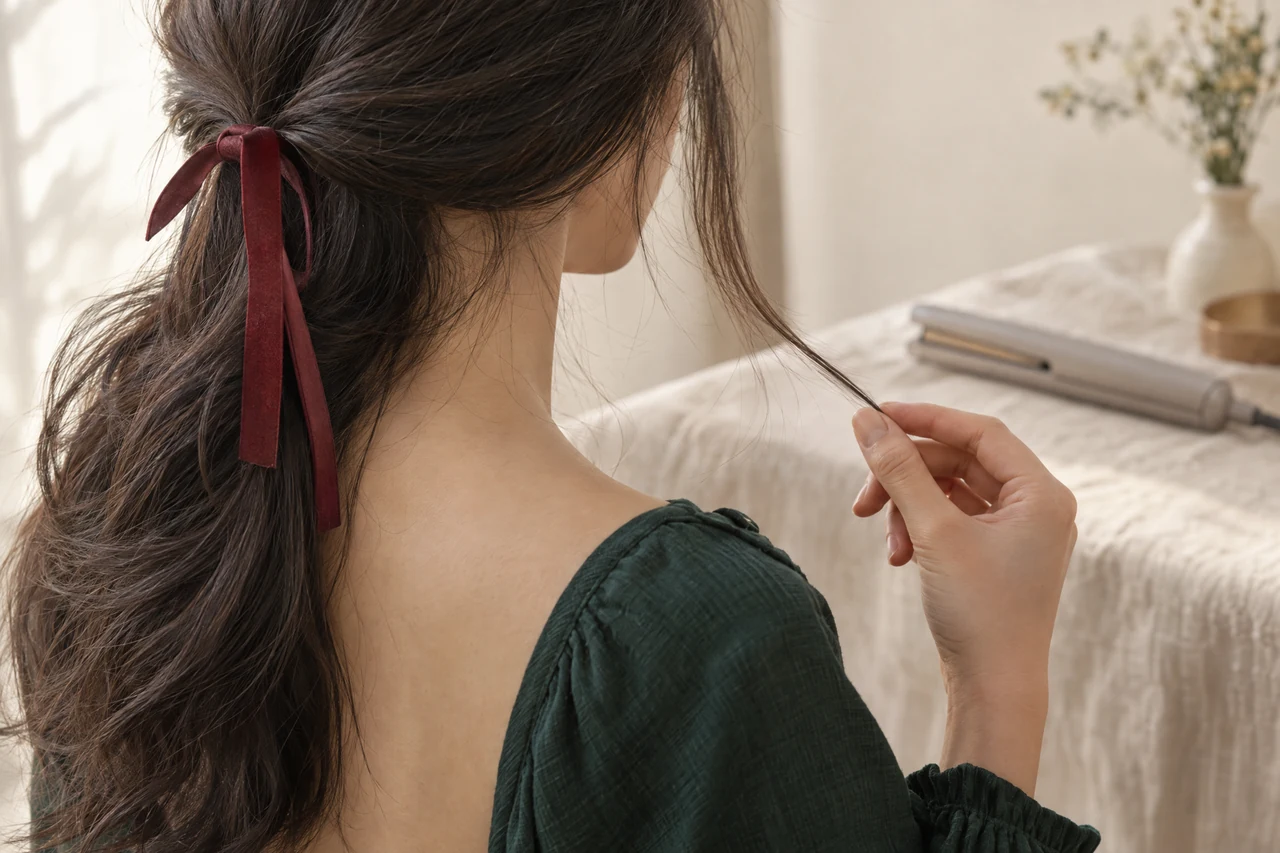
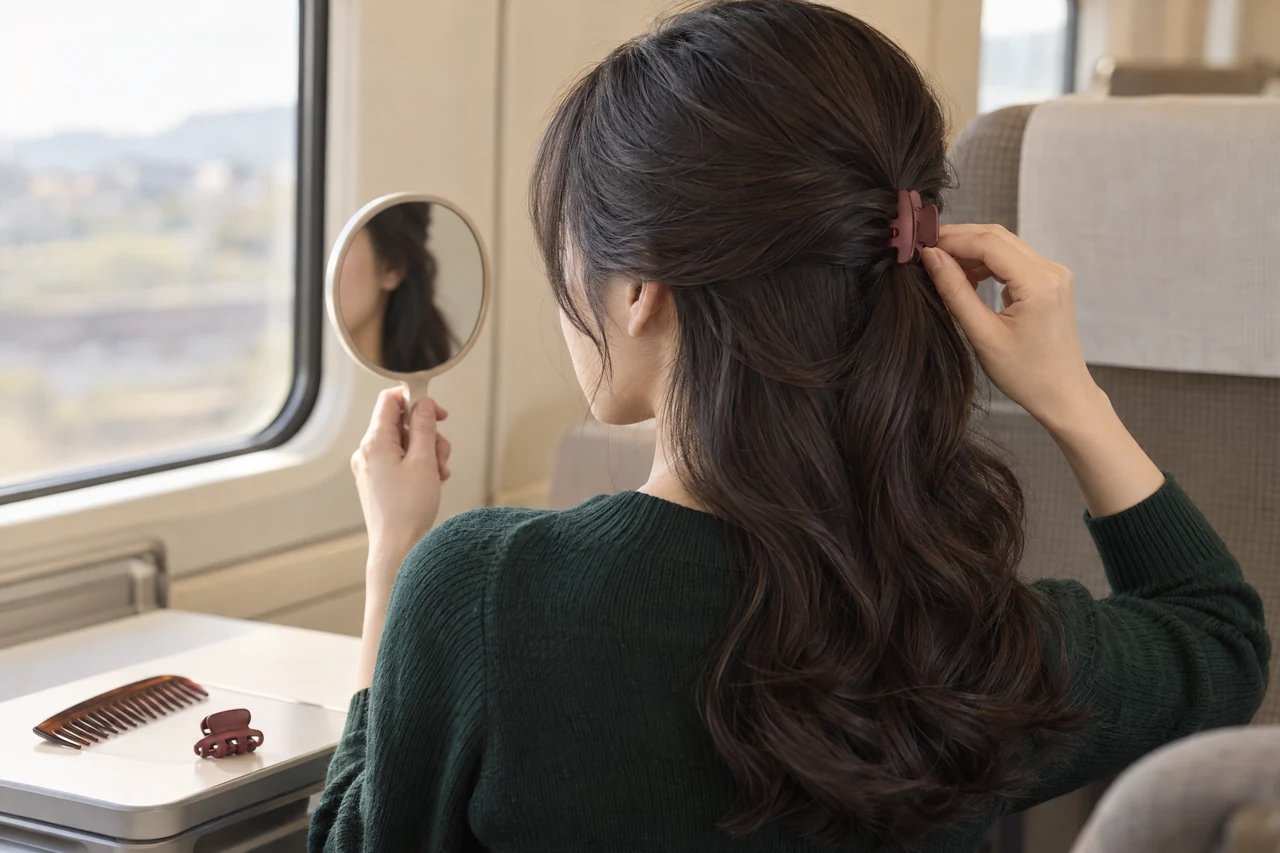
A refresh should answer a visible need. If the ends have relaxed but the front is still tidy, you may be happy to leave them softer. If the hair is uncomfortable around your neck, a gentle gathering may be more useful than adding volume. Agree on any accessory or handling method with the stylist beforehand, especially if you are relying on it between locations.
For home adjustments, the AAD advises limiting heat styling and using low or medium heat with a heat-protective product. Repeatedly applying hotter tools is not a reliable way to preserve the original finish without adding stress. Read how to protect hair from heat styling before making heated touch-ups part of your routine, and ask whether a non-heated adjustment would meet your immediate need.
Bring a clear question back to the stylist
If the change is unexpected, take a straightforward photograph showing the affected area and explain whether it followed rain, sleep, headwear or washing. Ask what adjustment would suit the hair in its current condition. Keep the useful lesson for a future appointment: perhaps you prefer less emphasis on crown height, a softer end shape, or timing closer to the main occasion. That makes the next plan more personal without promising a fixed lifespan.
Match a blowout change to the decision that actually matters
| Condition | What to assess | Practical decision |
|---|---|---|
| A sheltered indoor day | Whether a softer crown or end bend still looks appropriate | Choose the details worth preserving rather than expecting an identical salon outline |
| Rain, moisture or a sweaty activity | Which sections became damp and whether cleansing is needed | Protect from direct wetting where practical; keep necessary washing in the routine |
| Sleep or required headwear | Flattening at the crown, shifted parting or pressure marks | Plan around unavoidable pressure and ask about a manageable local adjustment |
| Oily roots with dry lengths | Scalp comfort and oiliness separately from wave definition | Use suitable dry shampoo sparingly between washes, not as a cleansing replacement |
| A long gap before the main occasion | Travel, clothing changes and the priority photograph time | Discuss appointment timing and whether any later service needs a separate booking |
Your preparation checklist
- Identify the feature you most want to preserve: an open fringe, root lift, smooth lengths or defined ends.
- Share your natural texture, normal washing routine and where the hair usually becomes oily or flattens.
- Explain the main occasion time, required departure and any exposed travel after leaving the salon.
- Mention exercise, overnight sleep, helmets or other headwear that the plan must accommodate.
- Ask for a simple care or refresh method you can comfortably carry out, including when washing is appropriate.
- Confirm the service scope, applicable supplements and appointment details; arrange any later salon refresh separately.
Frequently asked questions
Is a fixed number of days guaranteed?
No. Texture, washing, weather and daily activity affect the finish. Ask for expectations and care advice based on your own hair and the shape you request.
Does a blowout replace straightening or a perm?
No. A blowout is temporary styling. Chemical straightening and perming are separate services with their own suitability questions and care requirements.
Can I book on the day of my event?
You can enquire with the date and departure time, but same-day availability is not assured. Treat the appointment as booked only after explicit confirmation.
Plan a blowout around the moment that matters
Tell Vit So your preferred finish, natural hair behaviour and when you need to leave the Sheung Wan salon. Ask about suitable timing, the service quote and practical care for your plans. Your enquiry starts the discussion; the appointment is confirmed only when the details are explicitly agreed.
Start your WhatsApp enquirySources & further reading
- Tips for healthy hair
Washing according to dirt and oiliness, limiting heated styling, and using lower heat settings with heat protection.
- Dry shampoo: Dermatologists' tips for getting your best results
Dry shampoo absorbs oil rather than cleansing; small targeted amounts and continued washing with shampoo and water are advised.
- Hair frizz science: water and hydrogen bonds
How water and heat affect temporary shape and why wetting or changing humidity can alter a styled outline.



