






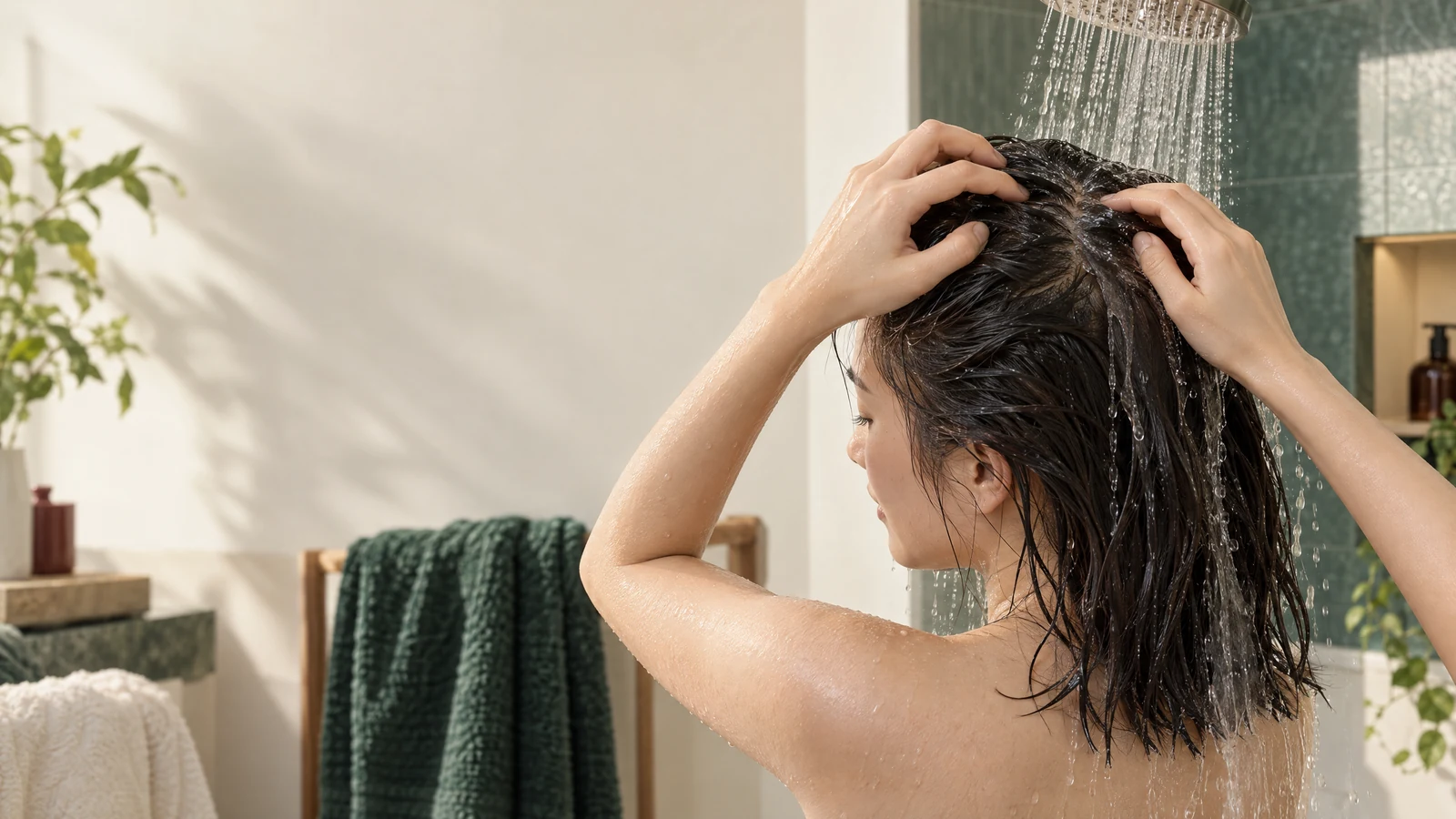
How to remove product buildup from scalp: start with the record
Write down the products used between washes, where they are applied and how often you add another layer. Include dry shampoo even when you do not think of it as styling. This record helps a cosmetic scalp buildup removal discussion stay specific: the task is to review surface residue and routine, not to infer a scalp condition from texture alone.
Start with the last wash you remember clearly. Note the shampoo and conditioner, followed by anything applied before drying or during later touch-ups. A root spray used for lift belongs in the record, as does wax worked through short hair or a finishing cream that reaches the hairline. Save photographs of labels so application directions are available without relying on memory.
Describe the sensation in ordinary words: powdery near the parting, sticky at the fringe, or heavy only after a touch-up. Record the location as well as the timing. A coated patch immediately after washing raises a different routine question from roots that feel comfortable until styling products are reapplied. Neither observation identifies the material on its own.
The American Academy of Dermatology's dry-shampoo guidance explains that dry shampoo absorbs oil rather than cleaning hair. Too much can leave hair stiff or gritty. Using more to disguise an already coated feeling therefore adds another application to investigate, rather than completing a wash.
Questions about how to remove product buildup from scalp
Ask whether the product was intended for the roots, whether it was used on wet or dry hair, and whether its required removal step was completed. Compare workday styling with weekend styling: repeated fringe touch-ups may matter more than a product used only occasionally on the ends. Keep scalp buildup as a working description, not a conclusion about what is happening beneath the surface.

Scalp build-up and the washing routine
Scalp build-up is a description to investigate, not a diagnosis. Follow each product's washing instructions and rinse as directed. When considering scalp build-up removal, explain whether the coated feeling remains immediately after washing or returns after more products are applied. Avoid layering another product simply to disguise the sensation before you have reviewed the routine.
For the next routine wash, first check the shampoo label and wet the hair and scalp as directed. Make sure the root areas you want to wash are accessible rather than applying shampoo only to the outer layer of hair. Use gentle fingertips rather than scraping with nails. There is no need to create a harsh, squeaky feeling as proof that cleaning has worked.
The AAD's healthy-hair tips recommend applying shampoo to the scalp rather than the entire hair length. This targets built-up products and excess oil while helping avoid unnecessary drying of the lengths. During rinsing, gently separate dense areas so water reaches the hairline, behind the ears and the nape; follow the directions for each rinse-off product.
Keep the conditioning step appropriate to your hair. The same AAD guidance distinguishes conditioner on the ends for fine or straight hair from conditioning the full length of dry or curly hair. Roots that feel heavy do not cancel the needs of tangled or processed ends. Review where conditioner is applied and how it is rinsed before deciding to remove it entirely.
If roots feel oily again later, record the time and whether further products were used. Oiliness and cosmetic residue can be discussed separately even when they seem to occur together.
Continue with oily scalp care for that specific comparison and the preparation questions it raises.
Application, rinsing and the coated feeling
Check the roots after drying and before your usual root spray or dry shampoo. Keep the observation brief and avoid repeated scratching or picking. If the same area still feels coated, note exactly how you washed and rinsed it. Do not automatically repeat shampoo applications, extend a product's contact time or use a larger amount; review the instructions and ask for advice about the persistent sensation.
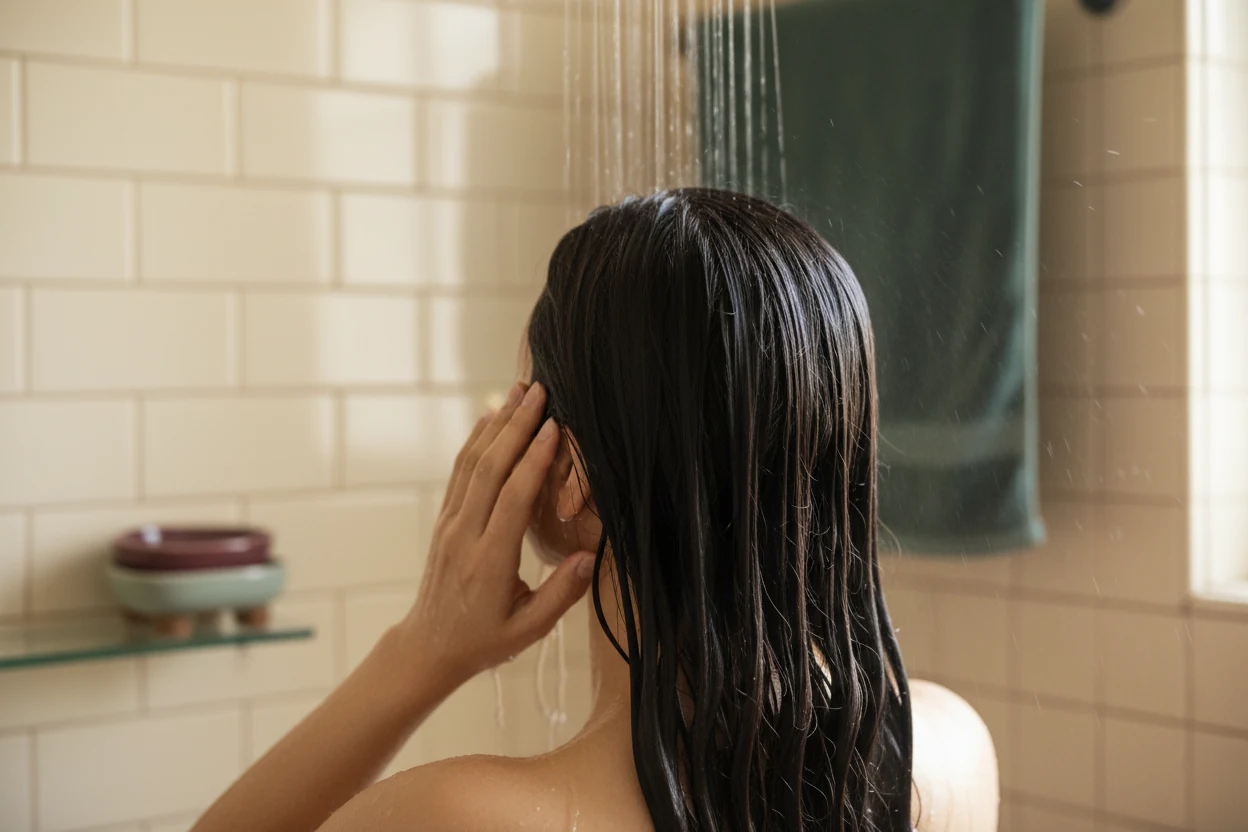
A scrub is not the default next step
An extra cleaning appointment should have a clear purpose and a description of the products involved. Do not infer that residue requires a physical scrub or a stronger exfoliating formulation. Ask whether the suggested step fits your current comfort and product instructions, and clarify which parts of the scalp and hair it is intended to address.
A product called clarifying, exfoliating or deep cleansing does not tell you everything about its suitability. Check the actual directions, intended application area and compatibility with any recent colour or texture service. A longer appointment or more elaborate product sequence is not automatically a better answer to a coated fringe. The useful comparison is what would change from your current washing routine.
Ask whether an additional step is optional and what ordinary cleaning alternative is available. Avoid combining a new cleanser, a scalp scrub and several leave-on products simply because they all appear to address buildup. Changing the whole routine together makes it harder to identify which step affects comfort or the finished feel.
Continue with scalp exfoliation vs scalp cleansing for that specific comparison and the preparation questions it raises.
Compare the actual cleaning approach
Before agreeing to an extra service, ask what will be applied, how it will be removed, and whether the finish includes conditioner or styling at the roots. Explain if you want to assess the clean roots without heavy finishing products. A polished blow-dry may be welcome, but it should not be confused with evidence that all residue has been removed.
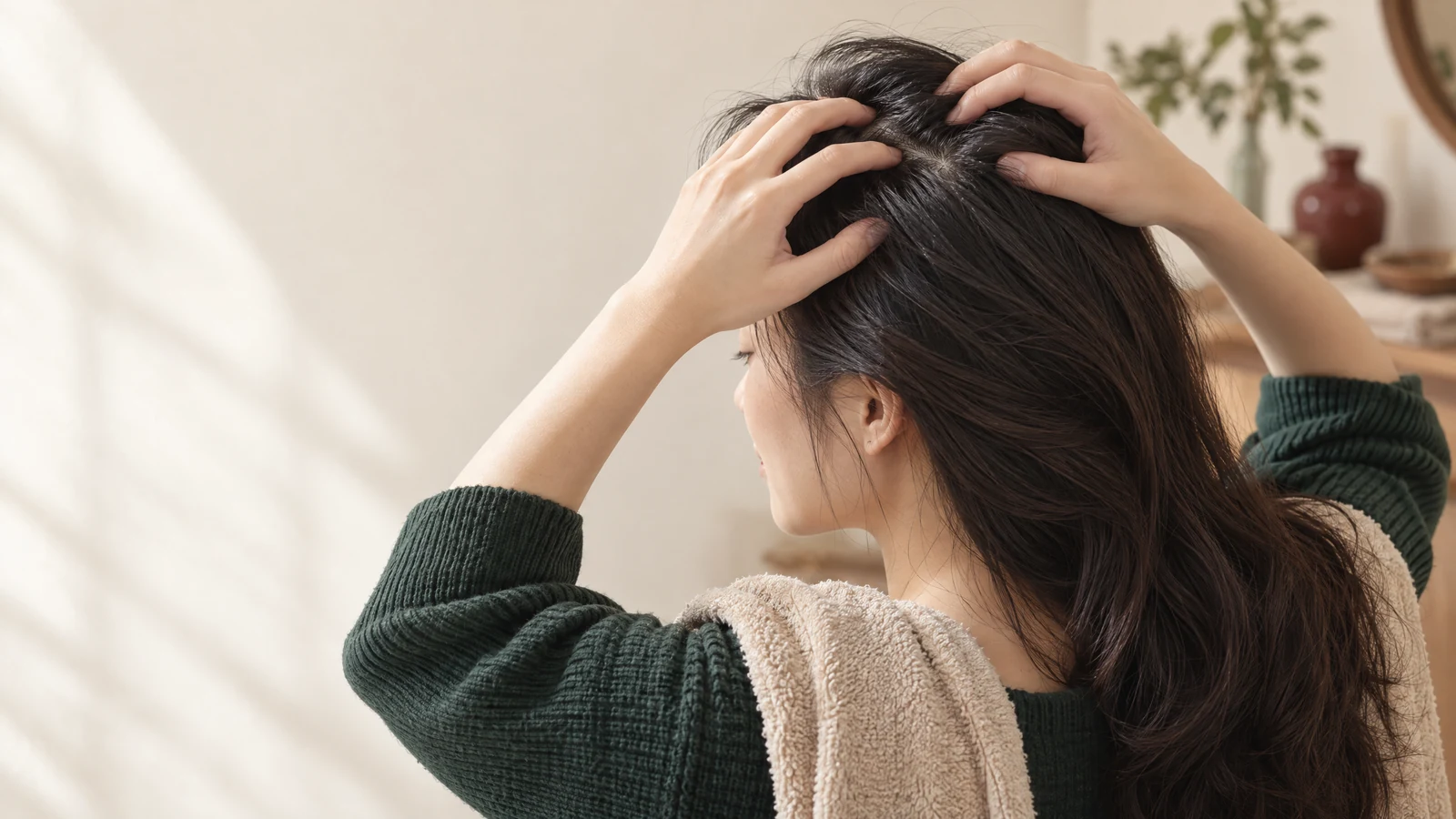
Judge comfort as well as appearance
Note how the scalp feels after routine washing as well as how the roots look. A coated appearance, flakes or a smell cannot establish the underlying cause. Persistent soreness, redness, itching or a change in shedding needs healthcare assessment; repeating cosmetic cleaning without addressing these observations is not a substitute for appropriate advice.
A useful follow-up note separates appearance from sensation. Record whether the roots look less clumped, whether they feel easier to move, and whether the scalp feels comfortable. If the hair looks fresher but the skin still burns or itches, do not count the cosmetic improvement as resolution of the discomfort. Tell a healthcare professional about the symptoms and the products used.
AAD's dry-shampoo guidance advises stopping dry shampoo if itching, burning or other irritation develops. Do not cover that sensation with more powder or fragrance. Visible flakes should also be described without assuming they are remnants of a styling product, particularly if they continue despite reviewing the routine.
When cosmetic cleaning is no longer the right question
A salon enquiry can clarify washing products and cosmetic service scope; it cannot diagnose the cause of persistent discomfort or a shedding change. Explain these observations before arranging cleaning so the next step can be considered appropriately. You do not need to arrive with a self-diagnosis or prove that the scalp looks especially coated to ask for healthcare advice.
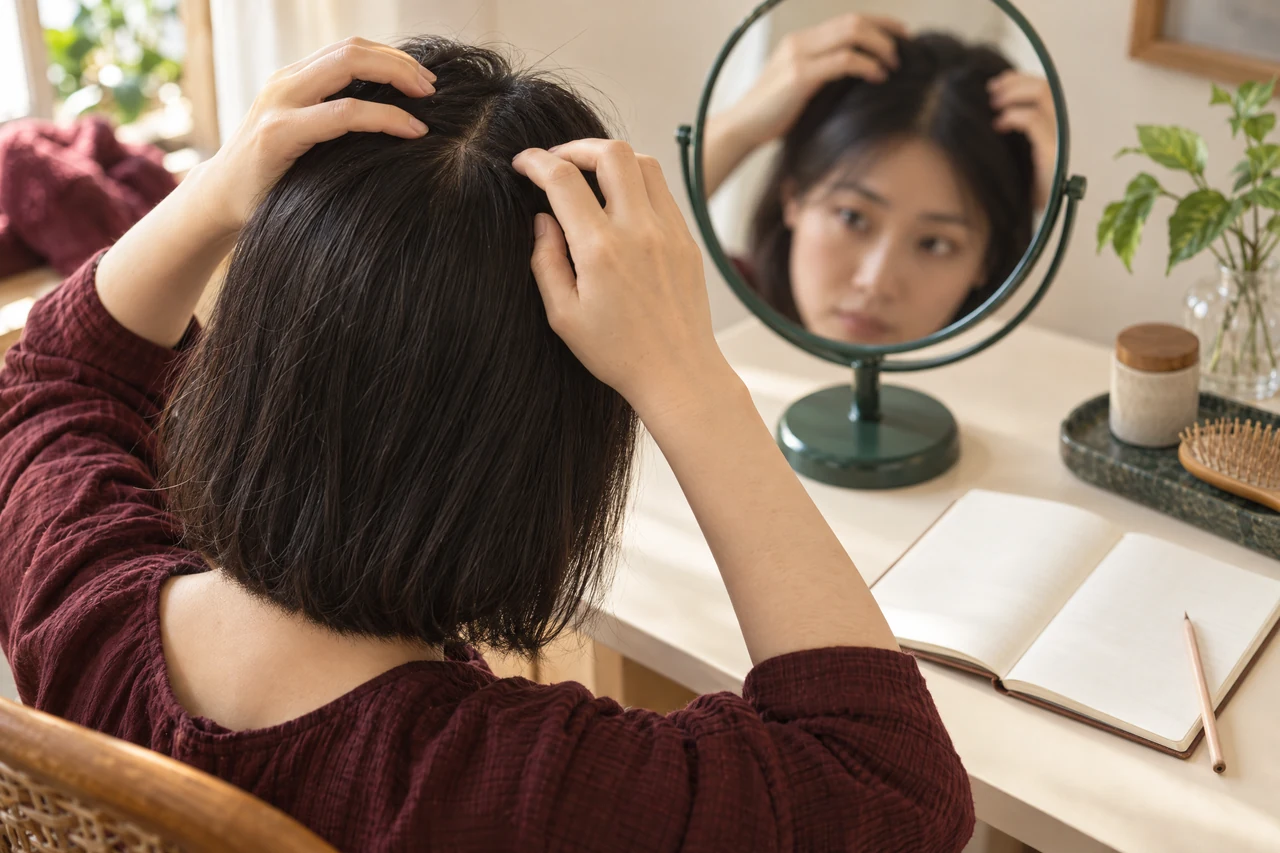
Prepare a focused cleaning enquiry
Bring the product record, label photographs and a clear description of when the coated feeling appears. Include recent colouring, perming or straightening and any aftercare instructions you were given. Ask whether you should arrive with your usual styling products or avoid adding another layer; do not invent a preparation rule before the service has been discussed.
For a visit to Vit So at 252 Hollywood Road, Sheung Wan, distinguish a cosmetic cleaning goal from a styling goal. You might want help reviewing a heavy root finish while keeping conditioner on dry lengths. Confirm the proposed products, included finish and charges before proceeding. The listed price for professional scalp care is HK$980. This is a service price, not a promise of complete residue removal or confirmation that the service is suitable for every concern.
Review scalp treatment to check its service scope and the details to share before arranging the related work.
Use what to ask before a scalp treatment to prepare questions about the cleaning method, your current products and the finish you want to assess afterwards.
Agree on what you will assess afterwards
Ask how to review your routine after the appointment and whether finishing products will affect the root feel you are trying to compare. Leave with a clear account of what was used, rather than a vague instruction to clean more deeply. An enquiry begins the discussion; the service details and appointment still need confirmation.

Reduce unnecessary layers without abandoning styling
Keep the products that have a clear job, and review applications that overlap. If a cream is intended for the lengths, apply it there rather than carrying it onto the roots. A root product should be used according to its own label, not treated as interchangeable with a leave-in conditioner.
The AAD's leave-in conditioner tips recommend small amounts on the hair rather than the scalp, where application can cause buildup and irritation. They also distinguish leave-in from rinse-off products. For the broader conditioning decision, hair mask vs conditioner helps you compare their roles instead of adding both by habit.
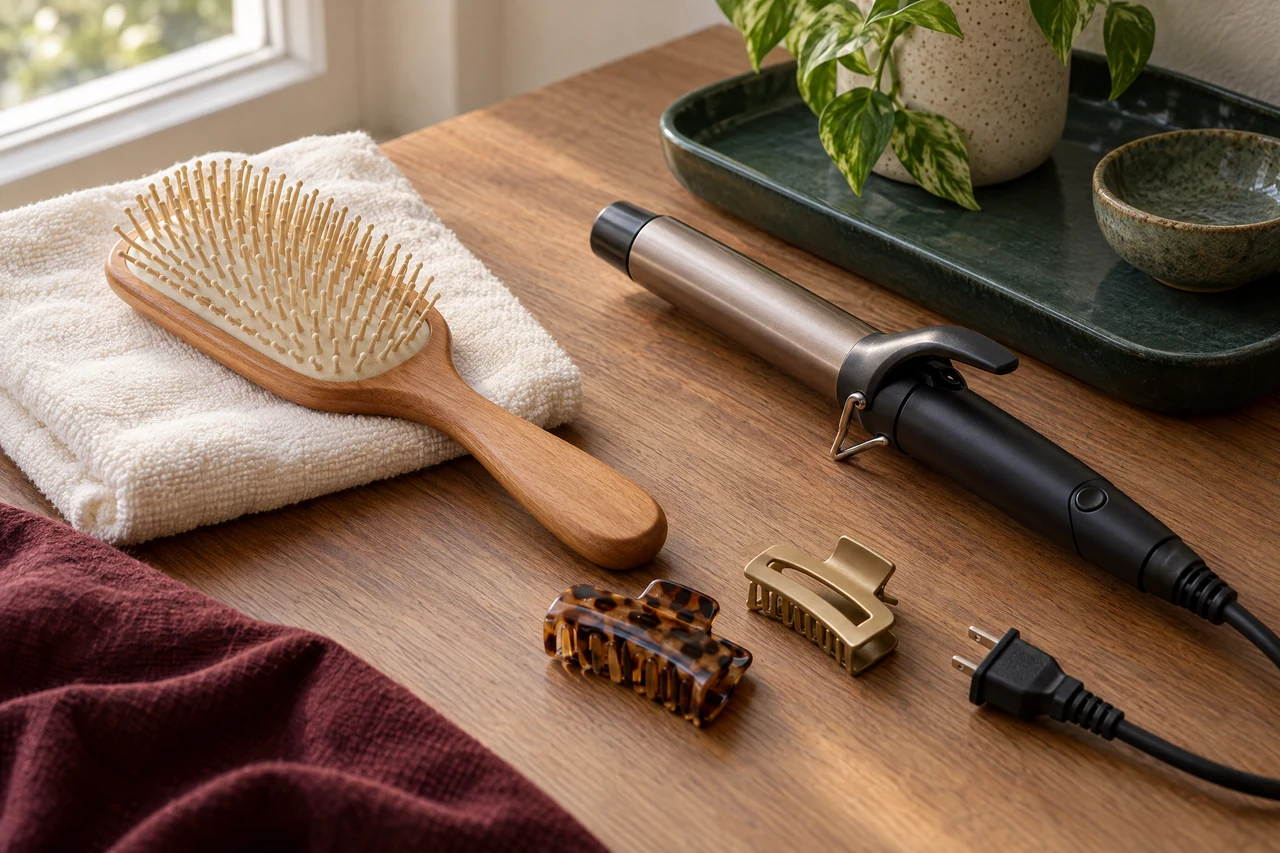
After a busy commute or workout, note whether roots are wet, oily or coated before selecting a touch-up. Keep combs and clips clean according to their material and care instructions. Neither a tidier tool nor a fresh-looking parting replaces washing when accumulated products need to be removed.
Keep a routine you can actually repeat
Choose an application and washing routine that fits your hair and daily schedule. Record any adjustment clearly so you can compare the next wash with the previous one. The aim is comfortable roots and appropriate care for the lengths, not a growing collection of products labelled as solutions to buildup.
Compare the observation before choosing another cleaning step
| What you notice | What to review first | What not to assume |
|---|---|---|
| Powdery or gritty roots after dry shampoo | Amount, application area and the next shampoo-and-water wash | Oil absorption means the scalp has been washed |
| A coated patch immediately after washing | Shampoo access, conditioner placement and rinsing | A stronger scrub is automatically required |
| Heavy roots only after finishing products | Where each layer is applied and whether its role overlaps | The lengths need no conditioning |
| Flakes together with persistent itching or soreness | Symptoms and product history for healthcare assessment | Visible material is definitely cosmetic residue |
Your preparation checklist
- List the products used since the last wash, including dry shampoo and root touch-ups.
- Save label photographs and check intended application areas and removal directions.
- Record when and where the coated feeling appears, separately from scalp discomfort.
- Review shampoo access and rinsing without automatically adding stronger products.
- Share recent chemical services and agree on preparation, cleaning scope and finishing products.
- Confirm the charge and appointment details; seek healthcare advice for persistent symptoms.
Frequently asked questions
Can one appointment remove all product residue?
That cannot be guaranteed. Products, application history and the chosen cleaning approach differ. Ask what the actual service is intended to do and how to review your routine afterwards.
Should I stop conditioning the lengths?
A coated root area does not automatically mean the lengths need no conditioning. Review application areas and the product's intended use rather than treating every part of the hair alike.
Is visible material always product residue?
No. Appearance alone cannot identify its cause. Persistent flakes or discomfort should be assessed appropriately rather than labelled as build-up and repeatedly scrubbed.
Bring a clear product record to your scalp-cleaning enquiry
Contact Vit So in Sheung Wan with your root-product list, washing routine and the change you want to assess. Ask about the appropriate cosmetic cleaning scope, preparation and charges before choosing an appointment. Sending an enquiry does not confirm a booking.
Start your WhatsApp enquirySources & further reading
- Dry shampoo: Dermatologists' tips for getting your best results
Dry shampoo absorbs oil rather than cleaning hair; excess application may leave hair gritty, and shampoo with water removes accumulated dry shampoo. Stop use if irritation develops.
- Tips for healthy hair
Scalp-focused shampoo application and conditioner placement appropriate to hair type.
- Dermatologists' top tips for using leave-in conditioner
Small amounts of leave-in conditioner belong on hair rather than the scalp; leave-in and rinse-off formulations have different intended uses.



