






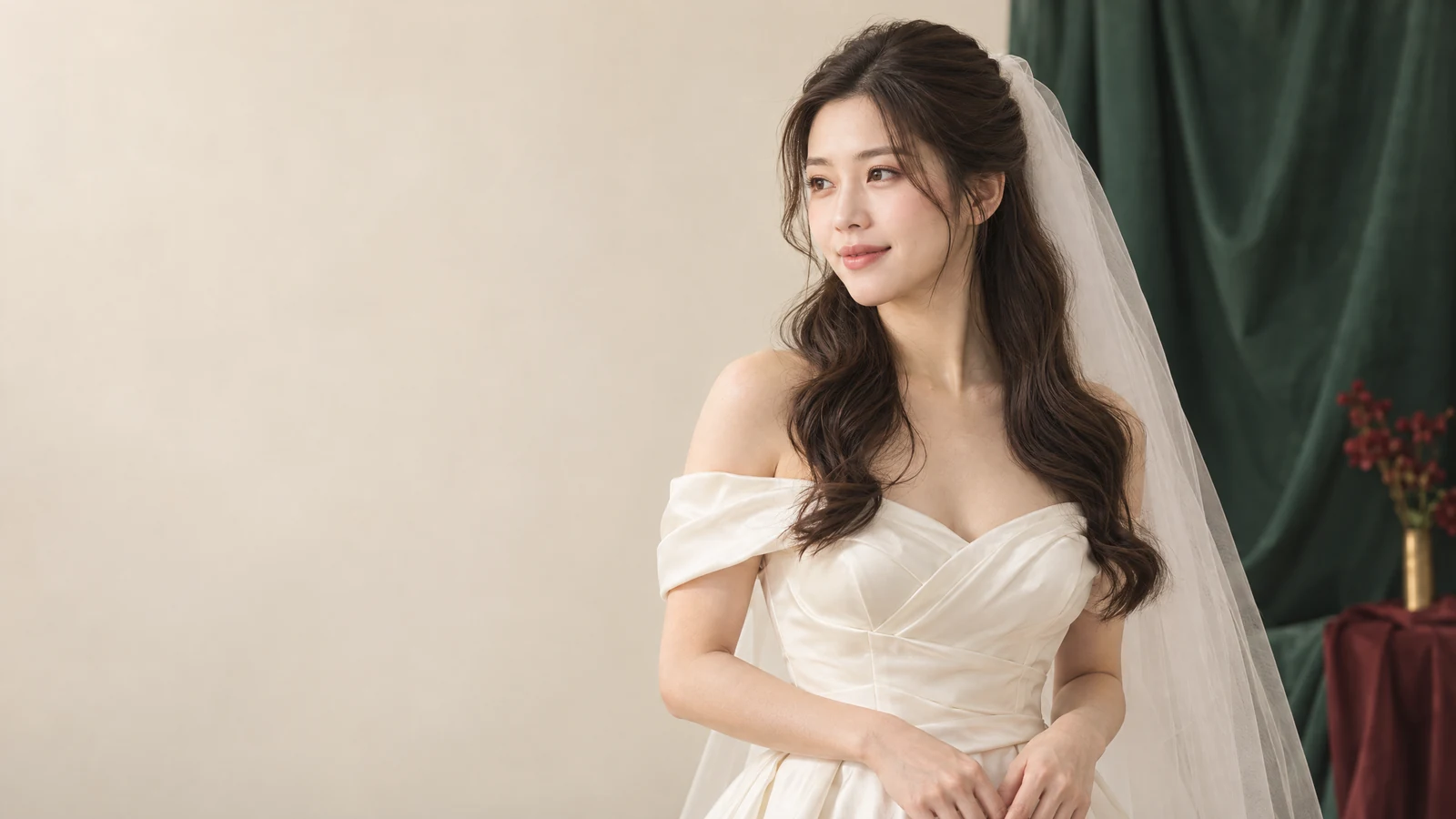
Hair styling for photo shoot angles needs more than one view
Explain whether the photographs mainly show the face, profile or back of the outfit. A detail that is striking from behind may disappear in a tight portrait, while a fringe can affect the eye area. Compare front, side and back references with your photographer's intended framing rather than choosing a style from a single image.
Start by naming the image that matters most. For a professional headshot, you might prioritise a clear eye area and a familiar parting. For a fashion portrait, you may want deliberate hair across a shoulder. For a photograph showing the back of a dress, the neckline may matter more than loose length. These are different choices, not a ranking of which hairstyle is best. Tell the stylist which detail can change and which should stay visible.
Bring a current photograph of your own hair alongside the inspiration. Show its ordinary dry texture and the length of the shortest face-framing pieces. Ask whether the proposed gathering can accommodate those pieces without an uncomfortable amount of tension. When showing a profile reference, specify your own left or right side rather than relying on a mirrored screen. If a cap and gown are involved, their fit needs a separate discussion.
Continue with haircut reference photos for that specific comparison and the preparation questions it raises.
Continue with graduation photo hairstyles for that specific comparison and the preparation questions it raises.
Adapt hair styling for photo shoot framing
For close framing, describe where a front piece should end and whether the ear should be exposed. For a full-length image, check the overall outline against the shoulders rather than concentrating only on individual curls. If your photographer plans seated portraits, mention the chair and any collar that could meet the hair at the nape. A hairstyle should make sense when you turn your head, not only while holding the pose shown in a reference.
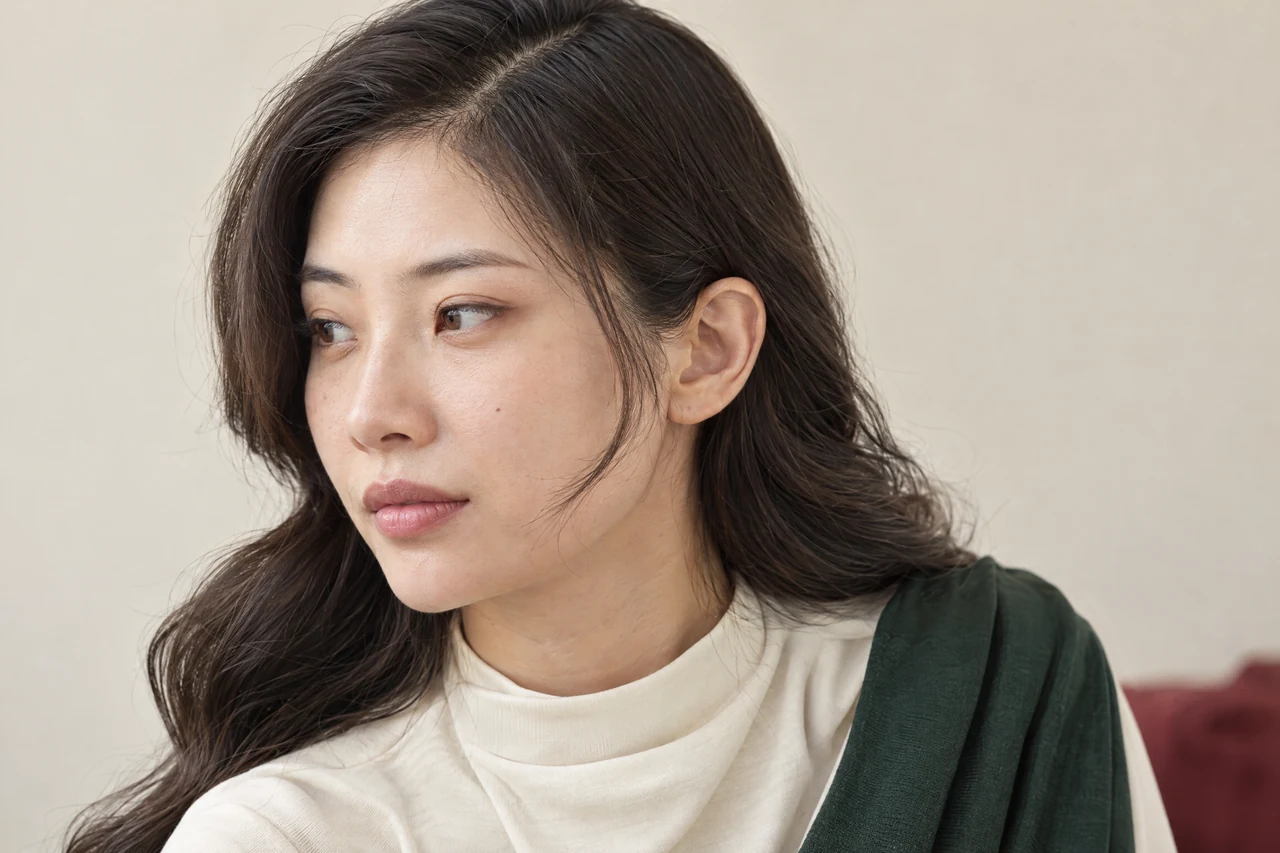
Lighting and location influence the visible finish
Bright light, shadow and camera angle can change the apparent smoothness and fullness of hair. Outdoor movement can also alter loose pieces between frames. Describe the likely setting and the details you want visible, but avoid treating a reference photograph's lighting or editing as evidence that the same hair effect can be reproduced.
Separate a hair request from a lighting request. You can ask for a defined parting, a softer curve at the temple or more space around the neckline. A glossy stripe in a photograph may also depend on illumination. Nikon's portrait photography guidance illustrates how sunlight direction and fill flash change shadows, and explains matching white balance to available light. Share the setting with the photographer rather than asking the salon to reproduce the photograph's entire appearance.
For an outdoor sequence, decide how much natural movement belongs in the pictures. Loose ends may suit walking images, while a strand repeatedly crossing an eye can conflict with a close portrait. Explain whether your route includes an exposed waterfront, a sheltered courtyard or an indoor studio. Also mention a fan if it is part of the shoot. A sheltered alternative and an agreed tolerance for movement are more useful than assuming a finish will stay unchanged outdoors.
Distinguish hair shape from photographic effects
Describe the shape you like without relying only on words such as shiny or glamorous. Identify the parting, curl direction, gathered position and amount of hair around the face. Then tell the photographer if the hairstyle detail needs to be a focal point rather than softened into the background. A phone photograph taken at the salon can help record placement, but it is not a preview of the final lighting, focus or editing.
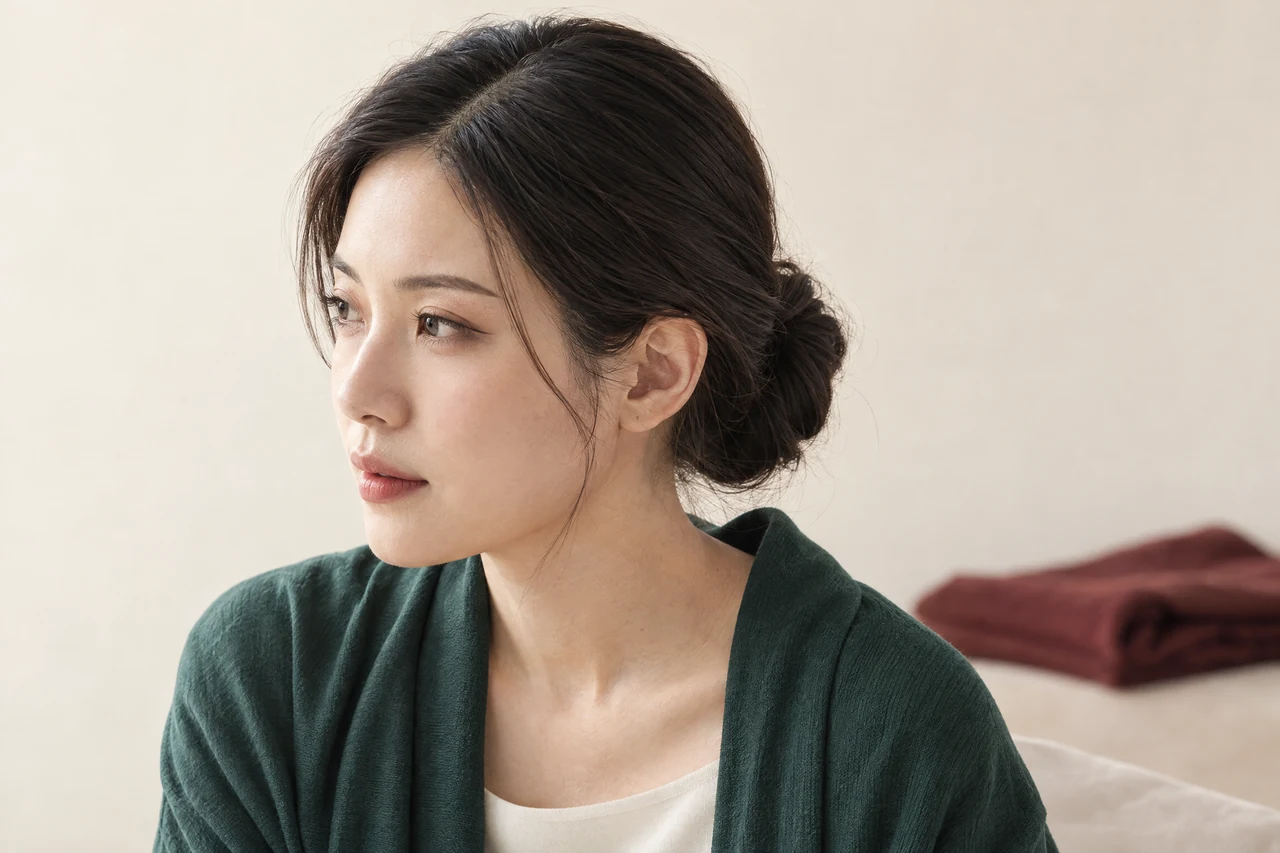
Pre-wedding outfits need a workable base shape
For a pre-wedding shoot with several outfits, compare the necklines, jewellery and any veil before selecting a base style. Decide which details need to stay consistent and whether a simpler outline could work across the set. Multiple looks, changes at the location and makeup arrangements require separate confirmation rather than being assumed within a salon hair appointment.
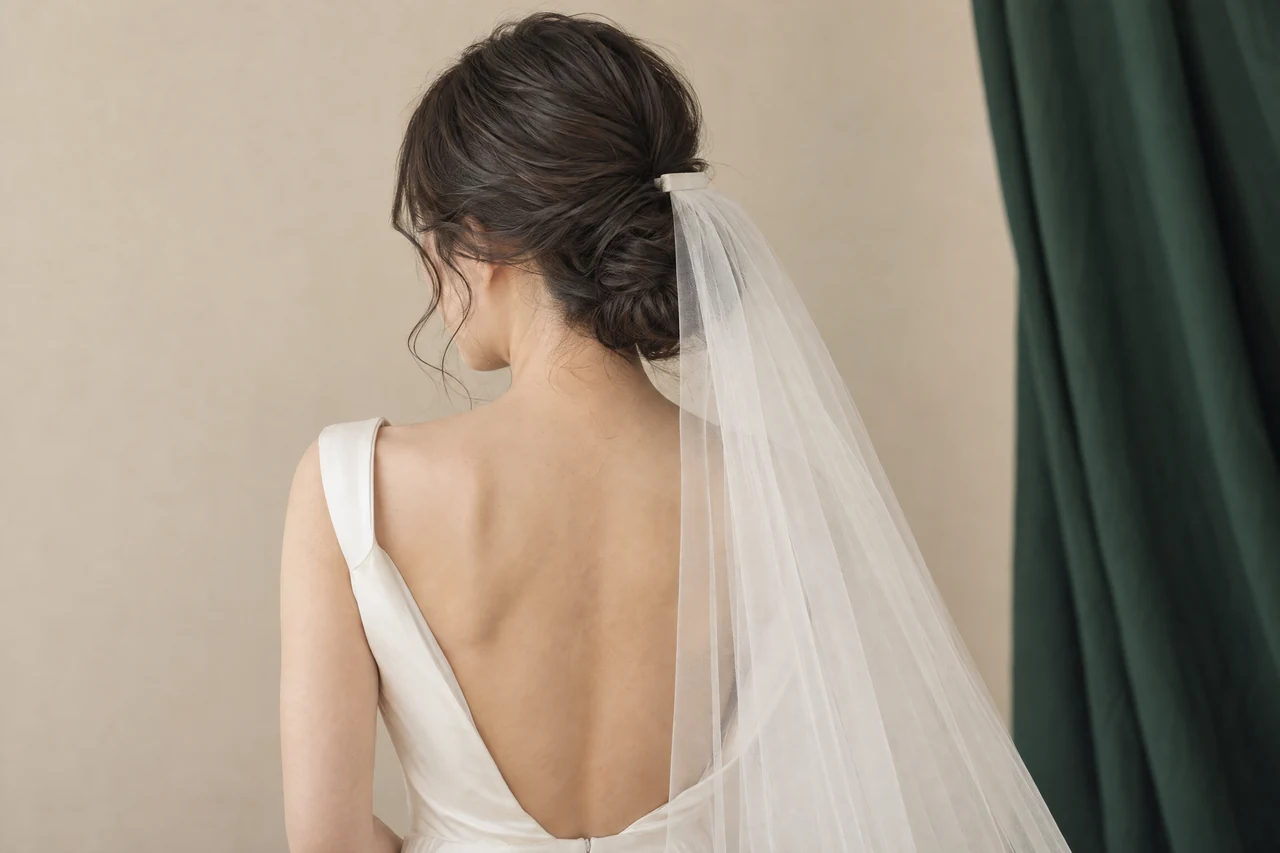
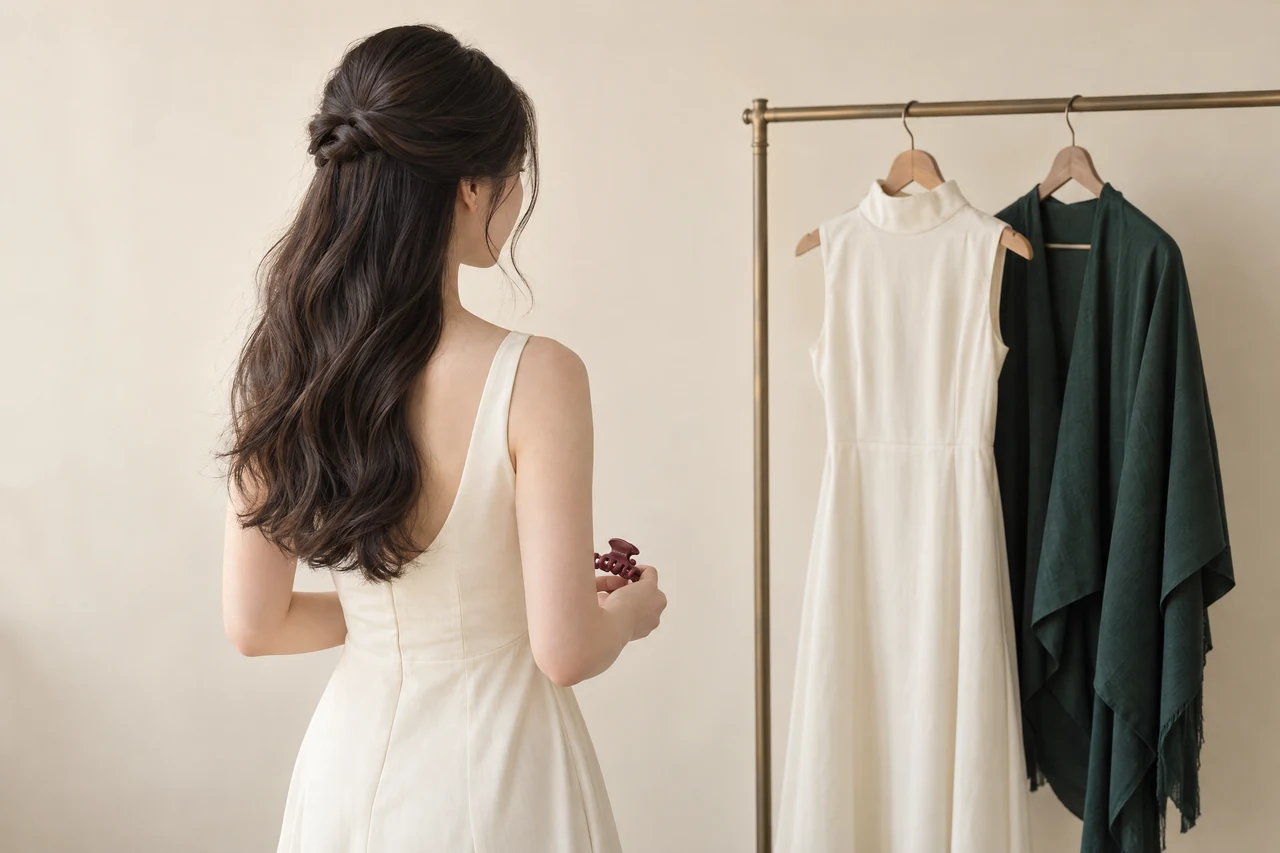
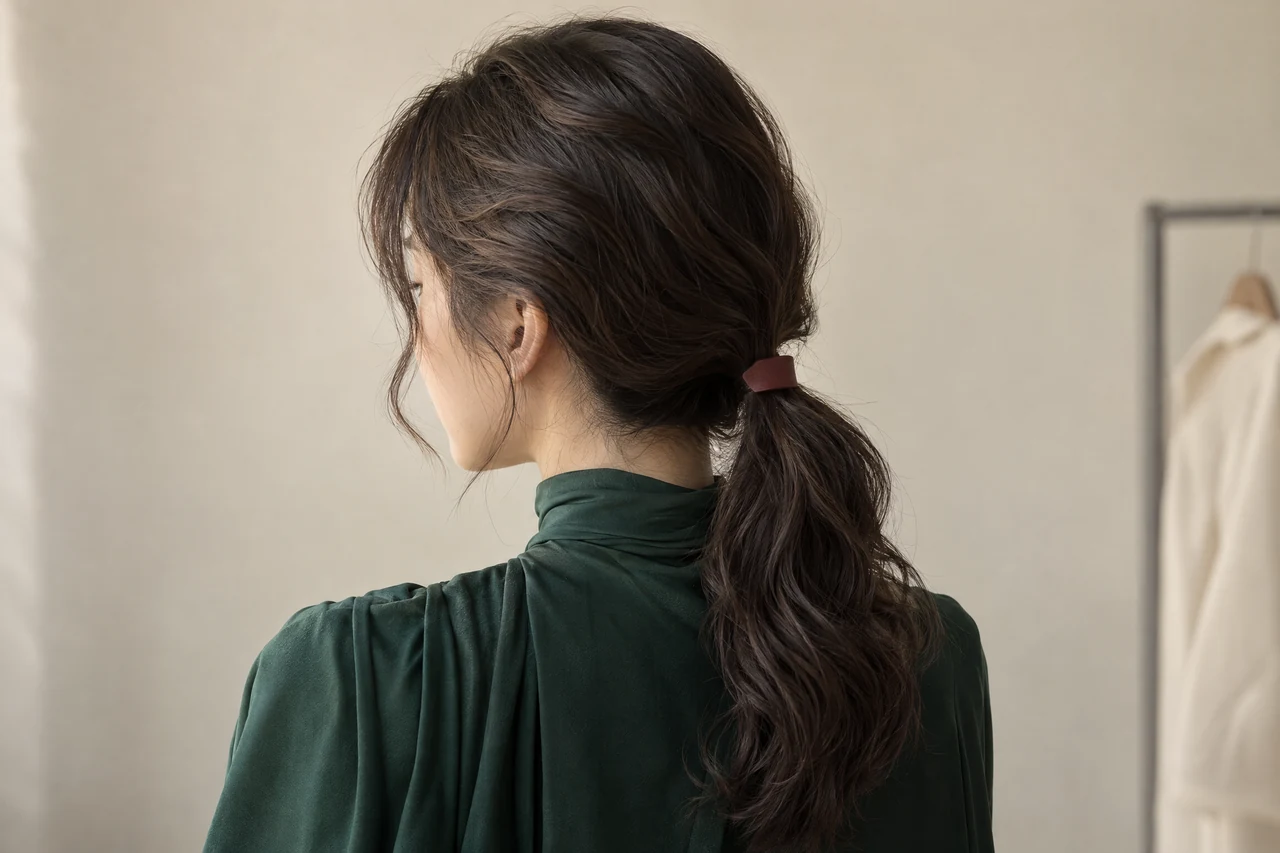
When comparing pre wedding shoot hairstyles, put the outfits in their intended order. An open back may encourage gathering hair away from the dress detail; a high collar may need space around the nape; a simple top may work well with length left visible. None of these is an absolute rule. The useful question is whether the same outline supports the main photograph in each outfit, or whether a change is essential to the shoot.
A retained parting and consistent face-framing curve can connect a set of photographs even when accessories differ. However, a low ponytail and a pinned bun are not automatically interchangeable at the location. Identify the change you actually want, who would make it and where they would work. Removing a decorative clip may be simple; removing pins that support the style is a different task. Avoid planning an elaborate transformation around an unconfirmed helper.
If a veil will appear in only part of the shoot, use wedding hair with veil to prepare questions about its position, comfort and removal while preserving the intended hair outline.
Compare several necklines before choosing the outline
Show the front and back of each outfit, not just its colour. Bring the actual veil comb or hair accessory when practical, and explain whether it must be worn in a specific position. Consider earrings alongside the side view: an exposed ear can show an earring clearly, whereas hair deliberately falling over it creates a different picture. For clothing pulled over the head, plan the dressing sequence before the finished hair has to pass through a narrow opening.
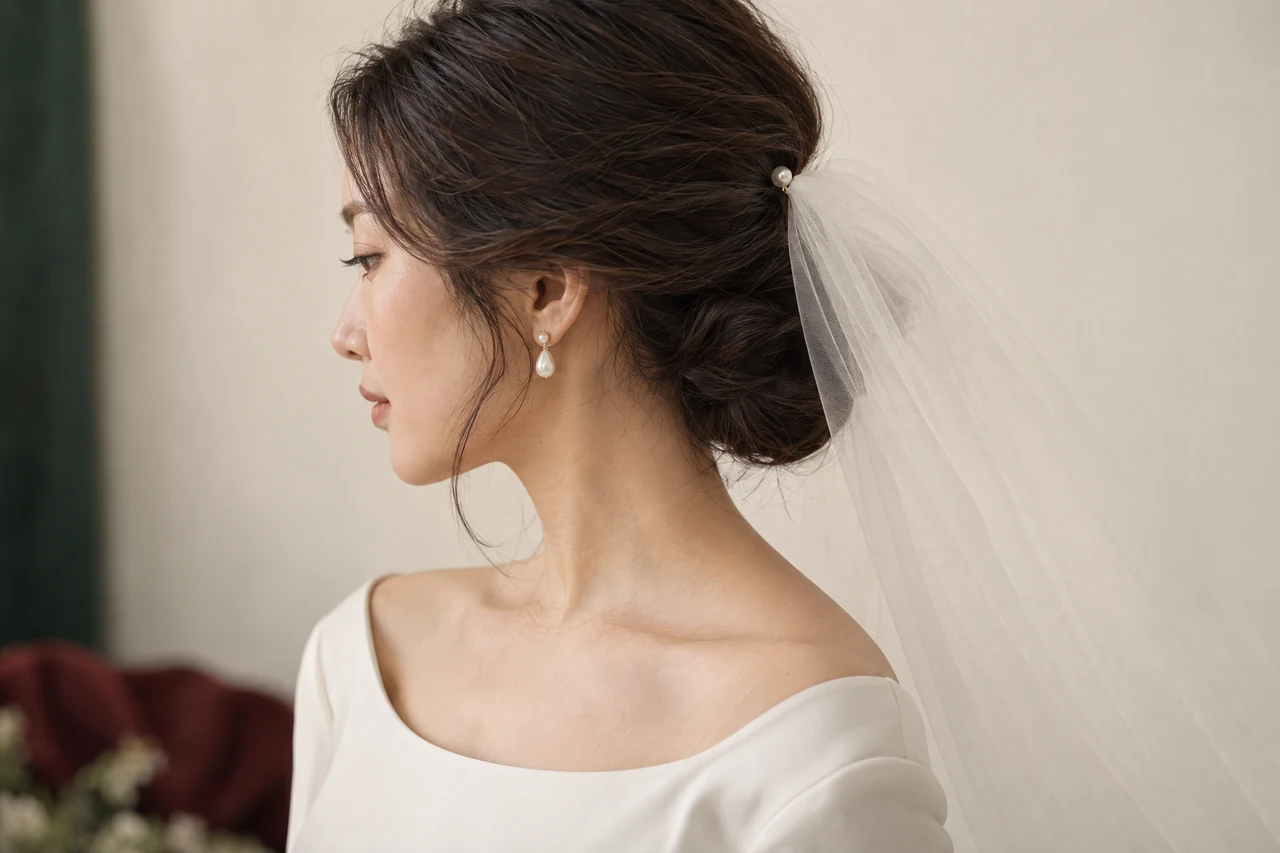
Plan the gap between the salon and the camera
Give the appointment departure time and the planned start of photography, including travel and dressing. Ask for care advice for the agreed finish and identify who can help with ordinary checks at the location. Do not assume the stylist will attend the shoot or provide later restyling unless that separate arrangement has been explicitly confirmed.
Work backwards from when you need to be ready for the first photograph, not merely the studio arrival time. Include checking in, changing clothes and any separately arranged makeup. For a Sheung Wan salon visit, establish your onward route and how you will carry the outfits and accessories. Let the salon assess whether the requested work fits the available appointment; do not treat a departure deadline as a guaranteed service duration.
Review event hair styling to check its service scope and the details to share before arranging the related work.
When you are ready to book a hair appointment, send the shoot date, latest departure time and current hair photographs together so the enquiry can be assessed against your plans. Confirm the agreed salon work and quote before relying on the arrangement.
Clarify who handles later adjustments
Assign ordinary checks to someone who is willing to help, or plan to use a mirror yourself. Ask the stylist which pieces can be repositioned gently and which pins should be left alone. The photographer may spot a displaced strand, but that does not mean hair services are included in the photography booking. If several complete looks are essential, confirm a suitable separate arrangement before finalising the outfit schedule rather than improvising after the first set.
Prepare your hair without last-minute experiments
Ask about washing and drying preparation for the particular finish you have agreed. There is no universal instruction to arrive with unwashed hair for every shoot. Mention your usual styling products and any recent colour, bleach, perm or straightening. This helps explain the starting condition. Do not add a new heavy product or reshape the hair with hot tools immediately before the appointment just because an online checklist suggests it.
The American Academy of Dermatology's hair-care guidance recommends the lowest heat setting, limited hot-tool contact and avoiding tightly pulled-back styles to help prevent damage. For shoot preparation, the practical priority is to avoid unnecessary repeated styling and forceful pulling. These are care considerations, not a test of how attractive a hairstyle will look in photographs.
Bring accessories and describe comfort concerns
Tell the stylist about sensitive areas or an accessory that feels heavy. A smooth-looking outline does not need to be achieved by tolerating persistent pulling. Bring familiar items rather than assuming the salon supplies a specific decorative piece. Pack accessories separately so a comb, clip or veil cannot snag the finished hair in your bag. If a hairstyle adjustment feels uncomfortable during the appointment, raise it before leaving rather than waiting until photography begins.
Check the outline before the first photograph
Use the 6-point preparation checklist below to keep your consultation and shoot-day arrangements together. Before departure, take a simple front, side and back record of the agreed finish if convenient. At the location, use those views to check placement after travelling and dressing. Look for a strand caught in a neckline or an accessory turned away from the camera. Correct the specific issue you can safely handle rather than repeatedly brushing the entire style.
Check again when the outfit or framing changes
A quick check is most useful after changing clothes, moving outdoors or switching from a full-length image to a close portrait. Let the photographer know which ear, neckline or hair detail you want visible. Accept that walking frames may show different movement from a still portrait. A coherent set of photographs does not require every loose end to occupy exactly the same position throughout the shoot.
Match the salon hair brief to the photographs that matter most
| Shoot priority | Hair detail to discuss | Practical trade-off |
|---|---|---|
| Head-and-shoulders portrait | Parting, eye visibility and the chosen ear view | A dramatic rear detail may contribute little within a tight crop. |
| Profile or close fashion image | Front-piece endpoint and side outline | A loose strand can add softness but may obscure an eye when the head turns. |
| Full-length pre-wedding photograph | Hair placement against neckline and shoulders | Leaving length down may cover dress details you want the camera to show. |
| Back-of-outfit photograph | Gathered height, back neckline and veil position | A veil can cover hair texture or dress details depending on placement. |
| Moving outdoor sequence | Face clearance and acceptable loose movement | A still reference cannot establish how the hair will move in wind. |
| Several outfits | A retained parting or base outline | A shared finish simplifies planning but cannot replace separately arranged complete changes. |
Your preparation checklist
- Identify the priority photograph and share its likely crop, head angle and visible hair details.
- Send current dry-hair photographs and reference views, explaining the features you like rather than asking for a complete duplicate.
- Arrange outfits in shoot order and show necklines, earrings, veil and any required hair accessory.
- List indoor and outdoor locations, expected movement and a sheltered alternative where relevant.
- Confirm hair preparation, the appointment departure requirement, agreed service scope and quote before treating the visit as booked.
- Identify who handles location checks or separately arranged restyling, and allow for travel, dressing and makeup timing.
Frequently asked questions
Does a photo-shoot hair enquiry include on-set attendance?
No. Begin with the salon finish and its timing. Location attendance, repeated changes and later touch-ups require separate confirmation.
What should I show besides hairstyle photographs?
Share the outfits, likely camera angles, location changes and photography start time. These help explain which parts of the hair should remain visible.
Can one style suit every outfit in a shoot?
A base outline may work across several outfits, but necklines and accessories can conflict. Prioritise the main views and confirm any intended changes separately.
Should I wash my hair before the appointment?
Ask for instructions for your agreed finish. Explain your usual products and recent hair services so the salon can advise on preparation. Do not assume that every photo-shoot style requires unwashed hair.
Plan a salon finish around your priority photographs
Send Vit So your shoot date, current hair photos, outfit details and latest salon departure time. Use the enquiry to clarify a suitable finish, preparation and the scope of the Sheung Wan visit. An enquiry is not a confirmed booking; photography, makeup and on-set support are not assumed.
Start your WhatsApp enquirySources & further reading
- 10 hair care habits that can damage your hair
Care advice on limiting hot-tool contact, choosing the lowest heat setting and avoiding tightly pulled-back hairstyles.
- Quick Tips for Taking Better Portraits
Portrait examples showing sunlight direction and fill flash changing shadows, and guidance on matching white balance to available light.



