







How to Make a Wig Look Natural Starts with Proportion
Compare the front outline, fullness at the sides and how the ends sit around your face. A density that looks attractive on a stand may create a different impression when worn. Identify which areas feel too full or too flat to you, and discuss the shape before assuming that cutting or thinning the actual piece is suitable.
Start with the cap positioned according to its instructions. A piece sitting unevenly can make a fringe look slanted or leave one side appearing fuller. Arrange any retained hair and liner as you intend to wear them, rather than testing the wig over a bulky temporary arrangement. If the cap bunches or feels uncomfortable, resolve that fit question before deciding that the hair itself needs changing.
Then step back from the mirror. Compare the height above the forehead with the width around the cheeks and the weight at the ends. A rounded bob and a longer layered style distribute fullness differently. Neither is automatically more believable; what matters is whether the whole shape feels coherent with the length and appearance you want.
Review custom made wigs to check its service scope and the details to share before arranging the related work.
How to Make a Wig Look Natural Depends on Density and Shape Together
Describe fullness by area rather than asking for a universally low density. You might like the crown but find the temples too wide, or prefer the sides while wanting a less solid fringe. Note those differences before considering hair removal. Thinning cannot simply be undone, and removing too much may reduce coverage or change the end line. Ask whether a different ready-made shape would meet the goal more directly.
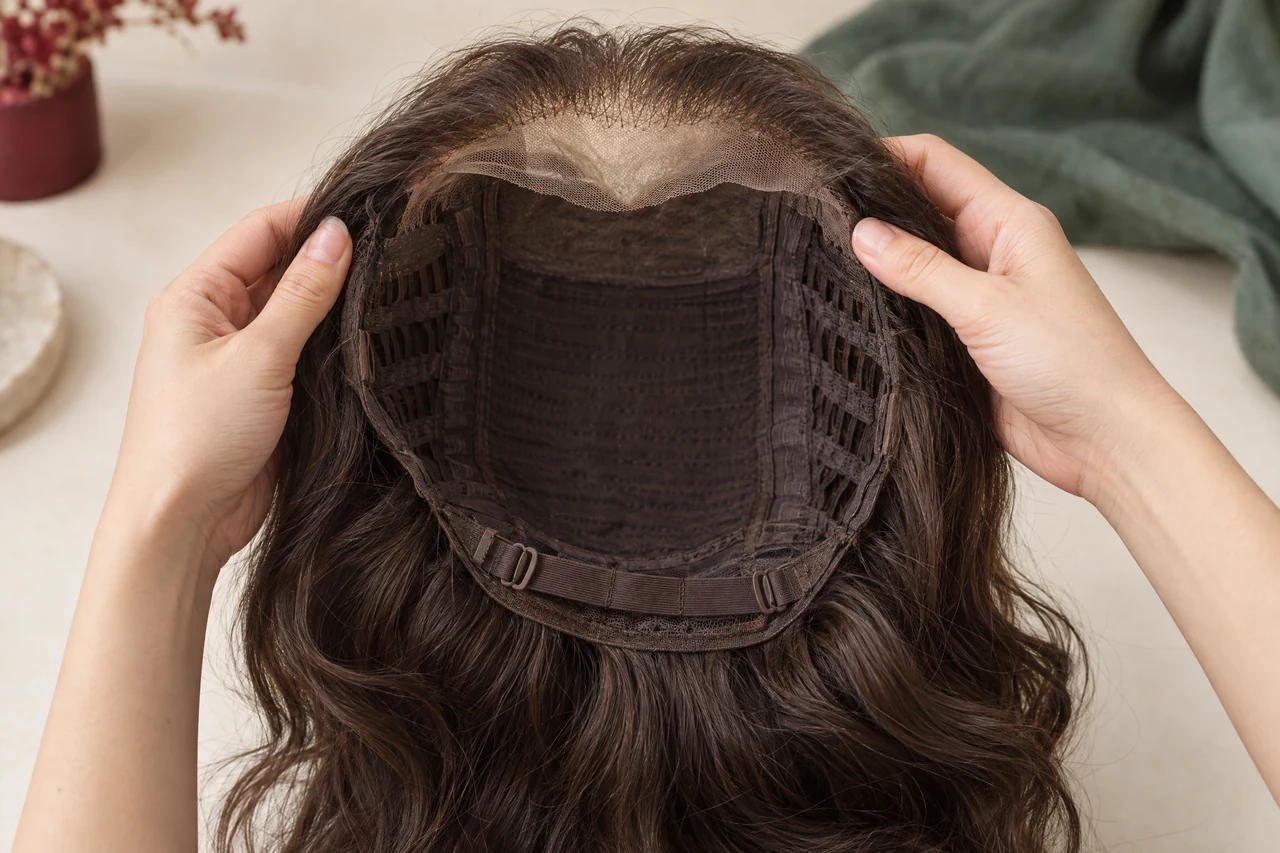
Choose a Wig Colour with a Clear Reference
To choose a wig colour, decide whether you want continuity with your current look or an intentional change. Wig colour matching can compare the visible hair you retain, photographs in consistent light and the shade of the actual piece. Consider depth and tone rather than a colour name alone; lighting and screens can make apparently identical shades look different.
Depth means how light or dark the hair appears; tone describes its warmer or cooler direction. Compare these separately. A dark brown can be close in depth but noticeably redder than your reference. A lighter fringe can frame the face differently even when the rest of the wig seems similar. Look at the roots, face-framing strands and ends rather than judging only a swatch label.
For an existing-colour match, the American Cancer Society's wig guidance recommends comparing a hair swatch with the wig in natural light. Use that as a practical comparison method, not a promise of an exact shade. If you are wondering how to choose a wig color when ordering online, request the supplier's available shade information and check the return terms before relying on a screen image alone.
Decide Between Matching and a Deliberate Change
When some of your own hair will remain visible at the temples or nape, compare the wig directly beside that hair. If it will be fully covered, continuity may instead mean resembling a favourite earlier hairstyle. For a deliberate change, hold the actual shade near your face with your usual clothing and makeup. A rooted or highlighted effect is an option to compare, not a requirement for natural appearance. Choose the overall contrast you enjoy rather than following a rigid skin-tone rule.
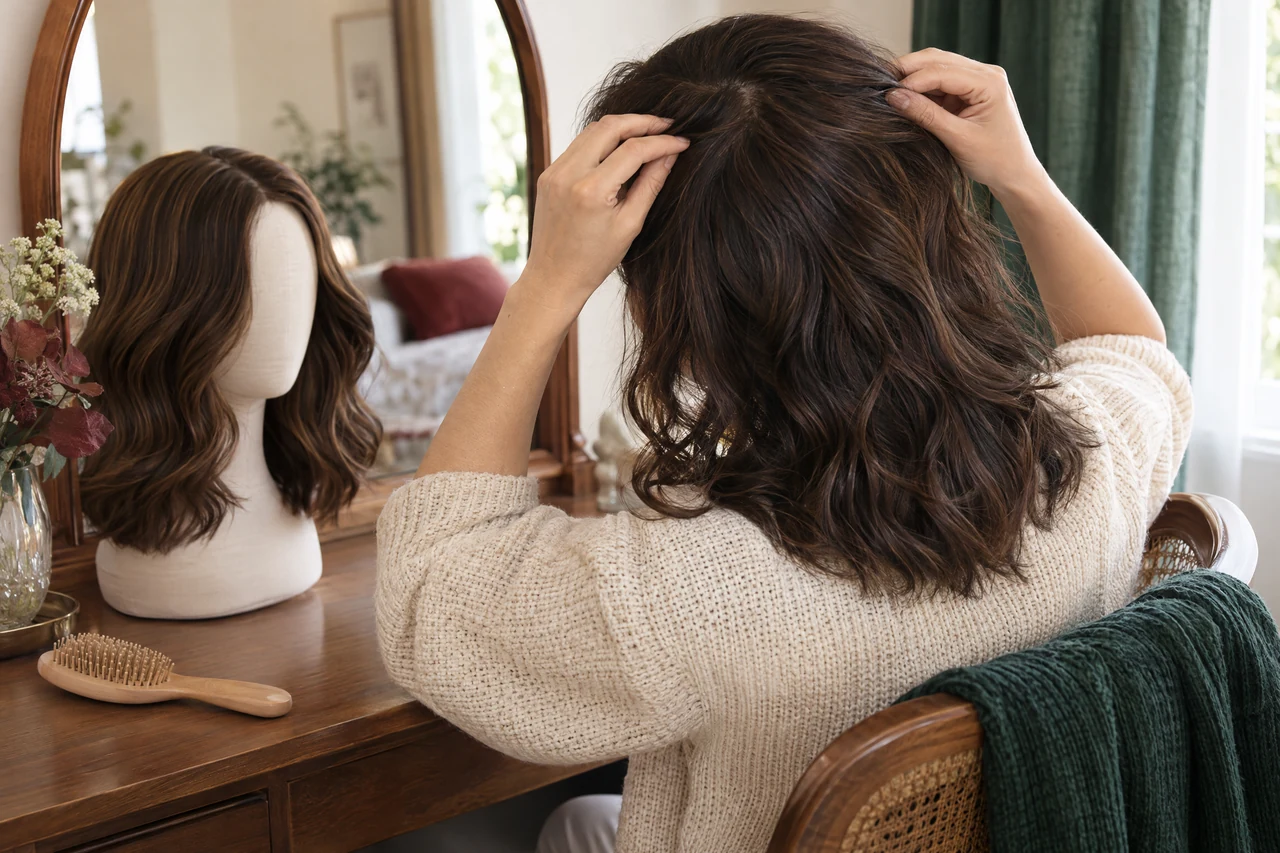
Review the Parting and Hairline in Daily Positions
Look at the piece with the parting and off-the-face style you normally wear. Check the side and back outline as well as the front. The cap construction affects where the hair can be parted or moved, and not every styling position is suitable for every piece. Natural appearance does not imply that every edge will be undetectable.
Inspect the parting at a normal viewing distance and then closer up. Notice whether it sits where you expect and whether the surrounding hair falls without an unwanted ridge. A fixed part may suit a consistent routine but not frequent changes of direction. Do not force a new part or widen it by plucking simply because a tutorial shows that method on another construction.
Continue with lace front wig vs full lace wig for that specific comparison and the preparation questions it raises.
The question can you wear glasses with a wig is especially relevant when your frames affect how you tuck the sides or where the fringe rests. Try your usual frames during the appearance check, not only after choosing the shape.
A Carefully Arranged Front View Is Only One Test
Try the front both loose and in the position you use for work or eating. If you regularly sweep hair away from your face, see what becomes visible at the temples. If you prefer a fringe, check its fall when looking down rather than assuming it will stay exactly as arranged. Keep the test gentle and within the wig's permitted styling range. The aim is a look that suits your actual routine, not a front view that requires constant correction.

Confirm Styling Changes Before Altering the Piece
If a different cut or texture seems necessary, ask what the actual fibre, processing and cap allow. Do not use ordinary styling or colour instructions without confirming compatibility. Share the item details and the specific appearance you want to change when enquiring; service acceptance, particularly for a piece bought elsewhere, is a separate question from the visual goal.
Separate the goal from the proposed tool. Wanting less width beside the cheeks does not necessarily mean thinning; wanting softer-looking ends does not automatically mean curling. Ask whether permitted rearrangement, a compatible styling method or another shape could address the concern before making a permanent change. Agree on the length to retain and the areas that must keep their coverage.
The American Cancer Society advises against using a hair dryer or curling iron unless the wig is heat resistant in its styling advice. Macmillan's wig information also notes that blended hair may need special care because synthetic strands can stretch and frizz with heated tools. Check the actual product instructions rather than borrowing a temperature or dye method from another wig.
Compare human hair vs synthetic wigs if changing the finish frequently is part of your plan; material choice should support that routine rather than serve as a shortcut to a promised appearance.
Review full head wigs to check its service scope and the details to share before arranging the related work.
A Visual Goal Is Not Permission to Use Heat or Colour
A human-hair label does not explain every previous treatment or the condition of the piece. Keep its fibre details, supplier instructions and alteration history available. Ask separately about cutting, heat styling and colouring, since acceptance of one does not establish suitability for the others. If a service is possible, clarify what it includes and how you will maintain the finish afterwards. An ordinary haircut or colouring price should not be assumed to cover wig work.
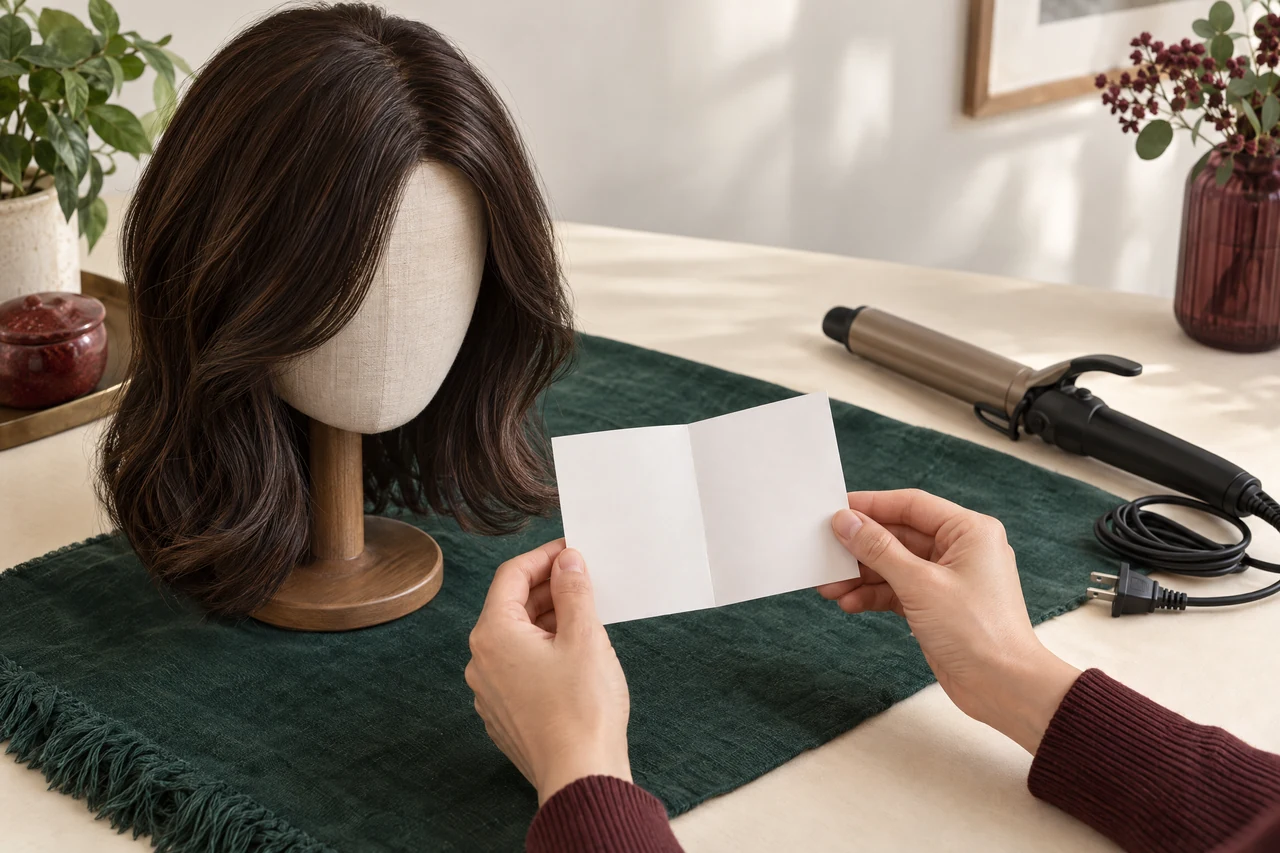
Make the Mirror Test Match Your Day
Use consistent light to compare options, then review your preferred piece in the light you normally encounter. Window light is useful for seeing colour relationships; indoor light helps you judge the appearance you will see at home or work. Keep your viewing angle similar when comparing shades so that a bright reflection is not mistaken for a different base colour.
For a Sheung Wan working day, consider the transition between outdoor daylight, an office and an evening venue. You do not need an identical appearance under every light. You need to know whether the shade and outline remain comfortable choices for you. If shine concerns you, observe it on the actual piece before reaching for powder or dry shampoo; product compatibility is a separate question.
Watch the Outline During Ordinary Movement
Gently turn your head and lower your chin as you would when reading a phone. Notice the fringe, side coverage and nape rather than deliberately shaking or pulling the hair. If you wear a collar or scarf, see where the ends meet it. Record a shift or pressure point for fitting advice; repeatedly tightening the cap to preserve a photograph is not a useful solution. Stop the test if it becomes uncomfortable.

Prepare a Clear Appearance Brief
Bring a reference that explains what you like, but identify the specific feature: a lighter face-framing area, a narrower side outline or ends sitting above a collar. A photograph of another wearer cannot show how that same wig will fit you. Add current views of your own piece if you have one, taken without filters and with your normal parting.
Use the 6-point checklist below to organise your enquiry. Put the most important change first and distinguish it from features you want to keep. This makes it easier to discuss whether the answer is a fitting review, a different colour or shape, or an alteration that the piece can actually tolerate.
Keep Fit Observations Separate from Style Requests
Describe where the cap moves or presses separately from where the hair looks too full. Include the glasses, liner or retained-hair arrangement you used during the test. If the wig was purchased elsewhere, share the supplier and item details before arranging a visit. Ask about acceptance, assessment, timing and the quotation for the proposed work rather than treating an enquiry as a confirmed appointment.

Match the appearance concern to a useful first comparison before changing the wig
| What you notice | Compare first | Decision to discuss |
|---|---|---|
| One side looks fuller | Cap alignment and your normal parting | Whether fit or hair arrangement explains the imbalance |
| Too much width around the cheeks | Side fullness against crown height and end weight | A different shape before permanent thinning |
| Brown seems too red or too dark | Depth and tone beside the reference in consistent light | An available shade rather than an assumed colour correction |
| The front looks different when swept back | Temples and hairline in the intended styling position | Whether that position suits the actual cap |
| Ends feel too solid or too curled | Length, end line and compatible styling options | A permitted finish or assessed cut, not unverified heat use |
Your preparation checklist
- Decide whether you want continuity with your own hair or a deliberate change, and name the feature that matters most.
- Keep the wig's fibre details, cap information and supplier instructions available, including any known previous alterations.
- Compare colour beside retained visible hair or a clear reference in consistent light; note depth and tone separately.
- Review the front, sides and back while wearing your usual glasses, liner and clothing neckline.
- Record fit movement or pressure separately from fullness, fringe length or end-shape concerns, and identify what should remain unchanged.
- Before any alteration, confirm compatibility, service acceptance, included work and quotation; check appointment arrangements before travelling.
Frequently asked questions
Should I match my current hair colour exactly?
Only if continuity is your goal, and even then compare the actual visible hair and piece in consistent light. You may prefer a deliberate change rather than an exact-match aim.
Does a natural-looking wig need less density?
Not universally. The shape, face-framing outline and your preferred appearance matter together. Do not remove hair from the piece simply because another wearer chose a lighter density.
Can heat styling make any wig look more natural?
No. Heat compatibility depends on the actual fibre and construction. Confirm the instructions before using tools; a styling aim does not make an unsuitable process acceptable.
Is wig color matching reliable from a phone photograph?
A photograph can help communicate a direction, but it is not a precise shade guarantee. Lighting, filters and the display can change what you see. Compare the actual piece with your reference where possible, and ask how the supplier describes depth, tone and any mixed shades.
Explain the wig outline and shade you want to achieve
Enquire with Vit So in Sheung Wan using your item details, clear reference photos and the specific area you want to change. Confirm whether the piece and proposed work can be accepted, then discuss the scope and quotation. An enquiry is not a confirmed booking.
Start your WhatsApp enquirySources & further reading
- Wigs for Hair Loss — American Cancer Society
Practical natural-light colour comparison and the requirement for heat resistance before using a hair dryer or curling iron.
- Wigs for cancer treatment — Macmillan Cancer Support
Material-specific care, including special caution for blended human-and-synthetic hair exposed to heated styling tools.
Compare the shape in the situation where it will be seen
Brand relationship: OWNSTRAND and Vit So have the same owner. These selection resources are not an independent review; confirm styles, availability and visits with OWNSTRAND.
Natural-looking proportions depend on how the whole outline is viewed, not on a density label alone. When exploring low density wigs, compare crown volume, side width, fringe depth and eyebrow visibility under similar light. For video calls, use your usual camera height; for a fringe, look at both forehead coverage and the bulk behind it. Ask whether the exact item permits any adjustment and what it would include, without treating sample images as a guaranteed result or current stock.



