







How to choose a haircut for your face shape without fixed rules
Start by deciding whether you enjoy a strong perimeter, open forehead or softer side pieces. Haircuts for oval faces still need choices about density and daily styling; no category makes every cut equally practical. Use front and side views to compare the outline you like, and avoid turning a general face label into a compulsory design.
To describe your proportions, move your hair away from your face without pulling it tightly. Look straight ahead in a mirror and notice where the forehead, cheeks and jaw are widest. Round proportions tend towards curved outlines; square proportions have a more distinct jaw. Heart-shaped proportions taper from a wider forehead towards the chin, while longer outlines have more length relative to width. You can describe a mixture without deciding on a single label.
For oval proportions, narrow the choice through practical preferences rather than assuming unlimited options. Do you want to keep a ponytail, show your ears or have a visibly solid end line? Sam Villa's haircut guide also considers texture, density and styling commitment alongside face shape. Those conditions make a reference more useful than its face-category label alone.
How to choose a haircut for your face shape by preferred lines
Separate the perimeter, meaning the outer end line, from the shorter pieces around your face. You might like a straight shoulder-length perimeter but curved cheek-level pieces, or an open forehead with a compact jaw-length outline. Neither requires you to change everything at once. Try your usual parting with one side tucked, then untucked, and notice which version feels more like you. Use that observation to explain whether you prefer visible facial contours or hair falling alongside them.

Round and square proportions: compare the landing point
For haircuts for round faces, compare side length and where the perimeter lands rather than seeking a guaranteed slimming effect. Haircuts for square faces can be explored through a distinct edge or softer movement according to preference. A bob haircut for a round face or a bob haircut for a square face needs the same practical checks of hair direction and styling.
For round proportions, begin with the difference between a line at the jaw and one below it. The shorter option may leave more neck visible and make the haircut's edge prominent. A longer front gives you a different landing point and may retain more tucking length. Neither option is compulsory. If you enjoy a rounded outline, you can ask to keep it; if you prefer a straighter side, discuss how that side will fall without a carefully posed finish.
For square proportions, decide whether you enjoy the relationship between a distinct jaw and a definite haircut edge. A clean perimeter can express that preference. Alternatively, longer side pieces or movement through the ends can create a less continuous line. Ask whether the reference has been curled away from the face: copying its length alone may not reproduce that curve on your ordinary straight hair.
Continue with bob haircut for that specific comparison and the preparation questions it raises.
Jaw-level lines and the effect you prefer
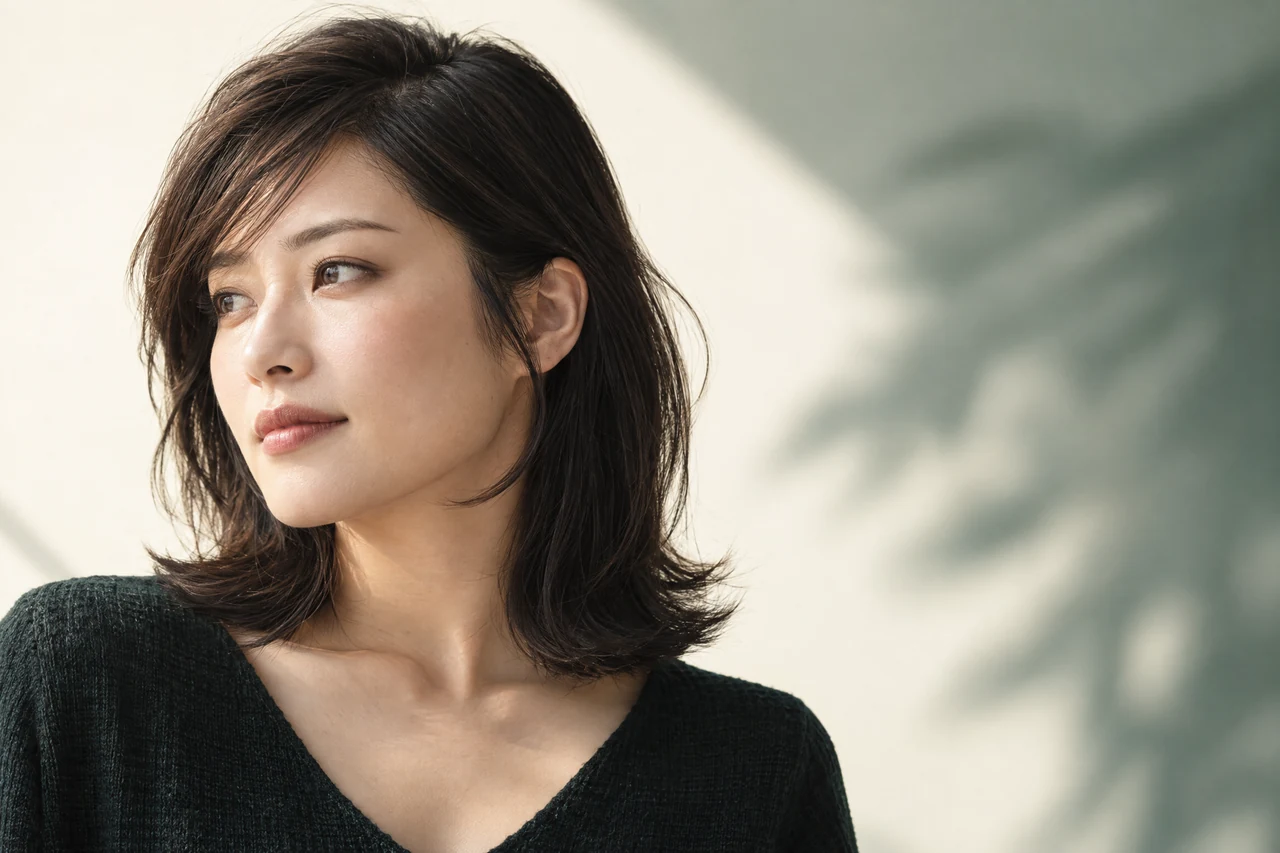
Point to the landing point on your own dry hair rather than saying only 'chin length'. Front and back lengths can differ, and a tucked side reveals another outline. If you want the front to stay below your jaw, say so before shorter connecting pieces are agreed. Also check the side view: the nape and back shape matter even when the original reason for choosing the cut was its front appearance.

Heart-shaped proportions and longer outlines
Haircuts for heart shaped faces can be discussed by comparing forehead coverage with length near the chin, without prescribing one answer. Haircuts for long faces may raise a different question about the amount of open forehead or side width you enjoy. Treat both as personal visual preferences, then check whether the proposed shape fits your density and ordinary finish.
With heart-shaped proportions, compare an exposed forehead with a light front section or a more continuous fringe. Then consider these alongside ends landing near the chin or farther down. You may like an open forehead and a short cut just as much as a covered forehead and longer sides. Explain whether you want the front pieces to remain visible when your hair is tied, because that choice sets a useful limit on their length.
For longer outlines, compare a close side shape with more movement beside the cheeks and ears. Forehead coverage is a separate decision: a fringe can suit your taste, but it also introduces a front section to maintain. If you prefer long hair and no fringe, start by discussing the face-framing pieces rather than abandoning your preferred overall length. Ask to compare the shape with your normal level of root lift, not only an elevated salon finish.
Continue with fringe cut for that specific comparison and the preparation questions it raises.
Forehead, cheek and chin preferences
Describe where you want hair to begin and finish around your face. 'An open centre with longer pieces beside my cheeks' is more precise than asking for a fringe that suits your category. Wear your usual glasses when comparing forehead coverage, and explain whether hair touching the frames bothers you. A side piece that looks appealing while standing still may be inconvenient if it repeatedly drops forward while you read or work.

Check the practical limits before the visual promise
A shape that looks appealing in a posed photograph may rely on a particular parting or styling finish. Explain which parting feels natural, whether front pieces must tuck away and how much drying you will do. The final discussion should combine those conditions with your preferred outline rather than promising that the cut will alter facial proportions.
Distinguish drying the hair from shaping it with a brush or hot tool. A curved front section in a reference may depend on the latter. The American Academy of Dermatology's styling advice notes that excessive heat can damage hair and that partially air-drying and reducing blow-drying frequency help limit damage. If you do not want regular heat styling, make that a design condition rather than an afterthought.
When the outline needs to work on hurried mornings, use the questions in haircut for a busy lifestyle to decide which finishing steps you will realistically keep.
Hair direction and the time you will spend
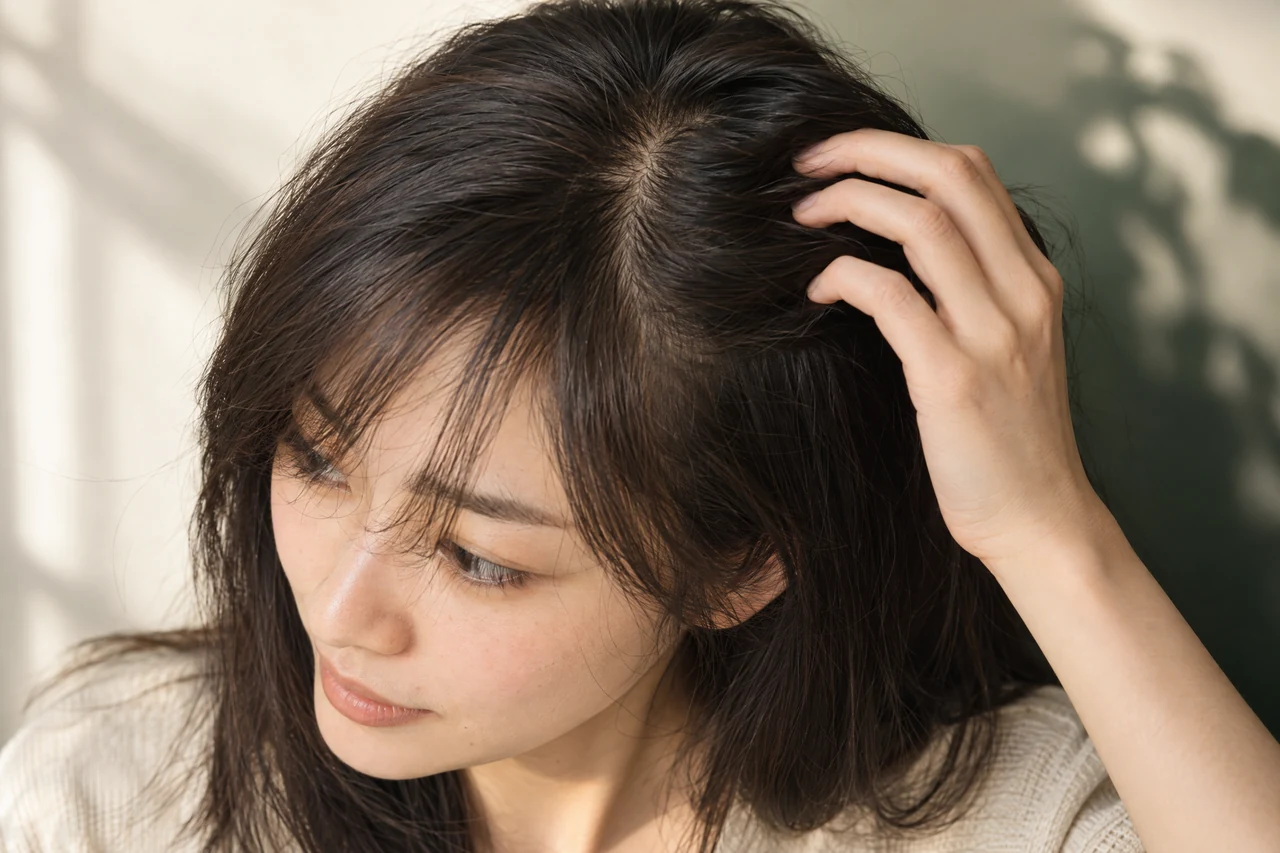
Show where your front roots naturally separate and where a side tends to lift or turn out. Explain whether you normally air-dry, use a dryer with your fingers or shape sections with a brush. Include what happens after a commute, exercise or headwear. If a proposed fringe needs resetting each morning, ask for the necessary method before accepting it. A longer front section may offer a different compromise, but it still needs assessment on your own hair.
Match the outline to your hair's natural behaviour
A face-shape chart cannot show how much hair supports the silhouette. Look at the thickness of the end line, where the sides feel heavy and how the hair settles after washing. If your ends already look sparse, ask what will remain after layers are added. If the sides feel bulky, identify the exact area instead of asking to remove weight everywhere. The aim is to keep the parts that support your chosen outline.
For waves and curls, compare the ordinary dry landing point with the reference's finish. A front piece may sit differently when it curls, stretches or is tucked behind an ear. Bring a photograph without deliberate straightening if that is how you usually wear your hair. Explain any recent colouring, straightening or perming so the conversation reflects the lengths you have now.
Keep face-framing detail separate from all-over layers
Wanting shorter hair beside your cheeks does not automatically mean wanting shorter layers throughout the crown and back. Ask which sections need changing and what will stay intact. If ponytail fullness matters, show the stylist your usual tie position. Agree whether the side pieces should join the ponytail, tuck behind an ear or remain loose. That functional boundary is more specific than a general request for a softer shape.
Turn your preferences into a consultation brief
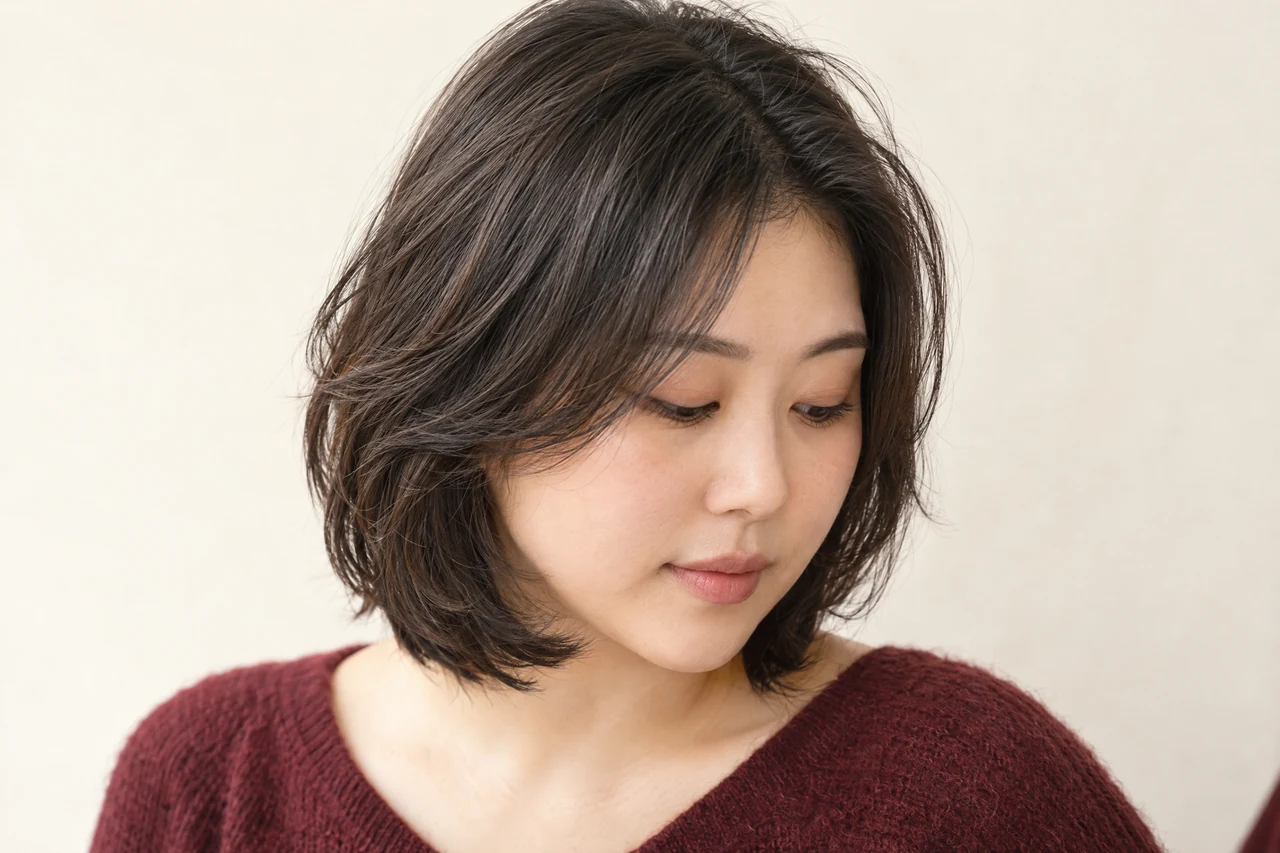
Choose references for individual details, not just faces that resemble yours. Mark the end line in one photograph and the forehead coverage in another, then explain which takes priority. Include a clear view of your own ordinary hair. The comparison table below offers starting questions; its options are not a ranking of which face shape deserves which cut.
Continue with haircut reference photos for that specific comparison and the preparation questions it raises.
For a women's haircut, bring these preferences into the discussion of length, shape and daily styling. Women's wash, cut and blow dry is listed at HK$480. Confirm any applicable long-hair surcharge and the agreed service scope when enquiring.
Agree on the most important boundary first
If keeping enough length to tie is essential, say that before discussing a shorter perimeter. If your priority is an open forehead, do not let a face-shape recommendation turn into an unwanted fringe. When uncertain, discuss a smaller change to the front or outline first. Ask which decisions would remove length that you cannot quickly recover, and choose the change you feel comfortable wearing beyond the appointment.
Face-proportion prompts: compare lines you enjoy, then test their everyday practicality
| Proportions you notice | Lines to compare | Practical question before choosing |
|---|---|---|
| Rounder outline | Jaw-level edge versus longer front; rounded sides versus straighter fall | Will the front tuck away at the chosen dry length? |
| More distinct jaw and square outline | Clean perimeter versus moving ends; exposed jaw versus longer side pieces | Is the reference's curve cut into the shape or created by styling? |
| Oval outline | Open ears and forehead versus retained face-framing length | Which length and end thickness support your usual routine? |
| Wider forehead tapering towards the chin | Open front versus fringe; chin-level ends versus longer sides | Where should front pieces sit when you tie your hair? |
| Longer outline | Close sides versus side movement; open forehead versus coverage | Do you want to maintain a fringe or preserve an open front? |
Your preparation checklist
- Describe the outline you enjoy without listing features you think must be hidden.
- Mark the perimeter and shortest front pieces separately on your reference photographs.
- Show your ordinary dry parting, waves or curls, including areas that turn out or separate.
- Set the shortest acceptable front length and demonstrate any essential ear-tucking or ponytail requirement.
- Explain your actual drying method and whether you want to avoid regular hot-tool styling.
- Agree on the length to retain, the finishing steps and the service scope before proceeding.
Frequently asked questions
Does a face-shape category determine the best haircut?
No. It is one way to describe proportions, not a fixed prescription. Hair density, root direction, daily use and what you enjoy wearing also matter.
Can a haircut guarantee a slimmer-looking face?
No such result is guaranteed here. Discuss the lines and landing points you prefer without treating a haircut as a promised change to facial appearance.
What should I show at the consultation?
Bring references that show the outline you like and explain the relevant detail. A view of your own ordinary hair and clear length limits make the discussion more specific.
Bring your preferred outline into focus
Enquire with Vit So in Sheung Wan with your ordinary hair photographs, preferred perimeter and essential length limits. Explain which detail you most want to change and how you normally style your hair. The discussion can then focus on a workable cut rather than a face-category prescription. An enquiry is not a confirmed booking; appointment details need confirmation.
Start your WhatsApp enquirySources & further reading
- How to Find the Right Haircut for Your Face Shape
Common descriptions of face proportions and the importance of texture, density and styling commitment when personalising a cut.
- Hair styling without damage
Excessive heat can damage hair; partially air-drying and reducing blow-drying frequency help limit damage when planning a styling routine.



