






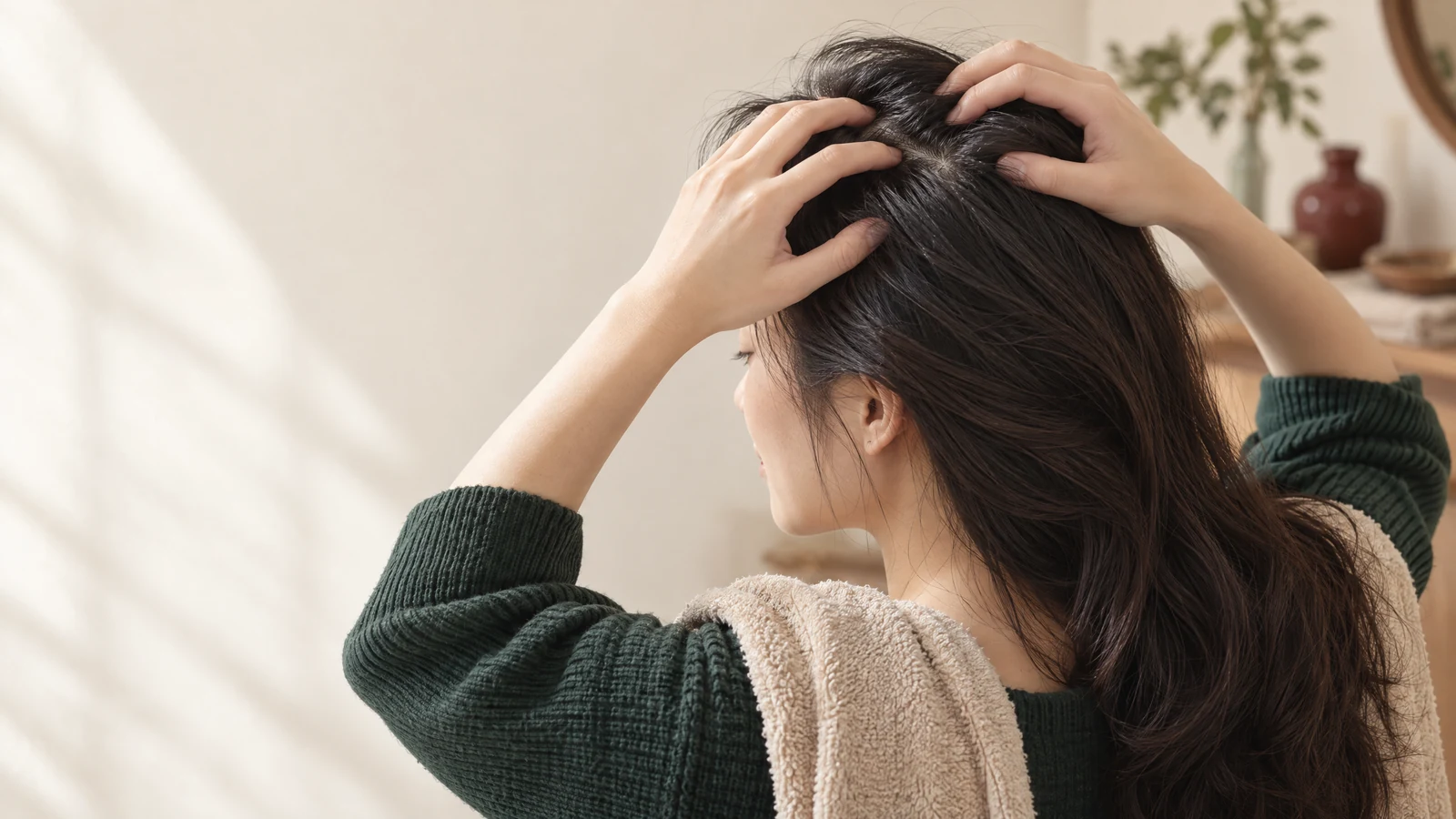
Japanese head spa is not one fixed protocol
Read the description for concrete steps rather than relying on the national-style label. Ask whether the focus is cleansing, massage or the wider experience, and which products touch the scalp. Different descriptions can refer to different combinations, so two appointments sharing the same label should not be treated as equivalent without checking their contents.
Begin with what appeals to you. You might want a calm wash with gentle hands-on contact, a discussion about styling-product residue, or a comfortable visit followed by neatly dried hair. These are different priorities. Explain yours before choosing a package, so the provider can identify which parts of the proposed appointment address it and which are optional extras.
A useful description separates scalp cleansing from conditioning the lengths, and separates hands-on massage from time spent reclining under water. Ask for that sequence in everyday English. If a menu uses words such as traditional, authentic or signature, ask what practical difference those words make: a named technique, a particular product system, or simply the atmosphere of the visit?
Continue with what is a head spa for that specific comparison and the preparation questions it raises.
How to compare a Japanese head spa description
Read two menus side by side and mark only what each explicitly includes. Leave unclear features as questions rather than filling them in from a video. A package with a longer advertised duration might allocate more time to consultation or drying, not massage. Compare the same components before deciding that one experience is more extensive or better suited to your preferences.
Massage technique and comfort
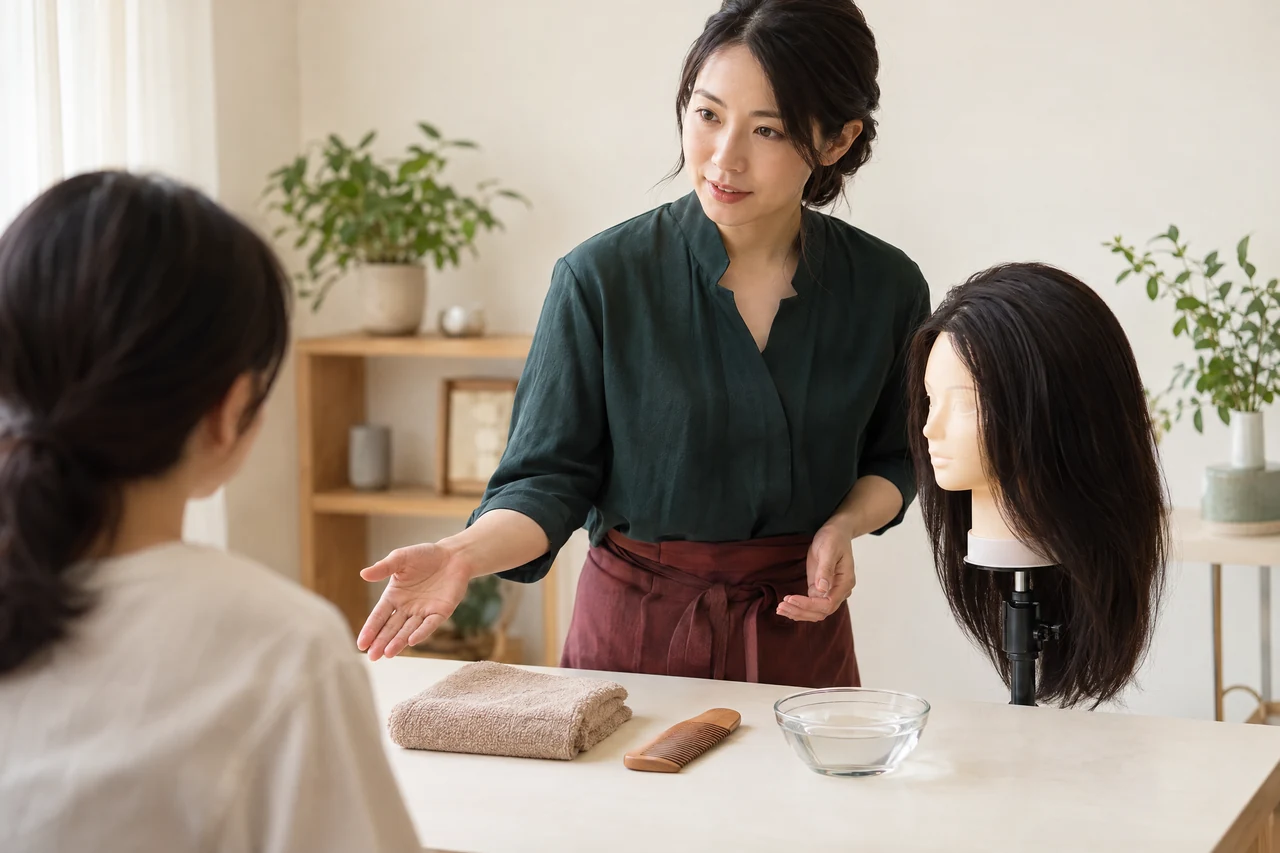
For Japanese scalp massage, ask what hand technique is involved, whether pressure can be adjusted and whether massage is part of a wider service. Do not infer a specific acupressure method from the label. Mention discomfort before arranging cosmetic care, and seek healthcare advice for persistent symptoms instead of using massage as a treatment.
Ask whether contact involves gentle fingertip movements, sustained pressure or a tool, and whether it takes place on a wet or dry scalp. Confirm the area involved as well: scalp-only contact is not the same as a service that also includes the neck or shoulders. A clear answer helps you choose without having to recognise a technical massage name.
Comfort also depends on position. Tell the provider if reclining at a basin is difficult, and ask how your head will be supported. You can prefer lighter pressure or less contact without needing to justify that preference. Agree on a simple way to request a change while your eyes are closed or water is running.
Health claims need a different standard from descriptions of a pleasant visit. NCCIH's massage information notes inconsistent findings in the small number of headache studies and advises against postponing healthcare for massage. Those general findings do not establish that a salon's Japanese-style scalp massage treats headaches.
Questions about Japanese scalp massage
Try asking: ‘Can you describe the movements and adjust them to lighter pressure?’ Follow with: ‘Can I skip a part without losing the rest of the appointment?’ If contact becomes painful, request a pause rather than assuming discomfort proves that the technique is effective. A service chosen for comfort should leave room for your feedback throughout.
Products, water features and equipment
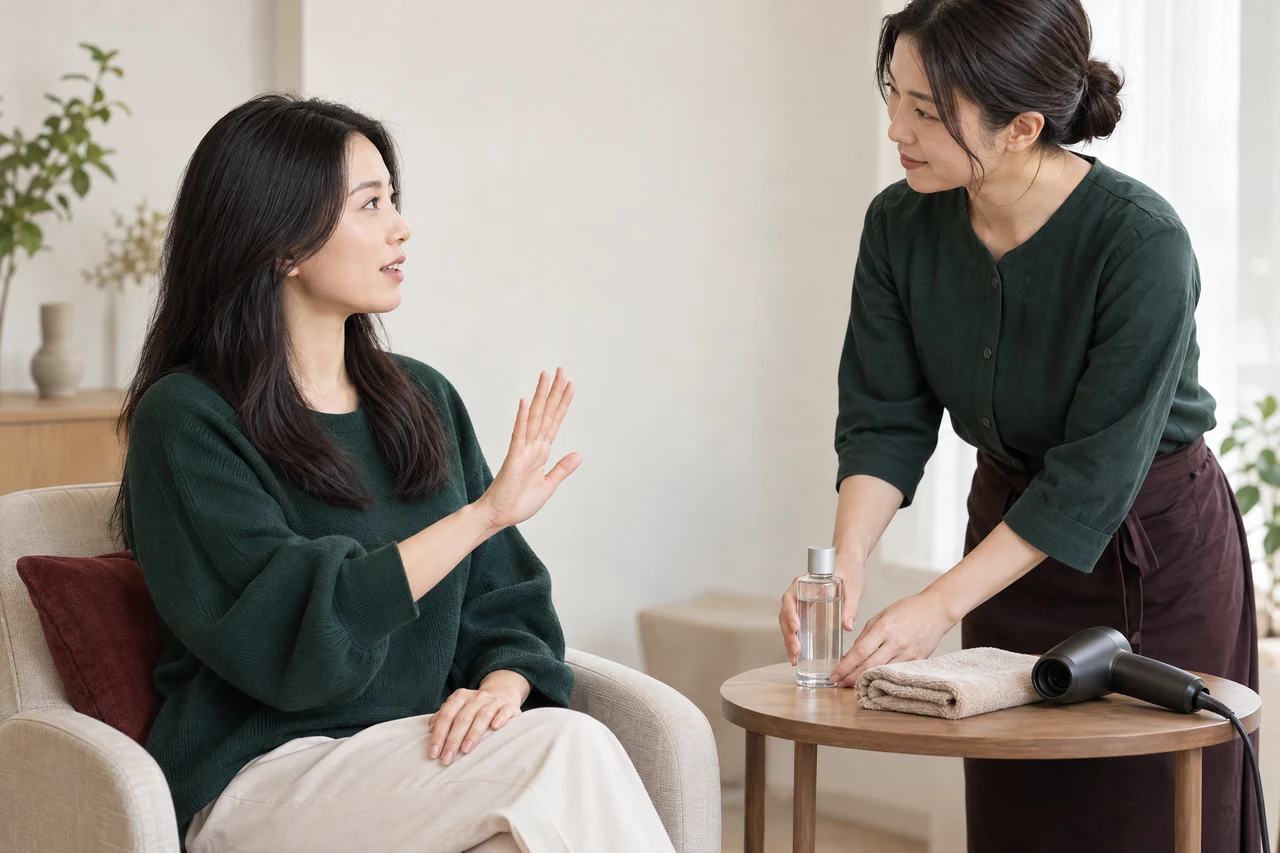
Images of water features or equipment cannot establish the products, cleaning approach or suitability of an appointment. Ask for the service contents in plain language, including any scrub or exfoliation step and how its use is decided. A particular device, brand or ritual should only be assumed when the provider explicitly confirms it.
There are real, distinct pieces of equipment behind some images. Takara Belmont's Yume Head Bath development account describes a shampoo-basin accessory combining flowing water with immersion. That is a description of a particular device, not a definition of every Japanese head spa. When a water feature matters to you, confirm the actual equipment and whether it belongs to the option you are considering.
Ask which cleanser, scalp product and hair conditioner will be used, and which are rinsed out. Share known reactions to previous products rather than assuming that a Japanese brand, botanical ingredient or pleasant scent makes a formula suitable. If fragrance is a concern, ask about alternatives before the visit. Also ask how shared tools and basin attachments are cleaned between clients.
When a menu adds a scrub, use scalp exfoliation vs scalp cleansing to understand the distinction and ask why that extra step is proposed for your appointment.
A visible feature does not define the whole visit
A close-up of flowing water cannot show the whole appointment. Ask whether temperature can be adjusted, how water is kept away from your eyes and ears, and whether the feature can be omitted. If a camera is used to show the scalp, ask what the observation is for; a magnified picture can help a cosmetic discussion but is not a medical diagnosis.

Comparing the complete appointment
Compare the full visit, including preparation, any separate hair conditioning and the final drying or styling arrangement. Ask for the expected time and total charge for the option being discussed. This allows a practical comparison with other cosmetic scalp services without treating a style label as a promise of health benefits or hair growth.
For a visit before returning to work or meeting friends in Hong Kong, the finish may matter as much as the basin experience. Ask whether you leave with towel-dried hair, fully dried hair or a styled finish. Explain if you want your natural curls preserved or prefer minimal styling product at the roots. Do not assume a promotional photograph shows the included finish.
Vit So's listed professional scalp care price is HK$980. That price identifies a listed cosmetic scalp-care item; it does not confirm a Japanese head spa, a water-ring device or a particular massage method. Ask which current service is being quoted and what its charge includes. Where a hair-length supplement may apply, confirm its relevance before agreeing to the visit.
For a wider package comparison, read head spa packages and ask the provider to distinguish included work from optional conditioning or styling additions.
Review scalp treatment to check its service scope and the details to share before arranging the related work.
Time, drying and the agreed charge
Request an estimated arrival-to-finish time rather than only the duration of the featured treatment. Keep the agreed service description with the quote, especially when a promotion offers upgrades. A lower headline price is not automatically better value if it excludes the drying you need; a longer ritual is not automatically better value if its additional steps do not interest you.
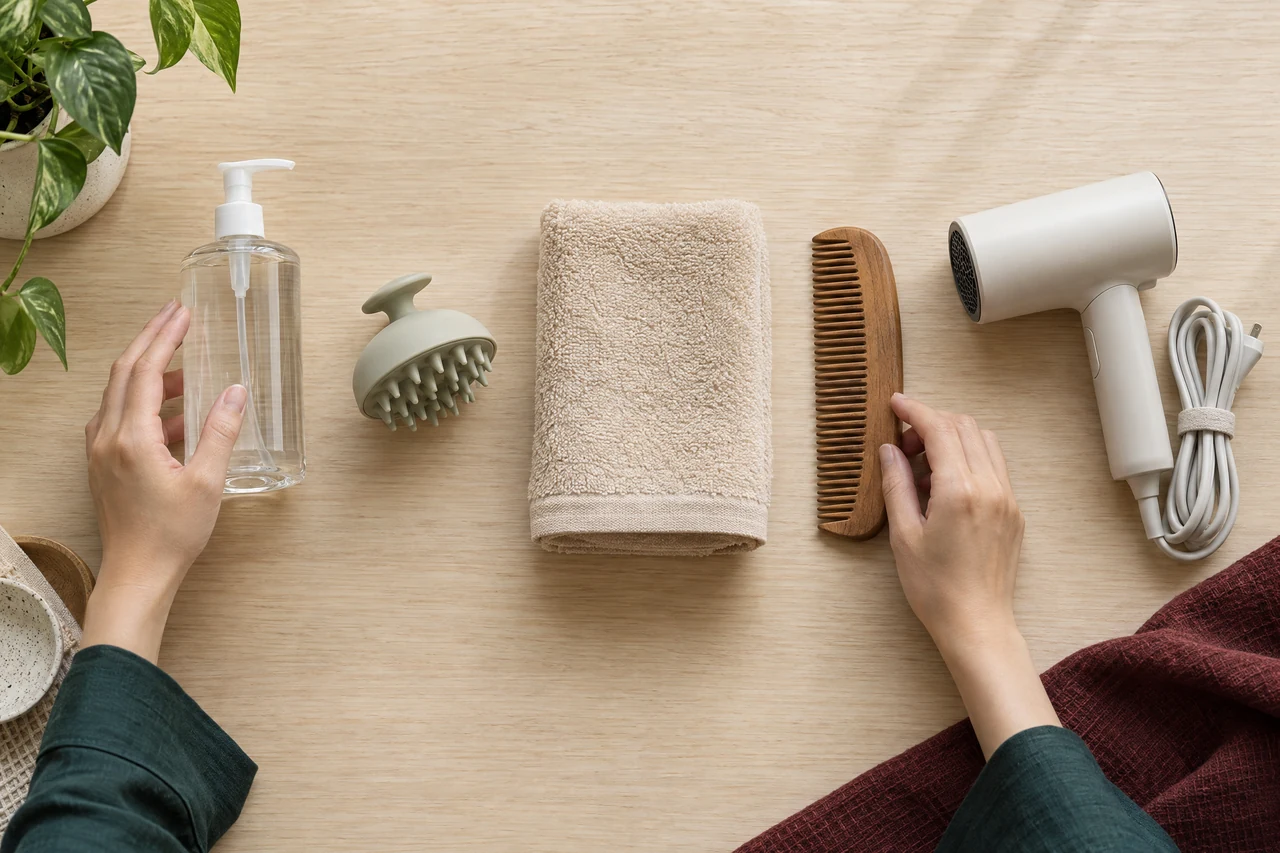
Prepare information that makes the comparison useful
Before enquiring, note your usual shampoo, how your scalp feels after washing and whether you use dry shampoo, wax or scalp oils. This is more useful than asking only for a deep clean. Tell the provider about recent colour, bleach or perm work, and any attachments or extensions that could affect handling. Ask whether you should wash beforehand or arrive in your normal state.
Separate concerns about the scalp from concerns about the hair lengths. The American Academy of Dermatology's healthy-hair guidance recommends concentrating shampoo on the scalp and tailoring conditioner placement to hair type. In a service discussion, that distinction helps you explain why you might want cleansing at the roots but conditioning mainly where the hair needs it.
Continue with what to ask before a scalp treatment for that specific comparison and the preparation questions it raises.
Give the provider your priorities, not a borrowed diagnosis
Describe what you notice: residue after styling, an uncomfortable product scent, or lengths that tangle during washing. Avoid turning a video caption into a diagnosis of blocked follicles. If there is persistent irritation or changing shedding, obtain healthcare advice rather than asking a cosmetic provider to identify the cause through a spa consultation.
Judge the experience separately from the styled finish
After a visit, consider whether the actual sequence matched the explanation, whether your comfort requests were respected and whether the finish fitted your plans. These observations are a practical basis for deciding whether you would choose the same service again. Freshly dried, lifted roots can change how hair looks, so do not interpret that appearance alone as increased hair density.
Keep home care straightforward unless the provider has explained a specific product instruction. Ask which products remain on the hair and whether your usual washing routine needs to change. There is no reason to assume that every Japanese-labelled service requires an identical aftercare ritual or a fixed repeat schedule. A pleasant optional experience can remain optional.
What to record for a useful follow-up
Keep the names of products used and note any unexpected discomfort, along with when it began. Contact the provider about a mismatch in service contents; seek healthcare advice for ongoing symptoms. For future visits, your preference for a lighter finish or gentler contact is useful feedback, not a reason to buy a more elaborate package.
Compare Japanese head spa descriptions by the details that change your visit
| Menu feature | What to confirm | Practical trade-off |
|---|---|---|
| Hands-on scalp massage | Movements, area covered and adjustable pressure | Choose contact you enjoy rather than the most intense option. |
| Waterfall or immersion feature | Actual equipment, temperature adjustment and optional use | The visible feature may appeal to you but says little about the remaining steps. |
| Scalp cleansing or scrub | Product identity and reason for any exfoliation | Extra steps should have a clear cosmetic purpose, not just make the menu longer. |
| Conditioning the lengths | Product placement and whether it is included | Softness at the ends and a light root finish may require different arrangements. |
| Drying and styling | Towel dry, full drying or styled finish | Compare a finish that fits your next activity, not just the advertised basin time. |
| Complete appointment | Total charge and arrival-to-finish estimate | Assess the agreed scope rather than assuming matching labels mean matching value. |
Your preparation checklist
- State whether your main priority is cleansing, gentle contact or a calm cosmetic experience.
- Request the actual sequence and identify any equipment feature you specifically want.
- Share known product reactions, scalp discomfort and recent hair-processing history before choosing products.
- Confirm pressure adjustment, basin support and how to ask for a pause during the visit.
- Agree on conditioning placement and the drying or styling finish you need afterwards.
- Confirm the complete quote, applicable supplements and expected finish time before accepting the arrangement.
Frequently asked questions
Does Vit So's Japanese haircutting background confirm this service?
No. Haircutting training and a scalp-care protocol are different. Ask about current service contents rather than inferring a Japanese massage or spa method from a haircutting biography.
Does the label guarantee a water-ring or particular product?
No. Equipment and products must be confirmed with the provider. A photograph or service name is not enough to establish the appointment's actual contents.
Can a Japanese-style massage treat headaches or improve hair growth?
Those effects should not be assumed. This guide concerns cosmetic service choices, not medical treatment. Seek healthcare assessment for persistent symptoms or changes in shedding.
Can I ask for cleansing without the massage or water feature?
Ask whether the proposed option allows individual steps to be omitted, and whether that changes the price or finish. A flexible arrangement cannot be assumed from the name. Explain which part interests you and which part you would rather avoid before agreeing to the service.
Is a longer Japanese head spa appointment always a better choice?
Not necessarily. More advertised time may include preparation, conditioning or drying rather than additional massage. Compare the actual steps with your priorities and your schedule. The clearer choice is the appointment whose included work you understand and want, rather than simply the longest menu option.
Make your scalp-care enquiry specific
Considering cosmetic scalp care in Sheung Wan? Tell Vit So what interests you about a Japanese head spa description and share your product preferences, hair history and desired finish. Ask which current option addresses those priorities, with its contents, timing and total charge. An enquiry starts that discussion; it is not a confirmed booking or confirmation of a Japanese massage protocol.
Start your WhatsApp enquirySources & further reading
- Research and Development: 2. Yume Head Bath
The manufacturer's description of a particular shampoo-basin accessory combining flowing water and immersion.
- Tips for healthy hair
Separating scalp shampoo placement from hair-type-specific conditioner placement when discussing cosmetic care.
- Massage Therapy: What You Need To Know
Inconsistent headache-study findings and advice not to delay healthcare for massage; not a Japanese head spa treatment endorsement.



