







Describe Movement for Hair Extensions for an Active Lifestyle
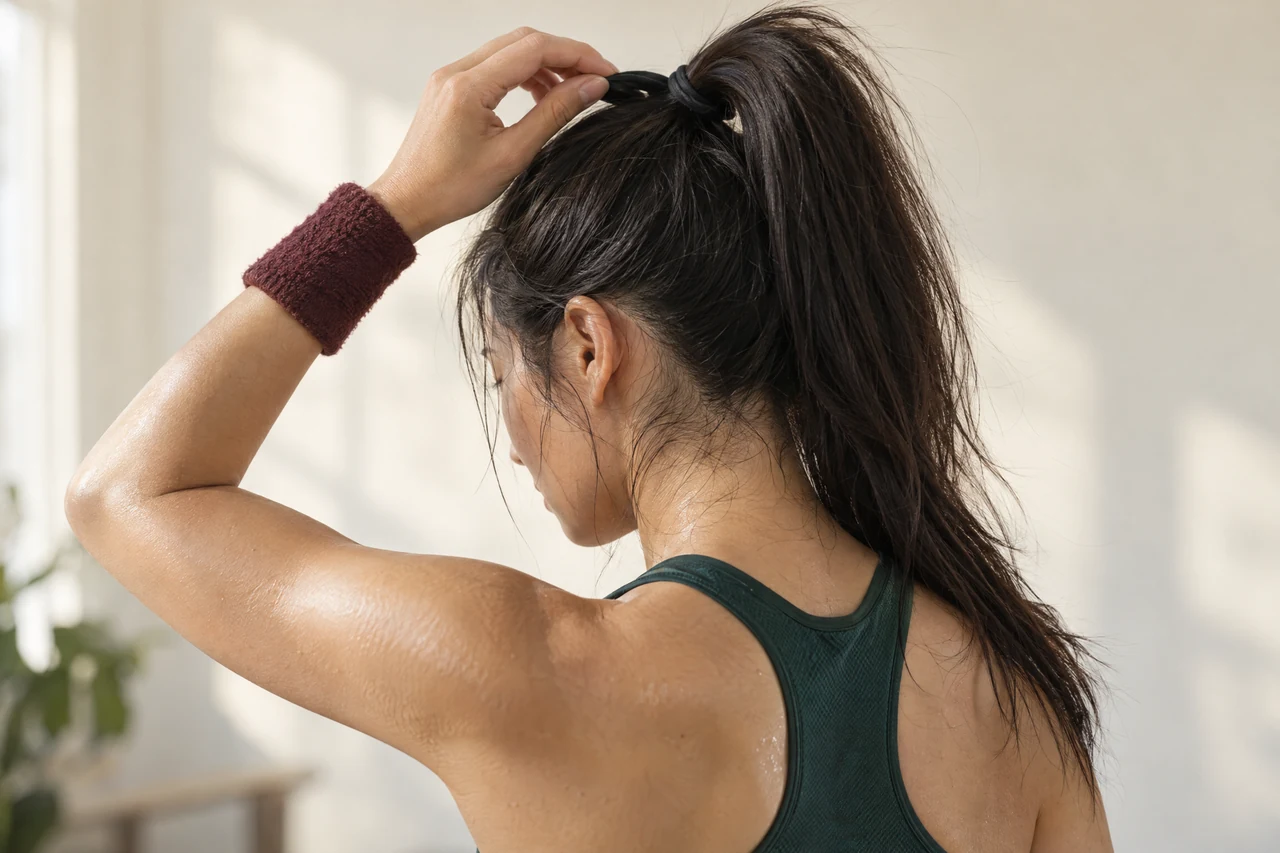
Explain whether you run, attend gym classes or need hair secured out of the way for work. Include how often you tie it up and the height of that style. The discussion should consider pulling and the attachment positions, not simply whether the finished hair looks tidy in a ponytail. Keep a less demanding style as an alternative.
Start with the problem you want added hair to solve. A fuller ponytail is a different goal from substantially longer hair. Ask how each proposed length would be managed while running, lying on a gym bench or bending forward. A long tail may stay away from your face yet still touch equipment or catch beneath a shoulder strap. Discuss whether a more modest length could deliver the outline you want with less hair to manage.
Do not judge a workout style only while standing still. With the stylist's guidance, try the proposed tied-back arrangement while turning your head and lowering your chin. Notice whether the hairline feels pulled, whether attachment areas shift, and whether shorter natural layers escape. A lower ponytail or a loose braid may be worth discussing, but neither is automatically suitable for every placement or activity.
Hair Extensions for an Active Lifestyle Need Your Real Weekly Routine
Describe your ordinary week rather than your easiest workout. Include the activities you cannot change, such as an instructor's hair-control requirement or a work uniform. Tell the stylist whether you repeatedly retighten the same hair tie during class. The aim is an arrangement you can reproduce without increasing tension each time it loosens, not a single impressive ponytail in the consultation mirror.
Include Helmets and Other Contact Points
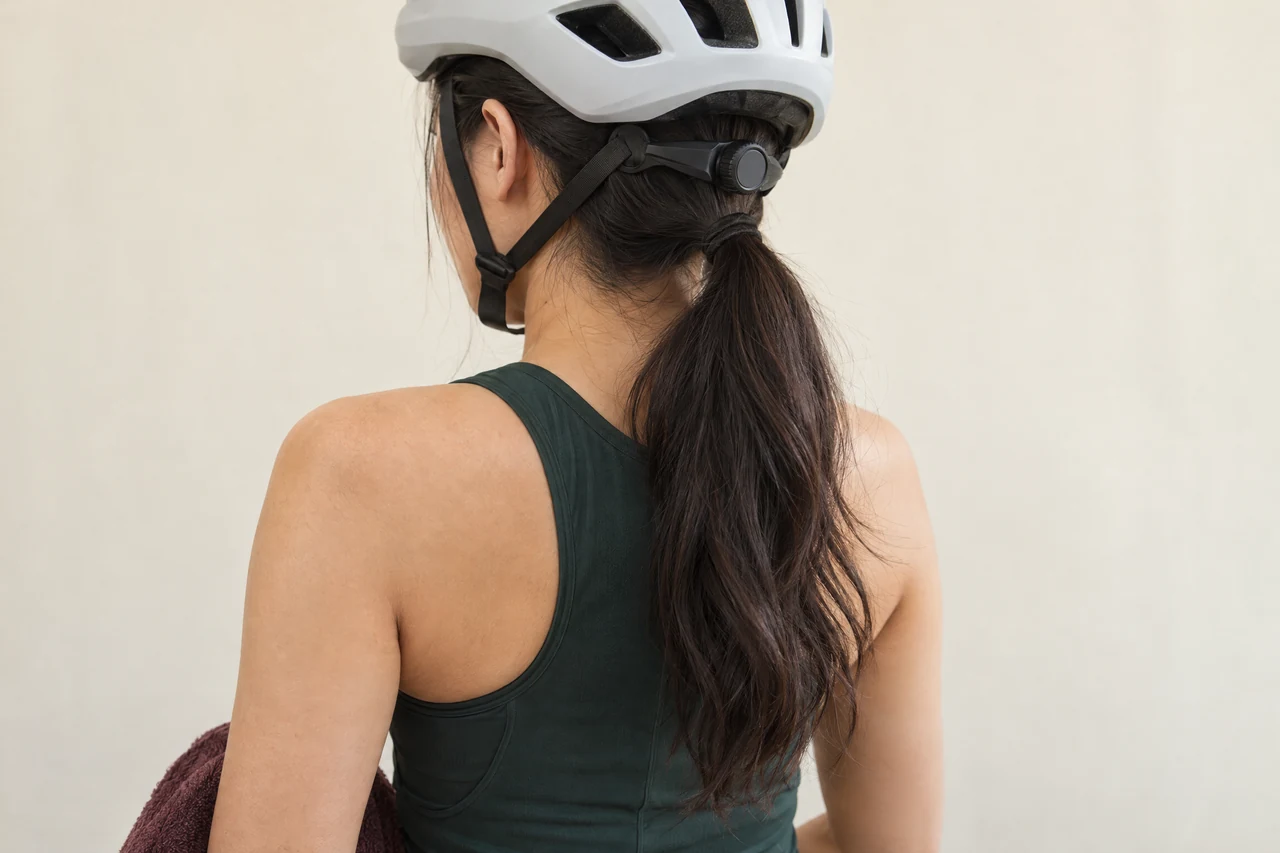
If you wear a helmet or headwear, explain where it contacts the head and how often it is removed. Contact near attachments can change the handling and comfort questions. Do not alter protective equipment to accommodate added hair. Confirm compatibility for the actual equipment and activity rather than relying on a general active-lifestyle description.
Bring your own helmet, or provide clear photographs and its model details if bringing it is impractical. Explain where the retention system sits and where your hair usually exits. A bulky bun under a helmet and a tail caught beneath its rear adjustment system raise different questions. Include goggles, tight headbands or straps if they overlap the same areas. A hairstyle should not require you to move protective equipment away from its intended position.
The U.S. Consumer Product Safety Commission's helmet advice emphasises following manufacturer instructions and ensuring correct fit and wear. Apply that priority when considering extensions: do not loosen a helmet, remove padding or modify it to make room for attachments. If the proposed arrangement prevents correct fit, revisit the hair plan and consult the equipment manufacturer or a qualified equipment fitter.
Friction and Pressure Change the Wearing Question
Check the removal movement as well as the wearing position. Pulling headwear off quickly can catch a hair tie or pass over an attachment area. Describe any pressure you already feel with your natural hair secured. Once off the head, a dented hairstyle is a cosmetic concern; persistent tenderness or snagging deserves a separate assessment rather than more styling product to hide it.
Make Time for Cleaning and Drying
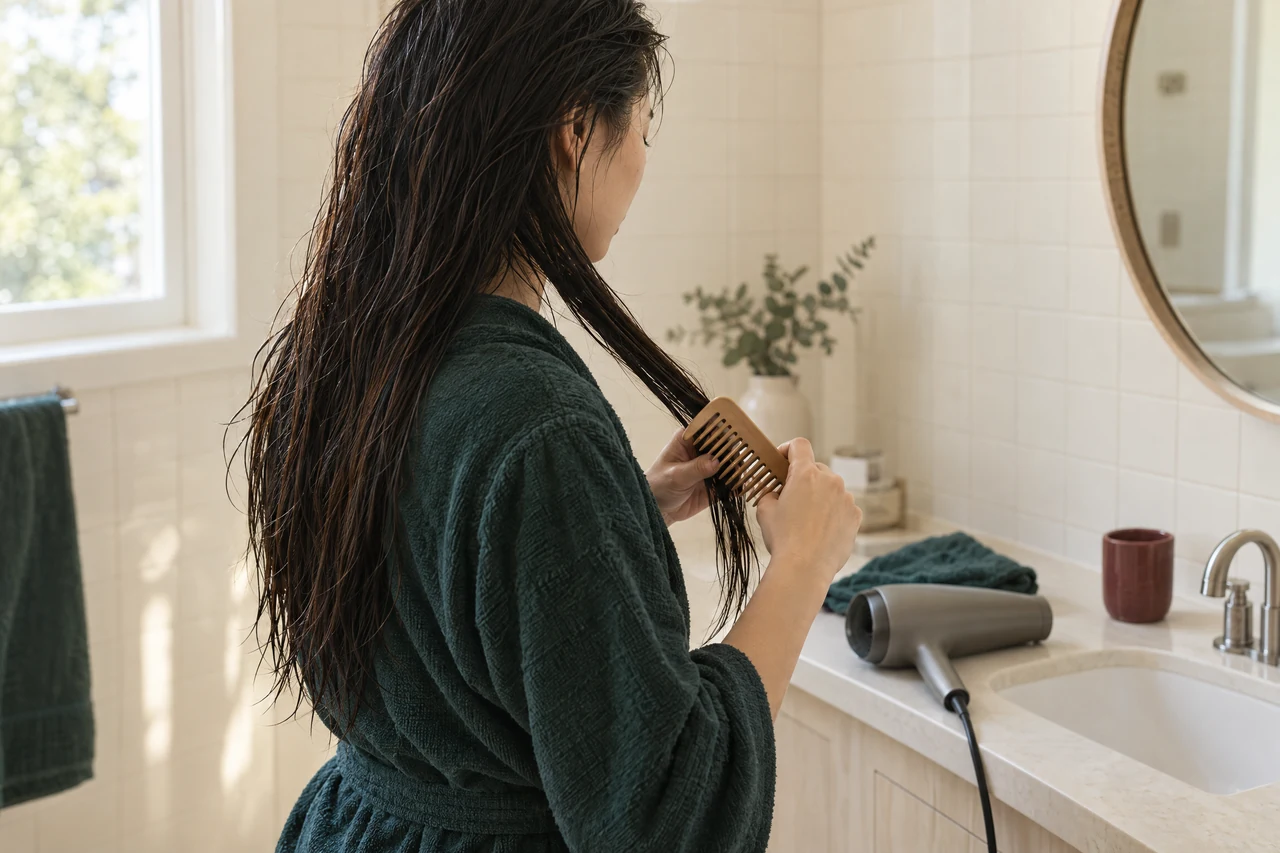
Frequent workouts may leave little time between sweating, washing and the next activity. Discuss which cleansing and drying instructions apply to the fitted hair and whether you can follow them consistently. A style that requires more care than your routine permits may be a poor match even if the attachment initially looks acceptable.
Work backwards from the moment you must leave the changing room. Ask what needs cleaning after your typical session, which products may touch the attachment areas, and how those areas should be dried. Check whether you have access to suitable equipment rather than assuming a quick towel pass is enough. If the instructions cannot fit a lunchtime class, that is useful information before choosing the hair, not a reason to skip essential care afterwards.
For a specific supplier example, Great Lengths' exercise-care article advises keeping pre-workout conditioner away from bonds or tapes and drying those attachment areas immediately after washing. This illustrates why care needs to match the product; it is not a universal routine or a statement that Vit So uses that brand. Obtain the instructions for the actual proposed application, including any initial restrictions after fitting.
Continue with hair extension aftercare for that specific comparison and the preparation questions it raises.
A Workout Schedule Needs a Care Schedule Too
Separate making the surface look presentable from completing care at the attachment areas. Ask how to check that the required drying is complete and how to handle tangles without pulling through resistance. Do not add dry shampoo, oils or a hotter dryer setting as a shortcut unless their use is permitted. Build the necessary care into the activity plan, including the transition from training to work.
Check Swimming Before Entering the Water
Swimming compatibility depends on the actual fibre, attachment and supplier's guidance. Ask whether pool or sea exposure is permitted and what preparation and aftercare are required. Removable pieces may have different limits from fitted hair. Do not take a general care article as permission to swim, or assume a secure-looking attachment is approved for water exposure.
Make the question specific: explain whether you swim regular laps, enter the sea occasionally, or only want to sit beside a pool. Ask for guidance covering immersion, repeated exposure and the products used afterwards. If permission is conditional, establish what you must do before entering and after leaving the water. A swimming cap is not, by itself, evidence that an otherwise unsuitable attachment can be worn in water.
If a removable piece must come off before swimming, ask how to remove and store it without damage. Fitted attachments are not an invitation to attempt removal yourself. When water exposure is not approved, discuss a different arrangement or postpone added hair rather than testing compatibility during a session. For training camps or swimming holidays, consider how to care for hair extensions when travelling alongside the drying facilities and care instructions available away from home.
Pool and Sea Use Need Product-specific Limits
A useful answer identifies the hair material, the attachment and the type of water exposure being discussed. It should also explain whether any cleansing products must stay away from the attachment areas. Ask separately about a sauna or steam room if either is part of your swim routine; permission for one activity does not establish permission for the next. If the details remain unclear, resolve them before entering the water.
Respond to Pulling Before Retightening
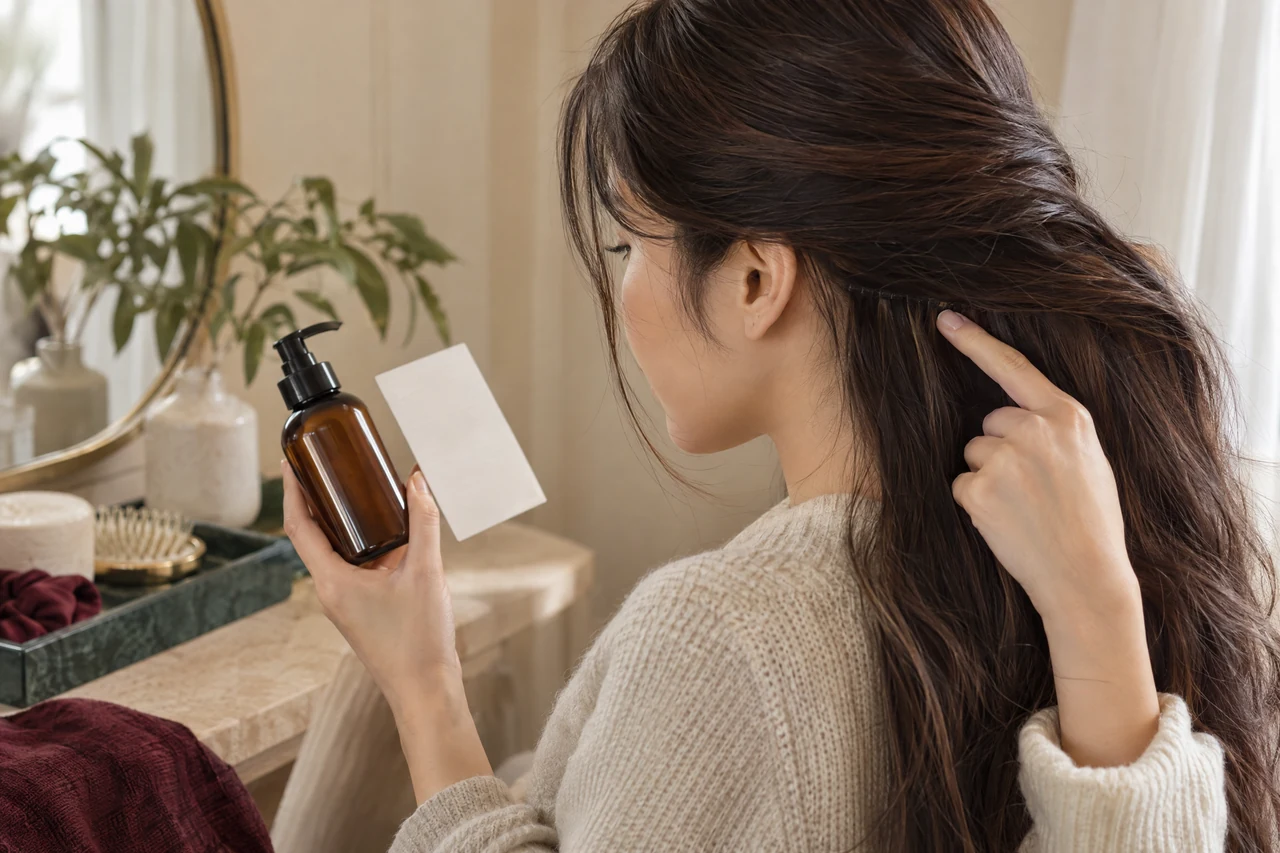
The American Academy of Dermatology's guidance on hairstyles that pull identifies repeated pulling from tight hairstyles, including tightly pulled ponytails and extensions or weaves, as a cause of traction alopecia, a form of hair loss. It advises changing a hairstyle immediately if it causes pain, scalp stinging or crusts. A style feeling secure is not the same as it feeling comfortable.
If discomfort begins during exercise, stop adding tension and loosen the removable hair tie or headband without tugging on fitted attachments. Move to a safe place before adjusting protective equipment. Do not continue the activity simply to see whether the pulling settles. Contact the stylist about snagging, a changed attachment position or an arrangement that cannot be tied back comfortably. Persistent scalp symptoms or hair loss warrant assessment by a dermatologist rather than a styling-only response.
Continue with do hair extensions damage natural hair for that specific comparison and the preparation questions it raises.
Keep Comfort Separate from Appearance
A smooth hairline can conceal tension, while an exposed attachment may be a visibility issue without explaining discomfort. Report both accurately. Describe where you felt pulling, which movement triggered it and whether it continued after releasing the style. This helps distinguish a styling adjustment from a concern that needs the fitted hair checked or medical advice.
Bring an Activity Plan to Your Consultation
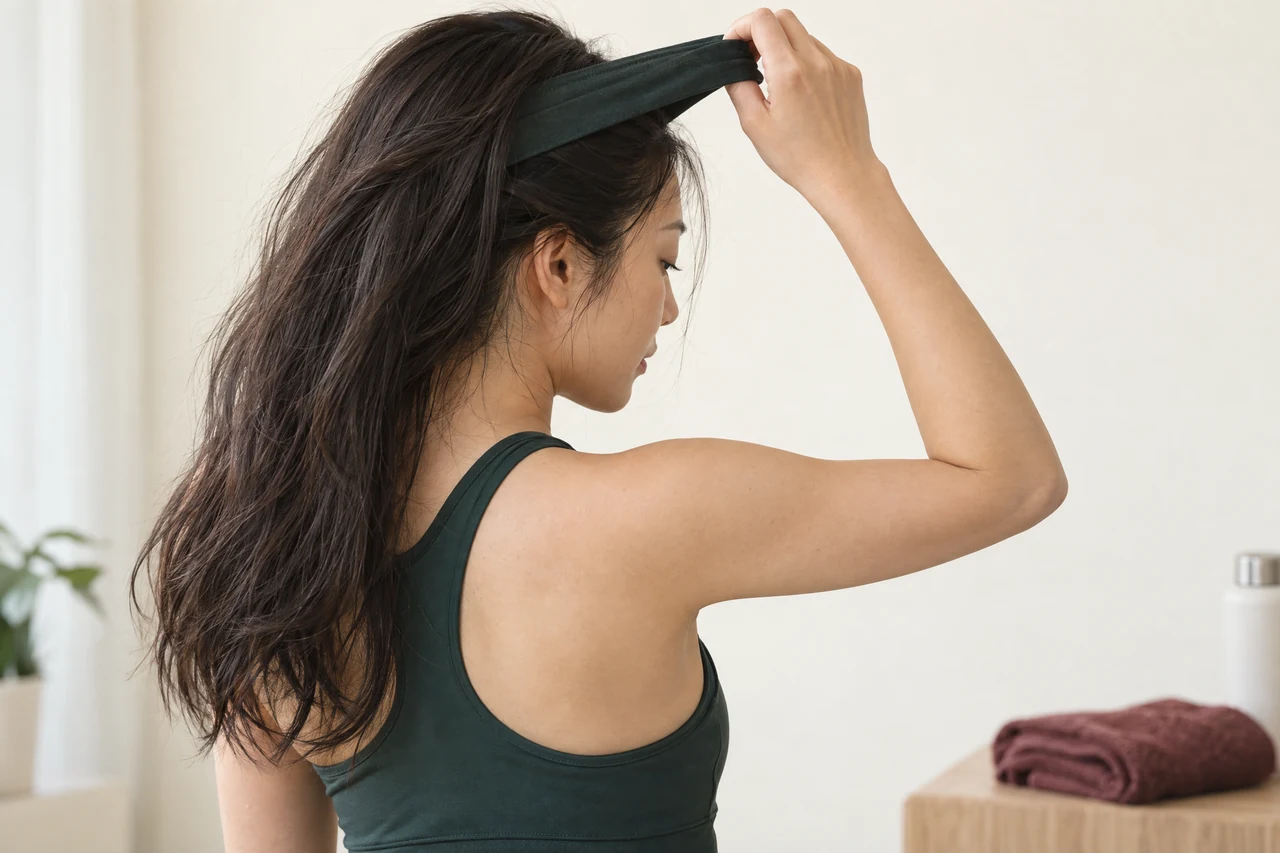
Use the 6 preparation checks below to organise your enquiry. Photos of your everyday workout style are more useful than a reference image showing only loose hair. Include a side and rear view where practical, plus the equipment you regularly wear. For a Sheung Wan consultation, explain your journey between work, training and home so the care discussion reflects where washing and drying can actually happen.
When comparing options, use how to choose a hair extension method to frame questions about the actual attachment, not just its name. Ask what design changes are possible if your preferred ponytail conflicts with attachment coverage or helmet contact. Confirm the fitting scope and ask separately about checks, adjustment, removal and their charges. A manageable plan may involve less added length, a different wearing arrangement, or deciding that fitted extensions do not suit the current training schedule.
Review hair extensions to check its service scope and the details to share before arranging the related work.
Agree on a Workable Alternative
Identify what you are willing to change and what must stay fixed. You might accept a different ponytail height but not reduce swimming or compromise helmet fit. Ask for a repeatable styling demonstration and the product-specific care instructions before deciding. The most useful outcome is a clear choice you can maintain during your normal activities, even if it differs from the original reference look.
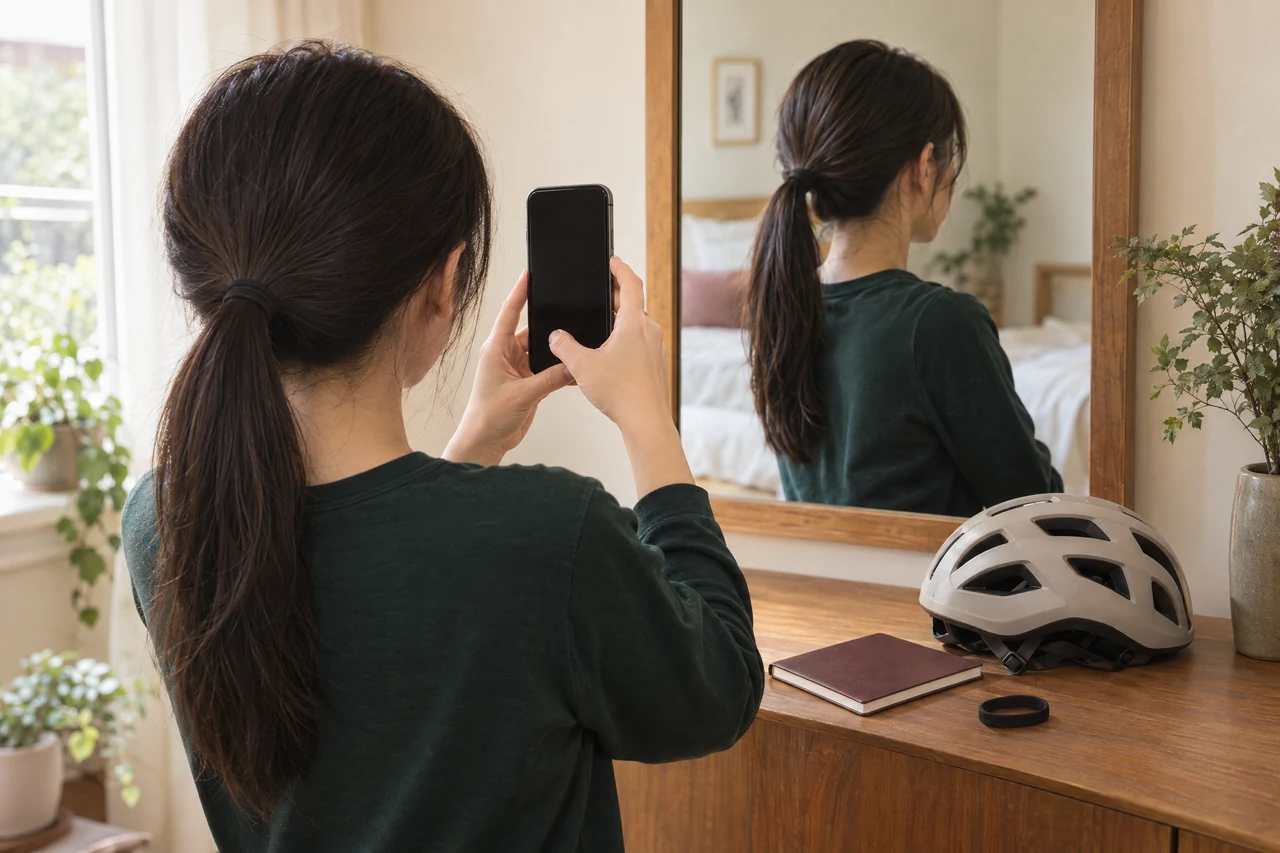
Compare activity demands before choosing added hair; these are consultation questions, not compatibility ratings.
| Activity or habit | Main question | Practical decision |
|---|---|---|
| Running with a bouncing ponytail | Can the chosen length be controlled without repeated tightening? | Try the proposed style and discuss less length or another comfortable arrangement. |
| Cycling or another helmet activity | Does the complete wearing arrangement preserve correct equipment fit? | Keep manufacturer-required fit; change the hair plan if it conflicts. |
| Lunchtime gym followed by work | Can required cleaning and attachment drying happen before departure? | Check facilities and allow care time before committing to fitted hair. |
| Regular pool or sea swimming | Is this exact fibre and attachment approved for the intended exposure? | Obtain specific limits and aftercare; do not assume a cap grants permission. |
| Repeated headband removal | Does removal snag hair or pull at attachments? | Discuss a different accessory or handling method without modifying safety equipment. |
Your preparation checklist
- List your usual activities and identify any non-negotiable hair-control or protective-equipment requirements.
- Photograph your everyday ponytail, braid or bun, noting where you feel pulling and whether you retighten it during exercise.
- Bring helmet details and describe headbands, goggles or straps that contact the same areas.
- Identify where post-workout cleaning and drying can happen, and ask for the actual attachment-specific instructions.
- Confirm pool, sea and other water or heat exposure separately before including them in the wearing plan.
- Agree on an alternative style, the signs that need a fitted-hair check, and the scope and charges of follow-up or removal.
Frequently asked questions
Can you swim with hair extensions?
Check the actual hair and attachment instructions first. Pool and sea exposure may have different limits, and no blanket permission to swim is given here.
Can I tighten my ponytail to keep extensions secure?
Extra tightness can increase pulling. Discuss the attachment positions and an appropriate tied-back style rather than using tension as a way to secure the hair.
Should I change my helmet fit for extensions?
Do not compromise protective equipment. Explain the equipment and activity before selecting added hair, and confirm whether the proposed wearing arrangement is compatible.
Plan Added Hair Around Your Training Week
Send Vit So your hair photos, usual workout style and equipment details for an enquiry about a consultation in Sheung Wan. Include swimming plans and the time you have for aftercare so suitability and service scope can be discussed before you decide. An enquiry is not a confirmed booking; the arrangements need to be agreed.
Start your WhatsApp enquirySources & further reading
- Hairstyles that pull can lead to hair loss
American Academy of Dermatology guidance on traction from tight styles and extensions, warning symptoms and dermatologist assessment.
- New CDC Report Finds More Adults Are Dying from Bicycle-Related Accidents; CPSC Says it Highlights the Importance of Helmets
Correct helmet fit and following manufacturer instructions take priority when evaluating a hairstyle around protective equipment.
- Exercising with Hair Extensions
Supplier-specific examples of avoiding product contact at bonds or tapes and drying attachment areas after washing; not universal care or a Vit So product claim.



