







Prepare a hair colour consultation for regular swimmers
Describe how often you swim, whether pool visits follow a fixed schedule and when you hope to have your colour appointment. Include earlier colouring and bleaching, especially on the lengths. These details allow a discussion of the plan and its upkeep; they do not establish that a particular shade will be unaffected by swimming.
Start with your normal week rather than an unusually quiet one. Mention whether you swim laps with your hair submerged, attend a class or mostly stay above water. Include outdoor sessions and whether you also swim in the sea. These details describe the exposure around the service; they are more useful than simply saying that you are sporty. Explain whether your next session is optional or part of training you cannot move.
Review hair colour to check its service scope and the details to share before arranging the related work.
Share your schedule in a hair colour consultation for regular swimmers
Bring your swim calendar and intended appointment date together. Tell the stylist whether you normally use a cap and what washing or drying facilities are available before you head to work. Do not promise a demanding routine that you already know will be impractical. If pool attendance cannot change, make that a firm planning condition so the proposed colour can be discussed honestly from the start.
Discuss whether the colour plan should change
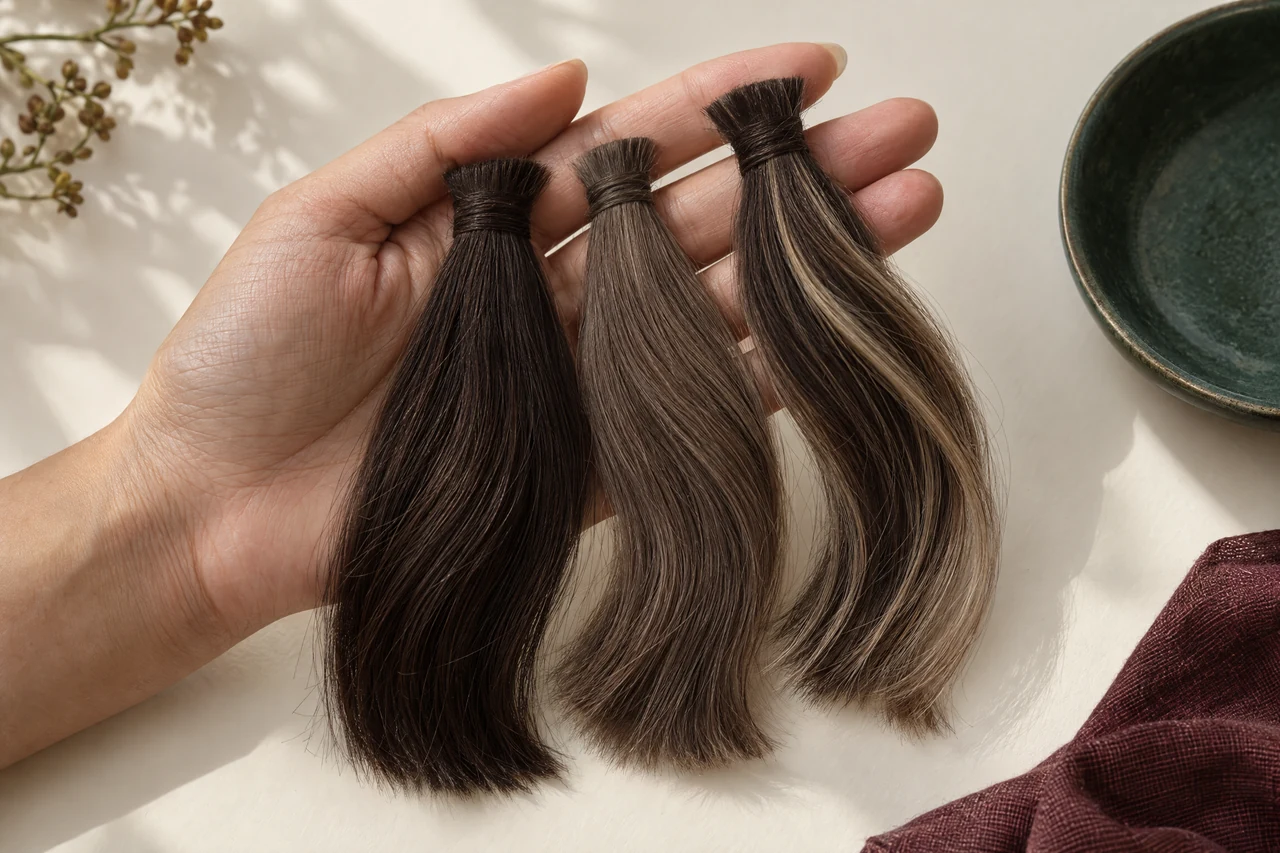
If swimming is a regular part of your week, ask whether your preferred colour and level of maintenance still fit together. Explain how much fading or tonal change would bother you and what happened with previous colour. A different approach may be worth discussing, but swimming alone does not determine one correct shade or method for everyone.
The American Academy of Dermatology's summer hair guidance explains that colouring hair blonde makes it more susceptible to UV and chlorine damage. That is a reason to discuss how much lightening your reference requires, not a rule banning blonde hair for swimmers. Ask whether keeping more of your existing depth could meet the visual goal without pursuing the palest version of the photograph.
When a deeper shade is an option you genuinely like, compare low maintenance brown hair colour with your preferred lighter look, focusing on the ongoing commitment rather than treating brown as immune to pool exposure.
Separate the desired shade from upkeep tolerance
Describe which feature matters most: overall brightness, a cool finish or visible contrast around the face. Then explain what change you could accept between appointments. Softening the contrast might satisfy one person, while another would rather keep the stronger look and discuss its upkeep. Ask what each option would involve if the tone changes; a colour that looks subtle on appointment day does not automatically require little maintenance.
Explain previous changes in tone
Distinguish fading from a new greenish cast or increased warmth. University of Alabama at Birmingham's swimming guidance explains that chlorine and salt water can dull or fade chemically treated hair, while green coloration in light hair can come from copper deposits in pools. Bring photographs and describe where the change appeared. This helps frame an assessment instead of assuming every unwanted colour change needs more dye.

Bring the condition of the lengths into the decision
Describe roughness, tangling or breakage you have noticed and identify where the hair has been repeatedly processed. The target colour needs to be considered alongside the condition of those areas. A reference photograph cannot establish suitability, and choosing a shade should not substitute for an assessment of the hair before a chemical service.
Map the history by area. New growth may have a different history from highlighted mid-lengths or ends that were previously bleached and later coloured darker. Include home colour, straightening and perms, with approximate dates where possible. Say when a detail is uncertain. A dark appearance does not erase an earlier lightening process, and the oldest treated sections may still be part of the length you want to keep.
Review hair treatment to check its service scope and the details to share before arranging the related work.
Continue with can i get a new haircut and colour in one visit for that specific comparison and the preparation questions it raises.
Mention repeated processing and roughness
Point out where the hair catches during combing, feels rough after drying or seems to snap. Note whether these observations began after a chemical service, after swimming or gradually over time, without diagnosing the cause yourself. The American Academy of Dermatology's colouring and perming advice notes that these procedures can leave hair dry and brittle. An assessment may change which areas are suitable for further processing.
Avoid relying on the reference shade alone
Bring a current photograph as well as the target. Keep the roots and ends visible, and identify the element you like rather than requesting an exact copy. Ask which parts of the goal are feasible now and which might need reconsideration. If preserving length is your priority, say so before agreeing to additional lightening. Cosmetic conditioning should not be treated as proof that fragile lengths can tolerate any colour procedure.

Ask for instructions tied to the actual service
Before arranging your next swim, ask what instructions apply after the proposed colour service and whether your usual schedule needs adjusting. Washing, pool exposure and care advice should relate to the actual products and your hair. This guide does not set a universal waiting period or promise that following a routine will prevent all colour change.
Describe the care you already use so the discussion is about compatibility, not a shopping list. Mention any colour-depositing products or attempts to remove a pool-related tint. Ask whether your normal cleansing routine remains appropriate for the proposed service and whether anything needs to change. The useful outcome is an instruction you understand and can follow, rather than collecting conflicting rules from different colour procedures.
Confirm when to resume swimming
Ask about pool exposure separately from the first wash; permission to wash should not be assumed to answer the swimming question. Give the date of your next session and ask whether it fits the instructions for the chosen work. If it does not, discuss changing the appointment or reconsidering the service. Do not rely on a generic waiting time remembered from a previous colour, especially if this appointment involves different processing.
Clarify care without assuming a universal rule
Ask how your usual swim cap and handling routine fit the advice. The AAD's summer guidance recommends considering a cap, but that recommendation is not a guarantee of colour retention. Confirm what changes should prompt contact with the salon and what information would help a follow-up. Persistent scalp burning or irritation needs medical advice rather than another cosmetic colour step. Keep the agreed instructions accessible before the next session.
Compare the initial service with ongoing colour upkeep
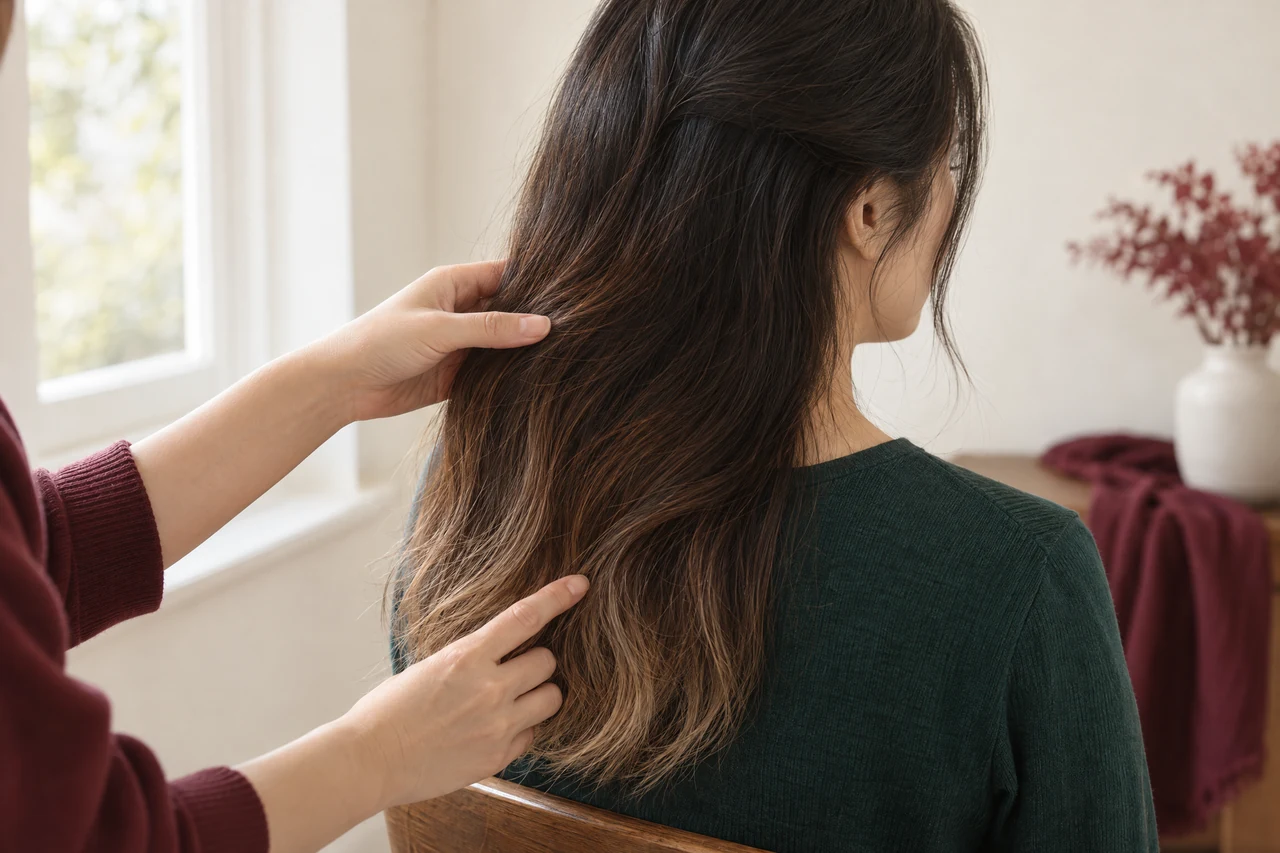
The listed tinting price is HK$800–HK$1,000. This is a service price range, not a promise that a swimmer's complete colour plan fits within it. Ask whether the proposal is ordinary tinting or includes lightening, toning or other separately quoted work. Confirm the scope and applicable surcharges before proceeding, especially when the reference is much lighter than your existing hair.
Discuss the likely purpose of future visits without accepting a fixed timetable before assessment. Regrowth coverage and refreshing a changed tone are different jobs. If you would only return when roots become noticeable, ask whether the proposed shade fits that preference. A dramatic initial change should be considered alongside the attention you are willing to give it between appointments, not just the first bill.
Choose a workable compromise rather than an automatic add-on
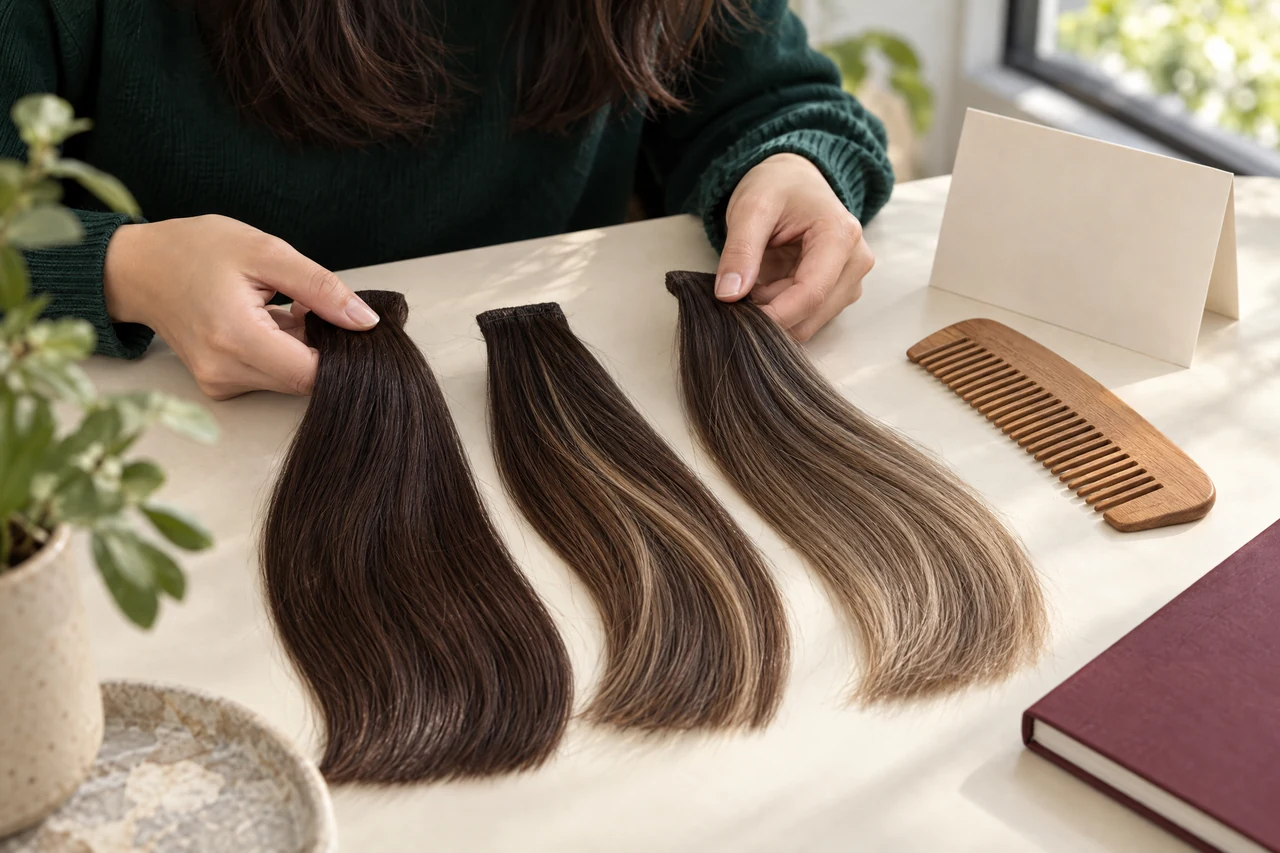
Compare keeping the current depth, changing selected areas or postponing further lightening where the lengths need assessment. Ask what each alternative changes visually and what work it avoids or adds. A smaller colour change may be a good choice because it matches your priorities, not because it has been labelled a special solution for swimmers. Confirm any care service separately rather than assuming it is compulsory or included.
Leave with a colour plan that fits your swim week
Before committing, summarise the agreed direction in your own words: the colour goal, areas being treated and any adjustment around swimming. Ask for clarification if the proposal differs from the reference. Bring the same practical detail to the comparison table and checklist below; these are discussion tools, not a method for choosing a chemical formula yourself.
If keeping hair out of your face or retaining enough length for a cap matters as much as shade, discuss a haircut for an active lifestyle alongside the colour plan. Keep those functional priorities separate so a request for easier daily handling does not become an unnecessary chemical change.
Make your enquiry specific enough to answer
Send clear current-hair photographs with your preferred direction and usual swim schedule when enquiring about a Sheung Wan visit. Include processing history and any noticeable tonal change. Ask what needs assessment before the service and whether your intended timing is workable. You do not need the name of a formula to start a useful conversation; accurate information about your own hair and routine is the more helpful starting point.

Colour-planning choices to discuss when swimming is part of your normal week
| Planning direction | Potential fit with your priorities | Question to resolve before choosing |
|---|---|---|
| Stay closer to the existing depth | Worth comparing when a subtle change matters more than strong brightness. | Will the desired undertone still require processing, and what tonal change should I expect? |
| Keep brighter colour in selected areas | May suit a preference for visible contrast without changing the whole head. | Which lengths would be treated, and what upkeep would those areas need? |
| Pursue a much lighter overall look | Prioritises a stronger visual change, with hair condition and commitment central to the decision. | Is the lightening suitable now, and can my swim schedule fit the actual service instructions? |
| Postpone further lightening | Keeps assessment and retaining fragile lengths ahead of a more ambitious shade. | What can be achieved without further lightening, and what should be reassessed later? |
Your preparation checklist
- Record your normal pool schedule, whether hair is submerged and any outdoor or sea swimming.
- Map previous colour, bleach, straightening or perms onto the roots, mid-lengths and ends.
- Bring readable current-hair photographs and identify the specific colour feature you want from a reference.
- Describe previous fading, unwanted casts, roughness or breakage, and state which changes would bother you most.
- Compare proposed processing and upkeep with your priorities; confirm included work and the actual quote.
- Confirm service-specific washing and swimming instructions, including whether your next planned session needs moving.
Frequently asked questions
Must I change my colour if I swim often?
Not automatically. Compare your preferred shade, existing processing and tolerance for maintenance with your swimming routine. Ask about suitable options rather than assuming one colour works for every swimmer.
When can I swim after colouring?
Confirm the guidance for the actual service and products before planning a swim. This page does not prescribe a fixed waiting period for all colour procedures.
Can any colour be guaranteed not to change in the pool?
No such guarantee is made here. Share previous fading or tonal changes and discuss realistic upkeep expectations before choosing the colour plan.
Should I mention that my pale highlights turned green?
Yes. Show where the cast appeared and describe the swimming and products used around that time. Copper deposits can cause a green tint in light hair, as explained in the UAB guidance cited above. Let the cause and hair condition be assessed rather than assuming another dye application is the right first step.
Plan your colour around the swimming you actually do
Enquire with Vit So about a Sheung Wan colour consultation using your current-hair photographs, processing history and usual swim schedule. Explain the shade you want and the upkeep you can accept so the proposed work and timing can be discussed. An enquiry is not a confirmed booking; suitability, instructions, availability and the actual quote need confirmation.
Start your WhatsApp enquirySources & further reading
- Must-try summer hair care
AAD guidance on blonde colouring, susceptibility to UV and chlorine damage, and consideration of swim caps.
- Coloring and perming tips for healthier-looking hair
AAD guidance that colouring and perming can cause dry, brittle hair, supporting discussion of prior processing and current condition.
- How to protect skin and hair from chlorine and salt water
UAB explanation of chemically treated hair fading or dulling after water exposure and copper deposits causing a green cast in light hair.



