







Hair still frizzy after smoothing treatment: describe the difference
Note whether the concern is surface flyaways, puffiness, rough ends or a return of waves. Photograph the hair after ordinary drying and record the wash, products and tools used. These details help explain the difference from your expected finish without treating every visible strand or natural curve as evidence that the procedure has failed.
Start with location. A fine halo around the parting is different from broad puffiness through the lengths. Ends that feel rough or catch during gentle combing need a different description from soft hair that still forms waves. Say whether the concern affects the whole head or only a fringe, one side or previously lightened ends. Short strands alone do not establish breakage, so avoid pulling at them to test their strength.
Next, describe timing. Was the change already visible after the first permitted wash, after sleeping, or only after going outside? If you leave an air-conditioned office in Sheung Wan and notice more flyaways later, record that transition rather than comparing only the outdoor photograph with the salon finish. Humidity belongs in the observation record, but it should not become an automatic explanation for every mismatch. You can contact the provider with an initial concern without waiting for a long observation period.
Record hair still frizzy after smoothing treatment in normal conditions
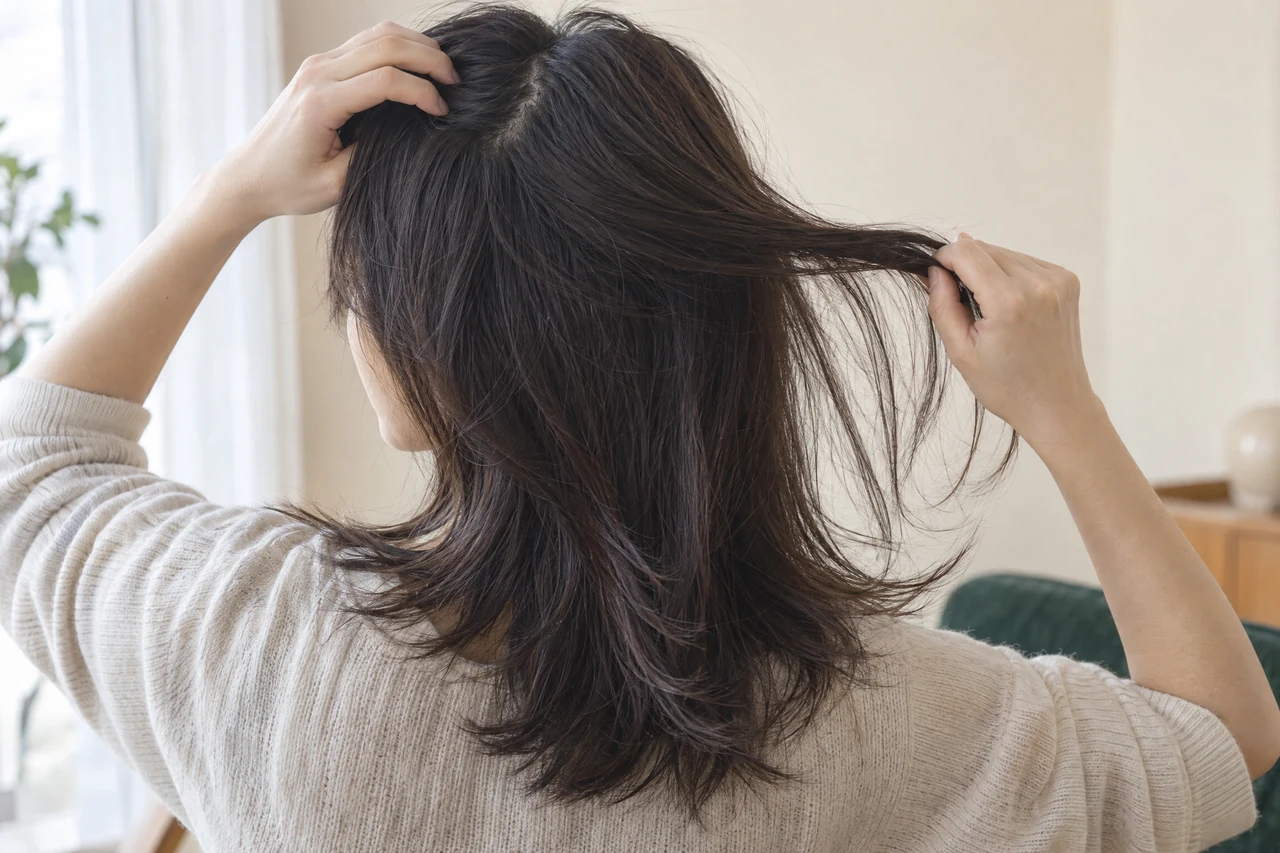
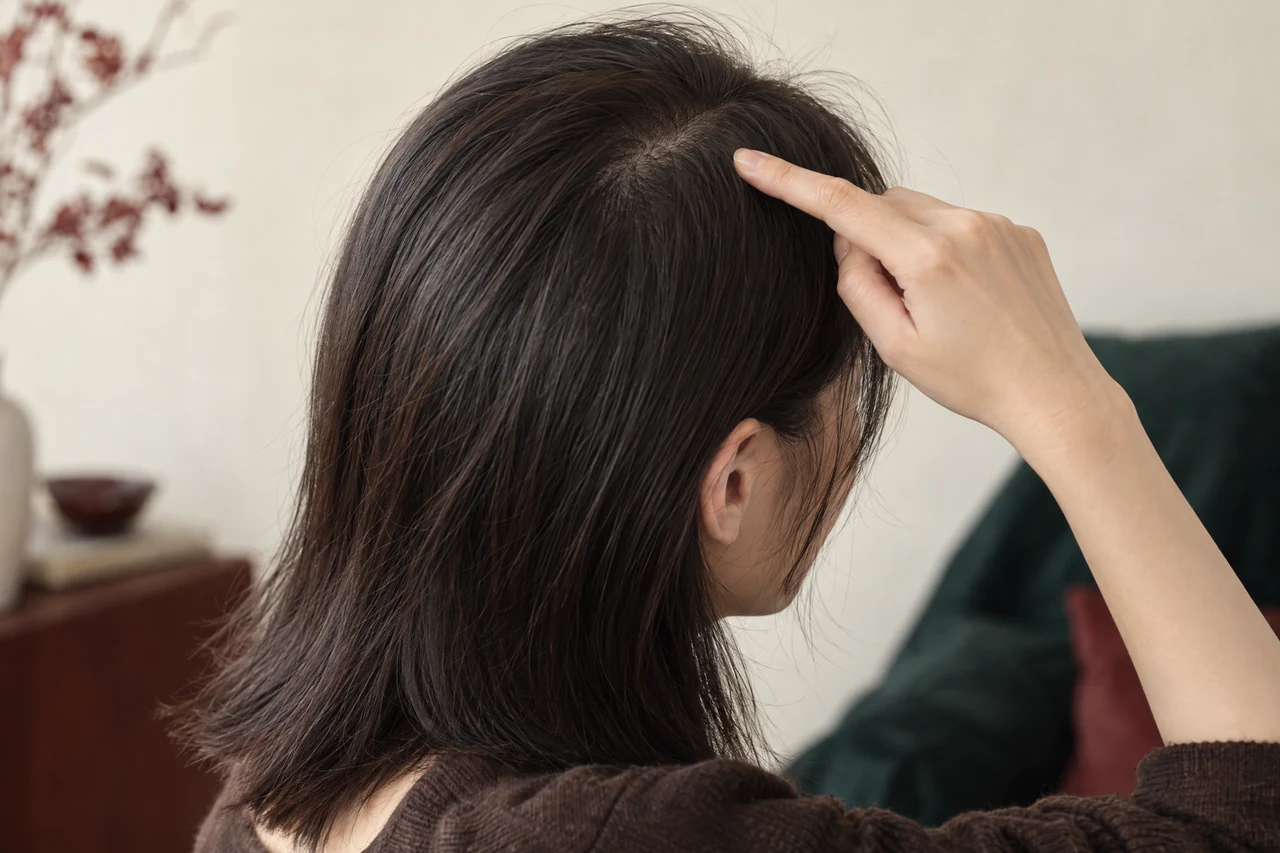
Take an overall dry-hair photograph from the back and sides, then a closer view of the area that concerns you. Use ordinary light without a beauty filter. Keep the parting and drying method comparable where practical, and label each photograph with its date and wash context. A close-up shows texture; an overall view shows whether the outline has changed. Neither photograph can establish chemical suitability by itself.
Compare the result with the original goal
Review what was discussed: easier management, a smoother feel or a lasting straighter shape. If curls were meant to remain, some movement after washing may be expected. A mismatch between the goal and what you observe needs a conversation about the actual process, not a conclusion drawn only from the flat-ironed finish at the appointment.
Separate the finish you saw from the daily routine you expected. A brushed and ironed salon finish involves tool work that your usual drying may not reproduce. Ask what the service was intended to change after washing and which parts still depend on styling. If your goal was less daily effort, mention whether you now need the same amount of brushing or ironing as before, even if the appointment photograph looked smooth.
The comparison in hair smoothing vs hair straightening can help you explain whether the unresolved concern is touch, frizz control or the underlying wave pattern, rather than relying on the service name alone.
Bring the reference image you originally discussed and identify its useful features: a softer surface, a straighter fringe or ends with some movement. State which feature matters most now. Wanting smooth lengths with retained root lift is a more specific request than wanting hair to look perfect. This also helps prevent a follow-up proposal from solving one concern while creating another.
Frizz reduction is different from a fully straight pattern
A visible bend and a rough surface are not the same observation. Explain whether the hair feels easier to handle despite retaining waves, or feels rough even where it lies straight. Do not infer the ingredients or permanence of the procedure from words such as smoothing or keratin. Ask for the actual product or method used and how its expected wash-day result was described at your appointment.
A flatter outline is a different follow-up concern
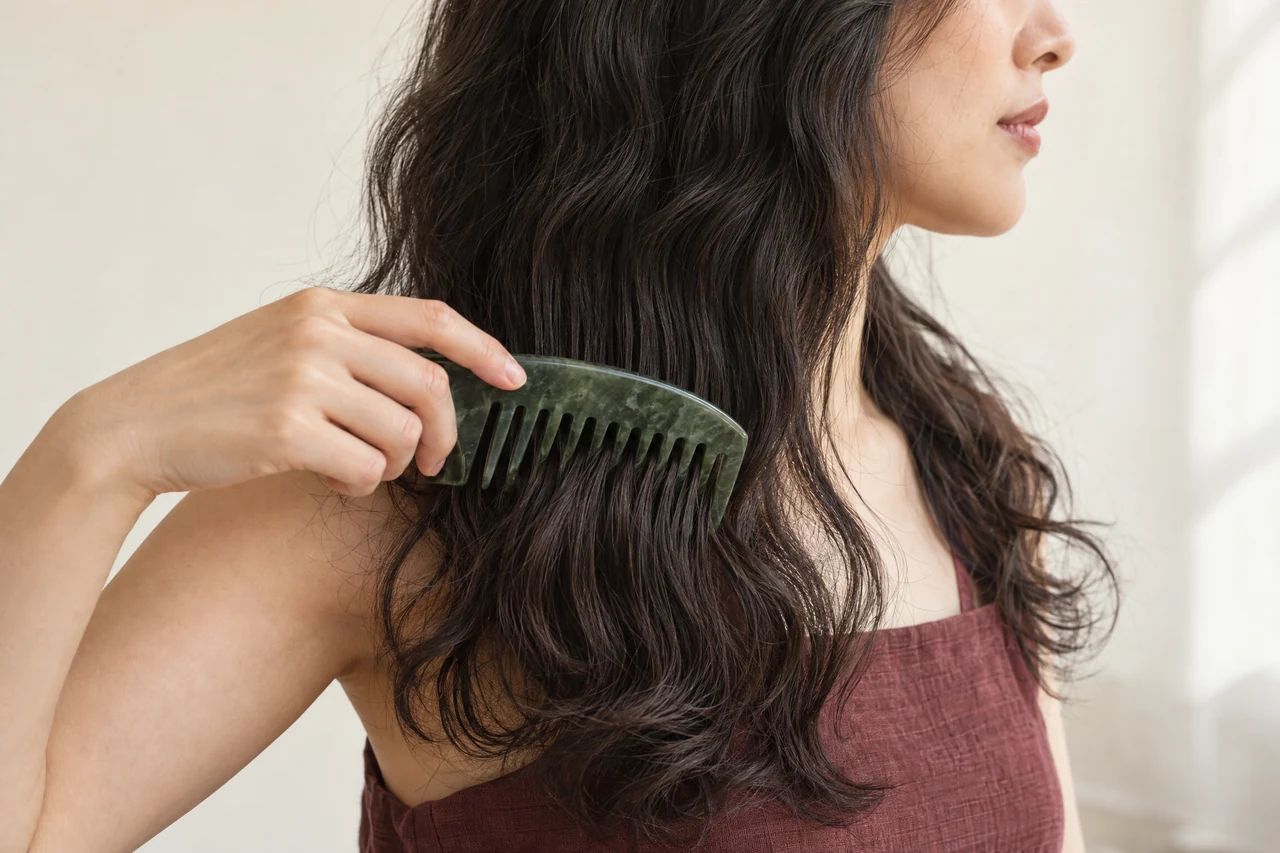
If your hair is too flat after straightening, identify whether the roots, sides or ends sit closer than you wanted. Show dry-hair photographs and the outline you had discussed. Consider whether styling or a small cut adjustment could help; immediately adding a perm is not an automatic solution and cannot be assumed suitable for recently processed lengths.
Locate the missing space rather than asking to reverse the entire service. Is the crown lower, the fringe closer to your forehead, or the hair beside your cheeks narrower? Compare the hair loose and in your usual parting. Also mention whether you applied a heavy mask or finishing product near the roots, or whether the shape changes after headwear. These details are questions to explore, not proof that home care caused the concern.
Continue with hair straightening without losing volume for that specific comparison and the preparation questions it raises.
Show where lift or face-framing space has changed
Point to the area on a photograph and explain the space you want to keep. A parting adjustment or gentle styling demonstration may be worth discussing before removing length. Cutting can change the outline, but it cannot be assumed to undo a chemical process; excessive thinning may also remove fullness you wanted. Agree on retained length and density before any proposed trim.
Pause before repeating or adding a process
Contact the provider with the treatment date, known product or method, care routine and photographs. Ask what assessment would help distinguish maintenance, expectation and hair-condition issues. Do not apply extra straightening or reshaping chemicals yourself. Any further process needs a fresh discussion of suitability; this guide does not establish a redo, refund or restoration promise.
Include earlier bleaching, highlights, colouring, perms and straightening that remain within the current lengths. A dark colour over previously bleached hair does not erase that history. If you do not know a product name, say so and ask the original provider for details. Describe any new snapping, persistent tangling or unusual scalp sensations rather than grouping everything under frizz.
The Canadian Dermatology Association's Hair Care guidance explains that colouring, perming and relaxing chemicals weaken hair and advises avoiding them on already damaged hair. This supports assessing the lengths before adding chemical work; it does not decide whether your particular smoothing result met the agreed aesthetic goal.
Continue with can bleached hair be straightened for that specific comparison and the preparation questions it raises.
If your concern includes new snapping or fragile ends, the guide to damaged hair care helps separate gentle handling and length management from a request for another straightening process.
Bring the procedure record to a follow-up conversation
Ask whether an in-person examination would be useful and what preparation is needed before attending. If further processing is proposed, ask which hair sections would be involved, what assessment is needed and what alternatives are available. Clarify any quotation and the provider's actual follow-up arrangements before agreeing. A discussion or assessment is not the same as committing to repeat the treatment.

Check the first wash without turning it into a repair experiment
Follow the instructions for the procedure you actually received, including the first-wash timing. There is no useful universal waiting rule for an unidentified treatment. Record shampoo, conditioner, masks and finishing products by name, together with whether you air-dried, blow-dried or ironed the hair. Mention any instruction that was unclear. Avoid making several product changes at once simply to see whether the appearance improves.
Continue with hair straightening aftercare for that specific comparison and the preparation questions it raises.
Keep handling gentle while you seek advice. The Canadian Dermatology Association recommends scalp-focused shampooing without aggressive scrubbing, conditioner-assisted detangling from the ends and avoiding vigorous towel-drying. More rubbing or repeated brushing is not a useful way to judge whether smoothing has worked. If a knot resists, stop forcing the comb through and describe the affected area.
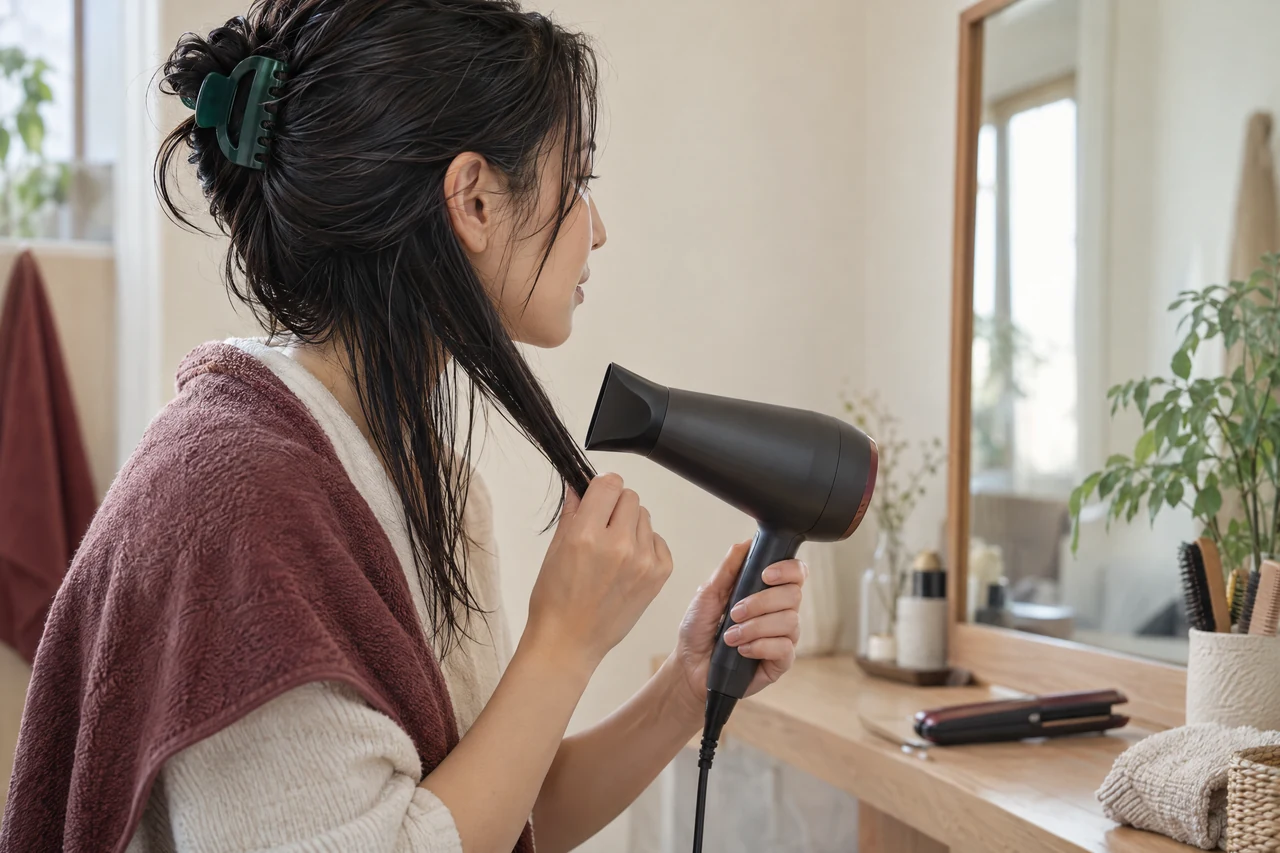
The American Academy of Dermatology's styling guidance advises using flat irons only on dry hair at a low or medium heat setting and warns that excessive heat can damage hair. Repeatedly ironing the same area to hide a disappointing result adds heat exposure and makes the unstyled state harder to show. This general advice is not clearance to iron recently treated or fragile hair.
Keep the routine record honest and practical
If you need a presentable finish for work, photograph the concern before styling and note what you used afterwards. You do not need to stop ordinary life to build a useful record. Equally, do not deliberately over-wash, use a strong cleanser or heat a small section as a home test. Ask the provider how to maintain the hair while the follow-up is being arranged.
Send a clear request and distinguish discomfort from appearance
A useful message gives the treatment date, the agreed goal, what changed after washing and the location of the concern. Attach photographs and the routine record, then ask what next assessment the provider recommends. This is more actionable than requesting a stronger product without knowing why the result differs. The 6-item checklist below is an editorial preparation tool, not a measure of treatment success.
Physical reactions need a separate response. The FDA's information on hair smoothing products advises stopping use and contacting a healthcare provider after a bad reaction. It also recommends asking for ingredient lists and product directions, and notes that not all smoothing products contain formaldehyde. Frizz alone cannot identify an ingredient or diagnose a reaction. Seek urgent medical help for difficulty breathing rather than waiting for a hairstyle follow-up.
Leave the next step open until it is assessed
The next step might be clarification of expectations, a care adjustment, a styling demonstration or discussion of a cut. Further chemical work is only a possibility after suitability is reconsidered. Ask what outcome the proposed option aims to improve and what it cannot change. This keeps the conversation focused on a manageable daily result instead of promising that the previous shape can be restored.
Different post-smoothing observations require different follow-up questions
| What you notice | Useful record | Question to discuss |
|---|---|---|
| Surface flyaways, with a similar overall shape | Dry-hair close-up and normal drying routine | Was surface control the agreed goal, and what care is appropriate? |
| Waves visible after the first wash | Whole-head photographs and the original reference | Was movement meant to remain, or was a straighter pattern agreed? |
| Rough or catching ends | Affected lengths and earlier bleach or chemical history | Should hair condition be assessed before any further processing? |
| Roots or face-framing lengths too close | Side profile and usual parting | Could styling or a restrained cut adjustment address the missing space? |
| New discomfort or marked breakage | Onset, location, product details and symptoms | Does this need healthcare advice as well as salon follow-up? |
Your preparation checklist
- Save the appointment date and known product or method; ask the provider for missing details.
- Write down the original goal and the particular feature that still differs from your expectations.
- Photograph normally dried hair overall and close up, noting the wash date and conditions.
- List wash products, masks and styling tools, including first-wash timing and unclear instructions.
- Record earlier chemical work still present in the lengths and flag new breakage or discomfort.
- Contact the provider for the recommended assessment and clarify proposed work and charges before agreeing.
Frequently asked questions
Should I repeat smoothing as soon as I see frizz?
Not automatically. Describe the change and your care routine to the provider first. Repeating a chemical process requires a new assessment of the already treated lengths.
Does hair too flat after straightening mean I should get a perm?
Not necessarily. Discuss the changed outline, styling and cutting options first. A new perm is additional chemical work, not a guaranteed way to restore the previous shape.
What should I send for a follow-up?
Send the treatment date, your concern, normal dry-hair photographs and the products and tools used since the appointment. Include the original goal and any new breakage or discomfort so the provider can advise on the next step.
Prepare a clearer conversation about your smoothing result
For an enquiry with Vit So in Sheung Wan, share your treatment history, normal dry-hair photographs and the finish you hoped to achieve. Explain whether the concern is remaining frizz, rough ends or a flatter outline. Ask what assessment may be appropriate before choosing another service. An enquiry is not a confirmed booking or an agreement to redo a treatment.
Start your WhatsApp enquirySources & further reading
- Hair styling without damage
General advice on limiting heat damage and using flat irons only on dry hair at low or medium heat.
- Hair Care
Gentle washing and detangling, and the need to avoid further colouring, perming or relaxing chemicals on already damaged hair.
- Formaldehyde in Hair Smoothing Products: What You Should Know
Checking actual smoothing product information and seeking healthcare advice after a bad reaction rather than treating symptoms as an aesthetic issue.



