






Barber vs salon for men: start with the service menu
Some businesses list beard shaping or shaving alongside haircuts, while others focus on hair design. Read each menu rather than inferring services from the shop name. Vit So's confirmed men's service is wash, cut and blow-dry; beard trimming and shaving should not be assumed from the availability of men's haircuts.
Start with a plain description of the appointment: maintaining short sides, reshaping a fringe, keeping length while reducing width, or combining a haircut with confirmed beard work. These are different requests even if the booking screen calls each one grooming. Check whether washing and a styled finish are included, and whether facial hair is a separate item. A clear menu helps you compare the actual work rather than the atmosphere of the shop.
The U.S. Bureau of Labor Statistics occupational overview describes haircutting and hairstyling as activities shared by barbers, hairstylists and cosmetologists. That supports the practical point that cutting and styling overlap. It is a U.S. occupational description, not a statement about Hong Kong licensing or a promise about an individual business's services.
Review men's haircut to check its service scope and the details to share before arranging the related work.
Barber vs salon for men when grooming means more than hair
Colour, added curl, beard shaping and shaving are not interchangeable extensions of a haircut. If you want more than a change in length, list each item separately when enquiring. Ask what is available and what would need a separate assessment or quote. A shop offering the haircut you like may still be unsuitable for a combined visit if another essential service is absent.
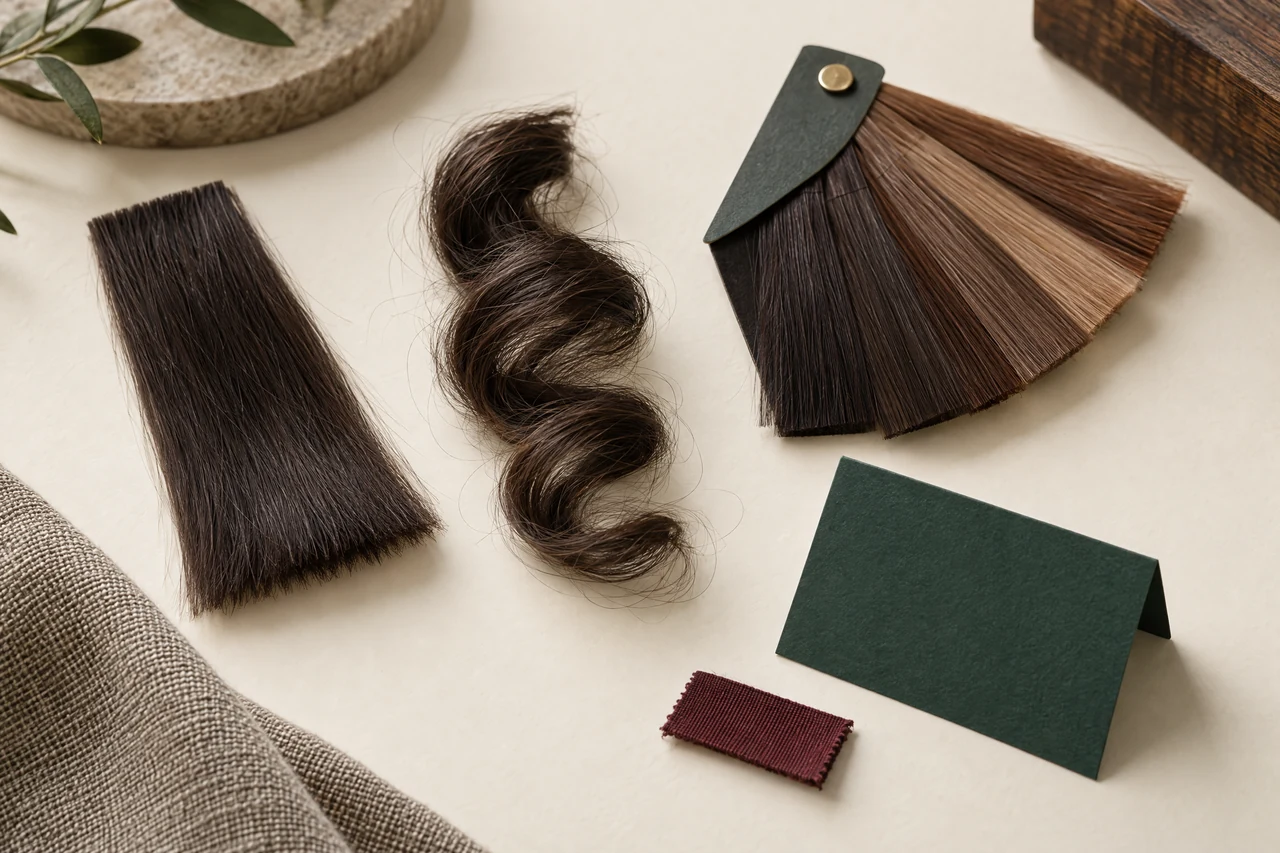
Barber vs hairdresser for short and longer shapes
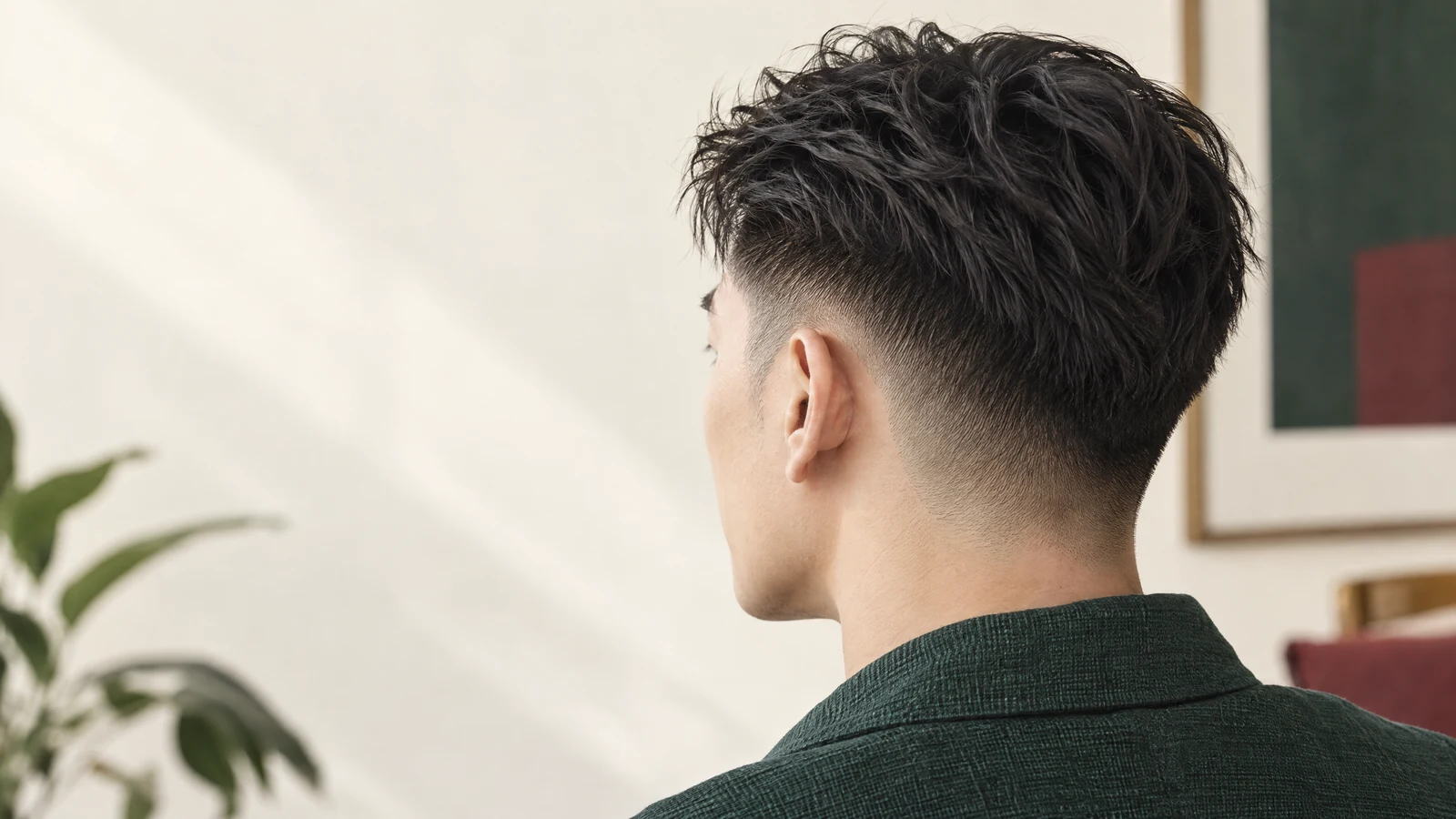
A close side transition and a longer layered top need different visual checks, but job titles alone do not prove the result. Look at side and back views, the weight above the ears and how the top joins the sides. Ask whether the examples reflect your own length and natural texture.
For short sides, describe where the shortest area should begin and how much scalp you want visible. The important choice is not simply whether a clipper appears in a photograph. A high transition can remove more visual weight near the temples; a lower transition can leave more fullness above the ears. The top still needs a direction, whether forward into a crop, across into a parting or back away from the forehead.
If a fade haircut is part of your brief, decide its height and coverage alongside the retained top rather than using the term as shorthand for the whole haircut. A close side finish does not specify the fringe, crown or back shape.
With longer hair, the questions shift towards where the ends fall and how the lengths connect. Say whether the hair should cover the ears, tuck behind them or reach the collar. Layers can change where fullness sits without making every area equally short. If you are growing the hair, ask which lengths can be tidied without losing the route towards your goal.
Barber vs hairdresser: judging relevant cutting work
Use examples to discuss the task, not to build a universal score for the person. A cropped side view can explain a transition but may tell you little about keeping a longer fringe. Likewise, a flowing longer style may not show a close neckline. Ask the person to explain the connection between the top and sides in your requested shape. The useful answer is about your retained length and hair behaviour, not a claim that one title is better.
Compare the finished style with its daily routine
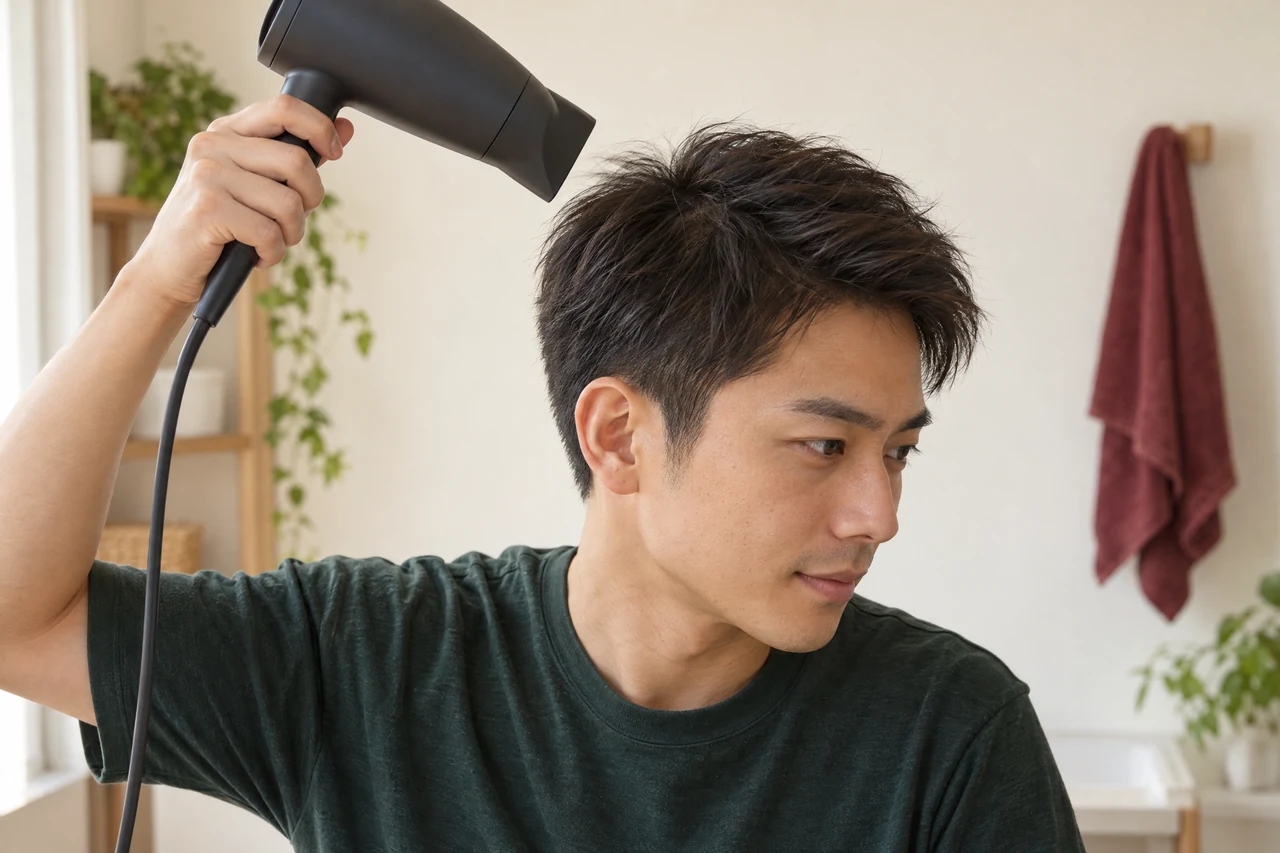
A sharp outline may need more frequent attention than a softer shape, while a longer top can need more drying and product. Ask how the proposed cut behaves after washing at home. A polished photograph does not reveal how much effort went into the finish or how it looks without styling.
Describe your ordinary morning rather than your most carefully styled day. If you usually leave with naturally dried hair, a cut whose shape relies on lifting the roots with a brush deserves a closer discussion. If you enjoy blow-drying, ask which direction establishes the parting and which areas need attention. The same haircut can look flatter, wider or more open at the forehead depending on its finish.
Think about the point at which you stop liking the shape. For one preference, it is when the fringe reaches the eyes; for another, it is when the sides widen or the neck outline loses definition. That observation is more useful than assuming every barber cut needs the same return schedule. Ask what can be maintained separately and whether a later visit would be a full haircut or another confirmed service.
Product, drying and repeat trims
Ask for a finishing explanation you can repeat: whether product goes onto damp or dry hair, how the parting is established and what happens if you skip the dryer. Mention exercise, headwear and any reluctance to use a shiny finish. For a workday in Sheung Wan, a style that can be reset with your usual routine may matter more than maximum height in the appointment chair. Choose a manageable finish before committing to a shape that depends on styling you do not want to do.
Clarify the brief before choosing a business
Explain your minimum retained length, preferred outline and any tool or language requirement before confirming an appointment. An English webpage does not establish that spoken English consultation is available. If beard work, shaving or a specific finish matters, obtain a direct answer about that item rather than relying on a broad label.
Use visible positions when words feel uncertain: fringe above the eyebrows, hair clear of the ears, or a back length that still reaches the collar. Explain what you want to keep before describing what should go. Bring a reference that shows the side or back relevant to your request, and identify which part you like. You do not need to accept every feature of that photograph as a complete haircut specification.
A tool preference should be discussed as a requirement, not silently assumed. If you do not want a razor used on your skin, say so. If the shortest side finish matters, ask how the business proposes to achieve it and whether that approach suits your comfort. Agree on the outline before the work begins, especially when changing from a soft shape to a much closer finish.
Continue with english-speaking hair salon for that specific comparison and the preparation questions it raises.
Continue with how to choose a hairdresser for that specific comparison and the preparation questions it raises.
Language, tools and appointment details
Ask who will handle the consultation, whether your required language can be accommodated and which services the proposed appointment covers. Allow the business to respond to the actual brief before treating a preferred time as settled. A useful enquiry states the haircut goal and any essential extra work together; it does not leave a beard or shaving request until arrival.

Keep beard shaping and shaving distinct from the haircut
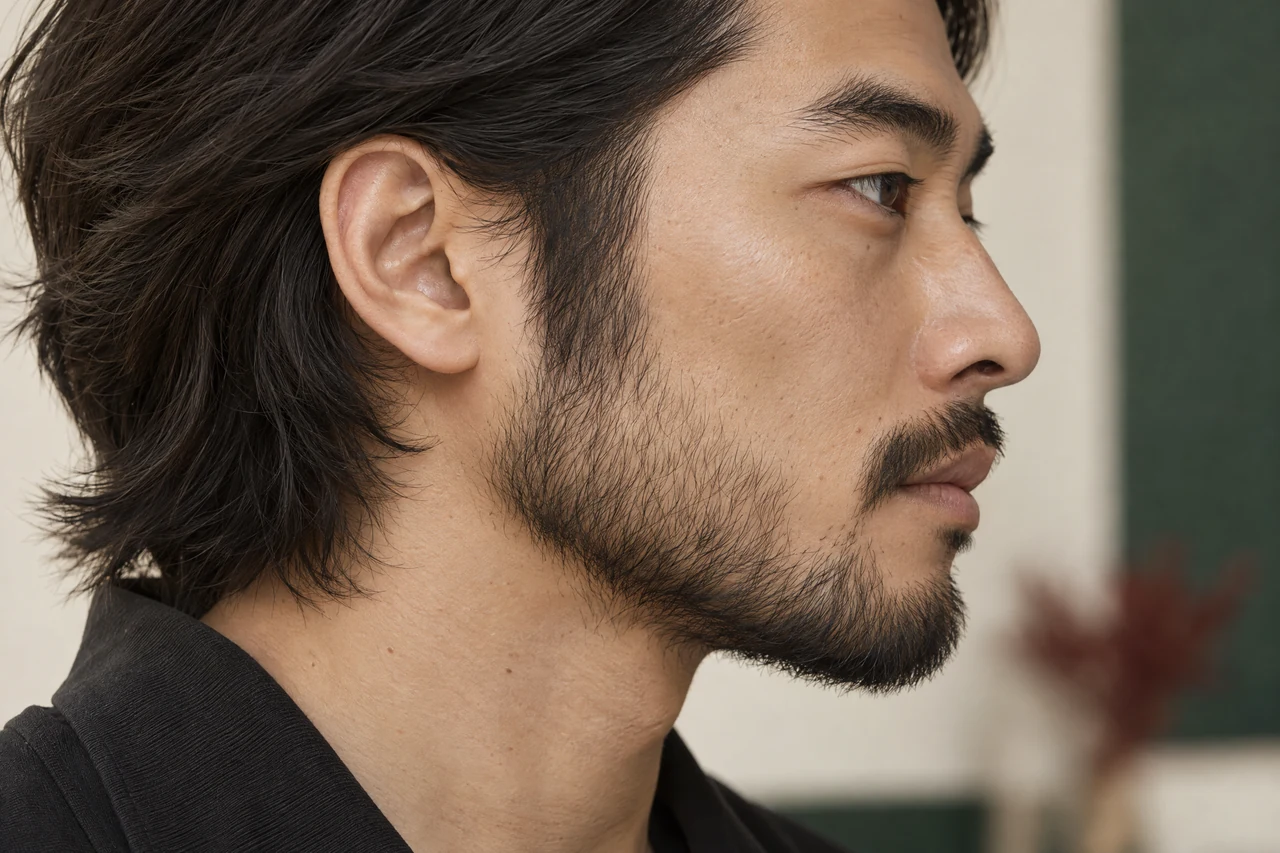
A beard can affect how a haircut looks around the face, but discussing that visual relationship is not the same as providing a beard service. Decide whether you want facial hair left untouched, shortened or reshaped. A clean-shaven cheek or neck is a further request involving skin contact. Confirm those items with a business that actually lists or directly agrees to them.
Skin comfort belongs in that conversation. The American Academy of Dermatology's shaving advice recommends following the direction of hair growth to help prevent razor bumps and burns, and notes that shaving can irritate acne-prone skin. Share a history of irritation before agreeing to close shaving. This is care guidance, not a measure of a haircut's appearance.
Agree where the sideburn ends and the beard begins
Point out the boundary you want kept. A sideburn belongs to the haircut outline, but blending it into facial hair may involve separate beard work. If different businesses will handle the hair and beard, tell each what the other is meant to leave. Avoid an undefined request to tidy everything, which can conceal very different expectations about length and skin exposure.
Compare the price and the length you want to keep
Vit So's confirmed men's wash, cut and blow-dry price is HK$380. Compare that scope with another business's quoted haircut rather than assuming the barber or salon label determines value. Check what is included, what is separately charged and whether any proposed extra work changes the quote. A haircut price is not automatically a combined hair-and-beard price.
Your next length goal matters too. If you want to move from cropped sides towards hair that covers the ears, repeated close cutting would work against that intention. Use the guide to long haircuts for men to clarify the lengths you need to protect. Choose a business able to discuss the transition you want, even when today's request sounds like a simple tidy-up.
Make the enquiry about the complete visit
Settle on the haircut task first, then confirm the practical arrangement. The useful choice is the business whose confirmed services, shape discussion and finish match your needs. Neither a familiar barber label nor a salon setting removes the need to agree on what will be cut, what will remain and what the visit will cost.
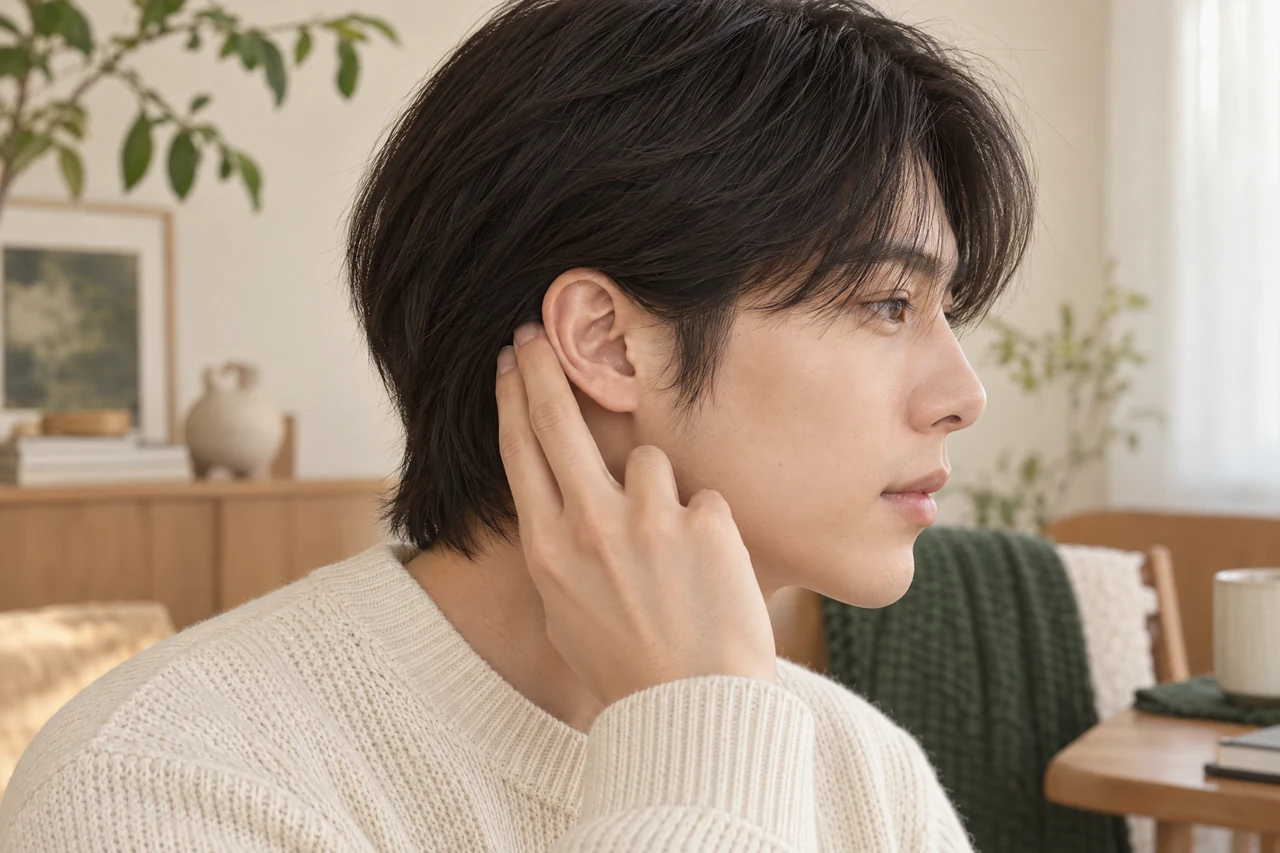
Compare the requested work, not a fixed barber-versus-salon stereotype
| Your priority | What to compare | What to confirm before the visit |
|---|---|---|
| Close sides with a longer top | Transition height, scalp visibility and top-to-side connection | The shortest finish and retained fringe length |
| A softer or longer shape | Ear coverage, layer placement and the end line | Lengths to protect, especially while growing hair |
| Haircut plus beard shaping | Separate haircut and facial-hair menu items | Beard service availability, boundary and quoted inclusions |
| Shaving or a skin-contact finish | The requested method and your comfort | Whether shaving is offered and any history of irritation |
| Low-effort daily styling | The naturally dried shape versus the styled finish | Drying steps, product use and manageable upkeep |
Your preparation checklist
- Write down the haircut goal separately from any beard shaping or shaving request.
- Identify the minimum fringe, top and back lengths you want retained, using visible positions where possible.
- Choose a reference showing the relevant side or back, and point out the features you want rather than adopting the entire photograph.
- Confirm the menu inclusions, quoted price, required consultation language and any essential tool preference.
- Explain your usual drying routine, product preference and the changes that make you want another trim.
- Obtain a direct response about every essential service and the appointment arrangement before planning the visit.
Frequently asked questions
Must short hair be cut at a barbershop?
No. Compare relevant cutting work and the proposed shape. The business label is less informative than an accurate menu and a clear discussion of your hair.
Does a salon haircut automatically exclude a fade?
No. Fade describes a side transition, not a universal shop category. Ask about your chosen height and finish without assuming a particular tool is available.
Can one booking include a beard service?
Only when the business has confirmed that service and arrangement. Vit So's men's haircut listing should not be read as a beard or shaving package.
Turn your haircut idea into a clear service enquiry
Enquire with Vit So about men's wash, cut and blow-dry in Sheung Wan. Share the length you want to retain, the side outline you prefer and your daily styling routine. Include any language or tool requirement so the proposed work can be discussed clearly. An enquiry is not a confirmed booking; wait for agreement on the service and appointment details.
Start your WhatsApp enquirySources & further reading
- Barbers, Hairstylists, and Cosmetologists
The U.S. occupational overview identifies haircutting and hairstyling as shared activities; it is not used to infer Hong Kong licensing or an individual business's menu.
- Hair removal: How to shave
Shaving direction and special care for acne-prone skin support discussing comfort before a separately confirmed shaving service.



