






Choosing a hair treatment by the problem you notice
Salon hair treatment should be discussed in terms of softness, slip and day-to-day manageability rather than permanent repair. When comparing hair treatments, explain where the problem begins and whether it follows bleaching, colouring, perming or repeated heat styling. A photograph can help locate rough areas, but cannot establish how much further processing your hair can tolerate.
Describe an ordinary wash day rather than only the finish you hope to see. Do the ends catch while you detangle, feel stiff once dry or look scattered after brushing? Does the problem affect the lighter sections more than the dark roots? These details help turn a broad request for better hair into a care goal that can be discussed. Mention whether you normally air-dry, wear your hair tied back or use a straightener.
If you like your waves but dislike the rough feel, say that preserving the bends matters. Read hair smoothing vs hair straightening when your enquiry mixes a softer texture with a straighter outline; these are different goals.
What a hair treatment can and cannot change
A useful goal is easier handling without an unwanted heavy finish. Compare how the same area behaves after your normal wash and drying routine, not only how shiny it looks immediately after styling. Cosmetic conditioning cannot establish that a broken strand has been permanently restored. If the ends keep catching in the same place, ask whether care alone addresses the issue or whether the length also needs a trimming discussion.

A conditioning treatment for dry lengths
A moisture treatment for hair focuses on the feel of the lengths and ends. Moisturising hair treatment is not the same as straightening, and a hydrating hair treatment does not diagnose a medical problem. Moisture care is listed at HK$1,500. Ask which hair sections will be treated, which products are proposed and what the quoted visit includes.
The American Academy of Dermatology's healthy hair tips recommend conditioner after washing, with application to the ends for fine or straight hair and through the lengths for dry or curly hair. This supports a targeted routine rather than treating every area identically. Bring the names of your current products so the enquiry can consider what already leaves your ends comfortable and what seems to make the roots feel coated.
Check the hair salon price list for published entries, then confirm the amount for your agreed scope.
For a separate concern about root-area cleaning, explore scalp care and ask about its scope alongside length conditioning. Keeping the requests separate makes it easier to confirm what you are actually arranging.
How a conditioning treatment relates to moisture care
Conditioning treatment describes a cosmetic care purpose; moisture care is a listed menu entry. The name alone does not tell you the formula, application time or whether heat is used. Ask how the proposed care fits your hair texture, particularly if a rich home mask leaves fine strands flat. There is no need to choose by the most intensive-sounding label when your main goal is simply less resistance during everyday combing.
Keep cosmetic scalp care separate from medical needs
A hair and scalp treatment enquiry involves two areas with different needs. Conditioning the lengths addresses the feel and manageability of the hair, while cosmetic scalp cleaning concerns the root area and surface residue. Ask which steps and products apply to each area rather than assuming one service includes both. Scalp discomfort or new shedding needs appropriate healthcare advice, not a hair mask.
Treat oily roots and dry ends as separate areas
Oily roots and dry ends do not need to be treated as one uniform area. Describe the coated or oily root feeling separately from rough lengths, and ask which conditioning products belong on the ends. A rich product on the whole head is not automatically helpful, and dry ends do not by themselves mean that stronger scalp cleaning is needed. Review application areas and your normal rinsing routine.
Use care in the right amount and application area
Conditioning fine hair without weighing it down is a question of the product's intended use, amount and application area. Explain if the roots feel coated after care while the lengths remain rough. Follow the product instructions and discuss whether the ends and roots need different treatment, rather than stopping all conditioning or applying a rich formula everywhere. A lighter-looking finish does not increase actual hair density.
Choose between protection, moisture and smoothing care
The hair treatment menu separates pre-colour / pre-perm protection, moisture treatment and hair-smoothing treatment. Discuss your dry ends or rough texture and ask which listed scope fits the cosmetic concern. The names do not establish permanent repair, a specific product or an included blow-dry; check the prices and actual contents before booking.
Clarify what the HK$1,800 smoothing entry means
Vit So lists smoothing care at HK$1,800 at the Sheung Wan appointment location on 252 Hollywood Road. Explain whether you want a smoother feel, less visible roughness or a change in bend, then ask what the proposed service involves. Confirm the products, process and suitability for previously treated hair; a smoothing label does not establish a particular keratin brand or a permanent result.
Dryness, damage and chemical history
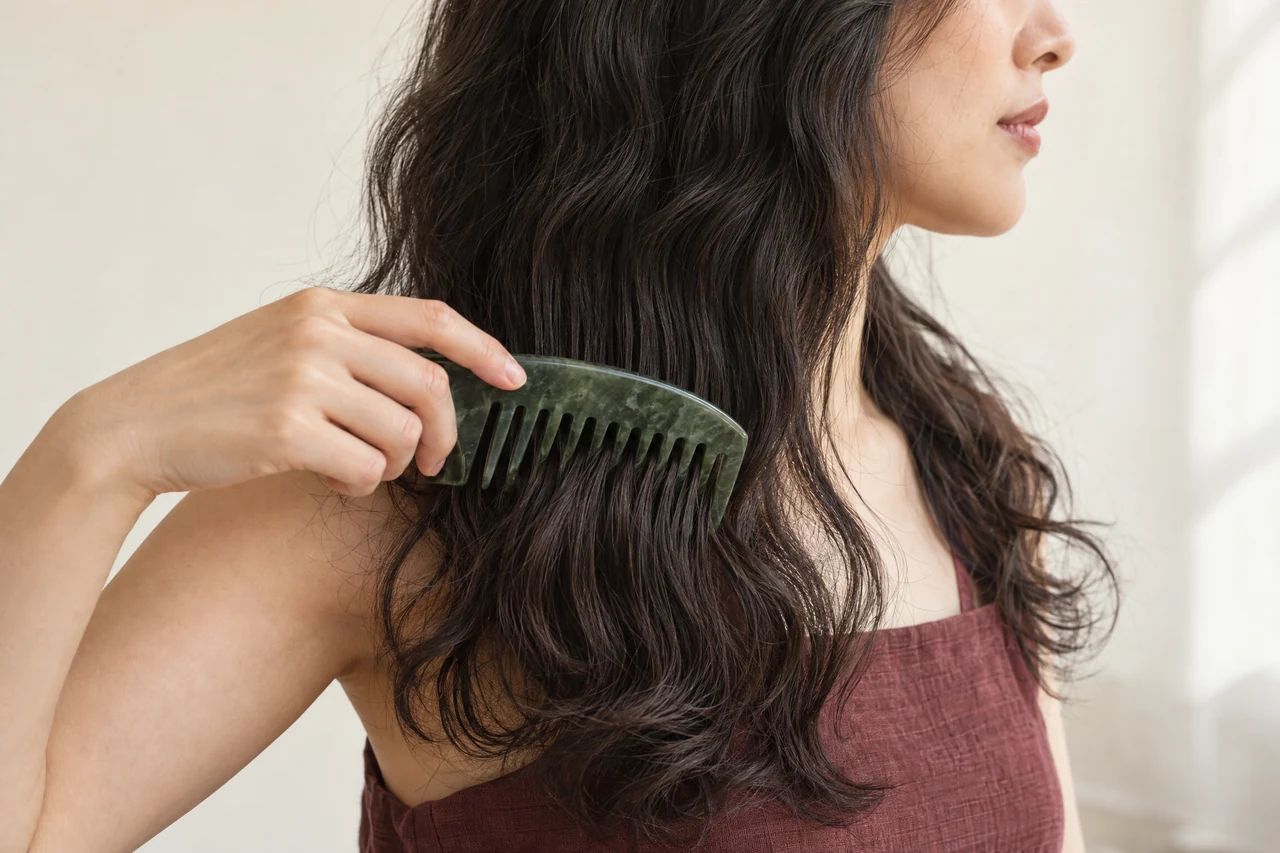
A dry hair treatment may help manage rough-feeling lengths, while a damaged hair treatment needs a discussion of breakage and previous chemical work as well. Tell the stylist about old bleach, straightening and home colour, including treatments on the ends. Improving softness does not establish that fragile hair is suitable for another bleach or perm.
Record what happened to each area, not just the date of your latest appointment. Old lightening may remain in the ends even when a darker colour covers it. Include any home colour or smoothing product, and say when details are uncertain. Avoid repeatedly pulling a strand to test it yourself; report where you notice snapping during normal handling instead.
Continue with damaged hair care for that specific comparison and the preparation questions it raises.
When the next chemical service should wait
If ordinary detangling is producing repeated breakage, raise that before choosing a new shade or curl pattern. Ask whether the immediate plan should focus on care and gentler handling instead of further processing. A softer feel after conditioning is useful, but it is not a chemical-service clearance. Share any scalp irritation as well, since that is a separate concern from dry ends.
Plan the enquiry around the single Sheung Wan address
For cosmetic hair care in Sheung Wan, Vit So receives clients at 252 Hollywood Road. Describe dryness, roughness or tangling in the lengths and ends, and share your colour or perm history when enquiring. Compare the address with your starting point if proximity matters. Ask what the proposed treatment involves; this is hair-fibre care, not medical treatment or a guarantee of permanent repair.
Protection before colour or perming
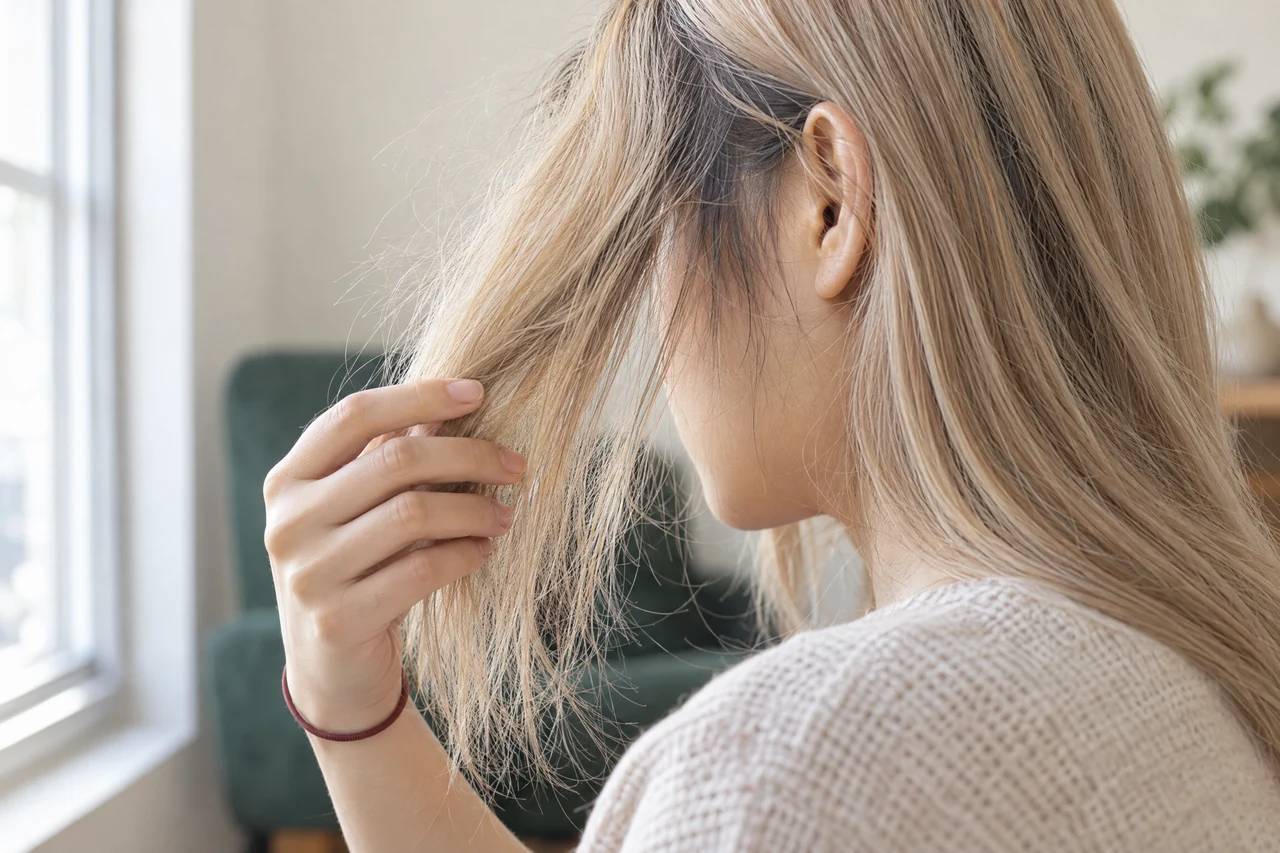
Pre-colour hair treatment and pre-perm hair protection are listed together as a HK$500 care item. Protection does not make every colour or perm plan suitable, nor guarantee that damage will not occur. Explain your full processing history before the service is agreed. Ask how the care item relates to your selected service or package and confirm the total charge.
When combining care with colour or a perm, ask whether protection is already part of the selected package before adding a separate item. Confirm which areas will receive the chemical service and which will receive care. Planning only a root change still requires disclosing what remains on the lengths, particularly if those lengths have been lightened or straightened.
Pre-colour hair treatment and the limits of protection
Ask what the protection step is intended to do within the proposed service, rather than assuming a named bond-building or protein system is used. Product selection and procedure need confirmation. Tell the stylist if maintaining your current length is more important than reaching a dramatic colour or curl goal, so that trade-off is part of the initial enquiry.
Make everyday handling part of the care plan
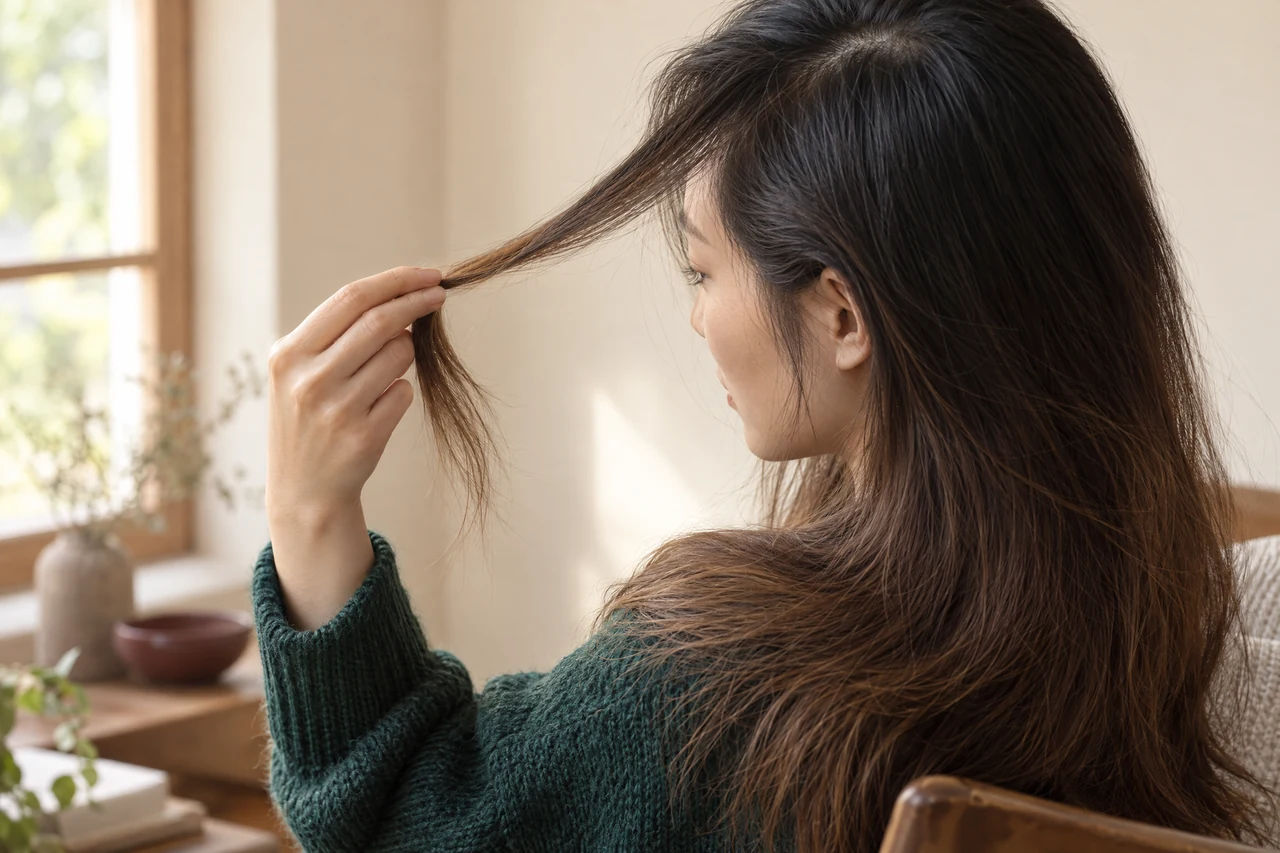
A salon visit is only one part of looking after lengths that tangle. Ask how to use your existing conditioner or mask rather than automatically layering more products. Follow each product's directions for application and rinsing. If your hair feels coated but the ends still catch, note both sensations instead of simply increasing the amount everywhere.
The American Academy of Dermatology's damage-prevention advice recommends absorbing water with a towel rather than rubbing hair dry, using gentle combing and reducing heated styling. Review the habits that place repeated stress on your roughest sections. Conditioning is not a reason to force a comb through a knot or to keep passing a hot tool over the same ends.
Observe your hair after the next normal wash
Use your ordinary drying method when comparing softness, tangling and heaviness. Note whether the concern returns only at the ends or throughout the lengths. This is more useful for a follow-up than expecting the shape of a styled salon finish to remain unchanged at home. Ask about future care timing based on those observations, not an assumed schedule that applies to everyone.
Prepare a clear treatment enquiry
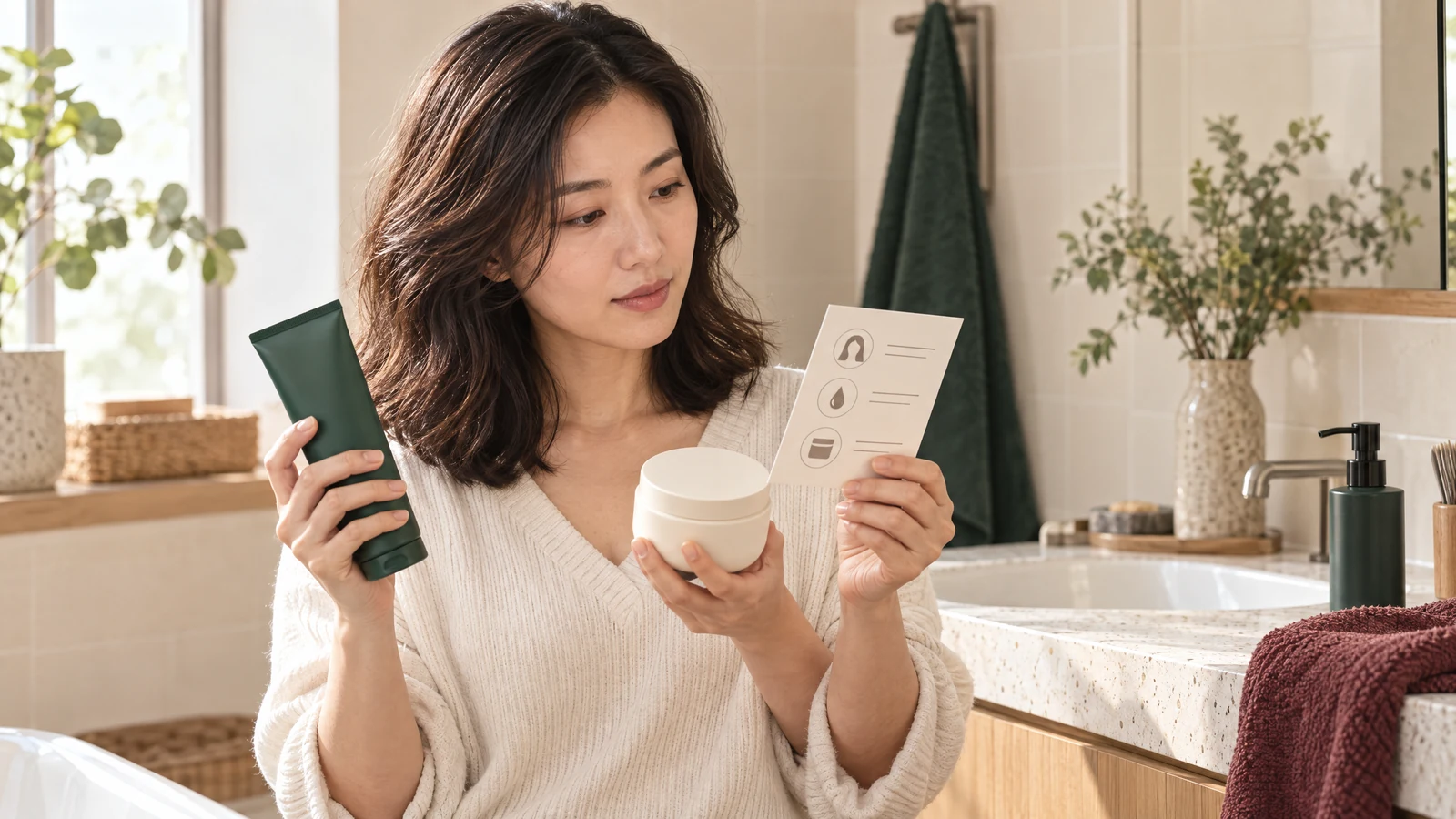
Send a brief description of the difficult area and your chemical history, with a recent photograph if helpful. Explain the finish you want to preserve, whether loose waves or a light root area. Ask whether the proposed care can be arranged as a standalone visit and whether washing, drying or cutting is included. Confirm the expected appointment duration around your own travel or work plans.
Use book a hair appointment to send the intended work and possible dates; wait for confirmation before travelling.
Agree on the scope as well as the price
The listed care price and the final visit quote may describe different scopes. Keep the agreed treatment, included finishing work and any additional charges together in the confirmation. If an alternative is proposed after discussing your hair, ask what changes before proceeding. A clear enquiry lets you decide whether the care fits both your priorities and your budget.

Compare Vit So's listed care entries by purpose before confirming the visit contents
| Listed care entry | Published price | What to clarify |
|---|---|---|
| Moisture care | HK$1,500 | Discuss dry lengths and ends, product choice and whether finishing is included. |
| Pre-colour / pre-perm protection | HK$500 | Confirm how it fits the chemical service and whether protection is already included in a package. |
| Smoothing care | HK$1,800 | Explain the movement you want to keep and confirm the actual products and process. |
| Care combined with other work | Confirm the agreed total | Check standalone availability, washing, drying, cutting and any applicable additional charges. |
Your preparation checklist
- Locate the concern: ends only, lighter sections, all lengths or a separate root-area feeling.
- List previous bleach, colour, perming and straightening that may remain in the hair, including home products.
- Describe the movement and lightness you want to keep, as well as the roughness you want to address.
- Bring product names and explain your usual washing, detangling and heated styling routine.
- Confirm the selected care, included finishing, standalone availability and total charge before travelling.
Frequently asked questions
Where can I enquire about hair treatment in Hong Kong?
Vit So's location is 252 Hollywood Road, Sheung Wan, Hong Kong. When choosing a hair treatment salon, compare the proposed care with your hair history and the quoted scope, rather than expecting a service name alone to predict the result.
Is moisture care a straightening service?
No. Moisture care concerns the feel and manageability of the hair. If you want to change the overall straightness or curl pattern, discuss that as a separate service goal and check suitability.
Can I ask about treatment for damaged hair?
Yes, you can enquire about cosmetic care for rough or fragile lengths. A salon treatment for damaged hair does not promise permanent restoration. Share where strands break and which chemical services they have had before discussing a plan.
What should I ask when my hair feels dry?
For a salon treatment for dry hair, explain whether the dryness is on the ends or throughout the lengths, how you wash and style, and what products you use. Confirm the proposed care and the visit's included items before booking.
Discuss care that fits your lengths and daily routine
Tell Vit So where your hair feels rough or catches, what chemical work it has had and the natural movement you want to keep. Enquire about a suitable care scope in Sheung Wan and confirm the contents, price and appointment arrangements. Sending an enquiry does not confirm a booking.
Start your WhatsApp enquirySources & further reading
- Tips for healthy hair
Conditioner application by hair type, gentler detangling and routine care for lengths and ends.
- How to stop damaging your hair
Avoiding rough towel drying, forceful combing and excessive heat exposure.



