







Choose a haircut or blow dry before a job interview
If the length and outline still work, a blow-dry addresses the finish rather than redesigning the cut. If the fringe blocks your face or the shape no longer feels manageable, discuss a trim or cut instead. Explain the interview date and what you want to change so the enquiry concerns a specific need, not just a formal occasion.
Look at your hair as you normally wear it, not only after careful styling. Notice whether you keep moving the fringe, whether the ends sit awkwardly against your collar, or whether the sides feel fuller than you prefer. Those observations give a haircut discussion a clear purpose. If your concern is simply flat roots or an unfinished-looking parting on the day, discuss styling without automatically shortening the hair.
A formal occasion does not require everyone to have short, straight or tightly controlled hair. Curls, longer lengths and natural texture can remain part of your chosen presentation. The useful question is whether you can wear the look comfortably while listening, speaking and moving. Aim to reduce the adjustments that bother you, rather than treating normal movement or texture as a fault.
Review blow dry to check its service scope and the details to share before arranging the related work.
Review hair styling to check its service scope and the details to share before arranging the related work.
Define the purpose of a haircut or blow dry before a job interview
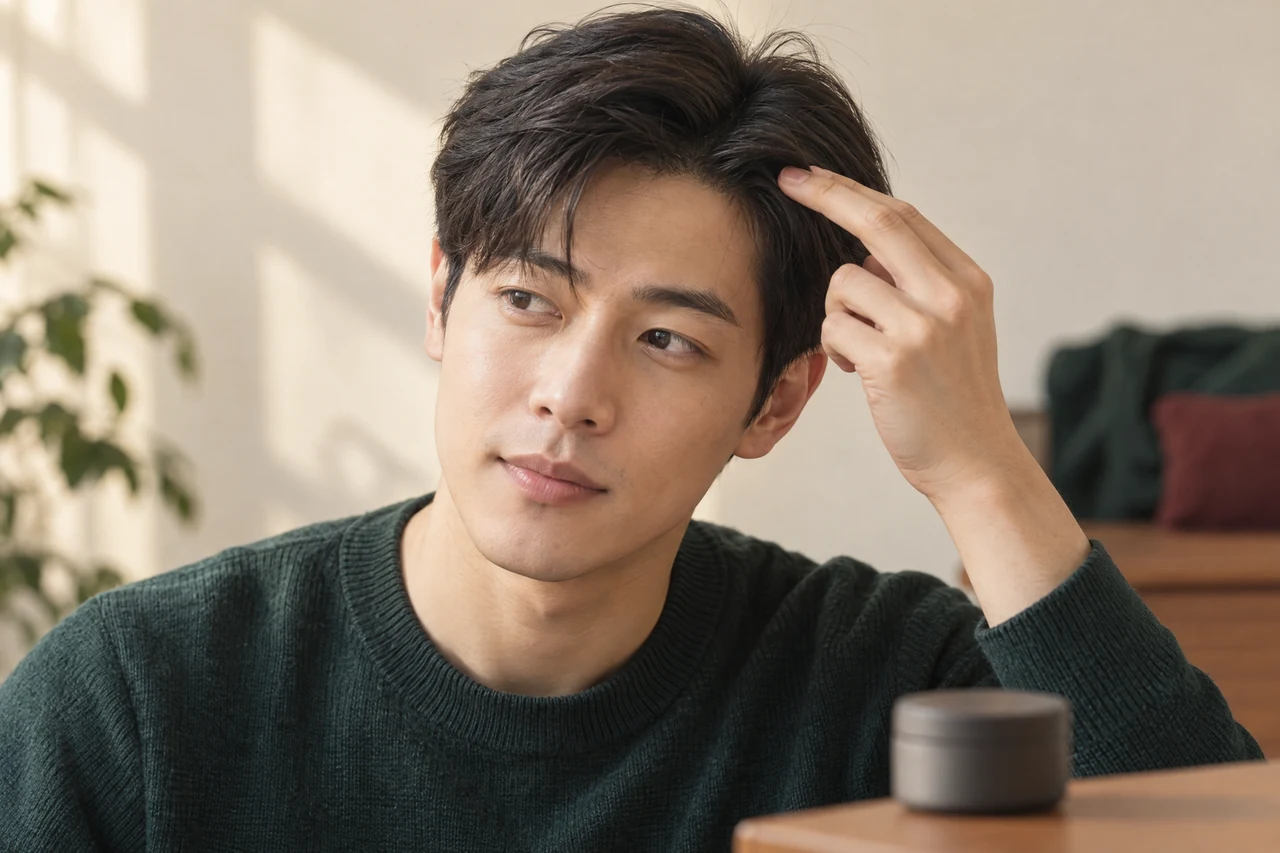
Describe the result in everyday language: keep the front out of your eyes, retain enough length to tuck behind your ears, or soften an outline that feels too heavy. Separate that result from the method. A cut changes length and shape beyond the occasion, whereas a blow dry creates a temporary finish. If both are needed, agree on the cutting boundaries before discussing how the finished hair will be styled.

Decide how much change feels comfortable
Before a large change, identify the parts of your current hair that make you feel comfortable. A small adjustment may be more appropriate when there is little time to get used to a new length or routine. If you do want a restyle, discuss the practical differences and your willingness to practise rather than expecting an unfamiliar cut to feel effortless immediately.
A useful boundary might be keeping a familiar parting, preserving the ability to tie your hair back, or avoiding a fringe that needs a different tool. These are not reasons never to change your hair. They are ways to make the change deliberate when the interview is already taking up your attention. The nearer the deadline, the more valuable a clear fallback style becomes.
If you are collecting haircut reference photos, point to the exact length or outline you like and explain what must remain familiar before the interview.
Continue with low maintenance haircut for office workers for that specific comparison and the preparation questions it raises.
Compare a tidy-up with a restyle
A tidy-up can concentrate on an overgrown outline while retaining the way you usually arrange the hair. A restyle may alter the front length, layers, parting or balance between the top and sides. Ask what you will need to do differently after washing. A new shape is easier to assess when you understand its routine; it is not necessarily easier to manage merely because it is shorter.
Protect the features you already like
Tell the stylist what you want to keep before listing what you dislike. For longer hair, that may mean enough front length to tuck away or enough overall length for a loose tie. For short hair, it may mean keeping the crown's natural movement rather than making it very close. Ask to discuss these priorities together, so a local adjustment does not unintentionally remove the feature you rely on.

Allow for the journey and interview setting
Tell the stylist whether your journey includes outdoor walking, rain exposure or headwear, and whether you prefer your hair away from your face. These details help you assess a proposed finish. A polished salon result is not a promise of lasting through every condition, so avoid choosing a look solely because it appears neat in one photograph.
The University of San Francisco Career Services guide to interview attire recommends checking the company website or asking the interview scheduler about the dress code, while prioritising comfort and recognising personal identity. Use that practical approach to understand the setting rather than guessing a hairstyle rule from a job title.
Account for humidity and headwear
For a Sheung Wan appointment followed by an interview elsewhere, include the journey after leaving the salon in your plan. Outdoor walking and headwear can affect the finish you actually arrive with. If you need a helmet for travel, discuss a style you can gently rearrange afterwards; do not compromise protective equipment for volume. If you wear a religious head covering, explain the comfort and hair-arrangement needs you want the service to respect.
Choose a finish you can wear comfortably
Bring your usual glasses and consider the interview collar or neckline. A fringe may be comfortable without frames but catch on them once you start moving. Longer ends can sit differently over a jacket than over a casual top. For a video interview, preview your hair with the actual camera position and lighting. Check whether the front stays where you want it while you answer aloud, rather than judging only a still image.

Confirm the appointment separately from the plan
Enquire with the interview date, the service you are considering and any timing constraints. Confirm the available appointment and service scope before relying on the arrangement. Where possible, leave room to wash and style a new cut yourself so you can discover which parts of the routine need clarification before the interview.
The confirmed wash-and-blow-dry price is HK$240. Men's wash, cut and blow dry is HK$380, and women's wash, cut and blow dry is HK$480. These are different listed services, not interchangeable interview packages. Describe the finish you want and ask which service applies. If your hair extends below the chest, check whether the listed long-hair surcharge applies to your selection before confirming the cost.
When you are ready to book a hair appointment, include the interview deadline and your available dates so the enquiry can address the service and timing together.
Share your deadline when enquiring
Give the interview date and any latest time you need to leave, rather than asking only for an early appointment. Mention whether you are considering a cut, a temporary finish or both, and share a current hair photo if useful. If you are unsure of the service, explain the concern instead of selecting a label at random. Wait for the appointment details before arranging your travel around them.
Check time for practising at home
There is no universal number of days that makes every new haircut feel familiar. Instead, look for a chance to wash it, dry it with your own equipment and try the intended arrangement before the interview. Ask the stylist to explain the front and root direction in terms you can repeat. If a step still feels difficult, clarify it while there is room to adjust your plan.
Rehearse the finish without overworking your hair
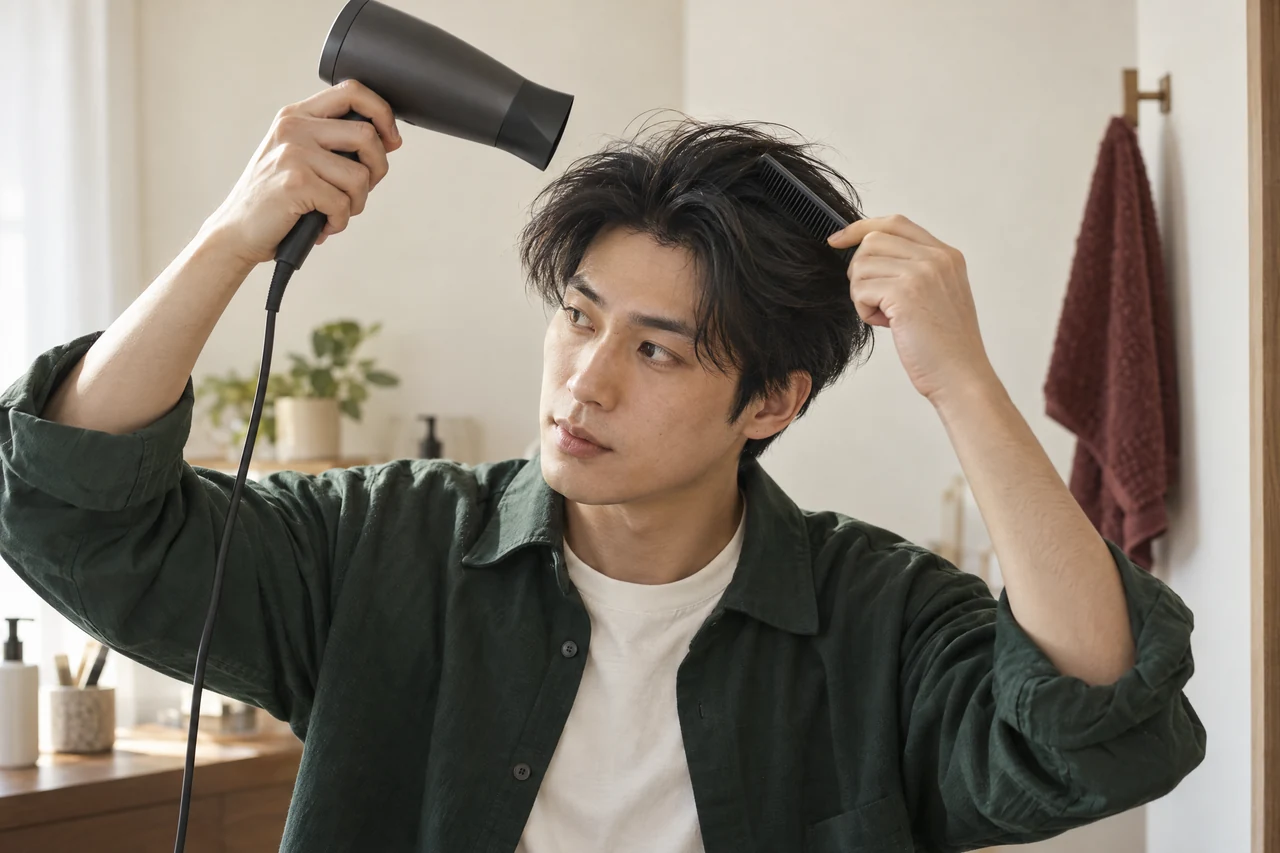
Practise the version you can actually wear, not a more elaborate version requiring tools you do not own. Put on the glasses or jacket you expect to use and speak through an interview answer. Notice whether you keep touching your hair. That rehearsal helps distinguish a front section that needs redirecting from an entire haircut that supposedly needs replacing.
Keep drying and handling gentle
The American Academy of Dermatology's guidance on styling without damage advises letting hair partially air-dry before styling and reducing blow-drying frequency to help limit damage. It also warns that excessive heat can damage hair. For interview preparation, avoid repeatedly reheating the whole style simply to chase a photograph. Ask for a manageable drying approach suited to your texture and the condition of your hair.
Keep a familiar alternative available
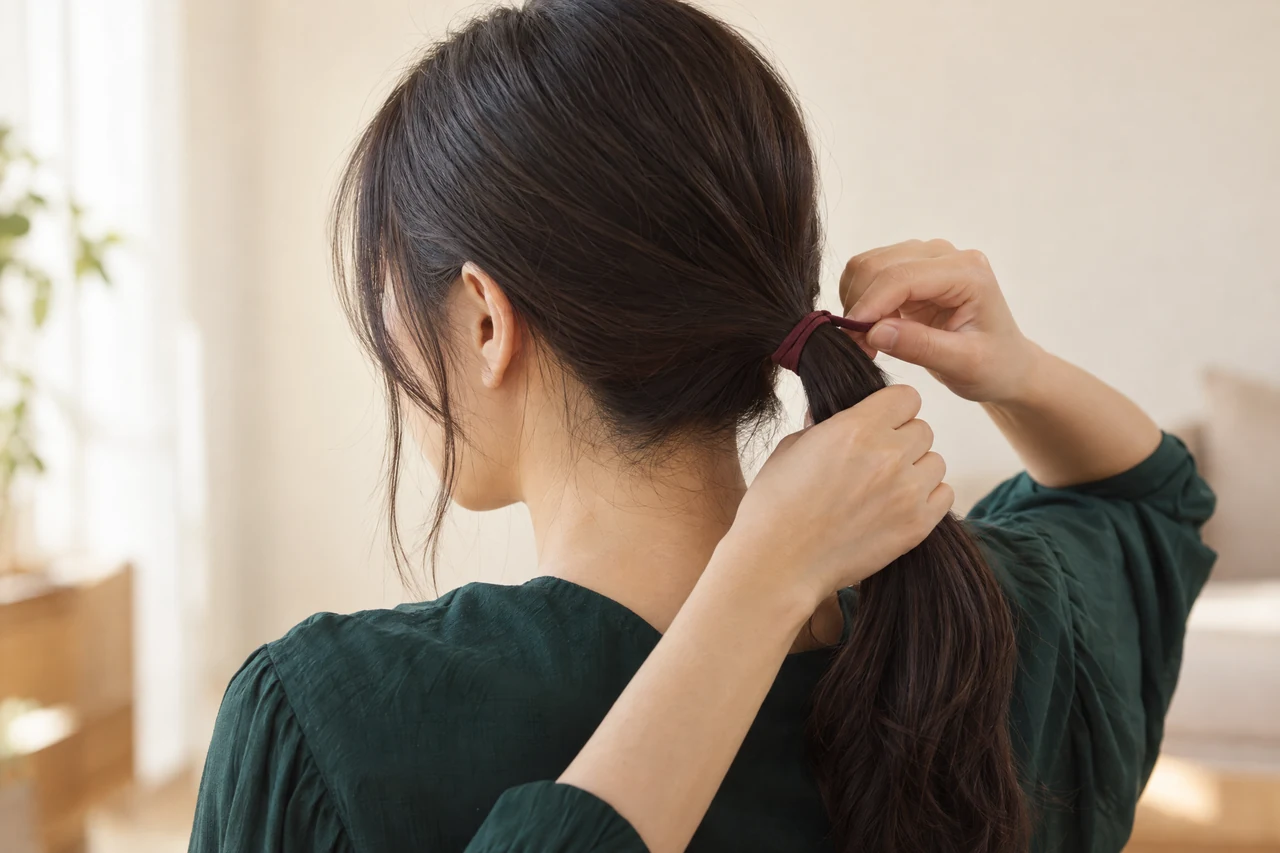
If you like a loose finish but usually rely on a low tie, check that the proposed cut preserves that option. For shorter hair, a familiar parting can be a simpler fallback than unfamiliar height at the front. Try your alternative with the actual accessories you plan to use. It should be comfortable and easy to arrange, not a second complicated style that adds another task to interview morning.
Make the final check about comfort, not perfection
Use the six-point checklist below to organise your decision and enquiry. Once the basic arrangement feels comfortable, leave it alone rather than repeatedly checking individual strands. Your preparation should free your attention for the conversation, not turn your hair into another test to pass.
Plan a light arrival adjustment
Take only the familiar items you genuinely need, such as a small comb or a spare hair tie. Ask how to adjust the front if it shifts during the journey. Avoid experimenting with a new, strongly holding product immediately before entering the interview. A light correction to a familiar arrangement is usually a more practical plan than trying to rebuild the whole salon finish.
Keep the decision proportionate to the occasion
An interview can be a reason to address an overdue trim, but it does not oblige you to redesign your appearance. If the current shape is comfortable, arranging it yourself is also a valid choice. Spend on the specific help you need, whether that is a clearer outline or assistance with styling, and keep broader hairstyle changes separate if they need more thought.
Comparing hair preparation options for a single interview deadline
| Option | Best reason to consider it | What to confirm or practise |
|---|---|---|
| Keep the cut and style it yourself | The outline already works and your routine feels familiar. | Check the front with your interview outfit and glasses. |
| Wash and blow dry | You want help with the temporary finish, not a new length. | Agree on the finish and consider your journey after the visit. |
| Tidy-up with a cut | An overgrown fringe or outline needs a specific adjustment. | State what must stay and practise styling the revised outline. |
| Larger restyle | You genuinely want a different shape beyond the interview. | Discuss the new routine and whether you have room to try it at home. |
Your preparation checklist
- Identify the specific concern: length, outline, front placement or temporary finish.
- Name the familiar features you want to keep, including any tucking or tying length.
- Check the interview format and dress expectations, then consider glasses and your chosen outfit.
- Explain your journey, headwear and deadline when asking about an appointment.
- Confirm the service scope, applicable price and appointment details before relying on the visit.
- Rehearse the routine with your own tools and keep a comfortable, familiar fallback arrangement.
Frequently asked questions
Do I need a haircut for every interview?
No. If the outline is already comfortable and manageable, styling the existing cut may address your concern. A haircut is a separate decision about length and shape.
Is a last-minute restyle a good idea?
It depends on your comfort with change and the time available to practise. A modest adjustment can be easier to evaluate when the deadline is close, but discuss your individual priorities.
Can I assume an appointment will be available before the interview?
No. Ask about your preferred date and service, then wait for confirmation. This guide does not establish available slots or same-day acceptance.
Should I restyle my hair before a job interview?
Restyle because you want the new shape, not because you assume an interview requires it. Compare what would change in your everyday routine with what currently bothers you. If the deadline leaves little room to practise, discuss a smaller adjustment or styling your existing hair.
Should I straighten my curls or tie long hair back?
Neither is an automatic requirement. Choose an arrangement that respects your texture and feels comfortable during the conversation. If hair falls where you do not want it, discuss front placement or a familiar loose tie rather than assuming you must change the texture or remove length.
Plan an interview-ready outline you feel comfortable wearing
Tell Vit So your interview date, current hair length and the feature you want to improve or preserve. Ask about a haircut or temporary finish for your Sheung Wan visit, including the service scope and available appointment. An enquiry helps clarify the plan; the appointment still needs confirmation.
Start your WhatsApp enquirySources & further reading
- Hair styling without damage
Partial air-drying, reducing blow-drying frequency and avoiding excessive heat during styling practice.
- Dress For Success
Checking company dress expectations while prioritising comfort and respecting cultural, gender and religious identity.



