







Extension colour matching during a planned grey grow out: choose a stage, not a final shade
Start with the next wearable stage rather than a photograph of fully silver hair. Your roots may show a mix of dark and white strands while the ends remain warm brown from old dye. Added hair sits within that existing picture; it does not turn the coloured lengths into natural grey. Decide which contrast you are happy to keep visible and whether the fullness would still feel useful if the root boundary became more noticeable.
A hypothetical customer with mostly brown lengths and a narrow silver band might want fuller ends while keeping the band visible. Another, already planning a shorter cut to remove old colour, might gain little from buying much longer brown hair. Neither choice is inherently better. The useful distinction is whether the proposed hair supports the stage you will actually wear, or relies on maintaining a colour you have decided to leave behind.
A checkpoint for extension colour matching during a planned grey grow out
Choose a practical checkpoint, such as the next planned trim or the point when you want to reassess the visible root band. Avoid promising a fixed number of weeks for that appearance. If your direction is still uncertain, the guide to a transition from dyed hair to grey can help you decide what length and contrast to retain before selecting added hair.
Compare a supplied shade with the lengths it will sit beside
Do not order an all-silver shade simply because silver is the eventual goal. Hold a sample beside the retained mid-lengths and ends, then look at the area where your own hair would fall over it. A pale sample may echo the roots yet look like a separate block below dark lengths. Equally, a dark sample may blend now but become an unwanted dark section after those coloured ends have been cut away.
Look beyond the average shade name. Compare how light or dark the sample appears, whether it reflects warmth, and how its lighter strands are distributed. Check it with your everyday parting, loose hair and usual tied style, rather than only under flattering salon lighting. The overview of hair extensions colour matching explains these present-day checks; here, the additional question is how long that particular match will serve your deliberate grow-out.
Let the amount of added hair follow the colour decision
If your aim is fuller ends rather than extra length, ask whether a smaller addition could meet that aim without introducing a large area of one colour. Suitability still depends on your natural hair and the confirmed method. A mixed shade is not automatically a grey-transition solution: the sample's lighter strands must make visual sense beside your actual pattern. Ask to compare available supplied options, not a promised custom blend that has not been confirmed.

Choosing added hair while natural silver roots increase: compare flexibility
Removable added hair can be worth discussing when the fullness is wanted for occasional outings rather than every day. Its practical advantage is that you can choose not to wear it when the colour contrast no longer feels right. That does not mean it changes colour with your roots, or that every removable design suits your hair. Confirm how it is fitted, how it is removed, and whether the intended wear is appropriate for that particular item.
Waiting may be the more sensible choice when the next step will substantially change the lengths beside the extensions. Examples include a planned cut that removes much of the dyed section, or a colour enquiry whose result and suitability are not yet known. Postponement avoids deciding on a shade before you know what it needs to match. It also allows a discussion of the haircut's shape and fullness without treating added hair as the automatic answer.
Make the comparison against your real diary
For a hypothetical event before your next trim, an occasional removable option might answer a limited need. For regular fullness over a stage you intend to keep, a confirmed fitted option may deserve consideration. If a major change is imminent, waiting could avoid buying twice. Use the comparison table to identify what each route asks you to accept, then confirm supply and suitability; it is not a list of methods guaranteed to be available.

Do not make future recolouring the condition of today's purchase
A plan to turn brown added hair silver later is not a reliable basis for choosing it now. Ask for the material identity, supplied shade and relevant processing information before discussing any colour adjustment. Human hair is not a promise of unrestricted lightening. In its extension colouring guidance, Beauty Works says human hair can be coloured but does not recommend colouring its extensions, and warns about over-processing hair that has already been coloured. These are that supplier's limits, not a statement that Vit So uses its products.
Your natural hair, the added fibre and the attachment require separate decisions. If your own retained lengths need a colour assessment, do not assume the same process can be carried across unfamiliar added hair or its connections. Defer chemical work on added hair when its identity or permitted treatment is unclear. A suitable supplied shade, replacement at a later stage, or no extensions for now may be more realistic than asking one purchase to accommodate every future colour.
Colour flexibility is not a reason to accept discomfort
A removable option is not automatically risk-free. The American Academy of Dermatology's extension safety advice warns that extensions can damage natural hair and advises asking for a painful or overly tight style to be loosened. Do not treat discomfort as a price worth paying for fuller hair during transition. Raise it promptly with the fitter, and seek a dermatologist's assessment if you are concerned about hair loss rather than using added hair to conceal the concern.
Separate the next fitting review from the next colour choice
A later visit can involve several different questions. The current fitting may need attention even while its colour still blends; alternatively, the shade may no longer suit your visible hair before the material is worn out. Ask what review and removal arrangements apply to the actual system. Your grey grow-out should not be used as a reason to postpone required maintenance, and a maintenance appointment should not imply that the old colour is still the best choice.
Before committing to hair extensions, confirm whether the proposed supply and method are available, what the first arrangement includes, and who will handle removal. Ask how a later refit would be assessed if you have cut away more dyed hair. Do not assume a fitting charge includes new hair, a shade change or work on material supplied elsewhere. Request a confirmed quotation for unlisted work, including any separate removal or replacement arrangements.
Reusable hair can still be the wrong colour
Reuse needs an assessment of the removed hair and the requirements of its fitting system. Even if the fibre remains suitable for reuse, it may not suit a newly silver-dominant haircut. Conversely, a pleasing colour match does not establish that the hair or attachment is fit for another cycle. Keep condition, colour and fitting decisions separate. This gives you permission to stop using a shade that no longer supports your grow-out, without pretending the original choice was a failure.
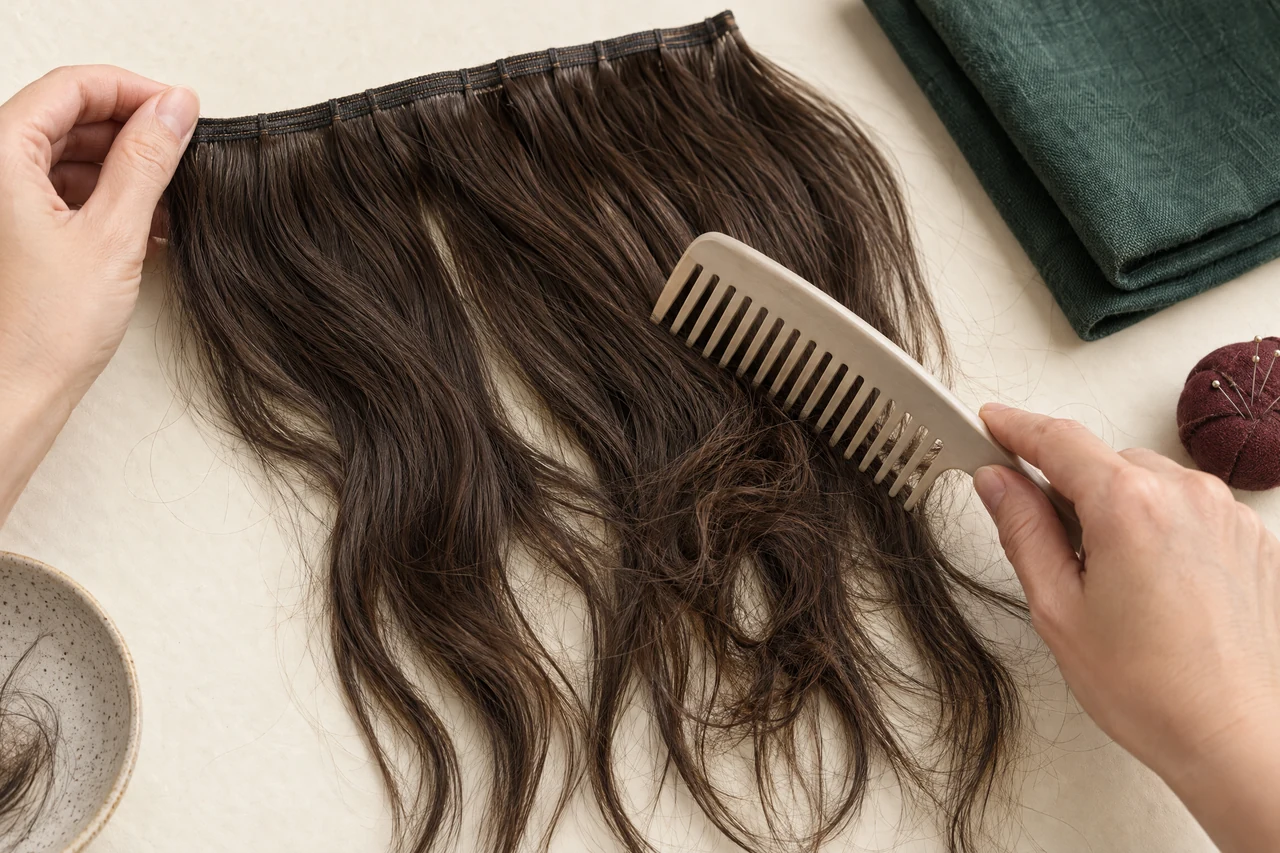
Prepare an enquiry around the next colour stage
Take unfiltered photographs in consistent light with the parting you normally wear. Include the roots, the length where old colour remains and the ends you hope to make fuller. These records can start a discussion, but a phone image cannot guarantee a supplied shade match or prove fitting suitability. Explain which colour treatments you intend to stop and which, if any, you are still considering. A picture of the final goal should be accompanied by a description of the in-between look you can accept.
Use the 6 preparation questions below to make the enquiry specific. The number describes this article's checklist, not a service guarantee. If you already own added hair, include its packaging or supplier information and say whether it has been coloured or altered. Ask what needs an in-person assessment before purchasing anything further. The most useful outcome is a clear present-stage choice and a point for reassessment, rather than an assurance that the same extensions will always blend.
Keep the grow-out goal in charge
Decide what would make you change course: a cut, a visibly larger silver area, an unsuitable sample, or maintenance you cannot reasonably manage. You can then ask whether matching the present lengths is worthwhile, occasional removable wear is enough, or waiting best protects your intended direction. Added fullness should support the colour stage you choose. It should not quietly commit you to covering silver roots again just to preserve a match you no longer want.
Compare the commitment while your visible silver pattern changes
| Route to discuss | Useful when | What to accept | Next-stage decision |
|---|---|---|---|
| Supplied shade fitted to current lengths | You want regular fullness and intend to keep those lengths | The match is for this stage, with confirmed maintenance | Reassess shade separately from a fitting review |
| Occasional removable added hair | Fullness is wanted only for selected occasions | Fit and colour still need assessment; you can choose not to wear it | Compare again before the next occasion |
| Postpone added hair | A major cut or unresolved colour change is approaching | Keep your current fullness for now | Choose after the retained lengths are clearer |
| Different supplied hair at a later stage | The silver pattern no longer suits the original shade | Replacement may be a separate commitment | Confirm new supply, suitability and quotation |
Your preparation checklist
- What fullness or extra length do I want during this particular grow-out stage?
- Which coloured lengths will I keep, and what cut or colour change is planned next?
- Can I provide clear, unfiltered photographs of roots, retained lengths and my usual parting?
- Do I need regular wear, or would occasional removable added hair answer the need?
- What supplier, fibre and treatment records can I provide for any hair I already own?
- What supply, fitting, review, removal and possible replacement arrangements need confirmation?
Frequently asked questions
Should extensions match my silver roots or my brown ends during grow-out?
Compare them with the hair they will actually sit beside, which may still be mainly the brown lengths. Also assess the whole silhouette with your usual parting. Matching the roots alone can introduce a pale block beneath darker hair. Choose for the stage you intend to wear, then reassess as more coloured length is removed.
Can I recolour the same extensions when my hair becomes more silver?
Do not assume so. The actual supplier's instructions, material, previous processing and proposed adjustment need checking, alongside the fitting system. A human-hair label does not establish that a substantial colour change is suitable. Plan for the possibility of different supplied hair or postponement rather than buying on a promise to make an unfamiliar brown fibre silver later.
Does removable added hair solve the changing-colour problem completely?
It offers a choice about when to wear the hair, not a colour that updates itself. You still need an appropriate fit and a convincing current match. If the retained lengths change significantly, compare again before wearing it. Confirm the item's intended use and care; removable hair should not be treated as a substitute for assessment or as automatically harmless.
Ask about fullness for your next grey-transition stage
Send Vit So a WhatsApp enquiry at +85253057561 with current root and length photographs, your planned next cut or colour step, and any existing extension details. Ask whether suitable supply and fitting arrangements can be confirmed before choosing added hair. The address is 252 Hollywood Road, Sheung Wan, Hong Kong. Availability, suitability and any unlisted charge require confirmation; an enquiry is not a confirmed booking.
Start your WhatsApp enquirySources & further reading
- American Academy of Dermatology: How to prevent hair damage from a weave or extensions
Dermatologist guidance on extension-related tension, responding to pain and seeking assessment for concerns about hair loss. It does not establish a suitable method or maintenance schedule for an individual customer.
- Beauty Works: Frequently Asked Questions
A professional extension supplier's caution against colouring its processed extension hair. This illustrates why the actual supplier's instructions matter; it is not a product recommendation or a claim of Vit So's product use.



