






Balayage vs highlights: the visible pattern
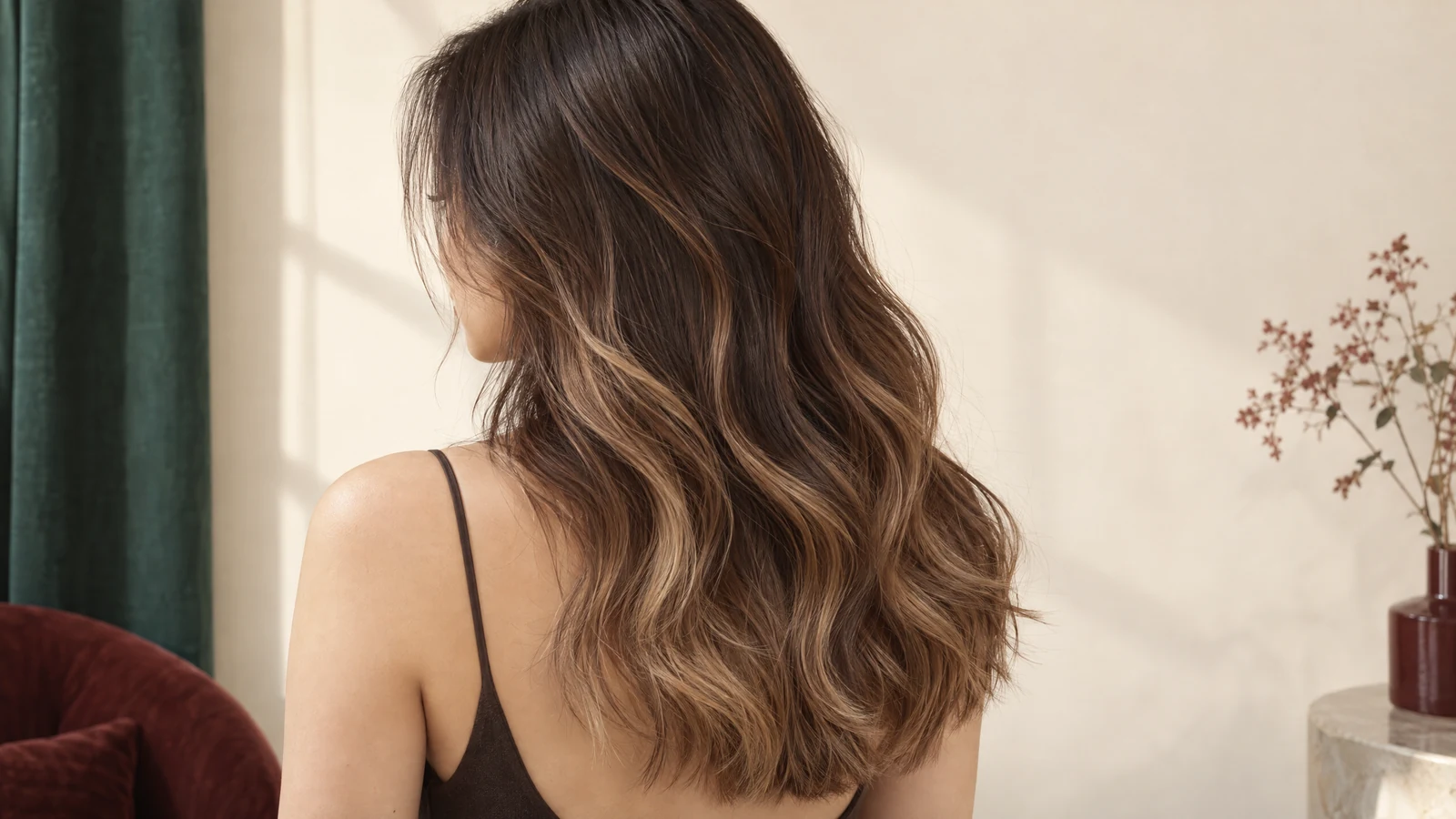
Highlights typically create selected lighter strands, while balayage describes a painted placement approach. Their results can overlap: either may look soft or striking depending on the base, spacing and contrast. Identify whether a photograph appeals to you because of defined lines, lightness concentrated at the ends, or a gradual transition through the lengths.
The comparison is not a strict either-or choice. Wella's guide to balayage describes it as a hand-painted highlighting technique. In a consultation, however, traditional highlights often means individually selected strands arranged in a more repeated pattern. Ask whether you want to notice separate ribbons or a broader impression of brightness. A photograph labelled balayage may still contain clear ribbons, and finely selected highlights need not look striped.
Contrast matters as much as placement. Caramel strands against a deep brown base can remain easy to pick out even when their upper edges are softly blended. Similar brown tones may look understated despite a regular strand pattern. For a deeper starting base, the discussion of highlights on dark hair helps separate desired contrast from the technique label.
Review hair highlights to check its service scope and the details to share before arranging the related work.
Balayage vs highlights in a reference photograph
Look at the parting before looking at the ends. Do bright strands begin close to the scalp, gradually emerge through the middle, or mainly occupy the lower lengths? Next, check how much dark hair separates them. A curled finish can gather fine strands into larger-looking ribbons; smooth hair shows their direction differently. Bring a reference with a texture close to how you normally wear your hair, not only the most polished salon finish.
Where babylights fit in the comparison
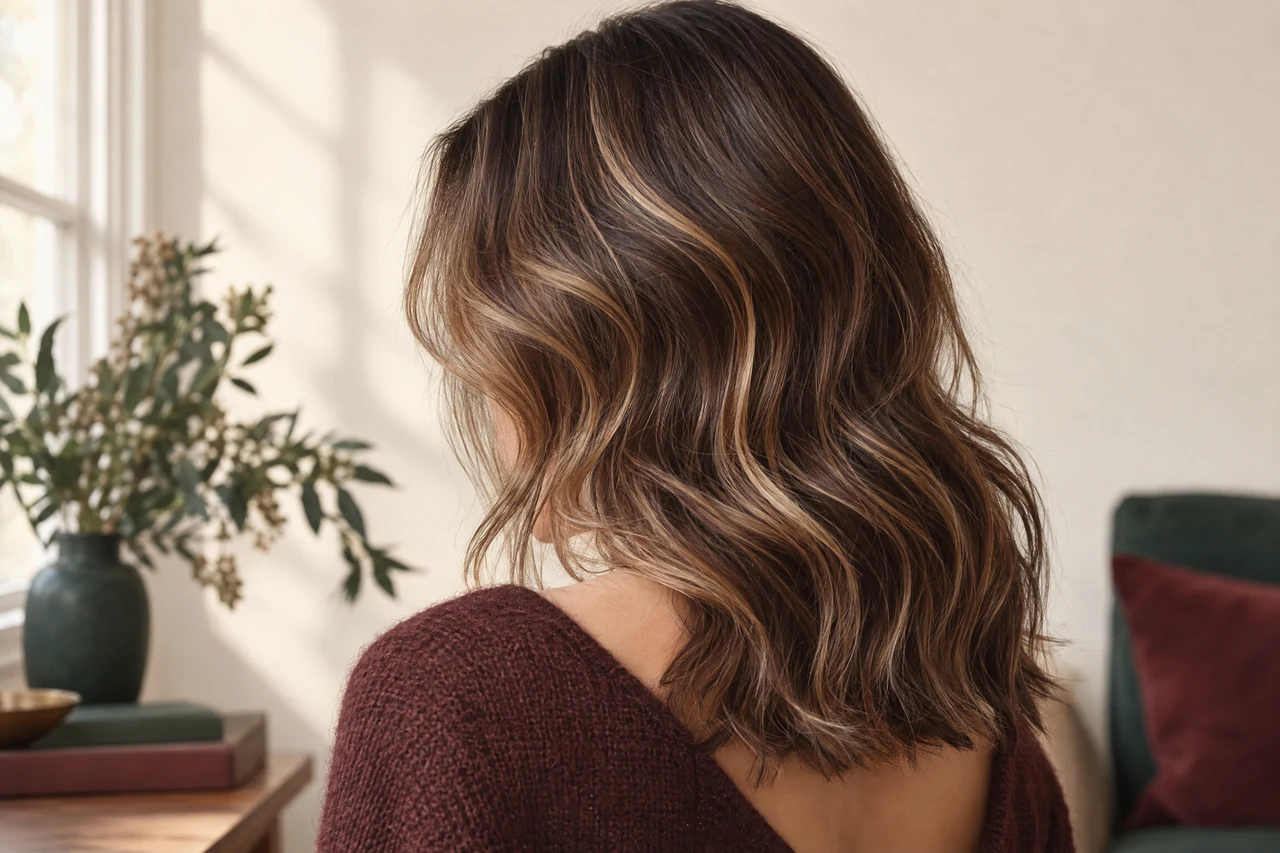
Babylights vs balayage compares fine strand selection with painted placement, whereas babylights vs highlights focuses more on the size and density of selected strands. Babylights are a fine-strand form of highlighting rather than a separate colour family. Choosing a small strand size alone does not tell you the amount of brightness or the maintenance required.
Keune's colour terminology guide defines babylights as ultra-fine highlights. This is useful when you want light woven through the base without broad, obvious sections. Still, many closely spaced fine strands can make the overall colour look much lighter than a few wider strands. Decide separately how fine each selection should be and how much of the head should be brightened.
Fine strands and painted areas can coexist
A reference might show delicate strands near the hairline with more substantial brightness through the ends. Describe both features rather than assuming babylights must replace balayage. Ask where you want a subtle weave and where you prefer a larger light area. If a bright front piece is the only detail you like, say so: choosing a full-head pattern just to reproduce that detail could change more of your base than intended.

Balayage and ombre describe different things
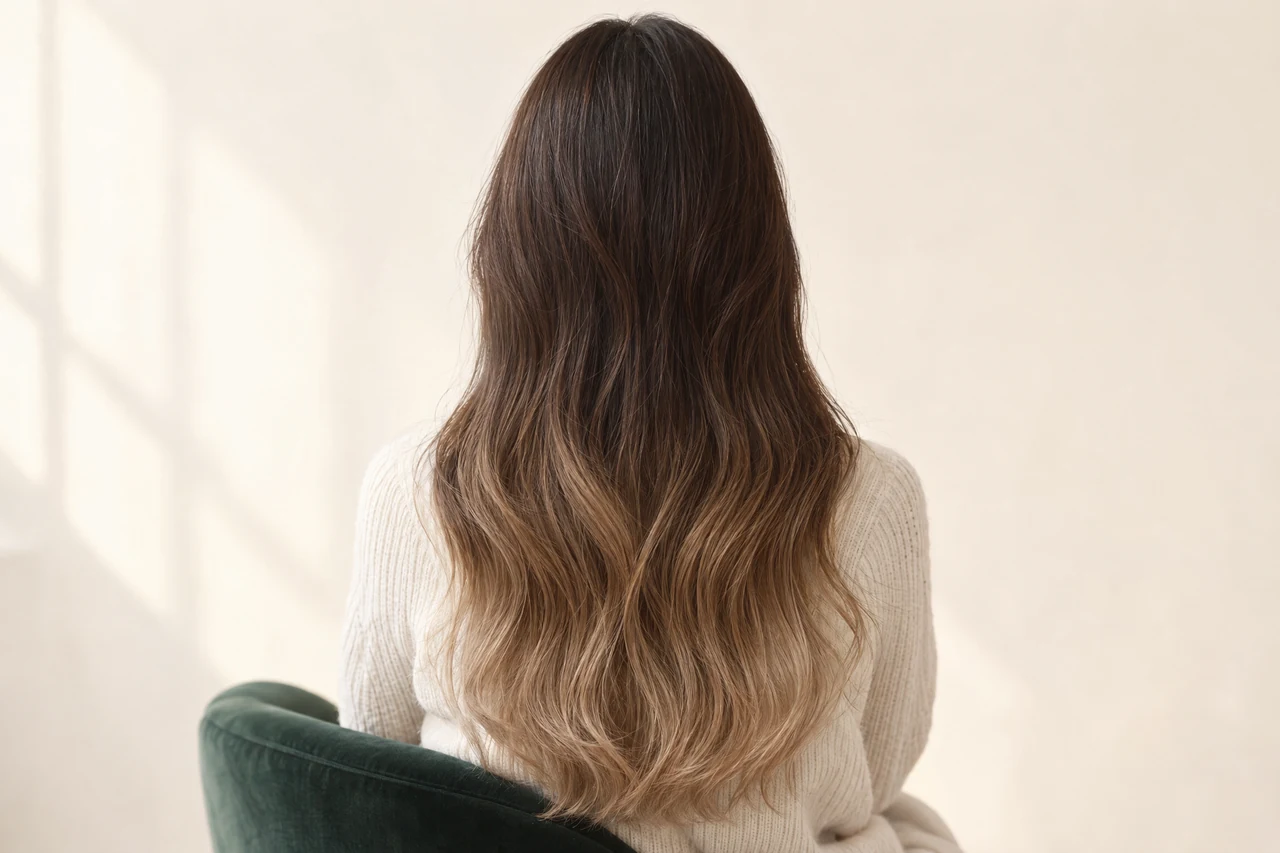
Balayage vs ombre separates a placement approach from a visual result. Ombre describes darker-to-lighter progression towards the ends; painted areas can contribute to that progression without making every balayage an ombre design. Point out the transition height and how much lightness sits at the ends instead of relying on the name alone.
The practical question is whether you want brightness scattered among darker lengths or a more continuous light area at the bottom. Scattered placement can retain dark strands all the way to the ends. A stronger gradient gives the lower portion a more consistently light appearance. Neither description fixes the colour temperature: warm caramel, neutral beige and cooler tones are separate choices from the distribution of lightness.
Review balayage hair colour to check its service scope and the details to share before arranging the related work.
A placement technique is not the same as a colour gradient
Use your haircut as a reference for transition height. Brightness beginning near the jaw looks different from brightness reserved below the shoulders. If you plan to shorten the hair, explain the intended final length before discussing the gradient: a cut can remove much of an ends-focused design. Also say whether you want a diffuse transition or a more obvious change in depth. Those requests communicate more than simply asking for ombre.
Foil terminology and method questions
Foil highlights isolate selected strands, while foilyage generally refers to painted placement supported by foils. Foilyage vs balayage is therefore a method comparison, not a reliable measure of damage or quality. These terms do not establish which process is available for your appointment; ask about the proposed approach and its suitability for your existing hair.
Wella's guide describes foilyage as freehand painted highlights wrapped in foils for processing. Seeing foils in a process photograph therefore does not prove that the finished design will have sharp lines. The upper boundary, selected sections and retained base still matter. Ask what the foils are intended to achieve in your proposed plan, rather than rejecting or requesting them solely because of a reference label.
For condition rather than appearance, the American Academy of Dermatology's colouring guidance warns that chemical treatments can leave hair dry and brittle and that greater lightening can cause more damage. A soft transition is not evidence of a gentler chemical process. Tell the stylist about previous bleaching, dark dyes, henna, perms and straightening, including treatments still present in the lengths.
Ask about the proposed approach, not a promised product
Useful questions include which areas need further lightening, which already-lightened pieces might be retained, and whether your target tone is realistic for their condition. Share any past irritation or reaction separately from your colour inspiration, and ask about the relevant product instructions before proceeding. The answer should connect the method to your current hair and goal, not simply describe a technique as premium or damage-free.
Adding depth rather than more light
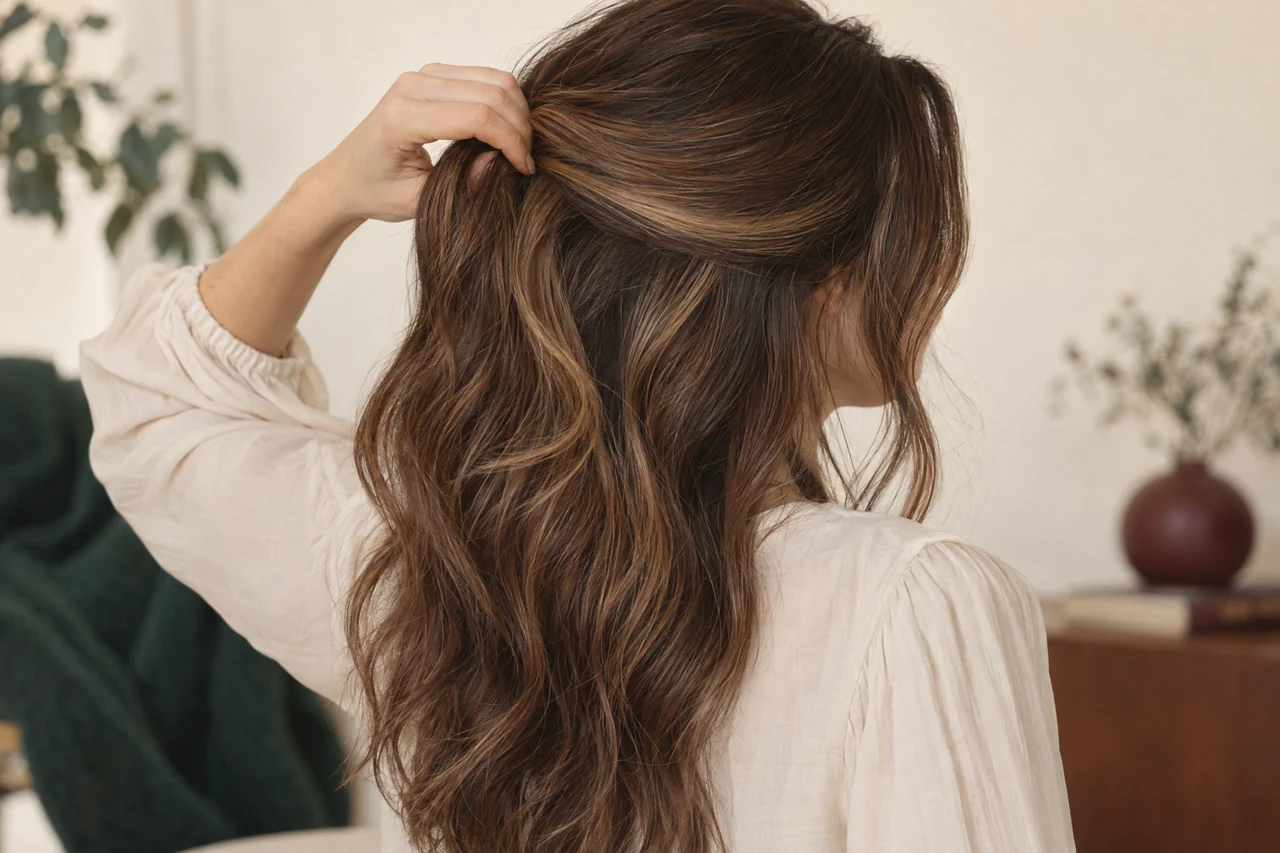
Highlights vs lowlights compares lighter strands with darker ones. Lowlights can describe a way to restore visual depth, but the suitability of adding darker colour depends on the existing light areas and your next goal. Availability and the proposed colour plan need confirmation; darker strands are not automatically a permanent reversal of earlier lightening.
Keune explains that lowlights add darker shades for contrast and depth. They are worth discussing when the issue is that too much of the hair looks light, rather than that individual strands are insufficiently bright. Keep this separate from a tone concern. Wanting less orange in existing highlights is not the same as wanting more dark strands between them; those requests can lead to different plans.
Darker strands change the balance
First identify what you want to preserve. You may like the brighter face area but prefer more depth behind it, or want to keep luminous ends while reducing a broad light section through the middle. Explain any wish to become lighter again later. Adding darker colour changes the starting point for that future appointment; it does not remove the earlier lightening history from the hair.
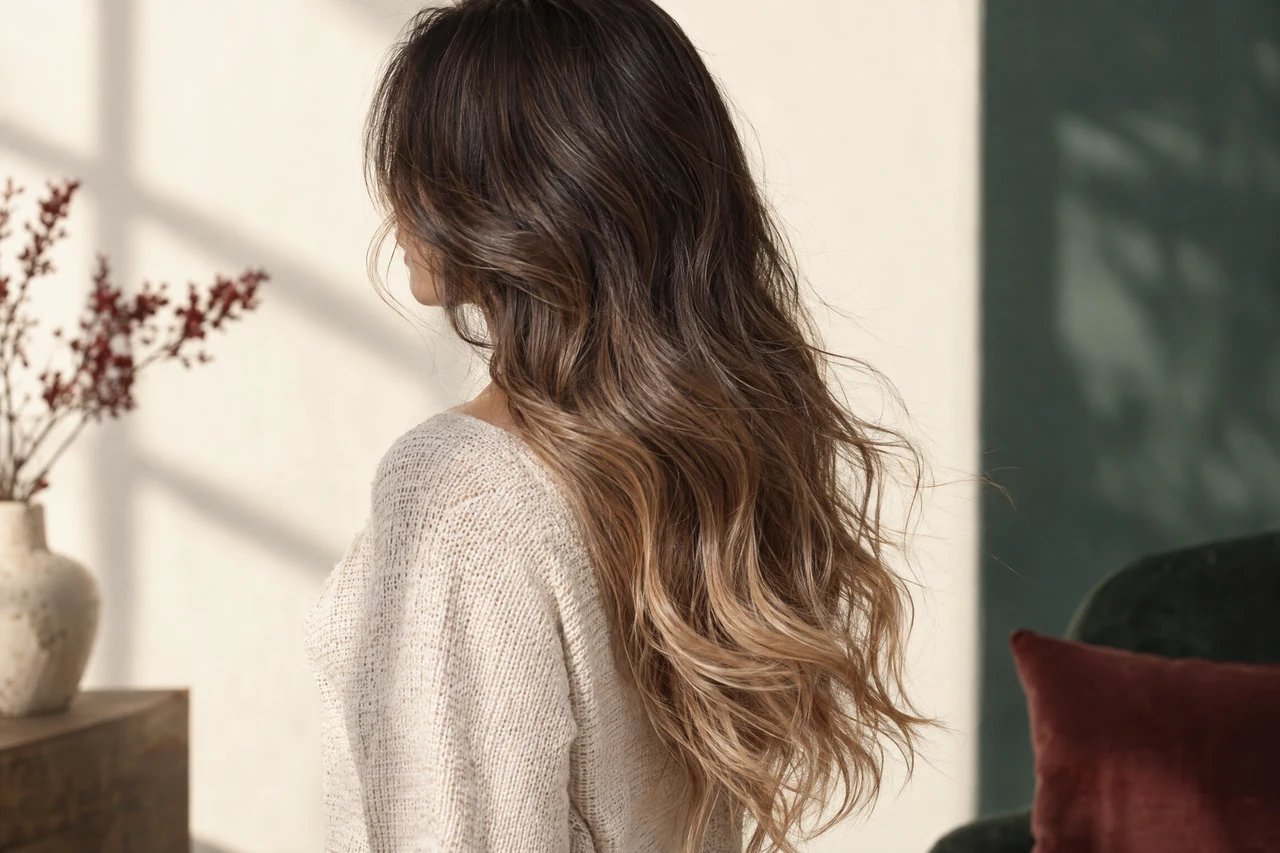
Compare the design in daily wear and as it grows
A pattern needs to work with your normal parting and routine. If you wear a ponytail for commuting or exercise, show the hair tied up as well as loose. A surface-focused design may reveal a different amount of brightness when the underneath turns outward. If you usually wear the hair straight, do not judge the whole choice from a heavily waved reference alone.
Placement and tone have different maintenance needs. Retaining depth near the root can make new growth less conspicuous, but the tone of the lighter lengths can still change. Wella distinguishes lightened pieces that remain from toner that may need refreshing. Discuss how much root contrast you are comfortable seeing and whether keeping a particular cool tone is important enough to justify follow-up care.
For decisions about retaining the existing pattern rather than repeatedly moving it towards the scalp, growing out highlights addresses what to keep as the root area becomes deeper.
Continue with partial vs full highlights for that specific comparison and the preparation questions it raises.
Turn your preference into a clear enquiry
Use the 6-point checklist below to prepare your enquiry. A useful description is that you want fine strands near the front, a deep parting and brighter ends, with colour visible when the hair is tied back. Add your actual hair history and maintenance preferences. This leaves room to discuss a suitable approach without treating any technique name as a complete instruction.
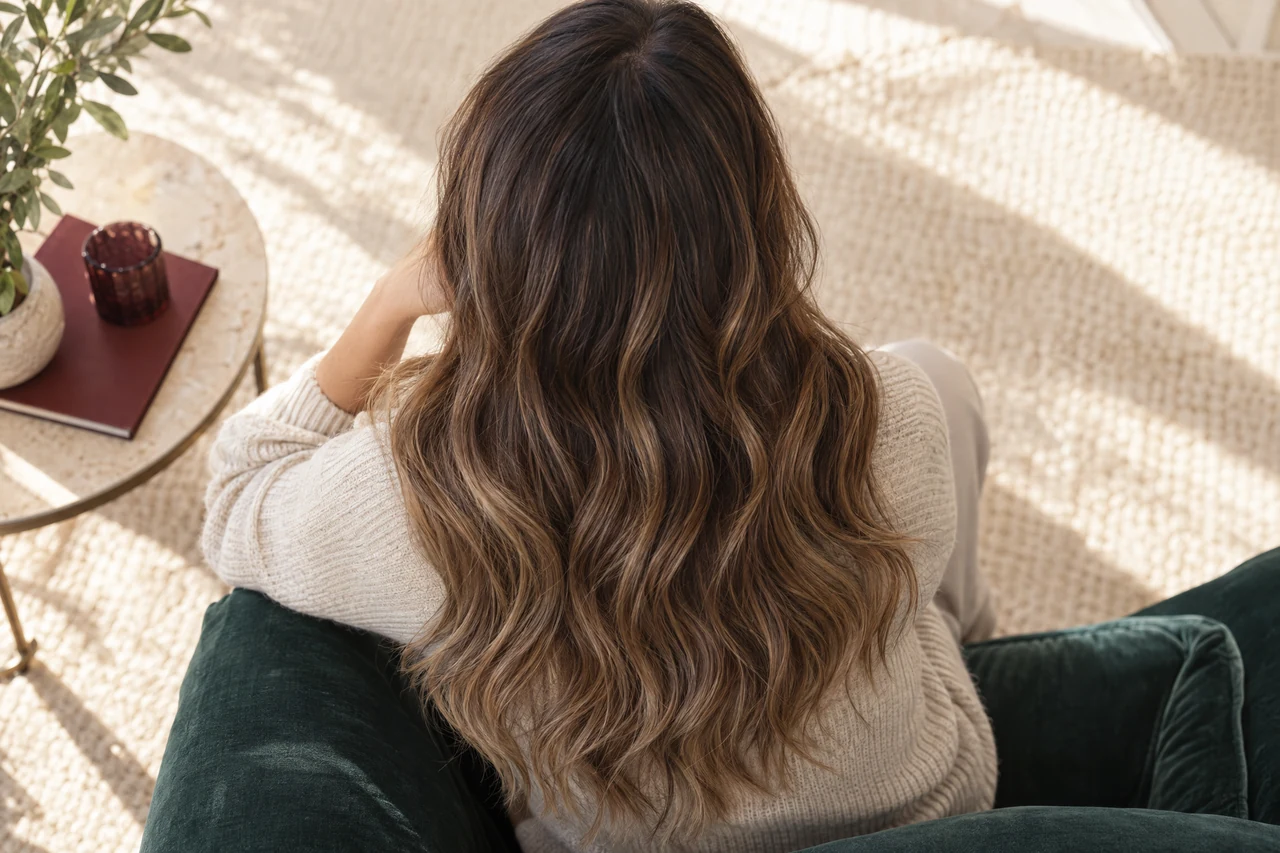
Colour names compared by what they describe and what you still need to decide
| Term | What it describes | Decision to clarify |
|---|---|---|
| Highlights | Selected lighter strands | Their width, spacing and starting point |
| Balayage | Painted placement of colour or lightener | Where brightness appears and how much depth remains |
| Babylights | Very fine highlight selections | Fine strand size versus total brightness and density |
| Ombre | Darker-to-lighter progression towards the ends | Transition height and the size of the lighter lower area |
| Foilyage | Painted placement processed with foils | Why that processing approach suits the proposed lift |
| Lowlights | Darker strands added among lighter areas | Where depth is wanted and what lightness to preserve |
Your preparation checklist
- Choose a reference for the strand pattern and another for tone if the same photograph does not show both clearly.
- Mark the root depth you want to keep and the approximate point where brighter colour should become visible.
- Show your usual parting and whether the colour needs to be visible with the hair tied up.
- Record previous dyes, bleaching and texture treatments, with approximate dates and the areas still carrying them.
- State any planned haircut, your tolerance for visible regrowth and how much tone maintenance fits your routine.
- Ask which method is proposed, what work and aftercare are included, and what appointment time and quotation need confirmation.
Frequently asked questions
What are babylights?
Babylights are very fine selected strands used for a blended highlight pattern. Their visibility still depends on density, tone and contrast with the starting colour.
Which name should I use if I like several effects?
Describe the visible details first: strand width, root depth, transition height and brighter areas. A photo can help show a combined design without forcing it into one label.
Is one method always less damaging?
No name guarantees lower damage. Previous chemical treatment, the required lift and the condition of each area matter more than a label.
Does balayage mean I will never need to refresh the colour?
No. Root placement can make growth less noticeable, but the tone and condition of the lighter lengths still need attention. Discuss what you want to maintain rather than relying on a universal refresh schedule.
Describe the brightness you want to see
Send Vit So your reference images, current hair photographs and treatment history for an enquiry in Sheung Wan. Explain the root depth, strand pattern and brighter areas you prefer so the proposed approach, suitability and quotation can be discussed. An enquiry is not a confirmed booking.
Start your WhatsApp enquirySources & further reading
- What is Balayage? Your Complete Guide
Hand-painted highlighting, the darker-to-lighter ombre gradient, foilyage processing and the distinction between retained lightening and toner upkeep.
- Difference Between Ombre, Balayage, Highlights, Lowlights
Babylights as ultra-fine highlights and the lighter-versus-darker distinction between highlights and lowlights.
- Coloring and perming tips for healthier-looking hair
Chemical-treatment dryness and brittleness and the relationship between greater lightening and hair damage, not an assessment of hairstyle aesthetics.



