







Define What Custom Made Wigs Need to Change
Bespoke wigs is a broad description, not a guarantee that every element can be made to order. Rank the changes that matter most: cap fit, coverage, density, colour or shape. A reference image helps explain your preference, but a discussion of actual materials and construction is needed before the scope of any customisation can be established.
Separate essential requirements from preferences you could change. An essential might be avoiding pressure behind the ears; a preference might be a softer wave at the ends. If your main difficulty is cap fit, another photograph of a similar hairstyle will not explain it. Describe where the piece moves, where it grips and what happens when you turn your head. If appearance is the concern, point to the specific area rather than asking for something more natural overall.
A complete wig creates the outline around the front, sides and nape together. Decide whether you want to resemble a familiar hairstyle or choose a new one. Bring photographs of your own hair if continuity matters, including the usual front hairline and side profile. For a new look, explain which features attract you: length against the collar, width beside the cheeks or the direction of the fringe. These are clearer design requests than asking to reproduce an entire photograph.
Review full head wigs to check its service scope and the details to share before arranging the related work.
Priorities for Custom Made Wigs, Beyond a Reference Image
For an enquiry about custom wigs Hong Kong clients can make more specific, prepare a short priority list in plain language. State what must work on an ordinary day and what you would like visually. A fixed side part, for example, is different from wanting to change the part frequently. Ask whether each preference concerns the cap, the supplied hair or later styling. This helps distinguish a sizing requirement from a finishing choice without assuming that every requested change is available.
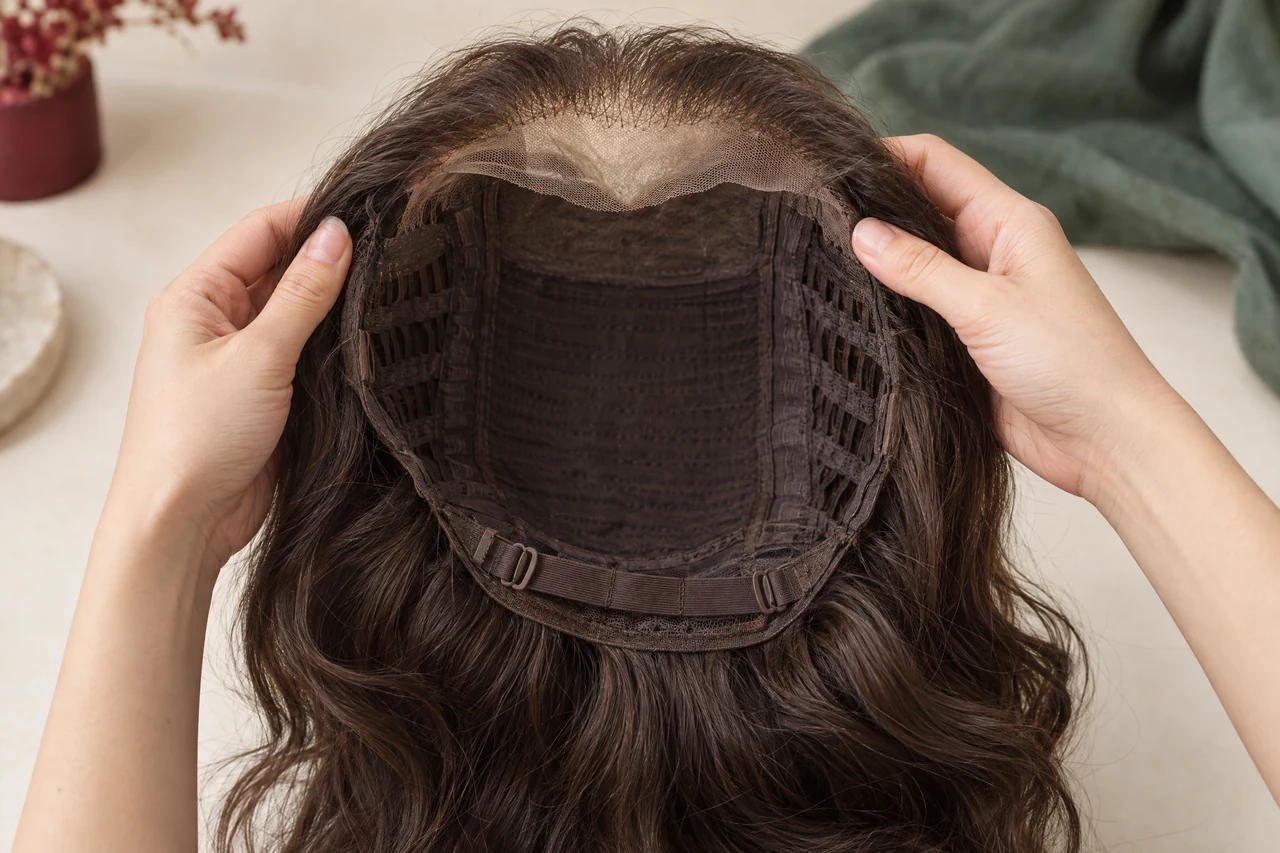
Discuss Cap Measurements and Wearing Habits
Explain where a previous wig felt loose or restrictive, whether you wear glasses and how you prefer to put the piece on and take it off. These details give context to measurements. Ask how sizing will be assessed and what later adjustments may be possible; a measurement alone does not establish comfort during daily wear.
Ask which measurements the proposed cap requires and how they should be taken. Circumference describes the distance around the head, but questions may also concern the front-to-nape length and the position of the ears. A supplier's measurement instructions matter: a tape placed along a different route can produce a different result. Treat any home measurement as preliminary until the relevant method is confirmed, rather than tightening the tape to reach a preferred size.
Explain what will sit beneath the cap. Retained hair, its arrangement and any liner can affect how a trial fit feels. If your amount of hair is changing, flag this before measurements are relied on. Cancer Research UK's guidance on choosing and fitting a wig notes that a wig tried before treatment-related hair loss may need a smaller size afterwards, or an adjustable fit. This is a reason to discuss your situation, not a prediction about your own hair.
Continue with can you wear glasses with a wig for that specific comparison and the preparation questions it raises.
Fit Is More Than One Circumference
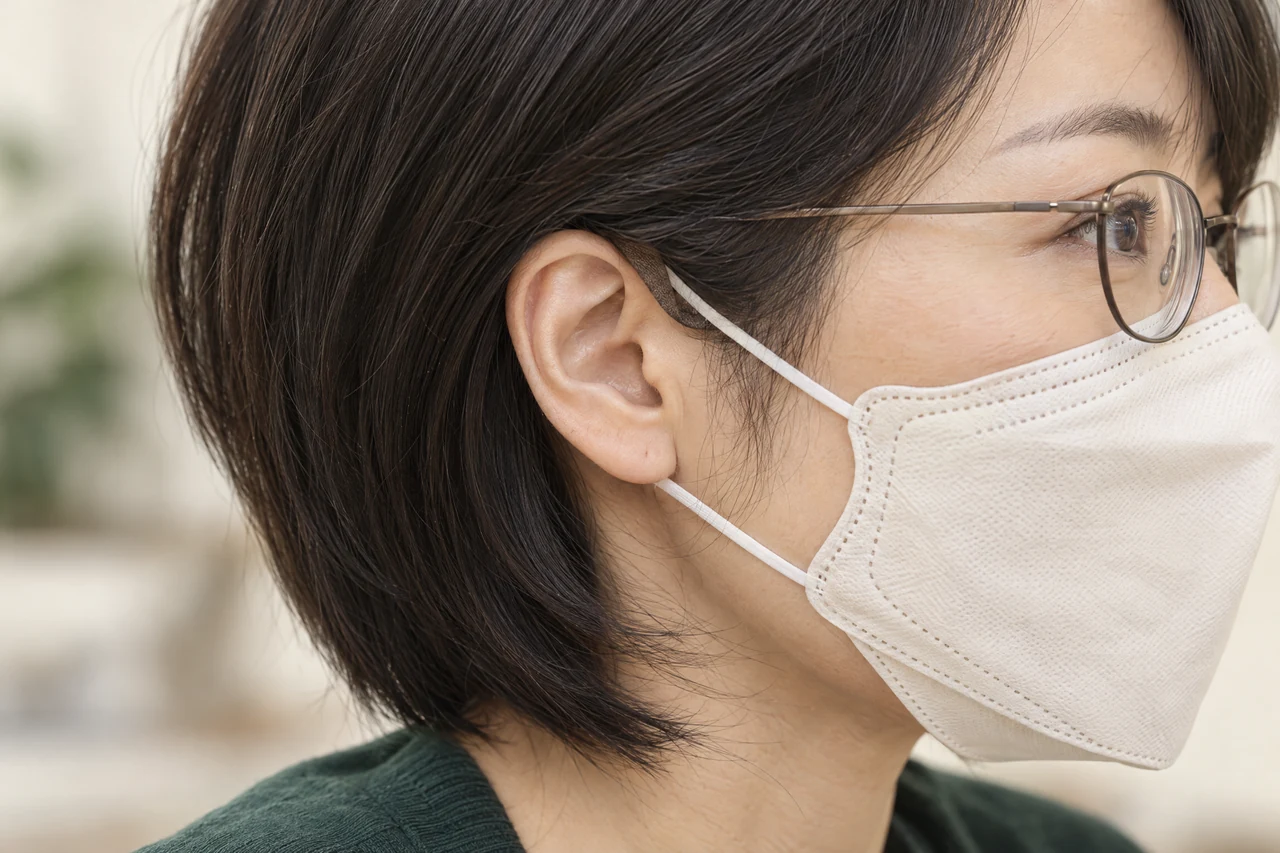
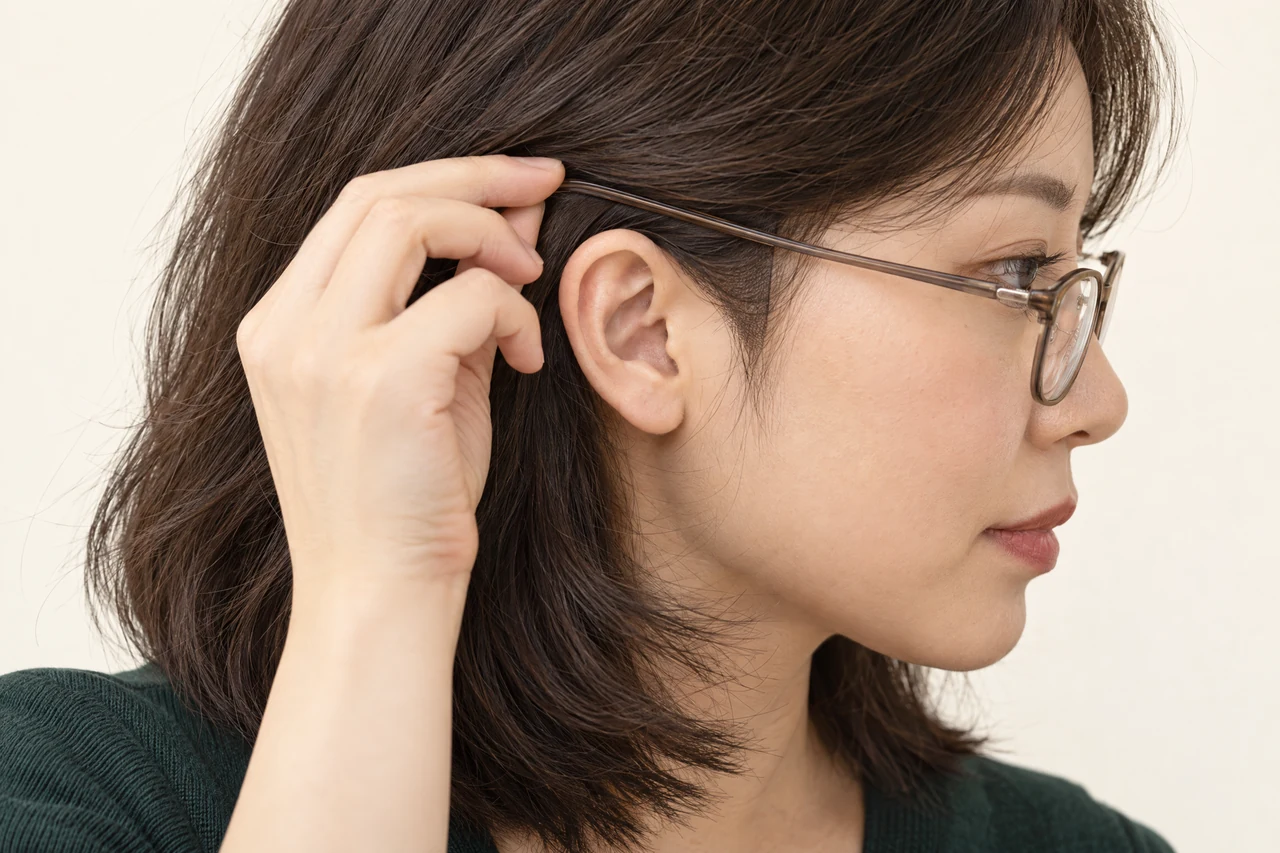
Bring your usual glasses rather than relying on a description of the frames. During any agreed trial, check whether the arms sit in their normal position and whether the cap edge is disturbed when you remove them. Mention mask loops, hearing aids or other items that share the ear area. Look down, turn gently and sit as you normally would. Report pressure or movement by location; do not compensate for an uncomfortable fit by simply tightening every adjustment.
Review Density, Colour and Shape Together
A dense sample may look appealing on a stand but feel different around your face. Review the front outline, parting and movement as well as the shade. Ask whether suitable samples can be viewed and how closely any supplied item can match them. Photographs should communicate preferences, not be treated as exact colour or texture specifications.
Describe density by area and effect. You may want a lighter fringe but fuller ends, or a flatter crown with more movement below the chin. More hair everywhere is not necessarily the closest match to a familiar style. In its guidance for people experiencing cancer-treatment hair loss, Macmillan's advice on matching a current hairstyle suggests a similar volume, or slightly less. Use that as a comparison prompt when continuity matters, rather than as a universal rule for every design.
For colour, compare the overall depth as well as warm or cool tones. If samples are available, ask to see the shade beside your face in suitable lighting. A phone image may help convey a direction, but it does not show exactly how a fibre sample will look. Clarify whether a sample represents the proposed item, a colour option or only a broad style. If you want variation through the lengths, ask how that request would be described and confirmed.
Continue with how to make a wig look natural for that specific comparison and the preparation questions it raises.
If material choice affects your styling priorities, compare human hair vs synthetic wigs before deciding which requests are essential to your enquiry.
Samples and Photographs Answer Different Questions
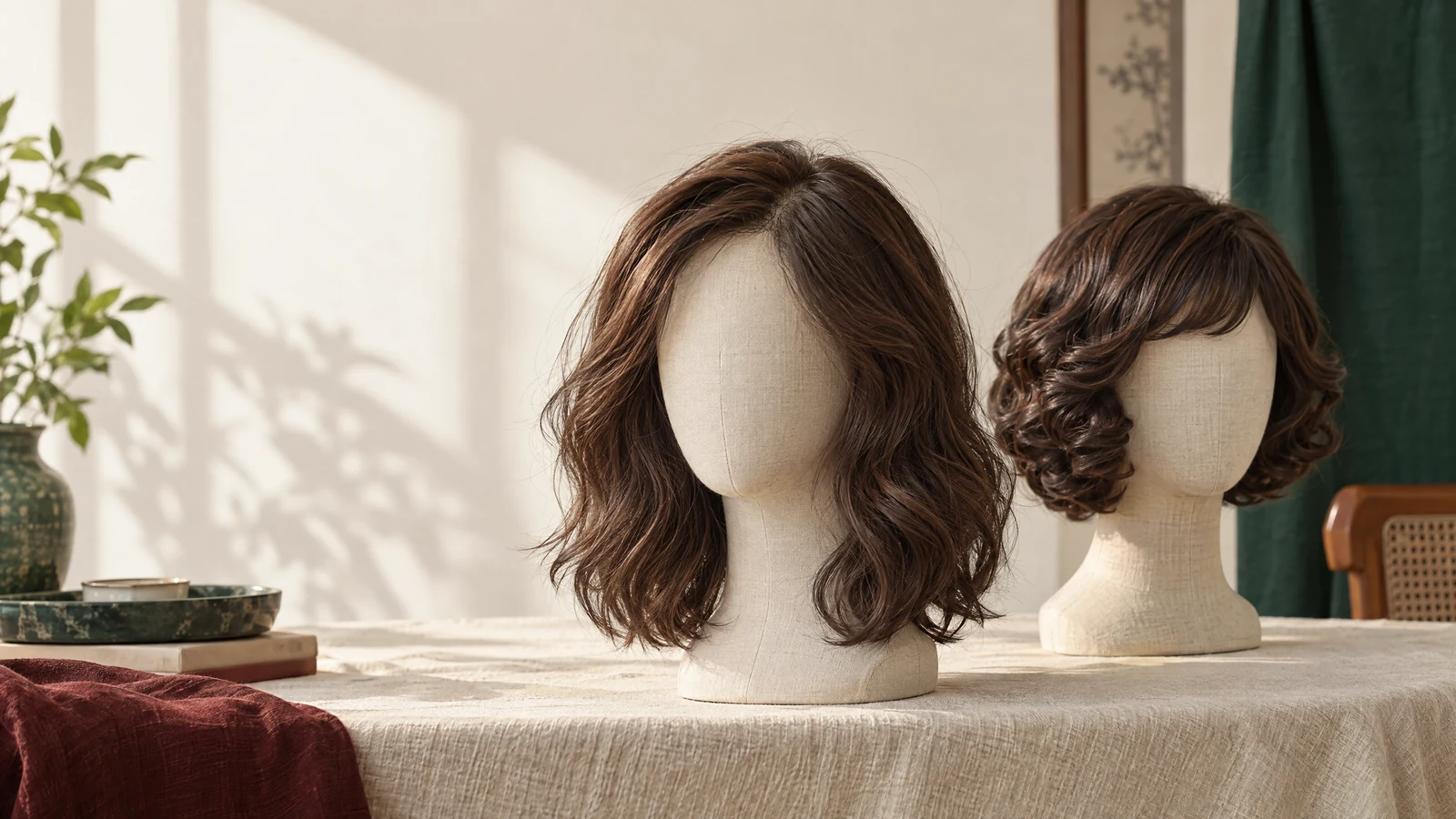
Check the requested length at the front, sides and back instead of using one overall label such as long. A shoulder-length wave can sit differently from a straight style, especially near a jacket collar. Show where you want the ends to fall and whether you usually tuck the sides behind your ears. Ask whether the proposed parting and front outline support that habit. A sample can help you discuss these details without establishing an exact match or available stock.
Confirm Supply and Follow-up Before Committing
Ask what can be supplied or customised, how the agreed details will be recorded and when a timing estimate can be given. Also clarify the quote, any fitting stages and the handling of later changes. A customisation enquiry is not an order confirmation, and no production method, delivery period or adjustment entitlement should be assumed.
Request a written description that separates the item from any related work. It should make the proposed cap size, colour reference, length and parting clear enough to revisit. Ask who will confirm the specification and whether any details remain subject to sample review. If a requirement cannot be accommodated, establish the alternative before proceeding. That is more useful than discovering later that a reference photograph was understood differently.
Discuss the wearing routine alongside the quote. Ask what cleaning, drying and storage the proposed item needs, which tools are suitable and whether professional upkeep is necessary. Cancer Research UK's guidance advises checking the manufacturer's information before exposing a synthetic wig to direct heat. Confirm instructions for the actual item rather than assuming that customisation makes it suitable for a hairdryer or straighteners.
Share an event or travel date along with your availability for any proposed fittings. Ask what would happen if a sample review or requested change affects the estimate. Before you book a hair appointment, explain that your enquiry concerns a complete custom wig so the available consultation arrangements can be confirmed.
A Complete Enquiry Includes Timing and Adjustments
Ask what you would be checking at each proposed stage: cap comfort, a colour sample, the supplied length or a finished outline. Clarify when a change would be an adjustment to the agreed specification and when it would count as a new request. Also ask about any deposit, cancellation terms and charges for later work. Understanding these details lets you compare proposals by their actual scope rather than by a headline price alone.
Customisation, materials and timing in a wig quote
For a custom wig quote in Hong Kong, ask which length, density, colour and fitting requirements can be accommodated and what materials are available. Check the proposed customisation, production timing and any included adjustment before agreeing a quote. There is no confirmed custom-wig amount here, and an enquiry does not establish immediate supply or free fitting.

Prepare a Clear Custom-Wig Enquiry
Use this 6-point checklist to prepare your enquiry. Keep the information concise enough to discuss, but specific enough to distinguish the fit request from the style request. Photographs of a previous wig can help show an issue at the nape or front; explain what you were doing when it occurred. You do not need to solve the construction yourself before asking what can be accommodated.
If privacy matters to you, ask about the consultation setting before visiting. You may also wish to bring someone whose opinion you trust, subject to the arrangements available. The aim is a clear discussion of your requirements at Vit So in Sheung Wan, with an agreed next step rather than pressure to approve a design immediately.
Describe the Wearing Day You Want the Wig to Support
Tell the person handling your enquiry whether the wig is mainly for office hours, occasional events or regular travel. Mention warm commutes, changes of headwear and how often you expect to remove it. A long style that looks appealing in a still photograph may demand a different routine from a shorter shape. Relating the specification to your ordinary day helps you decide which compromises are acceptable before discussing an order.

Turn broad custom-wig preferences into questions that can be checked
| Priority | Describe your requirement | Clarify before proceeding |
|---|---|---|
| Cap fit | Where a previous wig moves or presses, and what you wear beneath it | Measurement method, proposed size and any adjustment scope |
| Ear-area comfort | Usual glasses, mask loops or other ear-area accessories | Whether the proposed cap position works with those items |
| Density and outline | A lighter fringe, fuller ends or a familiar overall volume | Which areas can be specified and what a sample represents |
| Colour and length | Preferred depth, tone and where the ends should fall | Sample reference, available options and matching limitations |
| Parting and styling | A usual side part, ear tucking or a desire to change direction | Construction suitability and instructions for the actual material |
| Supply and budget | Event date, fitting availability and spending priorities | Written scope, timing estimate, included work and later charges |
Your preparation checklist
- Write down the fit or coverage problem you most need to resolve, separating it from preferences you could change.
- Prepare clear front, side and back references, noting which features you like rather than asking for an exact photograph copy.
- Describe the hair or liner beneath the cap, including any expected change relevant to sizing.
- Bring or describe the glasses, masks and headwear you use, and explain your normal putting-on and removal routine.
- List your preferred density, colour depth, parting and length, together with the styling time you are willing to spend.
- Ask for confirmation of samples, supply scope, fitting stages, the quote and follow-up terms before committing.
Frequently asked questions
Does customisation mean the wig is manufactured on site?
No production location or manufacturing method is stated. Ask which parts can be tailored and how the proposed item would be supplied before committing to an order.
Can I set a deadline for an event?
Share the event date early, but treat it as a requirement to discuss rather than a promised delivery date. Supply, fitting stages and any changes need confirmation first.
Is a custom wig the same as a custom hairpiece?
A full wig provides a complete hairstyle, while a partial piece needs to blend with the hair you retain. The coverage, sizing and appearance questions are different.
Make Your Custom-Wig Requirements Easier to Discuss
Send Vit So your fit priorities, preferred shape and daily wearing requirements for an enquiry in Sheung Wan. Include any important event date and ask which samples, customisation options and consultation arrangements are available. An enquiry is not a confirmed booking or order.
Start your WhatsApp enquirySources & further reading
- Wigs for cancer treatment — Macmillan Cancer Support
Advice on matching an existing hairstyle's volume in the context of cancer-treatment hair loss, and following supplier care instructions.
- Wigs, hats and scarves — Cancer Research UK
Fit changes when retained hair changes, adjustable sizing and checking manufacturer guidance before using direct heat on synthetic wigs.
Decide which fit requirements a custom design must address
Brand relationship: OWNSTRAND and Vit So have the same owner. These selection resources are not an independent review; confirm styles, availability and visits with OWNSTRAND.
Before enquiring about a custom human hair wig Hong Kong, separate overall circumference from front-to-back proportions, ear-to-ear shape and nape contact. An adjustable band may change tightness without resolving every proportion mismatch. Record ordinary seated posture and head movement, then ask how measurements, design confirmation and the completed fitting are handled. A custom label is not a promise of a particular outcome, stock level or completion date. Confirm the individual product and visit arrangements before making plans.



