






How to Compare Hair Stylist Portfolios by Starting Hair
Start with examples that resemble your current length, texture and colour history, not just your desired finish. If the starting hair is not shown or described, ask about it rather than filling in the gaps. A similar final outline can come from very different starting conditions and may involve different work or upkeep.
Begin with your own hair as it normally falls. A shoulder-length outline on straight hair is not the same starting point as shoulder-length hair photographed after curls have been stretched smooth. Note your usual parting, areas that grow outwards and the length you want to retain. Then look for examples that address the same practical issue: weight around the ears, a fringe that clears glasses, or ends that can still be tied back.
Do not use apparent fullness as a shortcut for matching hair. A finished image cannot reliably tell you the thickness of individual strands or how much hair the person has. The distinction explained in hair texture vs density helps you ask whether the example shares your starting conditions, rather than simply choosing the fullest-looking photograph.
Continue with how to choose a hairdresser for that specific comparison and the preparation questions it raises.
How to Compare Hair Stylist Portfolios on Like-for-Like Examples
Group examples by the work you are considering. Compare a bob reshaping with other bob reshaping, rather than a long-to-short transformation that naturally looks more dramatic. For colour, separate a subtle change on an already light base from lightening previously coloured dark lengths. Ask whether the finish was achieved in one appointment or across several visits. Where that information is absent, label it unknown. This keeps an exciting transformation from being mistaken for a straightforward plan for your hair.

Separate the Cut from the Photo Finish
A styled photograph may show movement created with drying, tools or products as well as the cut itself. Look at how the outline appears from more than one angle where those views are available. Ask which features come from the cut and which depend on the finish, especially if your usual routine is simpler.
Read the outline before the surface texture. Where do the ends sit relative to the chin, shoulders or collarbone? How short are the face-framing pieces? A tucked side can reveal the ear while hiding hair that would otherwise cover it. A hand lifting the crown can temporarily change the silhouette. These are presentation choices to notice, not automatic reasons to distrust the work.
A smooth, glossy finish also does not establish what a conditioning service changed. If the portfolio combines care and styling claims, hair treatment results vs blow dry finish helps separate the photographed shape from questions about softness and handling after washing.
For daily planning, the American Academy of Dermatology's hair-care advice recommends air drying when possible, the lowest heat setting and less frequent use of hot styling tools. That makes the finishing method worth discussing if you would need regular heat to recreate the image. The advice concerns hair care; it is not a rating system for a haircut's appearance.
Ask How the Hair Was Dried and Styled
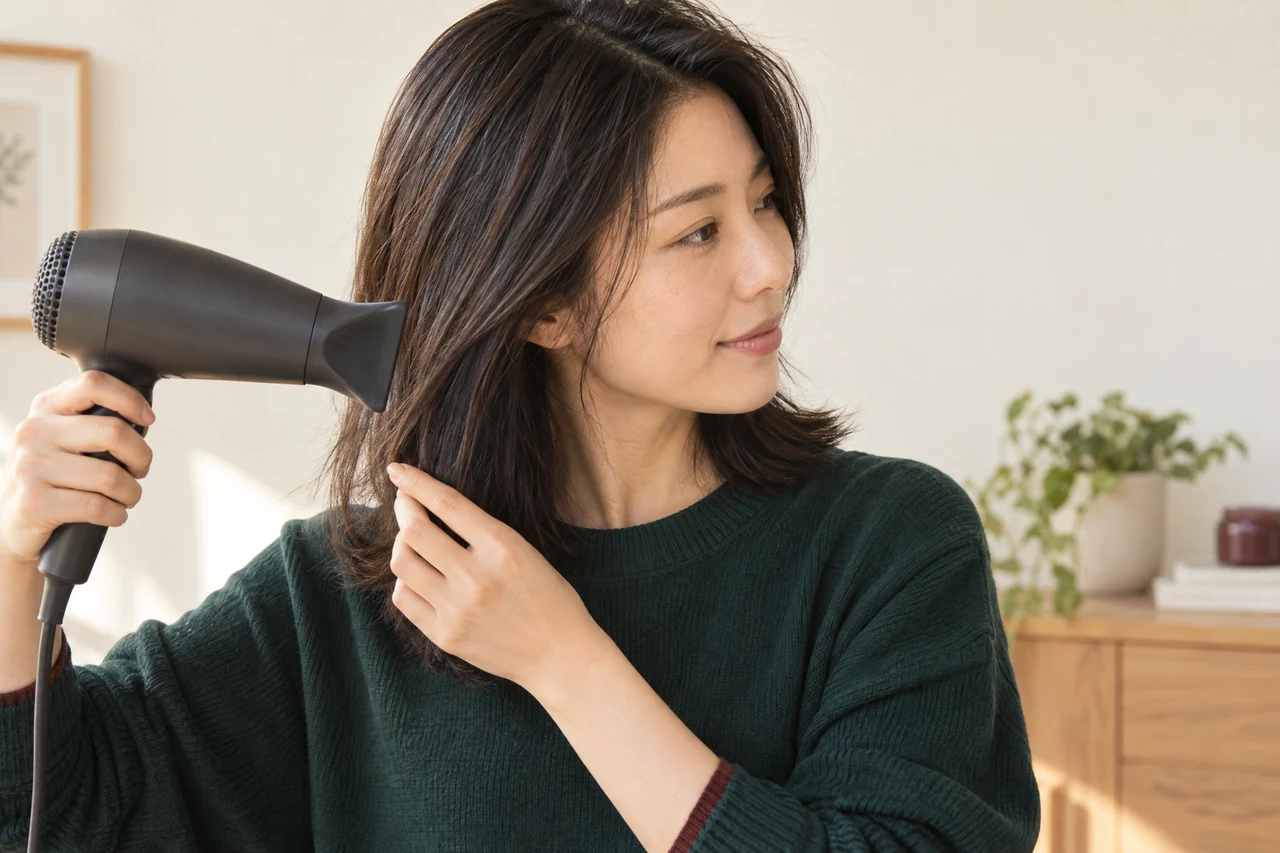
Ask whether the pictured bends are natural, created with a round brush, or added with a curling tool. Also ask what the cut would look like with your usual routine. If you normally dry with your fingers, an image relying on carefully brushed sections may represent an occasional finish rather than your everyday outcome. You can still like the design while choosing a less sculpted version. Request a clear explanation of which steps are essential and which simply add polish for the photograph.
Read Colour under the Stated Conditions
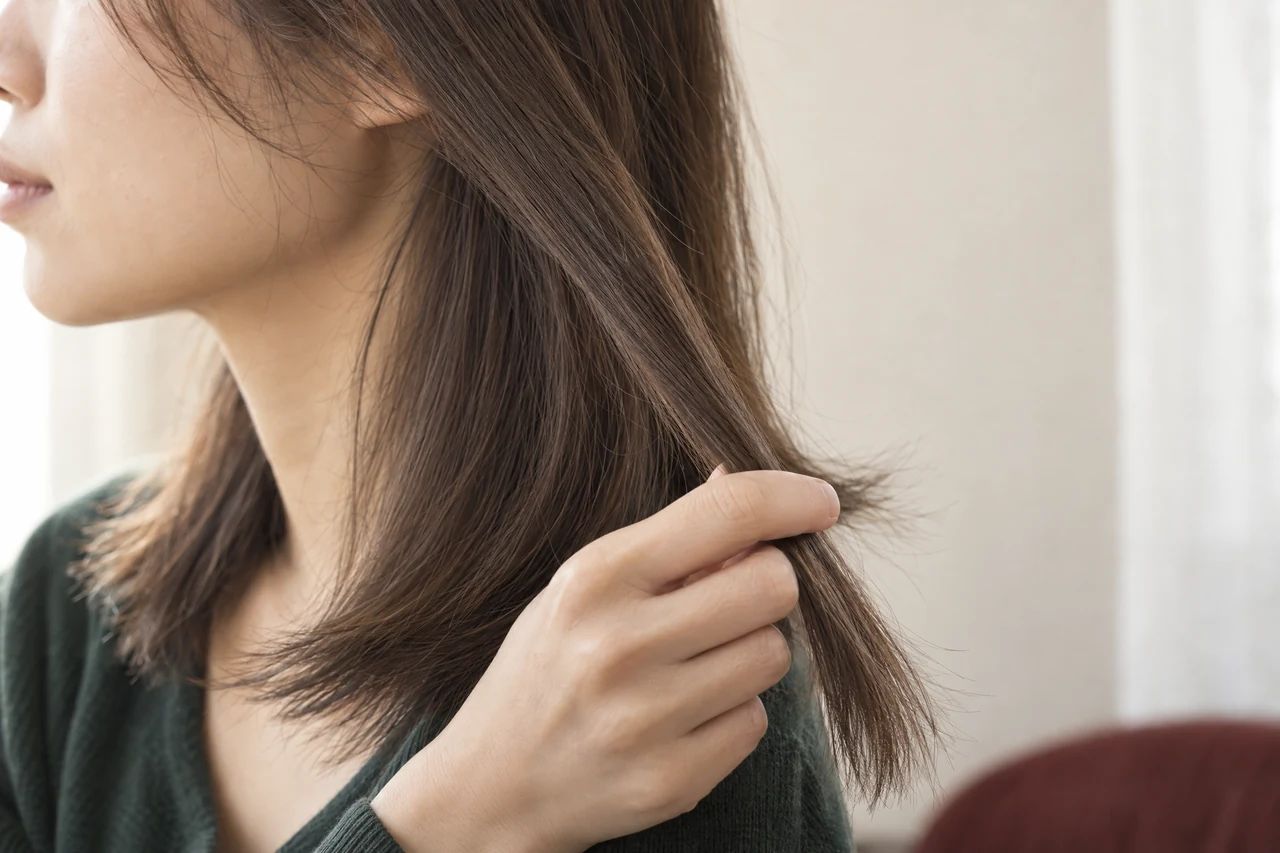
Lighting and camera settings can change the appearance of depth, shine and tone. A screen image is not a precise colour specification. Ask about the starting shade, previous colour and intended contrast, and describe the qualities you like rather than expecting a photographed tone to match exactly under every light.
Adobe's explanation of photographic white balance describes how different light sources produce different colour casts and how white balance affects all colours in an image. Adjustments can also be made during editing. A brown that appears cool beside a window and warmer under indoor lighting does not, by itself, show that the colouring is inconsistent.
Look for the design that remains useful despite those uncertainties. Is depth retained at the roots? Are the lighter areas concentrated around the face or spread through the ends? Does the contrast look quiet or pronounced? These observations are more practical than sampling a pixel on your phone. Where several views are available, check whether the placement still appeals when the hair is straight, turned to the side or tucked behind an ear.
Review hair colour to check its service scope and the details to share before arranging the related work.
Consider Light, Camera Angle and Colour History
Ask where the image was taken and whether it shows the finished colour immediately after the service. Then ask about the base before colouring, especially previously dyed lengths or existing highlights. Light areas that look beautifully blended in a curled back view may be less visible from the front. Describe the placement you want to notice in ordinary wear, not only the photographed shade. Share your own colour history before discussing whether that direction calls for lightening, a tonal adjustment or a different approach.
Distinguish Client Work from Inspiration
A real client example, a training image and a generated concept serve different purposes. A concept can explain a visual direction but is not evidence of a completed client result. Read any stated context and ask when it is unclear. Compare the design ideas without turning unidentified imagery into proof of experience or a promised outcome.
Look for the credit attached to the specific image, not just the name on the account. A salon collection may include work by different team members. A campaign may credit separate cutting, colouring and styling roles. Ask which part the stylist you are considering actually completed. This is especially useful when you want a particular colour placement but the caption only identifies the person who styled the finished shoot.
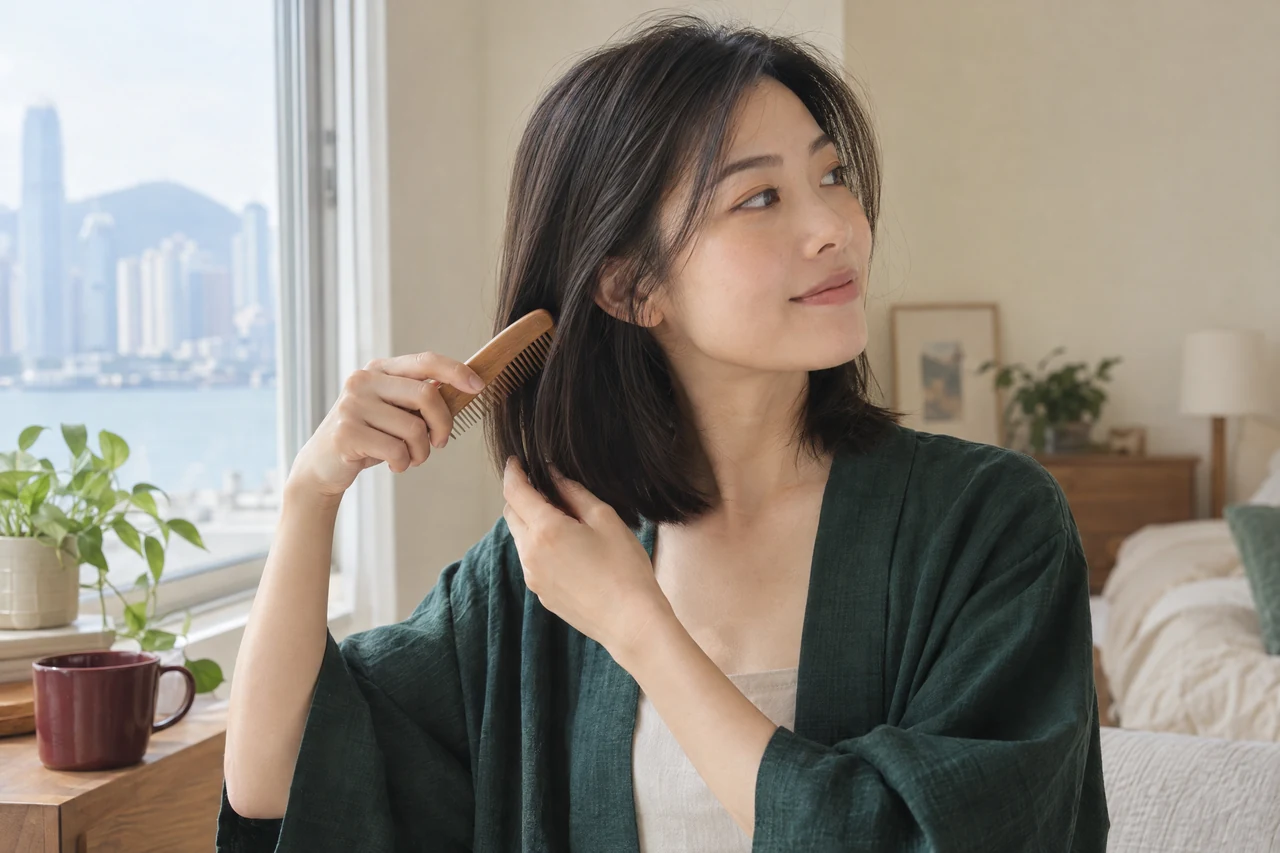
The illustrations accompanying this guide are concepts, not a collection of Vit So client results. They show details you can discuss, such as an end line or a drying method. They do not document a transformation, the condition of a client's hair or the results of an appointment. Likewise, an inspiration image can communicate taste without establishing who has performed the work.
Check the Image Context before Drawing Conclusions
Read the caption and any original credit before treating a repost as portfolio evidence. Training work can demonstrate a particular technique, but ask whether it was done on a person, a mannequin or another teaching medium. Do not require a client to show their face: an anonymous back view can still have a clear description of the service and attribution. Missing context is a reason to ask a focused question, not evidence that an image is false. A useful answer identifies the image's purpose and the stylist's contribution.

Check the Views before Judging the Detail
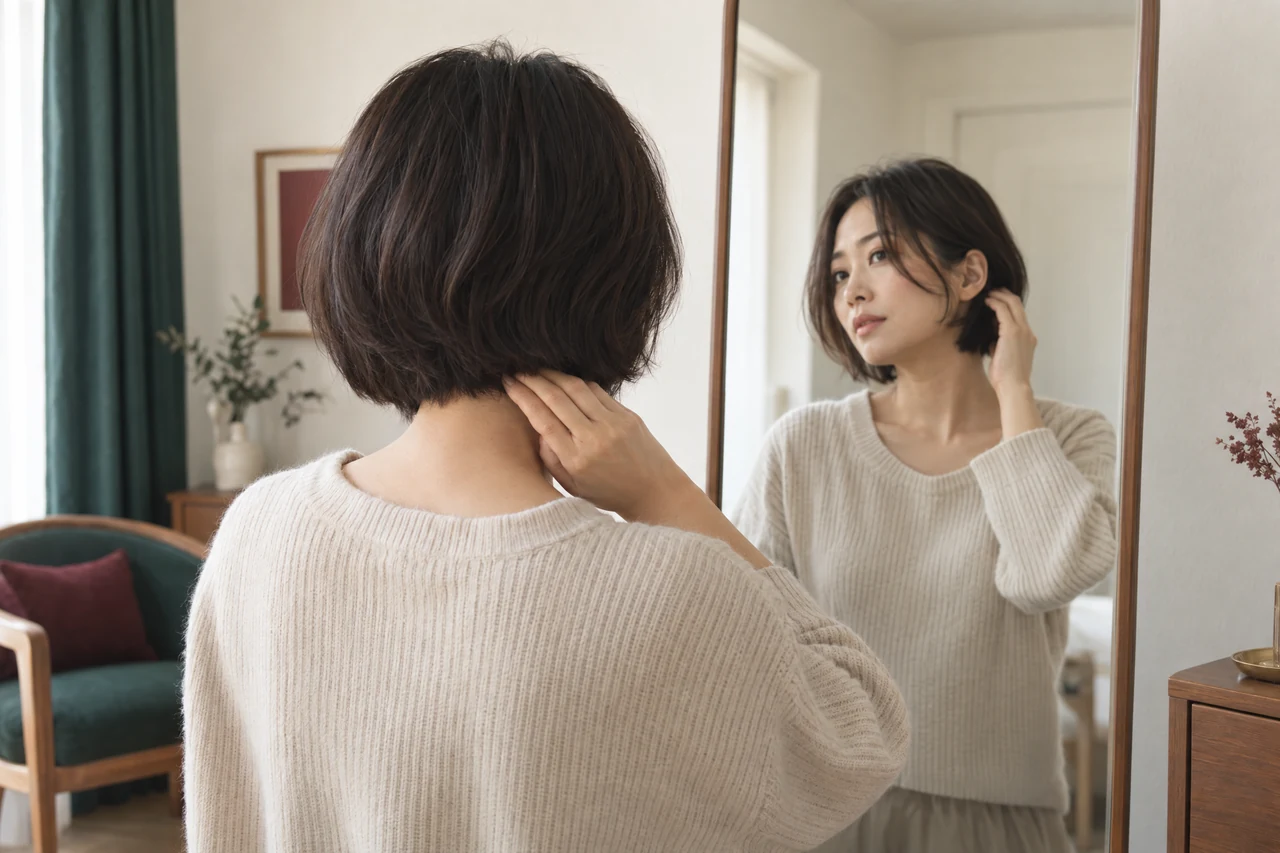
A back view may show a colour transition clearly but tell you little about fringe coverage. A front portrait can show face-framing length while leaving the nape hidden. When a sequence exists, follow the same piece of work through its views rather than comparing unrelated angles from different clients. Keep your attention on the feature you would actually notice at home.
For an apparent before-and-after, check whether the caption confirms the same person and explains the work. Differences in wetness, brushing, pose and lighting can contribute to the visual change. A wet starting picture and a polished dry finish do not isolate the effect of cutting. Ask what changed in length and what changed in styling. You do not need to dismiss the transformation to read it more accurately.
Use Movement to Answer a Specific Question
A short video can help you see how an outline changes when hair moves, but it is still presented under chosen conditions. Watch whether a hand is lifting the ends or arranging the fringe. Use the clip to ask something concrete, such as whether the front pieces stay out of the eyes without being tucked. More media is useful only when it answers the question that a still image left open.
Turn the Comparison into a Useful Enquiry
Keep a short note beside each relevant example: what is visible, what the caption explains and what remains unanswered. Avoid giving a stylist a score for information that simply was not photographed. Prefer examples that help you discuss your actual constraints, such as keeping tie-back length or avoiding a tool-dependent fringe. A portfolio is most useful when it makes the next conversation more specific.
Use this 6-step checklist to turn portfolio observations into consultation questions. It is a preparation tool, not a measure of a stylist's skill. Once you have identified the feature worth discussing, bring your starting-hair information as well as the image.
Continue with haircut reference photos for that specific comparison and the preparation questions it raises.
Ask for the Everyday Version of the Look
Say what attracts you and what you are willing to maintain. For example, you can ask for the same sense of lightness around the face while explaining that you do not curl your hair each morning. Ask which feature can be retained, what would differ on your starting hair, and what service scope needs confirming. This lets the discussion move from copying a photograph to choosing a workable design for your daily routine in Hong Kong.
Read portfolio evidence according to what each view actually shows
| Portfolio detail | Useful observation | Question before choosing |
|---|---|---|
| Starting hair resembles yours | Length and natural fall provide a relevant comparison. | Was the starting hair coloured, permed or straightened? |
| Polished curls or lifted roots | The finished shape is appealing under the stated styling conditions. | Which features remain with my ordinary drying routine? |
| Colour photographed by a window | Placement and contrast can guide the design discussion. | How might the tone appear under indoor light? |
| Only a back view is available | The end line and back colour pattern are visible. | Is there a view showing the fringe and face-framing length? |
| Credited training or concept image | The image communicates a technique or visual direction. | Does this document completed client work, and who performed it? |
Your preparation checklist
- Write down your current length, natural fall and previous colour or texture services before matching examples.
- Identify the exact feature you like, such as the fringe length, retained end weight or location of lighter strands.
- Check the available front, side and back views, noting which important areas remain unseen.
- Record the stated drying method and lighting; turn missing details into questions rather than assumptions.
- Read the image credit and distinguish completed client work from training, reposted inspiration and concepts.
- Explain your normal styling routine and ask what would differ on your hair before agreeing on service scope.
Frequently asked questions
Can a portfolio show that a style will suit me?
It can help identify a direction and relevant questions, but it cannot establish suitability on its own. Your starting hair, habits and the practical work still need discussion.
Are concept images the same as completed client work?
No. They can illustrate an idea, but they should be identified as concepts and not presented as real client results or before-and-after evidence.
What if a photograph has no starting-hair information?
Treat that context as unknown. Ask about the starting length, texture, colour history and finishing method rather than assuming that the image represents a simple or repeatable process.
Discuss the Details behind Your Favourite Portfolio Look
Send Vit So the image you want to discuss, identify the shape or colour detail you like, and explain your current hair and usual styling routine. An enquiry can help clarify the direction and service scope for a Sheung Wan visit. Availability, the practical work and the appointment still need confirmation; sending an image is not a confirmed booking.
Start your WhatsApp enquirySources & further reading
- Adjusting white balance settings to improve photos.
Different light sources and white-balance adjustments affect the colours in photographs, supporting contextual interpretation rather than an exact hair-colour match from a screen.
- 10 hair care habits that can damage your hair
Advice to reduce heat exposure supports discussing the daily styling commitment required by a portfolio finish, without treating care guidance as an aesthetic assessment.



