







Choose hair colour ideas for men with a similar cut
Look for a reference with a comparable top length and side shape so the amount of visible colour is easier to judge. A long textured top can show reflection differently from very short sides. The image is a way to explain where you want contrast, not a promise that a colour swatch will look identical across every length.
Begin by separating the haircut from the shade. A chestnut top swept off the forehead exposes a different area from a forward fringe in the same brown. Close sides leave little coloured length to examine, while a longer side section can show a continuous brunette surface. If your favourite reference has a much longer top, identify whether you like its colour or the movement that reveals it. You may want the reflection without wanting the extra length.
For a textured crop, look at the fringe edge and the tips that separate when styled. For a side part, look at the exposed root line and the boundary above the ear. With curtains, consider both the front pieces and the darker hair beneath them. These details give a clearer starting point than saving a photograph solely because its colour name sounds appealing.
Review men's haircut to check its service scope and the details to share before arranging the related work.
Hair colour ideas for men beyond a swatch
Use a swatch to discuss depth and reflection, then use a haircut photograph to discuss placement. A loose sample does not show your hairline, parting or side outline. Ask which areas of the reference create its brown impression: the whole head, the longer top, or a few lighter pieces. That distinction matters when deciding whether you want an overall tint or a more localised colour design.
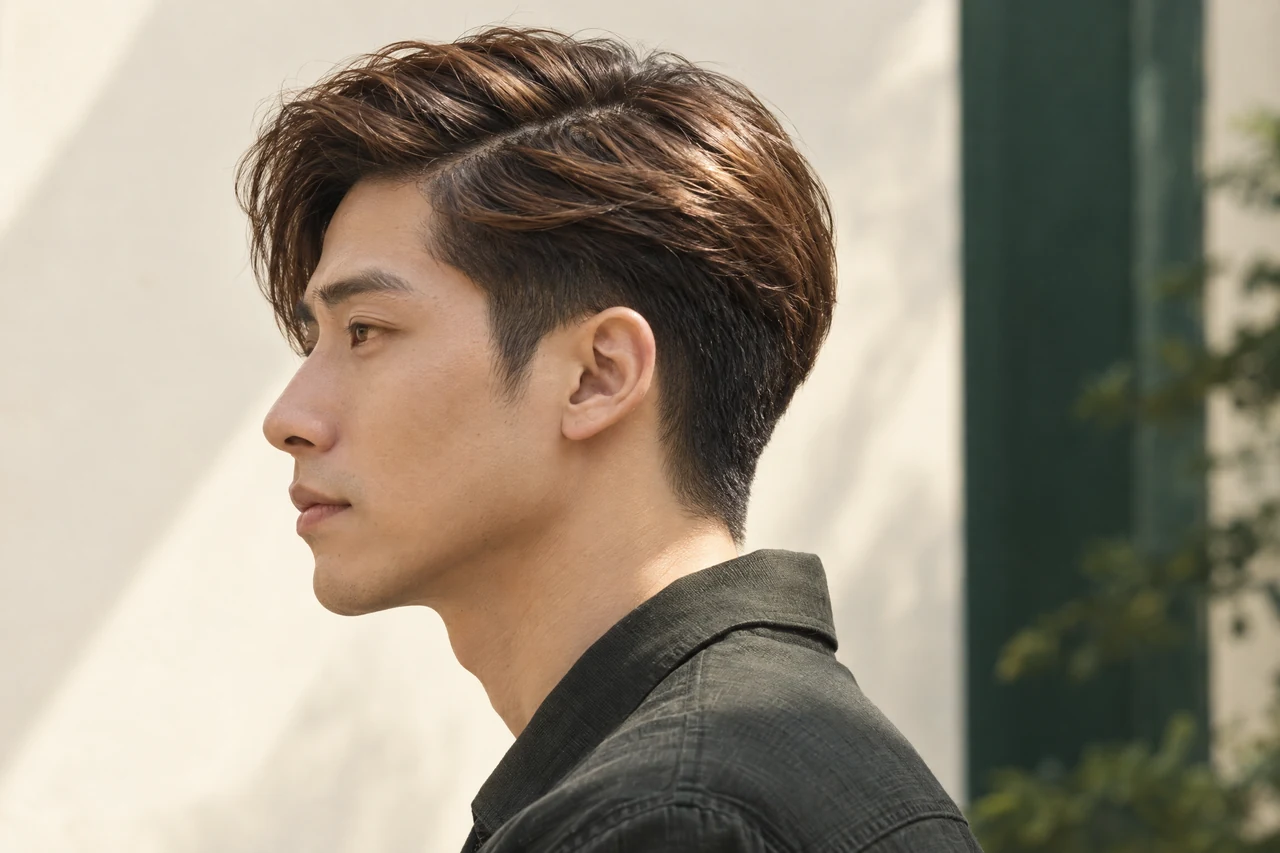
Men's brown hair colour can stay close to the base
Natural hair colour for men, when used to describe a dyed finish, means a natural-looking impression rather than an ingredient claim. A brown close to your existing depth may feel subtle, but warmth and root contrast still matter. Say whether you want the overall depth to remain dark or whether a lighter top is part of the idea.
Deep espresso-like brown is a useful reference direction when you want to keep a dark outline. A soft chocolate reference may suggest more visible brown without a distinctly golden finish. Chestnut can express a warmer preference, while a muted brown reference may communicate less obvious red or gold. Treat these as descriptions to compare, not standard formulas: photographs labelled with the same shade name can show very different depths.
Your current base needs its own photograph. Include the roots and the remaining coloured top if you have dyed it before. Dark-looking hair may contain older tint, while lighter ends may retain previous lightening. Tell the stylist about home colour and other chemical treatments rather than assuming short hair has no history. A brown reference alone cannot establish whether the proposed change can be made without bleaching.
If pale strands at the temples or parting are your main concern, explain that before choosing a fashion shade. Decide whether you want them concealed or still visible within the brown. Discuss grey coverage separately when reducing the contrast of natural grey matters more than adding a brunette reflection.
Review men's hair colour to check its service scope and the details to share before arranging the related work.
Men's brown hair colour with a discreet change
Make subtlety measurable in everyday language. You could request a dark overall impression indoors, with brown visible mainly on the moving top in daylight. Alternatively, you might want the whole hairstyle to read as brown even under office lighting. Those are different goals. Explain which impression you prefer and how much darker-root contrast you would be comfortable seeing as the hair grows.
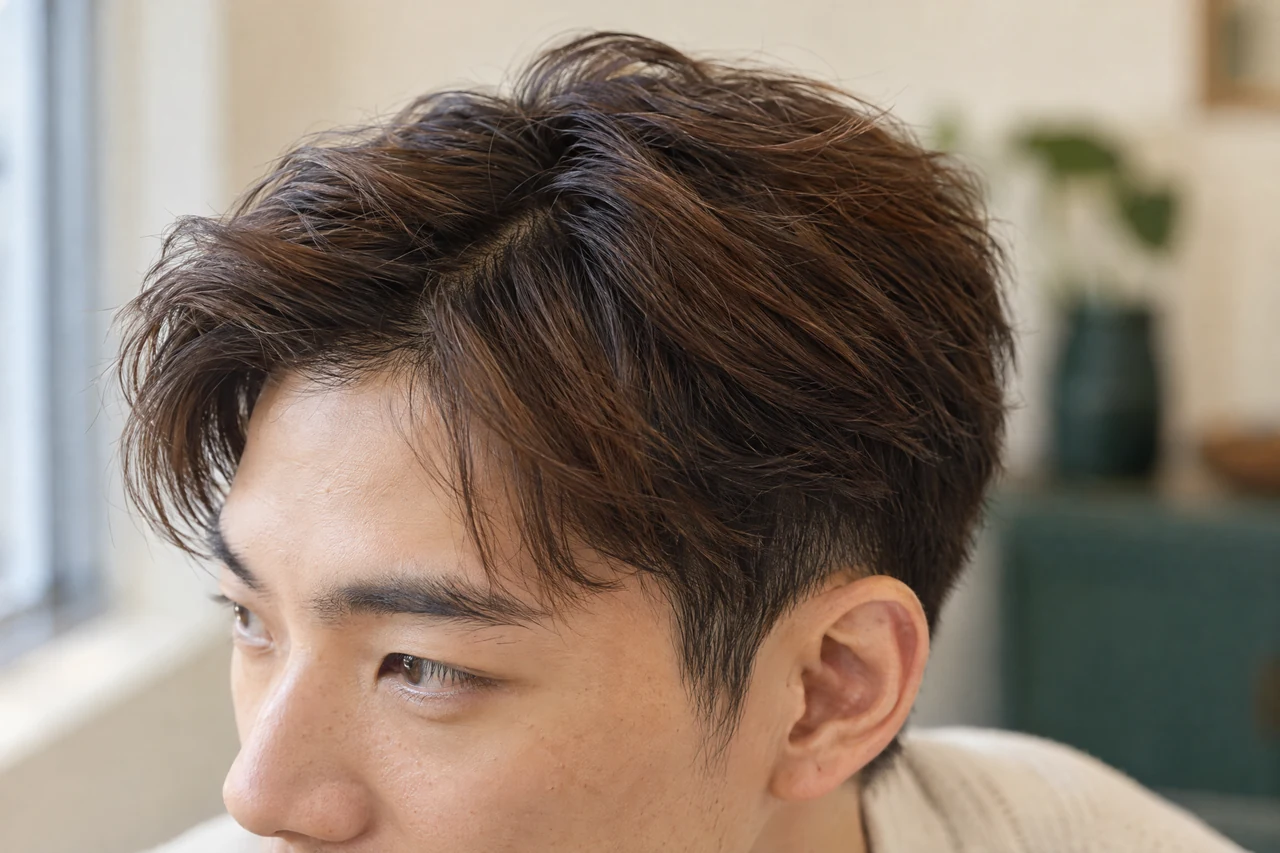
Warm and cool reflections create different impressions
Compare a warmer brown with a more muted cool-looking reference at similar depth. A golden or red reflection may be clearer outdoors, while either shade can look deeper indoors. Choose the impression you enjoy in your usual setting rather than assuming there is one correct brown for men or that a cooler name guarantees a pale finish.
A warm chestnut top can make separated strands more noticeable against dark sides. A muted deep brown can keep that separation less colour-led, allowing the cut to remain the main feature. Neither is automatically more professional or more natural. Consider your usual clothes, facial hair and preferred styling finish together; the point is to choose an overall contrast you enjoy, not follow a rigid rule about which shade someone should wear.
Check what the reference actually shows. Bright light on a lifted quiff may reveal golden edges while the shaded roots still look dark. A cool filter can make a brown appear greyer than it does in ordinary light. If the attraction is a soft reflection rather than a much lighter result, say so. This helps avoid confusing a tone preference with a request to change the overall depth.
Continue with warm vs cool brown hair colour for that specific comparison and the preparation questions it raises.
Judge the tone in daylight and indoors
Compare photographs under similar conditions before ranking them. Choose a view near a window without direct glare, then look at an indoor view of the same hairstyle when available. Keep the roots, top and sides visible. If only a strongly lit image exists, use it to identify the feature you like rather than treating every bright strand as the intended full-head colour.
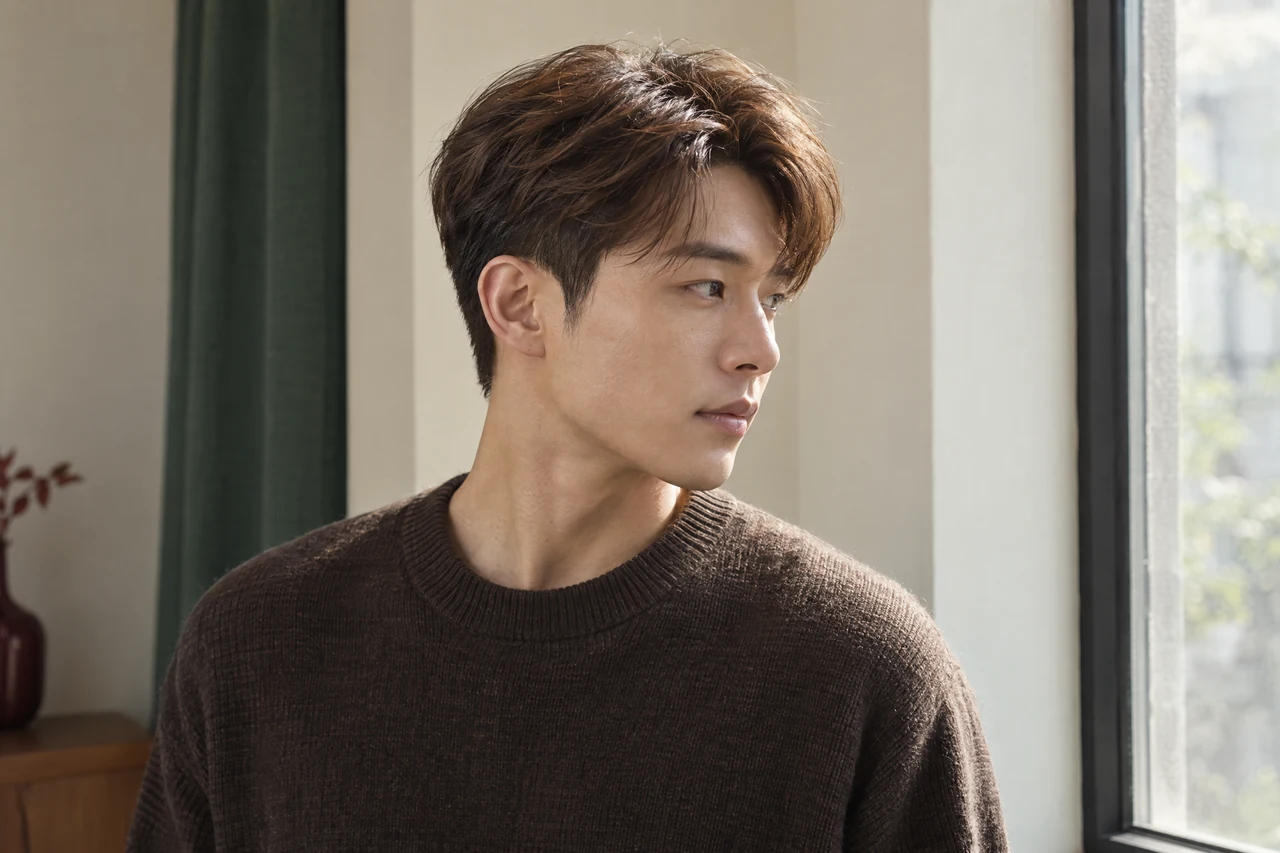
Regular trimming changes the colour you keep
Share how often you normally trim the sides and how much top length you keep. Cutting removes coloured lengths and growth changes the balance between natural roots and the remaining tint. That does not set a universal refresh interval; it helps explain how the chosen brown will fit the haircut you intend to maintain.
Think about your next haircut as well as your first colour appointment. If you regularly clip the sides close but keep growing the top, coloured side lengths may disappear while brown remains above them. If you shorten the whole crop, more of the visible tint will leave with the cut. A design that relies on lighter tips needs particular discussion when those tips are also the part you regularly remove.
Ask which change should prompt a review: visible roots at the parting, loss of brown at the fringe edge, or a reflection that no longer feels right. These are different from the side outline becoming untidy. Separating the concerns helps you discuss whether a visit is for a haircut, a colour assessment, or both rather than automatically repeating the original work.
A short haircut is part of the maintenance discussion
Bring your normal trimming pattern and any plans to grow the top. If keeping appointments infrequent is important, compare low maintenance brown hair colour in terms of root contrast, tone changes and the length you will retain. Low maintenance should describe a routine you can manage; it does not mean that the shade will stay unchanged or that every haircut also requires recolouring.

Turn a brown reference into a clear consultation brief
Use the 6-point preparation checklist below to turn inspiration into a practical brief. Start with your preferred overall depth and the area where you want brown to show. Then explain what you do not want: a bright golden fringe, a sharp boundary above the sides, or a conspicuously lighter parting. A clear boundary is often more useful than sending a large album of unrelated styles.
Keep product safety information separate from the aesthetic reference. The FDA's hair dye guidance explains that a reaction can occur despite previous trouble-free use and advises following product instructions and completing the skin test before every use. It also notes that a negative skin test does not rule out a reaction during colouring. Ask about the instructions for the proposed product and disclose any past reaction before proceeding.
Agree on the visible goal before discussing the process
Request an explanation of how the proposed work relates to your starting hair. Clarify which areas would be coloured and whether lightening is being considered. Ask what the quote includes if cutting, tinting or other work is discussed together. The useful outcome is a shared description of the brown, the retained haircut and the next steps, rather than a promise to reproduce a photograph exactly.
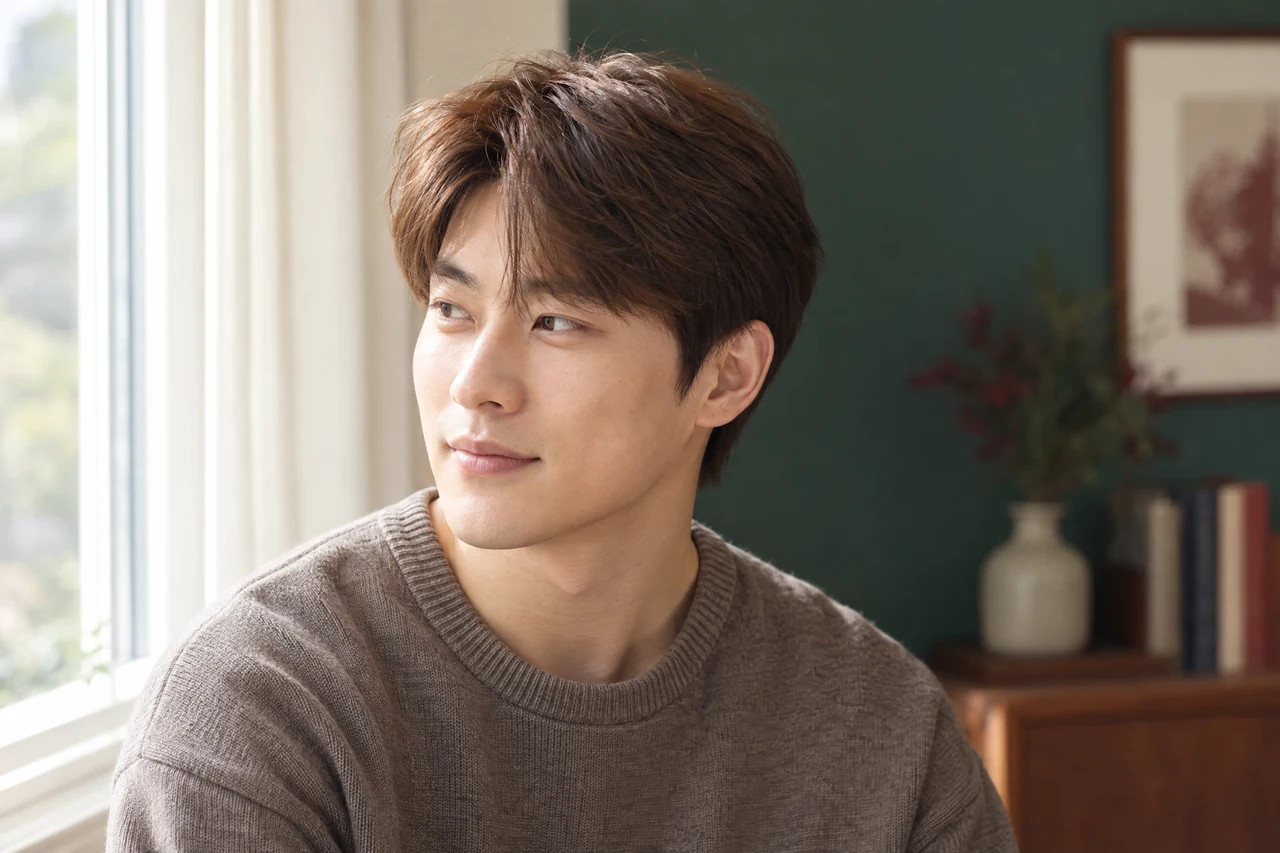
Choose a brown you will enjoy in your daily styling
Look at the hairstyle in the finish you normally wear. A lifted, separated top exposes individual strands; a flatter fringe can present a more continuous dark surface. If you usually finger-style rather than create a polished side part, choose a reference with that relaxed arrangement too. Tell the stylist whether your routine uses a matte or shiny finish so the consultation is not based only on a glossy photograph.
After colouring, compare any apparent change under similar lighting before deciding the shade needs adjustment. Record whether the difference is concentrated at the roots, across the top or only at the tips. Follow the care advice for the actual service. The American Academy of Dermatology's colouring and perming tips warn that sunlight can contribute to dryness and fading, especially in coloured, bleached or permed hair, and suggest a wide-brimmed hat outdoors.
Keep the next decision focused on what has changed
A brown that becomes less visible after a trim is not the same issue as one that appears warmer in your usual light. Explain the change and share a current photograph before requesting another colour process. This keeps the discussion tied to the hair you now have and the shape you still want to maintain.
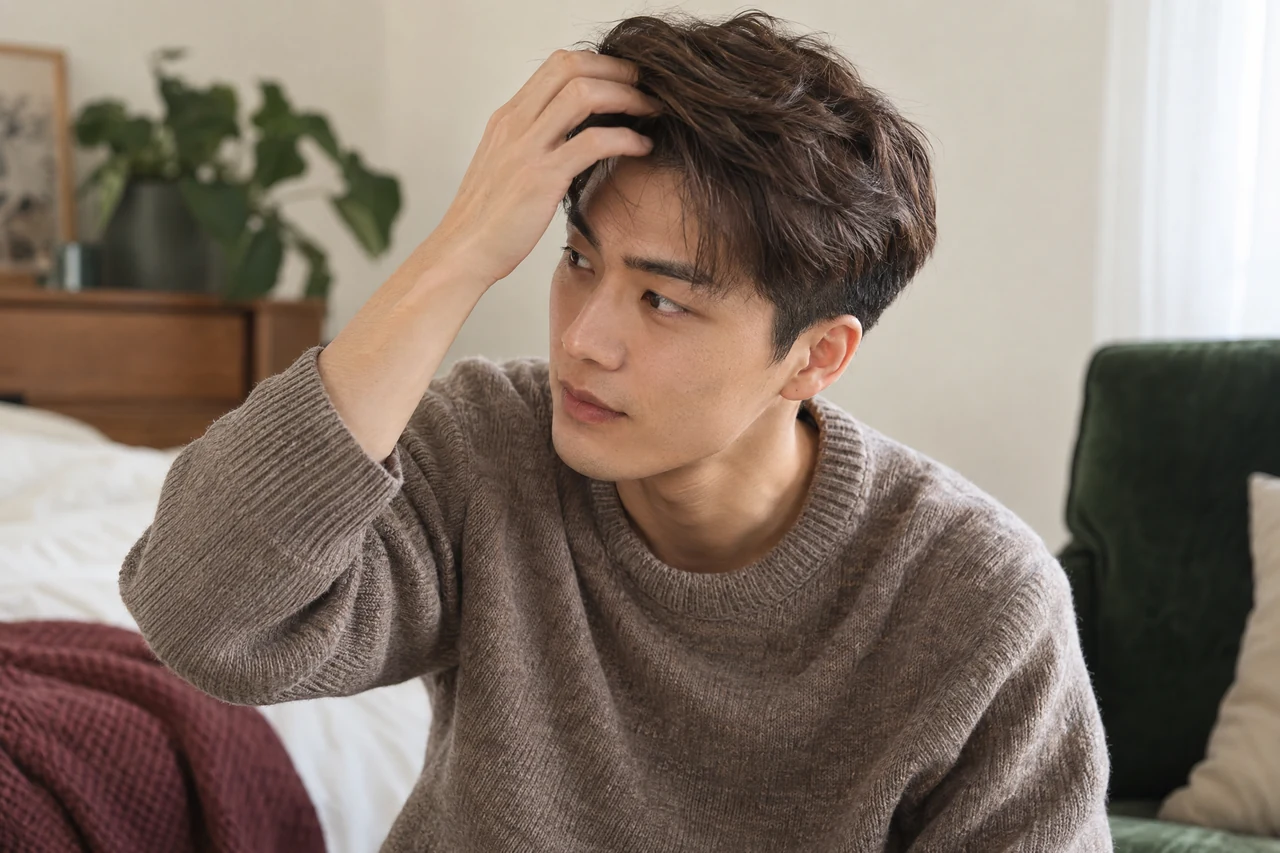
Brown reference directions for a longer top and shorter sides
| Reference direction | What to inspect on a short haircut | Decision to discuss |
|---|---|---|
| Deep espresso-like brown | Whether the top still looks close to the dark sides in ordinary indoor light | Keep the overall depth dark or make brown more visible |
| Soft chocolate brown | How much brunette reflection appears at the fringe and parting | Choose a quiet all-over impression or a clearer top-to-side difference |
| Warm chestnut brown | Red or golden reflection on the longer top, especially in daylight | Decide how much warmth feels comfortable rather than relying on the name |
| Muted cool-looking brown | Whether the reference is genuinely dark and muted or simply filtered | Separate reduced warmth from a request for lighter grey-looking hair |
| A lighter brown top with dark sides | The boundary above the ear and the amount of length needed to show it | Confirm the placement, possible lightening and what later trims will remove |
Your preparation checklist
- Photograph your current hair with the roots, top and sides visible, and note which areas retain previous colour or lightening.
- Choose references with a comparable haircut and identify the brown reflection or placement you like in each.
- State whether the result should remain dark indoors or read clearly as brown, and describe any warmth you do not want.
- Explain your usual side trims, retained top length and any plans to grow or shorten the style.
- Share your product and treatment history, past reactions and any grey-coverage priority; ask about the proposed product's safety instructions.
- Confirm the proposed colour areas, whether lightening is considered, the quoted inclusions and a manageable care and review plan.
Frequently asked questions
Is a natural-looking brown a special men's dye product?
No product claim is implied. Natural-looking describes the visual goal. Confirm the proposed colour process rather than assuming a dedicated male, plant-based or organic dye.
Can brown look subtle on short hair?
That is a useful goal to discuss. Starting depth, tone, visible length and lighting affect the result, so choose references with similar cuts and say how much change you want.
Should grey coverage be part of this comparison?
If grey coverage is your main goal, discuss its distribution and desired contrast separately. Fashion-colour ideas do not establish the appropriate coverage plan for natural grey.
Find a brown direction that works with your short haircut
Share your current hair photographs, preferred brown references and trimming routine with Vit So in Sheung Wan. Explain how visible you want the change to be and whether grey coverage is a priority. Enquire about suitability, proposed work, pricing and available arrangements; an enquiry is not a confirmed booking.
Start your WhatsApp enquirySources & further reading
- Coloring and perming tips for healthier-looking hair
Sun exposure and protection advice for coloured, bleached or permed hair.
- Hair Dyes
Product instructions, skin testing before every use and the possibility of allergic reactions despite previous uneventful use or a negative skin test.



