






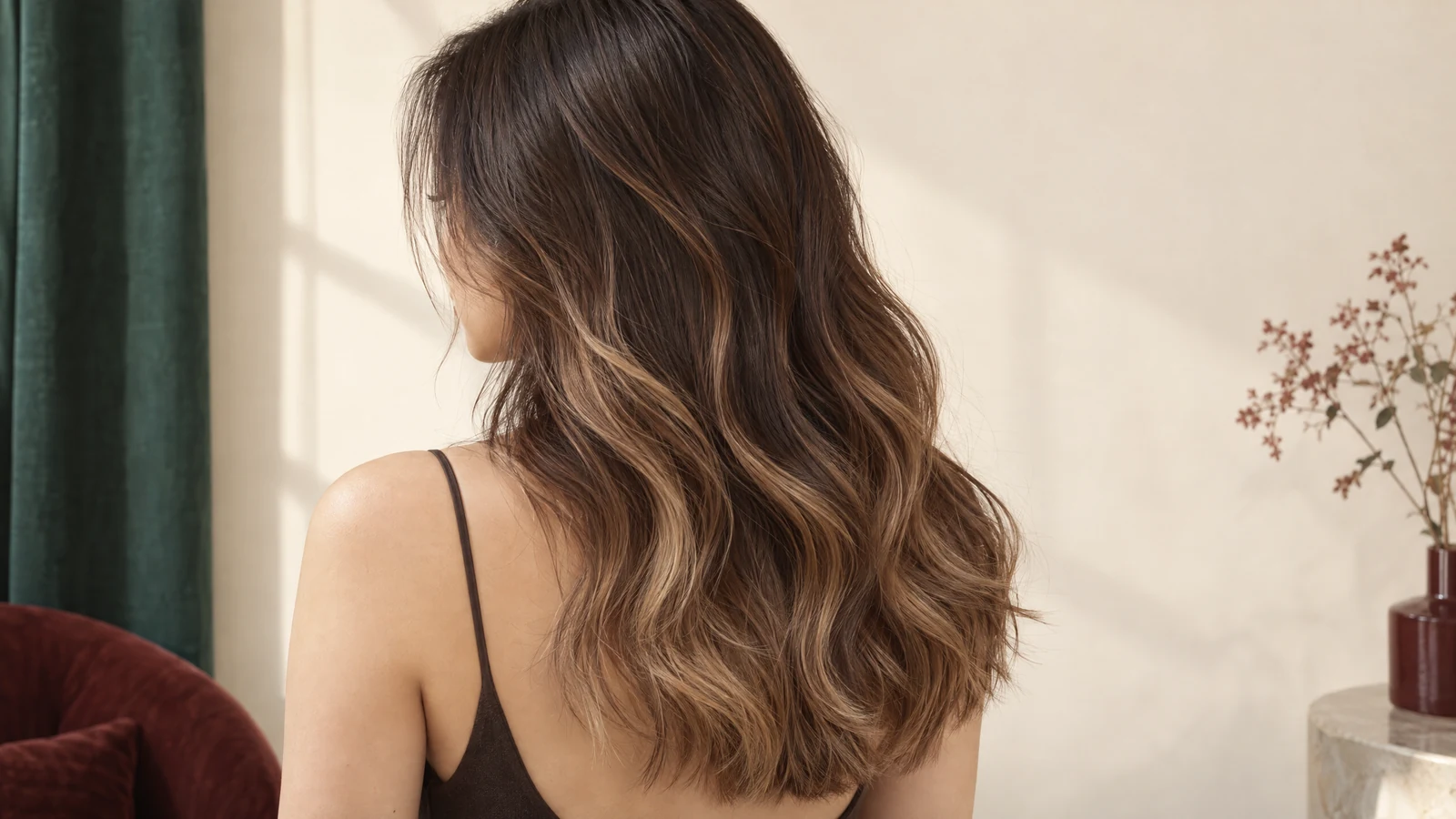
Balayage aftercare starts with the service advice
Ask when to wash after your particular service and which routine suits the processed lengths. There is no single first-wash rule established here for every colour plan. Explain your normal washing frequency and products, then follow the agreed advice and product directions rather than layering several treatments because they all mention colour protection.
Before leaving, make sure you understand which areas were lightened and which received tone work. The darker base may feel much as it did before, while the brighter face-framing pieces or ends need gentler handling. Ask whether your current cleanser, conditioner and styling products are appropriate for those areas. Keep the instructions somewhere accessible instead of trying to remember them at the shower.
Your routine should also fit real life in Hong Kong. Tell the stylist if you wash after exercise, use dry shampoo between washes or need to dry your hair before work. Once any service-specific first-wash instructions have been followed, cleanliness still matters. The American Academy of Dermatology's healthy-hair tips recommend washing according to how dirty or oily the hair becomes, rather than assigning everyone the same frequency.
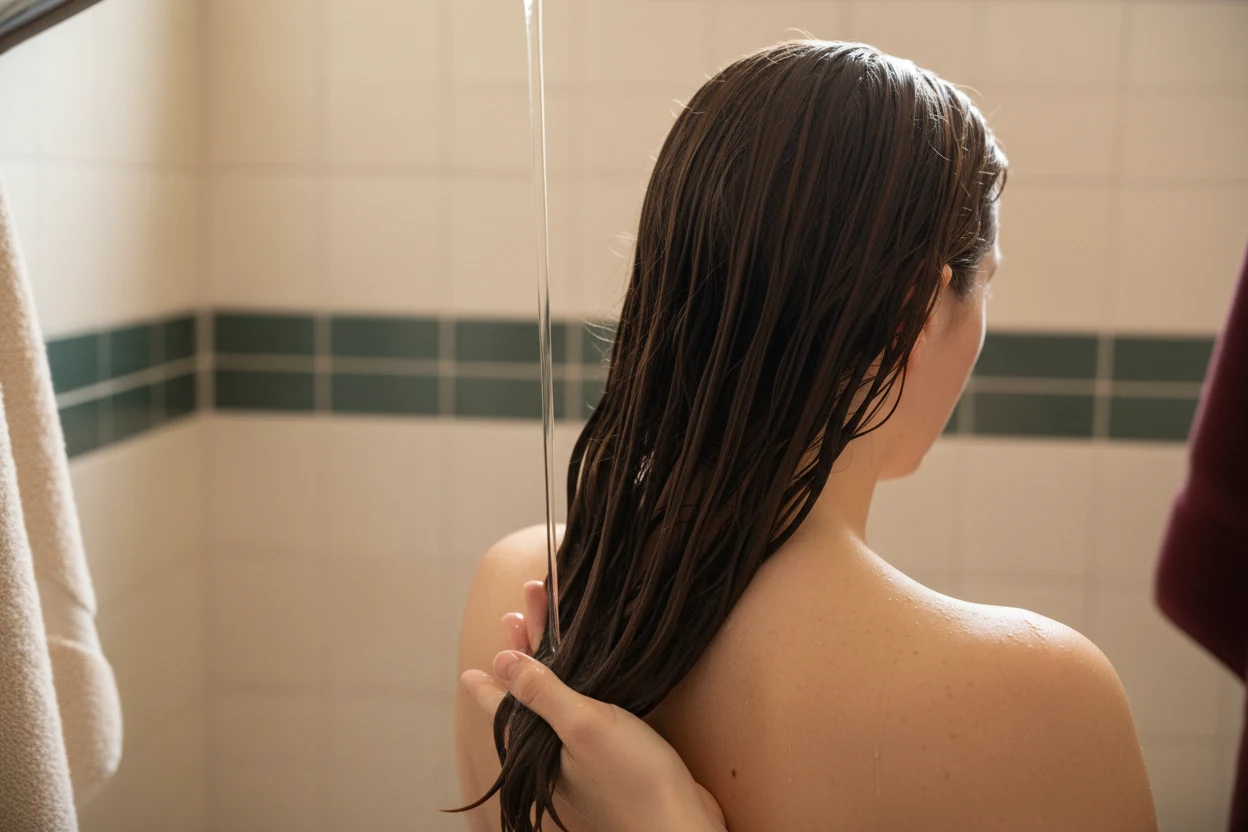
Balayage aftercare for the first wash and daily routine
At the first wash, use the agreed products and handle the lengths without bunching them into a tangled pile. AAD advises concentrating shampoo on the scalp and following washing with conditioner. For fine or straight hair, its guidance directs conditioner towards the ends; dry or curly hair may need it through the lengths. Apply your product as directed, rinse thoroughly, and gently absorb moisture with a towel rather than rubbing the brighter ends.
Heat styling and the feel of the ends
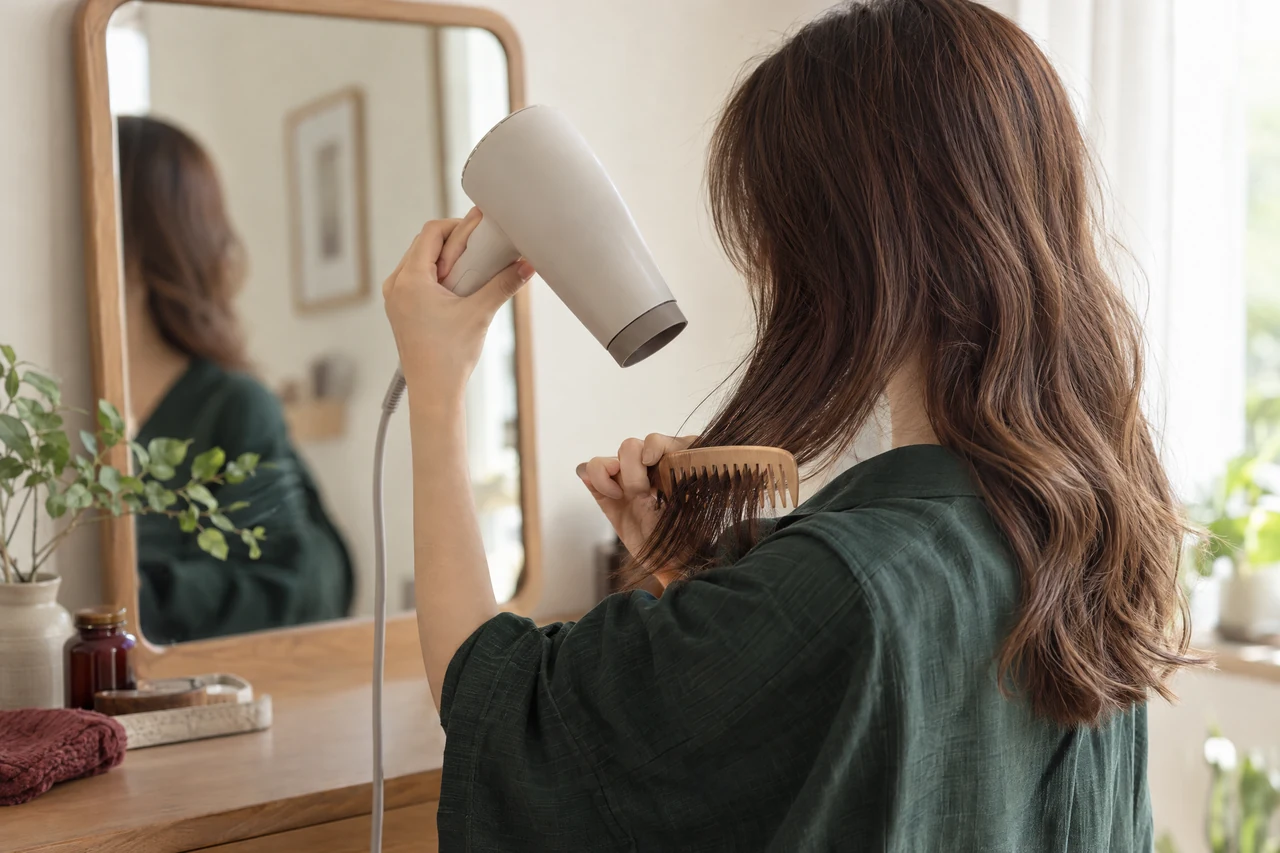
Discuss suitable heat protection for the styling you actually do and use products according to their directions. Limit unnecessary friction when detangling, and notice persistent roughness or breakage rather than covering it with more heat. Cosmetic conditioning can improve feel, but it is not a promise to permanently restore every chemically altered strand.
Separate a polished finish from the condition of the hair underneath it. A smooth blow dry can make the lighter areas look shinier, but that is not evidence that their care needs have disappeared. Notice whether the same ends catch on a comb after your normal wash. If they do, describe where the resistance starts instead of simply asking for a stronger styling product.
AAD advises limiting excessive heat, using low or medium settings and applying a heat-protection product. For balayage, put that into practice by avoiding repeated passes over the same lightened section merely to perfect a wave. Ask how to obtain your preferred finish with less reheating, and follow the appliance instructions, including whether the hair must be dry before use.
If the lightened pieces are your main concern, hair care after bleaching explores how to protect the lengths you want to keep without treating every darker section as equally processed.
Review hair treatment to check its service scope and the details to share before arranging the related work.
Handle lightened lengths gently
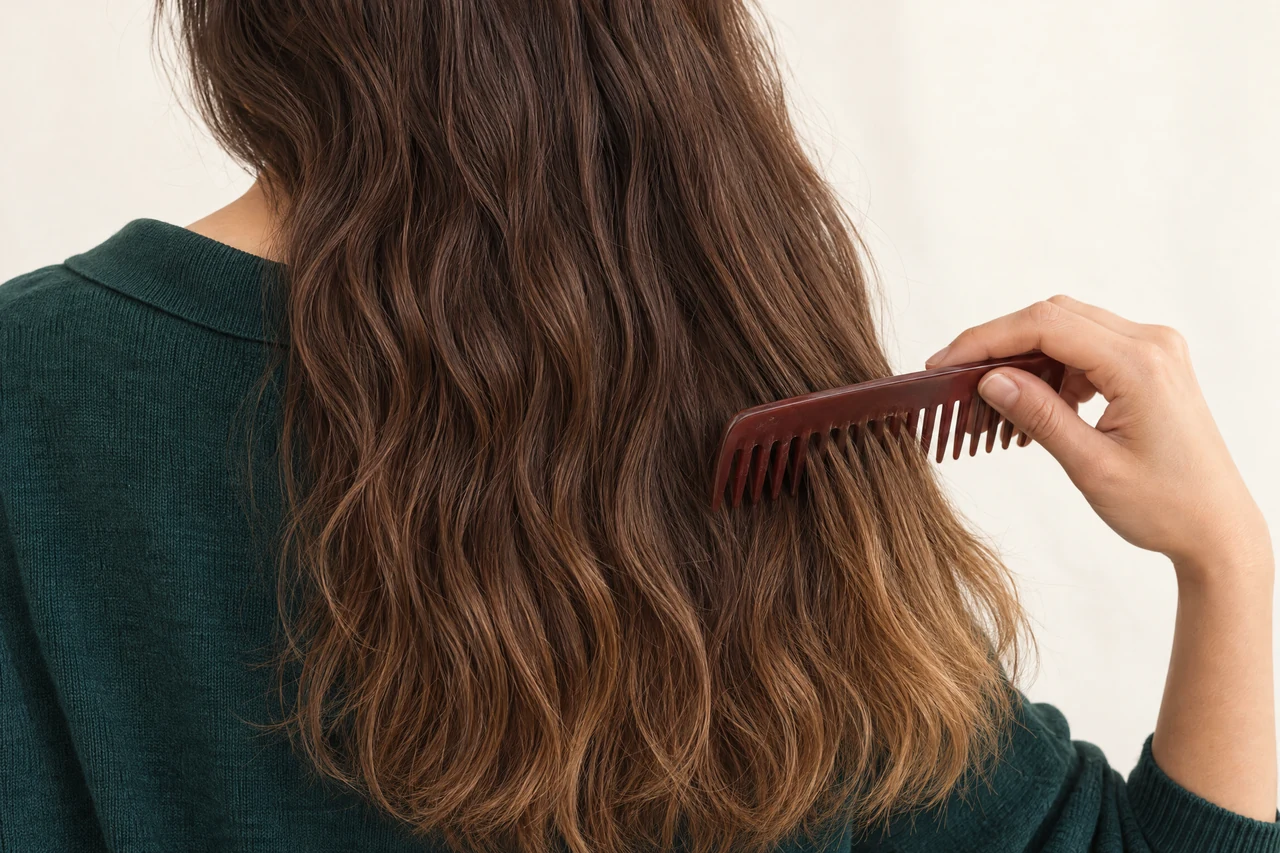
Start detangling at the ends and work upwards without forcing through resistance. AAD recommends a wide-tooth comb and adjusting the timing to texture: straight hair can dry a little before combing, while thick curly hair can be combed with conditioner still present. Support a section as you work so the roots are not taking every pull. Persistent breakage warrants a review of handling and processing history, not simply another colour application.
Does balayage need toner?
Does balayage need toner? It depends on the achieved lightness and the desired tone. Toner can adjust colour tone but does not stand in for the lightening needed to reach a brighter target. The published women’s Balayage/Ombré combination includes one toner; do not assume every standalone service or later refresh has identical inclusions.
Think of lightness as how deep or pale the bright areas are, and tone as their golden, beige or cooler impression. You may still like the contrast against your roots but prefer less yellow in the ends. That is a different request from wanting larger, paler bright areas. Explain both separately so the assessment can establish whether tone work is relevant or whether your new target involves additional lightening.
A reference for ash blonde balayage can help describe a cooler preference, but compare the depth as well as the colour name. A very pale reference cannot be recreated merely by cooling a much darker starting point. Equally, a cooler finish is not necessarily a visually brighter finish.
The published standalone Toner price is HK$900. Treat this as the listed price for that item, not an all-inclusive quotation for any refresh you might request. Confirm the proposed scope, applicable length charges and any additional work before arranging a visit. An original package inclusion does not establish the price or contents of a later appointment.
Tone work and new lightening serve different purposes
When enquiring, say whether you want to keep the existing light areas, change their warmth or increase their lightness. If you like the placement, mention that explicitly. It prevents a request for a cooler finish being interpreted as a request to redesign the balayage. The hair's current condition and processing history should remain part of the discussion, especially before any further lightening.
Observe warmth, fading and sunlight exposure
Compare tone under similar lighting before deciding it has changed. Share your washing and heat-styling habits and any concerns after sun exposure. If the ends have become warmer but the placement still suits you, ask about tone assessment rather than automatically adding more lightening. A review interval should follow your hair and preferences, not a fixed schedule.
A bathroom photograph under a warm bulb and a photograph outdoors are poor evidence of fading when compared directly. Choose a repeatable spot with indirect daylight, keep the camera settings simple and avoid beauty filters. Photograph the hair dry and in a similar arrangement. Include the darker root area and the brighter ends so the contrast remains visible rather than cropping out everything except the palest strand.
If you spend time outdoors, record that alongside any washing or styling changes. A beach trip, swimming and a new product may happen together, so a colour change after a holiday does not establish a single cause. Tell the stylist what changed without assuming that all warmth is damage. Golden or caramel reflection may also have been part of the intended design.
Continue with growing out highlights for that specific comparison and the preparation questions it raises.
Bring comparable photos to a later enquiry
Save a clear photograph of the finish you liked, then a current photograph in similar light. Describe whether the warmth is throughout the light areas or concentrated at the ends. If the concern is a deeper section near the scalp, identify that separately. Root growth changes where the light pattern sits; it is not the same observation as a change in tone along an already lightened strand.
Choose products by their job, not their colour-care label
A cleanser, a conditioner and a toning wash do different jobs. The Wella purple-shampoo guide explains that violet pigment counteracts yellow tones. This is useful colour information, not a reason to put purple shampoo into every balayage routine. A brunette-to-caramel design may intentionally retain warmth, and an unwanted orange or red impression requires a different assessment from unwanted yellow.
Wella also distinguishes colour-safe cleansing from a purple toning wash and notes that moisturising is not purple shampoo's primary goal. If your main concern is tangling, a pigment product is not a substitute for suitable conditioning. Avoid using several tinted products together without advice: you make it harder to judge which step changed the colour. Follow the particular label rather than copying another product's application time.
Keep the routine easy to evaluate
Take photographs of the labels of products you actually use, including masks and leave-ins. Note whether you use them on all the hair or only the bright ends. If you are considering a new toning product, ask which unwanted tone it addresses and which areas should receive it. A manageable routine is easier to follow and discuss than a collection of overlapping treatments.
Turn a colour change into a focused follow-up enquiry
Choose your main priority before seeking a refresh: more comfortable lengths, a cooler impression or a lighter design. You can have several concerns, but identifying the first one helps establish what needs assessment. Include your previous lightening and toning history, any home colour products and the finish you want to retain. The comparison below helps separate observations without diagnosing the hair from a photograph.
Continue with colour correction for that specific comparison and the preparation questions it raises.
Agree on the next step before adding more processing
Ask what the suggested work is intended to change and what it will leave unchanged. If the concern includes uneven colour bands, explain their positions rather than requesting toner as a universal fix. Confirm whether an in-person assessment is needed before a quotation. A useful enquiry supplies enough detail to discuss options; it does not require you to choose a formula yourself.

Balayage changes: match the observation to the discussion
| What you notice | What to clarify | Useful next discussion |
|---|---|---|
| The light ends look more yellow | Whether this is visible in comparable light and differs from the intended warmth | Tone assessment and whether a suitable toning product is relevant |
| The ends catch during detangling | Where the resistance occurs and how you wash, condition and style | Handling, conditioning and the current condition of processed lengths |
| You want a paler finish | Whether the goal changes depth rather than warmth alone | Lightening feasibility, processing history and quotation |
| The darker root area is more visible | Whether the placement still suits you | Grow-out and design choices rather than assuming toner will move the bright areas |
| Some areas look uneven | Which sections differ and what colour products were previously applied | Assessment before choosing tone work or colour correction |
Your preparation checklist
- Keep the first-wash and product instructions for your actual service.
- Record where the balayage was lightened and any later tone work or home colour.
- List your washing habits, heated tools and conditioning products, including where you apply them.
- Save an unfiltered photograph of the finish you liked and a comparable current photograph.
- Identify whether your priority is feel, warmth, lightness or the position of the bright areas.
- Ask what a proposed refresh includes and confirm the quotation before arranging the work.
Frequently asked questions
Will purple shampoo suit every balayage?
No. A toning product should relate to the unwanted tone and the condition of the hair. Ask which type, if any, is appropriate and follow its directions rather than treating it as a universal step.
Is toner the same as bleaching again?
No. Tone adjustment changes the colour impression; further lightening addresses depth. Confirm the proposed work and quotation so a refresh is not mistaken for repeating the original process.
Can aftercare guarantee the colour will not fade?
No. Suitable care can support the routine, but tone and condition still change. Record what you notice and ask about the specific concern without expecting a permanent finish.
Keep the balayage you like and clarify what needs attention
For a follow-up enquiry with Vit So in Sheung Wan, share your current colour, processing history and comparable photographs. Tell us whether you are concerned about warmth, the feel of the ends or a brighter target. We can discuss what needs assessment and clarify the proposed scope and quotation. An enquiry is not a confirmed booking; availability and any appointment arrangements need confirmation.
Start your WhatsApp enquirySources & further reading
- Tips for healthy hair
General washing, conditioning, gentle detangling and reduced heat exposure.
- Purple Shampoo: Your Everything Guide
Violet pigment counteracts yellow; toning washes and moisturising care have different primary purposes.



