






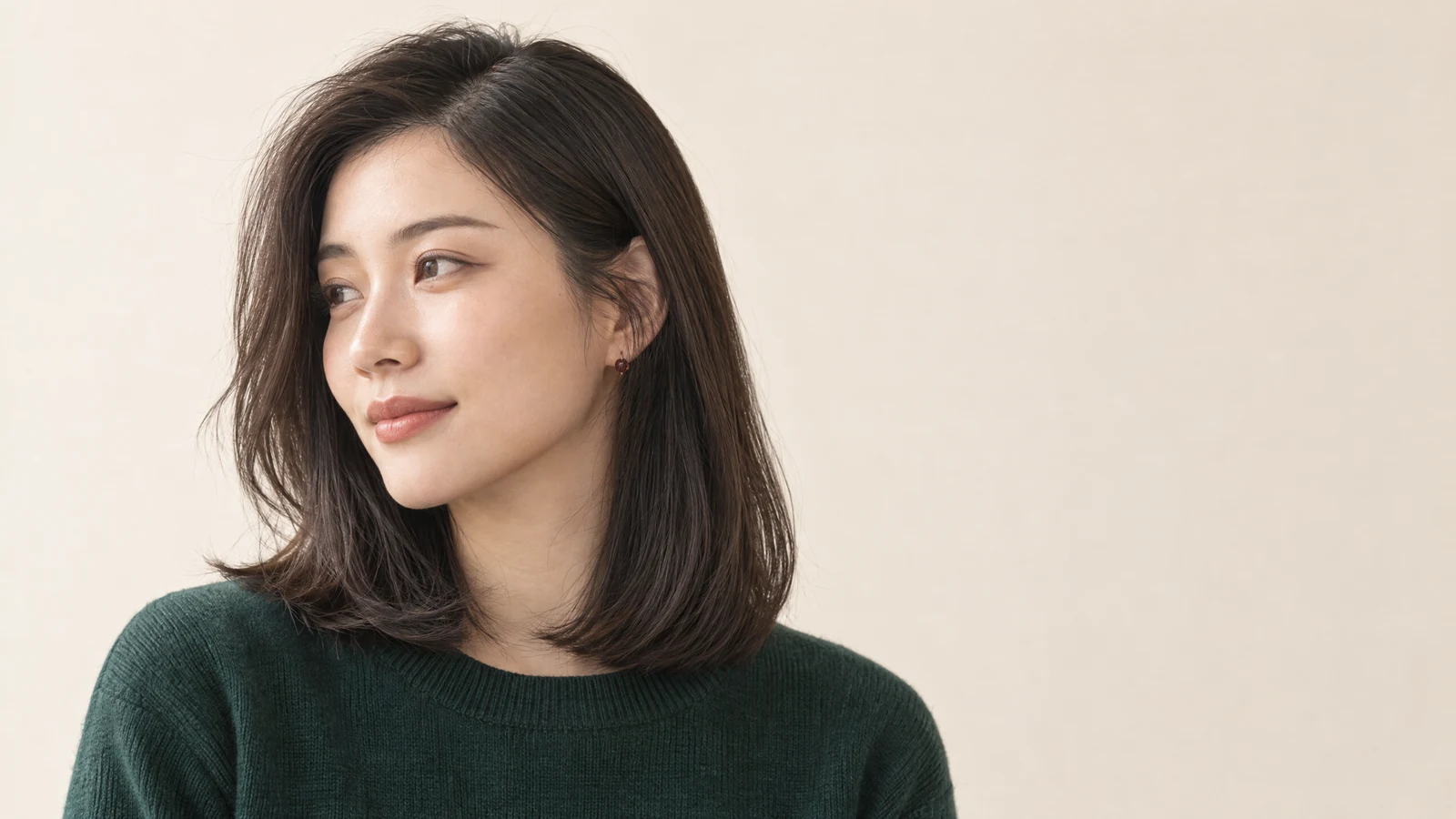
Fine hair vs thin hair: strand size and coverage
A description of individual strand size helps explain how the hair responds to weight and shaping. A description of density concerns the amount of hair covering an area. Keep the two separate when discussing your outline, and avoid judging either from one styled photograph, where lighting, parting and drying can change the apparent coverage.
Fine and thin are not competing labels: both can apply to the same head of hair. Equally, you may have fine strands with plentiful coverage or coarser strands with less coverage. OLAPLEX's explanation of strand thickness and density separates the width of an individual strand from the amount of hair on the scalp. That distinction is useful terminology; it is not a diagnosis or a reason to select a particular product.
The word thick needs clarification too. You might mean substantial individual strands, a large amount of hair, or a substantial-looking outer shape. Tell your stylist which meaning you intend. A full-looking outline does not establish high density, and a small-looking outline does not establish low density. Comparing those descriptions helps avoid asking for a biological change when your actual goal is a different appearance.
Why fine hair vs thin hair matters in a consultation
Begin with the area that concerns you. Saying that your roots lie close to the scalp but your ends still look full gives a clearer cosmetic brief than saying your whole head is thin. Saying that a parting looks different from your usual appearance raises a separate question about change. There is no need to confidently classify your hair before enquiring; describe what you see and what you would like the finished outline to do.
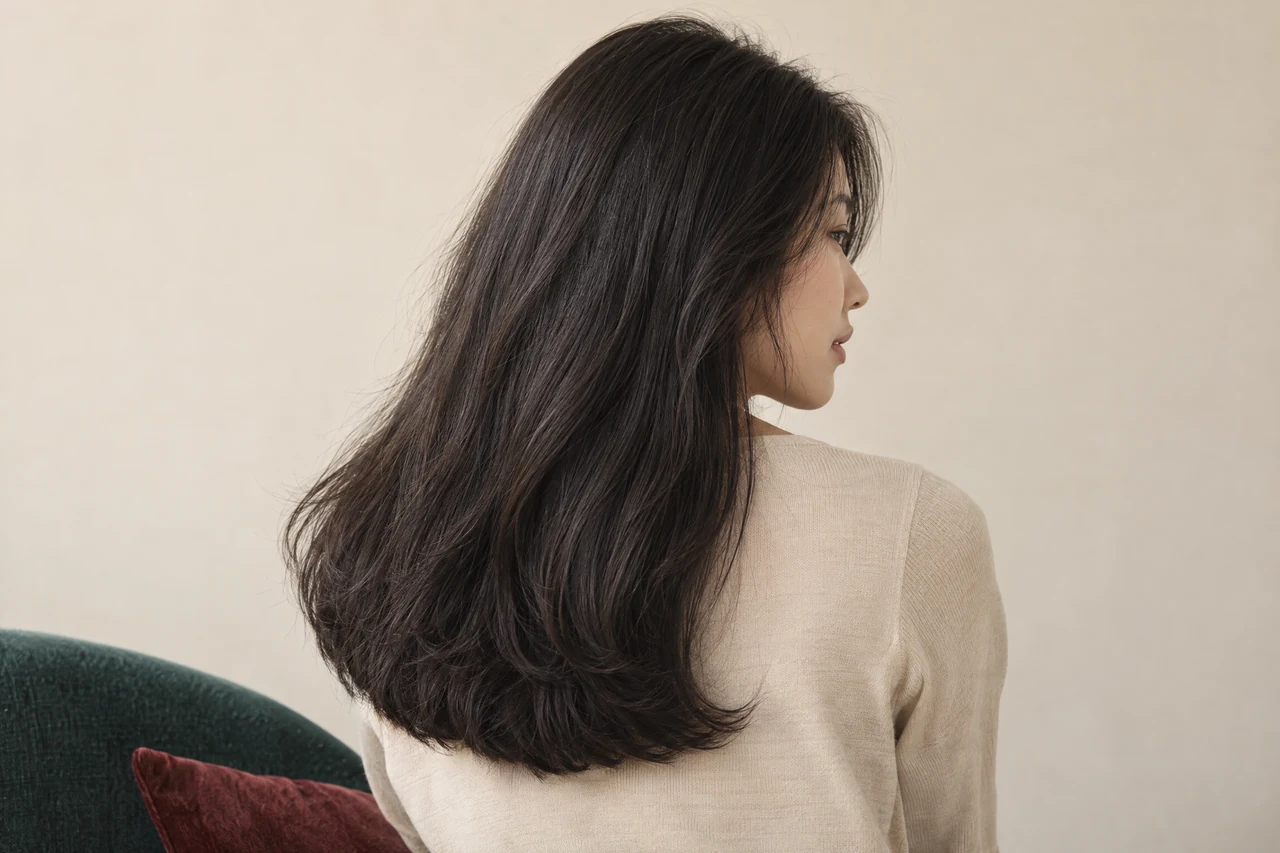
Hair texture vs density in everyday styling
For this comparison, texture concerns strand diameter rather than the number of strands. A styling conversation can also include natural wave, growth direction and the weight of products. These affect the visible shape but should not be confused with density. Explain whether you want more root height, movement or a stronger-looking edge instead of asking only for thicker hair.
Texture has a broader meaning in everyday conversation: it can describe straightness, curl or the feel of the surface. Specify strand diameter when that is what you mean. Fine hair is not necessarily straight, and a curly-looking outline does not reveal the number of hairs underneath. Porosity, dryness and previous processing are further care considerations, not alternative names for density. A useful enquiry can therefore mention delicate-feeling strands, natural bends and dry ends without treating them as one problem.
Softness and fullness can also pull your preferences in different directions. A rich-feeling finish may suit dry lengths yet leave you unhappy with movement near the roots. That is a reason to discuss product choice and placement, not to assume conditioner reduces the amount of hair. The American Academy of Dermatology's healthy-hair tips advise applying conditioner to the ends for fine or straight hair. If your ends need care but the roots feel weighed down, explore how to choose a hair treatment for fine hair as a separate care question.
Continue with how to make fine hair look fuller for that specific comparison and the preparation questions it raises.
Using hair texture vs density to describe the goal
Name the visual priority and the finish you still want to keep. You might prefer modest crown height while keeping smooth sides, or more movement without a fluffy surface. Those are different requests even when both are called volume. Describe whether the concern appears immediately after drying, after commuting, or after wearing headwear. This makes your everyday styling behaviour part of the conversation without turning it into a home density test.

Fullness is an appearance, not new growth
Drying, parting and haircut shape can change the space the hair occupies and the way the outline is seen. They do not add follicles or increase the number of strands. A fuller-looking salon finish may therefore be a cosmetic change without any change in actual density, and it needs to be understood as such.
Root height, movement through the lengths and a more continuous-looking edge are separate aspects of fullness. Increasing one does not guarantee that all improve together. A lifted crown can leave a parting visible; a smooth, continuous edge can look substantial while the roots remain close to the head. When reviewing a reference image, point out the feature you want rather than treating the entire silhouette as proof of thicker hair.
Does adding volume make hair thicker? A change in the silhouette is not evidence of larger naturally growing strands or additional hair. Styling products may change hold, separation or feel, but those effects do not demonstrate growth. Compare the finished appearance with a manageable home routine, rather than judging success only by a freshly styled photograph. If obtaining lift requires excessive heat or persistent pulling, the styling approach needs reconsideration.
The AAD healthy-hair guidance recommends limiting heat styling and using low or medium heat with a heat-protective product. This supports a gentler care approach, not a promised amount of volume. For the care considerations behind a heated finish, read how to protect hair from heat styling before deciding how much tool use fits your routine.
Review volumising hair styling to check its service scope and the details to share before arranging the related work.
Continue with haircuts for fine hair volume for that specific comparison and the preparation questions it raises.
Separate a lifted outline from physical thickness
Ask what will look different: the height near the parting, the width through the lengths or the continuity of the ends. Then ask what daily input that appearance depends on. A cosmetic result may be worthwhile even though density is unchanged. Understanding the difference helps you choose a service for an achievable visual benefit instead of expecting a styling appointment to produce new hair.
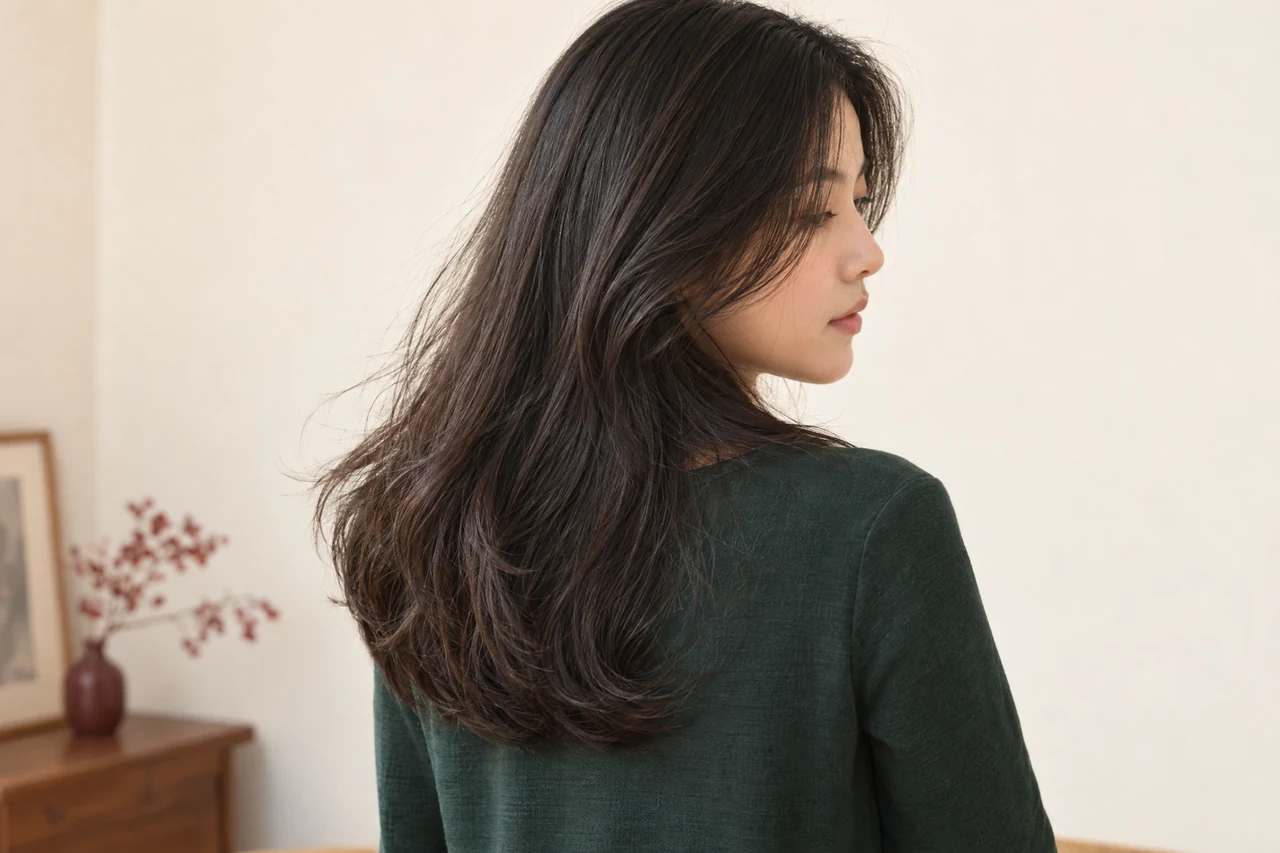
A recent change belongs in a different conversation
If your parting appears different over time or you notice unusual shedding, describe that as a change rather than simply a hair type. Seek healthcare assessment instead of relying on a cosmetic label. You can still discuss styling preferences separately, but a haircut or scalp-care appointment is not a diagnosis or a regrowth treatment.
Fine hair can be a familiar characteristic, whereas thinning describes something changing. If your usual coverage seems reduced, do not dismiss it because your strands have always felt fine. The American Academy of Dermatology's guide to hair loss and shedding explains that a dermatologist can distinguish hair loss from excessive shedding, identify causes and discuss expectations. Some people have both, so a simple cosmetic label cannot settle the question.
Prepare a short account of when you noticed the difference and which areas are affected. Mention unusual shedding, patches or scalp discomfort to the healthcare professional rather than explaining them away as styling difficulties. Share relevant medical and medication history at that assessment. Do not stop a prescribed medicine because you suspect a connection with hair changes; the AAD advises speaking with your doctor rather than abruptly stopping a suspected treatment.
Do not explain new thinning away as fine hair
You do not have to prove a change with daily hair counts or wait until it is dramatic to ask for medical advice. If a change worries you, explain it in your own words. Keep any salon request separate: you can discuss a comfortable, manageable appearance while the health question is assessed. Tell the stylist about discomfort or healthcare instructions that may affect whether cosmetic work should proceed.
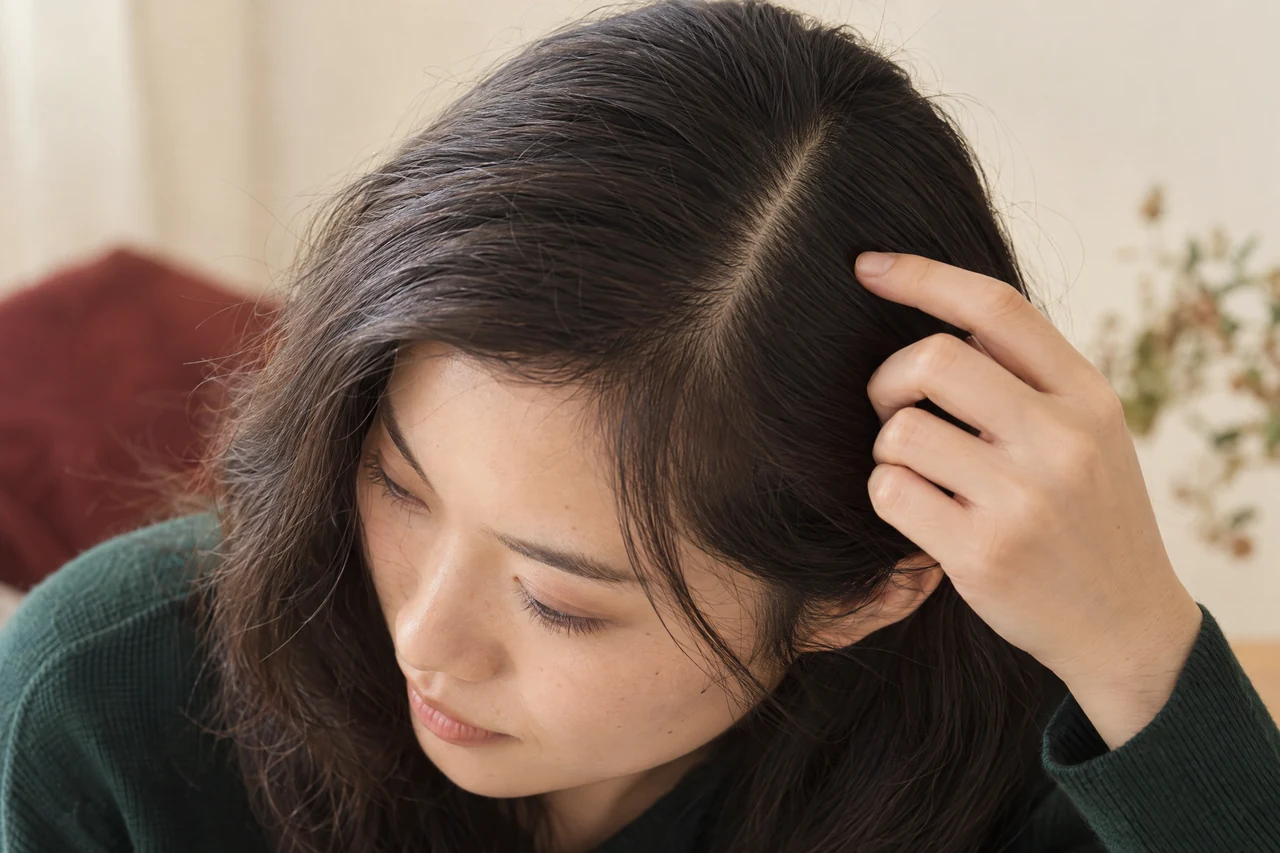
Observe coverage without treating a photograph as a measurement
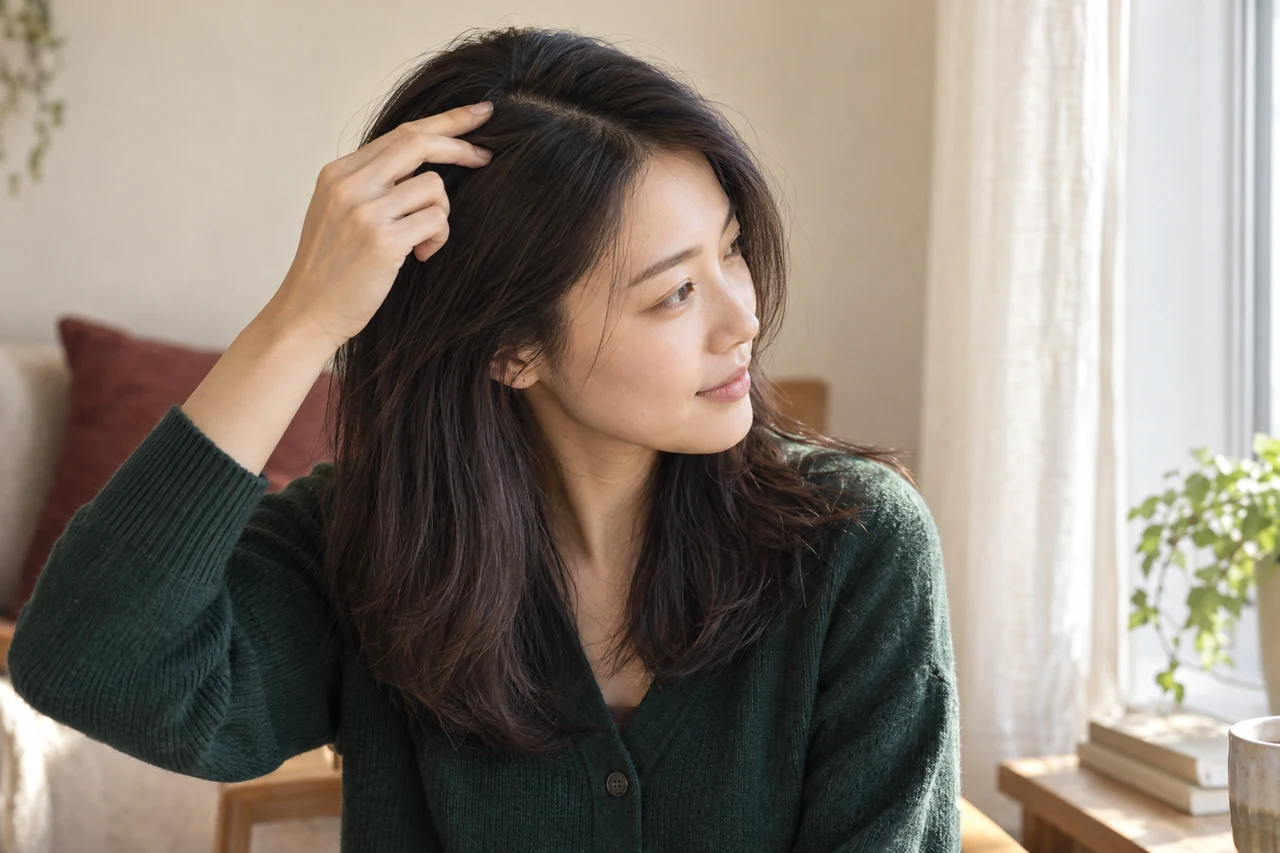
For a styling enquiry, a clear photograph of your ordinary dry hair is more informative than an image taken after elaborate preparation. Keep your familiar parting visible and explain whether products have been applied. Wet hair, strands gathered into bundles and bright overhead light can make the scalp more noticeable. These observations describe the conditions of the picture; they do not rule out a genuine change in coverage.
A ponytail also combines too many features to measure density reliably at home. Its apparent size depends on strand width and how tightly it is gathered, while layers and shorter hair may not enter the tie. Compare your concerns with your own usual appearance, not someone else's ponytail or a concept image. If you already have photographs showing a concerning change over time, they may help explain that concern to a clinician.
Compare the same part of the hair
Keep crown coverage and the ends as separate observations. Sparse-looking ends can reflect the lengths present there, while a crown photograph shows a different area altogether. Tell the stylist which view matters to your cosmetic goal. No image in this guide is a density measurement or a diagnostic comparison; the illustrations simply help identify visible features worth discussing.

Turn the distinction into a clear salon enquiry
A useful message to Vit So in Sheung Wan can describe where the hair looks flat, how long that appearance has been familiar and which lengths you wish to retain. Include your ordinary care routine and any recent processing. Ask whether the aim is better addressed by a temporary finish, a conversation about shape or a review of care products. The name of your hair type alone cannot determine the service.
Use this 5-point checklist to keep your styling enquiry focused on observable details.
You need not request a particular technique in the first message. A clearer starting point is that you want more crown support without losing the appearance of full ends, or that you want comfortable movement rather than maximum height. Agree on service scope, practical upkeep and charges before confirming a visit.
Choose a realistic way to judge the finish
Decide whether success means a finish for an occasion or a shape you can manage after your usual wash. Ask how to assess it under ordinary lighting and with your normal parting. More lift may be an appropriate cosmetic goal, but the appointment should not be judged as a hair-growth intervention. Recent thinning remains a healthcare question regardless of how pleasing the styling looks.
Strand size, coverage and visual fullness answer different questions
| Observation | What it describes | Useful next question |
|---|---|---|
| Fine strands | Narrow individual hair strands, not necessarily low density. | What movement and product feel suit my strands? |
| Lower density | Less hair across an area; strand width can vary. | Is this familiar coverage or a change needing assessment? |
| Flat roots | Hair lying close to the scalp; not a density measurement. | Where and when do I want more visible support? |
| Full-looking ends | The visible continuity of the edge and lengths. | Which lengths and areas of coverage do I want to retain? |
| A fuller styled outline | A cosmetic silhouette that may change after washing or daily activity. | What home styling does this appearance depend on? |
| New thinning or unusual shedding | A reported change, not a settled hair-type description. | What information should I bring to a healthcare assessment? |
Your preparation checklist
- Describe the concern precisely: individual strand feel, crown coverage, flat roots or sparse-looking ends. Avoid using thin as a catch-all label.
- Identify whether the appearance is familiar or recently changed. Arrange healthcare assessment for concerning new thinning or unusual shedding rather than relying on a styling explanation.
- Share a clear view of your ordinary dry hair and usual parting. Explain the lighting, product use and preparation rather than presenting the image as a measurement.
- State the practical limits: retained length, tying-up needs, daily tool use and whether you prefer smoothness, movement or crown height.
- Confirm the proposed cosmetic aim, service scope and charges. Ask how the finish should be managed at home before confirming your visit.
Frequently asked questions
Does adding volume make hair thicker?
No. A lifted outline can look fuller, but styling does not increase the physical thickness or number of your hair strands. Visual fullness and actual hair density are different.
Can fine hair have high density?
Yes. Strand diameter and density are different characteristics. Fine individual strands do not, by themselves, mean there is little hair covering the scalp.
Does a visible parting mean hair loss?
A single view cannot establish that. Light, parting position and styling affect apparent coverage. A new or persistent change in density or shedding needs healthcare assessment rather than a conclusion from one photo.
Describe the fullness you want, not just the hair type
Contact Vit So in Sheung Wan with your usual parting, the area that looks flat and the lengths you want to keep. Discuss a cosmetic goal that fits your routine, and confirm service scope and charges before arranging the work. An enquiry is not a confirmed booking; new thinning or unusual shedding should also be assessed by a healthcare professional.
Start your WhatsApp enquirySources & further reading
- Thick vs. Dense Hair: What’s the Difference?
Basic distinction between individual strand width and the amount of hair on the scalp, including fine strands with dense coverage.
- Do you have hair loss or hair shedding?
Healthcare assessment can distinguish excessive shedding from hair loss; suspected medication effects should be discussed with a doctor.
- Tips for healthy hair
Conditioner placement for fine or straight hair, gentle handling and limiting heat exposure with low or medium settings and heat protection.



