







Bond repair vs deep conditioning: read the claims
A bond repair treatment should be evaluated using the actual product's claims and directions, not a generic assumption about every bond-related formula. Deep conditioning usually concerns manageability and feel, with procedures that vary. Ask what benefit is proposed for your lengths and what limits apply before comparing the two by price or a finished photograph.
There is a genuine reason that bonds feature in hair-care discussions. Hair contains keratin proteins, and disulfide bonds form connections between neighbouring keratin chains. The crosslinked structure contributes to hair shape and strength, as described in the research review On Hair Care Physicochemistry. That background explains the interest in bond-related claims; it does not establish that every product using the word bond acts on the same connection or achieves the same result.
The same review explains that conditioning agents can reduce friction between fibres and improve surface smoothness, gloss and softness. Those benefits matter when your ends catch during combing or feel rough against your fingers. A smoother surface is not an inferior goal simply because it sounds less technical. Equally, noticing slip does not tell you which internal changes, if any, occurred. Treat a sensory benefit and a structural claim as different questions.
A practical bond repair vs deep conditioning comparison
Start with the problem you want to change: tangles after rinsing, rough lengths, or breakage during normal handling. Then ask what the actual formula claims to improve. If supporting tests are mentioned, ask whether they measured combing force, hair-fibre strength or a consumer's impression of softness. These outcomes are not interchangeable. Also check the comparator and whether testing involved processed hair similar to yours. A laboratory claim should not become a promise that your own hair will behave identically.
Check the product and its place in the visit
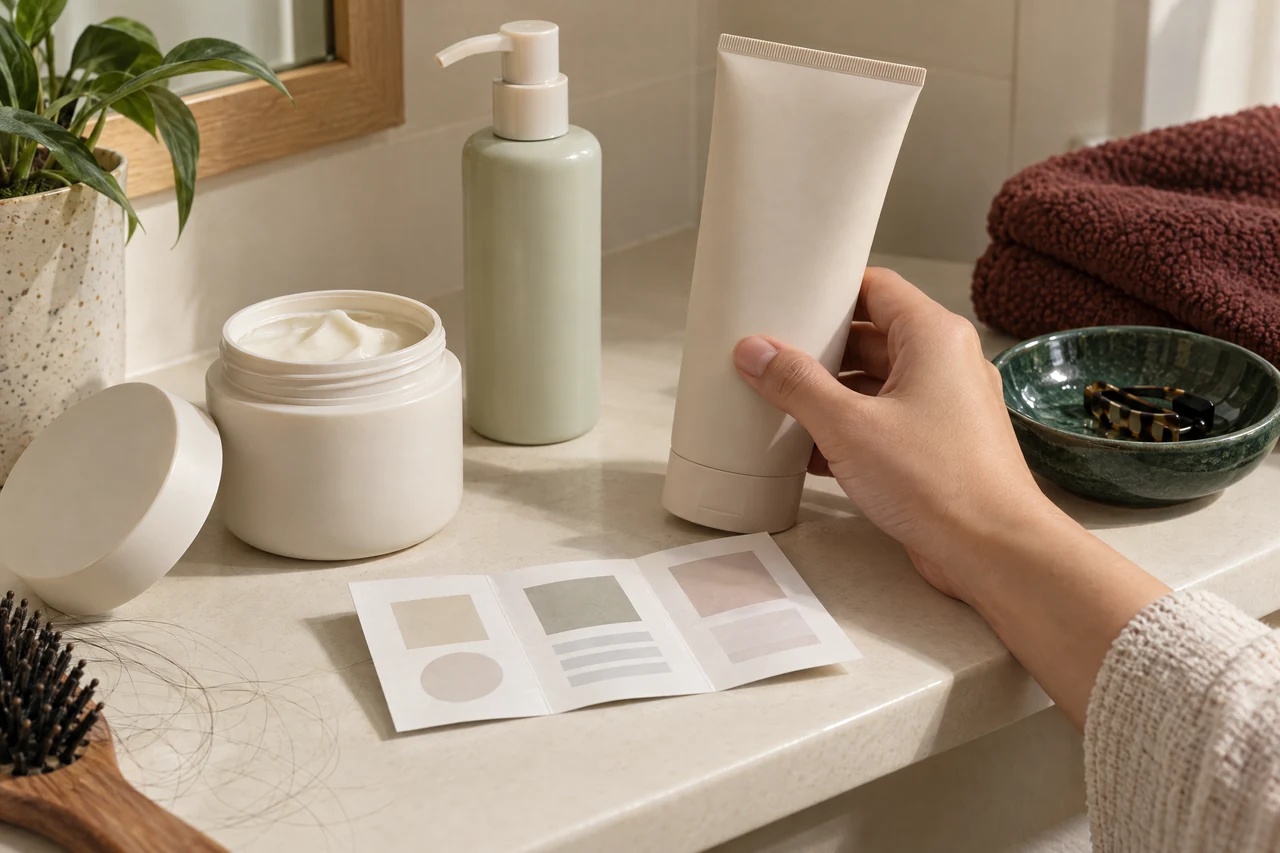
Bond building hair treatment can appear as a market description for different products and applications. Check whether the proposed product is used during chemical processing, afterwards or as home care, and whether the directions allow combining it with other products. The name alone does not confirm availability at a particular salon or establish a standard procedure.
Request the product name and its directions, not just a photograph of the front label. Useful details include whether application begins on dry, damp or freshly washed hair; whether it rinses out; and what follows it. A product added during colour processing cannot automatically be substituted for a separate wash-day mask. Do not mix a home-care product into bleach or colour unless that exact use is expressly permitted by the manufacturer's professional directions.
Layering is another practical distinction. A mask, conditioner and leave-in may have separate roles, or the chosen routine may not require every step. Read hair mask vs conditioner before adding another rinse-out product simply because its name sounds more intensive. Leaving a formula on longer, applying more, or adding heat is not automatically an improvement; use the stated amount and contact time.
Review hair treatment to check its service scope and the details to share before arranging the related work.
Continue with deep conditioning treatment for that specific comparison and the preparation questions it raises.
A bond building label does not specify the steps
Ask for the sequence in plain language: preparation, application, any waiting period, rinsing and finishing. Clarify whether conditioner comes before or after the bond-related step, or whether the formula itself serves as a conditioner. General advice to condition regularly does not tell you how to order a specialised product. If instructions from different products conflict, seek clarification rather than combining routines from unrelated labels. A simple written sequence is more useful at home than remembering a technical treatment name.

Keep chemical suitability separate from cosmetic feel
Better slip or a smoother feel does not establish that fragile lengths can tolerate another bleach, perm or straightening service. Share the full processing history and any areas that are breaking before discussing further work. A product's repair language should not be used to bypass a hair-condition assessment or guarantee that damage cannot occur.
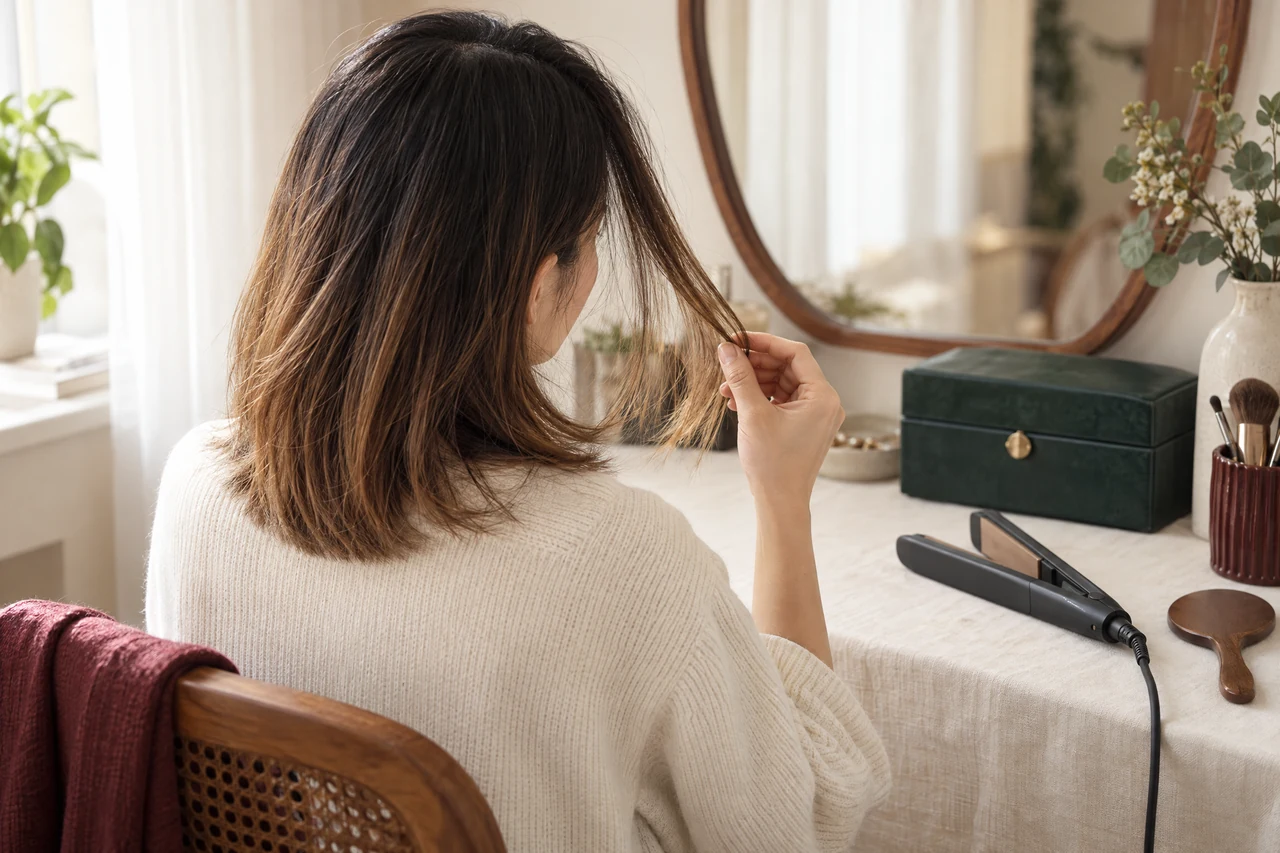
Map the history by area rather than describing your whole head as coloured. New growth may have a different background from previously lightened mid-lengths and repeatedly treated ends. Include home colour, salon bleach, perms, straightening and your usual hot-tool use. Say when you noticed changes and whether they affect ordinary combing, washing or styling. The aim is to identify vulnerable sections before choosing more work, not to make you diagnose individual bonds.
If you are hoping for a lighter shade, ask whether the proposed plan depends on treating already fragile lengths again. Care may be worth discussing independently while the colour ambition is reconsidered. The American Academy of Dermatology's hair-damage guidance emphasises gentler handling and reducing damaging practices. It supports prevention, not the idea that a repair-labelled product removes the risks of repeated processing.
Continue with hair care after bleaching for that specific comparison and the preparation questions it raises.
Softness is not clearance for more bleach
Report ends that snap during routine handling, strands that feel unusually stretchy when wet, or persistent tangles concentrated in processed sections. Avoid deliberately stretching or repeatedly brushing fragile hair to test it. Let the stylist decide what assessment is appropriate and whether chemical work should be postponed. If your concern is scalp pain, persistent irritation or unexplained hair loss rather than the feel of the lengths, seek healthcare advice instead of treating a cosmetic care appointment as a diagnosis.
Agree how the benefit will be reviewed
Decide whether you are reviewing easier combing, reduced rough feel or another clearly described goal. Follow the care directions and observe the hair after your normal wash rather than immediately rewashing to test a salon finish. Keep styling and light conditions similar when using photographs, and do not equate gloss with permanent structural restoration.
Choose an ordinary task that currently bothers you. You might notice whether the ends catch less during gentle detangling or whether the lengths feel less rough once dry. Record where you notice the difference and which products you used. If you change your shampoo, mask, leave-in and drying method together, the overall routine may feel better, but you cannot reliably attribute the change to a single treatment.
A polished appointment photograph can show an attractive finish without explaining its cause. Tension from a brush, drying direction and finishing products can affect the appearance you see. Use hair treatment results vs blow dry finish to separate the finished styling from the handling benefit you want to carry into daily life.
Compare daily handling under similar conditions
Review the routine when your next normal wash is due. Note whether the hair was air-dried or blow-dried, and whether the same styling products were used. Keep photographs in similar light, with the same dry texture rather than comparing straightened hair with natural waves. If your ends still catch, tell the salon where and at which stage. Do not respond automatically by doubling the product or adding another mask; application, the existing routine and the condition of those ends may need discussion.

Compare the complete care cost, not a fashionable label
Vit So's confirmed menu lists pre-colour or perm hair protection at HK$500 and moisture care at HK$1,500. These are menu categories, not confirmation of a named bond-repair formula, a standardised deep-conditioning method or equivalent procedures. Ask which available care is being proposed, what it includes and whether any finishing or home-care products are charged separately.
When comparing quotations, keep the scope consistent. A standalone appointment, an add-on during colouring and a retail product for repeated home use are different purchases. Clarify the expected visit time before arranging an appointment around work in Sheung Wan. Also confirm applicable length charges and the total quote rather than assuming that a higher price signals stronger bond-related evidence.
Spend on the benefit you can use
Think about the routine you are willing to maintain. If a proposed product requires a particular wash-day sequence, ask whether it fits the products you already use. A care choice that makes everyday handling more comfortable without unnecessary extra steps may be more useful to you than a complicated routine chosen solely for its terminology. Confirm product availability before requesting a named method.

Prepare a clear enquiry and a manageable home routine
Send a brief description of your main concern along with your processing history and photographs of the relevant lengths. Include the names of any bond-related products or masks you already use. Explain what you want to preserve, such as natural waves or root movement, so the care discussion does not drift into a different shape-changing service.
Between appointments, focus on avoidable stress as well as products. The AAD guidance recommends absorbing water without vigorous towel rubbing, removing tangles gently and limiting heat exposure. Its combing advice also distinguishes straight hair from textured hair or tight curls, so there is no need to copy a drying and detangling routine that does not suit your texture. Comfortable daily handling remains worthwhile regardless of which care label you choose.
Bring the details that change the decision
Use the checklist below to organise the enquiry. Product names and directions help clarify compatibility; treatment history helps identify different needs along the lengths. Your available wash-day time and preferred texture help make the recommendation practical. Finish by agreeing what improvement you will look for and when to raise a concern, rather than purchasing a series of treatments without a clear review goal.

Compare the actual bond-related product with the actual conditioning routine
| Decision point | Bond-related care | Deep conditioning |
|---|---|---|
| Claim to clarify | Which bond-related benefit is claimed, and what evidence supports it? | Which handling or sensory benefit is intended, such as slip or softness? |
| Place in the routine | May be a processing step, separate treatment or home-care product; check directions. | Check preparation, contact time, rinsing and whether heat is specified. |
| Combining products | Confirm the sequence and compatibility of the exact formula. | Clarify whether a separate conditioner or leave-in is needed. |
| Useful review | Assess the stated benefit without substituting shine for evidence of structural change. | Observe detangling, rough feel and movement during normal wash-day handling. |
| Further chemical work | A repair claim does not establish suitability for additional processing. | Softness does not establish suitability for additional processing. |
Your preparation checklist
- Describe your main concern and the affected area: ends, mid-lengths or several differently processed sections.
- List bleach, colour, perm and straightening history, including home products and regular hot-tool use.
- Bring the exact product names and directions for any bond care, masks and conditioners already in your routine.
- Confirm application order, rinsing, contact time, compatibility and any home-care requirements.
- Agree the complete quote and a practical review goal, such as easier gentle detangling after a normal wash.
Frequently asked questions
Is every bond product the same?
No. Claims, ingredients, application and directions differ. Compare the actual product details rather than assuming that all bond-related labels describe one method.
Can bond care replace conditioner?
That depends on the specific product's directions and the proposed routine. Do not remove conditioning or combine products based only on a bond-related name.
Does Vit So offer a named bond procedure?
A specific bond product or procedure is not confirmed by the general care menu. Enquire about the actual available care and product details before requesting a named method.
Choose care around your lengths and your wash-day needs
Enquire with Vit So at 252 Hollywood Road, Sheung Wan, with your hair history, current care products and the handling concern you want to improve. Ask about the actual available care, its directions and the complete quote. An enquiry starts the discussion; it is not a confirmed booking or confirmation that a named bond procedure is available.
Start your WhatsApp enquirySources & further reading
- On Hair Care Physicochemistry: From Structure and Degradation to Novel Biobased Conditioning Agents
Keratin crosslinks and the distinct conditioning benefits of reduced fibre friction, smoother surfaces, gloss and softness.
- How to stop damaging your hair
Preventing further damage through gentler detangling, careful towel handling and reduced heat exposure, with texture-specific combing advice.



