






Before a child's first haircut, confirm the practical fit
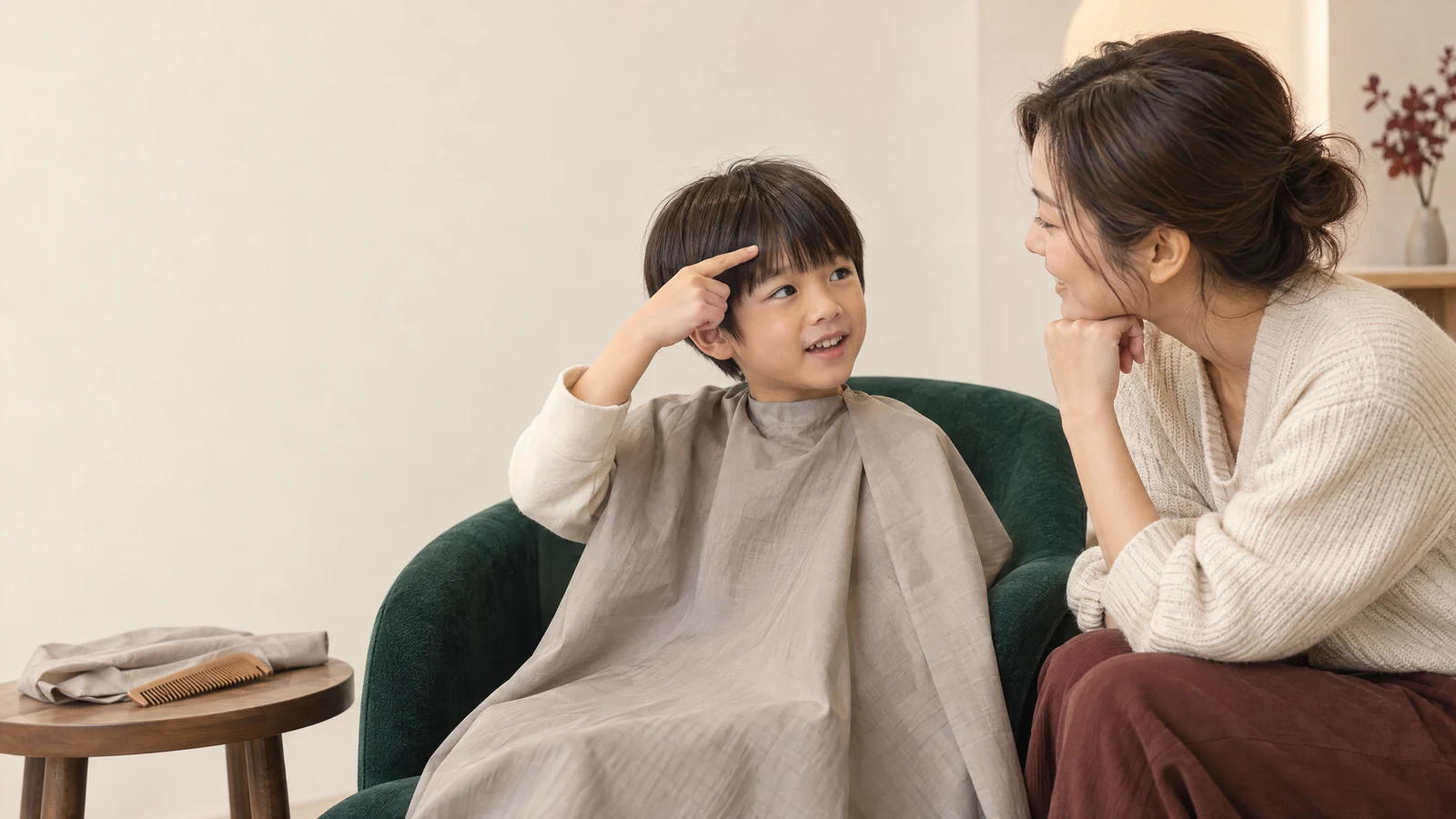
Tell the hairdresser the exact age rather than only saying first haircut. Explain whether the child has watched a family member having a cut and what feels unfamiliar. Ask about age suitability and accompaniment before arranging the visit; the aim is to establish a practical conversation, not assume that every first-time situation can be handled in the same way.
Separate the reason for trimming from the significance of the occasion. Perhaps the front hair keeps falling into the child's eyes, or the family wants to tidy uneven ends while keeping the familiar shape. Describe that everyday problem first. A family photograph or celebration can explain your timing, but it should not become a deadline that requires the child to complete a cut regardless of how the visit feels.
The published children's haircut entry is HK$230 for children under 12. This is a price category, not a minimum-age rule or a description of infant facilities. Ask whether the child's exact age and needs fit the proposed appointment, and what the listed service includes. In particular, do not assume that washing or a blow-dry forms part of the children's entry simply because these appear in other haircut descriptions.
Review kids haircut to check its service scope and the details to share before arranging the related work.
A child's first haircut and the age enquiry
Age is useful alongside ordinary observations: whether the child can sit comfortably, understand a short explanation and tell an adult when something bothers them. Share these without describing the child as difficult or promising perfect stillness. If this would be a baby's first haircut, say so directly and wait for an explicit answer about suitability. An older child having their first salon cut may instead need help understanding a new person and environment.
Give the child a simple picture of the visit
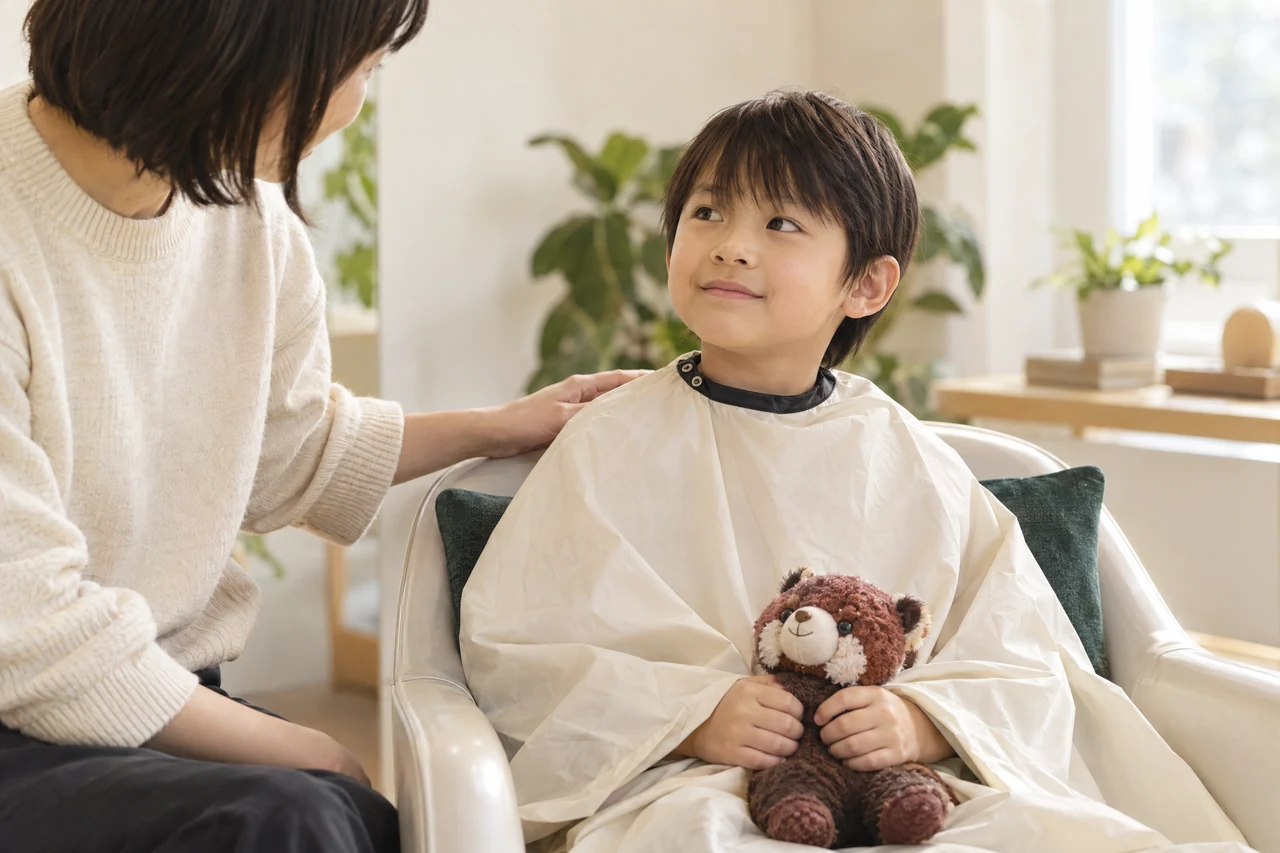
When considering how to prepare a child for a haircut, use calm, ordinary words about sitting, a cape and a small change to the hair. Avoid promising toys, special chairs or a particular reward from the salon. Tell the hairdresser what explanations the child responds to and ask what can be discussed before the appointment.
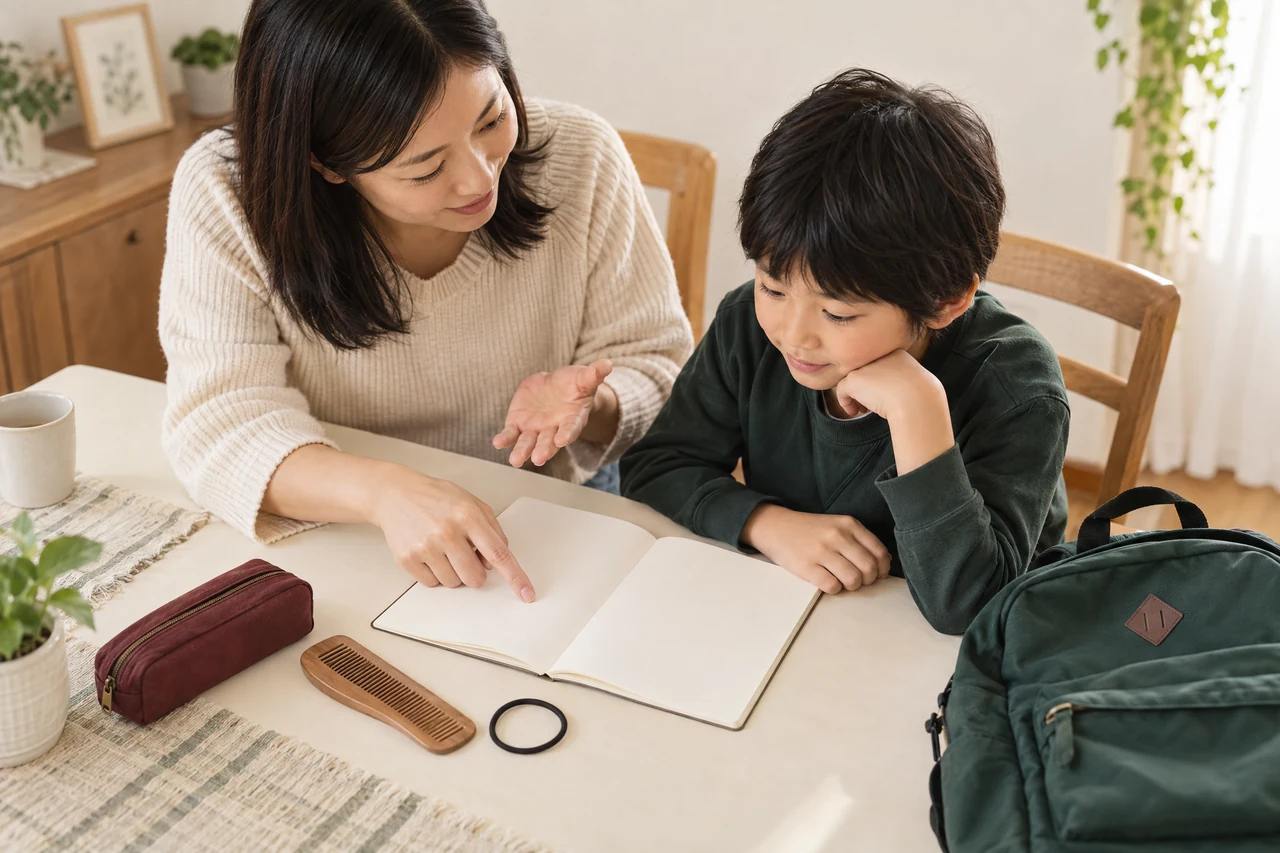
Start with a brief description rather than a long speech: you will meet the hairdresser, talk about the hair and see whether everyone is ready for the agreed trim. Explain that a comb may move through the hair and a cape may help keep loose hair off clothes, subject to the arrangements confirmed. Be honest about unfamiliar sensations. Reassurance is more useful when it leaves space for questions than when it promises the child will feel nothing unusual.
For children who benefit from visual preparation, the Autism Speaks Haircutting Training Guide includes a visual schedule to help children with autism understand haircut steps. This is a resource for that specific audience, not evidence that every child needs a formal programme. A family can discuss whether a simple picture sequence would suit their child, then check that it reflects the actual appointment rather than a different salon's setup.
Familiar words without promising a special setup
If the word cut worries the child, explain it as trimming the ends of the hair, while still being clear about what will happen. You can talk through sitting and looking ahead at home without bringing cutting tools into the practice. Let the child ask about the cape or comb. Watching a family member's haircut may also be worth discussing if the salon permits it; do not arrive for an observation visit without agreement.
Share comfort needs before styling ambitions
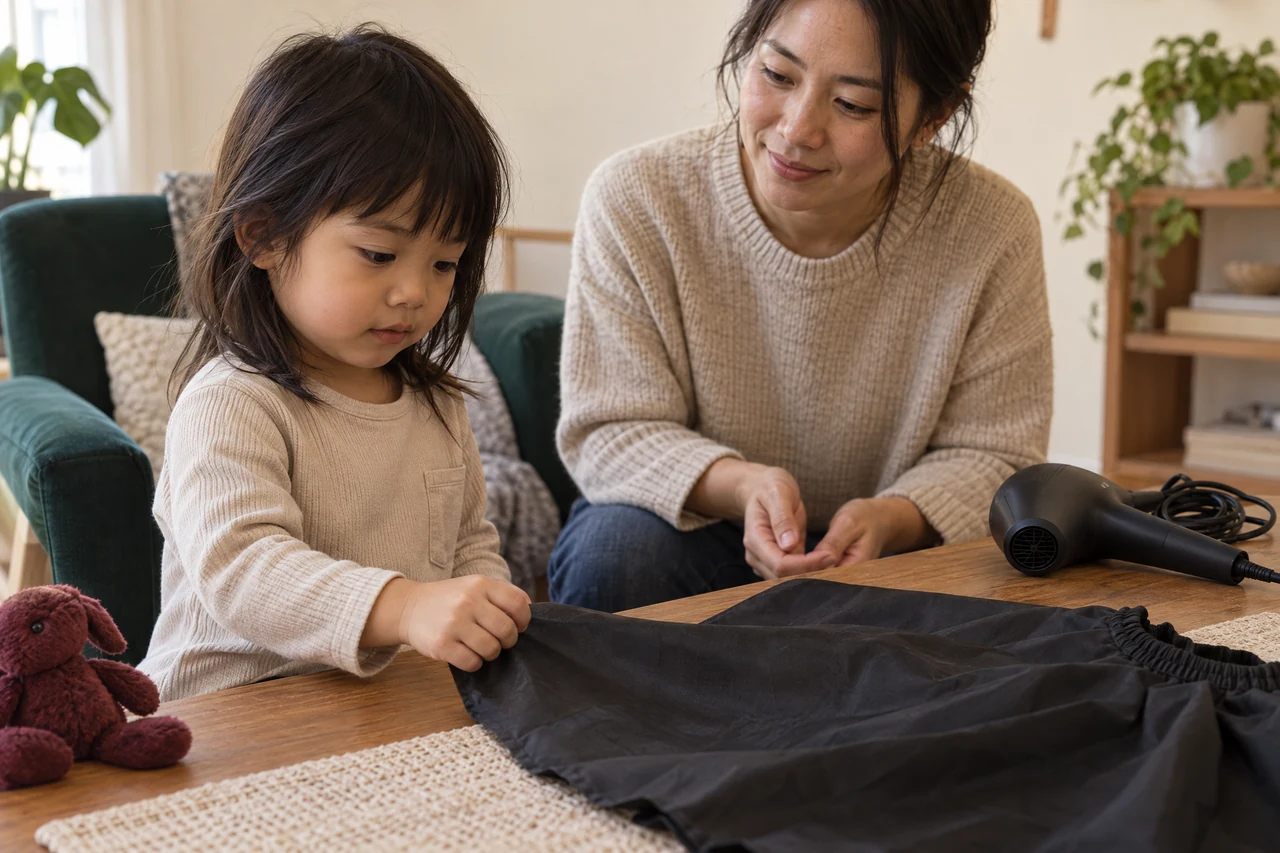
Knowing what to tell a hairdresser before a child's haircut includes age, any discomfort with sounds or touch, previous experiences and the length you hope to keep. Mention the support a parent may need to provide. These are practical enquiry details; they do not establish a specialist service or guarantee a particular outcome for the visit.
Describe the specific trigger rather than using only a broad label such as sensitive. Does the child dislike fabric around the neck, brushing behind the ears, water near the face or sudden dryer noise? Say what you have actually noticed and what usually helps. A child who dislikes one sensation may be comfortable with another, so it is better to ask about the proposed steps than reject or request a whole service based on a guess.
The Washington Autism Alliance sensory-friendly haircut advice recommends sharing sensitivities, chair comfort and responses to clippers, as well as whether quiet or distractions suit the person. Its advice concerns sensory needs and local providers in Washington; it does not describe facilities at Vit So. Use those categories to make your enquiry clearer, while checking which adjustments can actually be discussed for this visit.
Sounds, touch and previous experiences
Previous experiences can include everyday hair brushing, not just a salon visit. Mention if tangles make the child pull away or if they prefer an adult to explain before touching their hair. If a familiar object helps, ask whether bringing it would be appropriate and where it could stay without affecting safe positioning. If the child has significant support needs, discuss them before booking rather than expecting a general haircut listing to establish specialist capability.
Keep the initial length goal clear and modest
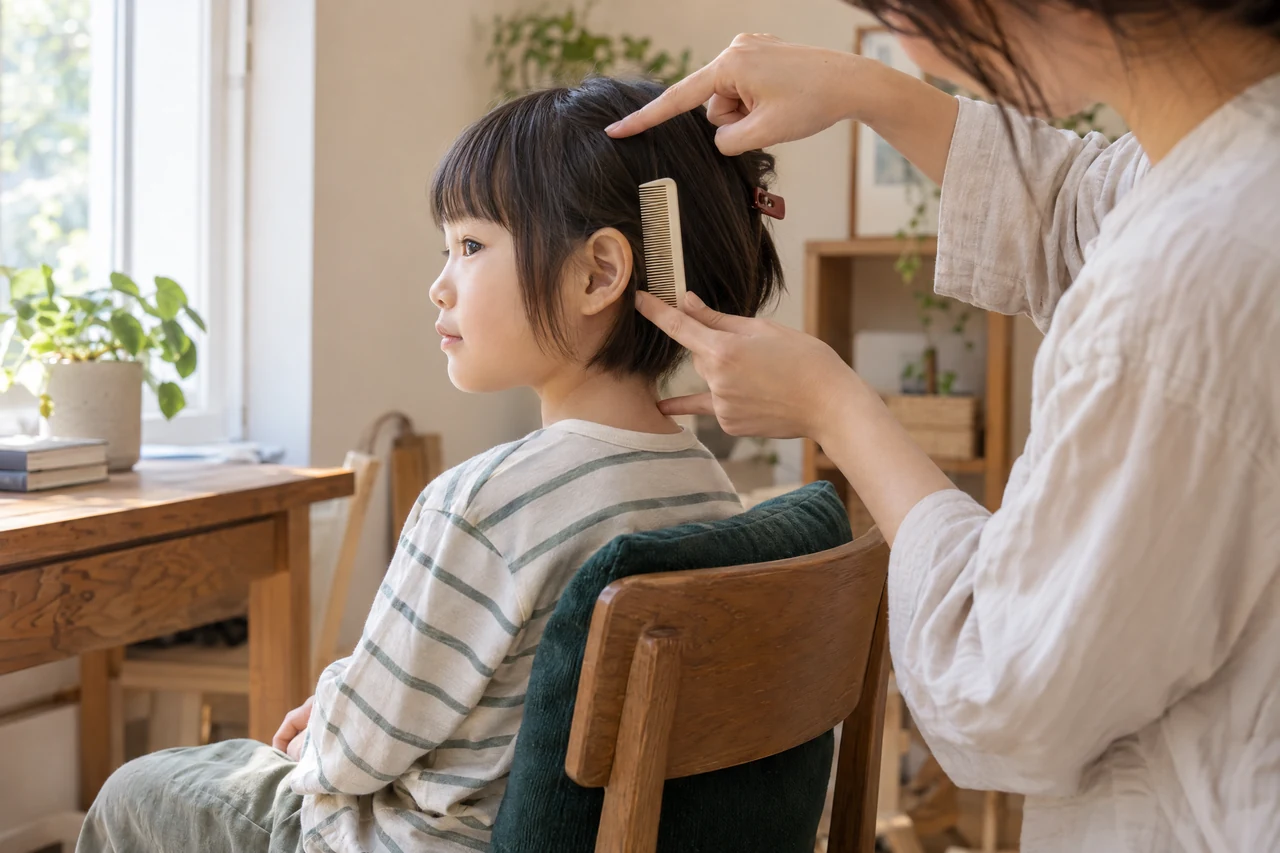
Identify the hair near the eyes, the neckline or the ends that you would most like adjusted, and explain what should stay. A modest goal can be easier to communicate than a complex reference style. If the child becomes uncomfortable, discuss the circumstances rather than treating completion of the original plan as more important than a safe, appropriate visit.
Show where the hair falls when the child wears it normally. For the front, explain whether you want to keep a side sweep or reduce hair entering the eyes. Around the ears, distinguish tidying stray ends from exposing the whole ear. At the back, explain whether the current outline should remain. If the family ties the hair up, mention the length needed for that familiar routine before shorter pieces are considered.
Choose haircut reference photos for a particular length or outline, then explain the detail you mean rather than asking for an identical appearance. A picture of a heavily styled finish may show more brushing or drying than the family intends to do. For a first visit, preserving a recognisable shape while addressing the most bothersome area gives the conversation a clear starting point.
The areas that matter most to the family
Ask the child to point to what they like or dislike if they can. A parent might want a neater front while the child wants the ears covered; those preferences should be voiced before cutting starts. Agree which adjustment matters most and which changes can wait. Modest does not necessarily mean an extremely short cut: it means a manageable, clearly understood change with explicit boundaries about the hair that stays.

Plan how to ask for a pause
Before cutting starts, discuss a simple way for the child or accompanying adult to request a pause. A short word or familiar signal can make the request easier to recognise. The hairdresser needs time to stop working and move tools away safely, so explain that the child should not suddenly turn towards the adult or reach for a tool. Ask the hairdresser to describe the safe way to respond in the agreed setup.
If the child starts pulling away, repeatedly turning or becoming distressed, tell the hairdresser immediately. Do not add pressure by insisting that the trim is nearly finished. The next decision may be to pause, reduce the agreed goal if appropriate, or leave remaining work for another conversation. Never improvise a restraint or holding position to force completion; accompaniment and any positioning must already have been discussed.
Choose a time that fits the child's ordinary routine
When offering possible dates, consider the child's usual meals and rest rather than building the haircut into an already crowded day. Ask about availability without assuming an exclusive or silent appointment. Keep the journey and plans afterwards flexible enough to avoid rushing. A first haircut can be meaningful without requiring photographs during cutting, a dramatic new look or an uninterrupted performance from the child.

Turn your notes into a useful first enquiry
Keep the message easy to answer: state the exact age and that this is the first haircut, describe the main length change and what must stay, then explain comfort concerns and the accompaniment you want to discuss. Add possible dates and ask about age suitability, the agreed scope and price. Send a clear current hair photograph only if it helps explain the outline; a brief factual description is more useful than an album of unrelated styles.
For the adult's preparation, reading what to expect at a first hair appointment can help separate an initial enquiry from a confirmed visit. Keep the child's preparation specific to whatever is agreed. If the answer leaves seating, accompaniment or a needed adjustment unclear, follow up before travelling to Sheung Wan instead of treating silence as confirmation.
Use book a hair appointment to send the intended work and possible dates; wait for confirmation before travelling.
Check the hair salon price list for published entries, then confirm the amount for your agreed scope.
Pack for comfort, then note what worked
Washington Autism Alliance also suggests an extra shirt because loose hairs left in clothing can irritate sensory-sensitive people. If relevant to your child, pack a comfortable change rather than assuming that every sensation ends with the cape coming off. Afterwards, ask what felt unfamiliar and note which explanations helped. Those observations can inform a future enquiry without promising that the next appointment will unfold exactly the same way.
Turn broad first-haircut wishes into details the hairdresser can assess
| Starting point | A more useful description | What to confirm |
|---|---|---|
| It is the first haircut | Exact age and experience of brushing or watching a haircut | Age suitability and whether the proposed visit can be arranged |
| Just tidy it | Front hair entering the eyes, with the side sweep kept | The agreed adjustment and the hair that must stay |
| The child is sensitive | Discomfort with neck fabric or sudden dryer noise | Proposed steps and which adjustments can be discussed |
| I will hold the child | The accompaniment and support you would like | Permitted accompaniment and safe positioning; do not assume lap seating |
| We want a special first style | A familiar outline with the most troublesome area adjusted | Whether that goal is practical for the child's participation |
Your preparation checklist
- State the child's exact age and explain whether they have watched a haircut or only experienced hair care at home.
- Identify the main area to adjust and the length or outline that must remain familiar.
- Describe specific sound or touch concerns, and mention the explanations or familiar support that usually help.
- Confirm age suitability, accompaniment and safe positioning before planning the journey.
- Check the proposed service scope and applicable charge, including any washing or drying you want to discuss.
- Agree how to request a pause and wait for appointment confirmation before telling the child the final visit plan.
Frequently asked questions
Does a first haircut have to happen at a particular age?
This guide does not set an age or confirm a minimum salon age. State the child's exact age and ask whether the proposed visit can be arranged.
Can I assume that a parent can hold the child during cutting?
No. Discuss accompaniment and safety arrangements before confirming. A preparation guide does not establish that a particular seating or holding arrangement is suitable or offered.
What should I send in the first enquiry?
Send the child's age, a clear length goal, any comfort concerns and the accompaniment you would like to discuss. Ask about the applicable scope and price before planning the visit.
Should I promise the child a toy or special chair at the salon?
No. Describe only what has been confirmed. If the child has a familiar comfort object, ask whether bringing it would be appropriate; that is different from promising something the salon provides.
What if the child is not comfortable continuing?
Tell the hairdresser promptly and let them stop working safely. Discuss whether to pause or leave remaining changes for another enquiry. Completing a particular reference style should not override safe participation.
Make the first-haircut conversation clear before the visit
Contact Vit So with your child's exact age, the length you hope to keep and any comfort or accompaniment questions. Together, clarify whether the proposed visit can be arranged and confirm the applicable scope and charge. An enquiry is not a confirmed booking; wait for confirmation before travelling to Sheung Wan.
Start your WhatsApp enquirySources & further reading
- Haircutting Training Guide
Family preparation and a visual schedule for children with autism to understand haircut steps.
- Sensory Friendly Haircuts: Tips and List of Stylists
Sharing specific sensitivities, chair and tool comfort, environmental preferences, and packing a change of shirt for loose-hair irritation.



