






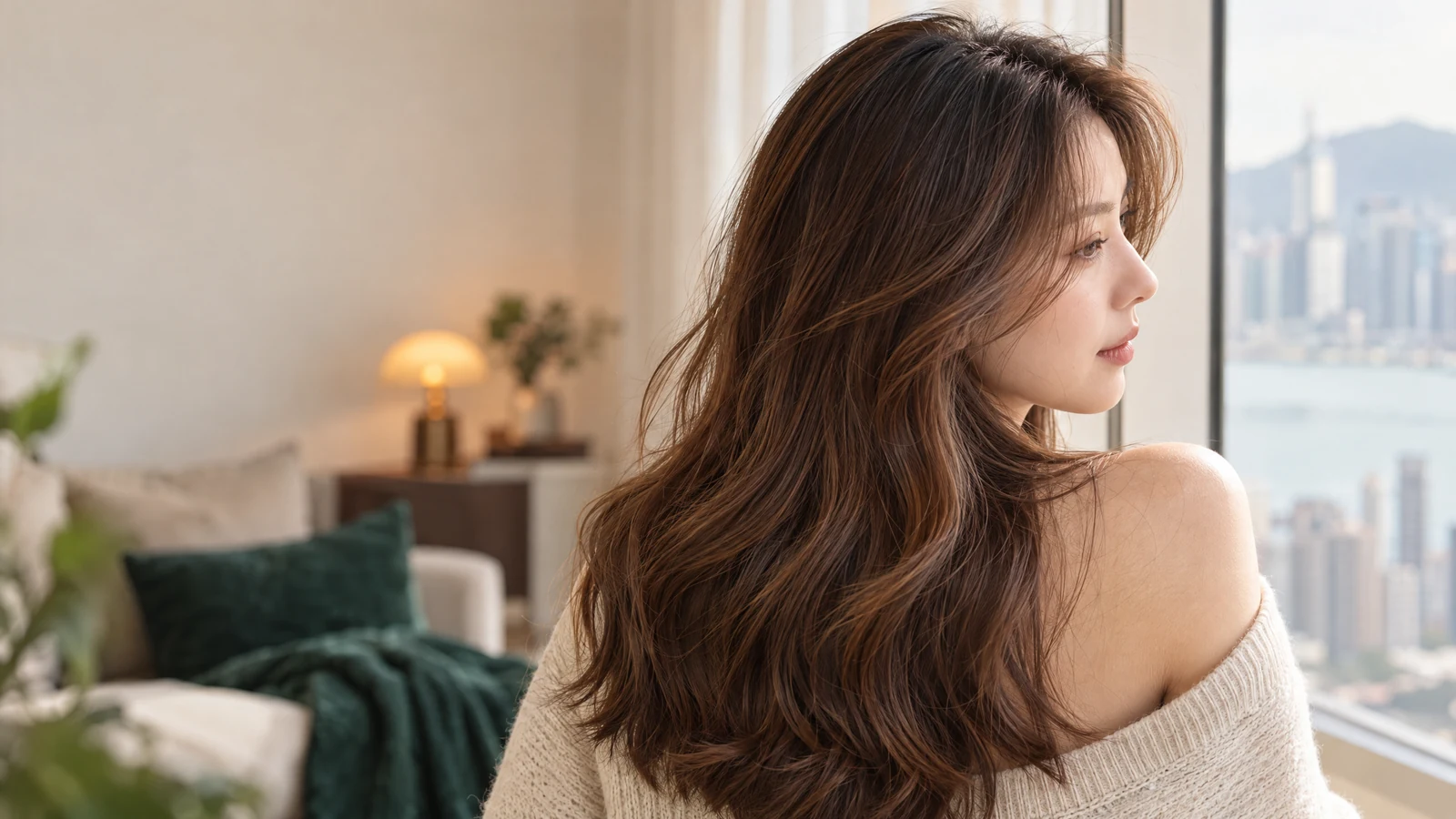
Toner or colour correction for brassy hair: check tone and depth
Brassy hair correction begins by separating unwanted warmth from a difference in brightness. Compare a reference for the depth you want as well as the amount of gold, orange or red you dislike. Tonal change alone does not establish that darker bands or insufficient brightness can be addressed in the same way.
Depth means how light or dark the hair looks overall. Tone describes its colour direction, such as golden, coppery or cool beige. A dark blonde can be less orange without becoming a pale blonde. If your reference looks both cooler and much lighter than your current hair, ask about each change separately. Otherwise, an enquiry for less warmth may be mistaken for an enquiry for substantially more brightness.
In its guide to toning orange hair, Wella distinguishes orange from yellow warmth and explains their different colour-wheel relationships. Blue counterbalances orange, while violet counterbalances yellow. This helps explain why a product associated with blonde hair is not automatically the right answer for every warm-looking base. It is a principle for professional assessment, not a home mixing formula.
Look at the front hairline, crown, middle lengths and ends in the same soft daylight. Note whether the warmth covers the whole head or appears only in certain strands. Do not compare a brightly lit reference with your own hair in a dim bathroom and assume the difference is entirely chemical. Bring both images, but describe what you see rather than assigning yourself a colour level.
Continue with what are hot roots for that specific comparison and the preparation questions it raises.
Use toner or colour correction for brassy hair to ask a clearer question
A useful request is: I like the current brightness, but the middle lengths look too coppery. A different request is: I want the whole head lighter, and there is a darker strip above the ends. These statements give the stylist different priorities. Name the feature you want to retain as well as the feature you want changed, especially if you like the darker roots or existing highlight pattern.
Orange hair after bleaching needs an assessed starting point
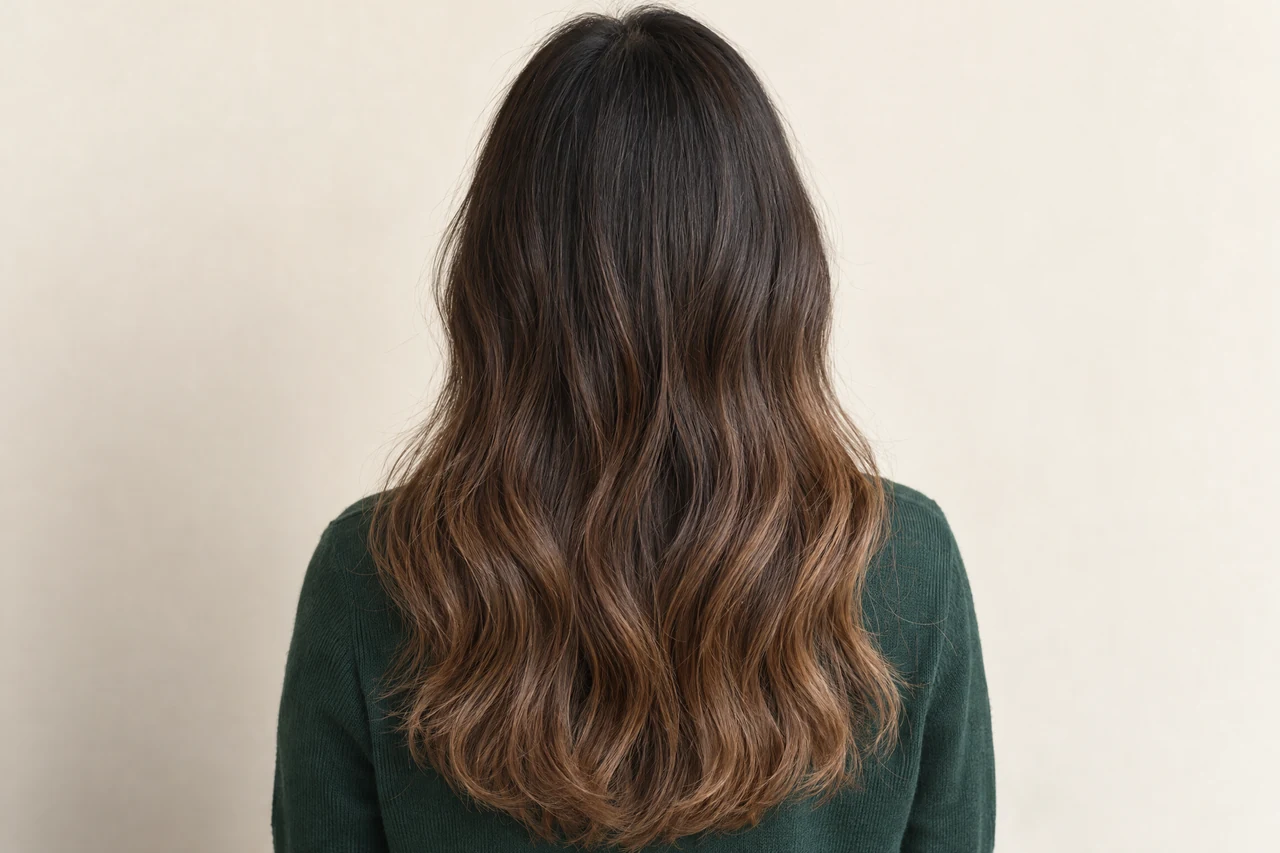
If you are asking how to fix orange hair after bleaching at a salon, bring the bleach history and show the orange areas in neutral light. The discussion should distinguish reducing warmth from seeking a much lighter finish. Existing processing and condition may limit what is appropriate; there is no universal chemical recipe or one-visit promise.
Orange after lightening is not, by itself, enough to identify what went wrong or what should happen next. Wella's guide explains that orange can be an underlying tone exposed at certain depths. Its examples also distinguish toning towards darker finishes from transformations that first require further lightening. The important question is whether the current base supports your target, not whether the hair can be given another product labelled ash.
A darker horizontal band creates a separate problem. Cooling the surrounding lighter hair does not establish that the band will match its brightness. Likewise, already pale ends should not be treated as if they have the same starting colour as a warmer middle section. A wider assessment can consider separate areas, retaining some depth or changing the target rather than treating the entire head uniformly.
Continue with patchy hair colour correction for that specific comparison and the preparation questions it raises.
Share previous full-head colour, highlights, bleach, home dyes, colour removers and straightening or perming. If dates or products are uncertain, say so and bring any packaging photographs you have. Also mention ends that are snapping, unusual tangling or a scalp that feels sore. Those details can affect whether further processing is worth considering, even when the colour preference is clear.
A lighter target is not automatically achievable in one step
Decide whether brightness, an even appearance or preserving length matters most. If more lightening is unsuitable, a deeper balanced finish may be a better direction to discuss than repeatedly pursuing a pale reference. Ask what an acceptable interim colour could look like if the work needs staging. This is more practical than attaching a fixed appointment deadline to a result before the hair has been assessed.
Blonde toning should be considered against the current colour
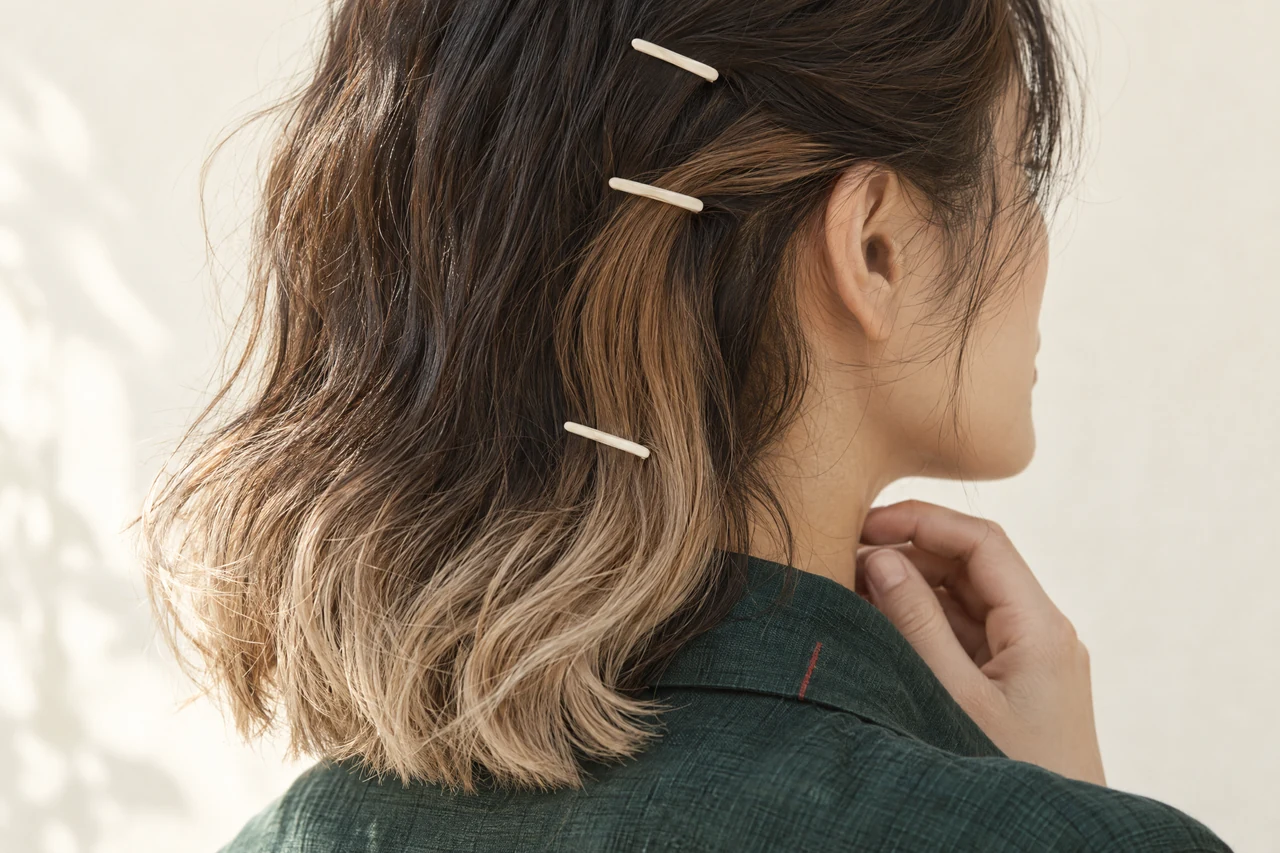
A brassy blonde toner service enquiry should describe the current blonde depth, where the warmth appears and the preferred finish. Toner is listed at HK$900 at Vit So, but that price does not establish suitability for every blonde or include wider correction work. Confirm the scope and products before treating a tonal adjustment as the entire plan.
Blonde is a broad description. Soft golden blonde, neutral beige and icy blonde do not ask for the same balance. Explain whether you want a small reduction in yellow, a more neutral appearance or a distinctly cool finish. Keeping some warmth may be a deliberate preference, not an incomplete correction. A reference should help establish the balance you enjoy rather than become a promise of an identical result.
Review hair colour to check its service scope and the details to share before arranging the related work.
Use the hair salon price list to separate the listed Toner item from any additional work discussed for your hair. Ask whether the proposal is a tonal adjustment only, whether other areas need treatment and what the agreed charge covers. A lower-looking single-item price is not a reliable comparison with a wider plan that addresses depth or unevenness.
Confirm suitability rather than choosing a product from a photograph
Ask how the finish is expected to look on your existing light strands and the darker hair between them. If retaining a bright appearance matters, say that before agreeing to a smoky direction. Also explain how much upkeep you want: the coolest possible finish is not necessarily the preference you will enjoy as the colour changes. Product choice and any testing requirements should follow the actual assessment, not an online swatch alone.
An overly cool or dull blonde is a different tonal concern
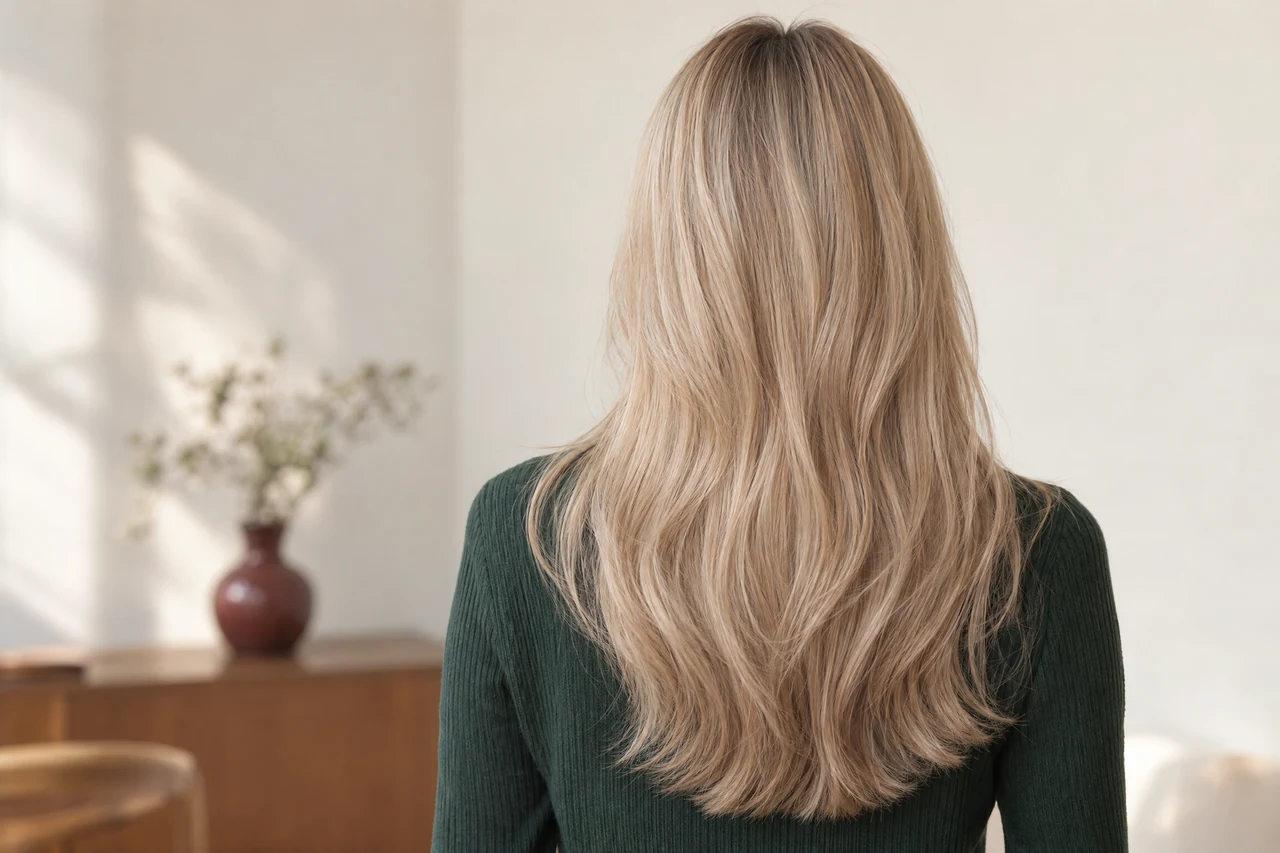
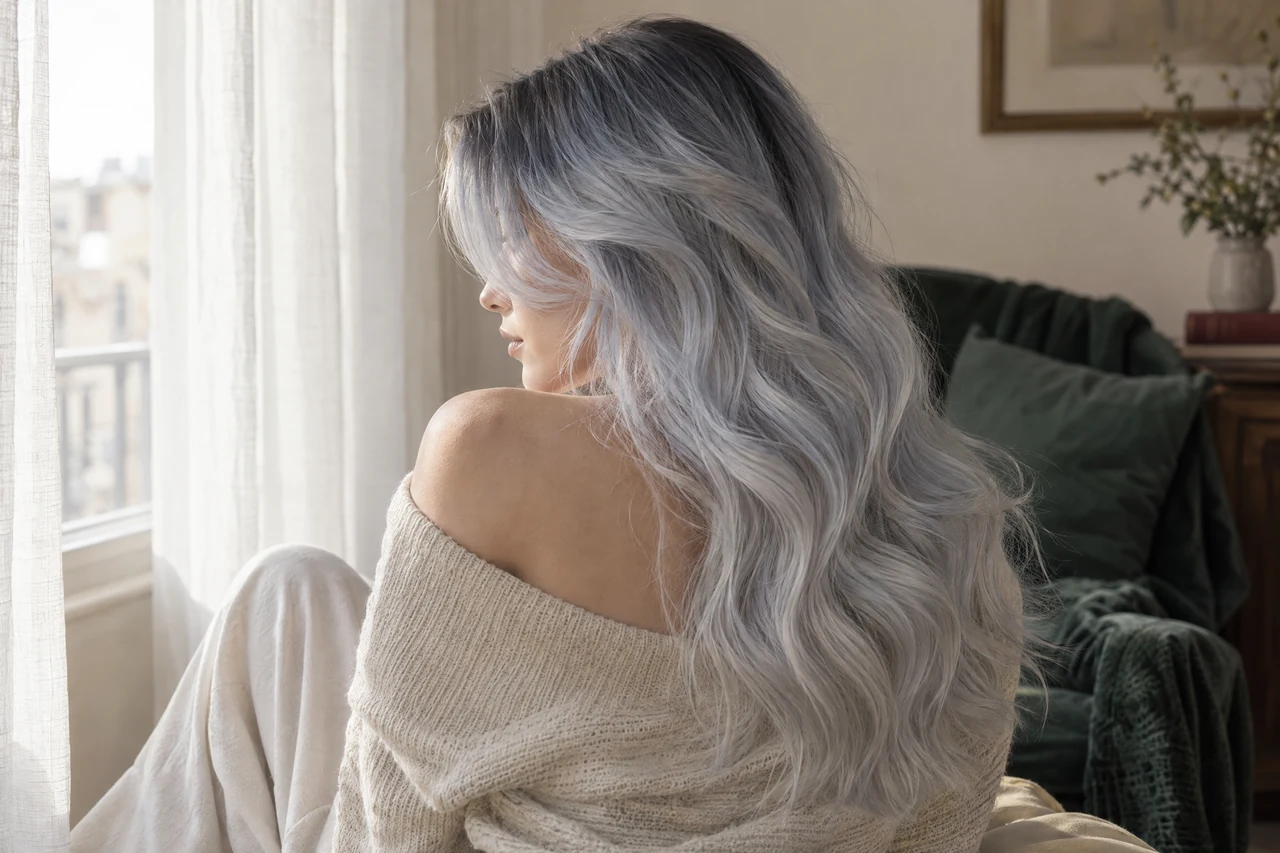
How to correct over-toned blonde hair starts with describing the grey, violet or dull appearance you want changed and when it appeared. Record toner and colour-product use and compare photographs in similar light. Ask about reassessment rather than assuming that adding more pigment, bleach or a home remover will produce a balanced result.
Too cool and too dark are not interchangeable descriptions. You may still like the brightness but dislike a violet cast, or feel that a smoky finish has lost the lightness you wanted. Identify whether this affects all the blonde or only the ends and lightest strands. Also distinguish the colour concern from a rough or tangled feel; a more pleasing tone does not by itself answer a condition problem.
Bring a photograph from before the tonal change if you have one. Include the names of pigmented shampoos, masks and conditioners used since the service, with the order in which you used them. An intentionally silver or blue-grey reference is different from an unwanted cast on a beige target. Showing both the current appearance and the preferred balance helps avoid another adjustment in the wrong direction.
Explain what feels too flat without adding another home colour
Pause improvised remedies while seeking advice. Repeated strong cleansing, extra pigment or another chemical product can add uncertainty to the starting point. Ask whether observation, a care adjustment or professional colour work is appropriate for the product already used. If you are unhappy immediately after a service, contact the salon with comparable photographs before trying to reverse it yourself. Describe the change you want without prescribing the chemical method.
Care for the lengths while observing the tone
After any agreed work, get care instructions for the products and processing actually used. Ask when to wash, which cleansing and conditioning products suit the hair, and whether a pigmented product is appropriate at all. A generic purple-shampoo routine is not a substitute for identifying whether the unwanted colour is yellow, orange or already too cool.
The American Academy of Dermatology's colouring and perming guidance notes that appearance-enhancing treatments can leave hair dry and brittle. It also recommends protecting hair from the sun, particularly after dyeing, bleaching or perming. Consider that advice on outdoor days in Hong Kong; it concerns hair care, not a guarantee that a particular salon tone will remain unchanged.
Keep colour changes separate from scalp discomfort
Record warmth returning with similar photographs rather than immediately increasing colour-product use. If irritation, swelling or persistent burning occurs, stop the suspected product and seek medical advice rather than arranging more colour to solve it. Tell the stylist about previous reactions before any new work. Product safety and the preferred blonde finish are separate decisions.
Agree on a workable finish before arranging the visit
An enquiry becomes more useful when you can describe an acceptable result within your priorities. Would you accept a slightly deeper finish to reduce visible orange? Do you want to keep contrasting roots? Is retaining the existing length more important than reaching a very pale shade? These answers help narrow the discussion without committing you to a method before assessment.
If the concern includes several colour zones or a major brightness change, prepare for a broader colour correction discussion rather than assuming the Toner item describes the complete job. Bring your desired finish, the processing record and any event or travel constraints together so the scope can be considered realistically.
State your budget and everyday expectations
Explain whether you prefer subtle warmth reduction for daily wear or a stronger change, and whether repeated maintenance fits your routine. Confirm the proposed work and quote before proceeding. If the hair cannot support the initial target, ask which alternative best preserves the features you value. A clear, achievable preference is more useful than choosing the coolest colour name available.
Match the visible colour concern to the question worth asking
| What you notice | The change you want | What to discuss |
|---|---|---|
| Even brightness, unwanted gold or orange | Less warmth at a similar depth | Whether a tonal adjustment suits the current base |
| Orange hair much darker than the reference | A substantially lighter finish | Base suitability, condition and whether wider work is appropriate |
| Dark bands beside lighter lengths | A more even appearance | Separate assessment of depth and tone in each zone |
| Warm or bright roots, satisfactory lengths | A softer root-to-length contrast | The roots as a distinct area, not automatic full-head toning |
| Grey, violet or dull-looking blonde | A more balanced or less smoky finish | Product history and reassessment before adding more colour |
Your preparation checklist
- Photograph the front, back, roots and ends in comparable soft daylight without colour filters.
- Mark the areas that look warm, dark, uneven or overly cool; do not combine them under one description.
- Choose a reference and explain its brightness separately from the tone you prefer.
- Bring dates and names for bleach, dyes, removers and pigmented care products, noting anything uncertain.
- Report breakage, unusual tangling, scalp discomfort and previous product reactions before discussing further processing.
- State what you want to retain, your budget and any event deadline; confirm scope, charge and aftercare before proceeding.
Frequently asked questions
Does orange hair always need more bleach?
No. Unwanted warmth, the desired depth and existing processing need separate assessment. A lighter target may have different limitations from a goal of less orange at the current depth.
Is Toner included in every correction enquiry?
No. Toner is a listed HK$900 item, but its suitability and any wider work must be confirmed. A correction enquiry does not establish a fixed package or chemical method.
Will toning make the colour permanent?
No permanent result or fixed lifespan is promised. Ask what changes to observe, which care instructions apply to the actual work and when reassessment would be appropriate.
Explain the warmth you dislike and the brightness you want to keep
Enquire with Vit So in Sheung Wan using current photographs, a target reference and your colour history. Describe whether the main concern is orange warmth, a darker band or an overly cool finish so the next discussion starts with the right problem. Suitability, service scope, quotation and availability need confirmation; an enquiry is not a confirmed booking.
Start your WhatsApp enquirySources & further reading
- How to Tone Orange Hair Back to its Best
Wella's explanation of orange versus yellow warmth, colour-wheel neutralisation and the distinction between toning and transformations involving further lightening.
- Coloring and perming tips for healthier-looking hair
American Academy of Dermatology advice on treatment-related dryness and brittleness, sun protection for processed hair and reporting reactions before further colour.



