







Why does my haircut look different after washing at home in its outline?
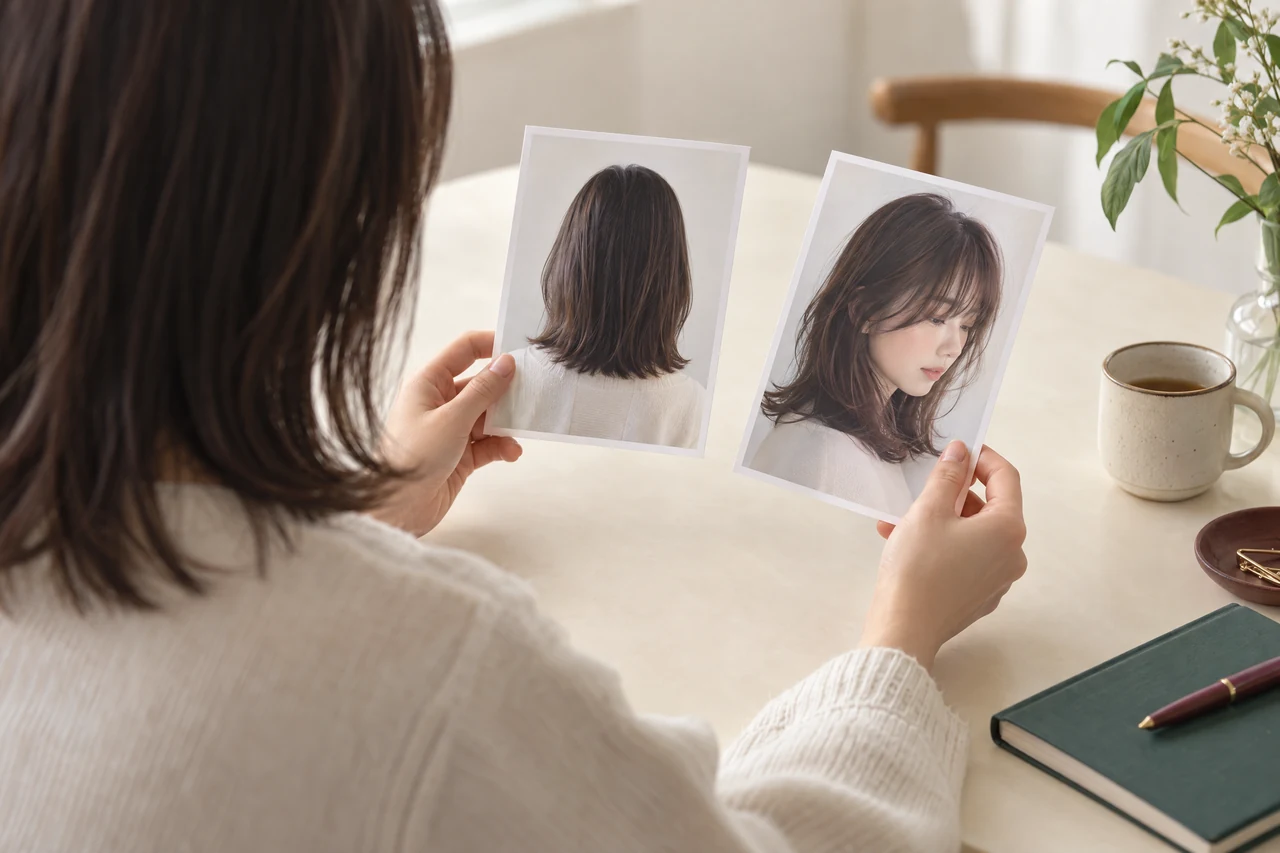
Compare photographs of the salon finish and your usual result in similar views. Identify whether the difference is the parting, root lift, fringe direction, ends or overall width. A styled finish and naturally dried hair can look different without proving that the cut is wrong; start by describing the specific change you cannot manage.
Washing can undo a temporary arrangement without undoing the haircut. The University of Virginia's explanation of hair chemistry describes how water or heat can disrupt hydrogen bonds in hair, which reform as hair dries or cools. This helps explain why a blow-dried curve can change after a wash. It does not establish whether the cut meets your everyday needs.
Look beyond shine. A smooth surface may make the outline appear narrower, while separated waves can create more visible width. Compare where the ends actually fall, whether the crown looks flatter and whether a fringe opens in a different place. Wait until the hair is fully dry: a damp, stretched wave is not a fair comparison with a finished salon style.
Continue with haircut reference photos for that specific comparison and the preparation questions it raises.
Ask why does my haircut look different after washing at home before changing the cut
Separate an appearance difference from a practical problem. Less root lift may be acceptable if the length and fringe still work; ends that repeatedly catch on your glasses may not be. Name the feature you want to preserve and the feature you cannot comfortably manage. That makes the next discussion more useful than simply asking for the whole salon look again.
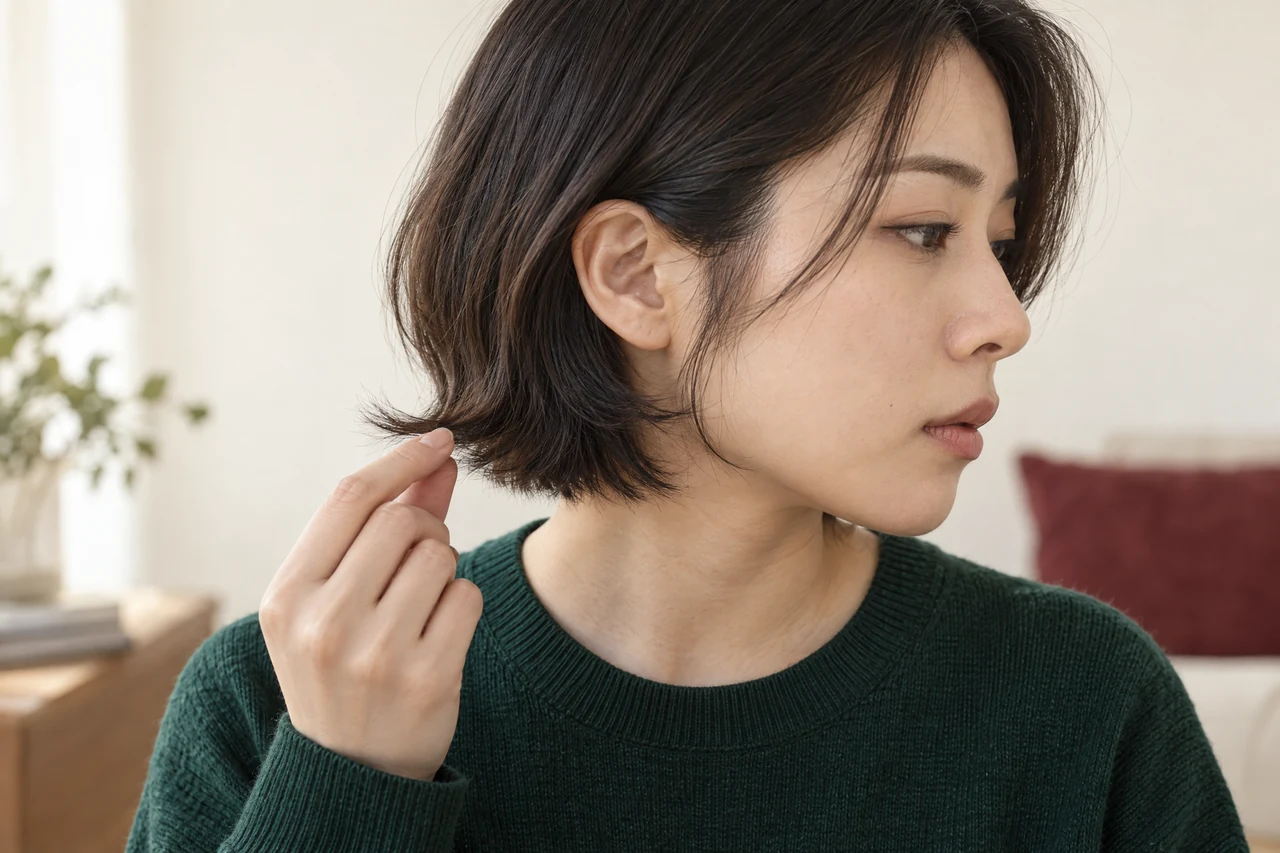
Explain the routine you actually repeat
Tell the stylist how often you wash, whether you air-dry or blow-dry, which products you use and how much time you spend. Mention any brush, dryer attachment or heated tool you avoid. This account makes it possible to compare the salon routine with your own instead of asking for the same finish without describing the resources available.
Product placement matters as much as the name on the bottle. Note whether conditioner reaches your roots, whether leave-in cream goes onto dripping or towel-dried hair, and whether you apply a finishing product before or after drying. If your roots feel coated or the ends become stiff, describe that sensation rather than deciding that you need a stronger product. Bring packaging photographs so the advice can refer to what you actually use.
The American Academy of Dermatology's healthy-hair tips recommend concentrating shampoo on the scalp and placing conditioner according to hair type. They also advise gently absorbing moisture rather than rubbing hair roughly with a towel. These are useful care starting points; choosing the finishing product for your preferred outline is a separate styling discussion.
If recreating the finish has led you to use hotter tools more often, review how to protect hair from heat styling before adding further heat to your routine.
Include washing, drying and products
Describe the sequence, not just the equipment: washing at night, wrapping in a towel, leaving the fringe to dry naturally and smoothing the ends in the morning is different from drying everything straight after washing. Mention when the unwanted change first appears. Hair that is already wide indoors needs a different conversation from hair that changes only after your commute.
Mention tools you do not use
A salon may use sectioning clips, a round brush and directed airflow while you use your fingers and a dryer without an attachment. Say if coordinating a brush and dryer is uncomfortable, if you cannot see the back clearly, or if you do not want to buy another tool. The realistic goal is a finish you can repeat, not a shopping list you will abandon.
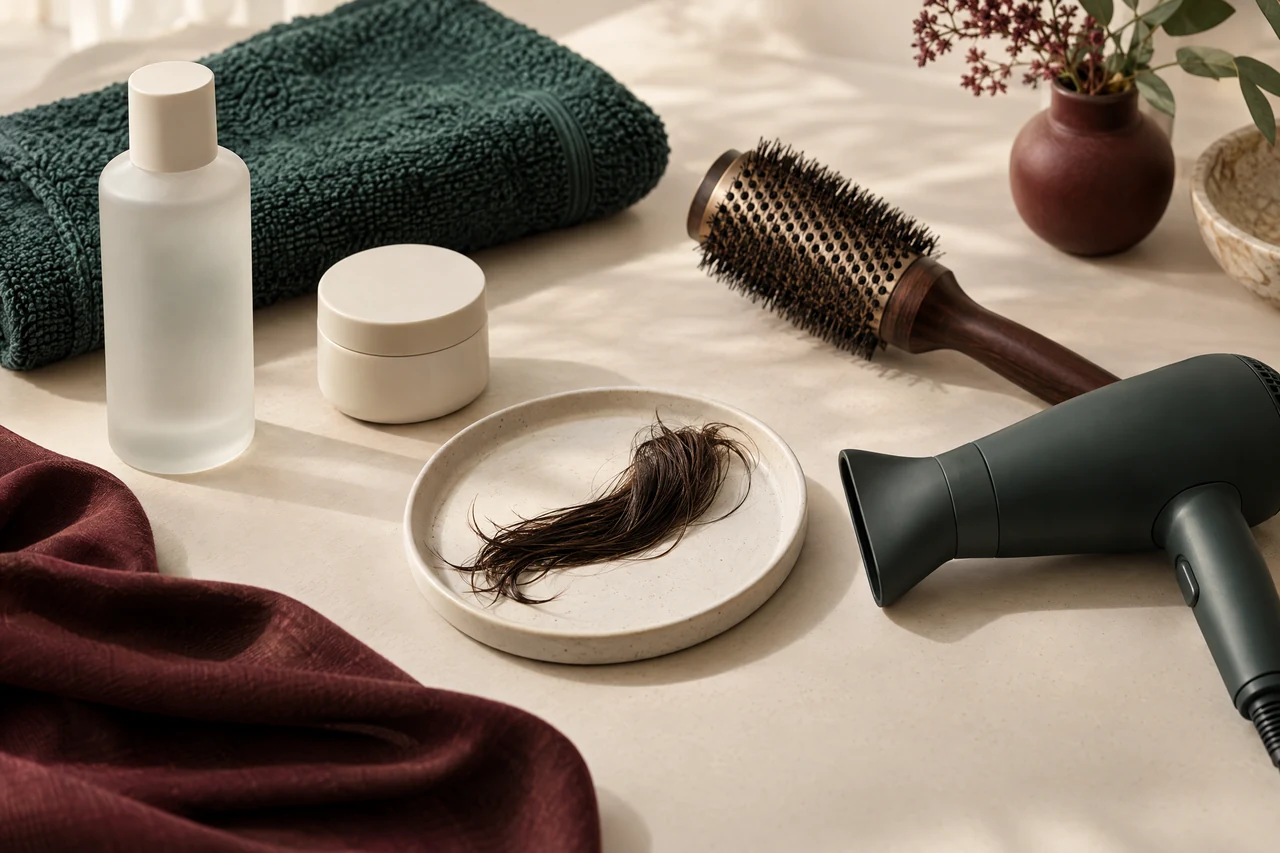
Ask what the new cut needs between visits
After a new cut, ask which parts need active styling and which rely on the natural shape of your hair. Clarify drying direction, product purpose and signs that the outline needs attention, without assuming every step of the salon finish is essential. Explain the effort you can sustain so any advice or proposed adjustment fits daily life.
Ask the stylist to distinguish the base shape from optional polish. A fringe might need attention while damp, but curling all the ends might be an occasional choice. Request an explanation of the parting and the difficult area using your available tools. A useful question is: which step makes the biggest difference, and what will the hair look like if I leave that step out?
Review hair styling to check its service scope and the details to share before arranging the related work.
Clarify the minimum practical routine
For a fringe, ask when to establish its direction and how to handle its natural split. For a flatter crown, ask whether local drying is worthwhile rather than styling the entire head. For wavy lengths, ask whether you should preserve the wave pattern or smooth it out. The answer should fit both the look you prefer and your willingness to repeat the technique.
Separate shape maintenance from a styled finish
A fresh cut can still need styling; equally, stronger styling does not solve every design mismatch. Keep notes about whether the fringe is now obstructing your vision, the sides feel harder to settle, or the ends no longer sit where you want them. These observations help discuss maintenance timing without treating every loss of salon volume as a reason for another cut.

Decide whether to discuss a design adjustment
If you only like the shape after a professional blow-dry, discuss whether a simpler finishing routine is realistic or whether a change to the cut is worth considering. Show the parts that stay difficult after your usual wash and dry. Confirm the scope, charge and timing of any follow-up service; a discussion does not establish a free correction or guaranteed result.
The decision is not simply whether to go shorter. Removing length or weight changes what you can keep: a fuller end line, hair that tucks behind the ears, or enough length to tie back. Ask what a proposed adjustment would change when naturally dried, and what styling it would still need. Explain which compromise you would rather make before agreeing to further cutting.
Continue with haircut for a busy lifestyle for that specific comparison and the preparation questions it raises.
Consider a simpler finish before a major recut
If you enjoy the natural lengths but dislike the fringe, a focused styling explanation may be more relevant than redesigning everything. If you dislike the entire air-dried outline and will never use a brush, say so directly. Discuss whether accepting more natural movement or changing the design is the better fit. Neither option should be presented as automatically easier for every hair type.
Show the areas that remain difficult
Photograph the troublesome area without holding it into the preferred position. Show its dry fall from the side and back where relevant, and describe whether glasses, shoulders or habitual ear-tucking affect it. A photograph cannot establish the cause on its own, but it can help the stylist understand what needs assessment rather than guessing from an edited close-up.

Compare a manageable home finish without chasing perfection
Start with an ordinary wash day and your normal products. Photograph the fully dry result before trying to change it. If you have been given a suitable technique, try that specific step on another normal wash day while keeping the rest of the routine similar. Changing shampoo, brush, parting and product together makes it difficult to identify what helped.
Avoid repeated full blow-dries just to collect comparison photographs. The AAD's guidance on styling without damage advises allowing hair to partially air-dry before styling and reducing blow-drying frequency to help limit damage. Its healthy-hair advice also favours low or medium heat and heat protection. More heat is not a reliable answer to an unexplained shape difference.
Judge the result against your actual day
Notice whether the revised finish remains comfortable after putting on glasses, walking outside or tying your hair back. Record whether the change happens before leaving home or later. You are comparing practical wearability, not reproducing a studio photograph. If the targeted step is still too demanding, that is useful information for reconsidering the routine or cut.

Prepare a focused follow-up message
Describe the concern in plain terms: the area, its behaviour after washing, and the finish you hoped to manage yourself. Include the haircut date and explain what you have already tried. Say whether you want a styling explanation first or wish to discuss a possible adjustment. You do not need to diagnose the cutting technique to ask a useful question.
Use the 6-step checklist below to prepare your follow-up enquiry.
When you are ready to book a hair appointment, explain that your enquiry concerns the difference between the salon finish and your home result, so the proposed appointment scope can be clarified.
Agree on the next step before attending
Ask whether to arrive with your hair in its usual dry state or follow another preparation instruction. Confirm whether the proposed visit is for discussion, styling or cutting, and establish the charge and time arrangement. This keeps the follow-up centred on your concern and avoids assuming that a message has already secured an appointment or authorised further work.
Describe the salon-to-home difference before choosing a response
| What changes at home | What to compare | Useful next question |
|---|---|---|
| Flatter crown | Parting and root direction during drying; product near the roots | Can a local drying step help without styling all the lengths? |
| Wider sides | Smooth salon lengths versus natural dry waves; ear-tucking | Is this natural movement, or should the dry outline be reassessed? |
| Fringe opens or bends | Its direction before drying and contact with glasses | Which step is essential, and does the fringe length suit that routine? |
| Ends turn outward | Dry wave pattern, shoulder contact and salon brush work | What would an adjustment change, and what length would I lose? |
| Coated or stiff feel | Product quantity, placement and application stage | Should the application change before adding more product? |
| Shape changes only later | Photographs before leaving home and after normal activities | Does the problem concern daily wear rather than the first dry result? |
Your preparation checklist
- Keep a salon-finish photograph and take comparable front, side and back views of fully dry home hair.
- Identify the specific area that differs and describe the change without holding the hair into place.
- Record washing, towel handling, drying sequence and the tools you use or avoid.
- Photograph product labels and explain quantity, placement and whether application happens before or after drying.
- State the effort you can repeat and the length, end fullness or tying ability you want to preserve.
- Ask about preparation for a follow-up, then confirm its scope, charge and appointment arrangement.
Frequently asked questions
Does a different result at home mean I need another haircut?
Not necessarily. Drying, products, parting and natural movement may explain the difference. Describe the areas you cannot manage before deciding whether to discuss a design change.
What should I show if I cannot recreate the salon finish?
Bring clear photographs of both results and describe your washing, drying, tools and products. Point to the specific area that behaves differently rather than relying on a general description.
Can I expect a free follow-up cut?
Do not assume that. Enquire about your concern, then confirm any proposed service, charge and appointment arrangement separately.
Discuss a finish that fits your home routine
Send Vit So your salon and home photographs, explain the difficult area and describe the tools you are comfortable using. For a follow-up in Sheung Wan, ask about a styling explanation or design discussion before deciding on further work. Any proposed service, charge and appointment must be confirmed separately; an enquiry is not a confirmed booking.
Start your WhatsApp enquirySources & further reading
- Chemistry of Wellness: Hair and Hair Care
University of Virginia Department of Chemistry explanation of how wetting and drying affect hydrogen bonds involved in temporary hairstyling.
- Tips for healthy hair
American Academy of Dermatology advice on scalp-focused shampooing, conditioner placement, gentle moisture absorption and limiting heat exposure.
- Hair styling without damage
American Academy of Dermatology advice on partial air-drying and reducing blow-drying frequency to help limit damage, not a measurement of haircut aesthetics.



