






Choose by the decision you face
Look for the question that matches your starting hair and the change you value most. A guide about choosing layers does different work from one about changing curl or assessing colour history. Read the limits as well as the options; a named method or pictured finish is not proof of its suitability or availability.
For a haircut, begin with the outline you want to change. Is the fringe blocking your glasses, the bob sitting awkwardly at the shoulder, or the side width making a short cut difficult to arrange? Women's and children's haircut guides address retained length and practical boundaries; men's shape guides separate the top, sides and neckline. Choose the discussion that names your actual concern, rather than treating a fashionable label as a complete cutting instruction.
Colour reading works best when you separate depth, tone and placement. A darker brown, a cooler-looking brown and brighter pieces around the face are different goals. Grey and root guides focus on where the change is needed, while highlights and balayage guides consider the distribution of lighter strands. Record previous dye and bleach use before deciding which comparison fits. A shade photograph does not show the hair's full colour history.
If you want less weight but still need a substantial ponytail, the guide to layering vs thinning out hair helps frame the discussion around shape and retained fullness rather than simply asking for less hair.
Cuts, colour and treatment choices
Perm, straightening and conditioning topics answer different requests. Describe whether you want visible bends, a straighter outline or easier handling of the lengths. Men's perm guides also distinguish top movement from side control and root support. Before considering a chemical change, share what is already on the hair and which areas were treated. If you like your natural curl but dislike difficult detangling, start with care and styling questions rather than assuming the curl itself must be removed.

Care and daily-life questions
Care articles distinguish treated lengths, natural growth, cosmetic feel and visible shape. Lifestyle guides address constraints such as helmets, glasses, exercise or travel. Compare the advice with the procedure you received and the routine you can maintain, rather than treating a general article as a personalised timetable or guaranteed result.
Notice when the difficulty appears. Tangles during washing, hair that feels heavy after conditioning and a fringe that changes direction under a helmet need different conversations. Conditioning and hair-fibre guides help you compare product roles and handling. Scalp-care topics address cleansing and observations at the scalp, not just softness at the ends. Persistent irritation or unexplained hair loss belongs with a qualified healthcare professional rather than a hairstyle comparison.
The American Academy of Dermatology's healthy-hair advice recommends matching care to hair type, washing according to dirt or oil, and applying shampoo to the scalp rather than working it through the full length. It also recommends conditioner after washing and gentle detangling from the ends upwards. These are useful starting principles, not a reason to give every reader the same washing schedule.
For coloured lengths, begin with hair care for colour-treated hair and note whether your priority is easier handling, maintaining a preferred tone or planning the next colour discussion. Describe each concern separately so that a product recommendation is not mistaken for a colour adjustment.
A routine that fits your own hair
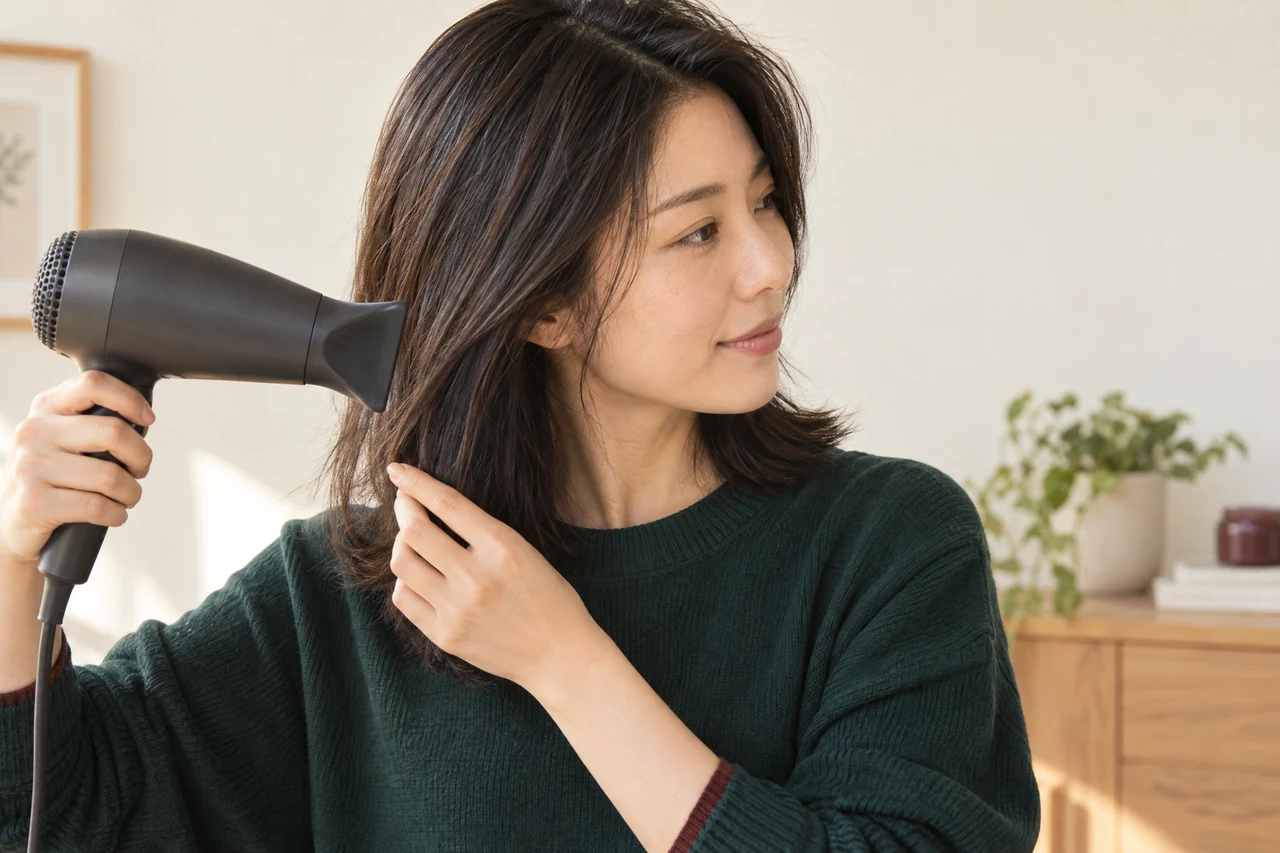
Be honest about your usual morning. Air-drying, directing a fringe with a dryer and recreating a fully brushed salon finish require different effort. The AAD advises limiting excessive heat and using low or medium settings with a heat-protection product. For daily-life guides, include the glasses you wear, your normal hair tie and any helmet requirement. A practical length boundary might be keeping the back easy to secure for exercise, even when a shorter reference picture initially appeals.

Prices, booking and travel
Price-comparison and visit articles explain which information to collect before agreeing an appointment. The salon receives clients in Sheung Wan only; neighbouring districts are departure areas, not branches. Confirm the intended work, total quote, spoken language and appointment details directly instead of inferring acceptance from a search result.
Compare included work before comparing the headline amount. The published men's wash, cut and blow dry price is HK$380. That is a named menu entry, not a quote for adding colour, a perm or an unlisted procedure. When considering combined work, ask which published entry or package applies and what additions remain outside it. Budget for the service you actually intend to receive, rather than the least expensive related name.
Check the hair salon price list for published entries, then confirm the amount for your agreed scope.
Visit guides are especially useful when you are fitting an appointment around work or travel. State any firm time by which you must leave and ask whether the proposed work can fit. Do not build a tight onward journey around a general article's timing discussion. The appointment address is 252 Hollywood Road, Sheung Wan, Hong Kong; confirm your date and arrival arrangements before setting off.
Use book a hair appointment to send the intended work and possible dates; wait for confirmation before travelling.
Prepare a clear enquiry before leaving
Ask about spoken consultation arrangements if English is important to you; English website text does not settle that question. For colour, raise product-safety preparation before choosing a date. The FDA's hair-dye safety advice says to follow package directions and warnings, and recommends a patch test each time before dyeing, including in salons. Discuss the applicable instructions and disclose previous reactions rather than treating an earlier uneventful colour visit as clearance for a new product.
From an article to the relevant service
An article explains a decision; a service page describes the scope you can enquire about. Follow the relevant service link when you have identified your priority, and use the price information for published entries. Specific products, methods, supply and date arrangements still need confirmation where the menu does not establish them.
After reading, write the intended outcome in plain language. Keeping the overall length while changing face-framing pieces is clearer than asking for a complete transformation. Softening the contrast between roots and lengths is more useful than sending a colour name alone. Include the area to change and the area to preserve, then let the consultation address what is feasible on your starting hair.
Explore hair salon services to compare the wider scope before choosing a service enquiry.
The extensions, wigs and hairpieces group provides a separate route when the priority is added length or coverage. Construction, fitting and maintenance questions matter alongside the appearance. Styling, weddings and events guides instead help you plan a finish around clothing, accessories and movement. Reading about an option is useful preparation, but does not establish that a particular item, method or date is available.
Check the actual scope and conditions
Keep the finished look and the procedure distinct. A smooth photograph might show temporary styling rather than a straightening service; visible curls do not by themselves identify a perm method. Ask what work is proposed, what it includes and which home steps maintain the intended appearance. If your preference depends on an unconfirmed method or product, resolve that point before agreeing to proceed, rather than filling the gap from a guide about a similar name.
Read a reference image without assuming the process
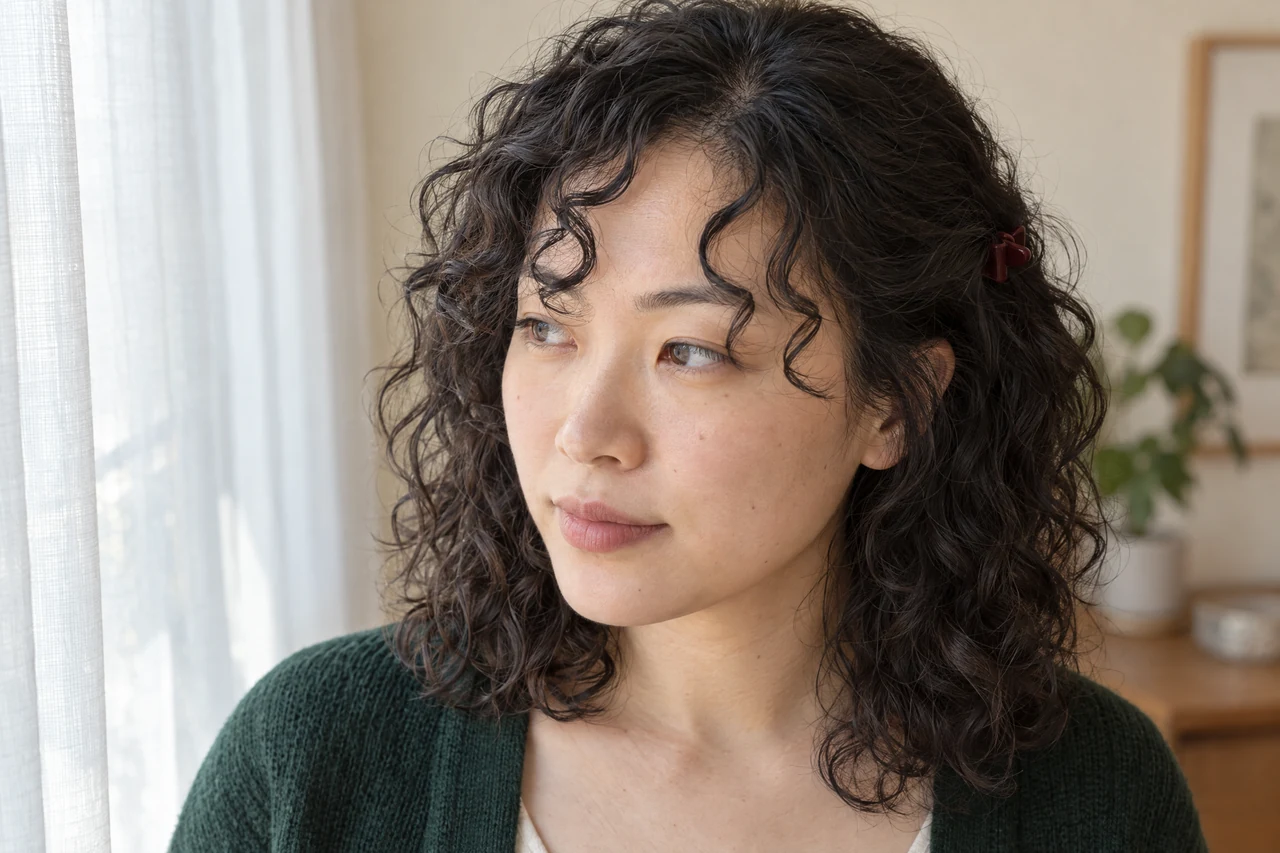
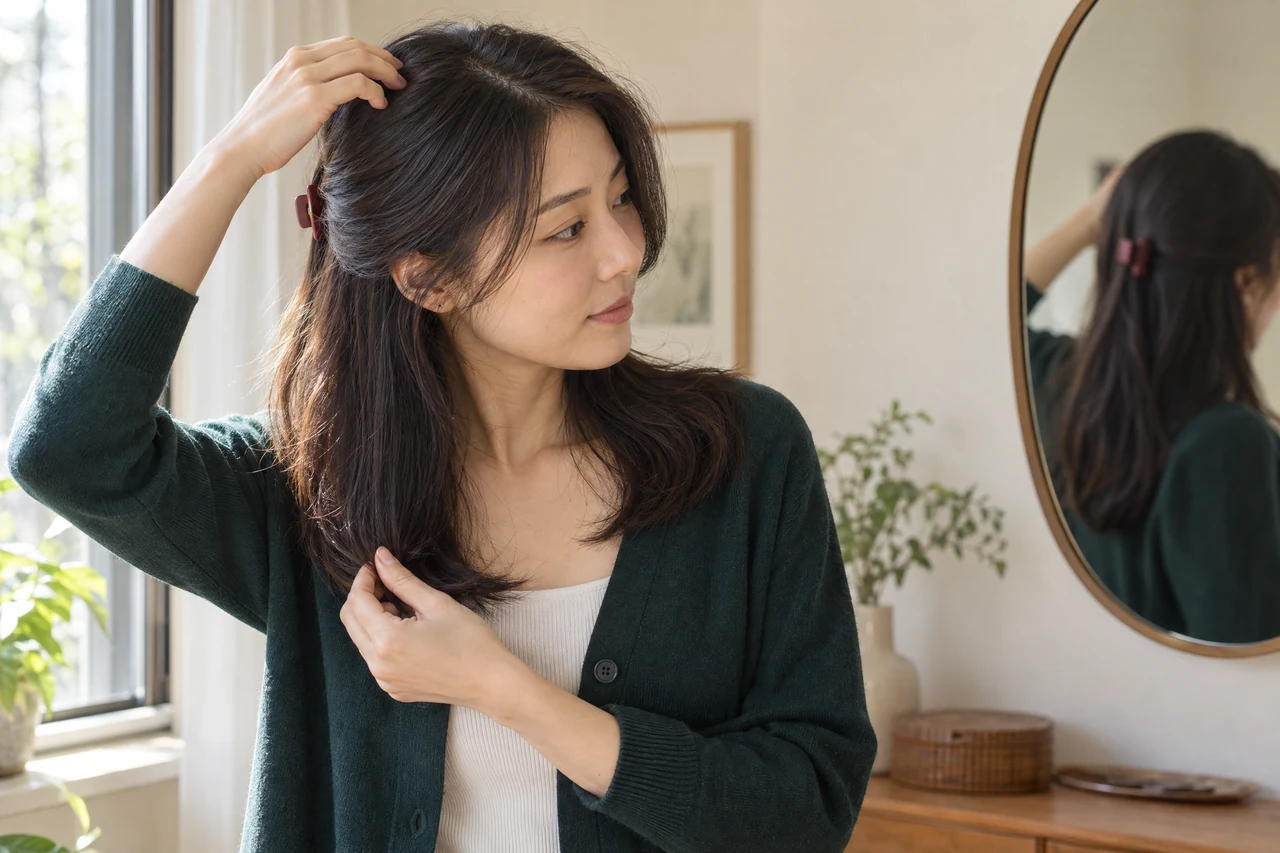
Use the illustrations to identify visible details: the end line of a bob, the shortest face-framing piece or where a curly fringe rests after drying. The images here are concept illustrations, not client results. They help name a preference but cannot demonstrate what will happen on your hair or show the product and process behind an appearance.
When choosing haircut reference photos, look for a comparable length and a view that reveals the detail you mean. Say whether you like the fringe, side coverage or back outline. Also point out any part you do not want; an attractive whole picture can otherwise conceal a length change you would find impractical.

Turn your reading into a focused enquiry
You do not need to read every group before contacting the salon. Pick the guide closest to your main question, then a related comparison if the choice is still unclear. Use the table below to identify what information is missing. Your aim is a better discussion, not to arrive with a technical procedure already decided.
Bring together a short description of your current hair, your preferred change and your everyday constraints. If you are growing out a cut, state the length goal explicitly. If you are unsure between colour options, explain the contrast or warmth you want to change. A focused enquiry gives the consultation something concrete to assess while leaving room to choose an appropriate scope.
Choose a reading route by the question still unresolved
| Your main question | Start with this topic group | Detail to take into the enquiry |
|---|---|---|
| Change the outline without losing useful length | Haircut shapes and growing-out guides | Shortest acceptable fringe, side pieces and back length |
| Change shade or reduce visible root contrast | Colour, grey hair and correction guides | Previous dye history and the areas to change |
| Add movement or control a section | Perm, side-control and straightening comparisons | Desired dry shape and previously treated areas |
| Make washing and styling easier | Conditioning and daily-life guides | When the difficulty occurs and your actual home routine |
| Plan an event finish or added length | Styling, extensions and hairpiece guides | Outfit, accessories, fitting needs and maintenance expectations |
| Decide whether a visit fits your plans | Prices, appointments and Sheung Wan visit guides | Agreed inclusions, budget, consultation language and departure deadline |
Your preparation checklist
- Describe the main change you want and one feature you need to preserve, such as ponytail length or ear coverage.
- Record previous colour, bleach, perm or straightening work, including home products and any known reactions.
- Choose reference views that show the relevant detail, and explain what you like rather than relying on the style name.
- Note your normal drying method, glasses, headwear, exercise routine and any upcoming travel or event.
- Check the published service and price information, then ask for the scope, inclusions and total quote for your enquiry.
- Confirm spoken consultation arrangements, the appointment details and the Sheung Wan address before travelling.
Frequently asked questions
Does English website text confirm spoken English reception?
No. Ask about spoken consultation arrangements before confirming the visit.
Does a service or guide link reserve an appointment?
No. A message or page link is not a reservation. Confirm the service scope and appointment details directly.
Is there a salon branch in Central or Sai Ying Pun?
No additional branch is established here. The appointment location is 252 Hollywood Road, Sheung Wan, Hong Kong.
Bring a clearer hair question to your consultation
Tell Vit So what you want to change, what you need to keep and which guide helped you describe it. Include your hair history and possible dates so you can discuss the relevant service scope and quote. Sending an enquiry does not confirm a booking; wait for the appointment details before travelling.
Start your WhatsApp enquirySources & further reading
- Tips for healthy hair
Hair-type-specific washing, scalp-focused shampoo application, conditioner, gentle detangling and reducing excessive styling heat.
- Cosmetics Safety Q&A: Hair Dyes
Following hair dye directions and warnings, patch-test preparation each time and discussing previous reactions before colouring.



