







Straightening treatment vs blow dry: start with the occasion
For a single occasion, a temporary finish may let you try a straighter look without deliberately changing the lengths' lasting shape. It can still change with washing, moisture and everyday wear. If the concern returns after every wash, discuss the daily problem separately rather than treating a chemical process as the automatic answer to one styled appearance.
Start by describing when you need the hair to look different. For a presentation, dinner or portrait session, the goal might be a neat parting and straighter lengths only while you are there. You may still enjoy wearing waves on other days. A temporary appointment keeps those preferences separate: wanting a polished appearance for an event does not necessarily mean wanting to change your normal wash-day shape.
Be precise about what 'straight' means to you. A smooth outline with lifted roots and softly curved ends is different from a very flat, sharply straight finish. Bring a reference that shows the parting and ends, not just the shine. Mention whether you will tuck the hair behind your ears or tie it back, because a pleasing loose style also needs to work with your actual plans.
Review blow dry to check its service scope and the details to share before arranging the related work.
Use straightening treatment vs blow dry to separate short and longer goals
Ask yourself whether you would still want straighter lengths if the event were cancelled. If not, explore temporary styling first. If you keep brushing out the same waves after each wash and no longer want that routine, arrange a separate conversation about shape change. Neither answer requires choosing the most intensive procedure; the useful choice is the one that matches how often you want the difference.

A blow dry does not permanently reshape new growth
A blow dry uses drying and styling to set a temporary shape. Washing generally removes that set, and humidity can alter it sooner. A lasting straightening process has a different purpose and brings compatibility and aftercare questions. Neither option means future hair will grow in a different texture, and neither promises the same finish without any styling.
The dermatology review Hair Cosmetics: An Overview explains how water affects hydrogen bonds in hair during a regular blow-dry and distinguishes that reshaping from chemical straightening. In practical terms, a styled set is not a new natural texture. Washing and restyling belong to the temporary option; chemical straightening raises a different question about what has changed in the treated lengths.
Reversibility needs careful wording. A blow-dried shape is temporary, but heat damage is not simply washed away. A lasting chemical process is not something to plan on undoing with the next shampoo. Some smoothing effects may fade, while permanently reshaped lengths can remain different from new growth. Ask which description applies to the proposed service rather than assuming every treatment sold as smoothing behaves alike.
Review hair straightening to check its service scope and the details to share before arranging the related work.
Understand what changes again after washing
Compare the finished appointment look with the expected result after an ordinary home wash and the recommended drying method. Ask whether the roots will need direction, whether the ends will need a brush and how new growth may contrast with the treated area. The salon finish is useful for agreeing on an outline, but it is not a demonstration of hair that has received no styling.
Reducing daily drying work needs realistic expectations
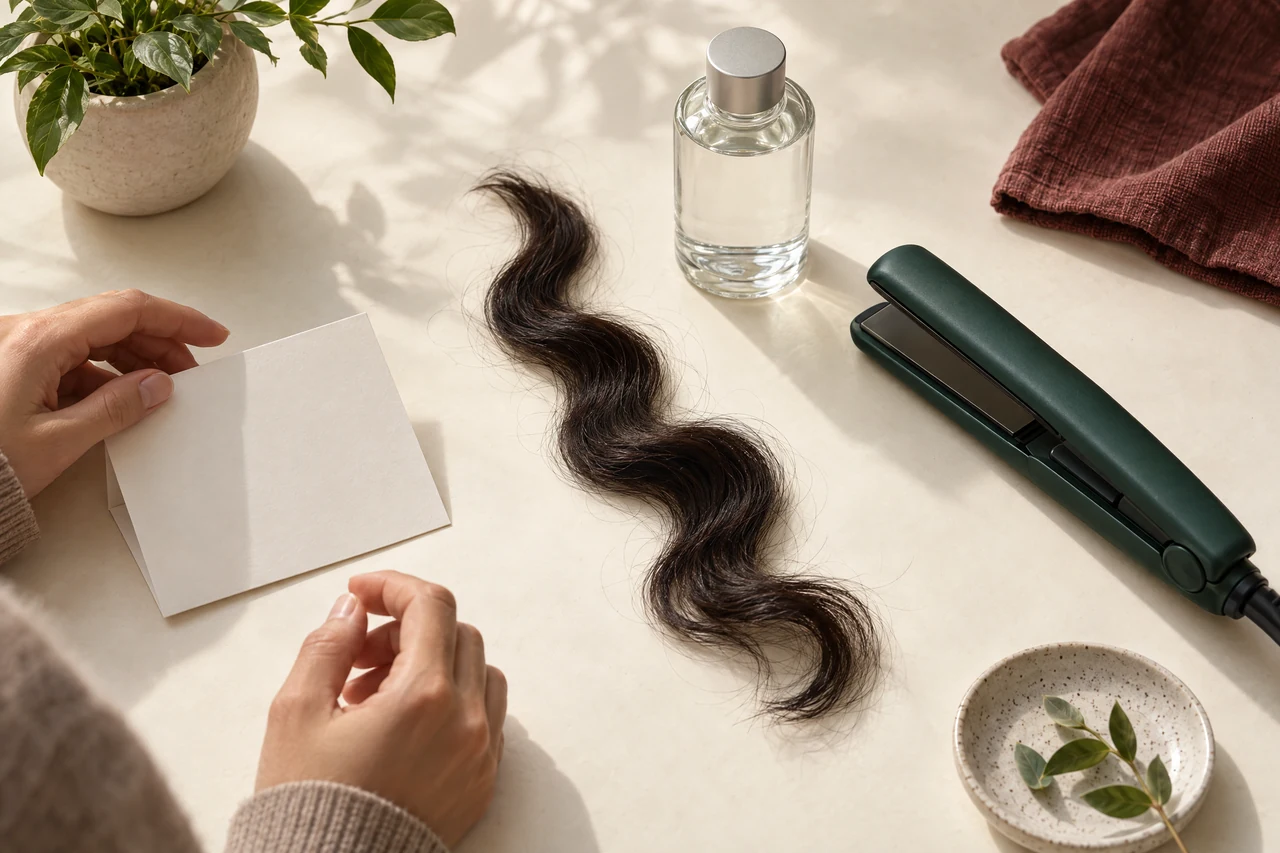
If you are considering a smoothing treatment to reduce blow dry time, describe whether detangling, drying or brush work takes the most effort. A change in manageability may not remove every step needed for your preferred finish. Ask what drying and tools would still be expected with the actual procedure; there is no fixed time-saving promise here.
Separate removing water from shaping the hair. Straighter lengths do not mean you can skip drying whenever you need dry hair before leaving home. Your preferred root lift or inward bend at the ends may still require direction. If most of your effort is spent repeatedly brushing a particular area, show that area. If the difficulty is tangling or fragile ends, do not assume a stronger shape change addresses the problem.
The American Academy of Dermatology's styling advice recommends partial air drying before styling and reducing blow-drying frequency to help limit damage. It also advises using flat irons on dry hair at low or medium heat. This supports looking at repeated heat exposure, not promising that a chemical appointment will remove it. Discuss a manageable home method instead of relying on daily extra passes to chase a perfectly flat finish.
Continue with haircut for a busy lifestyle for that specific comparison and the preparation questions it raises.
Identify the part of your routine you want to change
Explain your acceptable everyday result as well as your ideal photograph. You might accept a slight wave if you can avoid elaborate brush work, or prefer to keep root fullness even if that means some finishing. Tell the stylist which tools you actually use and whether you are comfortable sectioning the back. A routine that depends on skills you do not practise is unlikely to feel simpler at home.
Compare care and quotes only after defining the goal
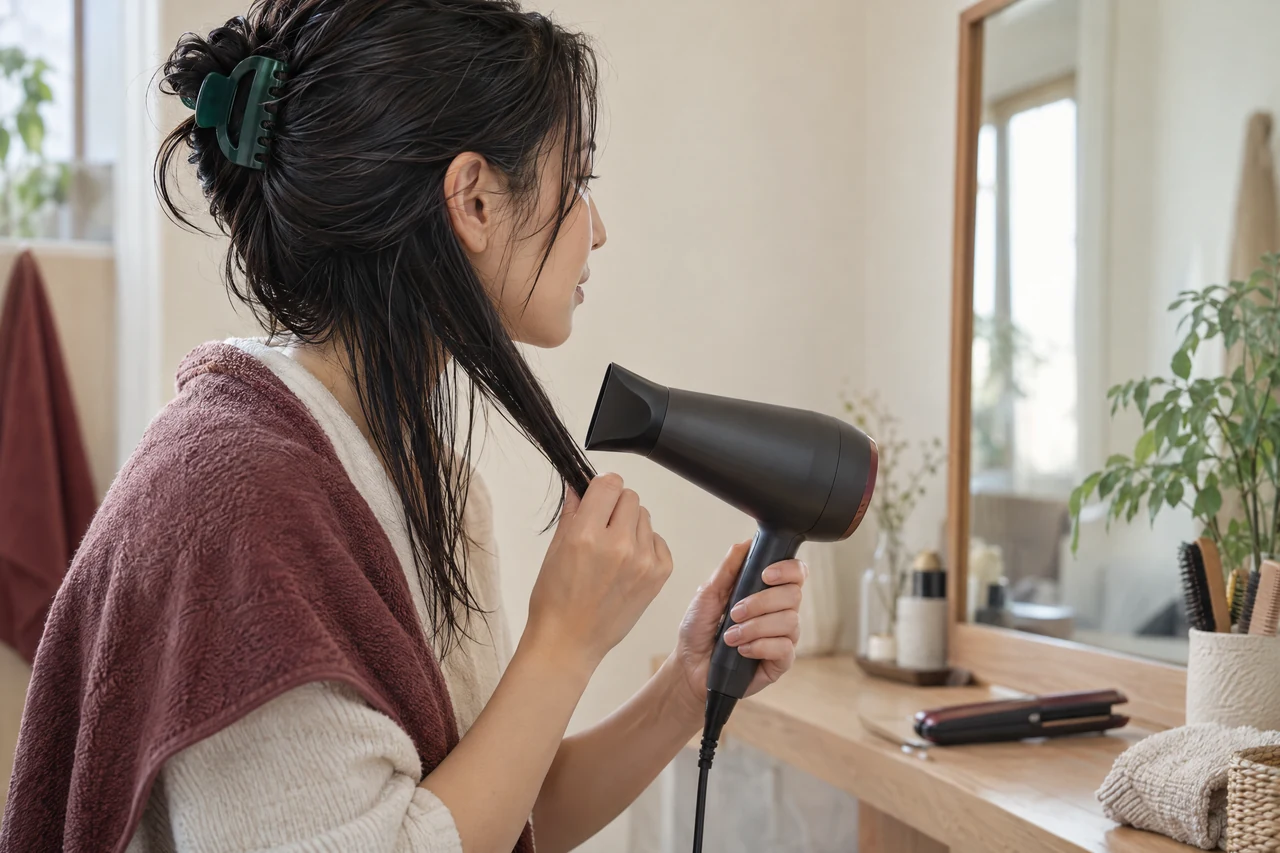
For temporary styling, discuss the finish, occasion and practical care. For a lasting shape change, add your complete chemical history and questions about washing, regrowth and later colour. Confirm what each appointment includes and its quote. Testing a straighter look can help you choose an outline, but it cannot establish suitability for a straightening procedure.
Share previous bleach, colour, perms and straightening, including home products and treatments whose names you cannot remember. Bring packaging or earlier appointment information when available. Hair can have different histories along its length even if the current colour looks uniform. Mention breakage or scalp discomfort before work starts; successful temporary styling does not demonstrate that those same lengths can tolerate chemical processing.
For a proposed smoothing product, the FDA's consumer guidance recommends asking about ingredients, the Safety Data Sheet and ventilation. It notes that not all smoothing products contain formaldehyde, so the actual product matters. Ask what will be applied and how heat is involved. If irritation occurs, alert the stylist and stop the process rather than accepting discomfort as evidence that it is working.
The confirmed wash-and-blow-dry price is HK$240, while Ionic Straightening is listed at HK$1,600. These are different service entries, not interchangeable packages. Confirm the agreed finish, whether a cut or other work is included and whether a length surcharge applies before comparing the total spend.
Discuss hair straightening aftercare before choosing a treatment date, especially if washing, tying the hair or future colour appointments are already part of your plans.
Temporary styling and chemical work need different questions
For a blow dry, ask about the requested finish and any additional styling work. For straightening, ask about compatibility assessment, treated areas and product-specific instructions after leaving. Do not import a washing interval from a different procedure. Keep the enquiry practical: what is included, what remains to be decided after assessment, and what home care would your chosen result require?

Fit a temporary finish into the day
For an event, work backwards from when you need to be ready and ask what appointment timing is feasible. Describe the journey afterwards: a walk outdoors, headwear, exercise or a change of outfit may affect the set. If you plan to shower after the appointment, tell the stylist rather than expecting a temporary finish to survive wetting unchanged.
Ask how to keep the style comfortable during the occasion and what to do if the front changes. Avoid planning repeated high-heat touch-ups as the default solution. If your brief includes accessories, a pinned section or a more elaborate finish, clarify event hair styling rather than assuming it is all covered by a wash-and-blow-dry request. Appointment scope and availability should be agreed before you organise the rest of the day.
Allow the finish to match the conditions
Tell the stylist whether photographs are indoors or outdoors and whether keeping movement matters more than a very straight outline. A realistic event brief allows for how you will wear the hair, not only how it looks immediately in the mirror.
Keep a washed-hair record before committing
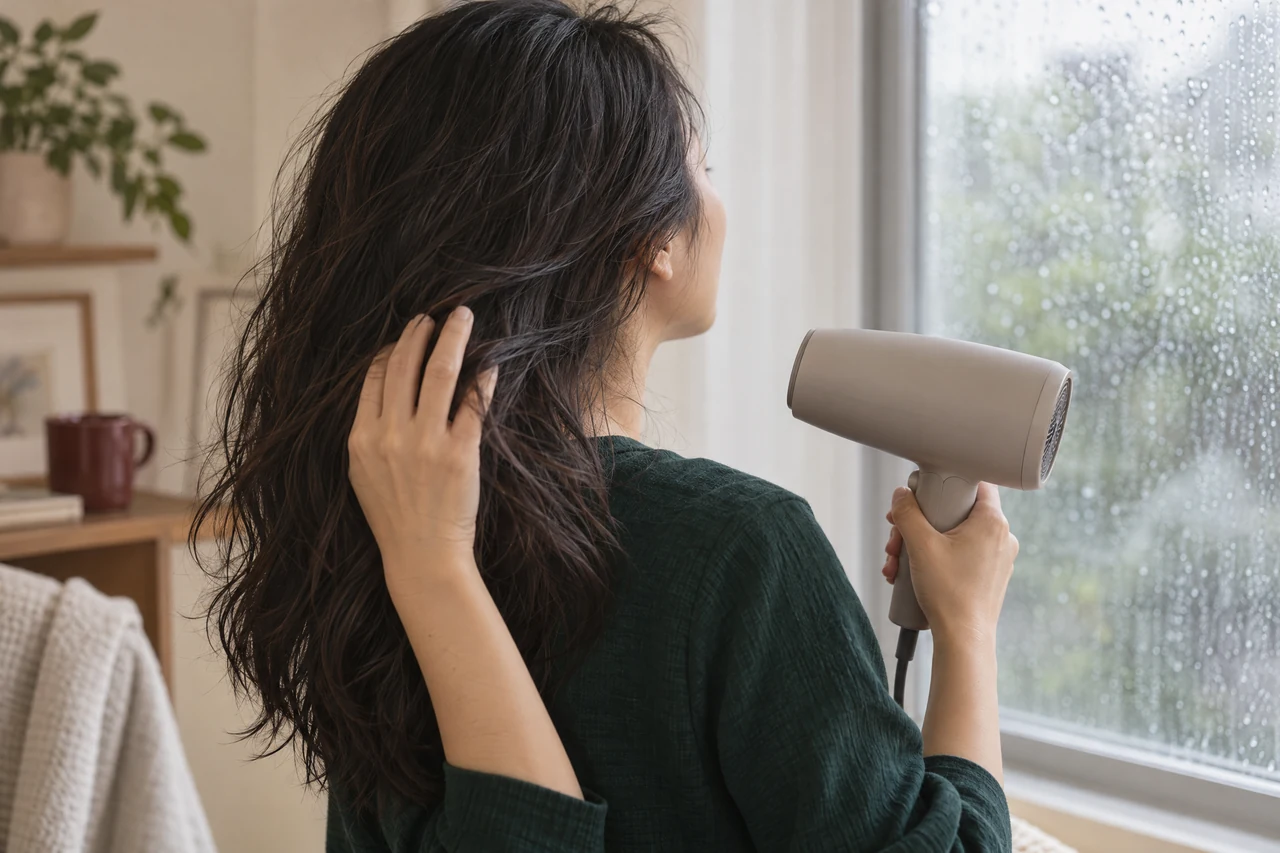
After trying a temporary straighter style, notice what you liked: the narrower sides, visible length or smoother ends. Then compare it with your ordinary washed hair using your usual drying method. Take clear photographs in similar light and note where the outline differs. This turns 'I want it like the salon' into a more useful description of the change you want to discuss.
Record the products and tools used rather than changing everything at once. Distinguish a shape you dislike from discomfort or increased breakage, which needs separate attention. You can enjoy occasional professional styling while postponing chemical work, or discuss a lasting change once your goal is clear. The comparison is not a race to commit; it is a way to make the next enquiry more specific.
Bring the everyday result as well as the reference
Show both the finish you enjoyed and the natural pattern you normally manage. Say what you want to preserve, particularly root lift or movement at the ends. Photos help communicate appearance; they do not replace an assessment of chemical suitability.

Compare a temporary straighter finish with a lasting shape-change consultation
| Decision point | Blow dry | Straightening procedure |
|---|---|---|
| Main goal | A styled finish for the occasion | A change to the treated hair's ongoing shape |
| After washing | The temporary set generally resets | Result depends on the actual procedure and drying method |
| Changing your mind | Future styling can use your natural pattern | Do not assume treated lengths revert with shampoo |
| Daily work | The look needs recreating when wanted | Some drying and finishing may still be needed |
| Information to share | Desired outline, plans and hair condition | Those details plus complete chemical history |
| Future growth | New hair retains its natural texture | New growth can differ from treated lengths |
| Quote to confirm | Wash, finish and any extra styling | Procedure, treated areas and any additional work |
Your preparation checklist
- Decide whether your goal is one occasion or a different everyday shape after washing.
- Bring a reference showing roots, sides and ends, plus a photograph of your normal washed hair.
- Identify the effort you want to reduce: detangling, drying or repeated brush work.
- List previous chemical services and home treatments, and mention breakage or scalp discomfort.
- Explain your event timing, travel, headwear and any plans to shower afterwards.
- Confirm the service scope, total quote and relevant care instructions before agreeing to the appointment.
Frequently asked questions
Can a blow dry show whether straightening will suit my hair?
It can help you judge the look of a straighter outline. It cannot establish whether the hair is compatible with a chemical process, or predict the exact washed result.
Will smoothing remove all daily drying work?
Not necessarily. Some drying or styling may still be needed for the finish you prefer. Ask about the actual procedure and identify the steps you most want to reduce.
Should I straighten my hair for one event?
Compare temporary styling first if the goal is limited to one occasion. A lasting process has different implications for your lengths and future care, so consider it as a separate decision.
Choose the right level of change for your plans
Tell Vit So in Sheung Wan whether you want a straighter finish for an occasion or less recurring shape work after washing. Share your current hair, treatment history and preferred outline so the service scope and quote can be discussed. An enquiry does not confirm a booking or same-day availability.
Start your WhatsApp enquirySources & further reading
- Hair styling without damage
Partial air drying, blow-drying frequency and cautious flat-iron use when comparing ongoing heat-styling work.
- Formaldehyde in Hair Smoothing Products: What You Should Know
Questions about actual smoothing-product ingredients, Safety Data Sheets, ventilation and reactions during processing.
- Hair Cosmetics: An Overview
Water and hydrogen bonds in temporary blow-dry reshaping, contrasted with chemical straightening and processed-hair considerations.



