







How to choose a hair treatment for fine hair by placement
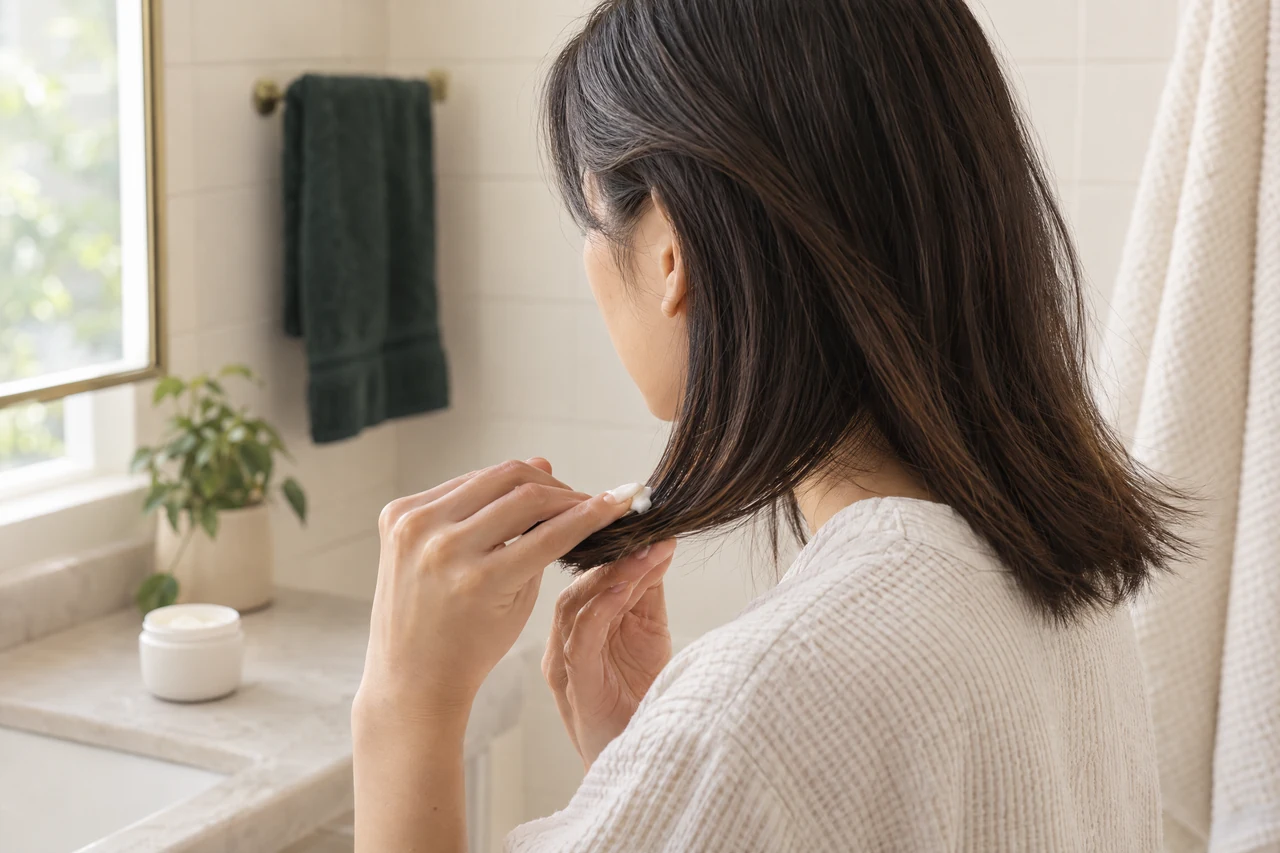
For fine hair with dry ends, separate the areas that need easier combing from those that feel heavy after washing. Check the product's directions and whether application focuses on lengths and ends. Dry tips do not automatically mean that more product belongs at the roots. A useful care goal is comfortable combing with natural movement, rather than a promise that conditioning will create more hair.
The American Academy of Dermatology's Tips for healthy hair recommends conditioner after washing. For fine or straight hair, it advises concentrating conditioner on the ends; for dry or curly hair, application may extend through the lengths. This is a useful starting point for placement, not a guarantee about the finish of a particular salon treatment.
Describe the difference between your crown and your ends before choosing a richer formula. Hair that falls flat around the parting but catches when you comb the tips has two distinct concerns. Ask where the proposed product will be used and which areas can be left alone. For shorter hair, the ends sit closer to the scalp, so discuss application carefully rather than following a long-hair demonstration without adapting it.
Review hair treatment to check its service scope and the details to share before arranging the related work.
How to choose a hair treatment for fine hair with dry ends
Make your priority specific: easier combing at the last part of the lengths, while keeping the upper sections free to move. Follow the product's stated application area, amount and rinsing instructions. Do not extend its contact time simply because the ends still feel dry. If the tips remain difficult to manage, tell the stylist whether they feel rough when dry, snag during washing or look visibly split. Those observations are more useful than asking for the strongest treatment available.
Compare the formula through your routine
A label such as light or intensive cannot predict every response. Note whether the hair feels softer, coated or difficult to style after your ordinary routine. Change one care step at a time and follow its directions. This makes the discussion more useful than comparing unrelated salon photographs or assuming a larger amount means better care.
First establish the product's role. In Dermatologists' top tips for using leave-in conditioner, the American Academy of Dermatology recommends a lighter leave-in formula for fine, straight hair and the smallest amount that does the job. It also advises application to the hair rather than the scalp. Rinse-off and leave-in products have different intended uses: do not turn a rinse-off conditioner into a leave-in by skipping the rinse.
If you are unsure whether your mask replaces another wash-day step, the hair mask vs conditioner comparison can help you clarify its role before layering products.
Separate a product decision from an amount decision. If you introduce a mask, an oil and a leave-in together, a softer but heavier finish will not tell you which addition made the difference. Keep the other steps familiar when practical, and record the change you actually made. A treatment should fit the routine you can maintain, not require an elaborate sequence you dislike using.
Review softness and weight after normal washing
Assess the hair once it is dry in your usual style, not only while it feels slippery during rinsing. Look at whether the ends separate naturally, whether your fringe falls as expected and whether the hair feels coated when you touch it. Compare similar wash days where possible. A salon blow-dry and a hurried home dry are different conditions, so ask what you should look for after the next ordinary wash rather than judging care solely from the appointment finish.
Conditioning treatment for coarse hair
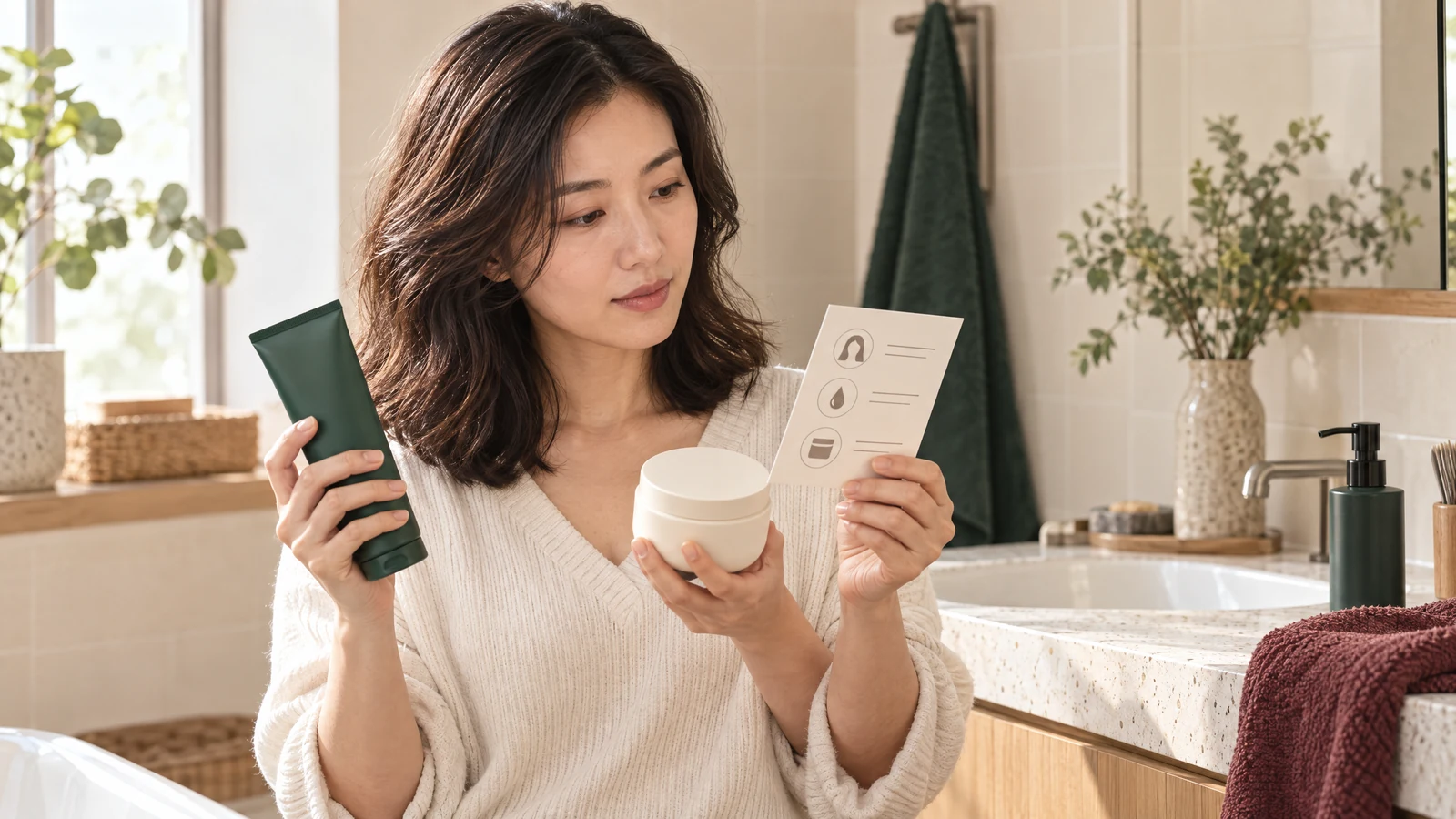
Conditioning treatment for coarse hair may focus on rough-feeling lengths and comfortable detangling, but coarse strands are not automatically undamaged or highly porous. Share chemical history and where the hair feels difficult to manage. Compare the proposed care with its directions and your response rather than assuming that every thick strand needs the richest available formula.
For coarse lengths, explain what better manageability means to you. You may want easier combing while retaining a natural wave, rather than a flatter or straighter silhouette. Ask whether the proposed service is ordinary conditioning or includes a process intended to alter shape. Softness and straightness are not interchangeable goals, and a thicker strand does not make every smoothing procedure the appropriate choice.
Continue with hair porosity and hair treatment for that specific comparison and the preparation questions it raises.
Thickness does not remove the need to check history
Explain where bleach, colour, perming or straightening has been applied, including older work that remains in the ends. Newer roots and repeatedly processed lengths should not be described as one uniform condition. If only the lower sections catch during combing, identify that boundary. If the whole length feels uncomfortable, say so. The consultation can then address the areas you actually struggle with, rather than treating coarse hair as a reason to apply the same rich product everywhere.
Keep strand thickness separate from density
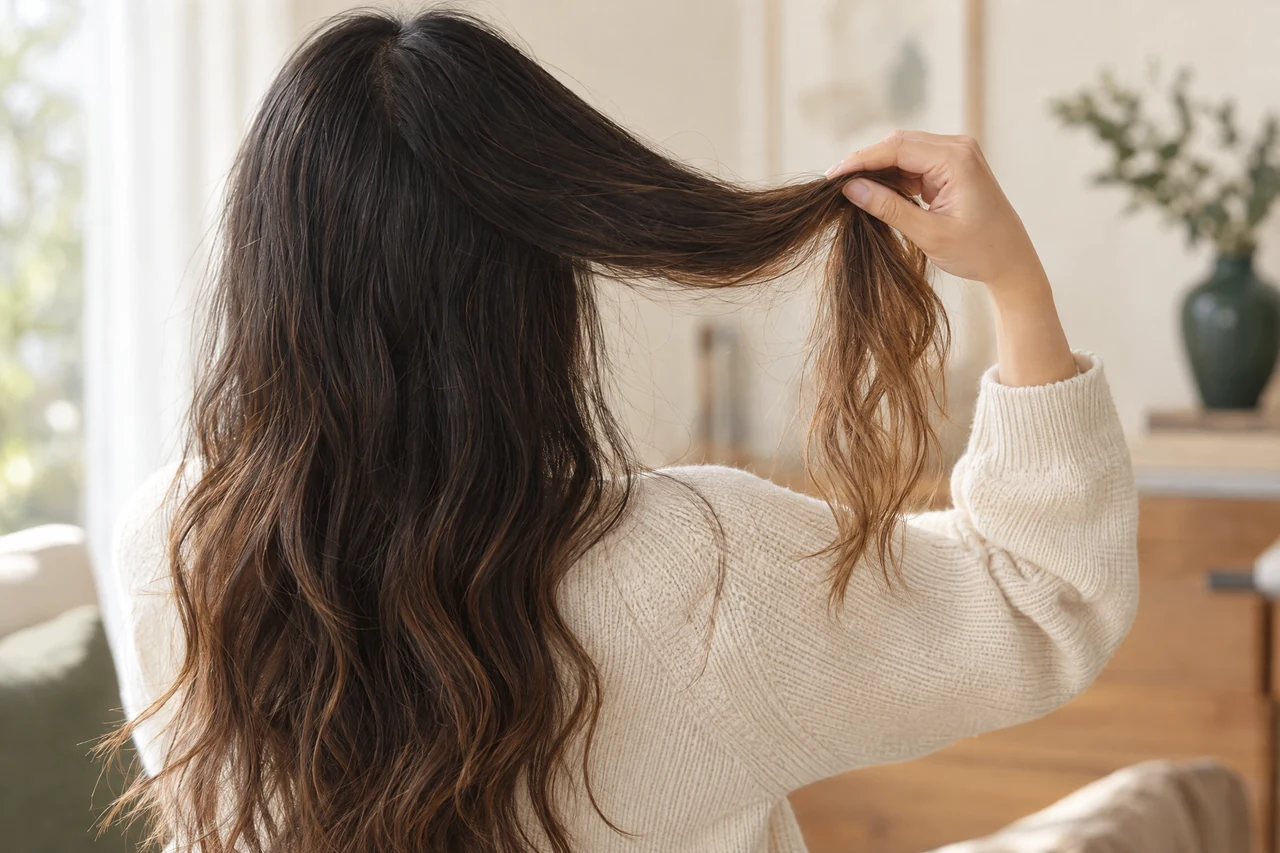
Fine describes the strand; density concerns how much hair is present. If your aim is a fuller-looking outline, discuss styling or cut choices separately from conditioning. Unexpected shedding, thinning or scalp symptoms should not be treated as a product-weight problem. Seek qualified medical advice for concerns that fall outside cosmetic care.
Use the distinction in fine hair vs thin hair to describe whether you mean delicate individual strands or a less dense overall appearance. Plenty of fine strands can still need careful conditioning placement. Equally, coarse strands do not establish how densely hair covers the head. Neither description, on its own, tells you how much product to use.
Review volumising hair styling to check its service scope and the details to share before arranging the related work.
Care weight is not a hair-growth solution
A less coated finish can be a useful cosmetic preference without being evidence of increased density. Keep the question practical: can the ends feel more comfortable while the outline still looks like your usual hair? If fuller-looking shape is also a priority, ask about the cut and styling separately. This avoids expecting a conditioning appointment to do a different job.

Check the balance through an ordinary day
Choose a realistic test of the finish. If you usually leave your hair loose for the journey to work and tie it back later, notice both situations. Ask whether the ends are easier to separate when you release the tie and whether the upper sections still feel light. You do not need a perfect photograph; a short note about comfort and handling is enough.
Avoid turning every later change into a verdict on the conditioner. Record whether you wore a hat, exercised or added styling products that day. These details help explain why a comparison may not be like for like. Judge the result against your starting priority: less resistance at the ends with an acceptable feel above them, rather than maximum gloss at any cost.
Bring observations rather than a product verdict
If the hair feels soft but too coated, say where that sensation begins and which steps you used. If it feels light but the ends still snag, describe the snagging without forcing a comb through it to demonstrate. A useful follow-up question is whether to review placement, amount or the product's role first. That is more focused than immediately replacing the entire routine.
Prepare a focused treatment enquiry in Sheung Wan
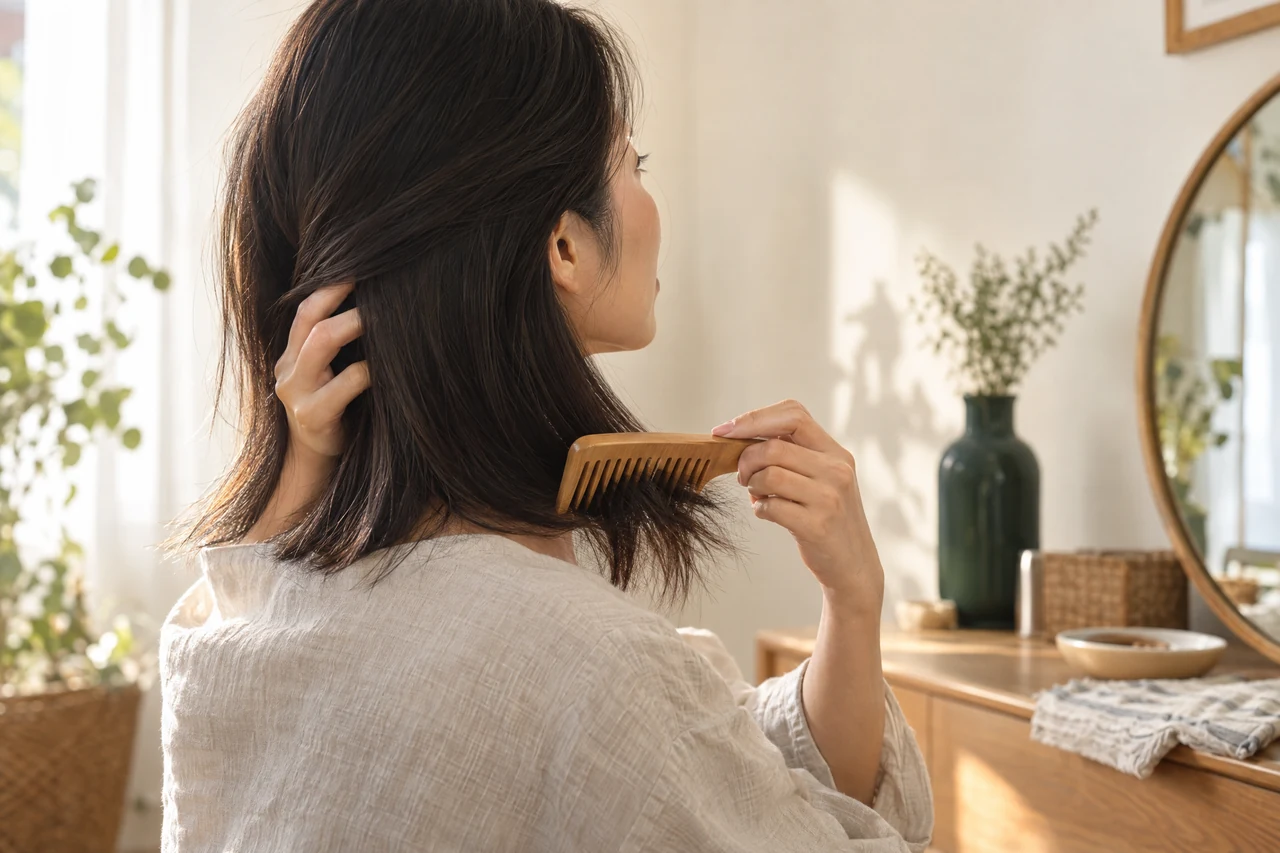
Before contacting Vit So at 252 Hollywood Road, Sheung Wan, gather the names or clear label photographs of your current conditioner, mask and leave-in products. Include the directions, not just the front label. Mention your retained length, chemical history and the area you want to feel softer. Explain whether keeping natural movement or a wave pattern matters more to you than a sleek finish.
The listed price for moisturising treatment is HK$1,500. Use it as a budget reference, not as proof that this is the right formula for fine or coarse hair. Confirm the proposed service, what is included and any applicable length charge before agreeing to the appointment. Ask how its aftercare fits with the products you already own.
Agree on the care goal before the appointment
A clear enquiry can be simple: you want easier combing at the ends without a heavier feel at the roots, or more comfortable handling through coarse lengths while keeping the existing shape. Ask what observations would prompt a follow-up after washing at home. Confirm availability and the service details directly; sending an enquiry does not reserve a time.

Fine and coarse hair: compare the care area and the finish you want, not just strand thickness
| Starting concern | Care decision to discuss | What to review at home |
|---|---|---|
| Fine strands with dry ends and easily flattened roots | End-focused application following product directions | Easier end combing without a coated upper section |
| Fine hair that feels heavy after several care steps | Clarify each product's role before adding another layer | Softness and movement after a familiar wash and dry |
| Coarse lengths that feel rough or catch | Discuss the difficult areas and chemical history before choosing richness | Comfortable handling while retaining the preferred wave or outline |
| Different textures at newer roots and processed ends | Describe the sections separately instead of treating all hair alike | Where improvement is noticeable and where resistance remains |
| A fuller-looking silhouette is the main goal | Separate cut and styling choices from conditioning weight | The everyday outline, without treating it as new hair growth |
Your preparation checklist
- Identify whether the main difficulty is at the roots, mid-lengths or ends; avoid describing every area as dry.
- Bring product names and directions so rinse-off, mask and leave-in steps can be distinguished.
- List previous bleach, colour, perming and straightening, including older work still present in the ends.
- State what you want to retain: light roots, natural movement, a wave pattern or comfortable length.
- Describe the finish after your normal wash, including which care and styling products you used.
- Confirm the proposed service, price and aftercare before agreeing to an appointment.
Frequently asked questions
Should fine hair avoid conditioner entirely?
Not automatically. Review the directions, application area and how your lengths respond. Dry ends and root heaviness may need different attention rather than removing every conditioning step.
Does coarse hair always need a richer mask?
No. Thickness, chemical history, porosity and product response are different factors. Compare the actual formula and use rather than relying only on strand thickness.
Can conditioning increase the number of hairs?
Cosmetic conditioning is not a hair-growth treatment. If you want a fuller-looking style, discuss visual styling; unexplained thinning needs qualified medical advice.
Discuss softer ends without an unwanted heavy finish
Contact Vit So in Sheung Wan with your current care products, chemical history and the areas that feel difficult to manage. Explain the movement or natural shape you want to retain, then ask about an appropriate service and its aftercare. Availability, suitability and pricing need confirmation; your enquiry is not a confirmed booking.
Start your WhatsApp enquirySources & further reading
- Tips for healthy hair
American Academy of Dermatology guidance on conditioner after washing and different application areas for fine or straight hair and dry or curly hair.
- Dermatologists' top tips for using leave-in conditioner
American Academy of Dermatology guidance on lighter leave-in products for fine, straight hair, using the smallest effective amount, applying to hair rather than the scalp and distinguishing leave-in from rinse-off conditioner.



