







Hair care for colour-treated hair begins with the lengths
Hair treatment for coloured hair can be discussed in terms of slip, softness and how the ends behave when you comb. Explain where the roughness occurs and whether those areas were coloured repeatedly or previously bleached. The aim of conditioning is not the same as refreshing a shade, covering roots or correcting an unwanted tone.
A useful starting point is to compare the roots, middle lengths and ends after your usual wash. Do the ends catch on a comb while the roots remain comfortable? Is one side harder to separate, perhaps where it rests against clothing? Describe the location and moment of difficulty rather than labelling your entire head as dry. That gives a care discussion a practical target.
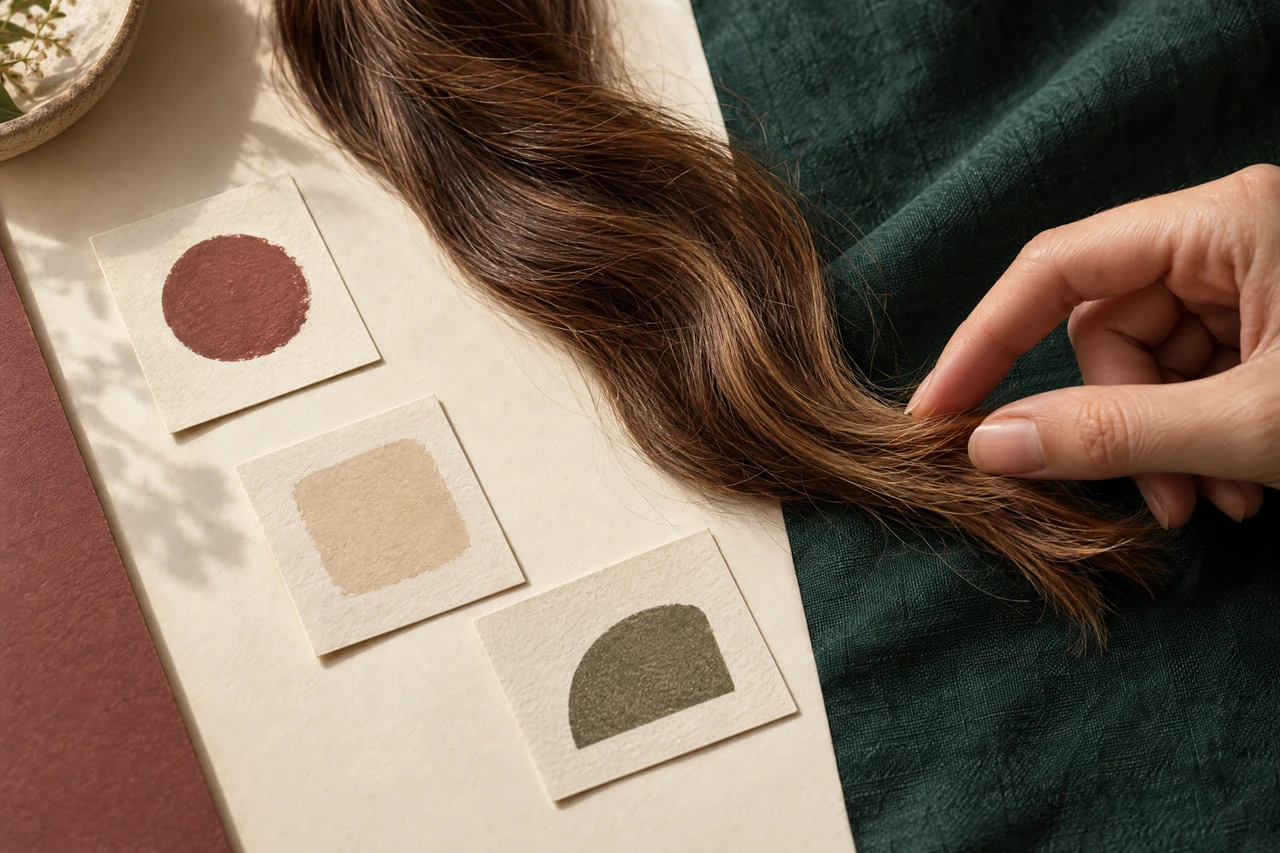
Hair that now looks uniformly brown may still have different histories underneath. Newly coloured roots and older lengths are not automatically the same starting point. Tell the stylist about earlier lightening, home colour and straightening, even if the current shade hides those changes. If old bleached lengths remain, the separate guide to hair care after bleaching addresses that history rather than treating it as ordinary non-bleach colour care.
Review hair treatment to check its service scope and the details to share before arranging the related work.
Define the goal of hair care for colour-treated hair
Choose an outcome you can recognise at home: easier separation after washing, ends that feel less rough, or less effort when preparing a loose everyday style. Softness should still suit your preferred movement. Fine hair may feel smooth yet look too flat with a heavy application. If packaging uses the American spelling hair treatment for colored hair, look beyond the spelling to its actual purpose and directions; the label alone does not establish suitability.

Coordinate care with the colour service
Can I get a hair treatment after colouring? Ask about the specific colour service and proposed care, including their directions and suitability for your lengths. Some care steps may fit the agreed visit, while others need separate discussion. Do not assume that every mask or procedure can be combined or that one waiting period suits all products.
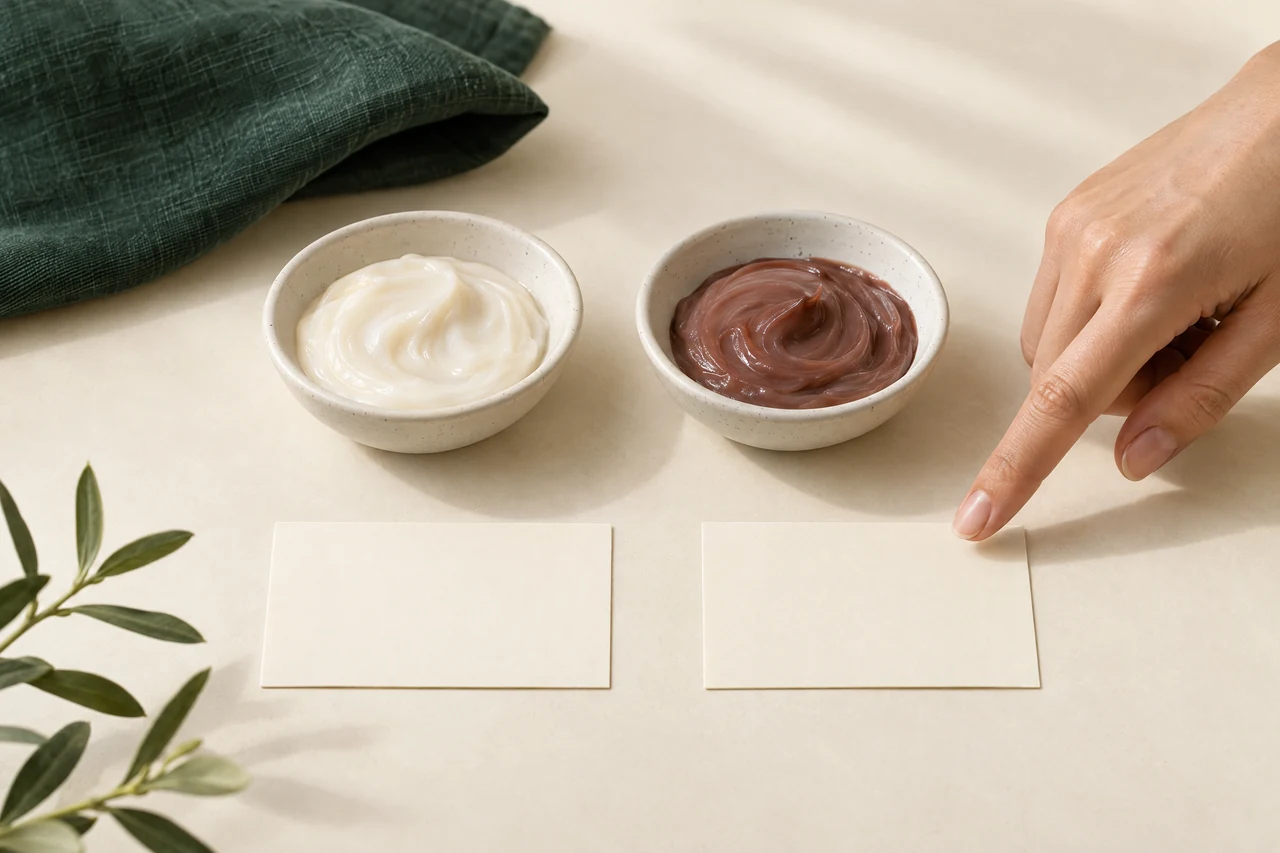
Before the appointment, name the care you are considering. A rinse-out conditioner, a pigment-containing mask and a procedure intended to change the hair's shape are different requests. Ask whether the step is purely conditioning, whether it deposits colour, and whether it involves further chemical processing or heat. This is more informative than asking for any treatment that sounds protective.
Review hair colour to check its service scope and the details to share before arranging the related work.
Keep your budget equally specific. The confirmed price for moisture treatment is HK$1,500. This is a listed care item, not evidence that it is the right addition to every colour appointment or that it is included in a colour quote. Ask what the proposed visit includes and whether any length surcharge applies before agreeing to the work. A pre-colour protection step and later conditioning should not be assumed to be interchangeable.
Ask about compatibility rather than guessing a waiting period
Bring the product name or a clear photograph of its directions if you want to use a familiar mask afterwards. Ask when washing should resume for your actual colour service and whether that mask belongs in the next wash. Searching 'can I get a hair treatment after coloring' does not establish a shared timetable for every formula. If you have another chemical service planned, mention it before combining appointments rather than fitting care around an already fixed sequence.
Review washing and everyday handling
Use the washing and conditioning instructions supplied for your service and products. Handle tangles gently and reduce avoidable friction on the ends. If you change several products at once, it becomes harder to tell which step affects weight or roughness. Review one change at a time rather than treating every dry-feeling section with an increasingly complicated routine.
The American Academy of Dermatology's healthy hair tips recommend washing according to how dirty or oily hair becomes, concentrating shampoo on the scalp, and conditioning after washing. These are general handling principles, not a first-wash timetable for your particular dye. Once the service directions allow washing, avoid rubbing the ends together simply because they feel rough.
Match conditioner placement to the hair you have. The AAD suggests focusing conditioner on the ends for fine or straight hair, while dry or curly hair may need it through the lengths. A greasy-feeling root area does not mean every coloured end should go without conditioning. Equally, applying more cream everywhere may obscure whether your routine is helping the part that actually catches.
Rinse-off and leave-in products are not interchangeable. The AAD's leave-in conditioner guidance explains that they have different formulations and advises against leaving a rinse-off conditioner in as a substitute. It also notes that fine, straight hair benefits from lighter leave-in products. Check whether your chosen product is meant to be rinsed out instead of improvising an overnight treatment.
Follow the actual directions for your products
Read the application area, rinse instructions and recommended amount before adding a step. For hair care for color-treated hair, an imported label may also describe colour-depositing effects; do not assume that every coloured cream is only conditioning. Keep a simple note of the product and how your ends feel after drying. If the hair becomes coated or loses movement, review the amount and placement rather than adding another layer to chase softness.

Separate texture concerns from colour concerns
For roughness, note where hair catches and how it feels after an ordinary wash. For a shade concern, describe the colour change and provide photographs in comparable light. These are different questions even when they follow the same appointment. If the lengths are breaking, discuss that before considering another chemical colour change.
Photographs can show a darker band, but they cannot communicate combing resistance very well. Pair them with a short description: the lower lengths feel difficult to separate when damp, or the ends seem rough once fully dry. Avoid comparing a freshly styled salon photograph with a home photograph taken in very different lighting and treating every difference as a colour fault.
Continue with colour correction for that specific comparison and the preparation questions it raises.
If you notice repeated snapping, stop trying to prove strength by stretching or tugging at individual strands. Share what happens during ordinary handling and where it occurs. Persistent breakage or a concern about thinning deserves a qualified assessment, rather than repeated product experiments. Scalp pain, irritation or other ongoing symptoms are also different from dry-feeling ends and should not be treated as a request for richer conditioning.
Bring different observations for different goals
Keep separate notes for shade, handling and scalp comfort. You might be content with the colour but want an easier wash routine; alternatively, the hair may feel manageable while the shade needs review. Say which goal matters most before discussing the next service. That helps avoid buying conditioning for a tone problem or requesting another colour application when the immediate concern is fragile lengths.
Make detangling easier without forcing the ends
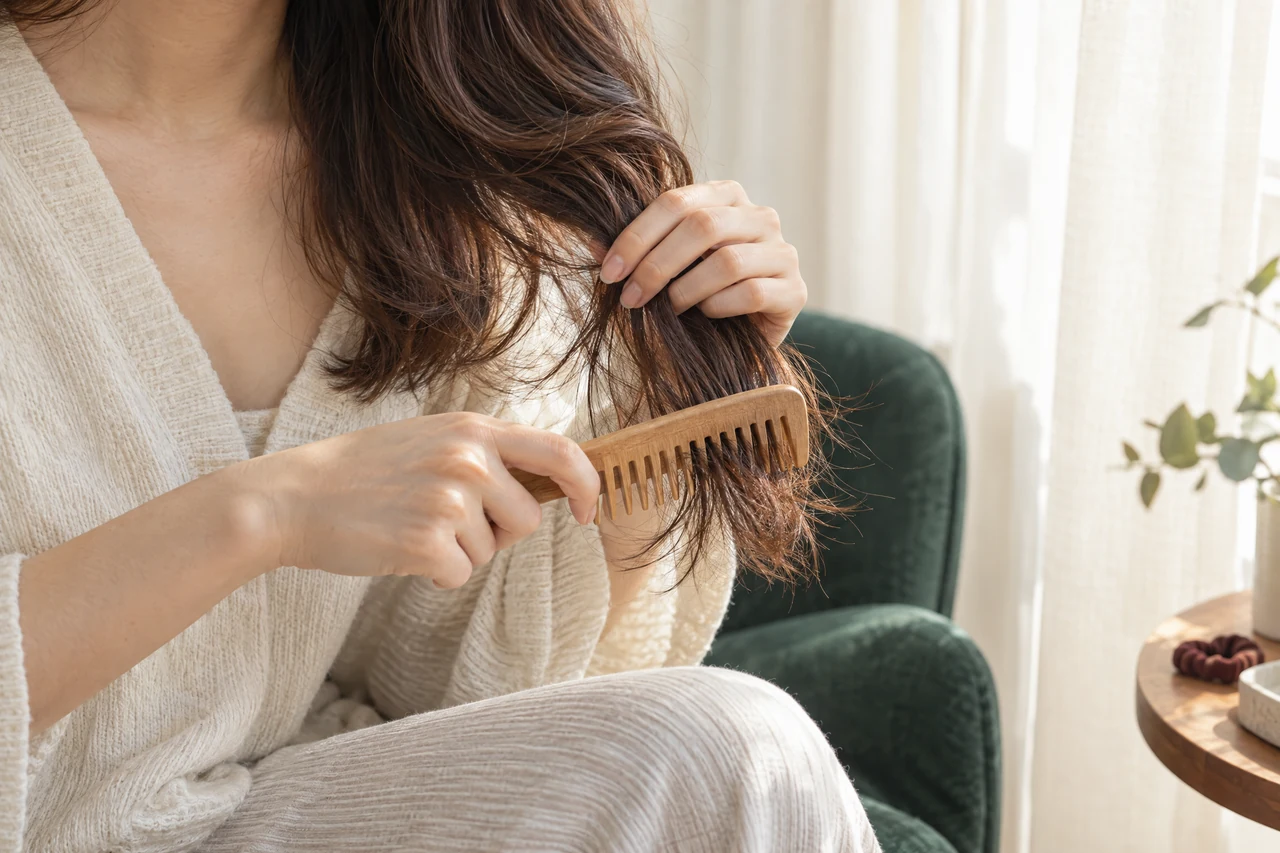
Start with a small section you can comfortably support. Locate the knot and loosen the ends below it before moving higher. Use slow movements with a wide-tooth comb instead of pulling from the roots through resistance. The AAD's healthy hair guidance recommends working from the ends upwards and being particularly gentle when hair is wet. The goal is less tugging, not a perfectly combed appearance at any cost.
Detangling timing should reflect texture. The same guidance suggests letting straight hair dry a little before combing, while thick curly hair can be combed in the shower before conditioner is rinsed away. If your coloured hair also has curls, hair treatment for dry curly hair explores that additional care goal. This page does not provide a timetable for a newly permed style.
For long coloured hair on a workday, notice whether tangles develop after a bag strap catches the ends or a collar repeatedly brushes them. Move the lengths out of that contact where practical. A loose arrangement that avoids pulling can be more comfortable than repeatedly brushing out the same knots during the day.
Absorb water rather than rubbing the lengths
After rinsing, use a towel or soft T-shirt to absorb moisture without scrubbing the hair back and forth. Keep the lengths together gently rather than twisting them tightly to remove every drop. This gives you a calmer starting point for detangling and drying, particularly when the ends already catch. If a knot will not release without force, pause instead of increasing the pull.
Choose a daily finish that does not depend on repeated high heat
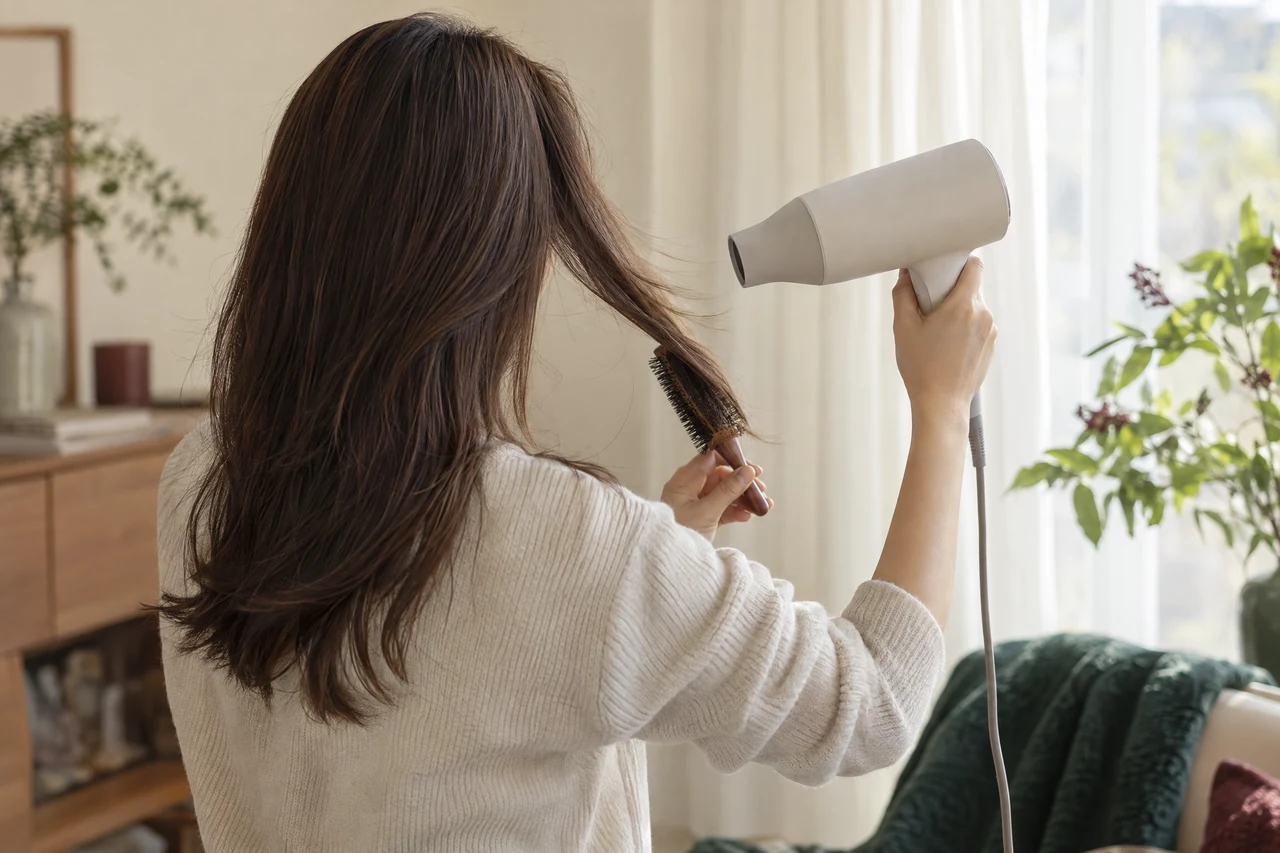
A smooth blow-dry can change how coloured hair looks and feels for the day, so review manageability after an ordinary home wash as well. Do the ends separate more comfortably before styling? Does the hair still move once the finish has settled? These observations are more useful for a care decision than shine alone, which is also affected by styling and lighting.
The AAD's advice on habits that damage hair recommends the lowest heat setting, less frequent hot-tool use and limited contact with the hair. Avoid repeatedly pressing or heating the same rough section in pursuit of a flawless surface. Letting hair air dry when practical can reduce reliance on tools; on busy mornings, ask for a manageable finish that does not require repeated passes over the ends.
Check heat protection instead of assuming every conditioner provides it
The AAD's leave-in guidance notes that only some leave-in conditioners provide heat protection and that this feature is identified on the packaging. A conditioning label alone is not a reason to increase the heat. For your next Sheung Wan enquiry, explain whether you air dry, blow-dry or use an iron regularly, so the care discussion fits the routine you actually intend to maintain.
Match the next step to what you notice in coloured hair
| Observation | Useful care discussion | Do not confuse it with |
|---|---|---|
| Ends catch after washing | Conditioner placement and gentle detangling | A need to change the shade |
| Roots feel coated but ends feel rough | Application amount and different hair zones | A reason to coat the whole head more heavily |
| A darker band appears in similar lighting | A colour assessment with photographs | A problem an ordinary mask will recolour evenly |
| Old bleached ends remain under brown colour | The full processing history and length condition | Non-bleach care based only on today's appearance |
| Lengths repeatedly snap during gentle handling | Assessment before further chemical services | A reason to test strength by pulling strands |
Your preparation checklist
- Identify the coloured areas that catch or feel rough, and say whether this happens while damp, fully dry or during styling.
- Record earlier bleaching, home colour, straightening or other chemical services, including the lengths that still contain that history.
- Bring the directions or product details for any mask or leave-in you want to combine with the colour service.
- Confirm first-wash instructions, the purpose of the proposed care, and whether it adds pigment or changes hair shape.
- Describe your usual drying routine and how much time you realistically want to spend managing the ends.
- Confirm the quoted care item, colour inclusions and any applicable surcharge before agreeing to the visit.
Frequently asked questions
Will conditioning fix an uneven colour?
Conditioning concerns manageability and feel. An uneven or unwanted shade needs a colour discussion; a care product is not a substitute for assessing colour correction.
Can I use my usual mask after colouring?
Check the directions for both the colour service and mask. Share the product details if you are unsure rather than assuming all masks have the same role or timing.
Should every coloured section get the same care?
Not necessarily. Newly coloured roots, older ends and previously bleached sections can behave differently. Describe the history and feel of each area before choosing care.
Plan care around your coloured lengths and everyday routine
Enquire with Vit So at 252 Hollywood Road, Sheung Wan, with your colour history, the areas that feel rough and any product you want to use afterwards. Discuss suitable care, timing and the quote before arranging the visit. An enquiry is not a confirmed booking.
Start your WhatsApp enquirySources & further reading
- Tips for healthy hair
General washing, conditioner placement and texture-specific gentle detangling advice.
- 10 hair care habits that can damage your hair
Avoiding towel rubbing, pulling during styling and avoidable hot-tool exposure.
- Dermatologists' top tips for using leave-in conditioner
Rinse-off versus leave-in formulations, lighter leave-in products for fine straight hair and checking packaging for heat protection.



