







Perm for fine hair: distinguish strand size from density
Fine strands and low density are not the same concern. Explain whether the goal is a less flat silhouette, clearer movement or a different end direction. The current strength and chemical history of each area matter more than a texture category alone. Adding curls is a cosmetic design choice, not a treatment for hair loss.
Start by locating the flatness that bothers you. Is the crown close to the scalp while the lengths already move, or does the entire outline feel narrow? Perhaps the ends separate into small pieces when you want a more continuous edge. These are different design requests. More curl through the ends may add visible movement without addressing the crown, so specify the area rather than asking for volume everywhere.
Discuss the end line as well as the curl. If you value a solid-looking perimeter, ask which lengths and layers need to remain. A softer outline may suit your preference, but removing weight and adding movement should be considered together. Bring a photograph of your ordinary dry hair, not only a styled reference, so the conversation starts with the shape you actually live with.
Review volumising hair styling to check its service scope and the details to share before arranging the related work.
What a perm for fine hair cannot establish from a label
Fine does not mean uniformly fragile, and it does not tell a stylist whether your ends have been bleached or straightened. Mention areas that tangle easily, feel rough or have started breaking rather than testing their strength by pulling. If the real concern is new shedding or a changing parting, separate that concern from curl design and seek appropriate medical advice. A cosmetic shape discussion cannot establish the cause of hair loss.
Thick hair needs a discussion of weight and preparation
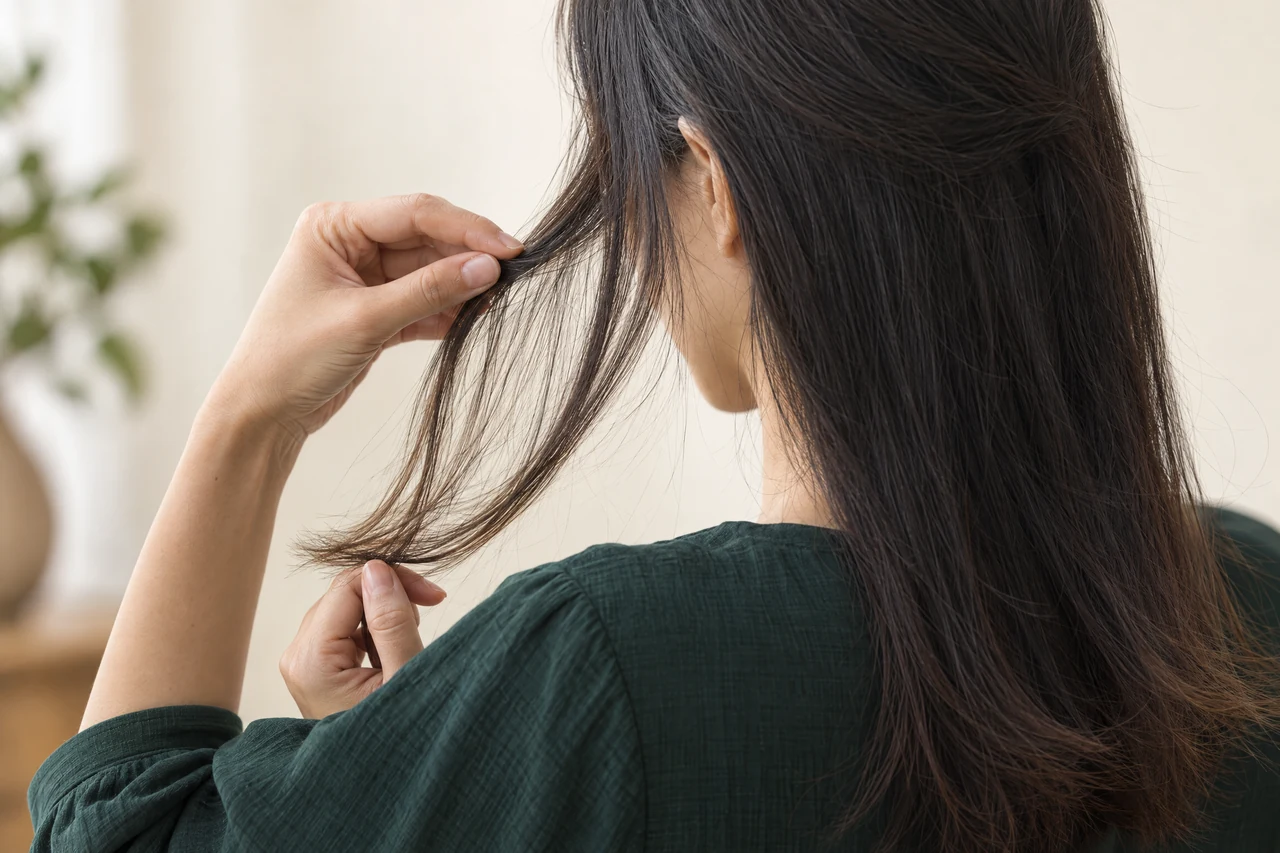
A perm for thick hair should consider weight through the lengths, existing layers and the time needed for the whole appointment. Dense or coarse hair can still contain fragile, bleached or previously straightened sections. Ask how the desired movement would sit in the haircut instead of assuming thickness guarantees strong curls or a predictable processing time.
Explain what thick means in your case: larger individual strands, many strands, or simply a heavy-feeling haircut. If the sides already appear wide, adding visible movement there may conflict with a wish for a narrower outline. Ask where the curve would start and where the cut would retain weight. Do not assume that removing as much hair as possible is the best preparation for curls.
The American Academy of Dermatology's hair-damage guidance identifies colouring, perming and relaxing as practices that can damage hair. This makes a full processing history relevant even when the hair looks plentiful. Record lightened face-framing pieces, older straightening through the lower lengths and previous perms separately; they may not be obvious from a single overall photograph.
Continue with can you perm bleached hair for that specific comparison and the preparation questions it raises.
More hair does not mean less chemical-treatment risk
A broad outline is not evidence that every section can tolerate the same work. Ask how different areas would be assessed and whether a strand test is appropriate before deciding on the proposed service. If the appointment also involves reshaping a dense haircut, leave room to discuss the cut rather than treating it as a minor finishing step. Confirm the time allowance directly instead of estimating it from thickness alone.
Naturally straight hair still needs a realistic curl goal
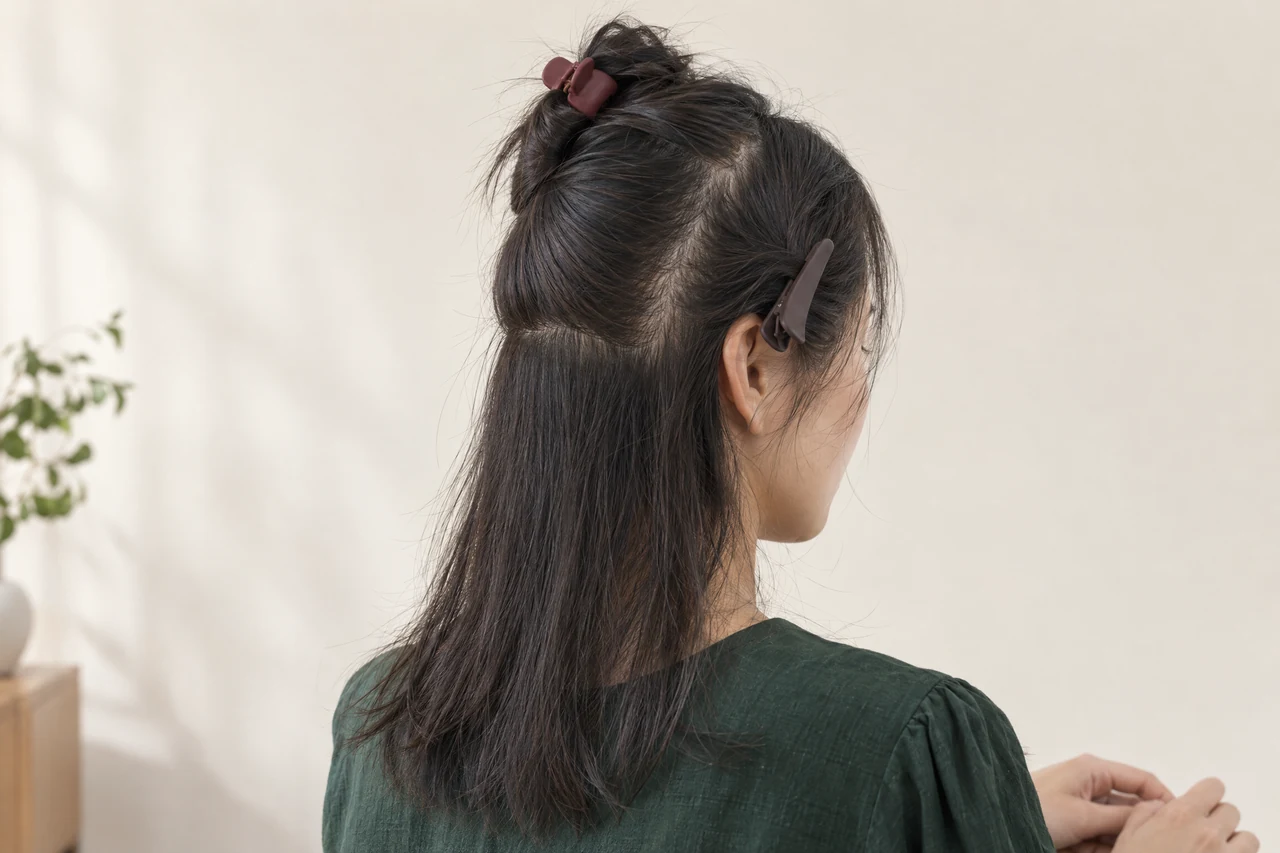
A perm for straight hair may be discussed when you want lasting movement rather than temporary styling. Describe how your untreated hair dries and which areas you currently curl with tools. The intended change should fit a routine you can maintain; a straight starting texture does not establish which chemical method is available or suitable.
Translate your reference into visible details. Say whether you want a bend near the cheek, a wave starting below the ears, or curved ends with a mostly straight upper section. Also identify what you do not want, such as extra width beside the face or a clearly curled fringe. A photograph may combine a haircut, careful drying and finishing products, so its appearance should not be treated as evidence of a particular perm method.
For fine straight hair, preserving familiar movement at the roots while changing the lower outline may appeal more than an all-over curled appearance. For a heavier straight haircut, the relationship between the curve and the layers may be the larger question. Neither preference automatically establishes suitability. Compare the desired shape with your current length and the amount you would be willing to cut.
Compare the change with your usual drying habits
Tell the stylist whether you normally brush the hair straight while drying, leave it alone to dry, or use a tool only on the front pieces. Ask which of those habits would need to change. A perm is a poor match for your routine if you would spend each morning stretching out the movement you requested. You can like a curled photograph while preferring a simpler, straighter everyday finish.
Lower-maintenance goals need a practical test
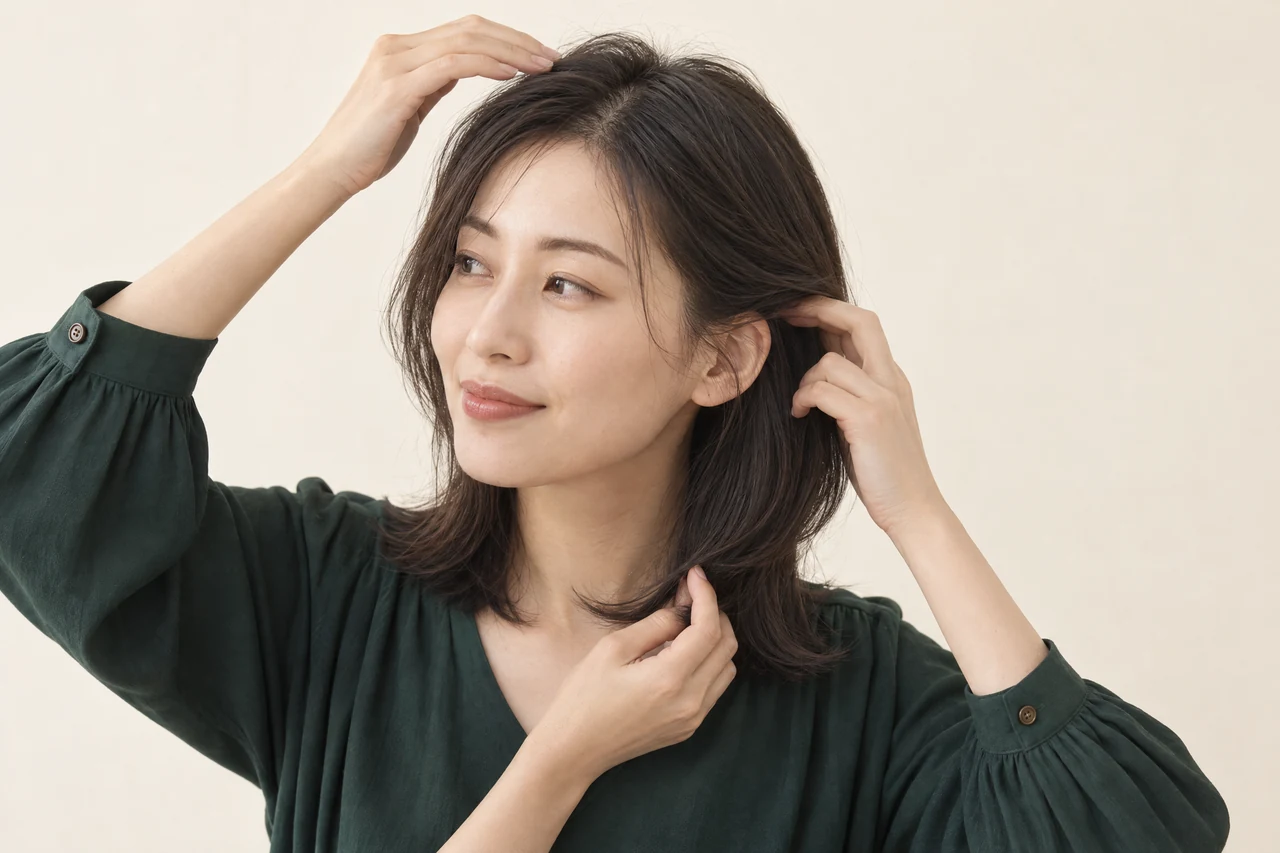
A low maintenance perm is a preference for manageable styling, not a promise that curls need no attention. Describe your available drying time, washing habits and whether you can refresh the ends between washes. If the desired finish relies on steps you would not do regularly, discuss a simpler cut or temporary styling direction instead.
Ask for the everyday version of the proposed shape, not only the polished salon finish. Find out whether it calls for deliberate sectioning, a styling product, diffuser drying or attention to the front pieces. Then compare that explanation with your weekday routine. If you wash after exercise and must leave soon afterwards, drying is part of the decision rather than a detail to discover later.
The AAD's tips for healthy hair recommend conditioner after washing, with application at the ends for fine or straight hair and through the lengths for dry or curly hair. If your hair is fine and newly curled, discuss placement and product choice for that combination. Skipping care simply to keep the roots light is not the only option; the ends may need attention without coating the scalp.
Continue with perm aftercare for that specific comparison and the preparation questions it raises.
Decide which styling steps you are willing to keep
Choose the tasks you can repeat comfortably: gentle detangling, drying the roots, arranging the ends or refreshing a few visible pieces. Ask for a demonstration of the proposed routine and follow the treatment-specific instructions for washing. For a Hong Kong commute, describe whether you spend the day outdoors, in air conditioning or with your hair tied back. These details help define a finish you find acceptable beyond the appointment.

Use temporary styling to clarify the outline you like
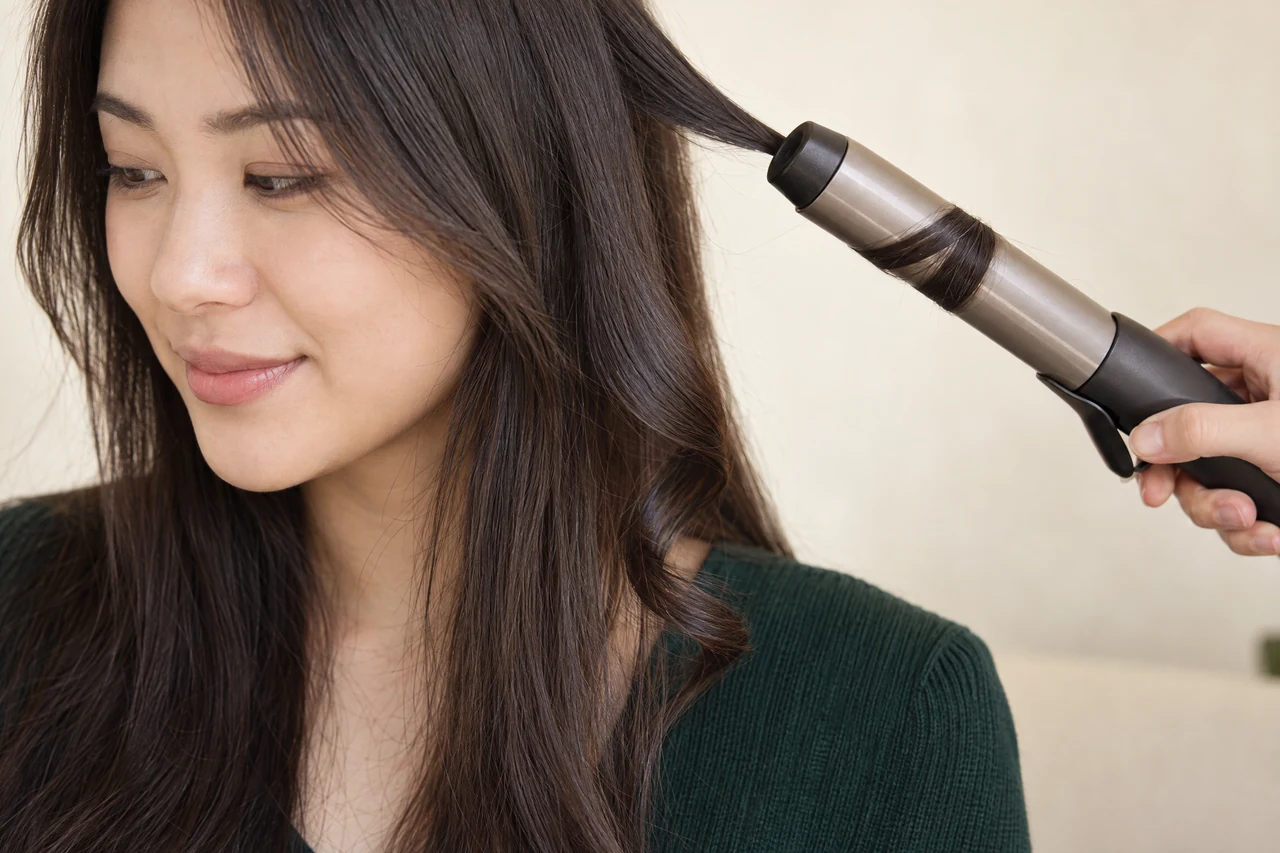
A temporary styling session can help you compare where movement looks right on your current haircut. You might discover that you prefer a turned end rather than a wave through the whole length, or that a small change around the face is enough. Treat this as a preference check. Heat-styled curls are not a preview of how chemically treated hair will respond or how it will dry at home.
If you already use curling tools, bring photographs of a finish you liked and one you found too wide or too defined. There is no need to keep repeating heat styling simply to collect more examples. The AAD advises limiting heat exposure and using lower settings to reduce avoidable damage. Discuss the appearance of the trial after normal movement, not just immediately after the tool is removed.
Keep the haircut question separate from the chemical method
If your concern is how the shape carries weight, compare layering vs thinning out hair before assuming that either approach should accompany a perm. Ask what would happen to the perimeter and to any shorter pieces near the face. A cut-only change or occasional styling may meet your goal with a different commitment. It is useful to compare those choices without treating them as identical results.
Prepare a clear enquiry about texture, scope and cost
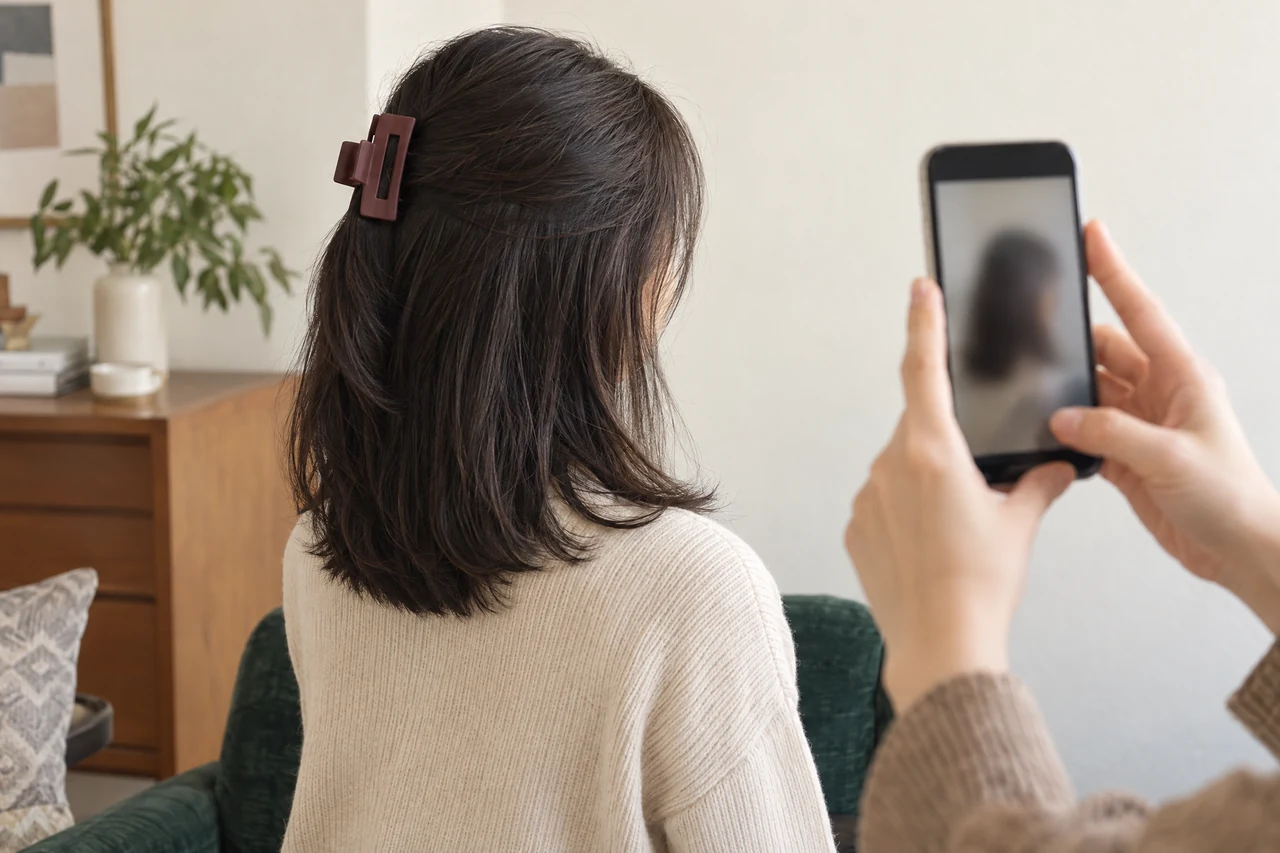
Send clear current photographs showing the front, sides and back, along with the approximate dates and areas of past chemical work. Explain your preferred curve, the length you want to retain and the daily steps you can manage. Include uncertainty in your history rather than guessing a product or method name. Photos help communicate the starting point, but the suitability decision may need an in-person assessment.
When discussing a hair perm, ask which areas would be treated, what haircut work is proposed and what the everyday styling involves. Vit So's listed full-head perm price is HK$1,600. Confirm the intended service, any included work and applicable length charges before agreeing to the appointment; the listed price is not a promise that this treatment is appropriate for your hair.
Agree on the ordinary finish before arranging the visit
A useful enquiry ends with a shared description of the target: where movement begins, how much width is acceptable and which styling steps remain. If hair condition or routine makes that target impractical, ask what simpler direction could be discussed instead. Keep the option of postponing chemical work open without losing the haircut goal. The strongest decision is one you understand before the service begins.
Compare the starting hair with the change and routine you want
| Starting point | Useful design question | Routine or assessment trade-off |
|---|---|---|
| Fine strands with a flat-looking outline | Is the priority crown support, movement or a more continuous end line? | More visible curl does not guarantee fullness; consider the cut and end weight together. |
| Dense hair with fine strands | Where should movement appear without adding unwanted side width? | Many strands do not establish the condition of previously processed sections. |
| Coarse or heavy-feeling hair | How would the curve sit within the existing layers and retained length? | Discuss preparation and drying demands rather than assuming a shorter routine. |
| Naturally straight hair | Do you want bends, waves or curved ends, and where should they begin? | Your usual straightening brush technique may conflict with the requested movement. |
| A busy routine with little styling time | What does the proposed shape look like with the simplest demonstrated finish? | Compare the remaining daily steps with cut-only or temporary styling alternatives. |
Your preparation checklist
- Photograph ordinary dry hair from the front, sides and back so the existing outline is clear.
- List previous colouring, bleaching, straightening and perming by approximate date and treated area.
- Mark where you want movement and where you prefer the current straightness or weight.
- Describe washing, drying, exercise and refreshing habits, including steps you are unwilling to add.
- Ask about suitability assessment, the proposed haircut and the simplest everyday styling demonstration.
- Confirm the service scope, time allowance, price and any applicable extras before arranging the visit.
Frequently asked questions
Is a perm right for me?
Consider hair condition, previous treatment, the change you want and the routine you will actually follow. These need an individual suitability discussion; a texture label alone cannot answer the question.
Will curls definitely make fine hair look fuller?
No. Curl placement and the haircut can change the silhouette, but visual fullness is not guaranteed and a perm does not increase the number of hairs.
Is air-drying always enough after a perm?
Not for every finish. Ask what drying and refreshing steps the proposed shape needs, then compare those steps with your own habits before deciding.
Discuss movement that fits your hair and your mornings
Contact Vit So in Sheung Wan with your current hair photos, processing history and preferred curl placement. Explain the length you want to keep and the styling steps you can maintain, so the enquiry can focus on a realistic shape and service scope. An enquiry is not a confirmed booking; suitability, timing and charges need to be agreed.
Start your WhatsApp enquirySources & further reading
- How to stop damaging your hair
AAD guidance on possible damage from colouring, perming and relaxing, and reducing avoidable heat and handling stress.
- Tips for healthy hair
AAD advice on conditioner placement for fine, straight, dry and curly hair, gentle moisture absorption and limiting heat styling.



