






Choose haircut reference photos with a clear purpose
Choose a small, focused set of images rather than a large collection of conflicting shapes. Point to the fringe, side outline, fullness or ends you like in each one, and explain which detail matters most. There is no required number of photos; clarity about your priorities is more useful than the size of the collection.
Save a full image as well as any close-up you want to discuss. A cropped fringe can explain its edge, but the full photograph shows how it sits with the rest of the cut. If an image is filtered, heavily styled or generated, identify it as inspiration and look for a clearer photograph of the same feature.
Skyline Downtown Salon's consultation guide recommends bringing references and explaining both likes and dislikes alongside your routine. Use that approach to write a short note for each picture rather than expecting the image to speak for itself.
Keep haircut reference photos focused on specific details
Name the part of the image you mean: a fringe that opens at the centre, a fuller end line or a side that sits close above the ear. Say what you are not requesting too. For example, 'I like the curved front pieces, but not the shorter overall length.' This separates a useful detail from the rest of a look you may not want.
Avoid competing goals in every image
A dense, straight end line and a very wispy, heavily layered finish communicate different priorities. Rather than asking for both everywhere, decide which matters most and where you want movement. Label one image as the overall shape and another as a detail only. If the detail would compromise your main goal, ask to compare alternatives before choosing the cutting scope.
Bring current hair, references and the details to retain
For a hair consultation, bring clear current-hair photos, a few reference images and details of recent colour, bleach, perm or straightening work. Explain the length you want to keep, your usual styling routine and the change that matters most. Photos help communicate those preferences; they do not guarantee a copied result, a final quote or a confirmed appointment.
Colour references in daylight and shadow
Hair colour reference photos work best when they show the depth in shadow as well as the reflection in daylight. Bring one image you like and one that shows a tone you would avoid, with your current unfiltered hair photographs. Explain which detail matters most: brightness, warmth, a subtle reflection or overall coverage. A reference cannot reveal every dye history or guarantee that the pictured result can be copied.
Wedding references: outfit, accessories and all views
Choose wedding hair inspiration photos that show a similar length and clear front, side and back views. Mark the features you like, such as the parting, gathering height or loose pieces, and include current hair photographs with your dress neckline and accessories. Images explain preferences; they do not guarantee an identical finish.
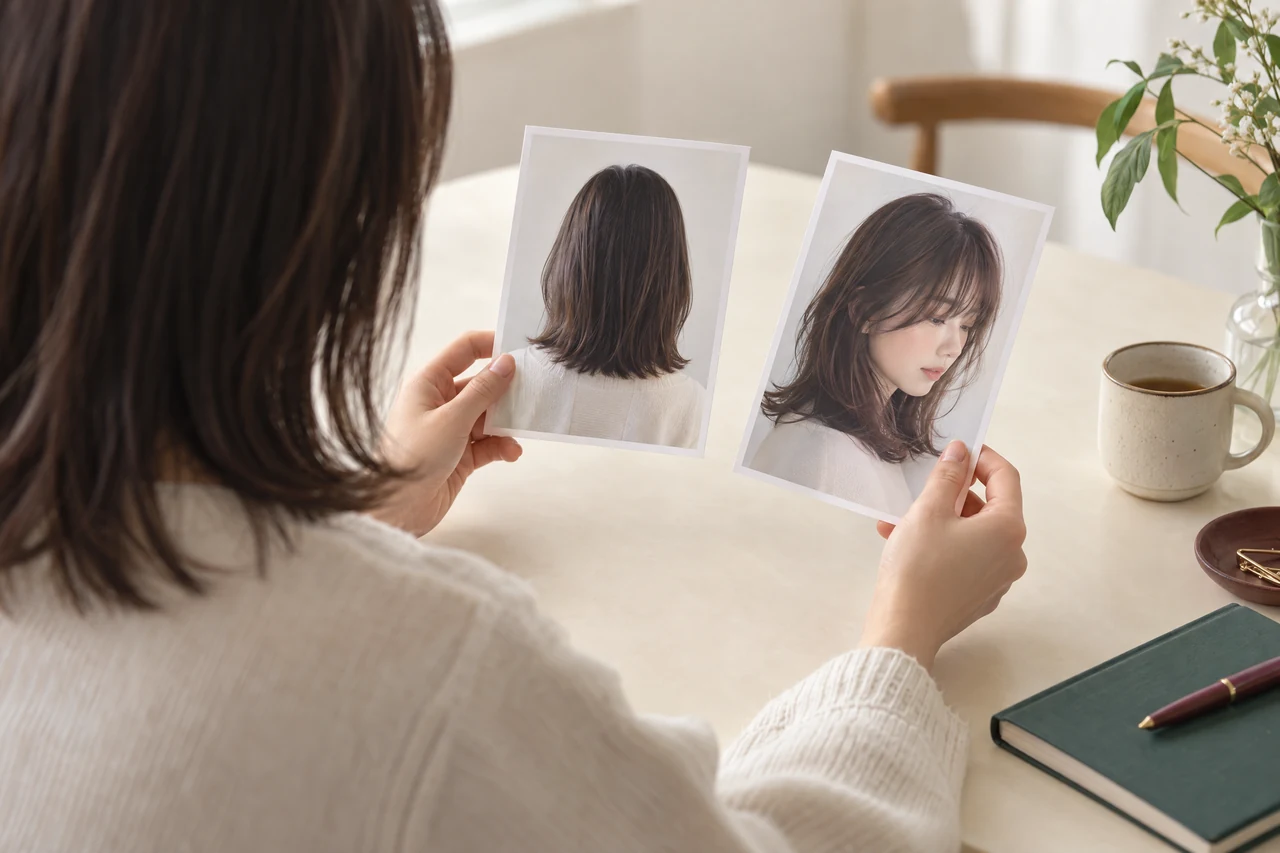
Show the sides and back where possible
Front, side and back views help reveal the outline, length and transition around the head. If you only have a front view, say so and discuss the missing rear shape separately rather than guessing it. A back image is useful when available, but the consultation should still establish how you want the unseen areas to look.
Keep your head upright when photographing your own hair. Move hair forward for a front view and let it fall normally for a rear view. Ask someone to take the back photograph if possible, keeping the crown and ends in frame. Avoid pulling the hair taut: the purpose is to show where it rests, not its stretched length.
Use several angles to explain one shape
Look for views of the same haircut before combining different people as references. The side can show whether the front is longer than the back; the rear can show a straight, rounded or pointed end line. For short hair, include the ear area and nape as well as the top. These views help you identify the transition you want to discuss.
Discuss what a front-only image cannot show
A front portrait may hide hair behind the shoulders or leave the nape completely out of view. Use it for the fringe and face-framing pieces, then describe the rear separately. You might say, 'Keep the back close to my current length, rather than assuming it is short like the front.' An unanswered question about the back is better than an unspoken assumption.
Show the sides and back of a short cut
To ask a barber or hairdresser for a haircut using a photo, point out the features you want: the highest short area at the sides, the top length to keep and the front direction. Bring side and back views plus photographs of your own dry, unstylised hair. Say which details matter and which can change. A reference image is a discussion aid, not a guarantee of identical density, growth direction or finishing.
Perm references need movement and treatment history
For a perm consultation, bring clear front, side and back photographs of your current hair in its usual unstyled state, plus a few references showing the movement you like. Point out curl spacing, where waves begin and the length you want to keep. Add your colour, bleach and straightening history; pictures help explain a goal but cannot establish chemical-treatment suitability or promise an identical result.
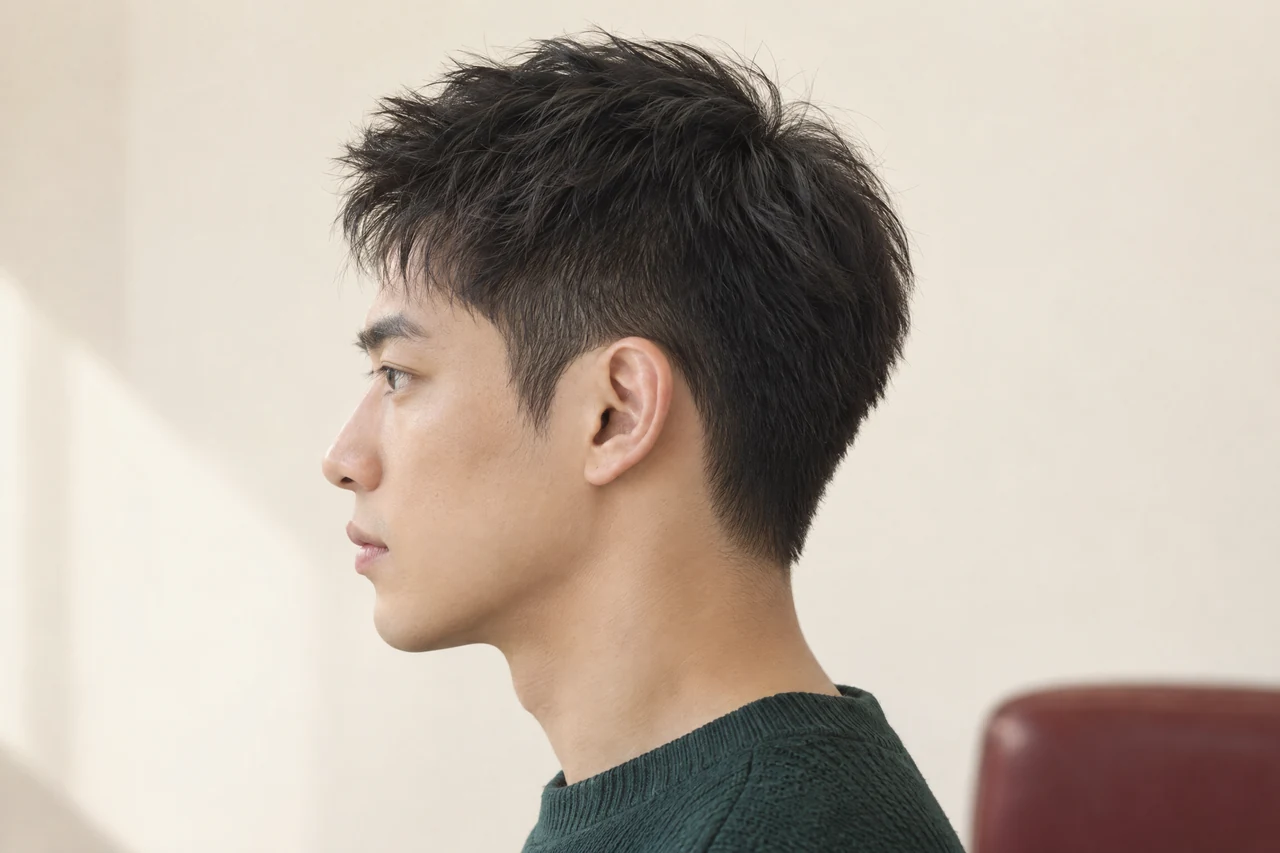

Compare the reference with your own hair
Bring a photo of your hair after its usual wash and drying routine, not only after a salon finish. If the reference has a different texture or density, identify the feature you like and ask which parts could be adapted. Length, layers or styling may need to differ; a reference photo cannot promise the same result on another head of hair.
A smooth reference can still help explain an end line when your hair is wavy. The question is whether you want that outline in your natural dry state or only after styling. The American Academy of Dermatology's hair styling guidance notes that excessive heat can damage hair. If copying the finish would mean more heat styling than you want, ask about a shape that works with your usual routine instead.
Continue with haircut for a busy lifestyle for that specific comparison and the preparation questions it raises.
If a photograph looks much fuller than your hair, compare hair texture vs density before assuming the difference can be solved by copying its layers.
Include an ordinary wash-day photograph
Photograph your hair after your normal drying method, with your everyday parting. Tell the stylist whether you used a brush, diffuser, straightener or styling product. If your crown lies flat while your sides expand, include both in the same set. A neat photograph is useful, but it should not hide the behaviour you want the haircut to accommodate.
Separate texture from the feature you like
Soft waves, visible separation and crown lift may be part of the styling rather than the cut alone. Explain whether you like the movement, the width or the length. Ask which element could carry across to your hair and which would need a different approach. Keep your preferred feature as the goal without making another person's strand pattern a requirement.

Agree on the length you want to keep
Show the amount you are comfortable removing and the shortest dry length you want to retain. Explain if the hair must still reach a ponytail or tuck behind your ears. Avoid relying on the word trim alone: discuss whether removing uneven or worn ends would cross your limit, and agree on the scope before cutting.
Separate the bottom edge from the shortest layers. Keeping the overall length does not automatically mean every face-framing piece will remain long enough to tie back. If you are using a layered photograph, discuss the earliest point where those pieces begin. The guide to a layered haircut can help you distinguish the outer length from the shorter lengths within it.
Continue with haircut consultation for growing out hair for that specific comparison and the preparation questions it raises.
Show the limit instead of saying just a trim
Point to a position on your own dry hair and ask the stylist to show the proposed end point back to you. A phrase such as 'not above this point when dry' is clearer than 'a little shorter.' If evening the perimeter would require more removal than you accept, discuss retaining some unevenness or choosing a smaller change instead.
Check dry length and essential functions
Use the position where your hair rests when dry as the shared reference, particularly when waves or curls make a stretched length misleading. Demonstrate your usual ponytail or ear tuck. Specify whether loose front pieces are acceptable, and test the requirement with your glasses on if you wear them. Ask how the proposed fringe and layers relate to those functions before agreeing.

Turn your photo set into a clear request
Start the conversation with your main priority, then show the image that illustrates it. Follow with your current hair and length boundary. A useful request might be: 'I like this fuller end line and the open fringe, but I need the sides to tuck behind my ears. I usually air-dry. Which parts would you adapt?' This is wording you can use, not a promise about the finished cut.
Before cutting begins, ask for a brief recap of the agreed shape, retained length and areas that will change. If a reference conflicts with a requirement, choose which takes priority rather than leaving the decision implicit. Keep the images available so you can return to the exact detail being discussed.
Continue with english-speaking hair salon for that specific comparison and the preparation questions it raises.
Keep the photo pack easy to use
Save the chosen images in a separate phone album or bring clear prints. Put notes beside them identifying the feature you like, any detail to avoid and whether the image represents your current hair or your goal. Use the 6-step checklist below to organise the discussion; it is an editorial preparation aid, not a required number of photographs.
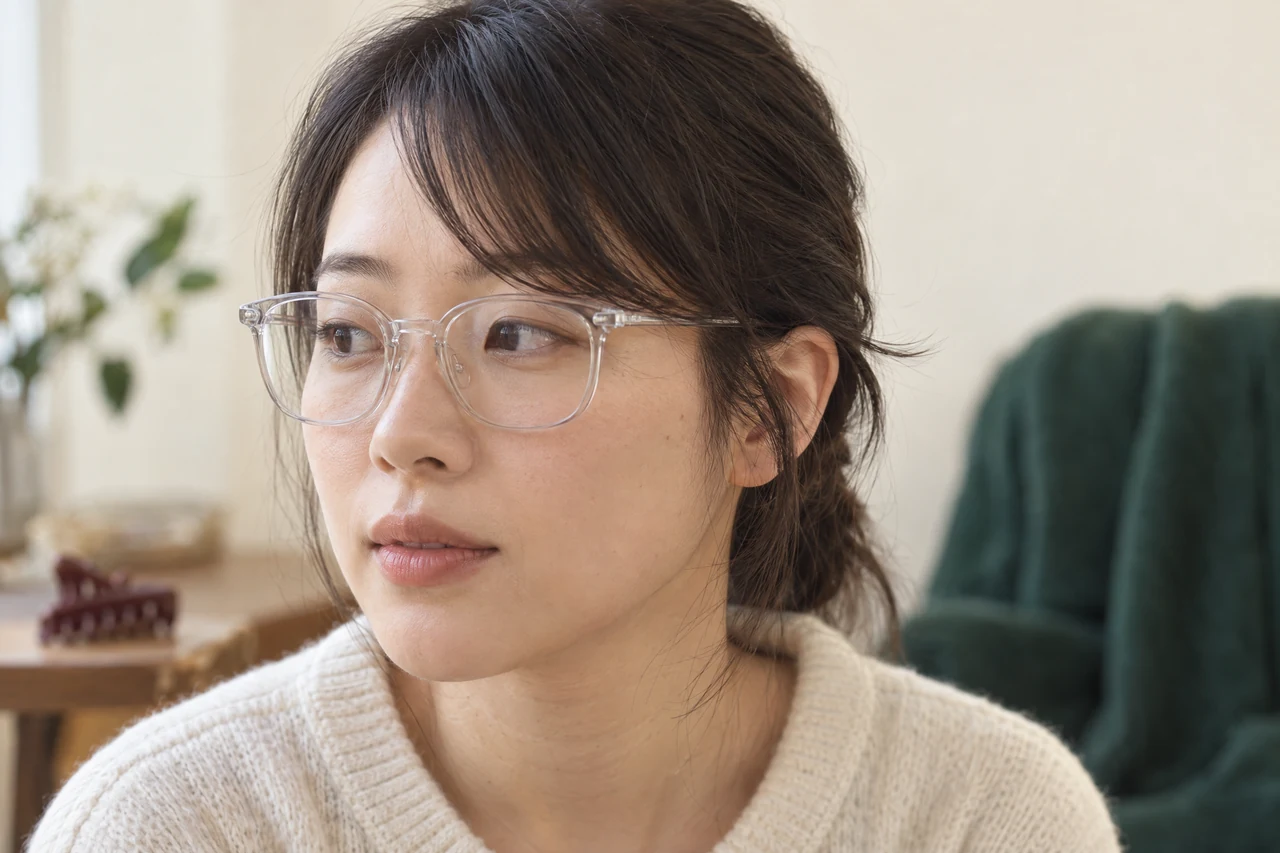
What different reference photographs can explain before a haircut
| Photo or detail | Useful information | Question still to answer |
|---|---|---|
| Front portrait | Fringe opening and visible face-framing length | What should happen at the hidden sides and back? |
| Side view | Ear coverage and front-to-back outline | Is this the desired shape when dry or after styling? |
| Back view | Rear end line and nape outline | Should this shape override any front reference? |
| Ordinary current-hair photo | Natural parting, bends and everyday fullness | Which feature needs adapting to this hair? |
| Ponytail or ear-tuck photo | The practical length you want to retain | Must the shortest layers also stay within reach? |
Your preparation checklist
- Select references with a clear purpose and label the particular feature you want from each.
- Look for side and back views; list any unseen areas that need separate discussion.
- Include current photographs showing your normal parting and ordinary dry hair, with your styling routine noted.
- Record previous colour, bleach, perm or straightening work rather than relying on photographs to reveal it.
- Show your shortest acceptable dry length and demonstrate any ponytail, ear-tuck or glasses requirement.
- Ask for a recap of the agreed cutting scope and resolve conflicts between your references before cutting.
Frequently asked questions
How many reference photos should I bring?
A few clear examples are usually easier to discuss than many unrelated looks. Mark the details you like and rank them if they conflict; there is no mandatory number.
What if the picture only shows the front?
Use it for the visible features and discuss the side and back separately. Do not assume the hidden areas match another reference without explaining the difference.
Can a stylist adapt a reference cut to different hair?
That is a useful question to ask. Texture, density, growth patterns and your routine may require changes to the length, layers or finish. Adaptation should be discussed rather than promised from a photo.
Do photographs confirm the language available for my consultation?
No. Images can help explain preferences, but confirm your preferred language when enquiring. An English-language website does not by itself confirm spoken English reception.
Bring a clearer haircut brief to your Sheung Wan enquiry
Enquire with Vit So using your current-hair photographs, focused references and the length you want to keep. Include your usual styling routine and preferred consultation language. This gives the discussion a useful starting point; availability, service scope and the appointment still need confirmation.
Start your WhatsApp enquirySources & further reading
- How a Hair Consultation Helps You Find Your Next Look
Bringing inspiration photographs, identifying likes and dislikes, and discussing daily styling and hair history during consultation.
- Hair styling without damage
Excessive heat can damage hair, supporting a discussion of styling commitment rather than automatically copying a heat-styled reference.



