







Keratin smoothing without losing curls starts with a clear limit
Show your curls in their normal dry state, including tighter and looser areas. Point out the shape you enjoy and the frizz you would like to reduce. A curl-preservation goal should be discussed before choosing a product, because a more relaxed pattern may feel like a loss even if the hair looks smoother.
Surface flyaways and the overall curl silhouette are different concerns. You might want fewer loose strands around your parting while keeping the rounded shape beside your face. Or you may dislike tangled ends but enjoy the way your lengths shorten as they dry. Describe the unwanted feature by location instead of asking for hair that is simply less curly or less puffy.
Decide whether any loosening is acceptable. If a looser wave would still disappoint you, say so directly. A useful boundary is: 'I want to wear my usual curls after washing without needing a curling tool to recreate them.' That makes retaining the pattern a condition of the decision, not a preference to revisit after processing.
Define keratin smoothing without losing curls in your own hair
Describe spring as the curl's tendency to return towards its usual shape when released gently, not as a home test that diagnoses strength. Compare your fringe, crown and ends separately, because your preferred pattern may vary across those areas. Include how much side width you like and where you want defined curl groups. A photograph of glossy, loose waves may communicate shine but contradict your tighter-curl goal; explain what you like in it and what must not be copied.
Ask how smoothing may change curl pattern
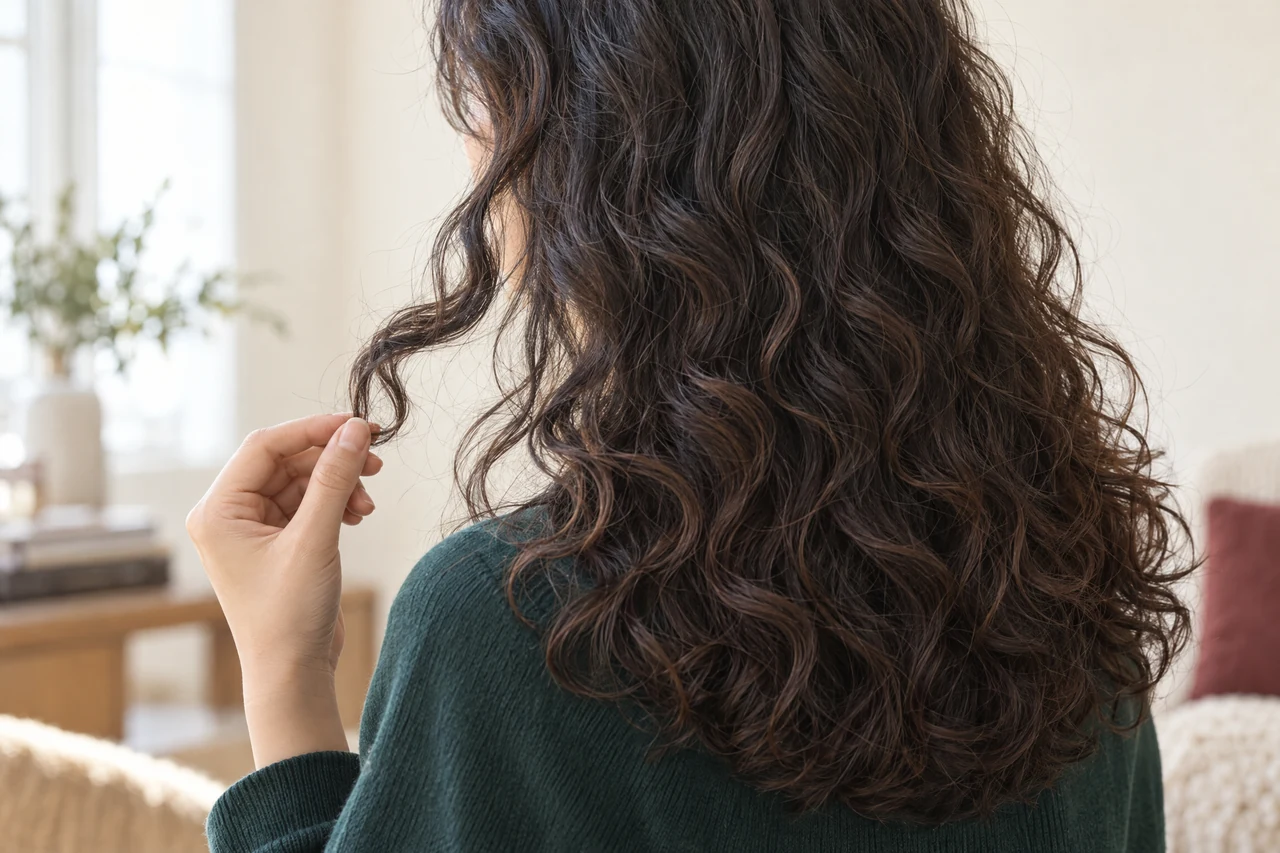
Ask whether the proposed smoothing procedure may loosen or reshape your curls, and how much uncertainty remains for your hair. A straight finish created with tools cannot show how the pattern will behave after washing. Product, heat, application and earlier chemical work all matter; a smoothing label is not a guarantee of unchanged curls.
The question 'does smoothing treatment change curl pattern' needs a procedure-specific answer. Ask for the product name and whether the process is intended to change shape or primarily improve feel. Clarify how heat is used and which lengths would be treated. Do not assume that leaving the roots untreated protects the curls through the mids and ends, or request improvised processing changes as a shortcut to preservation.
The FDA's information on heated hair smoothing products explains that these products can be used to straighten hair or smooth curls and that their composition and intended use vary. It also advises asking about formaldehyde-related ingredients, which can release formaldehyde gas when heated. These are product and safety questions, separate from whether you will like the resulting curl shape.
Continue with keratin smoothing vs japanese straightening for that specific comparison and the preparation questions it raises.
The washed result matters more than a heat-styled finish
Ask what information is available about hair washed and dried without straightening tools after the proposed process. When looking at examples, check whether a diffuser, curling tool or strong styling product was used. Similar-looking starting curls are helpful context, but another person's photograph cannot predict your outcome. Also distinguish a keratin-containing conditioning product from a heat-sealed smoothing procedure: our guide to keratin treatment vs deep conditioning helps frame that question without treating the shared ingredient name as a promise.
Consider frizz control without a lasting shape change
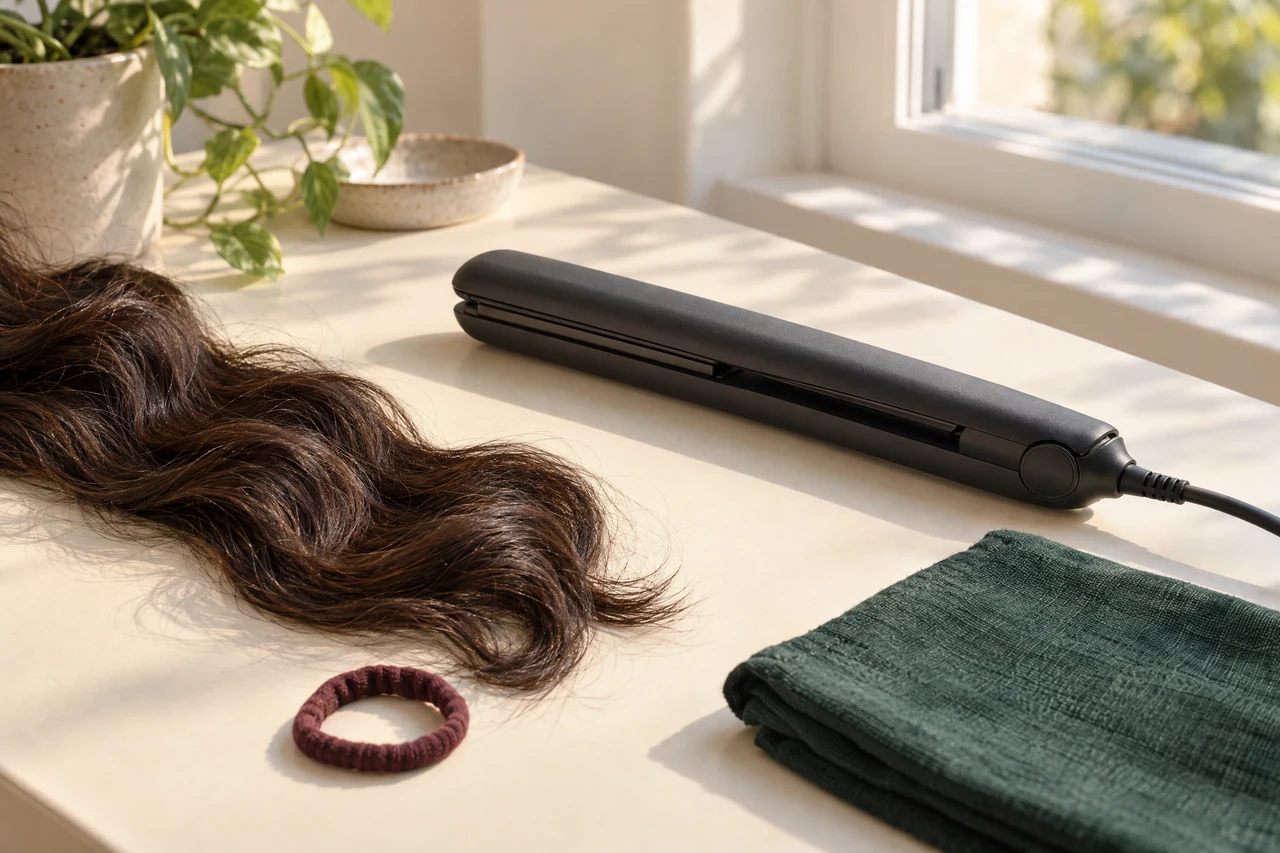
For frizz control without straightening hair, first review conditioning, gentle detangling and how you dry the curls. These options can be adjusted without deliberately reshaping the lengths, though they will not make every strand lie flat. If you still want a salon procedure, discuss whether its likely trade-offs fit the movement you want to retain.
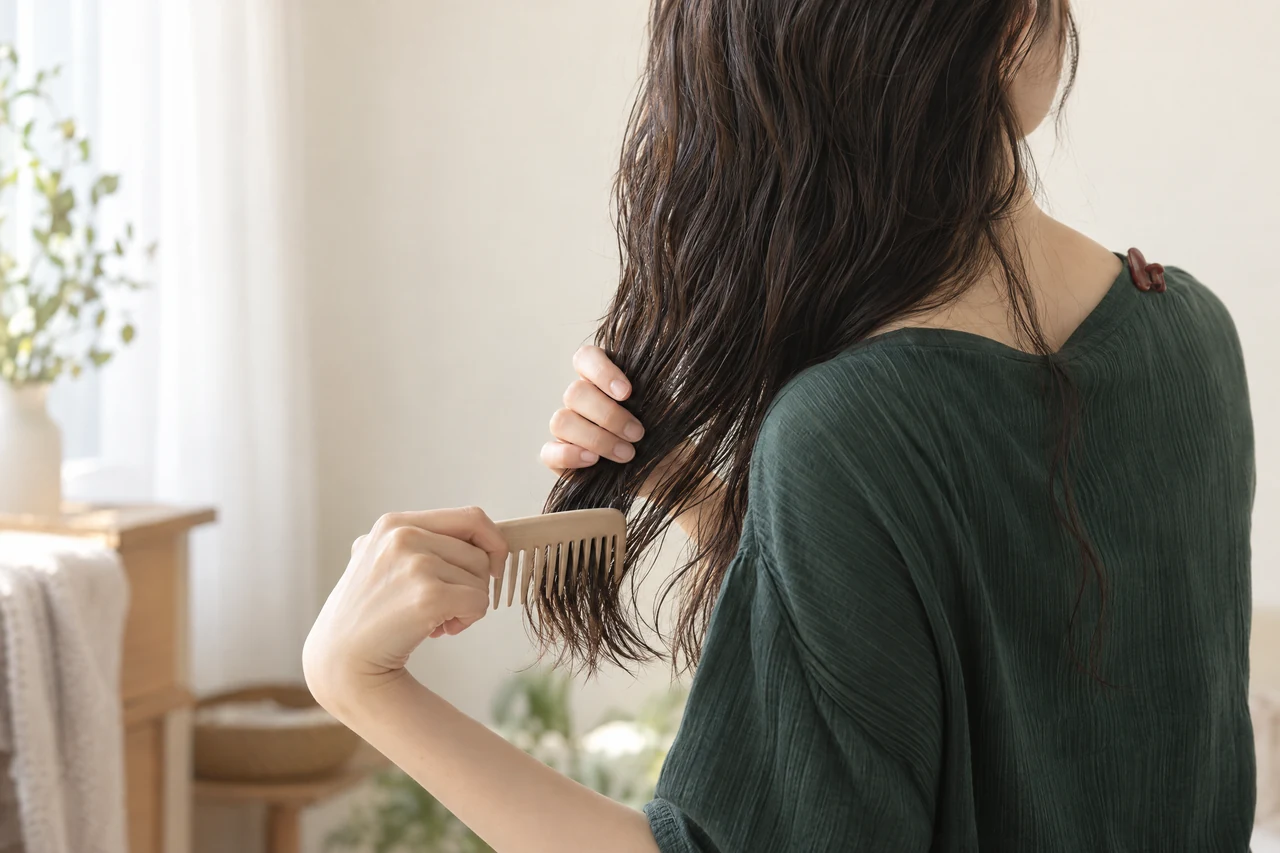
The American Academy of Dermatology's curly hair care advice recommends conditioning curly hair and working through tangles in sections. For detangling between washes, it advises thoroughly wetting the hair, using leave-in conditioner and fingers or a wide-toothed comb. It also advises against brushing dry curls because this can contribute to frizz and breakage. This supports gentler handling, not a guarantee of a particular hairstyle.
Review hair treatment to check its service scope and the details to share before arranging the related work.
If dry lengths rather than the curl pattern are your main concern, explore hair treatment for dry curly hair before choosing a shape-changing process. Tell the stylist if rich products leave your hair limp: the aim is easier handling with the movement you enjoy, not adding every available mask, oil and cream.
Review conditioning and your drying routine first
Observe when your curl groups separate: during detangling, towel drying, repeated touching or later in the day. Try gentle pressing rather than vigorous towel rubbing and avoid pulling the lengths straight while they dry if you want to assess their natural shape. Change one part of the routine at a time so you can identify what helps. For overnight care, the AAD suggests a loose ponytail or loose braid where suitable to reduce pillow friction; choose an arrangement that does not pull uncomfortably.
Prepare a conversation about curl retention
Bring photographs after a usual wash and note the products and tools used. Explain whether spring, width or the ability to wear your hair naturally is most important. Share previous colour, bleach and straightening. Ask whether any assessment or strand test is appropriate and available; photographs alone cannot establish how a new procedure will behave.
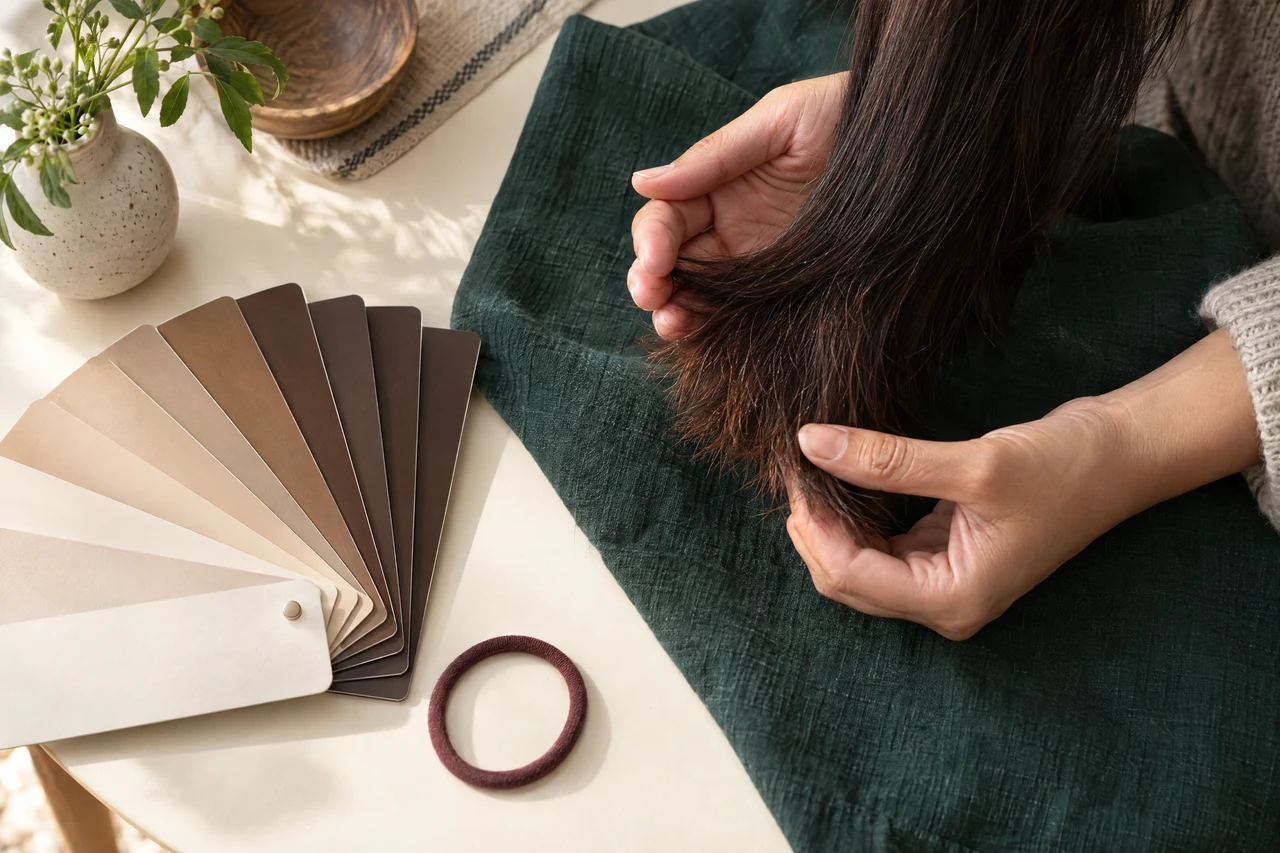
Map previous work onto the lengths you still have. Include home colour and older chemical treatments, not just your most recent salon visit. Say if the ends catch when combing, if short pieces have appeared, or if a section behaves differently from neighbouring curls. These observations help focus the discussion; they do not establish a diagnosis or prove that a smoothing process is suitable.
Ask what a proposed strand assessment could reveal and how its result would be evaluated. If available, discuss whether it can include the relevant washed and dry appearance rather than only an immediately polished strand. A small test cannot guarantee whole-head consistency. Its value is in informing the decision, including the option to leave the current pattern alone.
Bring normal photographs and your treatment history
Take clear views of the front, sides and back under ordinary light. Include a picture of the area that bothers you and another showing curls you want to keep. Note whether the hair was air-dried, diffused or brushed, and whether it had leave-in conditioner or styling hold. Bring your product names rather than descriptions such as 'the green bottle'. For a Sheung Wan enquiry, send this information with your preferred visit timing and ask which consultation or care options are available.
Judge curl retention in the routine you actually use
If you proceed with any salon process, follow its confirmed washing and aftercare instructions rather than a universal rule found online. Once washing is permitted, assess your hair with a familiar routine. Adding new products while changing the drying method makes it difficult to distinguish processing effects from styling differences. Observe both the whole outline and the specific curls you identified before the appointment.
Look beyond shine. Are the front curls still bending where you want them to? Do the ends retain movement without being curled again? Is getting ready easier, or do you now need extra styling to recover your preferred shape? Some surface frizz may be an acceptable trade-off if the curls remain enjoyable. The useful outcome is the balance you agreed on, not the flattest possible photograph.
Keep a fair record if something feels different
If your washed pattern looks unexpectedly loose or uneven, photograph it before trying another chemical service. Record the wash products, drying method and location of the change, then contact the salon for advice. Do not try aggressive repeated cleansing or extra heat to force a quick reversal. If you experience scalp irritation, eye symptoms or breathing discomfort, treat that as a health concern rather than a styling issue and seek appropriate medical advice.
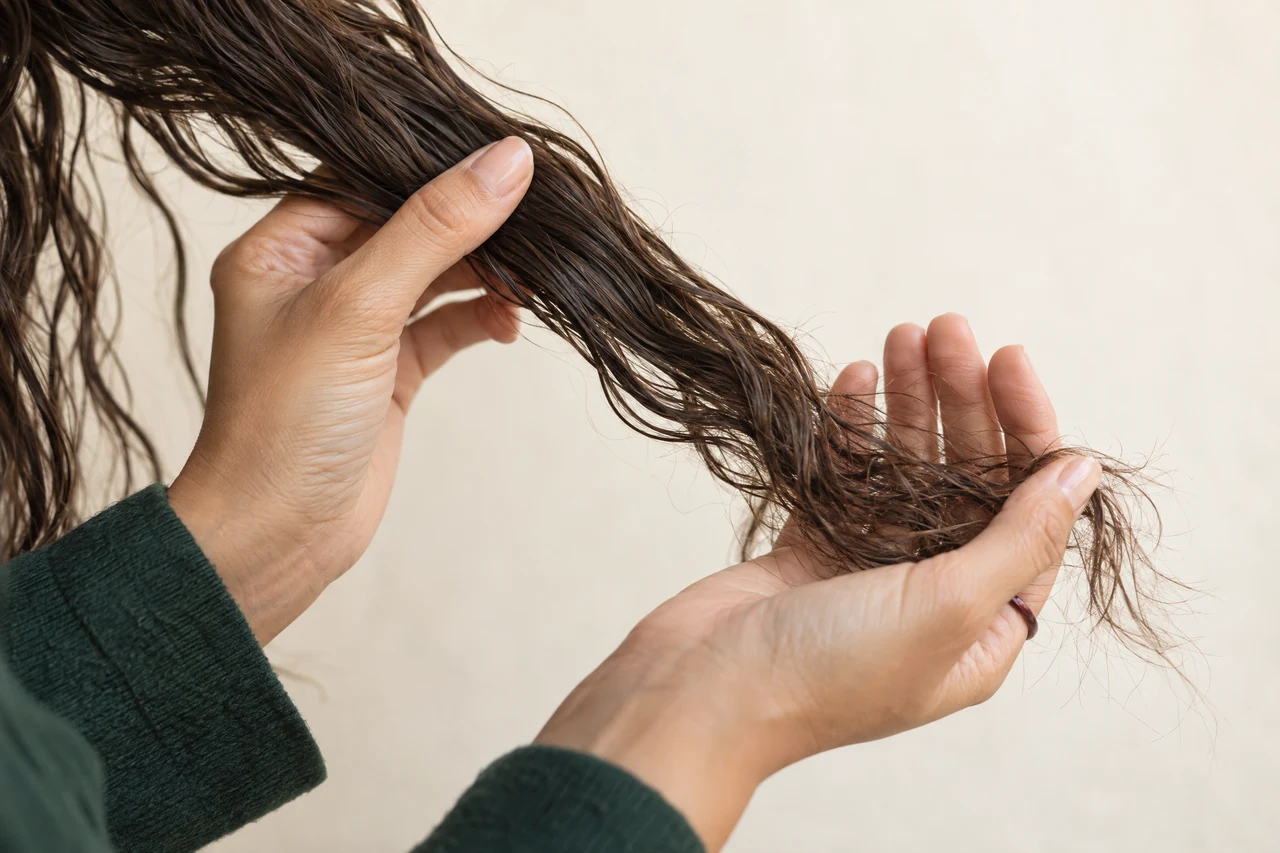
Choose the option that respects your curl boundary
A suitable decision may be to begin with conditioning and a manageable drying routine, then review whether the remaining frizz still warrants another step. Ask about the actual scope, cost and aftercare of any available service before agreeing. This guide does not establish that Vit So offers a specific keratin smoothing formula or a process guaranteed to preserve curls.
If you discover that you genuinely prefer a straighter daily outline, recognise that as a different goal instead of trying to describe it as unchanged curls. Conversely, if the possible loss of spring outweighs the benefit of smoothness, declining a shape-changing process is a clear, practical choice.
Continue with hair straightening for naturally curly hair for that specific comparison and the preparation questions it raises.
Use this 6-point checklist before agreeing to any smoothing procedure.
Agree on the decision before the salon finish
A useful consultation should leave you knowing what you want to preserve, what may change and what remains uncertain. Ask how the service name on the quote relates to the product and steps discussed. Confirm whether additional conditioning, cutting or styling is included rather than assuming it is. There is no need to proceed on the day if the proposed process does not fit your boundary; you can choose care first and revisit the question later.
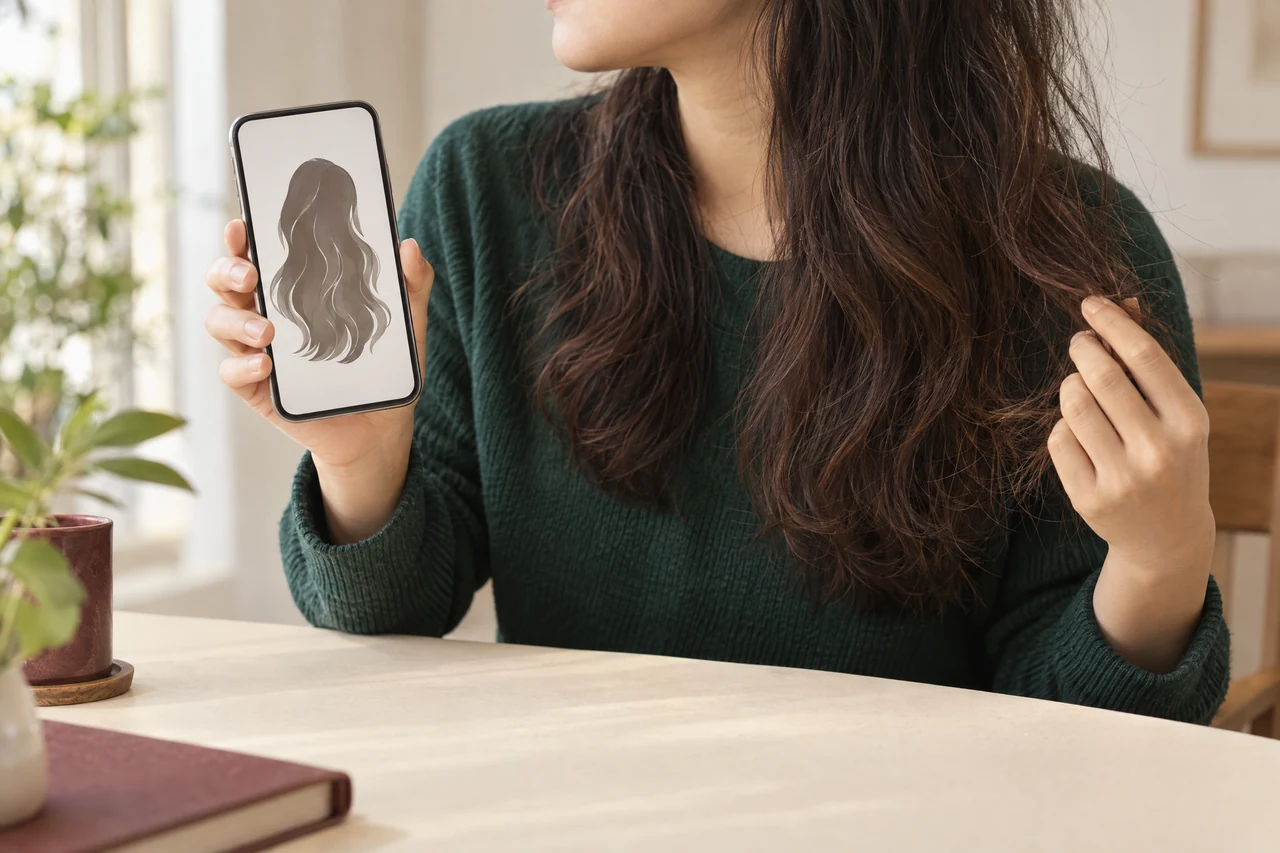
Compare frizz-control choices with natural curl retention as the priority
| Option | What you are choosing | Curl-preservation question |
|---|---|---|
| Conditioning and gentle detangling | Improve handling without deliberately reshaping the lengths | Can the product and amount be adjusted without making curls feel weighed down? |
| Drying and styling adjustments | Change how curl groups are handled during your routine | Can I repeat the finish without pulling curls straight or using extra heat? |
| Keratin-containing conditioning product | An ingredient label that still needs a clear product description | Is this conditioning only, or part of a shape-changing procedure? |
| Salon smoothing procedure | A specific formula and process with possible shape trade-offs | What could happen to my washed curls, and is that uncertainty acceptable? |
| Straightening procedure | A deliberately straighter daily outline rather than unchanged curls | Have I actually changed my goal from keeping curls to reducing them? |
Your preparation checklist
- State which curls, spring and side width must remain, and whether any loosening would be unacceptable.
- Photograph normally washed and dry hair, including the front, back and areas with unwanted frizz.
- List previous bleach, colour, perms, straightening and regular heat use on the lengths you still have.
- Review conditioning, detangling and drying changes before selecting a process intended to alter shape.
- Confirm the proposed product, heat steps, available assessment and realistic uncertainty about washed curls.
- Agree on the service scope, quote, aftercare and follow-up contact before deciding whether to proceed.
Frequently asked questions
Can every smoothing treatment keep my curls unchanged?
No. Different procedures can affect movement differently. Clarify the formula, heat steps and realistic uncertainty before proceeding, especially if curl retention is essential.
Should I show a photo of my hair when it is straightened?
You can, but also show your normal washed and dry curls. A straightened photograph does not show the pattern, spring or fullness you want to preserve.
Is frizz alone a reason to change my curl pattern?
Not necessarily. Conditioning and drying changes may be worth reviewing first. Decide whether the benefits of any shape-changing process justify losing some movement.
Does a strand test guarantee that all my curls will stay the same?
No. Ask whether an assessment is appropriate and available, what it would examine and whether washed appearance can be considered. A test of a small area cannot establish identical behaviour across different lengths and curl patterns.
Can I assume my original curls will return if I dislike the result?
Do not make that assumption. Ask about the particular procedure and the difference between a fading cosmetic effect and a lasting change in the treated lengths. If uncertainty about recovery is unacceptable, choose an adjustable care routine instead of relying on a promised reversal.
Make keeping your curls the starting point
Enquire with Vit So in Sheung Wan with photographs of your usual curls, your treatment history and the areas of frizz you want to address. Explain what must remain unchanged and ask which care or consultation options are available. The enquiry can help clarify scope, suitability and price; it is not a confirmed booking or a promise of curl-preserving smoothing.
Start your WhatsApp enquirySources & further reading
- 6 curly hair care tips from dermatologists
American Academy of Dermatology guidance on conditioning, wet sectional detangling, avoiding dry brushing and reducing friction during sleep.
- Hair Smoothing Products That Release Formaldehyde When Heated
FDA information on the purpose and heat steps of smoothing products, variation between products and questions about formaldehyde-related ingredients.



