






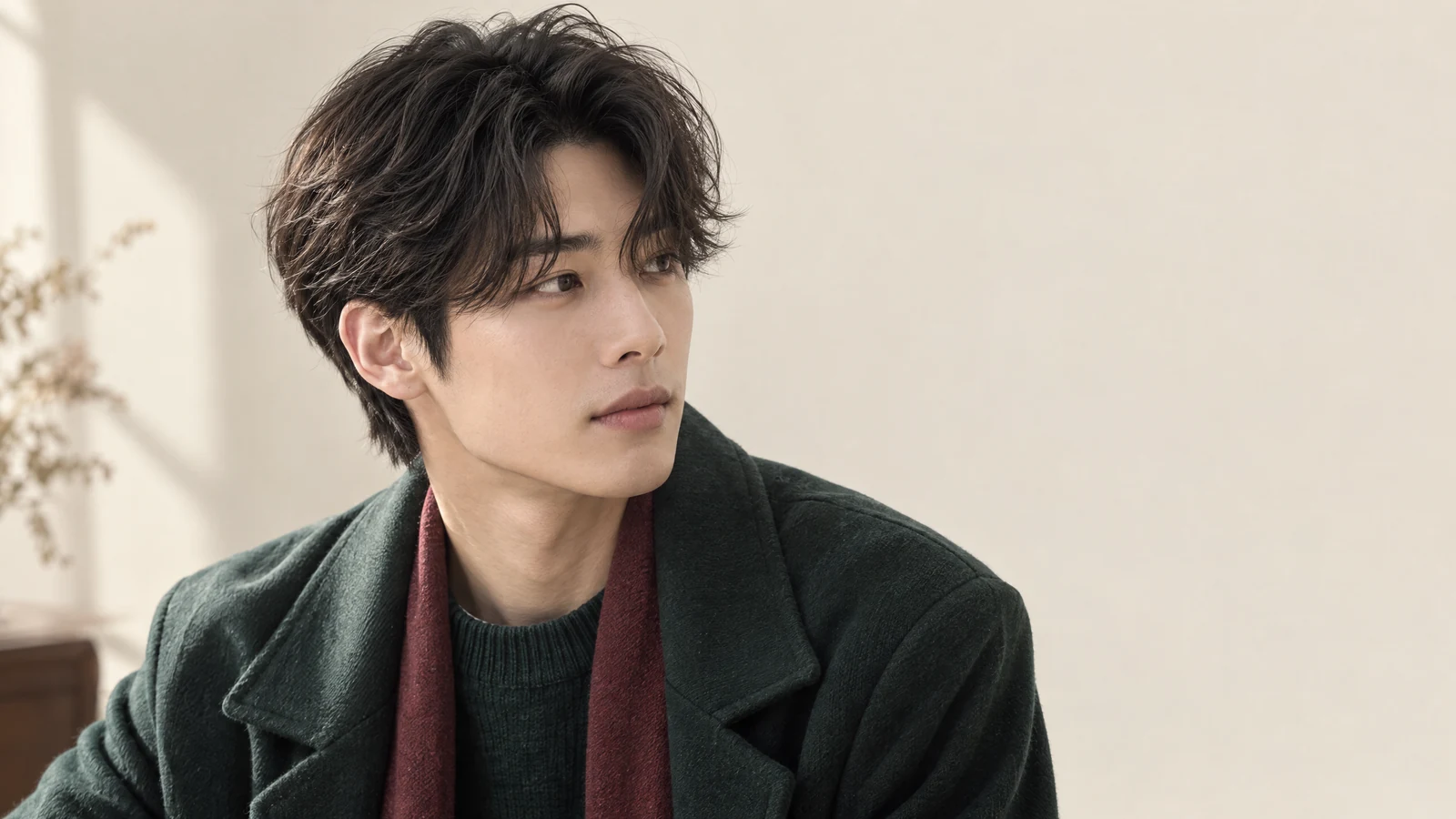
First Perm for Men: Set One Main Goal
Choose the change that matters most: softer straight strands, an open fringe, more visible waves or a different outline. Say what you do not want as well, such as tight curls or wide sides. A focused priority helps avoid treating every feature in a reference photograph as something that must be recreated.
Start with what you notice in the mirror on an ordinary morning. If the fringe drops over your eyes, the priority might be a bend that guides it away from your face. If the front already sits well but the crown looks flat, say that clearly. Neither concern automatically means that the whole head needs the same treatment. Point to the area and explain what you would like to keep elsewhere.
Make your limits as specific as your wish. You might want the forehead partly visible without a high swept-back front, or movement on top without extra width above the ears. A gentle bend is not automatically the best first choice: if you want clearly visible waves, an almost straight finish could disappoint you. The useful starting point is the appearance you prefer, not a rule that beginners must choose the faintest result.
Review men's perm to check its service scope and the details to share before arranging the related work.
A First Perm for Men Starts with a Clear Priority
Write a short goal statement before enquiring: 'I want the fringe to curve away from my eyes, but I want the sides to stay close.' Then add the everyday condition, such as needing to wear glasses or not wanting a wet-looking finish. This gives the discussion a clear order. Decide which feature matters most if your present cut cannot support every detail in the photograph.
Korean-Inspired and Regular Perm Labels
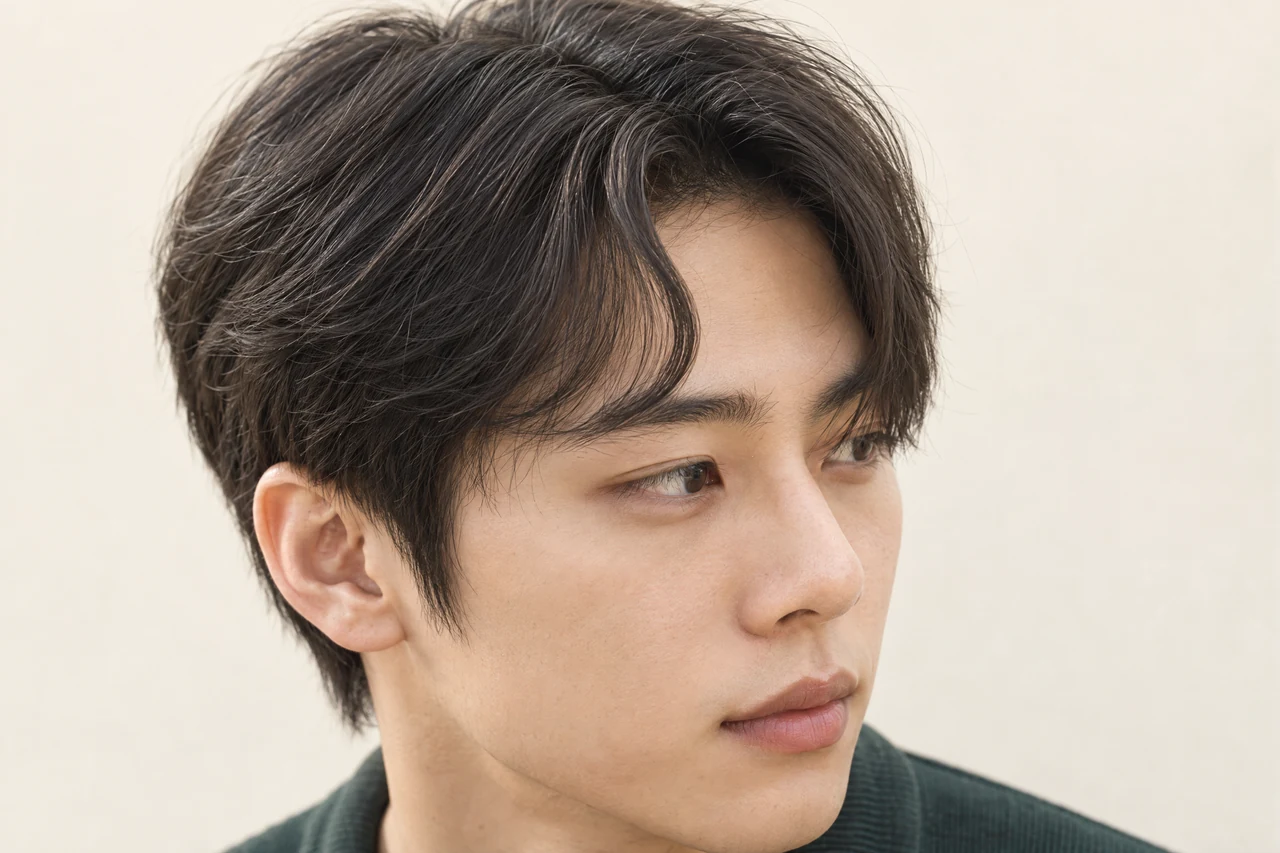
Korean-inspired perm references often emphasise soft bends and a controlled outline, while a general perm label can include many different curl patterns. These are not reliably separate universal procedures. Compare bend size, fringe direction and side width in the actual examples, then ask which process and scope are proposed for your hair.
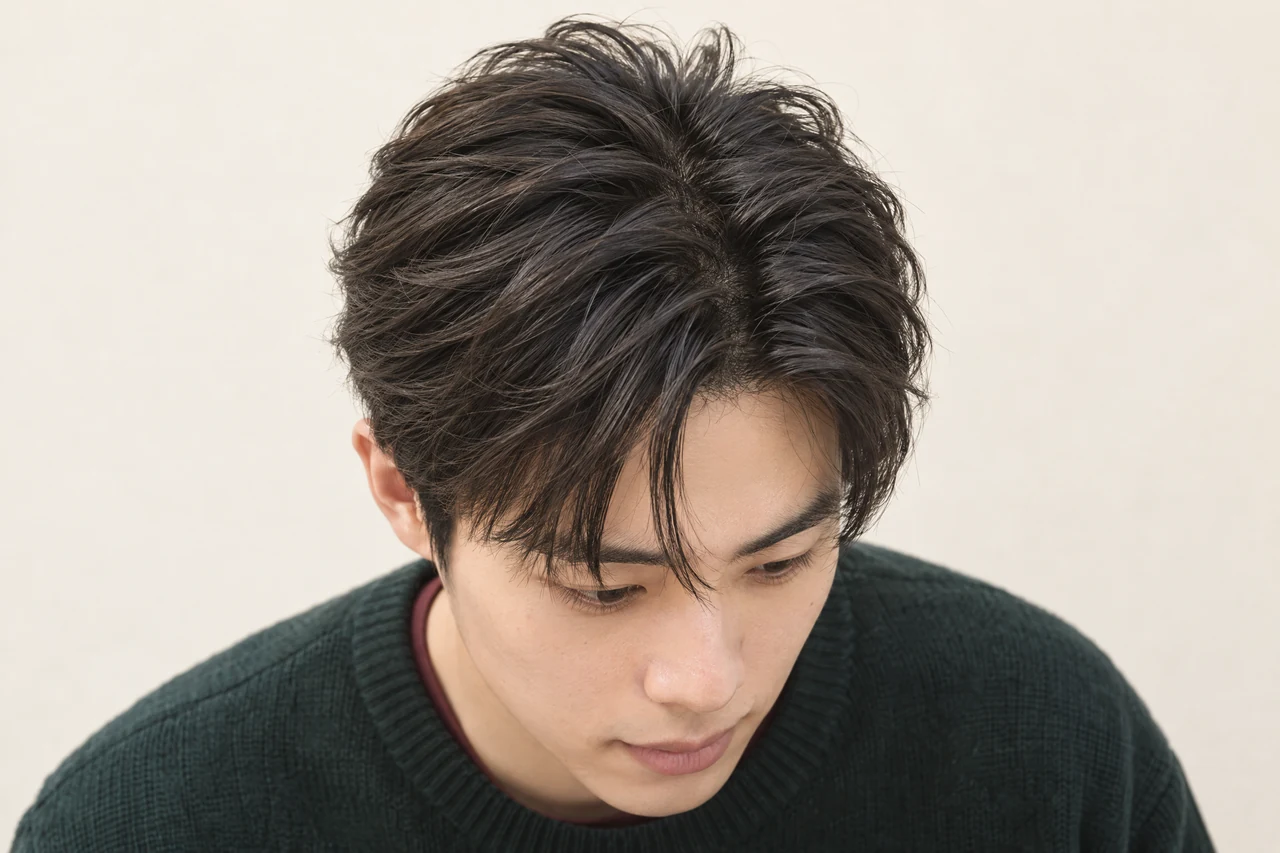
When comparing a Korean-inspired perm with a regular perm for men, look for visible differences rather than treating the labels as opposing choices. Does the fringe make a single curve, or does one strand change direction repeatedly? Is movement confined to the front, or visible through the crown and sides? A C-shaped description can help identify a single arc; an S-shaped description points to a sequence of opposing curves. These are ways to describe the picture, not instructions for selecting chemicals.
Check whether your references show a dry, loosely arranged finish or a deliberately glossy, separated one. A front view may hide the side width, and a strong part may have been arranged during styling. Ask what the comparable finish would look like with the routine you intend to use. The word 'Korean' alone does not tell you how much drying or product work sits behind the image.
Choose haircut reference photos that show the front and side, then annotate the particular bend or outline you like rather than asking for the entire photograph.
Compare the Dry Finish Rather Than the Category Name
Bring a preferred reference and a contrasting look you would avoid. Explain whether the unwanted feature is a tight curl, a high crown or a wide side silhouette. If the salon uses a different name for your preferred example, return to those visible features. Ask which are achievable with your current cut and which would depend on growing, cutting or styling the hair differently.
Texture Is an Appearance, Not a Method Guarantee
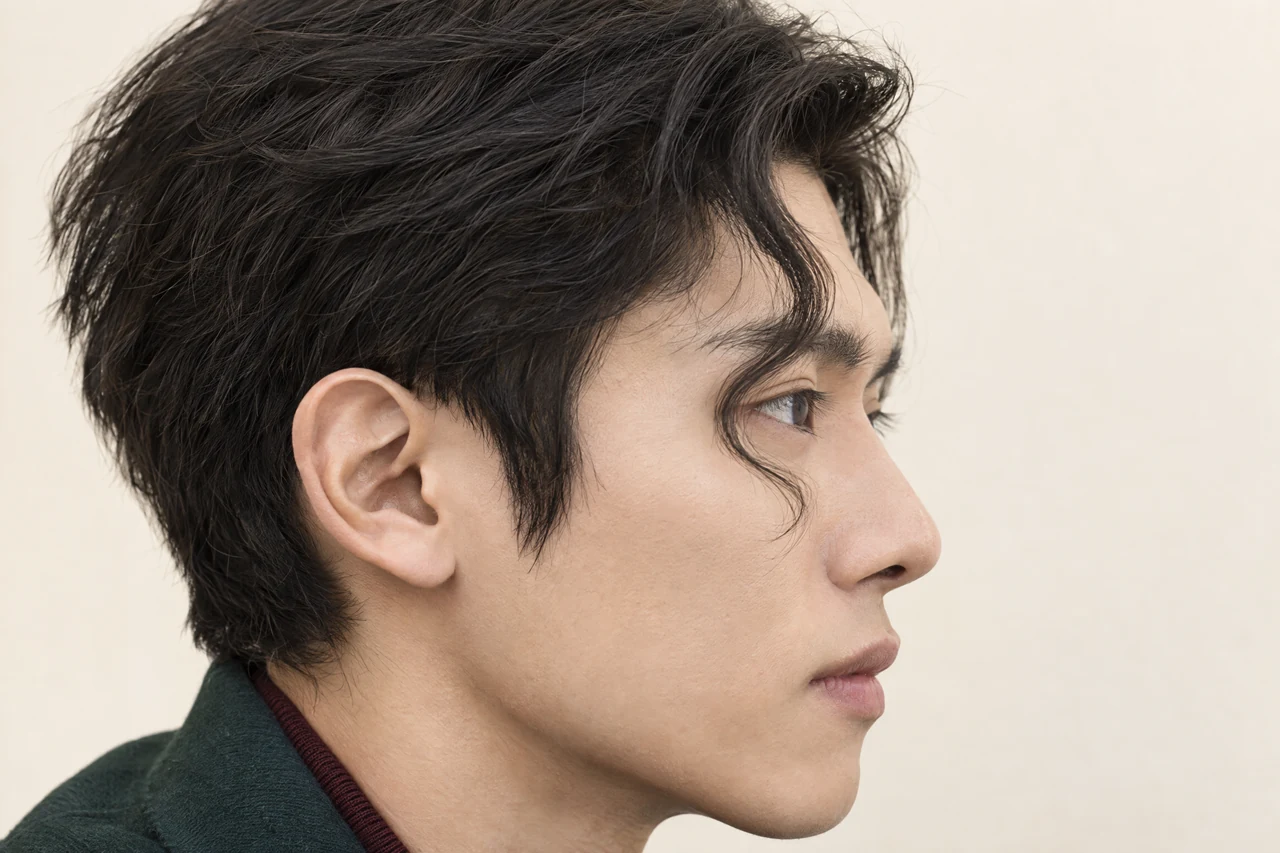
Texture usually describes movement and visible separation between strands. A Korean-inspired photograph may show those same features, so the labels can overlap. Explain whether you want quiet bends or strong strand definition, then discuss the cut and routine needed. Neither name establishes the product, equipment or suitability of the proposed treatment.
For men comparing a texture perm with a Korean-inspired perm, it helps to identify what 'texture' means in the reference. You may like the gaps between loose locks, the changing direction of the ends or the way the front sits apart from the top. Those preferences are not identical. Ask whether the separation comes mainly from the cut, the bend pattern or the finishing product, and which parts you would need to arrange yourself.
Do not confuse a busy-looking surface with a more suitable treatment. If you prefer a restrained office finish, describe how much separation should remain when the hair is loosely arranged. If visible locks are the priority, ask to discuss that finish without assuming that extra curl everywhere is necessary. Crown movement and the outline beside the ears should still be agreed separately.
Strand Definition Can Overlap with Korean-Inspired Styling
Use plain comparisons: 'I like the way these front strands turn, but I do not want the top to look spiky.' You can also indicate whether the wave should begin close to the roots or further along the strand. This helps distinguish an overall shape preference from a surface detail. Treat a style label as a conversation starter, then ask the salon to explain its proposed approach in ordinary language.
Hair History and Daily Styling Before a Decision
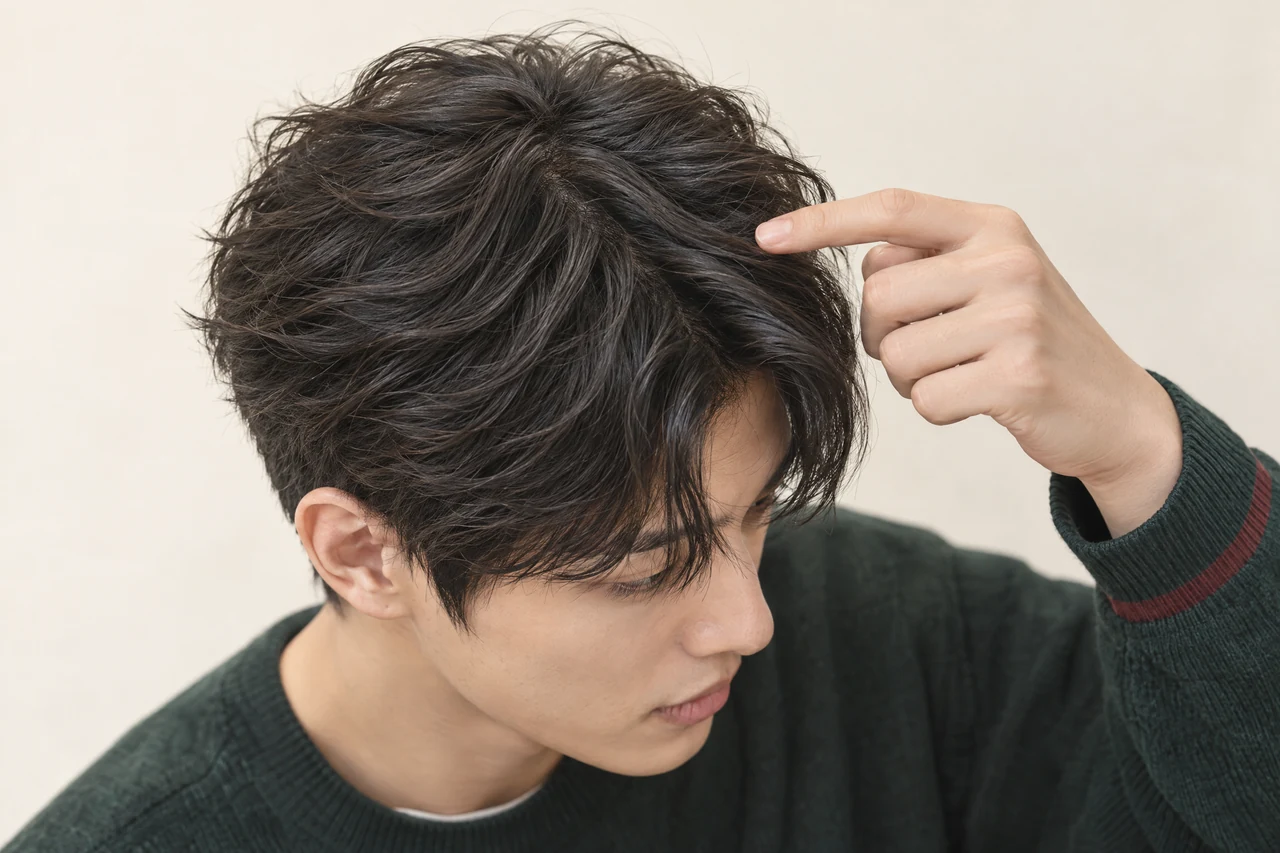
List previous colour, bleach, straightening and perm work, including the areas still present in your hair. Tell the salon how often you wash and what drying or product routine you will actually follow. A first consultation should compare those conditions with the goal and explain alternatives, including keeping the current cut or postponing a chemical change.
Being new to perms does not mean your hair is unprocessed. Include home colour, lightened tips and straightening work even if you have since changed the visible shade. Give approximate dates and say when you are unsure. Note any previous reaction to a hair product and any current soreness or unusual breakage. Describe these observations rather than deciding at home that the hair is strong enough for a chemical service.
Bellezza's hair consultation guide describes sharing treatment history and home routines, alongside assessment of growth and curl patterns, length, density and hair condition. For your enquiry, this means current photographs and a treatment timeline are more informative than a style name alone. Ask what needs to be checked in person before the proposed work can be agreed.
Continue with can men get a perm with short hair for that specific comparison and the preparation questions it raises.
Continue with can you perm bleached hair for that specific comparison and the preparation questions it raises.
Know What You Can Maintain at Home
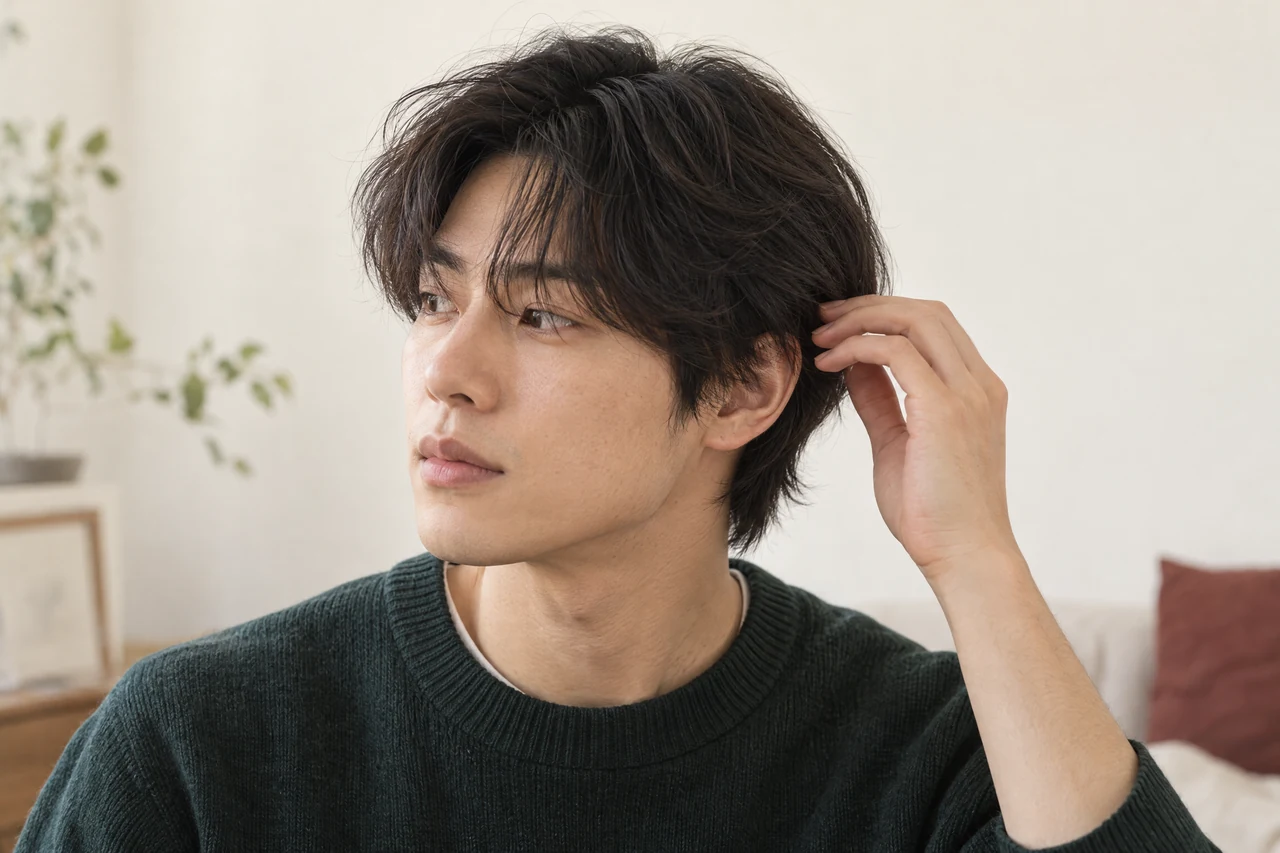
Describe the routine you already follow, not the one you hope to adopt indefinitely. Say whether you normally air-dry, use a dryer to set the front or apply a styling product. Mention gym showers and required headwear if they affect how you reset your hair. If you want to retain a short cut, ask how that changes the proposal before cutting away length needed for the intended bend.
Plan the First Wash and an Ordinary Morning
Before leaving, ask for the washing and styling instructions for the treatment actually used. Do not take a waiting period from an unrelated online reference as a universal rule. Find out how to handle the fringe, whether the intended finish relies on drying in a particular direction and how to recognise when you have applied too much product. A clear demonstration is more useful than buying several products without knowing their roles.
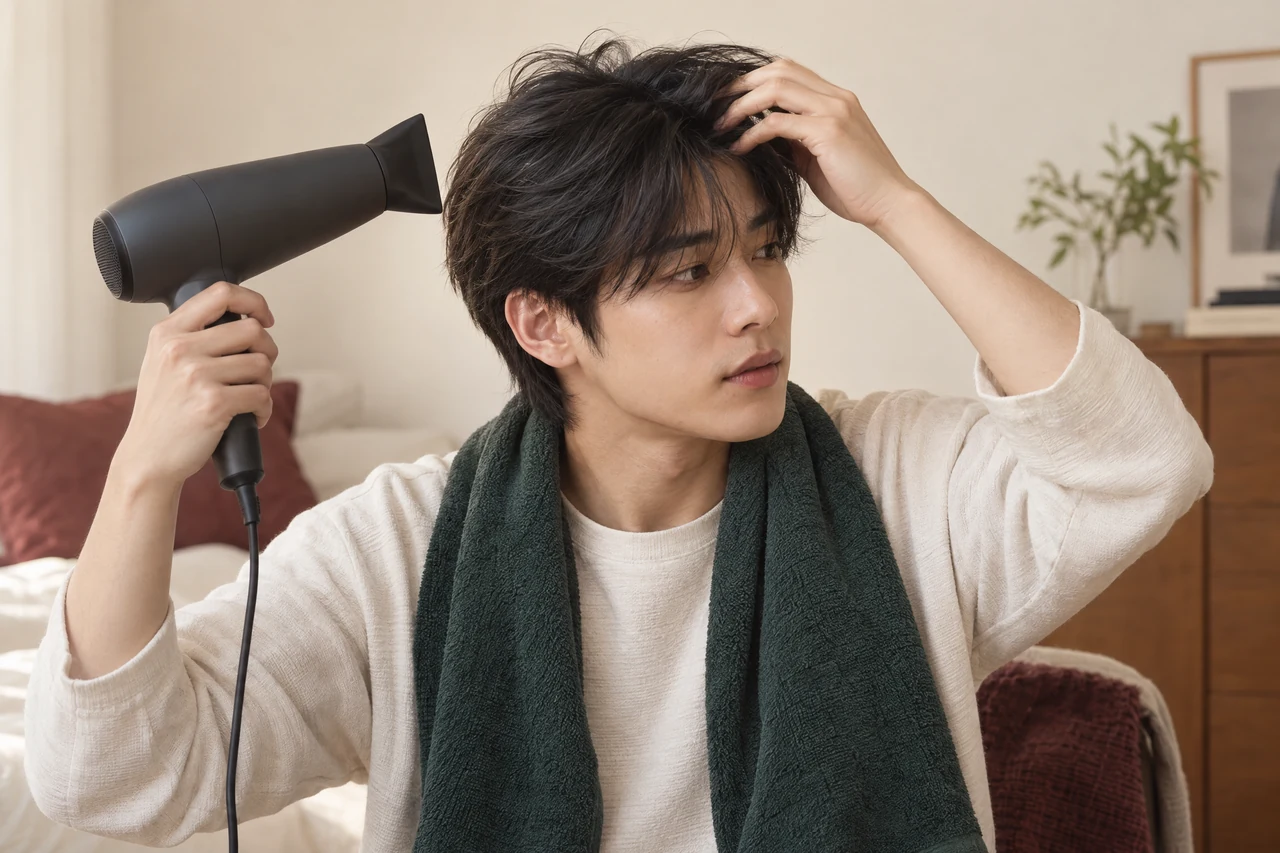
The American Academy of Dermatology's hair-care guidance recommends conditioner after shampoo, avoiding towel rubbing and using the lowest heat setting while reducing heat-tool use. Apply those general care principles alongside the salon's treatment-specific instructions. A perm is not a reason to add repeated hot-tool work simply to force the hair to resemble a photograph.
Use the perm aftercare guide to organise questions about the first wash, everyday handling and changes you notice after returning home.
Separate the Bend from the Finished Styling
When the permitted first wash is complete, observe the hair under ordinary light and note what happens with the recommended routine. Look at the front opening and both sides, not just a close-up of individual curls. If you are unsure about the result, share current views and explain how you dried and styled it. Avoid arranging another chemical treatment before the salon has considered what changed.
Agree on the Proposal Before Treatment
Ask for the proposal to be explained as areas of work and an expected appearance. What would change at the fringe, crown and sides? Which areas would remain untreated? What would the cut contribute? This makes it easier to understand a recommendation and to choose a smaller change, a cut-only approach or a later appointment if that better matches your priorities.
The listed men's wash, cut and blow-dry plus full-head perm and pre-care hair protection package is HK$1,680. That package listing does not establish which treatment is suitable for you or the quote for a differently scoped service. Confirm the proposed work, inclusions and actual charge before agreeing. Hair protection is not a promise that chemical processing causes no damage.
Keep the Scope, Routine and Quote Together
Before deciding, repeat the main goal and your styling limit back to the salon. Ask which features will be less similar to the reference, and what upkeep should be discussed as the cut changes. Confirm the time to allow and the appointment arrangements rather than fitting the visit into an assumed short gap. A useful first decision is an understood proposal, not simply agreement on a fashionable name.
Translate first-perm references into visible goals and practical questions
| Reference description | Feature to compare | Question before deciding |
|---|---|---|
| Soft Korean-inspired shape | Gentle front bends and controlled side width | Which areas need treatment, and what drying supports this outline? |
| Texture-focused finish | Separated locks, gaps and changing strand direction | How much of the separation depends on the cut and product? |
| Visible waves | Repeated curves along a strand rather than a single arc | Where should the waves begin, and how wide will the dry outline look? |
| Open fringe | The amount of forehead exposed and direction of the front | Can the proposed cut and bend support this with my usual routine? |
| Quieter first change | Movement concentrated in the priority area | Would cutting or styling address the concern without a chemical change? |
Your preparation checklist
- Write your main goal and the feature you do not want, such as wider sides or tightly curled ends.
- Save clear current front, side and crown views, plus references with the specific preferred details marked.
- List previous chemical work and approximate dates; identify any treated sections still present.
- Describe washing, drying, products and everyday reset needs honestly, including glasses or headwear where relevant.
- Ask for the proposed areas, cut, method, realistic differences from the reference and alternatives.
- Confirm inclusions, actual price, time allowance and aftercare instructions before agreeing to treatment.
Frequently asked questions
What to ask for in a men's Korean perm consultation?
Explain the bend you want, the fringe direction, the side width to avoid and your daily styling limits. Bring current views and reference photographs, then ask about suitability, proposed areas, method, price and aftercare rather than requesting a name alone.
Do I need to choose the technical method before enquiring?
No. Explain the appearance and the hair history first. Ask what process is being proposed and why; a reference label should not substitute for an individual assessment.
Can the result be guaranteed to match a photograph?
No. The photograph may involve a different cut, hair texture, lighting and styling. Use it to identify preferences and ask which features are realistic for your hair.
Bring a clear first-perm goal to your enquiry
Send Vit So your current hair views, preferred references, treatment history and usual styling routine to discuss a first perm in Sheung Wan. Indicate your preferred visit times and ask about suitability, proposed scope and the quote. An enquiry is not a confirmed booking; wait for the arrangements to be confirmed before visiting.
Start your WhatsApp enquirySources & further reading
- 10 hair care habits that can damage your hair
General care guidance on conditioning, towel handling, reduced heat-tool use and the potential for chemical services to damage hair.
- Learn More About your Hair
Consultation preparation through treatment history and home routines, with assessment of hair condition and growth patterns.



