







Can bleached hair be straightened after overlapping treatments?
Bleach history matters along the full length, not only at the roots. Repeated lightening or later colour can leave different processing histories in one head of hair. Describe the lightened areas, the dates and any home products used. Waiting a set number of days does not by itself make previously processed lengths compatible with a new shape-changing treatment.
Start by explaining what you mean by straightening. A temporary blow-dried finish, chemical reshaping and a heat-sealed smoothing service are not interchangeable requests. Tell the stylist whether you want less surface frizz, fewer bends through the lengths or a completely straight outline. A treatment that changes shape may introduce processing you do not need if your main concern is rough-feeling ends.
Map the hair rather than giving only your latest appointment date. The front pieces may have been lightened repeatedly while the underneath remains less processed. The ends may contain an older perm beneath later colour. Mention home bleach, colour removers and previous straightening products, including work done elsewhere. If you cannot identify a product, say so and bring its packaging or a photograph instead of guessing.
The research review Effects of chemical straighteners on the hair shaft and scalp describes laboratory observations of cuticle damage after combined straightening, bleaching and ironing. Those findings do not predict what will happen to your hair, but they support taking overlapping processes seriously rather than treating each appointment as an isolated event.
Review hair straightening to check its service scope and the details to share before arranging the related work.
Can bleached hair be straightened safely based on a date alone?
A date tells the stylist when a process occurred, not whether those lengths can tolerate the proposed procedure now. New roots do not replace the older hair still attached below them. Pair approximate dates with the treated areas and any changes in handling. If you have forgotten the timing, an honest incomplete history is more useful than a confident but inaccurate one.

Coloured and highlighted lengths need their own discussion
Hair straightening for coloured hair requires the type and location of earlier colour work, not just its current shade. Highlights can leave lightened strands beside less processed hair. If you are considering keratin smoothing on highlighted hair, ask about the specific formula, heat and likely effect on colour; the ingredient name alone does not establish compatibility.
For a proposed smoothing service, request the product name and an explanation of its procedure. Ask whether the aim is easier handling or a lasting shape change, which areas would be processed, and how your existing tone might be affected. A label such as keratin does not answer these practical questions. Colour appearance and strand condition need separate discussion.
The FDA's information on formaldehyde in smoothing products explains that some products release formaldehyde gas when heated, while not all smoothing products contain it. It recommends discussing ingredients, the Safety Data Sheet and ventilation. These are useful product-specific questions, not evidence that any formula is compatible with bleached lengths.
Review hair colour to check its service scope and the details to share before arranging the related work.
Separate tinting from lightening in your record
Write down what changed at each visit: a root tint, a toner on highlighted lengths, additional bleach or an all-over colour. Include repeated work on the same front pieces. If you only know the salon's service name, record that name and ask whether more details can be supplied. Your current colour photograph is helpful for appearance, but it cannot reveal every earlier process.

Damage is a reason to reassess, not promise repair
If hair is breaking, unusually stretchy or very brittle, another shape-changing procedure may need to be postponed or declined. Softer feel after conditioning does not prove structural damage has been reversed. Share the changes you have noticed and ask about gentler care or a gradual cut; do not add stronger products simply to force a straighter finish.
Describe ordinary observations without deliberately stressing the strands. Are short pieces appearing during gentle detangling? Do the lightened ends feel unusually weak when wet, or snap during normal handling? Note where this happens and whether it began after a particular service. Do not repeatedly pull wet hair to prove its elasticity; a home stretch demonstration is not a professional compatibility assessment.
A glossy finish can make the hair look more even without answering the question of suitability for another process. If you are trying to retain length, discuss a manageable care routine and the amount you would accept trimming. Removing some fragile ends changes the length immediately, whereas keeping every centimetre may mean accepting more natural movement and postponing chemical reshaping.
Review hair treatment to check its service scope and the details to share before arranging the related work.
While a shape change is on hold, use the guide to hair care after bleaching to plan gentler everyday handling of the lightened lengths you want to keep. Care is a useful goal in its own right, not a promise that a later straightening appointment will become suitable.
Explain breakage, brittleness or unusual stretch
Mention scalp discomfort separately from the condition of the lengths. Burning, sores or persistent irritation are not simply styling inconveniences to cover with another service. Pause additional chemical work and seek appropriate medical advice for ongoing symptoms. For hair that is snapping without scalp symptoms, bring clear photographs and describe your usual washing and styling routine so the discussion stays specific.

Changing permed hair to straight is not simply undoing it
An earlier perm changes the processing history of the lengths. Straightening those lengths would be additional work, not a return to untouched hair. Record the perm, any later colour and the areas already treated. Discuss whether temporary styling, a modified cut or growing out the processed hair is a more appropriate route than overlapping another chemical process.
Explain which part of the old curl is troubling you. You may dislike the width around the cheeks but still enjoy movement at the ends. Or the grown-out roots may sit flatter than the curled middle. These are different design problems. Asking for all-over straightening before identifying the problem can commit more processed hair to a change than your preferred silhouette requires.
Bring a photograph of the hair after an ordinary wash as well as the finished look you like. State how much length must remain for tying it back and whether you would accept a softer wave instead of a flat outline. A cut can alter the visible shape without chemically reversing the perm, although the resulting outline still depends on the remaining curl and your styling habits.
Avoid assuming an old curl can be chemically reversed
A curl that has loosened is still part of your processing history. Ask whether the proposed procedure can be considered for those exact lengths and whether the earlier product information is needed. If the answer is to grow out or remove the old treatment, agree on what the in-between shape should look like. Keeping a little movement can be more practical than repeatedly chasing a completely straight finish.

Ask what a strand assessment can and cannot show
A hair straightening strand test is a useful topic to raise when compatibility is uncertain. Ask whether a test is appropriate and available, what it would assess and whether it needs a separate arrangement. Testing one sample does not automatically establish that all differently processed areas will behave identically, nor does it replace a complete treatment history.
Useful questions concern the proposed service, not just whether a test has been done. Ask which area would be sampled, how the result would influence the decision, and whether the lighter front pieces and older ends need separate consideration. Also clarify any fee or additional visit before assuming assessment is included. Testing arrangements at Vit So must be confirmed individually.
Discuss testing arrangements before assuming they are included
Send your treatment history with the initial enquiry and explain that you want suitability discussed before a shape change is agreed. Ask what condition the hair should be in for the visit and whether assessment requires its own appointment. A product allergy check and a hair-strand compatibility assessment answer different questions; do not assume one replaces the other.
Choose a workable finish if chemical straightening is postponed
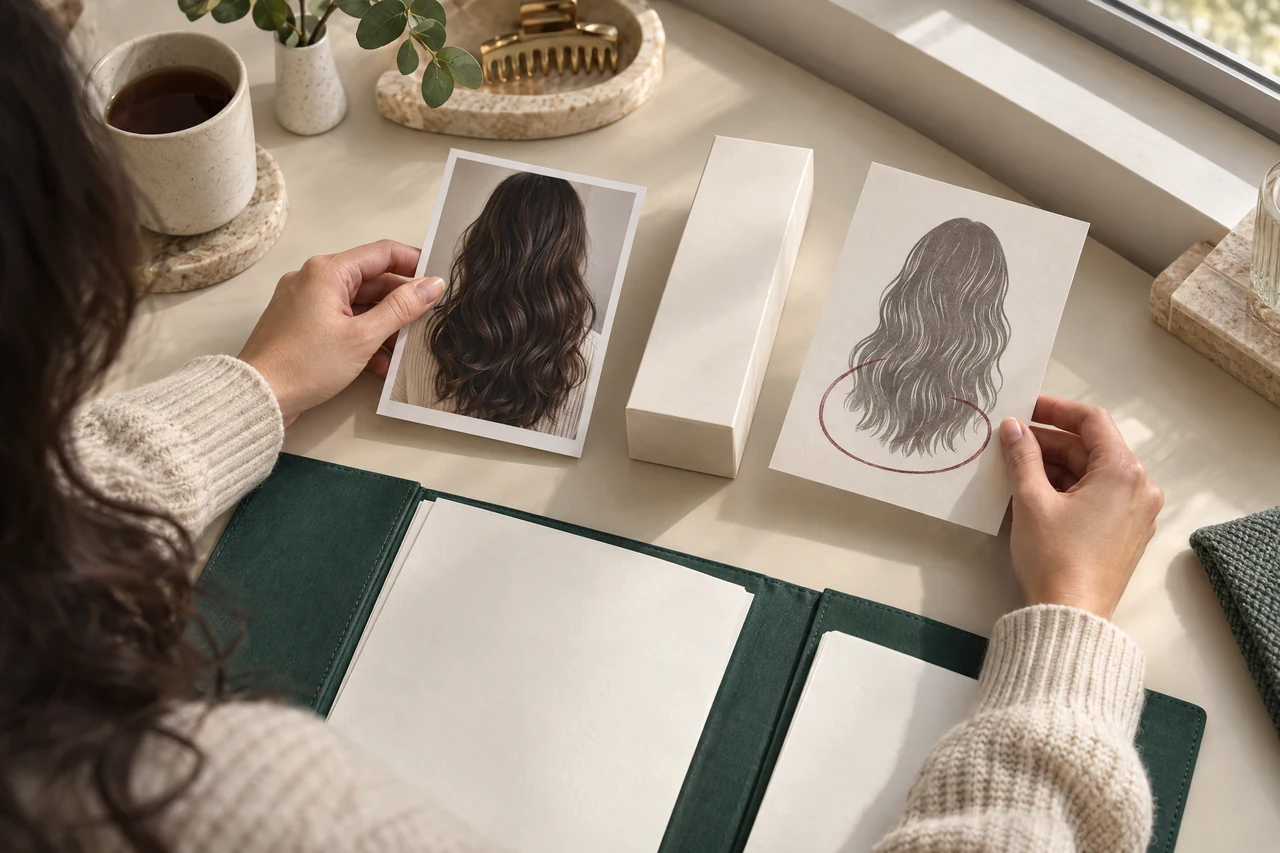
If your immediate goal is a neater outline for work or an occasion, compare straightening treatment vs blow dry before choosing another chemical process. Temporary styling does not erase the earlier treatment history, and repeated heat can still add damage. A finish that keeps some wave may be more realistic than insisting on pin-straight ends every morning.
The American Academy of Dermatology's styling advice recommends using flat irons only on dry hair at low or medium heat and reducing blow-drying frequency to limit damage. That is general care advice, not permission to iron fragile bleached hair. If ordinary handling already causes breakage, discuss a routine with less heat rather than testing how much more the lengths will tolerate.
For budgeting, Vit So's listed Ionic Straightening price is HK$1,600. The listed price does not establish suitability for bleached hair or confirm that assessment, a haircut or other care is included. Agree on the proposed work and actual charge before booking; if reshaping is declined, request a separate quote for the alternative you choose.
Make the fallback plan fit your daily routine
Say whether you air-dry, tie the hair back or style it before a humid commute. Decide which matters most: keeping length, retaining colour or reducing visible bends. Agree on a care or cutting direction you can maintain.
Processing histories to discuss before straightening: a decision guide, not a suitability rating
| Current history | What to disclose | Direction to discuss |
|---|---|---|
| New roots above lightened lengths | Where the bleach begins and whether ends were lightened repeatedly | Assess roots and lengths separately; do not assume fresh growth clears the whole head |
| Highlights beside less processed strands | Front pieces, underneath sections and later toner or tint | Discuss mixed histories and the exact formula rather than judging by current shade |
| Bleached hair later coloured dark | Original lightening and subsequent colour or removal products | Treat the hidden bleach history as relevant even when the finish looks brunette |
| Old perm with later colour | Permed area, remaining curl and any overlap with lightening | Compare reshaping with a modified cut or a grow-out plan |
| Breaking or unusually stretchy lengths | Location, ordinary handling changes and when they began | Consider postponing chemical work and choosing gentler care or gradual trimming |
Your preparation checklist
- Record each chemical service you remember, including approximate dates, home products and work done at other salons.
- Mark where each process occurred: roots, front highlights, middle, ends or underneath sections.
- Bring unfiltered current photographs and product details; identify anything you cannot reliably remember.
- Describe breakage, brittle ends or unusual wet-hair behaviour without pulling strands to demonstrate it.
- Ask about the exact proposed formula, heat, assessment availability, separate arrangements and the quote.
- Choose a fallback priority, such as retaining length with some wave or accepting a gradual cut if chemical reshaping is unsuitable.
Frequently asked questions
Can damaged hair be straightened?
It may be unsuitable for further shape-changing work. Current condition and earlier processing need assessment, and postponing or declining the procedure may be appropriate. Smoothing is not a guarantee of repair.
Can I straighten permed hair?
Do not assume an earlier perm can simply be reversed. Discuss the processed lengths and the risk of overlap, and compare temporary styling, cutting or growing out before deciding on another chemical process.
Is there one waiting period after colour or bleach?
No universal interval establishes suitability. The exact products, history and current condition matter. Confirm the proposed procedure and assessment instead of relying on a fixed number of days.
Is hair straightening for colored hair different from straightening highlighted hair?
The visible colour alone does not establish the processing history. All-over tint, lightened highlights and bleach later covered with a darker shade can leave different areas to consider. Tell the stylist what was used and where, then discuss the proposed procedure rather than assuming coloured hair follows one suitability rule.
Plan a shape change around the lengths you want to keep
Enquire with Vit So in Sheung Wan using current photographs and your bleach, colour and perm history. Explain the straighter finish you want and what you would accept if chemical reshaping is unsuitable. Ask about assessment arrangements, service scope and the quote before agreeing to proceed. An enquiry is not a confirmed booking.
Start your WhatsApp enquirySources & further reading
- Effects of chemical straighteners on the hair shaft and scalp
Research review describing hair-shaft changes after chemical straightening and laboratory observations after combined bleaching, straightening and ironing.
- Hair styling without damage
General dermatology guidance on dry-hair flat ironing, lower heat and reducing blow-drying frequency; not an assessment of individual bleached-hair suitability.
- Formaldehyde in Hair Smoothing Products: What You Should Know
Product-specific questions about smoothing ingredients, heat-released formaldehyde, Safety Data Sheets and ventilation.



