






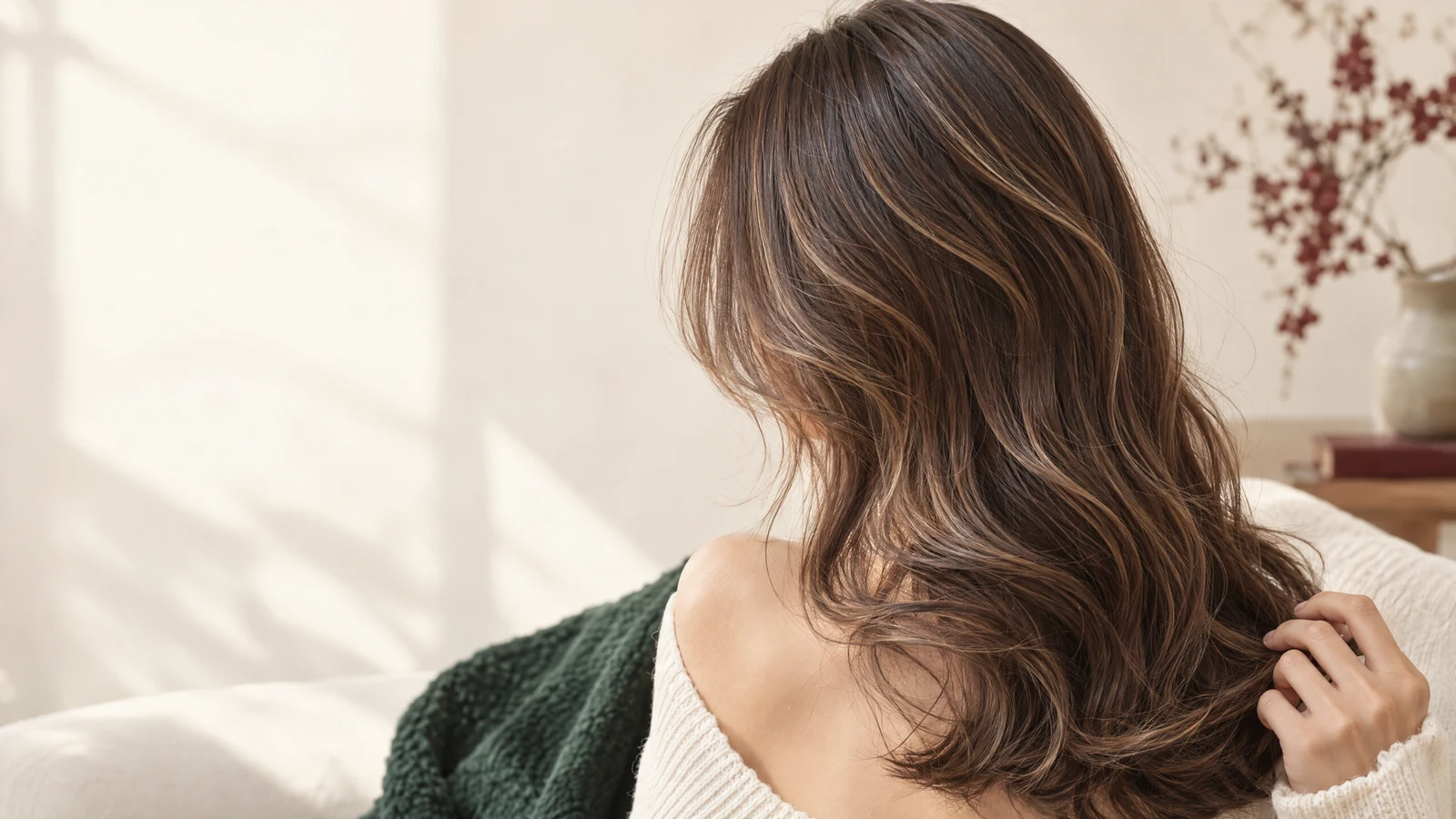
Hair highlights: decide how visible the strands should be
Chunky highlights create broader, more visible ribbons, whereas natural highlights aim for a gentler contrast with the base. Neither label specifies a fixed shade or process. Look at the gaps between light strands as well as their width, and describe whether you want obvious stripes, a scattered glow or something between the two.
Start with the view that matters most to you. If you want brightness around your face but prefer the back to stay predominantly dark, say so before discussing a shade. If you want ribbons visible through the whole length, show a back view as well as a front portrait. A photograph of curled hair can make separate strands appear grouped together, so include a reference in your usual texture. Your aim might be clearly defined lines on straight hair rather than a blended effect that appears only when styled into waves.
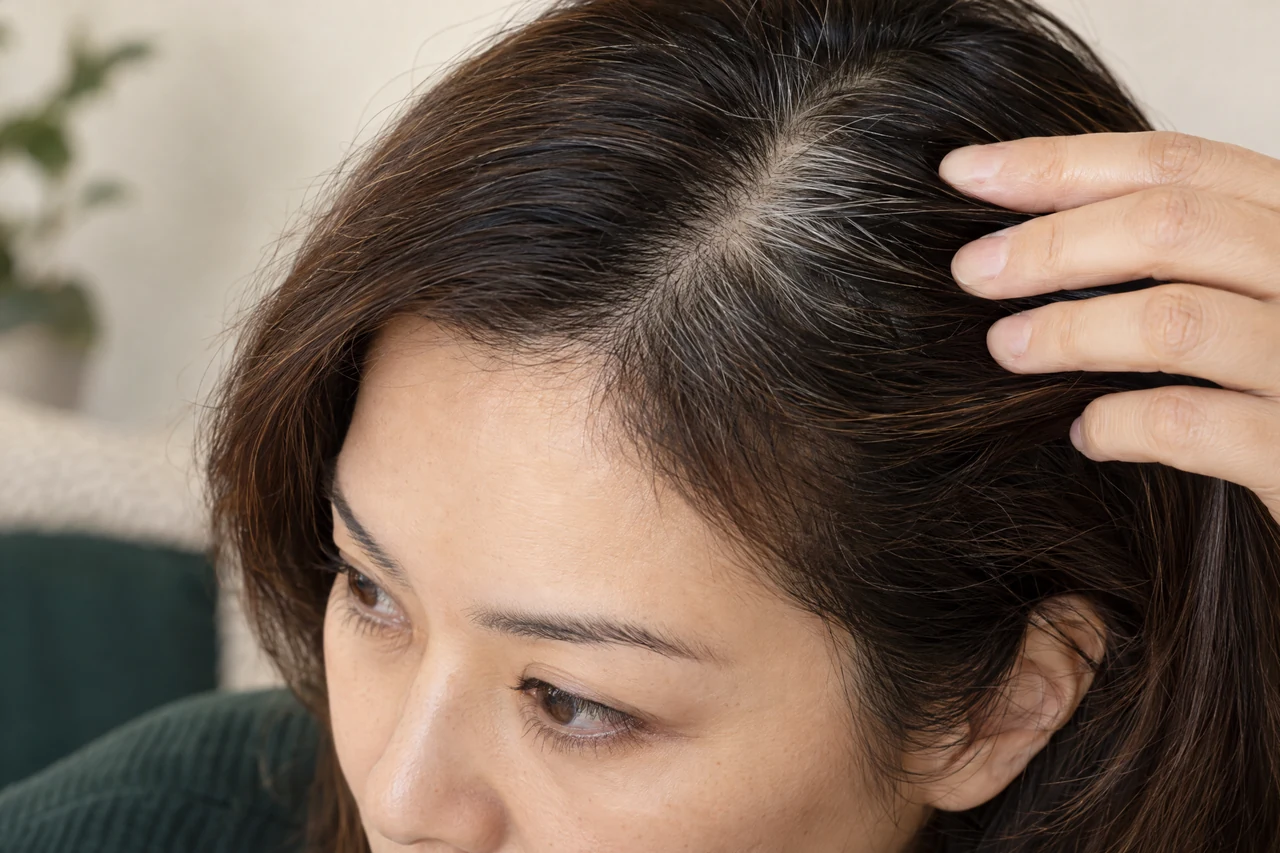
Keep the natural white pattern separate from your preferred highlight colour. A bright reference may appeal because its white strands remain visible, not because the entire head is blonde. Explain whether those white strands are part of the appearance you want to retain. Existing dark dye through the lengths also needs to be shown rather than treated as the same starting point as untouched roots.
Hair highlights with fine or broad lines
Width and contrast are separate decisions. A narrow pale strand against a dark base can be quite noticeable, while a broader warm-brown ribbon close to the base may feel restrained. Describe both features in a reference: whether you like its distinct ribbons and whether you like its overall brightness. If only one appeals, explain the other feature you would change. Also show where you normally part your hair. Lines clustered beside the parting may dominate your everyday view even when much of the hair underneath remains dark.
White strands, contrast and the usual cut shape
Highlights to blend grey hair and lowlights for grey hair describe different ways to discuss light and dark strands within a mixed appearance. Neither means every white strand must be hidden. Show the natural white pattern, existing dye and the contrast you want to keep. Placement and suitability need assessment before a strand-based approach becomes an agreed colour plan.
Babylights and a softer blend
Highlights and babylights sit on a spectrum of strand size and density. Fine strands can look subtle when they are spaced out, or brighter when placed more densely. Ask to discuss both the amount of lightness and the depth you want to retain; a delicate line does not automatically mean a bleach-free or low-maintenance result.
The distinction is about strand size rather than a single finished colour. Wella Professionals' guide to babylights describes them as highlights created on finer sections than traditional highlights. It also explains that they can be made with or without foils, depending on the desired lift. That is useful vocabulary for a consultation, not confirmation of which products or method will be used at Vit So. Your existing base and desired brightness still need to be considered together.
Review balayage hair colour to check its service scope and the details to share before arranging the related work.
Babylights: fine strands still need a clear plan
For a softer-looking blend, decide how much dark hair you want to recognise between the fine strands. A scattered arrangement may preserve a brunette impression; a dense arrangement can move the overall appearance towards a lighter colour. Ask to see the proposed balance through the top, sides and ends rather than discussing the finest possible line alone. If your preferred reference has darker roots and brighter lengths, identify that transition explicitly. It may involve a different distribution of lightness from fine strands starting close to the root, even though both pictures look delicate.

Full or selected areas of brightness
Full head highlights consider strands across the head rather than only the upper surface. Half head highlights and partial highlights describe narrower areas, but the exact sections vary. A photograph with hair loose and tied back helps explain the coverage you need. Confirm the proposed boundaries rather than assuming a service label defines them.
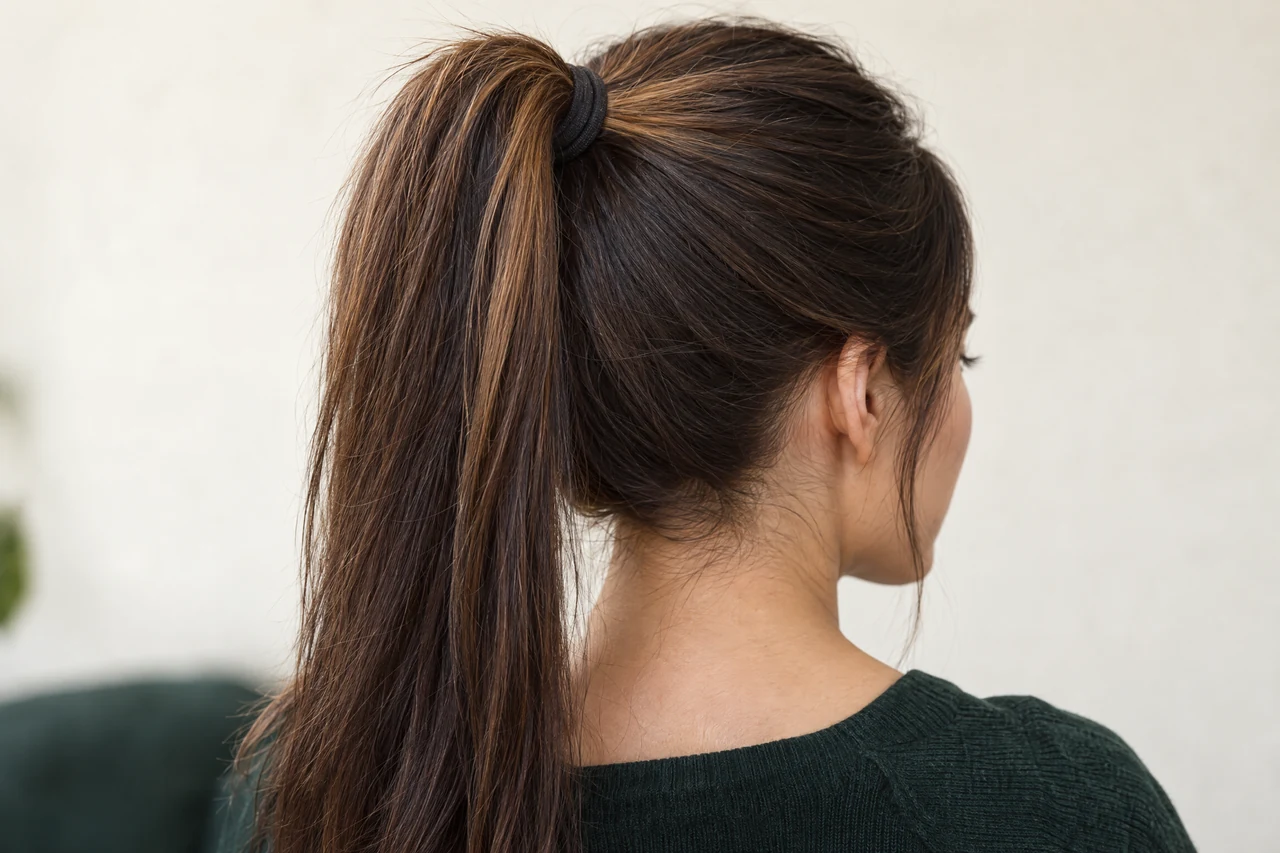
Think about the hairstyles you actually wear. Hair tucked behind an ear exposes a different area from hair falling forward; a high ponytail turns some underside strands outward. If you change your parting, brightness designed around only one part may not sit where you expect after the change. Discuss the hairline, crown and nape individually when those views matter. Selected areas are not automatically the right compromise simply because you want fewer visible highlights: a wider placement with lower density may describe your visual goal more accurately.
If your daily hairstyle exposes the underside, the guide to highlights that show in a ponytail can help you identify which back and side views to include in your enquiry.
Full head highlights and visible coverage
Full-head coverage does not mean every strand becomes light. It describes the areas being considered, while density describes how much lightness is placed within them. Ask which areas will retain depth and where the brightest lines will sit. For a shorter cut, show the side and back shape because the upper layers may cover different sections as the hair moves. If a substantial trim is planned, share that before choosing the length of the bright ribbons. There is little value in designing a lightened end around a length you intend to remove.
Price options and the information to send
The published full-head highlight prices are HK$1,600 and HK$2,200. Ask which option applies and what is included before confirming an appointment. Send recent photos of the roots, lengths and ends, plus previous colour or lightening details. Babylight designs and smaller areas should have their scope and quotation confirmed rather than borrowing a price from another item.
Check the hair salon price list for published entries, then confirm the amount for your agreed scope.
For a useful quotation, distinguish new lightening from a change to existing light strands. Show any band of old colour, previously bleached ends or uneven brightness. Include the approximate dates of past colouring, home dye, henna, perming or straightening, and product details where available. Mention noticeable breakage or areas that feel unusually rough. These details help the discussion address the starting condition rather than quoting from a desired photograph alone. State your budget and whether a haircut is also part of the visit so that separate work can be clarified.
Separate listed prices from a personal quotation
The two published figures are options, not a universal price range that explains every design. Ask what distinguishes the applicable option and whether the proposed work includes toning, finishing or any other step you expect. Do not assume that a price or inclusion attached to a balayage package carries over to highlights. If your hair extends below the chest, ask whether the published long-hair surcharge applies to your agreed service. Confirm additional lightening and any unlisted work before the visit, along with the time you should allow for the assessed colour plan.
Match the published entry to the assessed work
For highlights in Sheung Wan, describe where you want lighter strands and whether you are considering full-head coverage. Vit So receives clients at 252 Hollywood Road and lists full-head highlights at HK$1,600 or HK$2,200. Ask which option applies, what is included and whether extra lightening is needed for your existing colour before confirming a visit.
Care for the lighter strands in your everyday routine
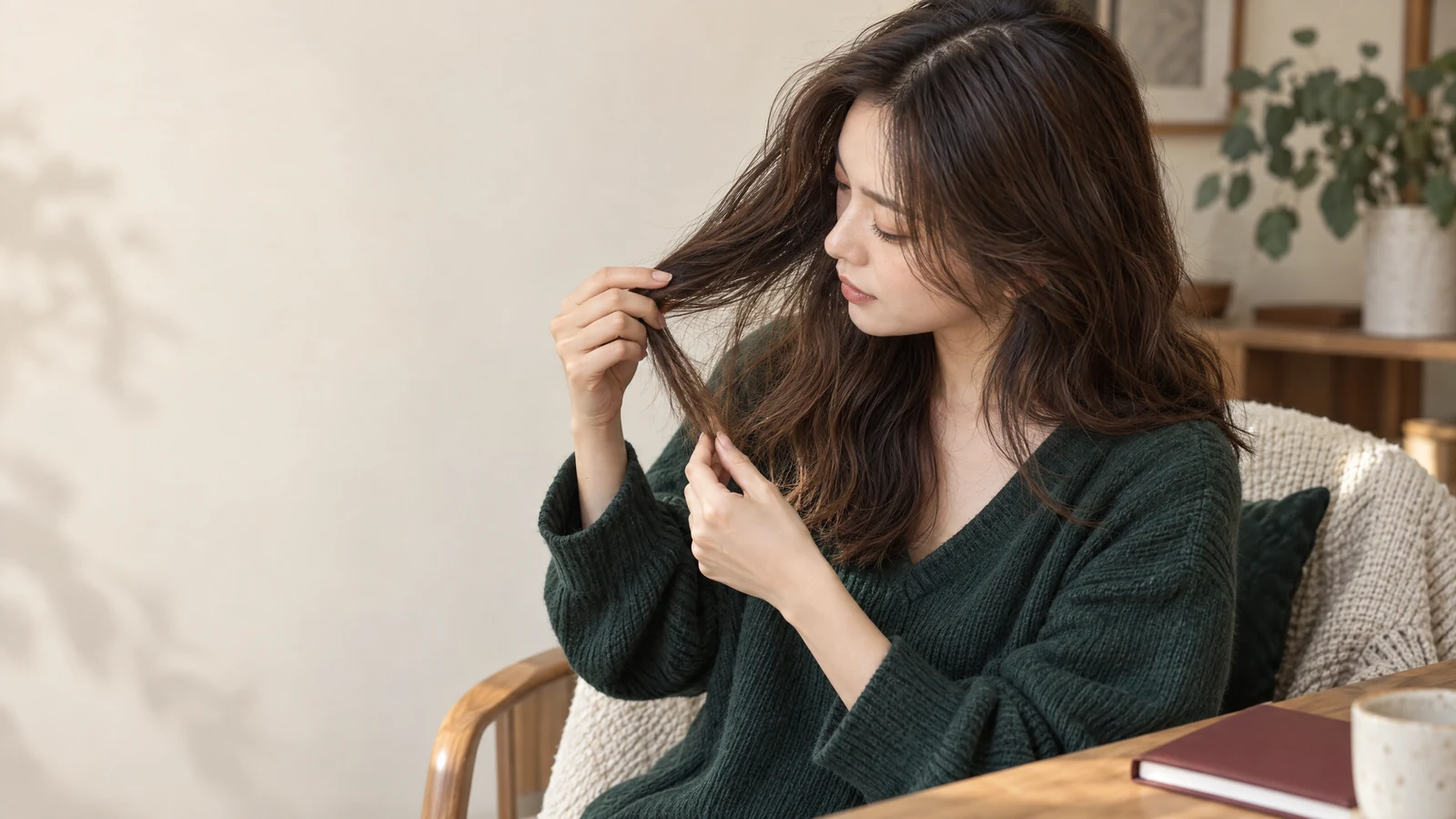
A fine highlight is still part of your hair-care routine. Tell the salon if you straighten daily, swim regularly or usually tie your hair up while it dries. The goal is to agree on care you can realistically follow, not buy a collection of products before knowing how your hair has been processed. Ask for first-wash and product instructions for the actual service. A warm highlight is not automatically a colour problem, so clarify the intended tone before deciding that it needs a cooling shampoo.
The American Academy of Dermatology's advice on reducing hair damage recommends conditioner after every shampoo, absorbing water with a towel rather than rubbing the hair, and using the lowest heat setting when heat tools are needed. These are general handling recommendations, not a promise that a highlight colour will last for a particular period. Gentle care is especially relevant when you want to keep lightened lengths rather than cut them away.
Observe tone without losing sight of hair condition
When something changes, describe whether you are noticing more warmth, darker new roots or a rougher feel through the ends. Those observations answer different questions. Photograph the same area in similar daylight before seeking advice, and record the products you have used. Avoid treating every change with another colour application at home. If the hair is catching during combing or breaking, mention that alongside the colour concern so that a visual adjustment is not discussed without the condition of the strands.

Plan what you want to keep as highlights grow out
Discuss the future appearance while choosing the initial lines. Some people like a visible darker root beside bright ribbons; others want a softer boundary. Neither preference determines a fixed return interval. Share how often you realistically want to revisit the colour and whether you would rather preserve the current brightness or gradually reduce it. A photograph of your previous highlights after they had grown out can be as useful as an inspiration image of a fresh finish. It shows the stage you enjoyed or found difficult.
Use book a hair appointment to send the intended work and possible dates; wait for confirmation before travelling.
Prepare an enquiry that shows the whole line design
Send a current front, side and back view, including your usual parting and a tied-back view if relevant. Add a reference with a short explanation of the features you like and any feature you do not want. Separate your priorities: line width, overall brightness, placement and retained depth. If your existing hair is already highlighted, identify the strands you want to keep rather than requesting a complete restart by default. The editorial checklist below gives six practical steps for preparing that discussion.
- For a realistic view of the in-between stage, read about growing out highlights before deciding how close to the roots you want the new brightness.
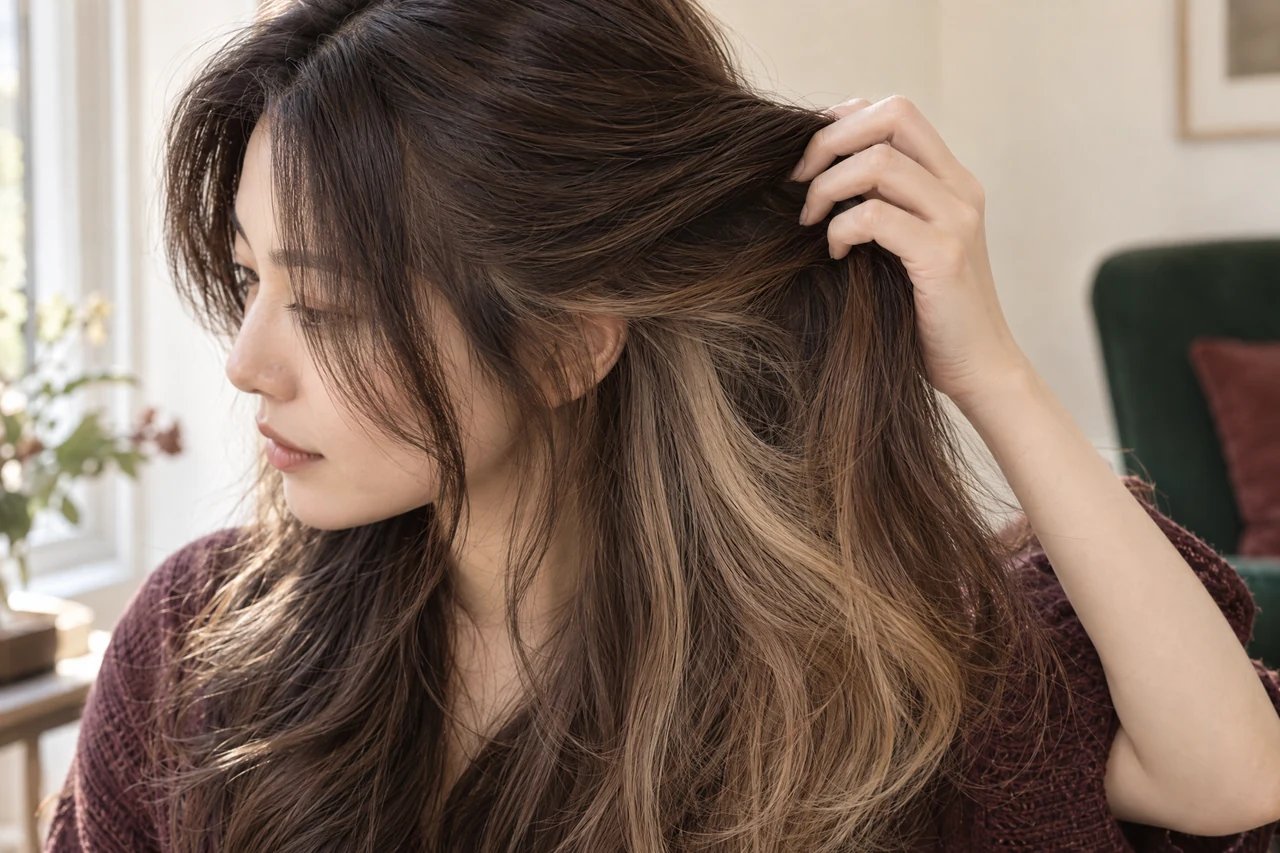
Compare highlight design choices by visible effect, not by a name alone
| Design choice | What to look for | What to confirm |
|---|---|---|
| Broader highlight ribbons | Distinct light strands and readable dark gaps | Width, contrast and placement in your usual texture |
| Fine babylights | Small individual lines that may blend together visually | Density and how much base colour remains visible |
| Selected-area brightness | Light concentrated around agreed visible sections | Exact hairline, parting, crown and underside boundaries |
| Full-head highlight coverage | Strand placement considered across the head | Distribution of depth, tied-back visibility and the applicable price option |
| Highlighting within a grey mix | Light and dark strands alongside natural white hair | Which white areas should stay visible and how old dye affects the plan |
Your preparation checklist
- Photograph dry hair in natural light, showing the roots, lengths and ends without a colour filter.
- Include your usual parting and a tied-back view to explain where brightness needs to be visible.
- Describe the preferred strand width, darker gaps and contrast in your chosen reference.
- List previous colouring, lightening and texture services, including home products and approximate dates.
- Share the cut length you intend to keep, your everyday styling routine and your preferred upkeep commitment.
- Confirm the applicable full-head price option or assessed quotation, included work, possible extras and appointment arrangements.
Frequently asked questions
Can I choose just the parting and hairline?
You can describe that placement goal. T section highlights commonly refer to selected parting and hairline areas, but the proposed sections and whether that arrangement is suitable need confirmation.
Do highlights always use foils?
Foil highlights describe a method of isolating strands. The name of a highlight design alone does not confirm the exact method used; ask what approach is proposed for your hair.
Where can I enquire about highlights in Hong Kong?
Vit So receives clients at 252 Hollywood Road, Sheung Wan, Hong Kong. Send your current hair photos and preferred line effect through the booking enquiry route; the appointment and colour plan require confirmation.
Bring your preferred highlight lines into a clear colour discussion
Tell Vit So whether you want visible ribbons, finer babylights or brightness in selected areas, and send current photographs with your colour history. Use the enquiry route to discuss suitability, scope and possible dates for a visit to Sheung Wan; an enquiry is not a confirmed appointment.
Start your WhatsApp enquirySources & further reading
- Your Everything Guide to Babylights
Babylights use finer sections than traditional highlights; foil use depends on the desired lift rather than the design name alone.
- How to stop damaging your hair
General hair handling guidance on conditioner, towel drying and low-heat styling to help reduce damage.



