






Balayage planning before cutting long hair into a bob: map what stays
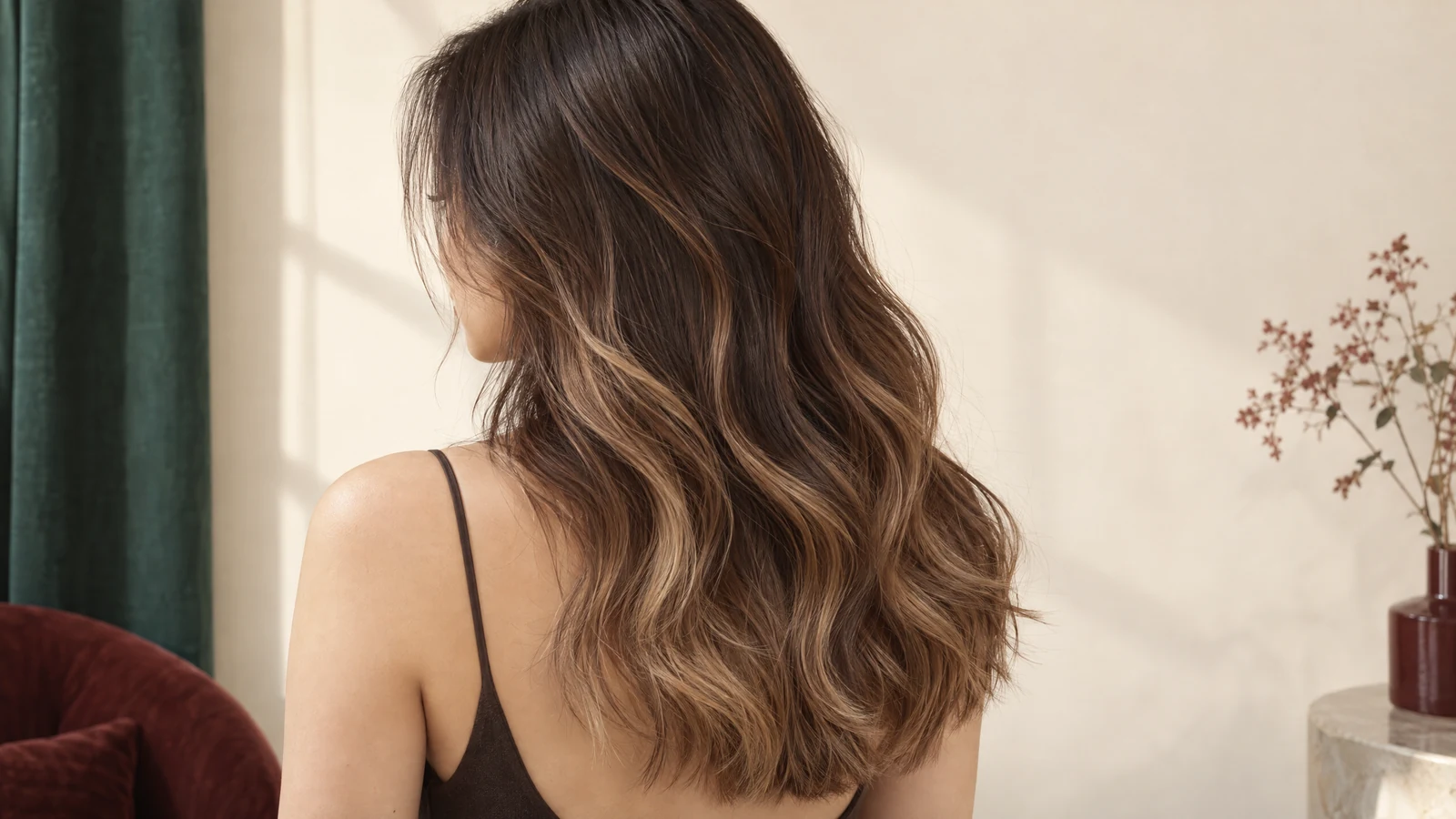
Start by separating the proposed retained hair from the length that will go. On dry hair in your usual parting, identify the dark upper area, the first visible lighter ribbons and the brightest ends. Compare these with the intended bob edge at the front, sides and back. A chin-length front does not tell you everything about a shorter nape. Ask which light strands reach above each proposed cutting line, rather than assuming the same amount of brightness survives all around the head.
The terminology helps explain why this matters. Wella Professionals describes balayage as hand-painted highlighting, often concentrated through mid-lengths and ends, while ombré has a more uniform transition towards lighter ends in its guide to balayage placement. Removing the lower length can therefore remove a large part of the visible pattern. This does not mean the previous colour was unsuccessful. It means your next haircut will contain a different selection of those strands.
Balayage planning before cutting long hair into a bob is a retained-length decision
For a hypothetical example, imagine long hair with almost all its pale colour below the shoulders and a few soft ribbons near the cheek. A chin-length bob could lose the pale ends while retaining some face-side detail. Refreshing the lower gradient beforehand would not increase the colour retained in that bob. A rough visual comparison is useful for discussion, but it cannot predict the finished result precisely: hair shifts when weight, layers and length change.
Agree the bob edge before protecting particular light strands
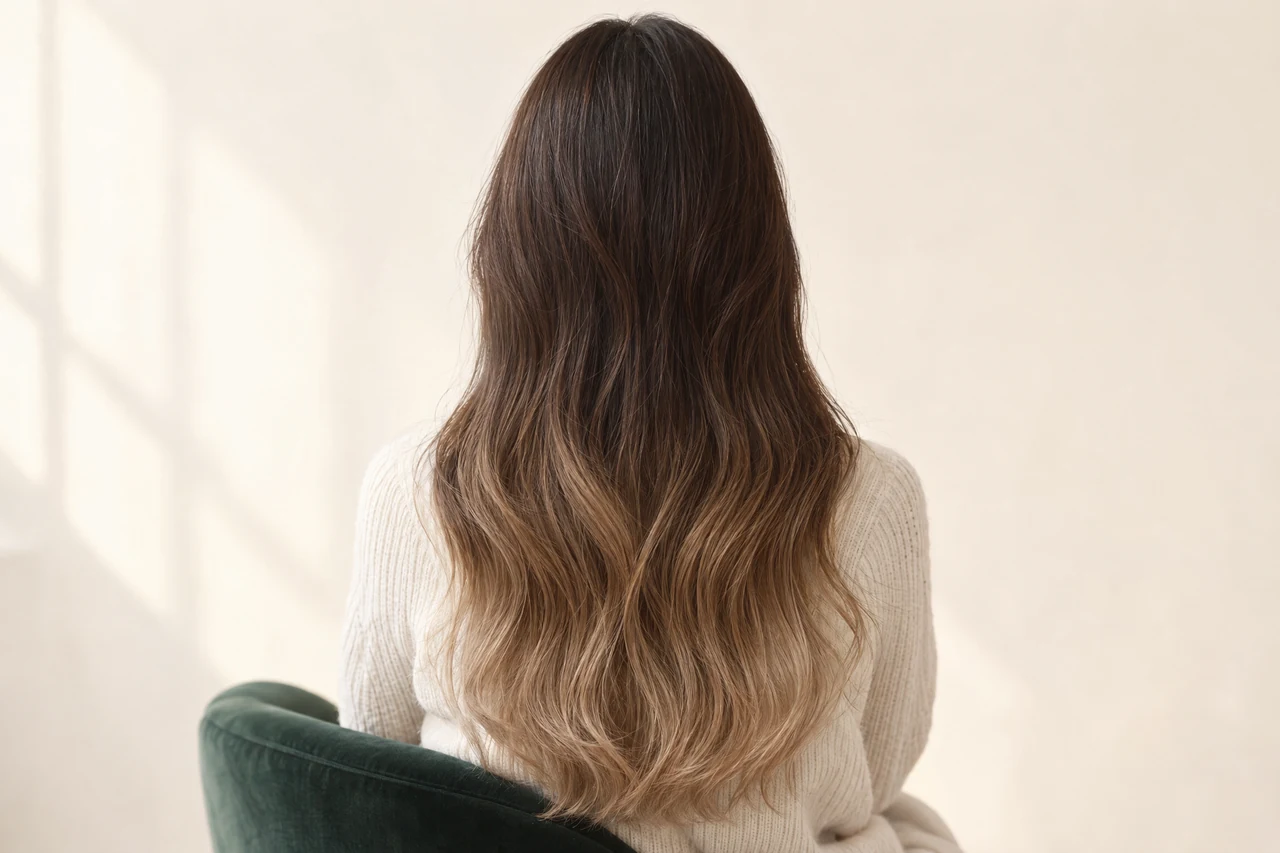
Choose the shape because you want to wear it, not because one old highlight happens to sit slightly below the desired edge. Extending a bob just to preserve that highlight may leave you with neither the intended restyle nor a coherent colour plan. When the landing point is uncertain, the bob vs lob guide offers a useful starting point for comparing lengths. Resolve that choice before deciding whether the old brightness is worth retaining.
Discuss the perimeter and any layers separately. A solid edge might keep a warm ribbon as a small accent at the ends, whereas shorter layers could remove part of it or expose a previously hidden section. Ask to see the proposed shape from the side and back, not only in the mirror from the front. Also explain whether you tuck behind an ear or want a fringe. Those choices affect which remaining colour is normally visible.
Prioritise the cut when shape and colour conflict
Decide which compromise would bother you more: a darker bob in the shape you want, or a longer cut that preserves more old colour. There is no universal answer. If the length change is your main goal, let the colour be reassessed around it. If a particular bright front piece is essential, ask whether the planned front length genuinely accommodates it. Do not assume that a photograph of a longer reference can be reproduced within a shorter outline.
Keeping useful brightness after cutting away balayage ends
Useful brightness is the colour you notice and enjoy in everyday wear, not the total amount of previously lightened hair. A surviving ribbon near the face may matter more than a large pale area hidden beneath the back. After the length is agreed, identify your priority: a softer face-side outline, a few visible surface lines, or lighter ends throughout. Naming the preferred area makes it easier to compare a limited colour change with simply leaving the remaining pattern alone.
Shorter hair has less length available between the darker upper section and the ends. The guide to balayage on short hair explains how that compact outline changes the room for a colour transition. For a long-to-bob restyle, the immediate task is to check whether the surviving light area already provides the detail you want. More lightening is not automatically necessary just because the bob looks darker than your long-haired reference.
Judge remaining tone separately from missing brightness
If a retained light strand looks warmer than you prefer, ask about its tone before requesting new lightening. A tone adjustment concerns the appearance of existing lighter hair; it cannot bring back a pale section that has been cut off. Compare the hair in neutral daylight and without a strong camera filter. A darker bob with a few warm accents may be a useful outcome in its own right, rather than an unfinished stage that must immediately be corrected.

Compare cutting first, coordinated colour and a darker pause
Cutting first is particularly useful when you cannot confidently picture how much of the existing balayage will remain. Seeing the new outline makes the colour decision more concrete. You may discover that the surviving ribbons are enough, or that the area you want to brighten is smaller than expected. The trade-off is that further colour may need a separately arranged visit. Do not assume a haircut appointment includes time for an unplanned colour service on the same day.
A coordinated appointment can make sense when the bob shape is settled and both the cut and colour have been assessed together. The key is to plan placement on the hair that will remain, not to repeat the old long-haired refresh by habit. Ask how the proposed service accommodates the major length removal. The exact working order belongs to the professional assessment; your decision is whether the agreed scope serves the finished bob and avoids processing unwanted lower length.
A darker bob can be an intentional stopping point
Keeping the cut darker temporarily gives you a chance to assess the new silhouette in ordinary life. Try your usual parting, glasses and ear tuck before deciding what colour feels missing. This pause need not involve an all-over dark dye: leaving the remaining hair alone may be enough. If you are considering adding a darker tint, explain any wish to lighten again later and ask how that choice affects the future plan before committing.

Assess the hair that remains before further chemical work
A major cut removes length, but it does not establish that every retained strand is suitable for more lightening. Some upper ribbons may already have been processed, while neighbouring darker areas have a different history. Explain previous bleach, tint, straightening and perm work, including home colour. Ask which retained sections are being assessed and whether the proposed result is realistic on them. If there is noticeable breakage or concern about condition, be prepared to defer new lightening rather than treating the haircut as permission to proceed.
Dye reactions are a separate concern from hair condition. The NHS advice on hair dye reactions lists burning, itching and blisters among possible symptoms and advises not continuing with dye after a reaction to a patch or strand test. Disclose previous reactions and follow the relevant product and professional testing instructions. Seek healthcare if a reaction worsens; sudden mouth or throat swelling or difficulty breathing needs emergency help. A balayage placement away from the roots is not a reason to ignore a reaction history.
Do not book a refresh solely by its technique name
The ombre hair service page is useful when discussing the intended dark-to-light distribution and listed scope. Explain that the long ends are being removed, then ask what work is relevant to the retained bob. A service name alone does not establish placement, suitability or the final charge. If you have scalp soreness or an unresolved reaction, raise it before arranging chemical work rather than arriving expecting it to be worked around.
Prepare an enquiry that describes the finished bob
Send current front, side and back photographs with dry hair in ordinary light, alongside a bob reference whose length you can identify. Describe where you think the old bright sections begin, but leave the final assessment open. Explain whether a darker first version would be acceptable and which visible area matters most if colour is retained or added. The preparation checklist below has 6 items to help organise that enquiry. It is a practical list, not a test of whether your hair is suitable.
Vit So lists women’s wash, cut & blow-dry at HK$480. That is the confirmed haircut listing, not a quotation for new balayage or a combined restyle-and-colour appointment. Ask what services are proposed for your retained hair and confirm the applicable total and inclusions before arranging the visit. Do not assume that removing length produces a particular colour discount, that selected placement has a published separate price, or that every stage can be completed within one appointment.
Confirm the scope before the visit
A useful enquiry asks whether to book a cut first or discuss coordinated work, rather than requesting a refresh without mentioning the bob. Vit So’s customer location is 252 Hollywood Road, Sheung Wan, Hong Kong. If consultation language matters to you, confirm it when enquiring; an English-language website does not guarantee an English-speaking consultation. Availability, the agreed services and the appointment all require confirmation through WhatsApp before you make plans to attend.
Choose the sequence around the hair you will keep, not the brightness you will discard.
| Option | When it helps | What to confirm |
|---|---|---|
| Cut first, then reassess | The final colour distribution is difficult to judge on the long hair. | Whether further colour needs a separate appointment after seeing the bob. |
| Coordinate the cut and assessed colour | The bob shape is agreed and you know which visible areas you want brighter. | Placement on retained hair, suitability, service scope and the applicable total. |
| Keep a darker bob temporarily | The length change matters most and immediate extra brightness is optional. | Whether simply leaving remaining colour alone meets the goal, without adding dark tint. |
| Discuss tone on surviving light strands | Enough brightness remains but its warmth is the concern. | Whether a tone adjustment is appropriate; it will not replace removed lighter ends. |
Your preparation checklist
- Choose a bob reference with a clear front length and visible back outline.
- Photograph your current dry hair from the front, side and back in ordinary light.
- Explain your usual parting, ear tuck and whether a fringe is planned.
- List previous bleach, tint, perm and straightening work, including home colour.
- Identify the brightness you most want to keep and whether a darker bob is acceptable.
- Disclose reactions or condition concerns and confirm service scope, testing instructions and charges.
Frequently asked questions
Should I refresh my balayage before a major bob cut?
Not if the refresh mainly concerns long ends you already intend to remove. Agree the bob outline and assess what remains first. Coordinated work may be possible, but it should target the finished cut rather than repeat your previous long-haired placement. The appropriate sequence depends on the retained hair, the intended effect and the confirmed appointment scope.
Will cutting into a bob remove all my balayage?
It depends on where the lighter areas begin and how short the front, sides and back will become. A low gradient may largely disappear, while some higher face-side ribbons could remain. Photographs help start that discussion, but neither a folded-hair preview nor a digital crop can guarantee the finished distribution after the haircut changes the way the strands sit.
Can I keep a few bright front pieces and leave the rest darker?
That can be a design goal to discuss, rather than a promised outcome. Check whether the existing front pieces remain within the proposed length and suit your ordinary parting. If they survive and you enjoy them, the rest of the bob may not need further colour. Any new placement still requires assessment of the hair and an agreed service scope.
Planning a bob without refreshing hair you will remove?
Send Vit So your current hair photographs, preferred bob reference and colour history on WhatsApp +85253057561. Explain which brightness you hope to retain and ask whether a cut-first or coordinated assessment is appropriate. Confirm suitability, consultation language if needed, service inclusions, charges and availability before arranging a visit to 252 Hollywood Road, Sheung Wan, Hong Kong.
Start your WhatsApp enquirySources & further reading
- Wella Professionals: What is Balayage? Your Complete Guide
Explains hand-painted balayage placement and the distinction from an ombré gradient, helping readers understand why removing lower length changes visible colour.
- NHS: Hair dye reactions
Provides practical information about reaction symptoms, following dye instructions, stopping after a test reaction and when worsening or severe symptoms need healthcare.



