







Decide Whether Full Head Wigs Match Your Coverage Goal
A complete wig and a localised hairpiece solve different appearance goals. Identify whether you want to cover the whole head or keep most of your own hair visible. Then consider how often you want to remove the piece, which parting you prefer and what you can manage at home. These questions help narrow the enquiry without making a medical claim.
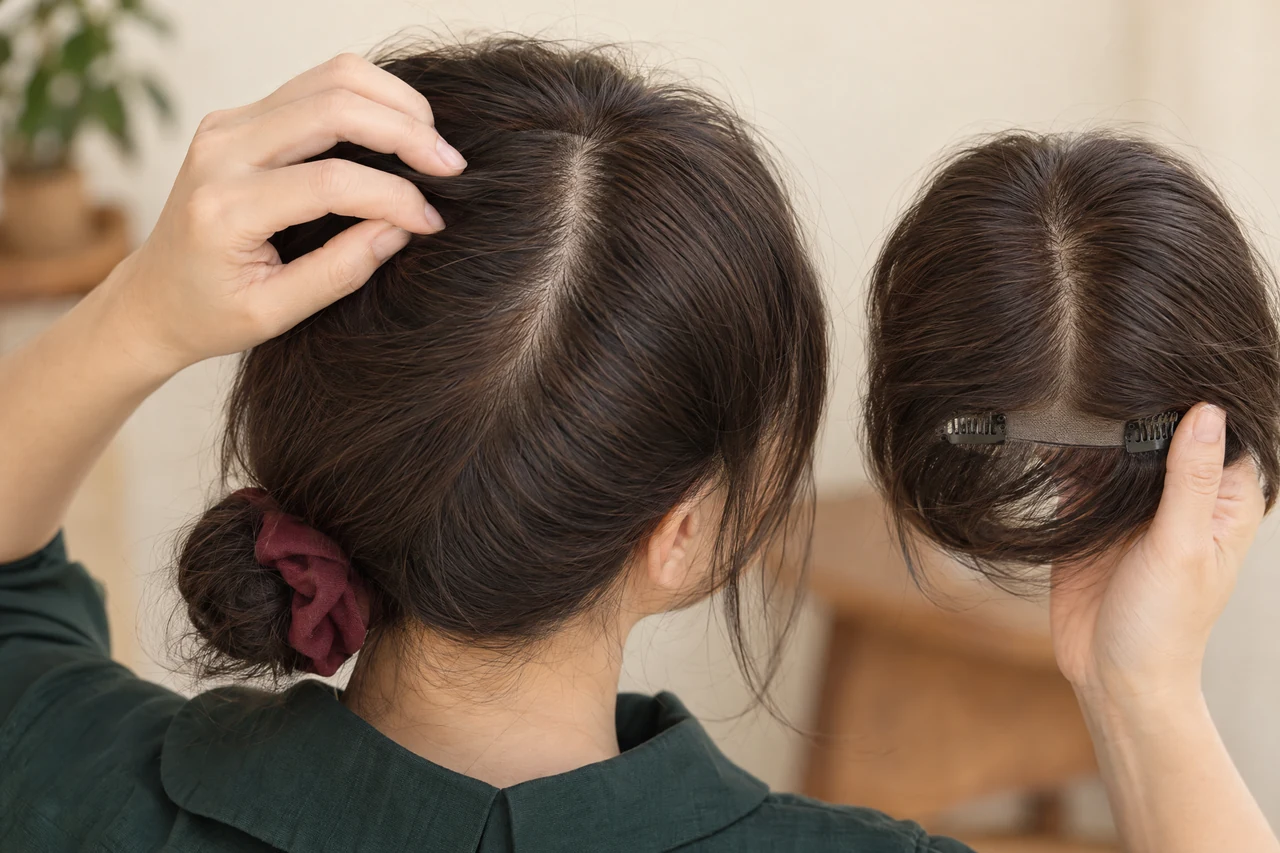
Start with the areas you want to change. A complete hairstyle may suit a goal that includes the front, sides and back together. A partial piece may be worth exploring when your priority is the crown or a selected parting area and you want the surrounding hair to remain visible. The latter creates a blending task: the piece and your own hair must be considered together for colour, length and movement. More coverage is not automatically a better match for a localised goal.
Review custom made wigs to check its service scope and the details to share before arranging the related work.
Review hairpiece fitting to check its service scope and the details to share before arranging the related work.
Full Head Wigs Versus Targeted Coverage
Compare the hairstyle you want to wear, not just a photograph of the piece alone. For a partial piece, explain whether you normally leave your hair loose, tuck it behind your ears or tie it back. For a full wig, describe your preferred fringe, parting and nape length. A short outline exposes different edges from a shoulder-length shape. Bring reference pictures that show those edges, rather than relying only on a flattering front view.
Clarify Supply Before Planning a Visit
Someone looking for a wig shop may need a ready-to-buy item, whereas someone looking for a wig salon may already own a piece that needs attention. Say which situation applies. Ask whether a suitable item, sample or fitting arrangement is available; do not assume a retail range or same-day purchase from a general service description.
Material is useful information even before a fitting discussion. Macmillan Cancer Support's wig guide explains that wigs may use synthetic fibres, human hair or a blend, and that human hair may already have been bleached and dyed. Although the guide is written for people affected by cancer treatment, these material distinctions help explain why a product label matters. An attractive finished colour does not reveal its processing history or permitted future changes.
Continue with human hair vs synthetic wigs for that specific comparison and the preparation questions it raises.
Retail Stock Is Different from Styling Advice
If you do not own a piece, describe the coverage, colour family and length you are considering, then ask what can actually be shown or arranged. If you already own one, identify the make or model and explain the problem. These are different enquiries, even when both begin with a request for a wig. A useful reply should clarify whether the discussion concerns supply, an assessment of your item or a specific styling task, rather than leave you expecting all of them during one visit.

Explain Fitting, Cutting and Styling Needs
For a wig fitting enquiry in Hong Kong, describe the cap, size and any existing adjustments. If you need a wig cutting service or a wig styling service, share the fibre label and the shape you want to change. Cutting, heat styling and colour work have different limits; acceptance of an externally purchased piece must be confirmed separately.
Describe fit and shape as separate problems. A cap that shifts when you turn your head is a different concern from a fringe that falls into your eyes. Record where an edge feels bulky or uncomfortable, and whether you are wearing a liner underneath. For cutting, mark the length you want to keep at the fringe, sides and back. Removing length from a wig is a lasting change to that piece; agree on the intended outline before treating a large cut as a quick adjustment.
Bring the Piece's Material and Construction Details
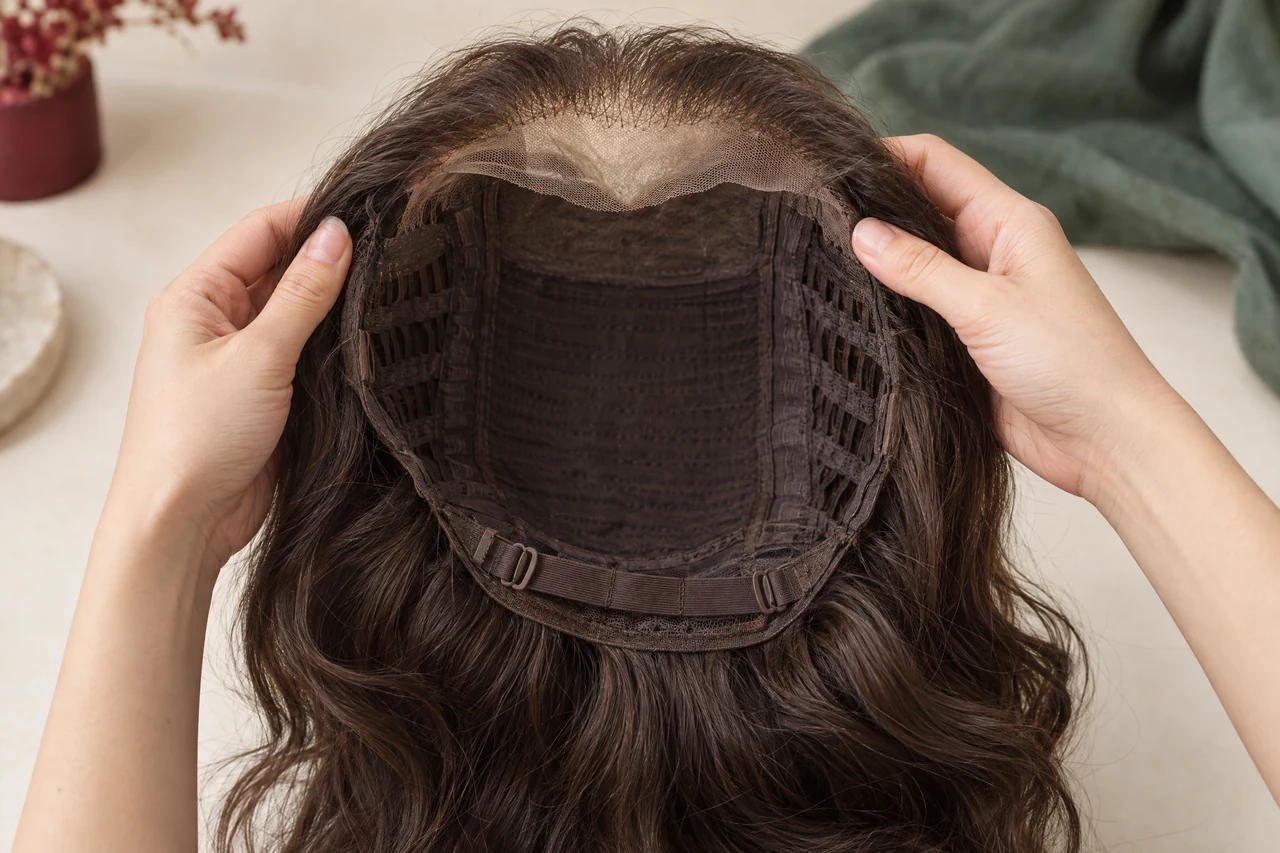
Photograph the inside of the cap as well as the hairstyle. Show the label, adjustable straps, clips and any lace areas without pulling them out of shape. Mention earlier cuts, colour work or attempts to tighten the fit. These details help distinguish a styling question from a construction issue. Do not infer that a human-hair label permits any salon process: the existing treatment history and the cap still matter. Macmillan also notes that blended wigs can need special care because their synthetic fibres may react badly to heated tools.
Material and coverage in a wig price enquiry
For a wig price enquiry in Hong Kong, distinguish the material, coverage, fit and any cutting or care service you need. A human-hair request should identify the material explicitly rather than treating every wig as equivalent. No wig amount is published in the confirmed menu; ask about actual supply and the quoted contents before relying on a retail price elsewhere.
Compare the Contents of a Quote
When discussing human hair wig cost, ask whether a proposed amount concerns the item alone or includes agreed fitting and cutting work. Clarify any separate care products or follow-up attention before accepting the scope. A price for a haircut on growing hair is not a substitute for a quote to work on a wig.
Distinguish Care from Structural Repair
Wig maintenance can mean cleaning advice, checking the fit or addressing a loss of shape. Wig restyling concerns the outline, while wig repair may involve damage to the cap or base. Describe the problem clearly and keep any product instructions. Structural repair and work on outside purchases require specific confirmation; they are not implied by a general wig enquiry.
Identify what changed before trying to correct it. Tangled ends, a stretched adjustment strap and a torn lace edge should not all be described simply as an old wig. Dana-Farber Cancer Institute's wig guide warns about damaging tension from heavy brushing and advises against wringing a washed wig. Follow your own product instructions for washing, brushing and drying, rather than using force to resolve a problem whose cause is unclear.
For everyday handling questions, the wig care guide helps you separate fibre care from fit checks and prepare questions about your particular piece.
Describe Wear Before Requesting Maintenance
Take a clear photograph of the affected area and explain when you first noticed it. Say whether tangling returns at the nape, whether the cap has become loose or whether the outline only changes after washing. Include the products and tools you have used. If the base or an attachment is damaged, leave it visible for assessment rather than hiding it with a new fixing. Cleaning a fibre and repairing its supporting structure are different tasks, with different acceptance requirements.

Plan for the Way You Will Wear the Piece
A hairstyle that suits a mirror check still needs to work with your normal day. Think about your commute, glasses, work clothing and how often you touch or retuck your hair. A long fringe may need more attention around frames; a longer nape may contact a collar. Bring those details into the conversation so the intended outline can be discussed in the positions you actually use, not only with your head held still.
Check Ear Space and Your Usual Accessories
Bring the glasses you normally wear, rather than a spare pair with a different arm shape. If you use a mask, note any crowded feeling around the ears. Describe whether you want to tuck the sides back, since that changes which edges are visible. The guide answering can you wear glasses with a wig explores this specific contact area. Comfort should be assessed alongside appearance; repeatedly tightening a cap is not a useful answer to every fit concern.

Prepare a Clear Enquiry Before Visiting Sheung Wan
Use the 6-point checklist below to prepare your wig or hairpiece enquiry. You do not need to know every technical term: a photograph of the label and an honest description of your goal are more useful than guessing the material. If you have not bought a piece, say so. If you need help with an outside purchase, state that at the start. This gives the enquiry a clear direction before a visit is discussed.
Agree on the Next Step, Not Just the Desired Look
A productive next step might be a request for more photographs or clarification of a proposed fitting or styling task. Ask what to bring and whether the piece should arrive in its normal wearing condition. Share any occasion date, but leave time for the scope to be assessed. Vit So is at 252 Hollywood Road, Sheung Wan; an enquiry about a wig does not itself confirm product availability, acceptance of the work or an appointment.

Choose the direction of your wig or hairpiece enquiry by coverage and the work required.
| Your starting point | Main decision | Details to share |
|---|---|---|
| Considering a complete wig | Whether you want one complete hairstyle covering the head | Preferred parting, fringe, side coverage, nape length and daily wearing habits |
| Considering a partial piece | Which area needs coverage and how the piece will blend | Usual parting, visible surrounding hair, colour, length and tying habits |
| Already own a piece that needs fitting or cutting | Whether the problem concerns the cap or the hairstyle | Product label, cap photographs, existing adjustments and the length you want to retain |
| Already own a worn or damaged piece | Whether you need fibre care advice or a structural assessment | Photographs of wear, changes after washing, products used and any damaged base or attachment |
Your preparation checklist
- Identify whether you want full coverage or a selected area covered, and describe the hair you want to keep visible.
- State whether you need an item supplied or already own a piece, including where it was purchased if relevant.
- Gather the material label, care instructions and clear photographs of the cap and its adjustments.
- Choose reference pictures that show your intended fringe, side profile and back length, not only the front.
- Note daily glasses, masks, headwear and hair-tucking habits, along with any pressure or movement you notice.
- Ask which work can be considered, what any quote includes and whether an appointment has actually been confirmed.
Frequently asked questions
Does this page mean wigs are in stock?
No retail stock is stated here. Confirm the item, material, sample availability and appointment scope before planning a purchase or fitting visit.
Can every wig be cut or coloured?
No. Fibre processing, cap construction and product instructions affect what can be considered. Send the item details and desired change before assuming a styling or colour service is suitable.
Are wigs a treatment for hair loss?
This information concerns appearance and wearing needs, not diagnosis, hair regrowth or medical treatment. A health concern should be assessed by an appropriate healthcare professional.
What if I cannot identify my wig's material?
Send photographs of any label, packaging or purchase information and say that the material is uncertain. Do not test it with a hot tool or dye to find out. The uncertainty should be resolved before a proposed styling process is discussed.
Should I buy a wig before asking about cutting it?
If cutting or fit adjustments are essential to your plan, ask about acceptance and scope before relying on them when choosing a product. A purchase from another supplier does not establish that Vit So can work on that particular piece.
Make Your Wig or Hairpiece Enquiry Easier to Assess
Tell Vit So whether you are exploring full coverage, considering a partial piece or seeking help with a wig you already own. Share the product details and the fit or shape you want to discuss. Ask what can be arranged before travelling to Sheung Wan; your enquiry is the starting point, not a confirmed booking.
Start your WhatsApp enquirySources & further reading
- Wigs for cancer treatment — Macmillan Cancer Support
Material categories, processing of human hair, special care for blended fibres and the importance of following supplied care instructions.
- How to Choose a Wig — Dana-Farber Cancer Institute
Questions about material, construction and attachment, plus warnings about heavy brushing and wringing a washed wig.
Turn everyday requirements into a manageable wig shortlist
Brand relationship: OWNSTRAND and Vit So have the same owner. These selection resources are not an independent review; confirm styles, availability and visits with OWNSTRAND.
A useful shortlist begins with the outline you need and the routine you can maintain. When exploring wigs Hong Kong, compare crown volume, front opening, length and permitted restyling rather than judging only the shine in a photograph. One adaptable everyday look may be more useful than two styles that demand extra storage or care. Ask for item-specific construction, availability and quotation details before committing, and keep OWNSTRAND product enquiries separate from Vit So styling-service prices.



